

Published: 27 November 2025
Last Updated: 27 April 2026
This article is periodically reviewed and updated to reflect current scientific understanding by Vic George.

What Is Sulfur and Why Is This Foundational Mineral Essential for Detoxification, Protein Structure, and Antioxidant Defense?
Sulfur is a key structural and detoxification mineral required for protein and enzyme formation, and antioxidant compounds such as glutathione. In foods, sulfur appears mainly in sulfur-containing amino acids and plant-based organosulfur compounds, which the body absorbs and utilizes efficiently. Adequate sulfur intake supports detoxification, tissue repair, metabolic balance, and immune resilience.
Definition:
Sulfur is an essential mineral found abundantly in plant foods, particularly in garlic, onions, cruciferous vegetables, legumes, and protein-rich plants. It forms part of methionine and cysteine—sulfur-based amino acids required for protein folding, enzyme activation, and antioxidant production.
Sulfur contributes to numerous biochemical processes, including the synthesis of glutathione, one of the body’s most important antioxidants. It supports the structure of keratin-rich tissues (hair, skin, nails) and enables proper enzyme activity through disulfide bonds. Plant-derived sulfur also plays a role in detoxification pathways, helping the liver process environmental compounds and metabolic waste. Organosulfur compounds in alliums and cruciferous vegetables enhance cellular defence mechanisms and contribute to overall metabolic health. Because sulfur is widespread in plant proteins, deficiency is uncommon but may impair detoxification and tissue repair.
Key Facts:
- Chemical symbol: S
- Mineral class: Essential mineral
- Typical nutritional forms in food: Methionine, cysteine, sulforaphane, allicin, other organosulfur compounds
- Key physiological roles: Detoxification, protein structure, antioxidant defence, tissue repair
- Systems supported: Liver, skin/hair/nails, metabolic pathways, immune system
- Preferred sources: Garlic, onions, broccoli, cabbage, legumes, nuts, seeds
- Deficiency considerations: Reduced glutathione production, impaired detox pathways, weak connective tissue
- Interactions: Works closely with selenium, molybdenum, B vitamins, and amino acids
Key Takeaways
- Sulfur is the third most abundant mineral in your body, critical for producing glutathione – your master antioxidant that fights oxidative stress and supports detoxification.
- This essential mineral forms the structural foundation for proteins, supporting joint health, skin elasticity, and connective tissue strength.
- Without sufficient sulfur, your body’s natural detoxification systems become compromised, potentially leading to increased inflammation and slower recovery.
- Sulfur-rich foods like eggs, garlic, onions, and cruciferous vegetables provide natural sources of this healing mineral.
- Optimal sulfur levels may help reduce joint pain, boost energy production, and enhance immune function through multiple metabolic pathways.
Why Sulfur Is Your Body’s Unsung Healing Hero
Sulfur rarely makes headlines in wellness circles, yet it’s the quiet foundation your body demands for real strength and rapid recovery. This critical mineral operates behind the scenes, enabling countless biochemical processes that protect your cells and support healing. Without adequate sulfur—whether from diet or supplements—your recovery mechanisms slow dramatically. Sulfur has been identified as one of the most overlooked elements in health optimization, particularly for those seeking natural ways to support joint health and detoxification.
Every cell in your body contains sulfur, yet most people remain unaware of its profound impact on overall wellness. When collagen synthesis breaks down, antioxidant systems collapse, and oxidative stress accelerates aging and tissue damage, sulfur deficiency may be the hidden culprit. The result? Slower healing, brittle joints, and stalled progress toward your health goals.
The magic of sulfur lies in its versatility. It serves as a building block for essential amino acids, powers your body’s primary antioxidant system, and facilitates the removal of environmental toxins. Get sulfur right, and you unlock your body’s full potential to repair, regenerate, and perform at optimal levels.
The Critical Role Sulfur Plays in Your Body
Sulfur stands as the third most abundant mineral in your body, surpassed only by calcium and phosphorus. This prevalence isn’t coincidental—it reflects sulfur’s fundamental importance in human physiology. Present in every tissue, from muscles and bones to organs and blood, sulfur participates in hundreds of biochemical reactions that maintain cellular health and function. Its molecular structure, with the unique ability to form strong bonds, makes it irreplaceable in creating the three-dimensional shapes of proteins that drive biological activity.
Despite its critical role, sulfur remains largely overlooked in discussions about essential nutrients. Unlike calcium for bone health or iron for blood production, sulfur works more discreetly, weaving through multiple biological systems rather than dominating a single pathway. This multifunctional nature makes sulfur’s contributions both vast and sometimes difficult to attribute directly—yet without it, numerous bodily systems would fail. For more information on essential minerals, you can explore trace minerals and their roles in the body.
How Sulfur Builds Strong Proteins
Sulfur’s most fundamental role lies in protein synthesis, specifically through its presence in the amino acids methionine and cysteine. These sulfur-containing amino acids are essential for creating strong, functional proteins throughout your body. When two cysteine molecules link together, they form disulfide bridges—powerful bonds that give proteins their three-dimensional structure and stability. Without these sulfur bridges, proteins would unfold and lose their functional capabilities.
This protein-building capacity makes sulfur particularly crucial for structural tissues like your skin, hair, nails, and joints. Collagen—the most abundant protein in your body and essential for joint cartilage, skin elasticity, and tissue strength—relies heavily on proper sulfur availability. When you exercise or experience tissue damage, your body requires additional sulfur to rebuild and strengthen these structures, explaining why athletes and active individuals often benefit from increased sulfur intake.
Sulfur’s Connection to Glutathione – Your Master Antioxidant
Perhaps sulfur’s most powerful health benefit comes through its essential role in glutathione production. Glutathione, often called the body’s master antioxidant, depends entirely on sulfur availability—specifically from the amino acid cysteine. Without sufficient sulfur, glutathione production becomes limited, compromising your cellular protection and detoxification capacity.
Glutathione works tirelessly to neutralize free radicals, those unstable molecules that damage cells and accelerate aging. It recycles other antioxidants like vitamins C and E, making your entire antioxidant network more effective. As we age, glutathione levels naturally decline, making sulfur intake increasingly important for maintaining cellular health and preventing oxidative damage. Research suggests that maintaining optimal glutathione levels may help prevent numerous chronic conditions, from heart disease to cognitive decline, highlighting sulfur’s foundational role in long-term health.
Why Your Detox Pathways Need Sulfur
Sulfur is a cornerstone of your body’s natural detoxification systems. Every day, we encounter countless toxins—from environmental pollutants and heavy metals to metabolic waste products generated within our cells. Sulfur compounds are essential for phase II liver detoxification, where potentially harmful substances are neutralized and prepared for elimination. Without adequate sulfur, these detoxification pathways become sluggish, allowing toxins to accumulate and potentially damage tissues.
The sulfur-containing amino acid cysteine plays a particularly crucial role in detoxification. It helps neutralize environmental toxins, heavy metals, and metabolic waste products that could otherwise accumulate and cause cellular damage. Individuals with high toxic burdens or exposure to environmental pollutants have particularly high sulfur requirements. This explains why many detoxification protocols emphasize sulfur-rich foods and supplements to support the body’s natural cleansing processes.
Sulfur’s Role in DNA Repair and Gene Regulation
Beyond its structural and antioxidant functions, sulfur also participates in genetic regulation and DNA repair. Methylation—a process that affects gene expression and DNA repair—requires sulfur-containing compounds to function properly. Through this mechanism, sulfur influences how your genes are expressed and helps maintain genetic integrity when DNA damage occurs. Proper methylation depends on adequate sulfur availability, linking this mineral directly to cellular aging processes and potentially to cancer prevention.
Research suggests that sulfur compounds may help activate tumor suppressor genes and deactivate cancer-promoting genes, offering another layer of cellular protection. This DNA-protective effect complements sulfur’s antioxidant functions, creating multiple layers of defense against cellular damage and dysfunction. As we better understand epigenetics—how environmental factors influence gene expression—sulfur’s role in these processes becomes increasingly significant for long-term health maintenance.
5 Major Health Benefits of Optimal Sulfur Levels
The wide-ranging functions of sulfur translate into specific health benefits that affect virtually every system in your body. From structural support to cellular protection, adequate sulfur intake creates a foundation for optimal health and resilience against disease. While many of sulfur’s effects work silently behind the scenes, the cumulative impact on wellbeing can be profound.
1. Strengthens Joints, Skin, Hair and Nails
Sulfur’s protein-building capacity makes it essential for maintaining the strength and integrity of connective tissues throughout your body. In joints, sulfur supports the production of collagen and glycosaminoglycans—key components of cartilage that provide cushioning between bones. For skin, sulfur promotes elasticity and moisture retention by supporting collagen cross-linking and hyaluronic acid production. This explains why sulfur-based compounds are often included in skin care formulations for conditions ranging from acne to premature aging.
Hair and nail strength also depend heavily on sulfur content. The protein keratin, which forms the structural foundation of both hair and nails, is particularly rich in sulfur bonds. These disulfide bridges give hair its strength and shape. When sulfur intake is inadequate, hair may become brittle and prone to breakage, while nails can become soft and split easily. Many people report improvements in hair thickness and nail strength after increasing their sulfur intake, reflecting the mineral’s fundamental role in these tissues.
2. Boosts Natural Detoxification
In our increasingly toxic environment, the body’s detoxification systems face unprecedented challenges. Sulfur compounds provide critical support for these cleansing mechanisms, particularly through the production of glutathione. This master antioxidant not only neutralizes free radicals but also binds to toxins, transforming them into water-soluble compounds that can be excreted through urine or bile.
The liver—your primary detoxification organ—relies heavily on sulfur availability to process everything from medications and alcohol to environmental pollutants. Without sufficient sulfur, these detoxification pathways become compromised, potentially allowing harmful substances to accumulate in tissues. Many people experience increased energy and mental clarity after optimizing their sulfur intake, potentially reflecting improved cellular detoxification and reduced toxic burden.
3. Fights Inflammation and Oxidative Stress
Chronic inflammation and oxidative stress underlie most degenerative diseases, from arthritis to cardiovascular disease. Sulfur compounds combat both of these destructive processes through multiple mechanisms. As a component of glutathione, sulfur helps neutralize the free radicals that cause oxidative damage to cells and tissues. Additionally, certain sulfur compounds have been shown to inhibit pro-inflammatory signaling pathways, potentially reducing unnecessary inflammatory responses.
Research on methylsulfonylmethane (MSM), a popular sulfur supplement, demonstrates significant anti-inflammatory effects, particularly in joint tissues. These anti-inflammatory benefits extend beyond joints to potentially affect systemic inflammation throughout the body. By reducing both oxidative stress and inflammatory signaling, optimal sulfur status may help prevent or mitigate numerous inflammatory conditions, from cardiovascular disease to autoimmune disorders.
4. Supports Energy Production
Feeling constantly fatigued may signal inadequate sulfur status. This mineral plays several roles in cellular energy production, particularly through its involvement in mitochondrial function. Mitochondria—the power plants within your cells—require sulfur-containing compounds for optimal electron transport and ATP generation. Without sufficient sulfur, energy production can become inefficient, potentially contributing to fatigue and reduced physical performance. Learn more about the importance of trace minerals in maintaining energy levels.
Sulfur also supports insulin function through its role in the structure of insulin itself, which contains disulfide bonds. Proper insulin signaling is essential for glucose metabolism and cellular energy availability. Some research suggests that optimizing sulfur intake may help support blood sugar regulation and metabolic health, potentially benefiting both energy levels and long-term cardiometabolic risk.
5. Enhances Immune Function
Your immune system relies heavily on sulfur compounds to maintain optimal function and responsiveness. Glutathione, the sulfur-dependent master antioxidant, plays a crucial role in immune cell activity and proliferation. White blood cells contain higher concentrations of glutathione than other cells, reflecting its importance in immune defense. When glutathione levels are compromised due to insufficient sulfur, immune function may become impaired, potentially increasing susceptibility to infections.
Beyond glutathione, sulfur compounds found in foods like garlic and cruciferous vegetables have demonstrated direct antimicrobial properties. Allicin, the sulfur compound responsible for garlic’s pungent odor, exhibits broad-spectrum antimicrobial activity against bacteria, viruses, and fungi. Including these sulfur-rich foods in your diet may provide both structural support for immune function and direct antimicrobial benefits, creating multiple layers of defense against infectious challenges.
Signs Your Body Needs More Sulfur
Your body provides subtle signals when sulfur levels are suboptimal. These manifestations often get attributed to aging or overexertion, but may actually indicate a nutritional insufficiency that can be addressed. Recognizing these signs early allows for targeted dietary adjustments or supplementation before more serious symptoms develop.
Most healthcare practitioners don’t routinely test for sulfur status, making self-assessment of symptoms particularly important. While laboratory testing for glutathione levels and oxidative stress markers can provide more definitive information, paying attention to your body’s signals offers a practical first step in identifying potential sulfur needs.
Physical Symptoms of Low Sulfur Status
The earliest signs of suboptimal sulfur status often appear in connective tissues and detoxification capacity. You might notice slower recovery from workouts, increased joint stiffness, or brittle hair and nails. Skin may lose elasticity prematurely or heal more slowly after minor injuries. These symptoms occur because sulfur is essential for collagen cross-linking, glycosaminoglycan synthesis, and the antioxidant systems that protect tissues during exercise and daily activities. For a broader understanding of mineral nutrition, you can explore more about trace minerals and their role in health.
Digestive disturbances might also signal insufficient sulfur. The gut lining relies on adequate sulfur for maintenance and repair, particularly in response to dietary irritants or stress. Poor sulfur status can contribute to increased intestinal permeability—sometimes called “leaky gut”—potentially triggering food sensitivities and systemic inflammation. Additionally, you might experience unusual fatigue, brain fog, or diminished exercise capacity as toxins accumulate and cellular energy production becomes compromised.
Connection Between Joint Pain and Sulfur Deficiency
Joint discomfort represents one of the most common manifestations of inadequate sulfur intake. Cartilage, which cushions joints and prevents bone-on-bone contact, contains high concentrations of sulfur-dependent glycosaminoglycans like chondroitin sulfate. Without sufficient sulfur, your body struggles to maintain and repair this crucial tissue, potentially accelerating cartilage degradation and joint inflammation.
Many individuals report significant improvements in joint comfort after increasing sulfur intake, particularly through MSM supplementation. Research supports these observations, with multiple clinical trials demonstrating MSM’s ability to reduce joint pain and improve function in conditions like osteoarthritis. The benefits typically develop gradually over several weeks as sulfur availability allows for improved cartilage maintenance and reduced inflammatory signaling within joint tissues.
Best Food Sources of Sulfur

Obtaining sulfur through diet provides the most natural and bioavailable form of this critical mineral. Foods rich in sulfur-containing amino acids and organosulfur compounds offer diverse benefits beyond their sulfur content alone, including fiber, vitamins, minerals, and protective phytochemicals that work synergistically to support health.
Top Sulfur-Rich Foods by Category
Animal Sources: Eggs (especially yolks), chicken, turkey, beef, fish
Allium Vegetables: Garlic, onions, leeks, shallots, chives
Cruciferous Vegetables: Broccoli, cabbage, Brussels sprouts, cauliflower
Legumes: Lentils, chickpeas, black beans, soybeans
Other Notable Sources: Asparagus, mushrooms, dairy products, nuts
Protein-Rich Sulfur Foods

Animal proteins provide concentrated sources of the sulfur-containing amino acids methionine and cysteine. Eggs rank among the most sulfur-rich foods available, with egg yolks containing particularly high levels. Just two eggs provide a significant portion of your daily sulfur requirements while also delivering complete protein, choline, and various micronutrients that support overall health. For a broader understanding of essential minerals, you can explore the importance of trace minerals in your diet.
Poultry, fish, and meat similarly offer abundant sulfur through their amino acid profiles. These protein sources provide the raw materials your body needs to synthesize glutathione and maintain structural tissues. For vegetarians and vegans, legumes, nuts, and seeds represent important plant-based sources of sulfur amino acids, though typically in lower concentrations than animal products. Combining diverse plant proteins helps ensure adequate intake of all essential amino acids, including those containing sulfur.
Sulfur-Rich Vegetables and Their Benefits

Cruciferous vegetables like broccoli, cauliflower, cabbage, and Brussels sprouts contain unique sulfur compounds called glucosinolates. When these vegetables are chopped, chewed, or digested, glucosinolates convert to bioactive compounds including sulforaphane and indole-3-carbinol. These derivatives have demonstrated impressive benefits for detoxification, DNA protection, and cancer prevention in numerous studies.
The sulfur compounds in cruciferous vegetables support phase II liver detoxification, helping neutralize and eliminate potentially harmful substances. Research suggests regular consumption of these vegetables may reduce risk for various cancers, particularly those of the digestive tract. For optimal benefit, include diverse cruciferous vegetables in your diet and prepare them with minimal cooking to preserve their sulfur compounds.
Why Garlic and Onions Are Sulfur Superstars

Allium vegetables—garlic, onions, leeks, shallots, and chives—contain some of the most potent organosulfur compounds in the food supply. These pungent sulfur derivatives, including allicin in garlic and thiosulfinates in onions, provide powerful antimicrobial, anti-inflammatory, and cardioprotective effects. The characteristic aroma released when you chop or crush these vegetables signals the formation of these beneficial compounds.
Research on allium vegetables demonstrates impressive health benefits, particularly for cardiovascular health. Regular consumption has been associated with reduced blood pressure, improved cholesterol profiles, and decreased platelet aggregation—all factors that contribute to heart disease risk. The sulfur compounds in these foods also support detoxification and may help protect against certain cancers. For maximum benefit, allow chopped garlic to sit for 10-15 minutes before cooking to fully activate its sulfur compounds.
Sulfur Supplements: MSM and Beyond
While obtaining sulfur through whole foods provides the most natural approach, supplementation offers a concentrated and convenient option for addressing specific health concerns or correcting deficiencies. Several sulfur-based supplements have gained popularity, each with unique properties and potential benefits for different aspects of health.
Quality and purity matter significantly when selecting sulfur supplements. Look for products manufactured under Good Manufacturing Practices (GMP) with third-party testing for contaminants. Starting with lower doses and gradually increasing allows your body to adapt and minimizes potential digestive discomfort that sometimes occurs with sulfur supplementation.
What MSM Is and How It Works
Methylsulfonylmethane (MSM) stands as the most widely used sulfur supplement, prized for its high bioavailability and excellent safety profile. This naturally occurring sulfur compound provides a readily usable form of organic sulfur that supports connective tissue health, antioxidant activity, and inflammatory balance. MSM contains approximately 34% elemental sulfur by weight, making it an efficient delivery system for this essential mineral.
Once absorbed, MSM contributes to multiple physiological processes. It provides building blocks for collagen synthesis and cartilage maintenance, explaining its popularity for joint health. Additionally, MSM supports glutathione production and helps regulate inflammatory signaling pathways. Clinical research demonstrates MSM’s effectiveness for reducing joint pain, improving mobility, and accelerating exercise recovery, with benefits typically emerging after several weeks of consistent use. For more information on related minerals, you can explore the benefits of sulfur nutrition.
Other Effective Sulfur Supplements
N-acetyl cysteine (NAC) provides a highly bioavailable form of the sulfur-containing amino acid cysteine. As the rate-limiting precursor to glutathione synthesis, NAC offers powerful support for detoxification and antioxidant defense. This supplement has been used medically for decades as a mucolytic agent and acetaminophen overdose treatment, reflecting its well-established safety profile. For general health, NAC supports respiratory function, liver detoxification, and immune response to infections.
Alpha-lipoic acid (ALA) represents another valuable sulfur-based antioxidant with unique properties. Unlike most antioxidants, ALA functions in both water and fat-soluble environments, allowing it to protect diverse cellular components. It also helps regenerate other antioxidants, including vitamins C and E and glutathione. Research supports ALA’s benefits for nerve health, glucose metabolism, and mitochondrial function, making it particularly valuable for metabolic and neurological support.
Dosage Guidelines for Maximum Benefit
MSM dosages in clinical studies typically range from 1,000-3,000mg daily, with higher amounts sometimes used for specific therapeutic purposes. Starting with 500-1,000mg daily and gradually increasing allows for better tolerance and assessment of individual response. For joint health applications, benefits typically emerge after 2-4 weeks of consistent use, though some individuals report improvements sooner.
Supplement | Typical Dosage Range | Best Used For | Timing Considerations |
|---|---|---|---|
1,000-3,000mg daily | Joint health, recovery, skin | Divided doses with meals | |
600-1,800mg daily | Detoxification, respiratory health | Between meals for best absorption | |
300-600mg daily | Metabolic health, neuropathy | Empty stomach improves absorption | |
500-2,000mg daily | Cardiovascular support, bile production | With meals containing fat |
Simple Meal Idea Rich in Sulfur

Sulfur-Loading Breakfast Bowl
This breakfast bowl is designed to boost your sulfur intake, important for various bodily functions including trace mineral absorption and detoxification processes.
2 eggs + sautéed onions and mushrooms + steamed broccoli + avocado
This morning powerhouse delivers multiple forms of sulfur compounds while providing complete protein and healthy fats to start your day with sustained energy and cellular support.
Incorporating sulfur-rich foods doesn’t require complex culinary skills or exotic ingredients. A simple garlic and onion base for soups, stews, and sautés provides a flavorful foundation while delivering potent organosulfur compounds. Adding cruciferous vegetables like broccoli, cauliflower, or Brussels sprouts to several meals weekly ensures diverse sulfur intake while boosting overall nutrient density.
Eggs make excellent vehicles for additional sulfur-rich ingredients. Try omelets with sautéed onions, mushrooms, and asparagus, or frittatas loaded with roasted cruciferous vegetables. For plant-based options, lentil soups with garlic, onions, and cabbage provide multiple sulfur sources while delivering satisfying protein and fiber.
Roasting vegetables concentrates flavors while preserving many sulfur compounds. Try roasting Brussels sprouts with garlic until caramelized, or cauliflower steaks seasoned with turmeric and black pepper. These simple preparations transform sulfur-rich vegetables into crave-worthy dishes that support your health goals without sacrificing taste.
For convenient options, prepare sulfur-rich ingredients in advance. Roast a tray of cruciferous vegetables, cook a dozen eggs, and prepare a pot of lentils to combine into quick meals throughout the week. Homemade bone broth with garlic, onions, and herbs provides another sulfur-rich base for soups and cooking liquids that supports joint health through multiple mechanisms.
Supplement Timing for Best Results
Timing your sulfur supplements strategically can maximize their benefits and minimize potential side effects. MSM is generally well-tolerated with meals, which can reduce the mild stomach discomfort some people experience when taking it on an empty stomach. Dividing larger doses throughout the day maintains more consistent blood levels and may improve overall results compared to a single large dose.
For active individuals, taking MSM approximately 30 minutes before exercise may help reduce exercise-induced oxidative stress and support faster recovery. Some evidence suggests taking a portion of your daily MSM dose before bed may support tissue repair during sleep, when much of your body’s regenerative work occurs. Experiment with different timing approaches to discover what works best for your unique needs and lifestyle.
NAC supplements are typically better absorbed when taken between meals, as certain proteins may compete for absorption pathways. However, if you experience any digestive discomfort, taking NAC with a small amount of food can help. For respiratory or detoxification support, spreading your NAC intake throughout the day helps maintain more consistent glutathione production.
Goal | Recommended Timing | Notes |
|---|---|---|
Joint support | MSM with breakfast and dinner | Consistent daily levels for tissue repair |
Exercise recovery | MSM 30 min pre-workout and post-workout | Supports antioxidant protection during exercise stress |
Detoxification | NAC between meals, 2-3 times daily | Maximizes glutathione production throughout the day |
Skin health | MSM with vitamin C in the morning | Synergistic effects for collagen production |
When Sulfur Might Not Be Right for You
While sulfur benefits most individuals, certain circumstances warrant caution or modified approaches. Understanding these contraindications helps ensure that your sulfur optimization strategy enhances rather than compromises your health. Always consult with healthcare providers familiar with your complete medical history before beginning new supplement regimens, particularly if you have existing health conditions or take medications.
Sulfur Supplementation: When to Exercise Caution
- Sulfite sensitivity or allergies
- Active kidney disease or kidney stones
- History of recurrent gout attacks
- Taking blood-thinning medications
- Undergoing chemotherapy (consult oncologist)
Individual responses to sulfur intake vary considerably based on genetic factors, existing health conditions, and overall toxic burden. What works beautifully for one person may cause discomfort for another. Starting with lower doses of supplements and gradually increasing allows you to identify your optimal intake level while minimizing potential side effects. For more on why sulfur is important, check out why sulfur is critical for joints, detox, and energy.
For those with sulfite sensitivities or allergies, distinguishing between elemental sulfur, sulfur-containing amino acids, and sulfites becomes crucial. Many individuals who react to sulfites (common food preservatives) tolerate natural sulfur compounds without issue. However, certain sulfur supplements might trigger similar reactions in highly sensitive individuals. Working with an allergist or immunologist can help clarify your specific sensitivities and identify safe approaches to optimizing sulfur status.
Potential Side Effects to Watch For
Most people tolerate sulfur-rich foods and supplements well, but temporary detoxification reactions sometimes occur when increasing intake, particularly in individuals with high toxic burdens. These reactions typically reflect accelerated mobilization of stored toxins as glutathione production increases. Common manifestations include mild headaches, fatigue, digestive changes, or skin eruptions, usually resolving within 1-2 weeks as detoxification pathways adjust to increased demand.
- Digestive discomfort (mild nausea, looser stools)
- Temporary headaches or fatigue
- Skin eruptions or rashes
- Unusual body odor (rare)
- Mild detox reactions that typically resolve within 1-2 weeks
Staying well-hydrated helps support efficient elimination of mobilized toxins. Adding electrolytes and increasing potassium intake may further support comfortable detoxification. If detoxification symptoms feel overwhelming, temporarily reducing your sulfur intake and then gradually increasing it again often proves effective. This measured approach allows your body’s elimination systems to adapt more comfortably.
MSM occasionally causes mild digestive discomfort when taken on an empty stomach. Taking it with meals or dividing into smaller doses throughout the day typically resolves this issue. Some individuals report increased thirst when taking higher doses of MSM, reflecting its mild diuretic effect. This actually benefits most people by supporting toxin elimination, but requires adequate fluid intake to prevent dehydration.
Very rarely, individuals may experience unusual body odor when taking high doses of certain sulfur supplements. This typically indicates that you’re taking more than your body can efficiently utilize. Reducing dosage, ensuring adequate B-vitamins (particularly riboflavin and B6), and supporting overall detoxification capacity usually resolves this uncommon side effect.
Health Conditions That Require Caution
People with kidney disease should approach sulfur supplementation cautiously, as compromised kidney function may affect sulfur metabolism and elimination. Similarly, those with a history of kidney stones—particularly calcium oxalate stones—should consult healthcare providers before supplementing, as some research suggests high-dose methionine (a sulfur amino acid) might increase stone risk in susceptible individuals. For those with inflammatory bowel disease, introducing sulfur supplements gradually helps prevent potential digestive irritation, though many actually experience improvement in symptoms as mucosal healing is supported.
The Bottom Line on Sulfur’s Healing Power
Sulfur deserves recognition as a foundational element for human health, supporting everything from basic structural integrity to advanced detoxification and antioxidant defense. Whether through sulfur-rich foods like eggs, cruciferous vegetables, and allium foods, or targeted supplements like MSM and NAC, optimizing your sulfur intake may significantly enhance your body’s resilience, recovery capacity, and long-term health trajectory. By understanding sulfur’s diverse roles and implementing strategic approaches to intake, you can leverage this overlooked mineral to address specific health concerns while supporting overall wellness. Recovery Essentials continues to research the most effective ways to optimize sulfur status for enhanced healing and performance.
Sulfur Infographic
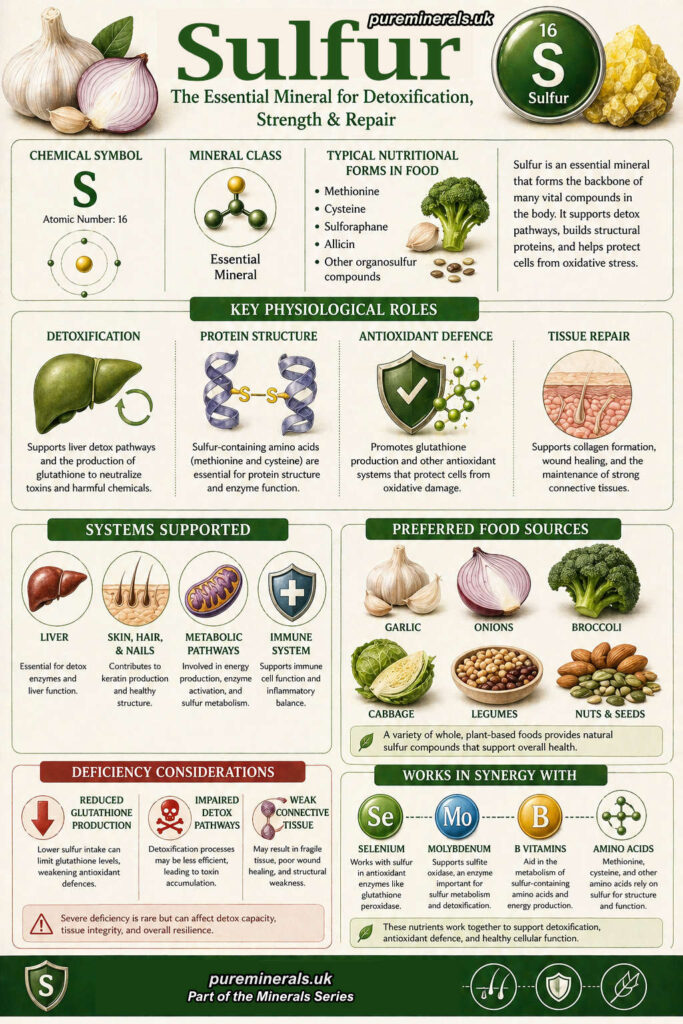
Download the full high-resolution Sulfur infographic for offline reference.
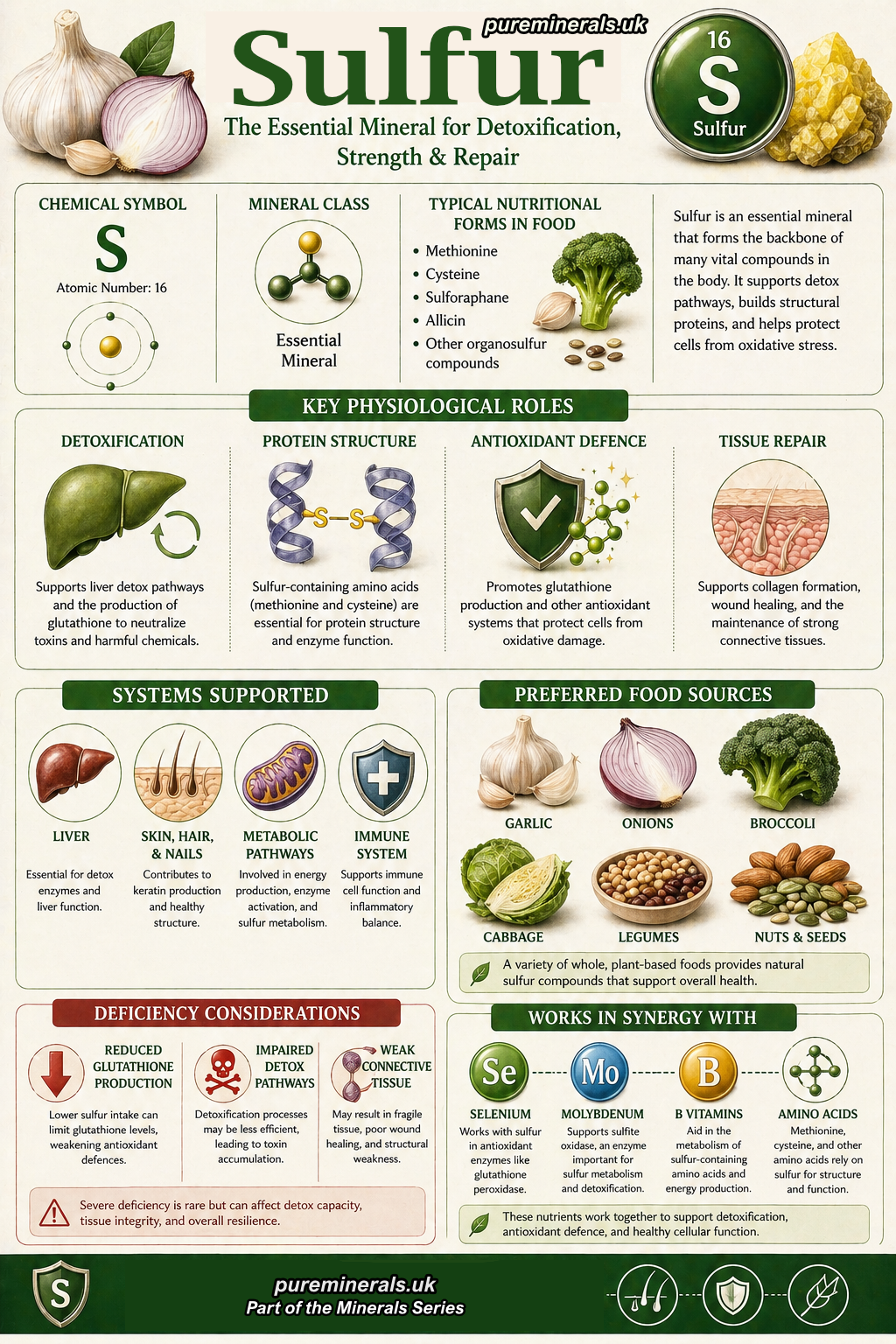
Explore more minerals in the full Minerals Hub
Frequently Asked Questions
Below are answers to common questions about sulfur supplementation and dietary sources. These practical insights address concerns that frequently arise when people begin exploring sulfur’s health benefits and implementation strategies.
Is it possible to get too much sulfur from food alone?
Obtaining excessive sulfur from whole foods alone is highly unlikely. Your body efficiently regulates sulfur metabolism from natural food sources, utilizing what’s needed and eliminating excess. Even diets exceptionally high in eggs, cruciferous vegetables, and garlic provide sulfur in forms and amounts that healthy bodies can process appropriately. The greater concern is typically insufficient intake, particularly for individuals with high detoxification demands or limited dietary diversity.
How long does it take to see benefits from increasing sulfur intake?
Timeline for results varies depending on your starting sulfur status, specific health concerns, and chosen method of increasing intake. For joint comfort, most people notice improvements within 2-4 weeks of consistent MSM supplementation, though some report changes within days. Skin, hair, and nail benefits typically emerge over 1-3 months as these tissues gradually incorporate additional sulfur into their structure.
Detoxification and energy benefits sometimes appear more quickly, with some individuals reporting improved clarity and vitality within the first week of optimizing sulfur intake. However, deeper healing and tissue regeneration require consistent intake over several months. Patience and consistency yield the most significant long-term results as your body gradually incorporates sulfur into structural tissues and enzymatic systems.
Can sulfur supplements interact with medications?
Certain sulfur supplements may interact with specific medications. NAC can affect some chemotherapy drugs, necessitating careful timing and medical supervision during cancer treatment. MSM might theoretically enhance the effects of blood-thinning medications like warfarin, though clinical significance appears minimal in most cases. Always disclose all supplements to healthcare providers, especially when starting new medications or undergoing medical procedures.
Is MSM the same as elemental sulfur?
MSM (methylsulfonylmethane) differs significantly from elemental sulfur, despite both containing the sulfur element. MSM provides an organic, bioavailable form of sulfur that’s readily utilized by human tissues, containing approximately 34% elemental sulfur by weight. Elemental sulfur, by contrast, requires conversion by gut bacteria before absorption and isn’t recommended as a dietary supplement. The distinction explains why MSM demonstrates excellent safety and tolerability compared to other forms of sulfur.
What’s the difference between sulfur and sulfites in food?
Natural sulfur compounds in foods differ fundamentally from added sulfites used as preservatives. Sulfites (including sodium sulfite, potassium metabisulfite, and similar compounds) are specific sulfur-oxygen molecules often added to wines, dried fruits, and processed foods to prevent spoilage and browning. Many individuals who react adversely to sulfites tolerate natural sulfur compounds without issue, as the molecular structures and biological effects differ significantly.
Sulfites primarily cause problems through their antimicrobial and antioxidant mechanisms, which can trigger asthma-like symptoms in sensitive individuals. Natural sulfur compounds in foods like garlic and cruciferous vegetables generally don’t trigger these reactions. Understanding this distinction helps prevent unnecessary restriction of beneficial sulfur-containing foods among those with sulfite sensitivities.
Food labels must indicate added sulfites when present at levels exceeding 10 parts per million, helping sensitive individuals avoid triggering foods. If you suspect sulfite sensitivity, work with healthcare providers to distinguish between reactions to sulfites and potential benefits from natural sulfur compounds that support detoxification and tissue healing.