

Published: 3 March 2026
This article is periodically reviewed and updated to reflect current scientific understanding by Vic George.
Fact-Checked: 2 other authoritative medical/scientific references. See our Editorial Policy.
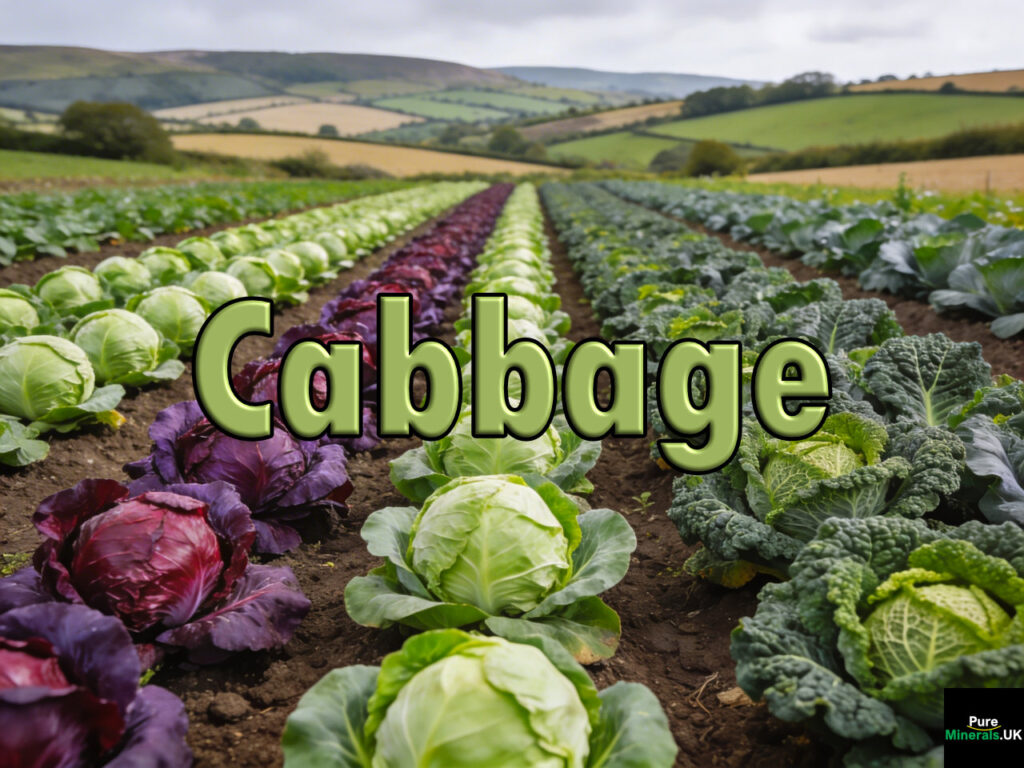
What Is Cabbage?
Cabbage is a leafy vegetable belonging to Brassica oleracea, cultivated in several forms, including green, red (purple), and Savoy varieties. It is valued for its high content of vitamin C, vitamin K, fiber, and sulfur-containing phytochemicals known as glucosinolates.
Definition
Cabbage is the compact, leafy head of Brassica oleracea, a cultivated member of the Brassicaceae family, consumed as a cruciferous vegetable.
Extended Definition
Cabbage belongs to the Brassicaceae family, which includes broccoli, kale, cauliflower, and Brussels sprouts. All are derived from the selective breeding of Brassica oleracea, resulting in distinct morphological forms.
Green cabbage forms tight, smooth leaves with a pale interior. Red cabbage contains anthocyanin pigments that give it a deep purple coloration. Savoy cabbage has crinkled, loosely layered leaves with a more delicate texture.
A defining characteristic of cabbage and other cruciferous vegetables is the presence of glucosinolates, sulfur-containing compounds involved in plant defense. When cabbage is chopped or chewed, the enzyme myrosinase converts glucosinolates into biologically active compounds such as isothiocyanates.
Cabbage provides significant amounts of vitamin C, which contributes to antioxidant protection and normal immune function, and vitamin K, which supports normal blood clotting and bone metabolism. It also contains folate, potassium, and dietary fiber.
Red cabbage is particularly rich in anthocyanins, a class of flavonoids responsible for its pigmentation. These compounds contribute to plant protection against environmental stressors.
Cabbage can be consumed raw, cooked, or fermented. Fermentation processes, such as those used in sauerkraut and kimchi, alter their biochemical profile and microbial content.
Key Facts
Botanical name: Brassica oleracea
Plant family: Brassicaceae
Common classification: Leafy cruciferous vegetable
Origin: Europe and the Mediterranean region
Edible part: Compact leafy head
Typical color: Green, red (purple), or crinkled green (Savoy)
Primary nutrients: Vitamin C, vitamin K, folate, fiber, potassium
Key phytonutrients: Glucosinolates, isothiocyanates, anthocyanins (red varieties), flavonoids
Energy density: Very low
Notable compounds: Sulfur-containing phytochemicals, phenolic compounds
Culinary uses: Salads, slaws, soups, stir-fries, fermented foods
Farms and market gardeners often grow green, red, and savoy cabbage simultaneously to provide a diverse selection for consumers and to manage harvest timing. While they can be planted at the same time, they often mature at different rates. Green cabbage generally matures the fastest. Varieties like ‘Early Jersey Wakefield’ can be ready in about 63 days. Red cabbage typically takes longer to develop a firm head than green varieties. Popular types like ‘Red Acre’ take roughly 73 to 100 days to reach maturity. Savoy cabbage is the slowest of the three, with varieties like ‘Savoy King’ taking around 85 days or more.
Farmers may sow all three types on the same day to ensure a staggered harvest, where the green is picked first, followed by red, and then savoy. Savoy types are particularly prized for their cold hardiness and are often grown alongside late-season red and green “drumhead” cabbages. Growing all three simultaneously allows farms to offer a full “cabbage palette,” catering to different culinary needs, such as salads (green/red) and hearty winter stews (savoy).
Key Takeaways
- Cabbage is a low-calorie, nutrient-dense vegetable — one cup of raw green cabbage has just 22 calories while delivering fiber, vitamins C and K, and powerful plant compounds.
- Red cabbage contains significantly more antioxidants and phenolic compounds than green cabbage, with an ORAC value of 2,496 raw and 3,145 when boiled.
- The phytochemicals in cabbage — including glucosinolates, anthocyanins, and carotenoids — have been studied for their roles in reducing inflammation, supporting immunity, and lowering cancer risk.
- How you cook cabbage matters: steaming preserves more nutrients than boiling, and eating it raw gives you the fullest nutritional benefit.
- Keep reading to discover how red, green, and Savoy cabbage compare nutritionally — and which simple recipes make it easy to eat more of this underrated superfood.
Cabbage might be one of the most underestimated vegetables in the grocery store — and once you see its full nutritional profile, that changes fast.
Cabbage has been recognized for its health-promoting properties since ancient times. Whether you’re reaching for a tight green head, a deep purple-red globe, or a loosely leafed Savoy, each variety brings something distinct to the table — both in flavor and in nutrition.
Cabbage Is More Nutritious Than Most People Think
Most people think of cabbage as a filler vegetable — something cheap that bulks up a salad or sits under a pile of pulled pork. But the nutritional density packed into each leaf tells a very different story. Cabbage is rich in vitamins, minerals, fiber, and a class of plant compounds called phytochemicals that scientists have been studying for decades in connection with chronic disease prevention.
One Cup of Raw Green Cabbage Has Only 22 Calories
One cup of chopped raw green cabbage — roughly 89 grams — clocks in at just 22 calories. Despite that incredibly low caloric footprint, it delivers a meaningful amount of vitamin C, vitamin K, fiber, and potassium. For anyone managing their weight or trying to eat more nutrient-dense foods without adding calories, cabbage is a practical, everyday option that’s also easy on the budget.
Red Cabbage Has More Antioxidants Than Green Cabbage
Red cabbage consistently outperforms green cabbage when it comes to antioxidant capacity. Its deep purple-red color comes from a group of pigments called anthocyanins, and those pigments are directly tied to its higher ORAC (Oxygen Radical Absorbance Capacity) value. Red cabbage scores 2,496 ORAC units when raw and rises to 3,145 when boiled — making it one of the more antioxidant-rich vegetables you can add to your diet. Red cabbage cultivars also show total phenolic content ranging between 170.53 mg GAE/g fresh weight, compared to white cabbage, which ranges between just 24.83 and 60.36 mg GAE/g fresh weight.
Cabbage Has Been Used for Its Health Properties Since Ancient Times
Cabbage’s reputation as a health food isn’t new. It has been recognized as an important source of bioactive compounds for centuries, long before the science of phytochemistry existed to explain why. Ancient cultures used it medicinally, and modern research has now begun to validate many of those traditional uses — particularly around gut health, inflammation, and immune support.
Green, Red, and Savoy: What Makes Each Type Different
Not all cabbage is the same. The four most commonly eaten forms — green, red, Savoy, and Napa — differ in texture, flavor intensity, and most importantly, their phytochemical composition. Research published in the journal Foods confirms that the phytochemical composition of cabbage is significantly affected by its form, cultivar, agricultural practices, and developmental stage.
FYI: White and green cabbage are essentially the same vegetable, often used interchangeably, featuring firm, pale green-to-white leaves and a crunchy texture. “White” cabbage often refers to stored or lighter-colored green cabbage. Both are ideal for coleslaw, stir-fries, and sauerkraut.
Green Cabbage: The Most Common and Highest in Glucosinolates
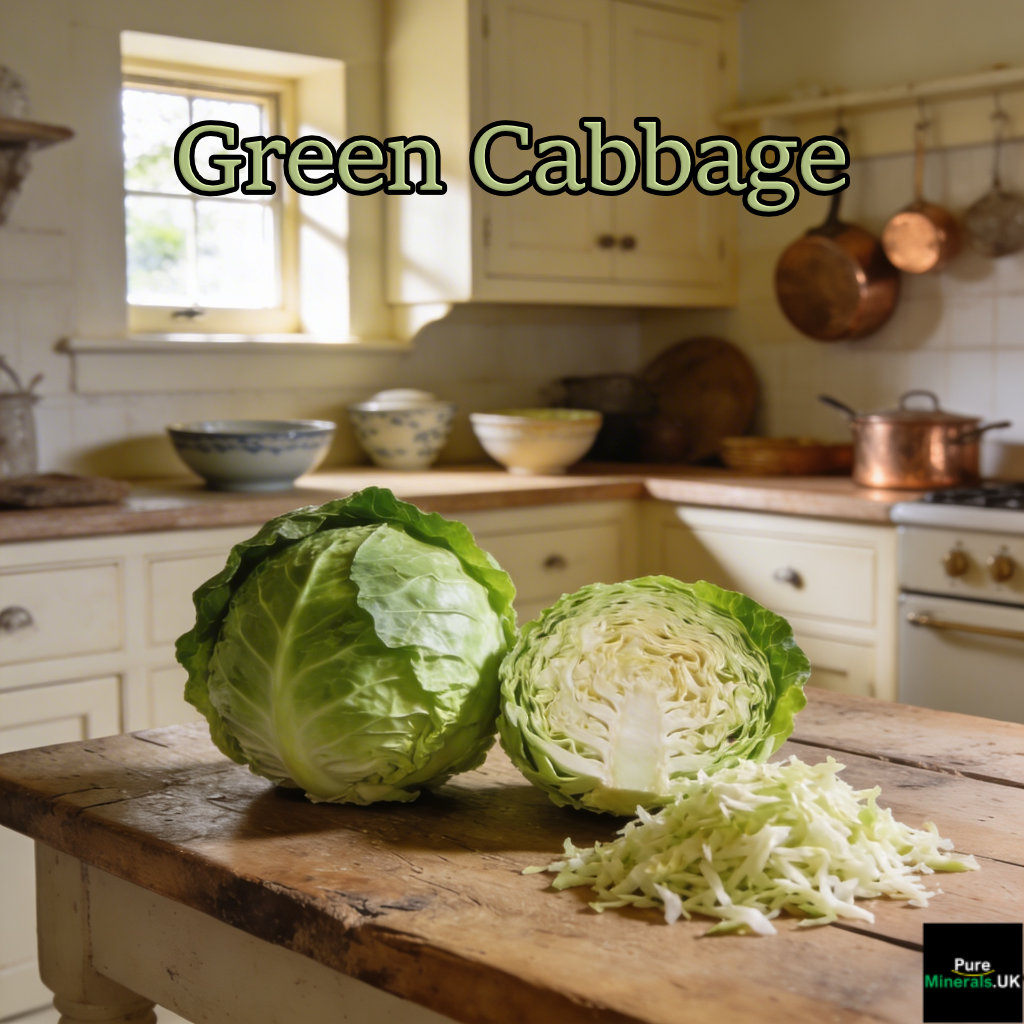
Green cabbage is the most widely available and most commonly used variety. It has a firm, dense structure with tightly packed pale green leaves and a mildly peppery flavor that mellows significantly when cooked. From a nutritional standpoint, green cabbage varieties are notable for their glucosinolate content — the sulfur-containing compounds that give Brassica vegetables their characteristic smell when cooked and their cancer-fighting reputation in research.
Did You Know? A study by Bhandari et al. (2020) assessed the glucosinolate content of 146 different red and white cabbage cultivars. Total glucosinolate content varied widely — from as low as 3.99 to as high as 23.75 — depending on cultivar and growing conditions. This variation highlights why not all heads of cabbage at the grocery store deliver identical nutrition.
Schmidt et al. (2024) further compared total glucosinolate content across 26 cabbage cultivars grown across different seasons, including 13 round white, 7 pointed white, 4 flat white, 2 Savoy, and 7 round red cultivars — confirming that both variety and season meaningfully affect the final glucosinolate content of the cabbage you eat.
Red Cabbage: Richest in Anthocyanins and Phenolic Compounds
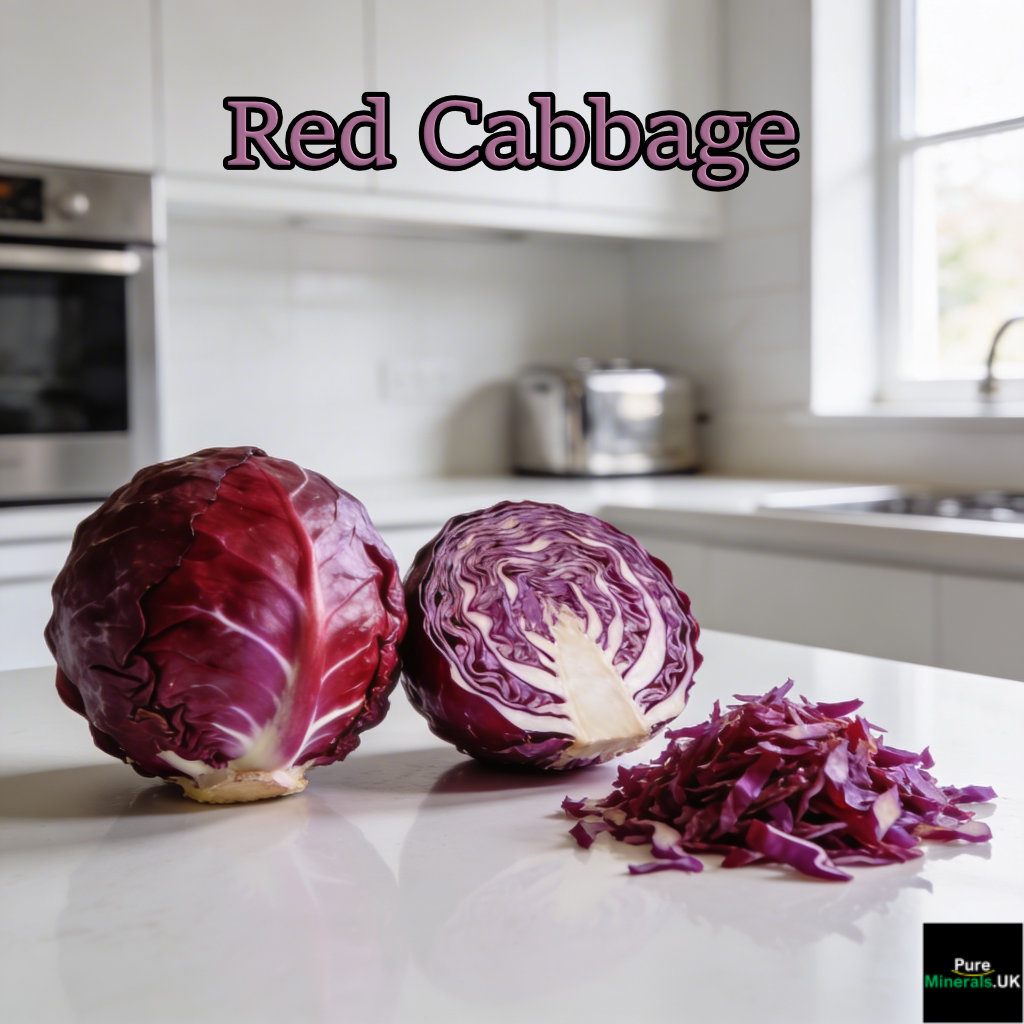
Red cabbage is the nutritional heavyweight of the cabbage family. Its striking color is produced by anthocyanins — a class of flavonoid pigments with well-documented antioxidant and anti-inflammatory properties. Red cabbage extract has been found to contain more than 30 anthocyanins, with cyanidin-3-diglucoside-5-glucoside (in both acylated and non-acylated forms) identified as the primary compound.
Vitamin C content is another area where red cabbage pulls ahead. Research shows vitamin C in green cabbages ranges from 22.72 to 51.65 mg per 100g fresh weight, while red cabbages display a much wider and higher range — between 36.57 and 129.90 mg per 100g fresh weight. At its upper range, that’s more vitamin C than a navel orange.
Total phenolic content tells a similar story. Liang et al. (2019) compared phenolic content across multiple cabbage forms and confirmed that red cabbage cultivars consistently exhibit higher amounts — a difference attributed directly to their high anthocyanin content.
- More than 30 anthocyanins have been identified in red cabbage extract
- Primary anthocyanin: cyanidin-3-diglucoside-5-glucoside
- ORAC value: 2,496 (raw) / 3,145 (boiled)
- Vitamin C range: 36.57–129.90 mg per 100g fresh weight
- Total phenolics: 170.53+ mg GAE/g fresh weight in red vs. 24.83–60.36 in white/green
Savoy Cabbage: Loose, Ruffled Leaves With a Milder Flavor
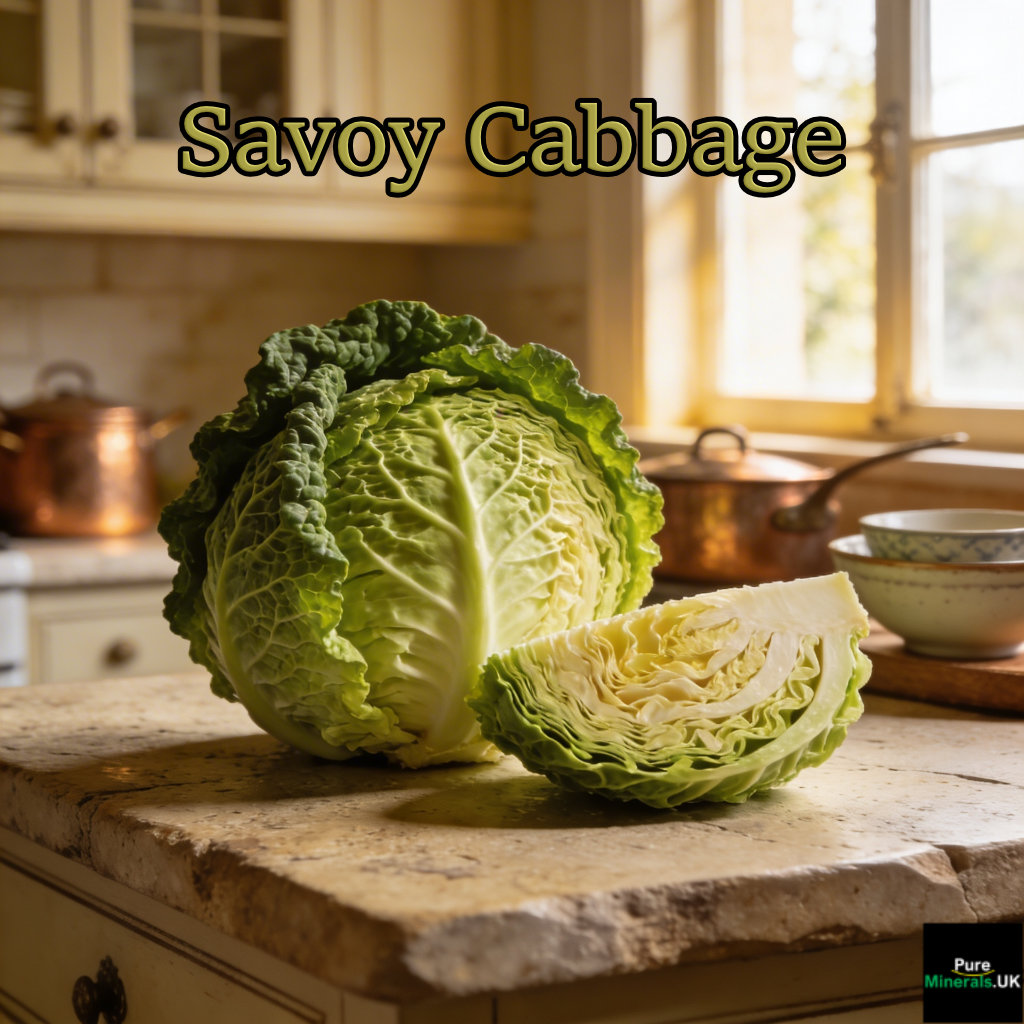
Savoy cabbage stands apart visually — its leaves are crinkled, loosely layered, and tender compared to the firm density of green or red heads. The flavor is noticeably milder and slightly sweet, making it one of the more approachable cabbages for people who find green or red varieties too sharp.
Nutritionally, Savoy falls between green and red cabbage. It’s a solid source of vitamin C, vitamin K, and fiber, and like all Brassica vegetables, it contains glucosinolates. Schmidt et al. (2024) included Savoy cultivars in their glucosinolate analysis, noting that their content varies by season and growing conditions, just like other cabbage forms. For a similar nutrient profile, you might also explore bok choy, another member of the Brassica family.
Its tender leaves also make it one of the most versatile cabbages in the kitchen — easy to use raw in salads, stuffed and baked, or lightly sautéed without the longer cook time required to soften the tougher green or red varieties.
Nutritional Profile of Cabbage
A one-cup serving of raw, chopped red cabbage (approximately 89 grams) gives you a snapshot of what makes cabbage worth eating regularly. The numbers are modest on macronutrients, but the micronutrient and phytochemical content is where cabbage earns its place in a health-focused diet.
Vitamins C and K: Two Standout Nutrients in Cabbage
Vitamin C and vitamin K are the two most prominent micronutrients in cabbage, and both matter significantly for long-term health. Vitamin C supports immune function, collagen synthesis, and acts as a direct antioxidant in the body. Vitamin K is essential for blood clotting and plays a key role in bone metabolism. Red cabbage offers the highest vitamin C content of the common cabbage varieties, while all types provide meaningful amounts of vitamin K per serving.
Fiber and Protein Content
Cabbage delivers a useful amount of dietary fiber per cup, supporting digestive health, helping to regulate blood sugar, and contributing to satiety. While it’s not a high-protein food, it does contain small amounts of plant protein — making it a useful component of a balanced plant-forward diet, especially when paired with legumes or whole grains in a meal.
How Cooking Affects Nutrient Retention
Cooking method has a measurable impact on cabbage nutrition. Research specifically examining red cabbage found that every cooking method tested decreased overall nutrition and anthocyanin capacity to some degree. However, steaming — particularly with minimal water and a short cook time — was shown to retain a significantly better amount of other antioxidants and vitamin C compared to boiling. The clear takeaway: if maximum nutrition is the goal, eat cabbage raw or steam it briefly.
Phytochemicals in Cabbage and Why They Matter
Phytochemicals are the biologically active compounds that plants produce, and cabbage happens to be exceptionally rich in several of the most well-researched ones. These aren’t nutrients in the traditional sense like vitamins or minerals, but they interact with human biology in ways that researchers are increasingly linking to reduced risk of chronic disease, lower inflammation, and better cellular health.
What makes cabbage particularly interesting from a phytochemical standpoint is the sheer variety of compounds it contains — and the fact that different cabbage types deliver different compound profiles. Red cabbage generally displays higher phenolic content than white or green varieties, while green cabbage tends to lead on certain glucosinolate types. Understanding which compounds you’re getting — and how to preserve them — makes a real difference in what you actually absorb. If you’re interested in exploring similar nutrient-rich vegetables, consider learning about bitter melon and its health benefits.
Glucosinolates and Their Role in Cancer Risk Reduction
Glucosinolates are sulfur-containing compounds found across all Brassica vegetables, and cabbage is one of the richest dietary sources available. When cabbage is chewed or chopped, an enzyme called myrosinase converts glucosinolates into bioactive metabolites — including isothiocyanates and indoles — that have been studied extensively for their ability to support the body’s detoxification pathways and inhibit the growth of certain cancer cells. The glucosinolate content of cabbage varies significantly by cultivar, with research by Bhandari et al. (2020) finding a range from 3.99 to 23.75 across 146 different red and white cabbage cultivars — a wide enough spread to matter when choosing what to eat regularly, such as bok choy.
Anthocyanins: The Pigments That Make Red Cabbage Red
Anthocyanins belong to the flavonoid family of polyphenols, and they’re responsible for the deep purple-red pigmentation of red cabbage. Red cabbage extract contains more than 30 identified anthocyanins, with cyanidin-3-diglucoside-5-glucoside as the dominant compound in both acylated and non-acylated forms. These pigments function as powerful antioxidants in the body, neutralizing free radicals and reducing oxidative stress. Research also connects anthocyanin intake to reduced markers of cardiovascular disease risk and improved anti-inflammatory responses — benefits that go well beyond the color they add to your plate.
Carotenoids and Vitamin C as Antioxidants
Cabbage also contributes carotenoids — plant pigments that the body can convert into vitamin A — alongside its direct vitamin C content. Both act as antioxidants, protecting cells from oxidative damage caused by free radicals. Vitamin C content varies notably across cabbage types: green cabbages range from 22.72 to 51.65 mg per 100g fresh weight, while red cabbages reach between 36.57 and 129.90 mg per 100g fresh weight. At the upper end of that range, a single cup of red cabbage can outperform citrus fruit as a vitamin C source — something most people don’t expect from a leafy vegetable.
How Cultivar and Growing Conditions Affect Phytochemical Levels
One of the most practically important findings in cabbage research is that the phytochemical content of cabbage is not fixed — it shifts significantly based on cultivar selection, agricultural practices, growing season, and the developmental stage at harvest. Schmidt et al. (2024) confirmed this across 26 cabbage cultivars grown in different seasons, finding meaningful variation in glucosinolate content across all types. This means the nutritional value of the cabbage you buy can vary from head to head, which is one reason why eating a variety of cabbage types — rather than relying on just one — is a smarter nutritional strategy.
Key Cabbage Health Benefits Backed by Research
Cabbage’s health benefits aren’t folklore — they’re increasingly supported by research across multiple areas of human physiology. From immune defense to gut microbiome support, the case for eating cabbage regularly is built on a solid and growing body of evidence.
Registered dietitian Julia Zumpano, RD, LD of Cleveland Clinic, puts it plainly: “Cabbage is good for you. It’s one of those foods that tastes better than it looks, and it has even more nutritional value than people expect.” The key, though, is understanding which benefits have the strongest research behind them — and which are still being investigated.
Immune System Support
Cabbage’s high vitamin C content is its most direct contribution to immune function. Vitamin C is essential for the production and function of white blood cells, and it acts as a key antioxidant that protects immune cells from oxidative damage during an immune response. Red cabbage, with its wider vitamin C range reaching up to 129.90 mg per 100g fresh weight, is particularly useful here — a single cup can provide a significant portion of the daily recommended intake without adding meaningful calories to your diet.
Anti-Inflammatory Effects
The anthocyanins in red cabbage and the glucosinolate-derived compounds in all cabbage types have been linked to measurable anti-inflammatory effects. Chronic inflammation sits at the root of conditions ranging from cardiovascular disease to type 2 diabetes and certain cancers — making regular consumption of anti-inflammatory foods a meaningful long-term strategy. Cabbage, particularly red cabbage with its high anthocyanin and phenolic content, fits naturally into that kind of dietary approach without requiring any special preparation or supplementation.
Bone Health and Osteoporosis Risk Reduction
Vitamin K — found in all cabbage varieties — plays a central and often underappreciated role in bone health. It activates osteocalcin, a protein that helps bind calcium to bone tissue, and adequate vitamin K intake is associated with better bone mineral density and reduced fracture risk. For people focused on long-term skeletal health, particularly post-menopausal women at elevated osteoporosis risk, adding vitamin K-rich foods like bok choy to a daily diet is a practical, food-first approach supported by nutritional research.
Gut Health: From Raw Cabbage to Fermented Foods Like Sauerkraut and Kimchi

Raw cabbage delivers dietary fiber that feeds beneficial gut bacteria and supports regular digestive function. The fiber in cabbage acts as a prebiotic — providing substrate for the beneficial microorganisms that make up your gut microbiome. A well-fed microbiome is linked to better digestion, stronger immune responses, improved mood regulation, and reduced systemic inflammation.
Fermented cabbage products like sauerkraut and kimchi take gut health support a step further. The fermentation process introduces live probiotic bacteria — primarily Lactobacillus strains — that can directly populate the gut and support microbial diversity. Both sauerkraut and kimchi are made from raw cabbage that’s been salted and allowed to ferment, which preserves many of the original phytochemicals while adding the probiotic benefit.
It’s worth noting, though, that fermentation does alter the nutritional profile of cabbage. Some heat-sensitive nutrients like vitamin C may decrease during fermentation, while other bioactive compounds become more bioavailable. The overall picture is still strongly positive — fermented cabbage offers a distinct and complementary set of health benefits compared to fresh raw cabbage, rather than a replacement for it.
Fresh vs. Fermented Cabbage: A Quick Comparison
Form
Key Benefit
Phytochemicals
Probiotic Content
Raw Green Cabbage
High glucosinolates, fiber
Glucosinolates, carotenoids, vitamin C
None
Raw Red Cabbage
Highest antioxidant capacity
Anthocyanins, phenolics, vitamin C
None
Steamed Cabbage
Retains antioxidants better than boiling
Moderate retention of phenolics and vitamin C
None
Sauerkraut
Live probiotic bacteria, gut support
Modified phytochemical profile
High (Lactobacillus strains)
Kimchi
Probiotics + anti-inflammatory spices
Modified phytochemical profile
High (Lactobacillus strains)
Whether you’re eating it raw, lightly steamed, or fermented, cabbage in all its forms offers something meaningful for gut health. The smartest approach is rotating across different preparations — raw in slaws, briefly steamed as a side, and fermented as a condiment — to capture the full range of benefits each form provides.
How to Get the Most Nutrition From Cabbage
Knowing that cabbage is nutritious is one thing — knowing how to prepare it so you actually absorb that nutrition is where the practical value lies. The research is fairly detailed on this: the preparation method has a real and measurable impact on how many phytochemicals, vitamins, and antioxidants survive from cutting board to plate.
Eating raw red cabbage is the most effective way to capture its full nutritional impact. The heat-sensitive anthocyanins and vitamin C remain fully intact, and the myrosinase enzyme responsible for converting glucosinolates into their active metabolites is also preserved — an enzyme that cooking deactivates. That said, raw cabbage isn’t always practical or palatable, which is why understanding the best cooking methods matters. For a similar nutrient profile, consider incorporating bok choy into your diet as well.
Raw vs. Cooked: Which Method Preserves More Nutrients
Research examining red cabbage specifically found that every cooking method tested — including boiling, microwaving, and steaming — decreased overall nutrition and anthocyanin capacity to some degree. Steaming came out on top, retaining a significantly better amount of antioxidants and vitamin C compared to boiling, which leaches water-soluble nutrients directly into the cooking liquid. If you do boil cabbage, using minimal water and keeping cook times short limits the nutrient loss — and using the cooking liquid in soups or sauces recovers some of what was lost.
Best Cooking Methods to Retain Phytochemicals
Steaming is the clear winner when it comes to cooking cabbage with minimal nutrient loss. Use a steamer basket over a small amount of boiling water, keep the cook time under five minutes, and remove the cabbage while it still has some texture. This short, low-moisture approach preserves far more of the heat-sensitive anthocyanins and vitamin C than submerging cabbage in boiling water for ten or more minutes.
Stir-frying is another solid option. High heat for a short duration — typically two to three minutes in a hot pan with a small amount of oil — limits the time phytochemicals are exposed to heat while also enhancing the absorption of fat-soluble compounds like carotenoids. The fat in the oil actually improves your body’s ability to absorb those specific nutrients, making a quick stir-fry nutritionally smarter than it might seem.
If you do choose to boil cabbage, keep these two rules in mind: use as little water as possible, and repurpose the cooking liquid. A significant portion of the water-soluble nutrients — including vitamin C and some phenolic compounds — leach directly into the water. Using that liquid as a base for soup or a braising liquid recovers much of what would otherwise go down the drain.
Microwaving, despite its reputation, performs reasonably well compared to boiling when cook times are kept short. A brief microwave with minimal added water can preserve a useful amount of nutrients, making it a practical option when you need speed without sacrificing too much nutritional value.
Cooking Method Comparison: Nutrient Retention in Cabbage
Cooking Method
Anthocyanin Retention
Vitamin C Retention
Overall Phytochemical Impact
Raw
Fully intact
Fully intact
Maximum — best option for nutrition
Steaming (under 5 min)
Good retention
Good retention
Best cooking method overall
Stir-frying (2–3 min)
Moderate retention
Moderate retention
Improves fat-soluble nutrient absorption
Microwaving (short)
Moderate retention
Moderate retention
Reasonable when time is limited
Boiling
Significant loss
Significant loss
Lowest retention — avoid for nutrition goals
Simple Cabbage Recipes to Try
The best way to make cabbage a regular part of your diet is to have a few reliable recipes that actually taste good. Cabbage is remarkably versatile — it holds up to braising, works beautifully raw in slaws and wraps, and absorbs bold flavors from spices, acids, and broths. The three recipes below put different cabbage varieties to work across different meal types, so you’re never locked into one preparation style.
Each of these recipes uses cabbage as a primary ingredient rather than an afterthought, which means you’re getting a meaningful nutritional contribution from the cabbage itself — not just a garnish. Rotate through them across the week, and you’ll naturally build the dietary variety that captures the broadest spectrum of cabbage’s phytochemical benefits.
Stuffed Cabbage Rolls With Lamb
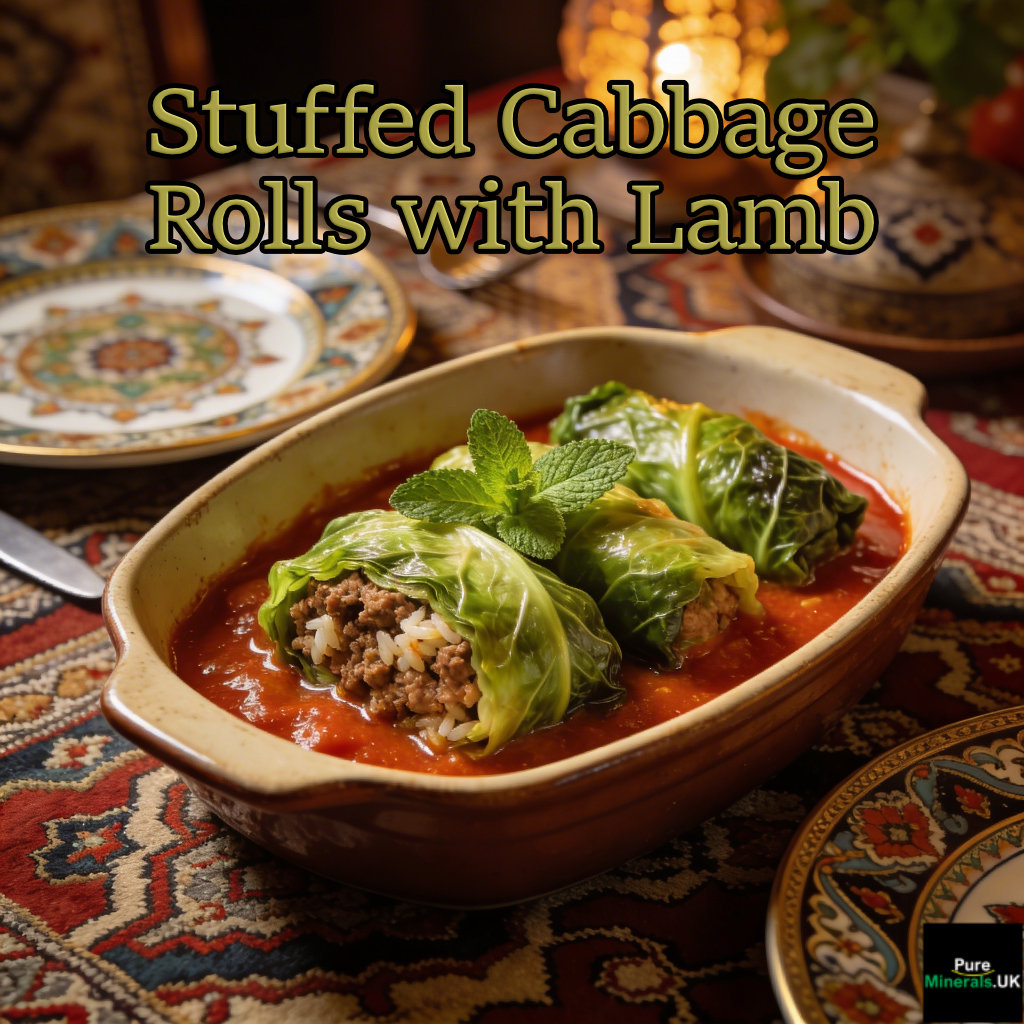
Stuffed cabbage rolls are a traditional dish across Eastern European and Middle Eastern cuisines, and they’re one of the most satisfying ways to eat cabbage as a main meal. Use large, tender green cabbage leaves — blanched briefly in hot water to make them pliable — and fill them with a mixture of ground lamb, cooked rice, diced onion, garlic, fresh mint, and a pinch of allspice. Roll them tightly, nestle them into a baking dish, and cover with a simple tomato sauce thinned with a little chicken or vegetable broth. Bake covered at 350°F for about 45 minutes until the filling is cooked through and the sauce has thickened around the rolls.
The lamb brings richness and depth that pair well with the mild, slightly sweet flavor of cooked green cabbage. If you want to keep it leaner, ground turkey or a mix of ground beef and pork work just as well. The cabbage leaves themselves soften during baking and absorb the tomato broth, becoming tender and flavorful rather than the sharp, raw texture some people find off-putting. This is a great entry point for anyone who hasn’t loved cabbage in the past.
Fish Tacos on Lettuce Wraps With Red Cabbage

This recipe skips the tortilla entirely and uses large romaine or butter lettuce leaves as the wrap — keeping it light, grain-free, and focused on the vegetables. Season white fish fillets (tilapia, cod, or mahi-mahi all work well) with cumin, smoked paprika, garlic powder, salt, and a squeeze of lime, then pan-sear or grill until just cooked through and flaky. Assemble each lettuce cup with a piece of fish, a generous handful of thinly shredded raw red cabbage, sliced avocado, fresh cilantro, and a drizzle of a simple chipotle yogurt sauce made from Greek yogurt, chipotle in adobo, lime juice, and a pinch of salt.
The raw red cabbage here is doing double nutritional duty — it adds crunch and freshness while delivering its full anthocyanin and vitamin C content undiminished by heat. The acidity from the lime juice also helps brighten the cabbage’s flavor and can slightly improve the bioavailability of its iron content. This is one of the fastest and most nutritionally complete cabbage preparations you can make on a weeknight, coming together in under 20 minutes.
Mexican Chicken Pozole Verde
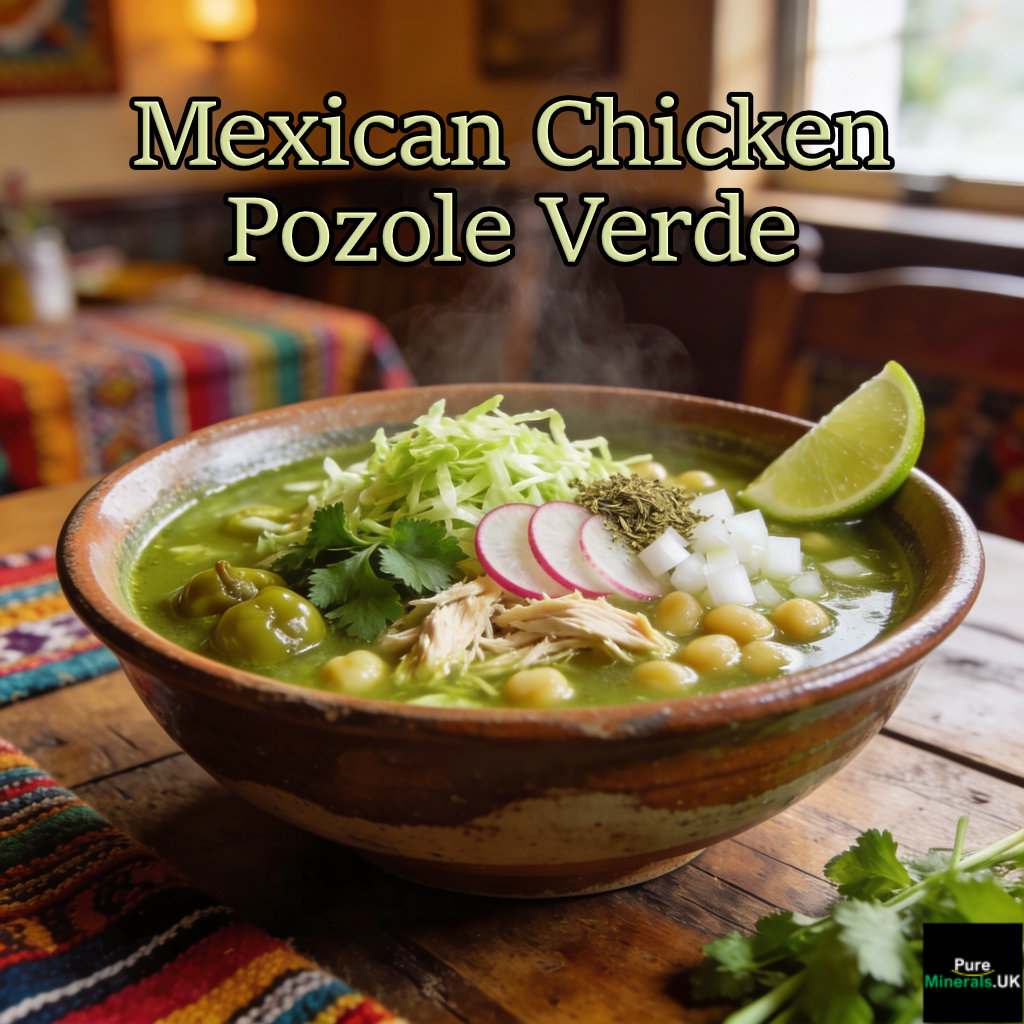
Pozole verde is a traditional Mexican soup built on a base of tomatillos, green chiles, garlic, and herbs — slow-simmered with chicken and hominy until rich and deeply flavored. To make it, blend tomatillos, poblano peppers, jalapeño, garlic, white onion, fresh cilantro, and oregano into a smooth green sauce, then sauté it in a large pot until it darkens slightly. Add chicken broth and shredded poached chicken breast, along with drained canned hominy, and simmer for 20 to 25 minutes.
Serve hot in deep bowls, topped with a pile of finely shredded raw green cabbage, sliced radishes, diced white onion, dried oregano, and a wedge of lime. The raw cabbage topping is traditional — it wilts slightly in the hot broth, adding texture and a fresh counterpoint to the rich, chile-forward soup base.
Red Cabbage Beats Green on Antioxidant Power, but Both Deserve a Place on Your Plate
The research makes it clear: red cabbage holds a measurable edge over green cabbage in total phenolic content, anthocyanin concentration, antioxidant capacity, and vitamin C range. If you had to choose just one, red cabbage delivers the most concentrated phytochemical punch per cup. But framing it as a competition misses the bigger nutritional picture.
Green cabbage brings its own strengths — particularly in certain glucosinolate profiles and in its versatility across cooked dishes, where red cabbage’s pigments can bleed and alter the color of the food around it. Savoy cabbage offers a milder, more tender option that works in preparations where other varieties feel too sharp or too firm. Napa cabbage brings its own set of compounds and is the traditional base for kimchi, adding probiotic benefit to the equation. Each variety fills a slightly different role both nutritionally and in the kitchen.
The most effective strategy is straightforward: eat more cabbage, across more varieties, prepared in more ways. Raw in salads and slaws, steamed as a side, stir-fried into rice dishes, stuffed and baked, shredded over soups, or fermented into sauerkraut and kimchi — the more consistently cabbage shows up in your diet, the more you benefit from its full spectrum of vitamins, minerals, fiber, glucosinolates, anthocyanins, and carotenoids. It’s inexpensive, widely available year-round, and nutritionally far more impressive than its humble reputation suggests.
Important note: Cabbage
Cabbage is widely recognized as safe when consumed as a food. This article is provided for educational purposes only and does not constitute medical advice. Individuals taking anticoagulant medications or those with specific dietary concerns should consult a qualified healthcare professional before making significant dietary changes.
Frequently Asked Questions
Cabbage generates a lot of nutritional questions — partly because it’s so common that people assume they already know everything about it, and partly because the differences between varieties aren’t widely understood.
Whether you’re trying to optimize how you cook it, figure out how much to eat, or understand what fermented cabbage actually does for your gut, the answers are grounded in the same research explored throughout this article.
Is Red Cabbage Healthier Than Green Cabbage?
Red cabbage is nutritionally superior to green cabbage in several measurable ways — it contains significantly higher total phenolic content, more anthocyanins, a higher ORAC antioxidant value, and a wider and higher range of vitamin C. However, green cabbage has its own distinct glucosinolate profile and is a valuable part of a varied diet. If you can only choose one, red cabbage offers the greater phytochemical density. If you can eat both regularly, that’s the stronger long-term strategy.
What Are Glucosinolates and Why Are They Important?
Glucosinolates are sulfur-containing compounds naturally found in all Brassica vegetables, including cabbage, broccoli, Brussels sprouts, and kale. When cabbage is chewed or chopped, an enzyme called myrosinase converts glucosinolates into bioactive compounds — including isothiocyanates and indoles — that have been extensively studied for their ability to support the body’s detoxification systems and reduce the risk of certain cancers. Cooking deactivates myrosinase, which is one reason eating cabbage raw preserves more of these benefits. Glucosinolate content varies significantly between cultivars — ranging from 3.99 to 23.75 across 146 cultivars in research by Bhandari et al. (2020) — which is why dietary variety across cabbage types matters.
How Much Cabbage Should You Eat Per Day?
There’s no single universal recommendation for daily cabbage intake, but incorporating at least one to two cups of cabbage into your diet several times per week is a practical and evidence-aligned goal. At just 22 calories per cup of raw green cabbage, volume isn’t a barrier — the challenge for most people is consistency and variety in preparation rather than quantity.
One consideration worth noting: cabbage is a goitrogenic food, meaning very high consumption over a long period could theoretically interfere with thyroid function in people with iodine deficiency or existing thyroid conditions. For most healthy people, eating cabbage in normal food quantities, this is not a concern, but individuals managing thyroid conditions should discuss dietary intake with their healthcare provider.
Does Cooking Cabbage Destroy Its Nutrients?
Cooking cabbage does reduce its nutrient content to some degree — research on red cabbage confirmed that every cooking method tested decreased overall nutrition and anthocyanin capacity compared to raw. However, “reduces” does not mean “eliminates.” Steaming for under five minutes preserves a meaningful amount of antioxidants and vitamin C, and even cooked cabbage still delivers fiber, vitamin K, and a range of phytochemicals that make it worth eating.
The practical takeaway is to vary your preparation — eat some cabbage raw to capture full phytochemical benefit, and use steaming or quick stir-frying when you prefer it cooked. Avoid long boiling times in large amounts of water, which causes the most significant nutrient loss of any common cooking method. For other healthy vegetable options, consider incorporating arugula into your meals.
Is Fermented Cabbage Like Sauerkraut as Nutritious as Fresh Cabbage?
Fermented cabbage and fresh cabbage offer different but complementary nutritional benefits — neither is strictly superior. Fresh raw cabbage delivers intact glucosinolates, anthocyanins, and full vitamin C content. Fermented cabbage, like sauerkraut and kimchi, introduces live probiotic bacteria — primarily Lactobacillus strains — that support gut microbiome diversity and digestive health in ways that fresh cabbage cannot.
The fermentation process does alter the phytochemical profile of the original cabbage. Some heat-sensitive nutrients may decrease, while other bioactive compounds can become more bioavailable as fermentation breaks down cell walls and makes certain nutrients easier for the body to absorb. The sodium content also increases significantly in fermented products due to the salt used in the fermentation process — something worth monitoring if you’re managing blood pressure or overall sodium intake.
The ideal approach is to include both fresh and fermented cabbage in your diet rather than treating them as interchangeable substitutes. Think of sauerkraut or kimchi as a daily condiment-sized serving alongside meals, while fresh cabbage — raw or lightly cooked — serves as your primary source of the vegetable’s core phytochemical profile. Together, they cover more nutritional ground than either does alone.