

Published: 2 March 2026
This article is periodically reviewed and updated to reflect current scientific understanding by Vic George.
Fact-Checked: 2 other authoritative medical/scientific references. See our Editorial Policy.
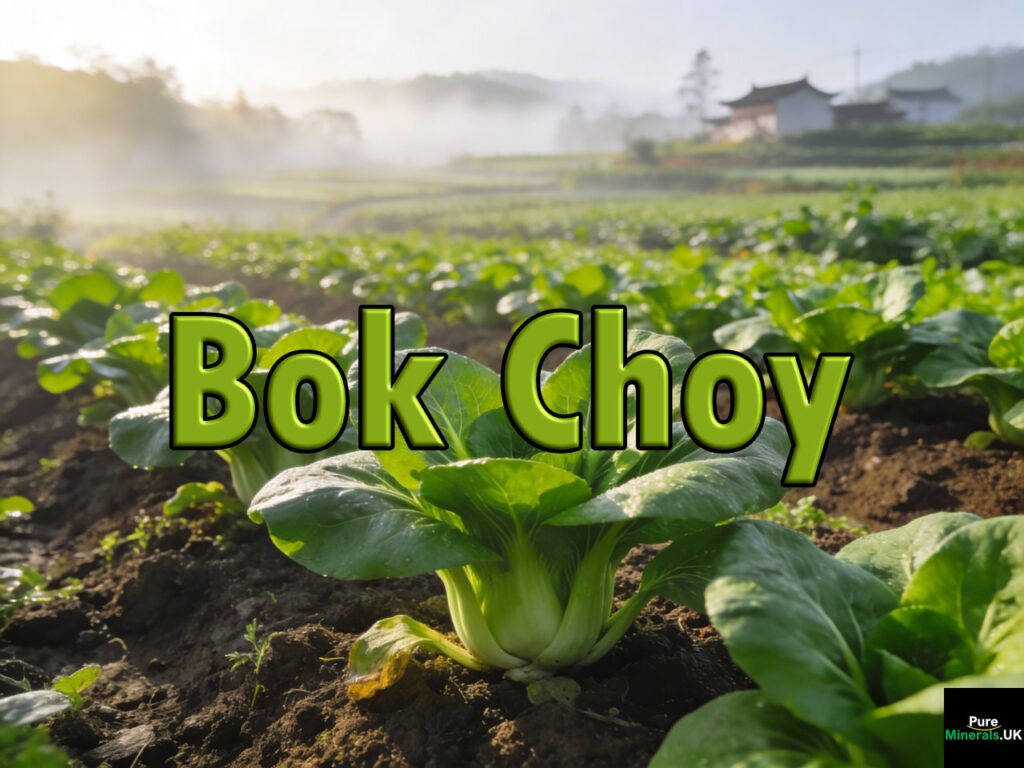
What Is Bok Choy?
Bok choy is a leafy green vegetable belonging to the species Brassica rapa subsp. chinensis, valued for its high nutrient density, crisp texture, and concentration of vitamins, minerals, and glucosinolates. It is widely used in East Asian cuisine and serves as an important dietary source of micronutrients and plant bioactive compounds.
Definition
Bok choy is the edible leaf stalks and leaves of Brassica rapa subsp. chinensis, a cultivated member of the Brassicaceae family consumed as a leafy green vegetable.
Extended Definition
Bok choy, also known as Chinese cabbage or pak choi, belongs to the Brassicaceae family, which includes nutritionally significant vegetables such as broccoli, kale, mustard greens, and cabbage. This plant family is known for producing glucosinolates, sulfur-containing compounds involved in plant defense.
When bok choy tissue is cut or chewed, glucosinolates are converted by the enzyme myrosinase into isothiocyanates and related compounds. These substances contribute to the plant’s characteristic flavor and play important roles in plant physiology.
Bok choy provides substantial amounts of vitamin K, vitamin C, vitamin A precursors, folate, and calcium. Vitamin K supports normal blood clotting and bone metabolism, while vitamin C contributes to antioxidant protection and normal immune function. Calcium supports normal muscle function and skeletal structure.
The vegetable has a high water content and low caloric density, making it nutritionally efficient. Both the leafy green blades and the thick, pale stalks are edible and provide different textures and nutrient distributions.
Bok choy grows rapidly and can be harvested at various stages, from small “baby” plants to fully mature heads. It is commonly consumed raw, lightly cooked, or stir-fried to preserve nutrient content and texture.
Key Facts
Botanical name: Brassica rapa subsp. chinensis
Plant family: Brassicaceae
Common classification: Leafy green vegetable
Origin: China and East Asia
Edible part: Leaves and stalks
Typical color: Dark green leaves with pale green to white stalks
Primary nutrients: Vitamin K, vitamin C, vitamin A precursors, calcium, folate
Key phytonutrients: Glucosinolates, isothiocyanates, carotenoids, flavonoids
Energy density: Very low
Notable compounds: Sulfur-containing phytochemicals, phenolic compounds
Culinary uses: Stir-fries, soups, steamed dishes, salads, and side dishes
Key Takeaways
- Bok choy ranks in the top 3 on the aggregate nutrient density index — delivering an extraordinary amount of vitamins, minerals, and antioxidants for just 9 calories per cup.
- A single cup provides over 50% of your daily Vitamin C and more than half your daily Vitamin A — two critical nutrients for immunity, skin health, and vision.
- Cooking bok choy depletes key vitamins — particularly Vitamin C and K — so eating it raw or lightly cooked makes a measurable difference in what your body absorbs.
- Bok choy contains powerful phytochemicals like glucosinolates, sulforaphane, and brassinin that are actively studied for their role in cancer prevention and cellular protection.
- Keep reading to discover exactly how bok choy stacks up nutritionally, which compounds make it a superfood, and simple ways to add it to your diet this week.
Few vegetables pack this much nutrition into so few calories — and bok choy might just be the most underrated one on the shelf.
If you’re serious about eating for health, understanding why a food is good for you matters just as much as knowing that it is. Green Sage Life, a resource dedicated to wholesome seasonal eating, highlights bok choy as a standout example of a vegetable that earns its superfood status through hard nutritional data — not just marketing. This article breaks down exactly what’s inside bok choy, what it does in your body, and how to get the most out of it.
Bok Choy Is One of the Most Nutrient-Dense Foods on the Planet
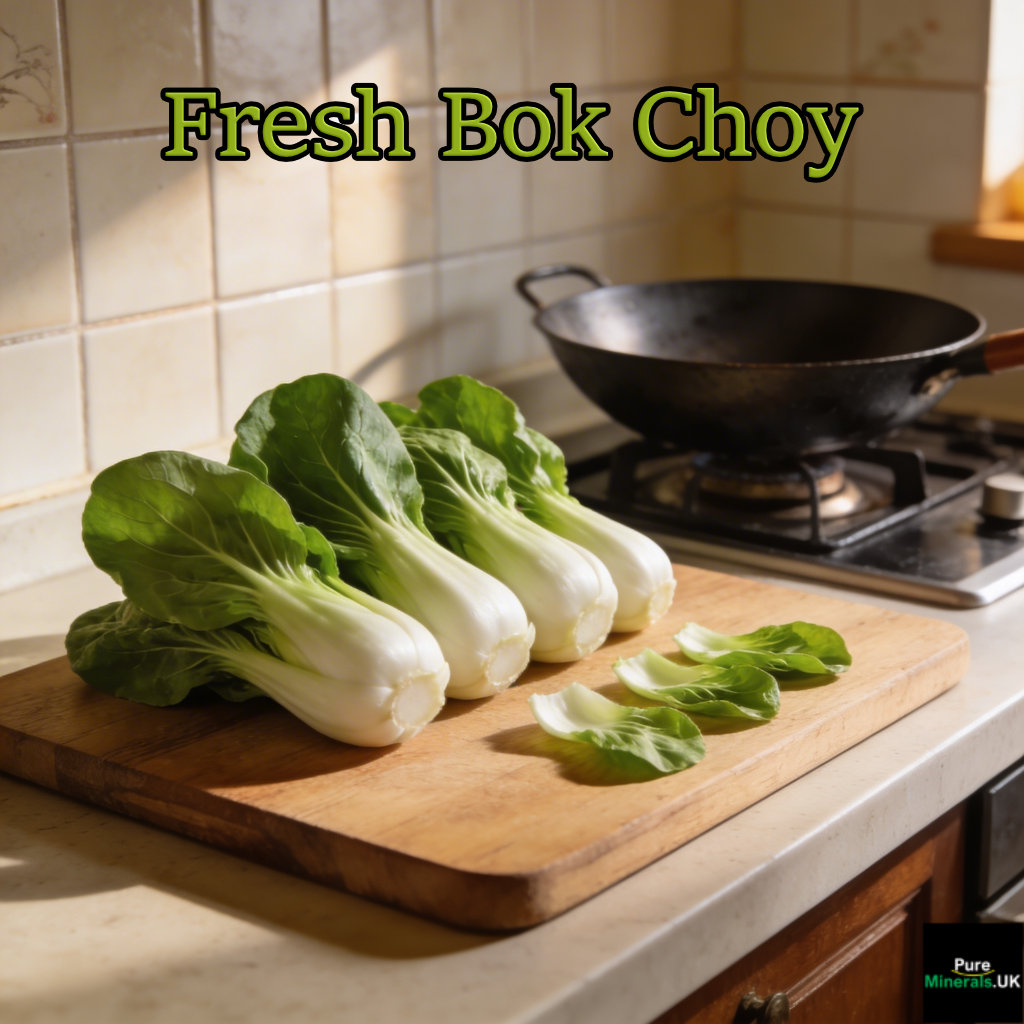
- Also known as Brassica rapa subsp. chinensis
- Commonly called pak choi or white cabbage
- A member of the cruciferous vegetable family alongside broccoli, kale, and Brussels sprouts
- Available year-round but peaks in flavor and nutrition during the winter months
- Both the stalks and leaves are edible and nutritionally valuable
Bok choy is primarily grown in East Asia (specifically China) and widely cultivated in Southeast Asia, with significant production also in the US, Europe, and Australia. As a cool-season crop, it grows in well-drained, moist soil during spring or fall, often grown in greenhouses, raised beds, or containers.
This vegetable originated in China, with cultivation dating back over 5,000 years in the Yangtze River delta. As a descendant of ancient mustard plants, this cruciferous vegetable has been a staple in Asian cuisine for centuries, and for good reason. Its mild, slightly sweet flavor makes it one of the most versatile vegetables you can cook with — but its real power lies in what it delivers nutritionally.
What makes bok choy truly stand out isn’t any single nutrient. It’s the combination — a dense matrix of vitamins, minerals, antioxidants, and phytochemicals all packed into a vegetable that is almost entirely water and fiber, with virtually no fat, sugar, or significant caloric load.
Only 9 Calories Per Cup, Yet Packed With Vitamins and Minerals
One raw cup of shredded bok choy contains just 9 calories. That’s not a typo. For context, that same cup delivers meaningful amounts of Vitamin C, Vitamin A, Vitamin K, folate, calcium, potassium, and iron — nutrients that many people struggle to get enough of daily. It’s the kind of nutritional-to-caloric ratio that makes dietitians and nutrition researchers pay attention, similar to the benefits of arugula.
This makes bok choy especially valuable if you’re managing weight without sacrificing micronutrient intake. Volume eating — the strategy of consuming high-bulk, low-calorie foods to promote satiety — works particularly well with bok choy because its high water and fiber content helps you feel full without overeating.
Ranked in the Top 6 on the Aggregate Nutrient Density Index
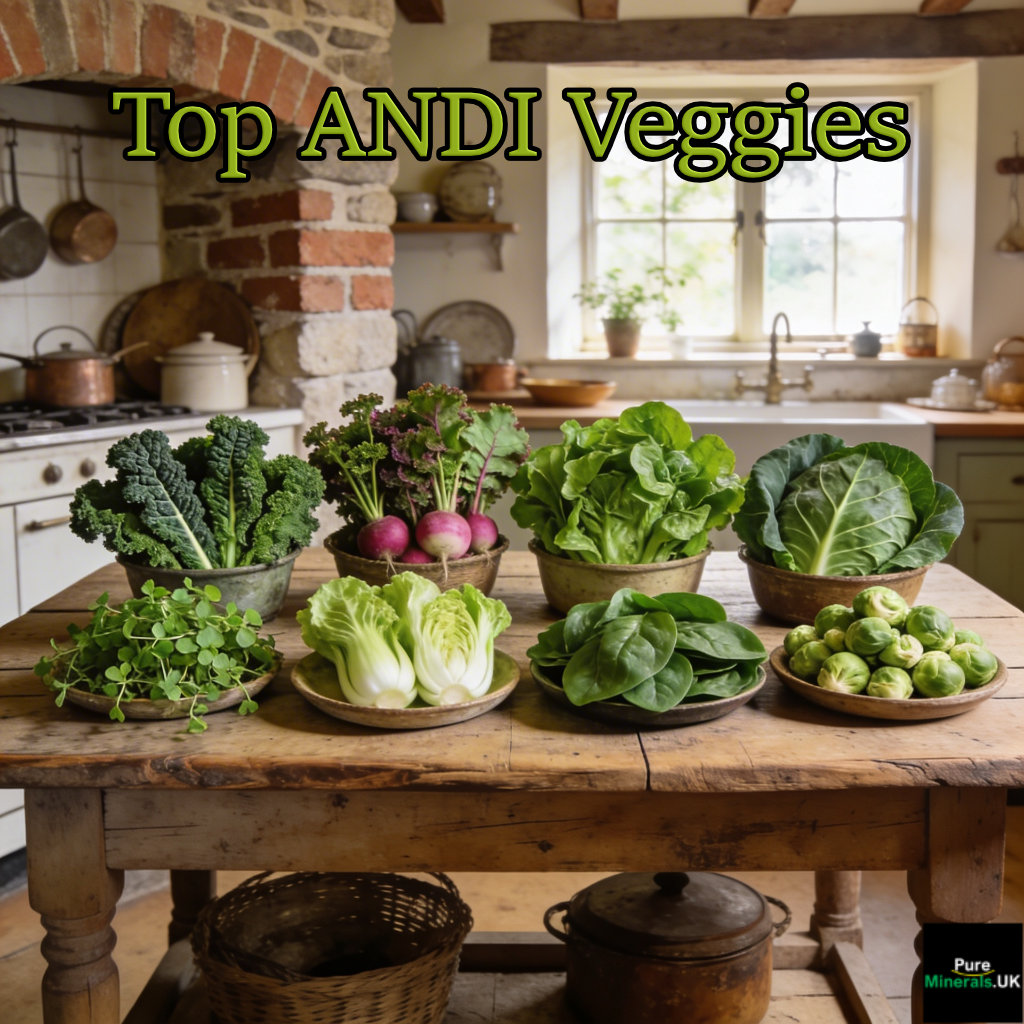
The aggregate nutrient density index (ANDI) is a scoring system from 1 to 1,000 that ranks foods by their nutrient content per calorie. Bok choy consistently places in the top six on this index — a distinction it shares with very few other foods. This isn’t about one standout vitamin or mineral. It reflects the sheer breadth of what bok choy contains across the full spectrum of essential nutrients your body needs to function at its best.
FYI: kale, mustard, turnip, and collard greens score 1,000 in the ANDI. These are extremely nutrient-dense leafy greens. Watercress also scores 1,000. Bok Choy scores 824, spinach scores 739, and Brussels sprouts score 672.
Raw vs. Cooked: How Preparation Affects Nutrient Levels
Here’s something most people don’t think about: how you prepare bok choy directly impacts how much nutrition you actually get from it. The biggest losses happen with Vitamin C and Vitamin K — both of which degrade with heat. If you’re stir-frying or boiling bok choy, you’re getting a less potent version nutritionally. Eating it raw in a salad or adding it at the very end of cooking preserves significantly more of these heat-sensitive vitamins. Light steaming is a reasonable middle ground that retains more nutrients than high-heat cooking methods.
The Full Nutritional Profile of Bok Choy
Let’s get specific. Bok choy’s nutritional profile is genuinely impressive when you lay it out in detail — and understanding exactly what’s in it helps you see why it earns its superfood reputation.
Vitamins A, C, and K: The Heavy Hitters
A single one-cup serving of raw bok choy delivers more than half your daily recommended intake of both Vitamin A and Vitamin C. Vitamin A — sourced here largely through beta-carotene — supports vision, immune function, and skin cell renewal. Vitamin C is a powerhouse antioxidant that supports collagen production, immune defense, and iron absorption. Vitamin K, present at roughly one-third of the daily recommended intake per cup, plays a critical role in blood clotting and bone mineralization.
B Vitamins, Calcium, Potassium, and Key Trace Minerals
Beyond the headline vitamins, bok choy delivers a meaningful dose of folate — a B vitamin essential for DNA synthesis, red blood cell formation, and fetal development during pregnancy. It also contains calcium and phosphorus for bone density, potassium for blood pressure regulation, magnesium for muscle and nerve function, iron for oxygen transport, and manganese for enzyme activation and metabolic processes.
What makes this especially noteworthy is that bok choy is frequently cited as a healthier alternative to dairy for calcium intake — delivering bone-supportive minerals without the saturated fat load found in full-fat milk products. It also contains iron, which, when paired with its high Vitamin C content, results in better non-heme iron absorption — a smart combination your body benefits from naturally in a single serving.
Nutrient | Amount per 1 Cup Raw | % Daily Value (Approx.) |
|---|---|---|
Calories | 9 kcal | — |
Protein | 1 g | — |
Carbohydrates | 2 g | — |
Fiber | 1 g | — |
Fat | 0 g | — |
Vitamin A | High | >50% |
Vitamin C | High | >50% |
Vitamin K | Moderate-High | ~33% |
Folate | Present | Notable |
Calcium | Present | Notable |
Iron | Present | Notable |
Potassium | Present | Notable |
Magnesium | Present | Notable |
However, do visit our Root of all Disease section to learn about mineral depletion in farm soils.
Macronutrient Breakdown Per Serving
From a macronutrient standpoint, bok choy is almost entirely a micronutrient vehicle. With 2 grams of carbohydrates, 1 gram of protein, and 0 grams of fat per raw cup, it contributes virtually nothing to your daily caloric budget while contributing enormously to your vitamin and mineral intake. This is why it works across nearly every dietary framework – keto, paleo, plant-based, Mediterranean – bok choy fits without friction.
Phytochemicals and Bioactive Compounds in Bok Choy
Vitamins and minerals tell only part of the story. What makes bok choy — and cruciferous vegetables broadly — a subject of serious nutritional research is their phytochemical content. These are biologically active plant compounds that don’t fit neatly into the traditional vitamin/mineral categories but have measurable effects on human health at the cellular level.
Bok choy contains a particularly rich concentration of glucosinolates, which are sulfur-containing compounds found almost exclusively in cruciferous vegetables. When bok choy is chewed, chopped, or digested, an enzyme called myrosinase converts glucosinolates into several active compounds — most notably sulforaphane, indoles, and nitriles. Each of these has a distinct biological activity that researchers continue to study for their protective effects against chronic disease.
Glucosinolates and Their Role in Cancer Prevention
Glucosinolates are the precursor compounds that give cruciferous vegetables like bok choy their slightly bitter, peppery edge — and they’re also the reason this family of vegetables is associated with reduced cancer risk. Once converted in the body, glucosinolate breakdown products have been shown to influence detoxification enzyme activity, help regulate cell cycle progression, and promote apoptosis (programmed cell death) in abnormal cells. Research into cruciferous vegetable consumption and cancer risk reduction has focused particularly on cancers of the colon, breast, prostate, and lung.
Sulforaphane, Indoles, and Nitriles: What They Do in the Body
Sulforaphane is the most studied of the glucosinolate breakdown products, and for good reason. It activates a protein called Nrf2, which triggers the production of the body’s own antioxidant and detoxification enzymes — essentially switching on your body’s internal defense system. Indoles, particularly indole-3-carbinol, have been shown to influence estrogen metabolism in ways that may reduce hormone-related cancer risk. Nitriles, while less studied, contribute to the overall detoxification activity that makes cruciferous vegetables so biologically significant.
Brassinin: The Antimicrobial and Chemopreventive Agent
Brassinin is a phytoalexin — a compound plants produce as a natural defense against pathogens — found in bok choy and other members of the Brassica family. In human health research, brassinin has demonstrated both antimicrobial properties and chemopreventive activity, meaning it may help inhibit the early stages of cancer development. While research is still ongoing, brassinin is an example of how the deeper you look into bok choy’s chemical composition, the more biologically active compounds you find working in your favor.
Health Benefits Backed by Science
The nutritional density and phytochemical richness of bok choy translate into a wide range of real, measurable health benefits. This isn’t a vegetable that scores well on paper but underdelivers in practice — the evidence supporting bok choy’s role in chronic disease prevention and overall health maintenance is substantial.
What’s particularly compelling about bok choy is that its benefits aren’t siloed into one body system. The same cup of bok choy that supports your immune system is simultaneously feeding your bones, protecting your cardiovascular system, and delivering antioxidant protection at the cellular level. That kind of cross-system impact is rare, even among other nutrient-dense vegetables.
Because bok choy is so low in calories and so high in fiber and water content, it also supports healthy weight management — not through any dramatic mechanism, but simply because it helps you feel satisfied without contributing meaningfully to your caloric intake. Foods that accomplish this are genuinely hard to find in such a versatile, easy-to-prepare package.
Here’s a quick overview of the primary health systems bok choy actively supports:
- Cardiovascular health — potassium, folate, and antioxidants support healthy blood pressure and reduce inflammation
- Skeletal health — calcium, phosphorus, magnesium, iron, and Vitamin K collectively support bone density and strength
- Immune function — Vitamins A and C are front-line defenders for immune response and tissue integrity
- Cancer risk reduction — glucosinolates, sulforaphane, indoles, and brassinin contribute to cellular protection and detoxification
- Skin and eye health — beta-carotene and Vitamin C support collagen synthesis and protect against oxidative damage
- Metabolic and digestive health — fiber supports gut microbiome health and steady blood sugar regulation
Cancer Risk Reduction Linked to Cruciferous Vegetable Consumption
The link between cruciferous vegetable consumption and reduced cancer risk is one of the more consistent findings in nutritional epidemiology. Bok choy, as a cruciferous vegetable, carries the full suite of glucosinolate-derived compounds — sulforaphane, indole-3-carbinol, and brassinin — that have been studied for their ability to interrupt the early stages of tumor development. These compounds influence multiple pathways simultaneously: they support detoxification enzyme activity, promote healthy cell cycle regulation, and encourage apoptosis in cells showing abnormal growth patterns.
The cancers most frequently associated with protective effects from cruciferous vegetable consumption include colorectal, breast, prostate, and lung cancers. It’s important to note that no single food prevents cancer, and these findings are population-level associations — but they’re consistent enough across the research that major health organizations recommend regular consumption of cruciferous vegetables as part of a cancer-protective diet.
Antioxidant Activity and Free Radical Protection
Free radicals are unstable molecules produced during normal metabolism, stress, pollution exposure, and other everyday processes. Left unchecked, they damage DNA, proteins, and cell membranes — a process called oxidative stress that is implicated in aging and virtually every major chronic disease. Bok choy delivers antioxidant protection through multiple channels: Vitamin C neutralizes free radicals directly in water-based environments, beta-carotene does the same in fat-based cellular environments, and the glucosinolate-derived compounds stimulate the body’s own internal antioxidant production through Nrf2 pathway activation.
This layered antioxidant approach is one of the reasons whole foods consistently outperform isolated antioxidant supplements in research outcomes. Bok choy doesn’t just deliver one antioxidant — it delivers several that work through different mechanisms and reinforce each other’s effects throughout the body.
Bone Strength, Blood Pressure, and Heart Health
Bok choy is frequently cited as an excellent non-dairy source of bone-building nutrients. Its combination of calcium, phosphorus, magnesium, and Vitamin K creates a synergistic environment for bone mineralization — the process by which bones maintain their density and structural integrity over time. Vitamin K is particularly important here because it activates osteocalcin, a protein that anchors calcium into the bone matrix.
- Calcium and phosphorus — the primary structural minerals in bone tissue
- Magnesium — regulates calcium transport and activates Vitamin D, which is essential for calcium absorption
- Vitamin K — activates osteocalcin to bind calcium into bone, reducing calcium loss through urine
- Iron — supports collagen synthesis, which forms the flexible scaffolding that makes bones resilient rather than brittle
On the cardiovascular side, bok choy’s potassium content directly supports healthy blood pressure by counteracting the effects of sodium and helping blood vessel walls relax. This is the same mechanism behind the DASH diet’s emphasis on potassium-rich foods for hypertension management.
Folate plays a complementary role in heart health by helping regulate homocysteine levels in the blood. Elevated homocysteine is an independent risk factor for cardiovascular disease, and adequate folate intake — easily supported by regular bok choy consumption — helps keep these levels in check.
The antioxidants in bok choy also contribute to cardiovascular protection by reducing oxidative damage to LDL cholesterol particles — a key early step in the development of arterial plaque. Put together, the cardiovascular case for bok choy is built on multiple converging mechanisms, not a single magic nutrient.
Immune Support, Skin Health, and Pregnancy Nutrition
Vitamin A and Vitamin C are the two primary immune-supporting nutrients in bok choy, and both are present in significant quantities. Vitamin A maintains the integrity of mucous membranes — the first physical barrier your immune system uses to block pathogens from entering the body. Vitamin C supports the production and function of white blood cells, the active responders of your immune system. Together, they provide both structural and functional immune defense.
For skin health, the Vitamin C in bok choy is a direct contributor to collagen synthesis — the protein that keeps skin firm, elastic, and resilient. Beta-carotene, converted to Vitamin A in the body, supports skin cell turnover and helps protect against UV-induced oxidative damage. These aren’t cosmetic benefits — they reflect skin functioning well as a biological barrier and repair system.
- Folate — essential for neural tube development in early pregnancy; a single cup of bok choy contributes a meaningful amount toward the 600 mcg daily recommendation for pregnant women
- Calcium — fetal bone development draws heavily on maternal calcium stores, making bok choy a smart addition to a pregnancy diet
- Iron — blood volume expands significantly during pregnancy, increasing iron requirements; bok choy’s iron content, paired with its Vitamin C, enhances absorption
- Vitamin K — supports proper blood clotting, which becomes especially relevant during delivery
For anyone navigating pregnancy nutrition, bok choy is one of those rare vegetables that addresses multiple increased nutrient demands simultaneously – folate, calcium, iron, and Vitamin K – without adding unnecessary calories or dietary complexity.
When and How to Buy the Best Bok Choy
Selecting the right bok choy at the market makes a real difference – both in flavor and in nutritional potency. Look for heads with crisp, firm white stalks and dark green leaves that show no wilting, yellowing, or browning at the edges. Smaller heads, often labeled as baby bok choy, tend to be more tender and have a slightly sweeter flavor than their full-sized counterparts. Avoid any bunches where the base appears slimy, or the leaves have begun to separate and droop significantly, as these are signs of age and nutrient degradation.
Why Winter Is the Best Season for Bok Choy
Bok choy is available year-round in most markets, but it reaches its nutritional and flavor peak during the cooler months — late fall through early spring. Cool temperatures slow the plant’s growth rate, which concentrates its sugars and phytochemicals, resulting in a crispier texture, sweeter flavor, and denser nutrient profile. This is the same phenomenon that makes winter kale taste better than summer kale — cold stress triggers the plant to produce more protective compounds.
If you have access to a farmers’ market during the winter months, that’s the best place to source peak-season bok choy. Supermarket bok choy is a perfectly acceptable alternative year-round, but if you want the most nutrient-dense version of this vegetable, buy it local and in season between November and March.
Simple Bok Choy Recipes to Add to Your Weekly Rotation
Bok choy doesn’t require complex preparation to shine — in fact, some of the best ways to eat it are the simplest. Whether you prefer it raw for maximum nutrient retention or lightly cooked for a warm, savory side dish, incorporating bok choy into your weekly meals is genuinely straightforward once you know a few reliable methods.
Quick Stir-Fry With Garlic and Sesame Oil
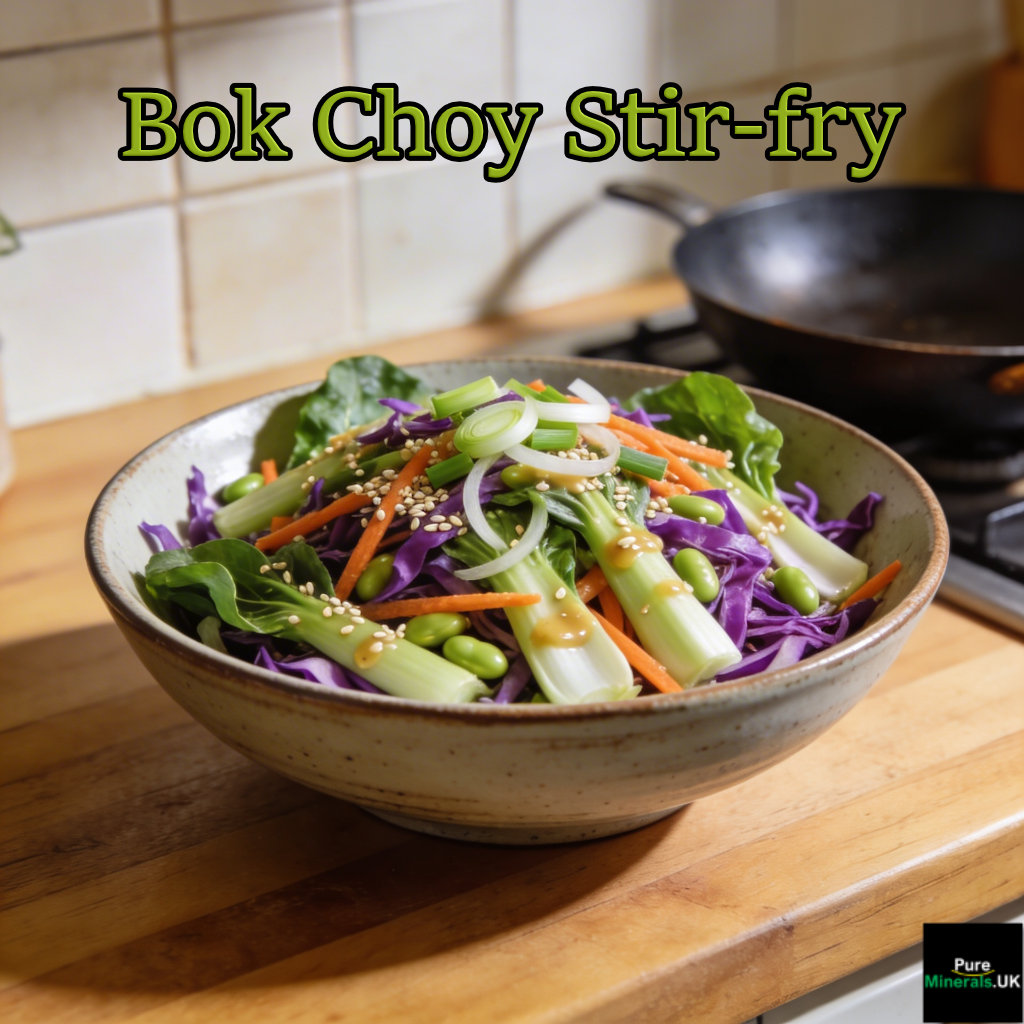
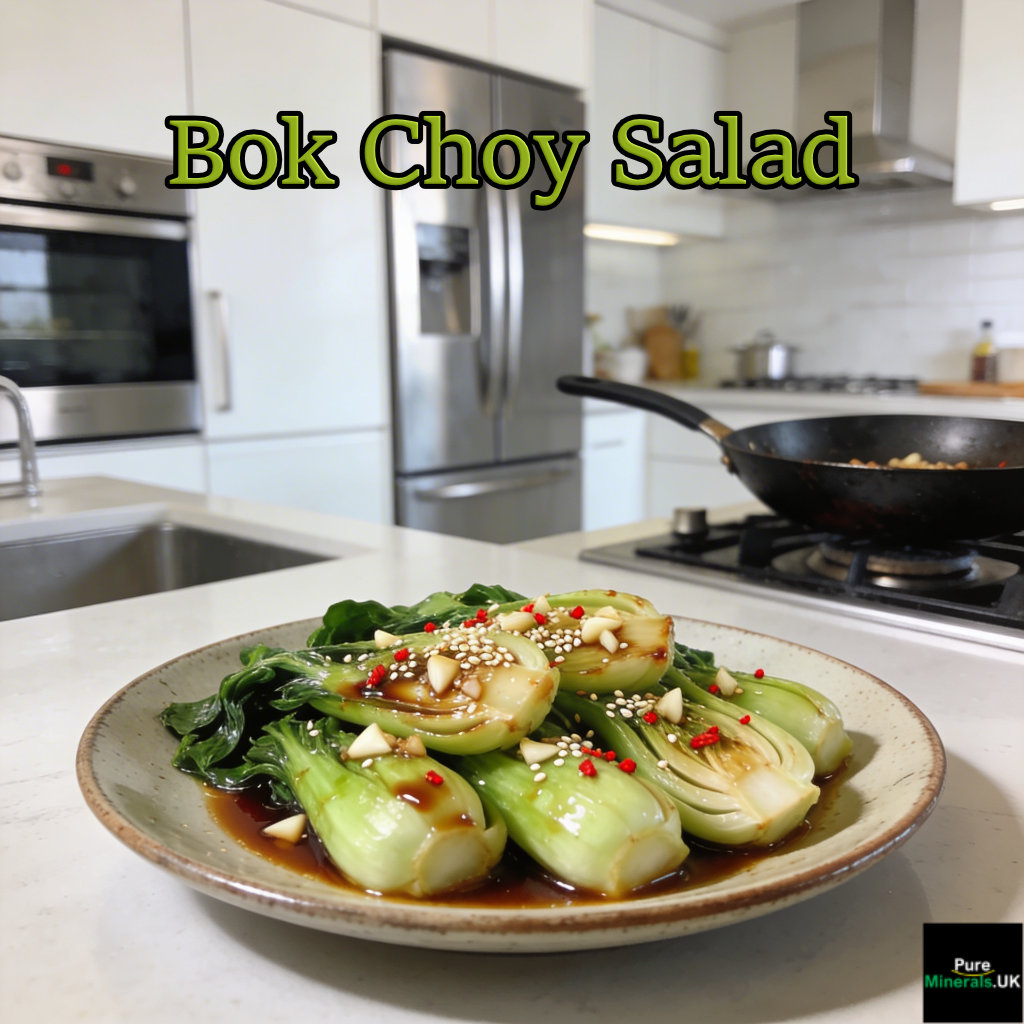
This is the fastest way to get bok choy on the table — and one of the most satisfying. Heat a tablespoon of sesame oil in a wok or large skillet over medium-high heat. Add two to three minced garlic cloves and let them sizzle for about 30 seconds until fragrant. Add your bok choy — halved baby bok choy works beautifully here — cut side down, and let it sear for 2 minutes without moving it.
Flip, add a splash of low-sodium soy sauce or tamari and a pinch of red pepper flakes, then cook for another 90 seconds. The stalks should be tender-crisp, and the leaves just wilted. Finish with a drizzle of toasted sesame oil and serve immediately. The whole process takes under 8 minutes and preserves significantly more Vitamin K and beta-carotene than boiling would.
Bok Choy in Asian-Style Soups
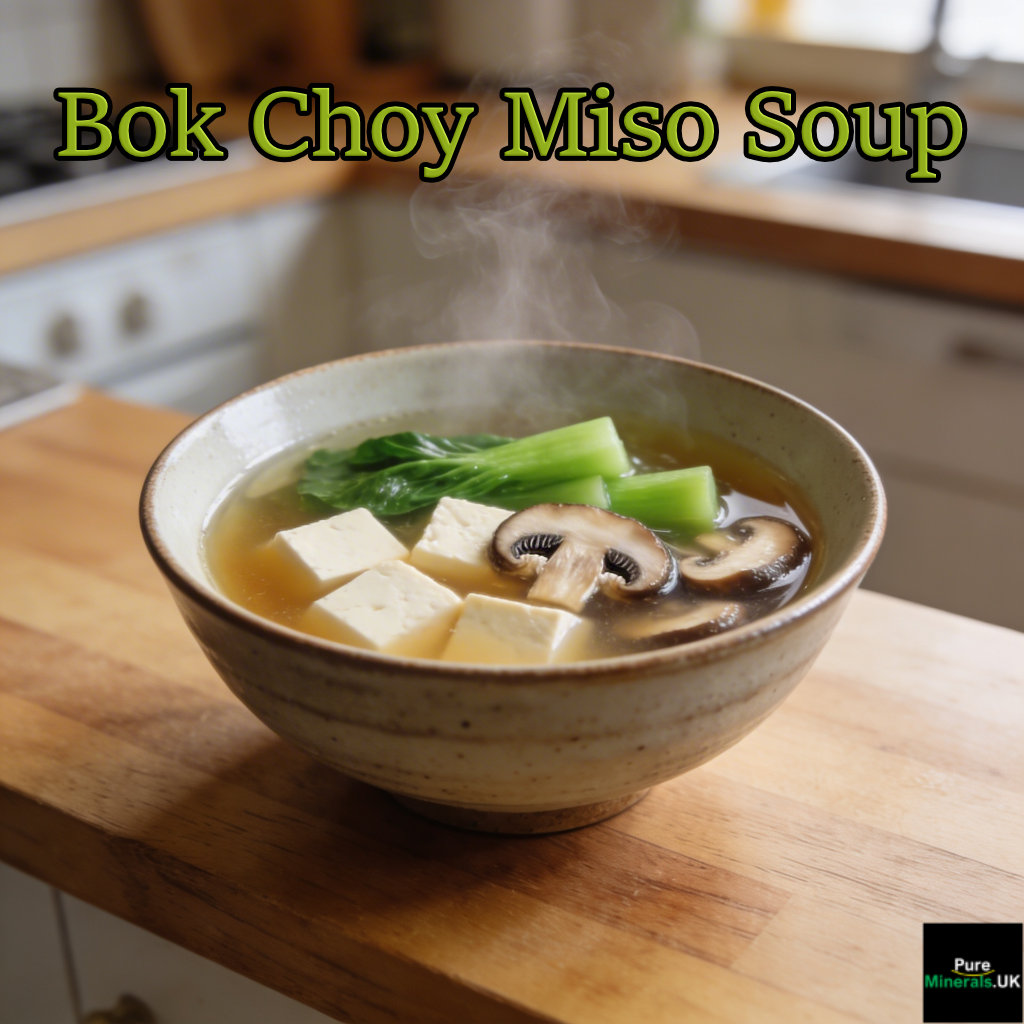
Bok choy is a natural addition to broths and soups — it holds its structure better than spinach or other leafy greens and adds a mild sweetness that balances salty, umami-rich broths. The key is to add it in the last 3 to 4 minutes of cooking so it doesn’t overcook and turn mushy. This timing also helps preserve more of its heat-sensitive Vitamin C compared to adding it at the beginning of a long simmer.
A simple miso soup with bok choy, tofu, and shiitake mushrooms is one of the most nutritionally complete light meals you can make. The miso provides probiotics and umami depth, the tofu adds complete protein, the shiitakes deliver beta-glucans for immune support, and the bok choy brings its full lineup of vitamins, minerals, and phytochemicals. Slice the bok choy into 1-inch pieces, drop them into the finished broth off the heat, and let them sit for 2 minutes before serving.
Raw Bok Choy Salad for Maximum Nutrient Retention
If you want the highest possible nutrient return from bok choy, eating it raw is the way to go. Thinly slice both the stalks and leaves, then toss with shredded purple cabbage, julienned carrots, edamame, and sliced scallions. For the dressing, whisk together two tablespoons of rice vinegar, one tablespoon of sesame oil, one tablespoon of low-sodium soy sauce, a teaspoon of fresh grated ginger, and a small drizzle of honey or maple syrup.
The acidity of the rice vinegar actually helps with the bioavailability of the iron in the bok choy by pairing it with its naturally occurring Vitamin C — a synergy that works even better in a raw preparation where neither nutrient has been compromised by heat. For a delightful twist, consider adding some plums for an extra burst of flavor.
Top with toasted sesame seeds and crushed roasted peanuts for texture and additional healthy fats that help your body absorb the fat-soluble beta-carotene from the raw bok choy. This salad keeps well for about 24 hours in the fridge, making it a solid meal prep option for weekday lunches.
Bok Choy Is a Small Change With a Big Nutritional Payoff
Adding bok choy to your diet doesn’t require a complete dietary overhaul — it requires a grocery list update. For a vegetable that costs very little, takes under 10 minutes to prepare in most applications, and delivers one of the highest nutrient-per-calorie ratios of any food on the planet, the return on investment is genuinely extraordinary.
What makes bok choy especially worth prioritizing is that its benefits aren’t redundant with most other common vegetables. Its specific glucosinolate profile, its layered antioxidant mechanisms, its bone-supporting mineral combination, and its remarkable Vitamin A and C content give it a distinct nutritional fingerprint. Rotating it into your meals alongside other vegetables doesn’t create overlap — it fills gaps, much like how arugula can complement a salad with its unique nutrients.
Aim for two to three servings per week as a starting point. Whether you’re tossing it raw into a salad, dropping it into a miso soup, or searing it with garlic and sesame oil in a hot wok, you’re making a decision that compounds quietly over time — supporting your bones, protecting your cells, feeding your immune system, and doing it all for about 9 calories a cup. For more information on its health benefits, check out this article on bok choy.
Important note: Bok Choy
Bok choy is widely recognized as safe when consumed as a food. This article is provided for educational purposes only and does not constitute medical advice. Individuals taking anticoagulant medications or those with specific dietary concerns should consult a qualified healthcare professional before making significant dietary changes.
Frequently Asked Questions
Here are answers to the most common questions people have about bok choy — from how to eat it to who should be careful with it.
Is It Better to Eat Bok Choy Raw or Cooked?
Raw bok choy retains the highest levels of heat-sensitive nutrients, particularly Vitamin C and Vitamin K, both of which degrade significantly with cooking. That said, light cooking — especially quick stir-frying or brief steaming — preserves most of the fat-soluble nutrients like beta-carotene and also makes the glucosinolate compounds more bioavailable in some preparations. The best approach is to vary your preparation methods: eat it raw in salads a couple of times per week, and lightly cook it in soups or stir-fries the rest of the time. Avoid boiling it for extended periods, as this results in the greatest nutrient loss, particularly for water-soluble vitamins.
How Much Bok Choy Should You Eat Per Week?
Two to three cups per week is a practical and well-supported target for most healthy adults. This amount is enough to meaningfully contribute to your weekly intake of Vitamins A, C, and K, as well as your bone-supportive minerals and protective phytochemicals, without approaching the threshold where excessive glucosinolate intake could theoretically interfere with thyroid function in susceptible individuals.
If you already eat other cruciferous vegetables regularly — broccoli, kale, Brussels sprouts, cauliflower — factor that into your total. The general guidance from nutrition researchers is to include cruciferous vegetables in your diet multiple times per week, and bok choy is one of the most nutritionally efficient ways to do that.
Is Bok Choy Safe for People on Blood Thinners?
This is an important consideration. Bok choy contains significant amounts of Vitamin K, which plays a direct role in blood clotting. People taking warfarin (Coumadin) or other Vitamin K-antagonist blood thinners need to keep their Vitamin K intake consistent from week to week — not necessarily low, but stable — so that medication dosing remains accurate. Sudden large increases in bok choy or other high-Vitamin K vegetables can reduce the effectiveness of blood thinners. If you’re on anticoagulant medication, speak with your prescribing physician or a registered dietitian before significantly increasing your bok choy intake.
What Does Bok Choy Taste Like?
Bok choy has a mild, slightly sweet flavor with a faint peppery edge — much gentler than kale or arugula. The white stalks are crisp and juicy with a flavor reminiscent of celery but sweeter, while the dark green leaves are tender and more delicate, with a subtle bitterness that mellows considerably when cooked. Baby bok choy is notably sweeter and more tender than full-sized heads, making it particularly approachable for people new to leafy greens.
How Is Bok Choy Different From Regular Cabbage?
Both bok choy and regular cabbage belong to the Brassica family, but they are distinct species with meaningful differences in structure, flavor, and nutritional profile. Regular cabbage — whether green or red — forms a dense, compact head of tightly layered leaves. Bok choy grows as an open bunch with thick, smooth white stalks and broad dark green leaves, and it does not form a head.
Nutritionally, bok choy outperforms regular green cabbage on several key metrics. It contains significantly more Vitamin A, more calcium, more iron, and a broader phytochemical profile — largely because of its dark green leaf content, which is where much of the beta-carotene and chlorophyll-associated nutrients are concentrated. For another nutrient-rich leafy green, consider arugula, which also offers a variety of health benefits.
Flavor-wise, regular cabbage has a more pronounced, sulfurous sharpness — especially when raw — while bok choy is considerably milder and sweeter. This makes bok choy more versatile in applications where you want a green vegetable that doesn’t dominate the flavor profile of a dish.
In practical kitchen terms, bok choy cooks much faster than cabbage. Where cabbage might need 15 to 20 minutes of braising to become tender, baby bok choy can be stir-fried to perfect crisp-tenderness in under 5 minutes — which also means less nutrient degradation from heat exposure during cooking.
If you’re looking to build a more nutritionally diverse plate and explore the full range of what seasonal vegetables can do for your health, Green Sage Life is a great resource for seasonal eating inspiration, wholesome recipes, and straightforward nutrition guidance that meets you where you are.