

Published: 1 March 2026
This article is periodically reviewed and updated to reflect current scientific understanding by Vic George.
Fact-Checked: 2 other authoritative medical/scientific references. See our Editorial Policy.
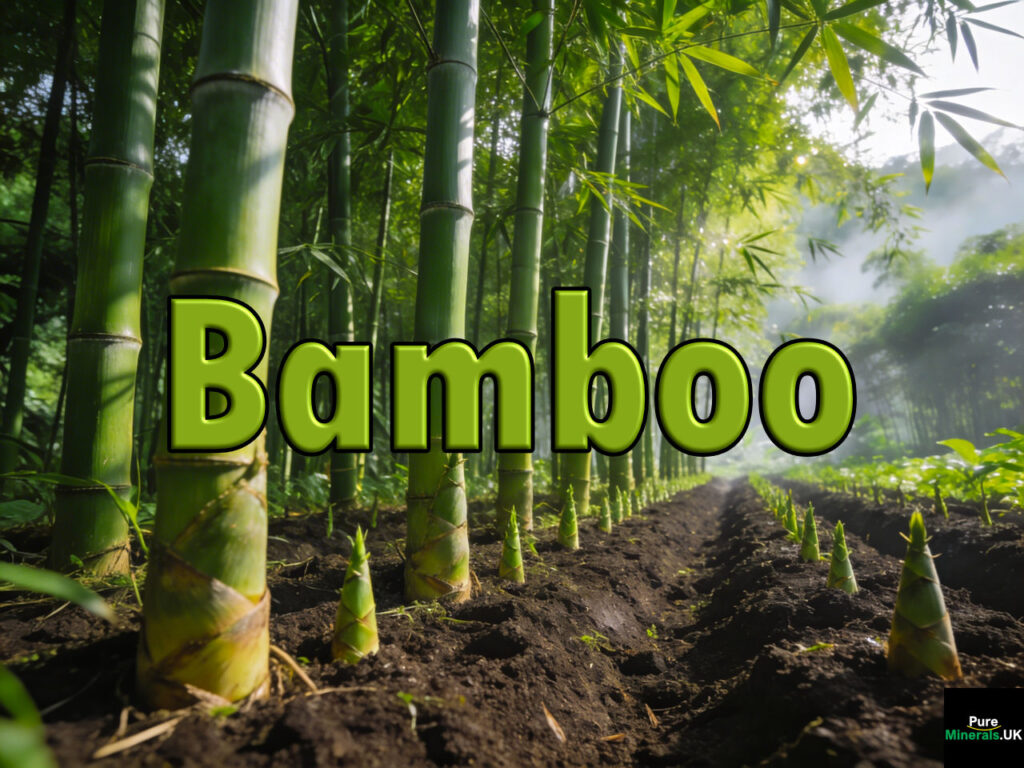
What Are Bamboo Shoots?
Bamboo shoots are the young, edible sprouts of bamboo plants belonging primarily to the genera Bambusa, Phyllostachys, and Dendrocalamus. They are valued as a vegetable for their crisp texture, low energy density, and fiber, potassium, and bioactive plant compound content.
Definition
Bamboo shoots are the immature, emerging stems of bamboo plants, harvested before full development and consumed as a vegetable. They are grown in East Asian bamboo farms specifically for commercial production. In certain parts of Japan, China, and Taiwan, shoots from the giant timber bamboo Bambusa oldhamii are harvested in spring or early summer. Young shoots of this species are highly sought-after for their crisp texture and sweet taste.
Extended Definition
Bamboo shoots are newly emerging culms (stems) of bamboo plants, which belong to the Poaceae grass family. Harvested at an early stage of growth, these shoots are tender and edible, in contrast to mature bamboo, which becomes woody and fibrous.
They have been consumed for thousands of years, particularly in East and Southeast Asian dietary traditions. Their nutritional value lies in their low fat and calorie content combined with meaningful levels of dietary fiber, potassium, and certain amino acids.
Bamboo shoots contain various phytochemicals, including phenolic compounds and flavonoids, which contribute to plant protection and structural integrity. They also contain phytosterols, plant-derived sterols structurally similar to cholesterol, which play roles in plant membrane stability.
Fresh bamboo shoots naturally contain cyanogenic glycosides, compounds that can release hydrogen cyanide. However, proper preparation methods such as peeling, slicing, and boiling effectively remove these compounds, making bamboo shoots safe for consumption.
Their firm texture and mild flavor allow bamboo shoots to absorb surrounding flavors, making them versatile in culinary applications, including stir-fries, soups, and fermented dishes.
Key Facts
Botanical source: Various bamboo species (Bambusa, Phyllostachys, Dendrocalamus)
Plant family: Poaceae
Common classification: Stem vegetable
Origin: East Asia, Southeast Asia, and South Asia
Edible part: Immature stem (shoot)
Typical color: Pale yellow to white
Primary nutrients: Dietary fiber, potassium, vitamin B6
Key phytonutrients: Phenolic compounds, flavonoids, phytosterols
Energy density: Very low
Notable compounds: Cyanogenic glycosides (removed by cooking)
Culinary uses: Stir-fries, soups, curries, fermented foods, and side dishes
Article-At-A-Glance: Bamboo Shoots Nutritional Benefits
- Bamboo shoots are a low-calorie, high-fiber food packed with protein, essential amino acids, vitamins A, B6, and E, and key minerals like potassium and manganese.
- Phytosterols in bamboo shoots actively help manage cholesterol levels, making them a standout functional food beyond basic nutrition.
- Fresh bamboo shoots outperform canned in nutrient density, but how you process them dramatically changes what you actually get — more on that in the processing section below.
- Different bamboo species vary significantly in nutritional content — some deliver up to 25.80g of protein per 100g, rivaling many plant-based protein sources.
- If you’re building a nutrient-dense, whole-food diet, bamboo shoots deserve a serious look at your plate.
Bamboo shoots have been feeding populations across Southeast and East Asia for centuries — and modern nutritional science is now confirming what traditional diets already knew.
Available fresh, canned, dried, and fermented, bamboo shoots are one of the most underutilized health foods in Western diets. Healthy lifestyle enthusiasts looking for nutrient-dense, low-calorie whole foods will find bamboo shoots check nearly every box. The combination of high protein, dietary fiber, essential vitamins, and bioactive phytochemicals puts this food in a league far above its humble reputation.
Bamboo Shoots Are More Nutritious Than Most People Think
Most people who have eaten bamboo shoots encountered them in a takeout container — soft, pale slices in a stir-fry. That experience doesn’t come close to telling the full nutritional story. Bamboo shoots are genuinely one of the most nutrient-rich vegetables available, and the research backs this up clearly.
High Protein Content Compared to Common Vegetables
The protein content in bamboo shoots is remarkable for a vegetable. The species Dendrocalamus asper delivers up to 25.80g of protein per 100g of raw shoot — a figure that rivals many legumes and far exceeds common vegetables like broccoli (2.8g/100g) or spinach (2.9g/100g). Even more modest bamboo species consistently deliver a high-quality protein profile, including essential amino acids your body cannot produce on its own.
The amino acid composition is particularly valuable. Bamboo shoots contain tyrosine, arginine, histidine, and leucine — each playing a distinct physiological role. Tyrosine supports neurotransmitter production, arginine contributes to cardiovascular function, histidine is essential for tissue repair, and leucine is a critical trigger for muscle protein synthesis. This isn’t a superficial protein source — it’s a functionally complete one.
Low Calorie and Low Fat Profile
Bamboo shoots are extremely low in fat. Across most edible species, fat content sits well below 1g per 100g in raw shoots, with Dendrocalamus strictus recording just 0.10g of fat per 100g. Combined with a low overall calorie count, this makes bamboo shoots an ideal food for anyone managing caloric intake without sacrificing nutrient density.
Rich in Essential Vitamins and Minerals
Freshly harvested bamboo shoots contain a meaningful spread of micronutrients. Key vitamins include thiamine (B1), niacin (B3), vitamin A, vitamin B6, and vitamin E. On the mineral side, bamboo shoots provide potassium, manganese, phosphorus, and iron — though quantities vary depending on species, soil, and harvest timing. Small but consistent amounts of these minerals contribute meaningfully to daily intake when bamboo shoots are eaten regularly.
The Full Nutritional Breakdown of Bamboo Shoots
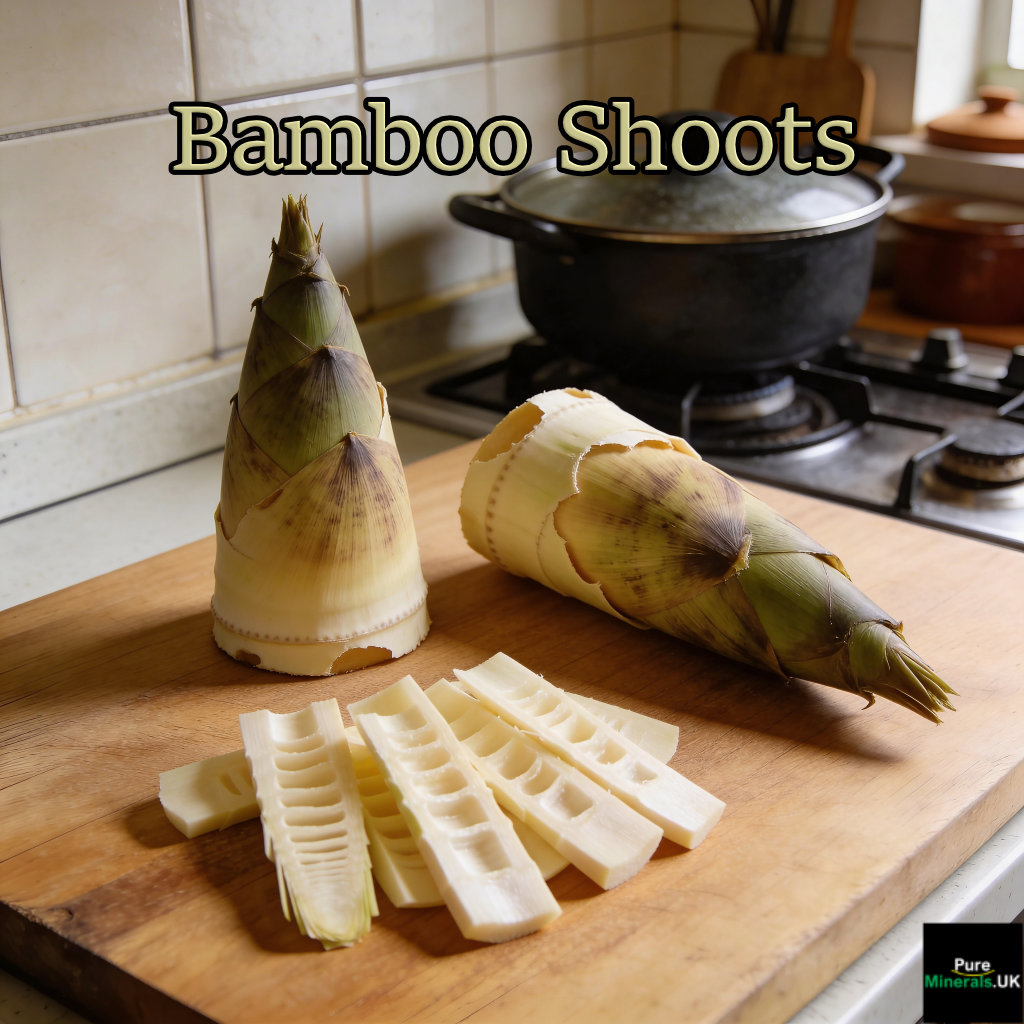
Understanding exactly what’s in bamboo shoots — and in what quantities — helps you make smart decisions about how to use them. The data across edible bamboo species shows both consistency in some nutrients and notable variation in others.
Macronutrient Composition: Protein, Carbohydrates, and Fat
The macronutrient profile of bamboo shoots positions them as a genuinely useful dietary food. Carbohydrate content varies significantly between species — Dendrocalamus strictus shows a high carbohydrate reading of 85.98g/100g in raw form, while Dendrocalamus asper records just 2.90g/100g, illustrating how dramatically species and preparation method affect nutritional data. Fat remains consistently low across species, almost always under 4g/100g. Protein ranges from moderate to impressively high depending on the species. For more detailed insights, you can explore the nutritional benefits of bamboo shoots.
Bamboo Species | Carbohydrate (g/100g) | Protein (g/100g) | Fat (g/100g) | Vitamin C (mg/100g) | Fiber (g/100g) |
|---|---|---|---|---|---|
Dendrocalamus strictus | 85.98 | 21.51 | 0.10 | 5.80 | 0.98 |
Dendrocalamus asper | 2.90 | 25.80 | 3.59 | 3.30 | — |
Key Amino Acids: Tyrosine, Arginine, Histidine, and Leucine
Bamboo shoots contain a well-rounded amino acid profile that sets them apart from most vegetables. Tyrosine supports the production of dopamine and thyroid hormones. Arginine plays a direct role in nitric oxide synthesis, which supports healthy blood flow and cardiovascular performance. Histidine is essential for the maintenance and repair of the myelin sheath surrounding nerve cells, and leucine is among the most potent dietary triggers of muscle protein synthesis — critical for anyone focused on body composition or athletic recovery.
Vitamins Found in Bamboo Shoots: Thiamine, Niacin, Vitamins A, B6, and E
The vitamin content of freshly collected bamboo shoots is well-documented. Thiamine (B1) supports energy metabolism at the cellular level. Niacin (B3) plays a key role in DNA repair and cholesterol regulation. Vitamin A contributes to immune function and vision. Vitamin B6 is involved in over 100 enzymatic reactions in the body, particularly in protein metabolism. Vitamin E functions as a fat-soluble antioxidant, protecting cell membranes from oxidative damage. Together, this vitamin profile makes bamboo shoots far more than a filler ingredient.
Mineral Content: What the Data Shows
Bamboo shoots provide potassium, manganese, phosphorus, and iron in measurable amounts. Potassium is particularly notable, as it contributes to blood pressure regulation and proper muscle function. Manganese supports bone formation and antioxidant enzyme activity. Iron and phosphorus round out the mineral profile, adding to bamboo shoots’ credibility as a genuinely functional vegetable rather than simply a low-calorie filler.
How Processing Affects Nutrient Levels: Fresh vs. Boiled vs. Fermented
How you prepare bamboo shoots matters more than most people realize. The difference in nutrient retention between fresh, boiled, and fermented bamboo shoots is significant enough to change how you should think about incorporating them into your diet.
- Fresh bamboo shoots deliver the highest nutrient density but must be processed to remove naturally occurring cyanogenic glycosides (toxins) before eating — always boil fresh shoots before consuming.
- Boiled bamboo shoots lose some water-soluble vitamins like thiamine and vitamin C during cooking, but remain a strong source of protein, fiber, potassium, and phytosterols.
- Fermented bamboo shoots, used extensively in Northeast Indian and Southeast Asian cuisines, undergo microbial transformation that reduces antinutrients and may enhance bioavailability of certain compounds, though some vitamin content is reduced.
- Canned bamboo shoots are the most convenient form but typically show the most significant reduction in sensitive nutrients due to heat processing and prolonged storage in liquid.
Boiling is non-negotiable with fresh shoots — it neutralizes the cyanogenic glycosides that make raw bamboo shoots unsafe to eat. Boiling in water for 20 to 25 minutes, draining, and repeating if needed is the standard method used across traditional bamboo-consuming cultures.
Fermentation, while reducing certain vitamins, has its own nutritional upside. The fermentation process introduces beneficial organic acids and may improve the bioavailability of minerals that would otherwise be partially blocked by naturally occurring antinutritional factors in raw shoots.
If maximum nutrition is the goal, lightly boiled fresh shoots from a reliable source are your best option. Canned works well for convenience and still delivers fiber, potassium, and a useful protein contribution — just don’t expect the same micronutrient profile as fresh produce.
Phytochemicals in Bamboo Shoots
Beyond the standard macronutrient and micronutrient profile, bamboo shoots contain a class of bioactive plant compounds — phytochemicals — that contribute meaningfully to their health value. These compounds are one of the primary reasons bamboo shoots are increasingly studied as a functional food rather than just a dietary staple.
Phytosterols are the standout phytochemicals in bamboo shoots. Structurally similar to cholesterol, phytosterols compete with dietary cholesterol for absorption in the gut — effectively lowering the amount of cholesterol that enters the bloodstream. Bamboo shoot-based diets have been noted for their low cholesterol content combined with meaningful phytosterol concentrations, making them particularly relevant for cardiovascular health.
The phytochemical content of bamboo shoots extends beyond phytosterols alone. Research has identified several additional bioactive compounds worth knowing about:
- Phytosterols – compete with cholesterol for intestinal absorption, supporting healthy blood lipid levels
- Phenolic compounds – function as antioxidants, neutralizing free radicals that contribute to cellular aging and chronic disease
- Dietary fibre fractions – act as prebiotics, feeding beneficial gut bacteria and supporting digestive health
- Cyanogenic glycosides – naturally occurring toxins that are effectively neutralized through proper cooking; not a concern in properly prepared shoots
Phytosterols and Their Role in Cholesterol Management
Phytosterols in bamboo shoots work through a straightforward and well-documented mechanism. Because their molecular structure closely mimics cholesterol, they occupy the same absorption sites in the small intestine. This competitive inhibition reduces the net amount of cholesterol absorbed from food, which translates to lower LDL cholesterol levels over time with consistent dietary intake. For more on how dietary choices can affect cholesterol, explore the benefits of arugula.
This makes bamboo shoots genuinely useful for people managing cardiovascular risk through diet. Combined with the shoots’ near-zero saturated fat content and high dietary fiber — both of which independently support healthy cholesterol levels — the phytosterol contribution adds another layer to an already heart-friendly food profile.
Dietary Fibre Content and How It Changes With Shoot Age
Bamboo shoots are a solid source of dietary fiber, contributing to the daily fiber intake that most people in Western diets fall short of. Fiber content varies between species and is also influenced by the age of the shoot at harvest — younger, more tender shoots generally have a different fiber composition than older, more mature ones. The fiber in bamboo shoots functions both as a digestive aid and as a prebiotic substrate for beneficial gut bacteria.
As bamboo shoots age, the ratio of insoluble to soluble fiber shifts, and the overall texture becomes tougher and less palatable. This is why bamboo shoots are harvested young — typically within days of emerging from the ground. At this stage, the fiber is most digestible, and the overall nutritional profile is at its peak. Timing of harvest is not just a culinary preference; it directly impacts what you’re getting nutritionally.
You can get more details about Bamboo shoots nutrition at PubMed Central.
Nongdam P, Tikendra L. The Nutritional Facts of Bamboo Shoots and Their Usage as Important Traditional Foods of Northeast India. Int Sch Res Notices. 2014 Jul 20;2014:679073. doi: 10.1155/2014/679073. PMID: 27433496; PMCID: PMC4897250.
How Bamboo Shoots Fit Into a Healthy Diet
Bamboo shoots occupy a genuinely useful nutritional niche — high in protein and fiber, low in fat and calories, and rich in bioactive compounds that go beyond basic nutrition. For anyone building a diet around whole, functional foods, they fit cleanly into a wide range of eating patterns, including low-calorie, high-fiber, plant-forward, and anti-inflammatory diets.
What makes bamboo shoots particularly practical is their versatility. They absorb flavors well, work across cuisines, pair naturally with lean proteins and vegetables, and add textural variety to meals without loading up on calories. They are not a trendy food — they are a time-tested dietary staple with a growing body of nutritional evidence behind them.
Why Bamboo Shoots Work Well for Modern Lifestyle Diseases
The nutritional profile of bamboo shoots addresses several of the most common dietary risk factors associated with modern lifestyle diseases. Their high fiber content supports blood sugar regulation by slowing glucose absorption. Their phytosterol content targets LDL cholesterol directly. Their low caloric density makes them useful for weight management without reducing food volume or satiety. And their antioxidant phenolic compounds contribute to reducing chronic oxidative stress — a root factor in conditions ranging from cardiovascular disease to type 2 diabetes.
This convergence of benefits in a single, affordable, widely available food is precisely what makes bamboo shoots worth paying attention to. They don’t address one health metric in isolation — they support several simultaneously, which is how whole foods are supposed to work.
Comparing Bamboo Shoots to Popular Vegetables on Your Plate
When stacked against commonly consumed vegetables, bamboo shoots hold up impressively. On protein content alone, species like Dendrocalamus asper outperform broccoli, spinach, kale, and zucchini by a significant margin. Their fiber content is competitive with most common vegetables, and their phytosterol content gives them a functional edge that most everyday vegetables simply don’t have. The low-fat and moderate-to-low carbohydrate profile (depending on species) also makes them more macro-flexible than starchy vegetables like corn or peas.
How Much to Eat and How Often
There’s no rigid prescription, but incorporating bamboo shoots two to three times per week as part of a balanced diet is a reasonable target. A typical serving of around 100g provides a meaningful contribution to daily fiber, protein, potassium, and vitamin intake without adding significant calories. Regular consumption over time is where the phytosterol and fiber benefits on cholesterol and gut health are most likely to be realized.
How to Cook With Bamboo Shoots
Cooking with bamboo shoots is straightforward once you understand the basic preparation rules. The key distinction is whether you’re starting with fresh, canned, dried, or fermented shoots — each requires a slightly different approach, and fresh shoots always require boiling before any other cooking step.
Flavor-wise, bamboo shoots have a mild, slightly earthy taste with a satisfying crunch that holds up well in stir-fries, soups, curries, and braised dishes. They absorb surrounding flavors readily, which makes them an excellent supporting ingredient in bold, well-seasoned dishes. Their texture remains pleasantly firm even after cooking, unlike many vegetables that go soft.
Preparing Fresh Bamboo Shoots Before Cooking
Fresh bamboo shoots must always be boiled before eating to neutralize cyanogenic glycosides. Start by removing the tough outer sheaths until you reach the pale, tender inner shoot. Slice the shoot into manageable pieces, then submerge in a pot of cold water, bring to a boil, and cook for 20 to 25 minutes. Drain, then taste — if any bitterness remains, repeat with fresh water. Once boiled, fresh shoots can be refrigerated in cold water for up to a week and used as needed across multiple meals.
Simple Stir-Fry With Bamboo Shoots and Vegetables
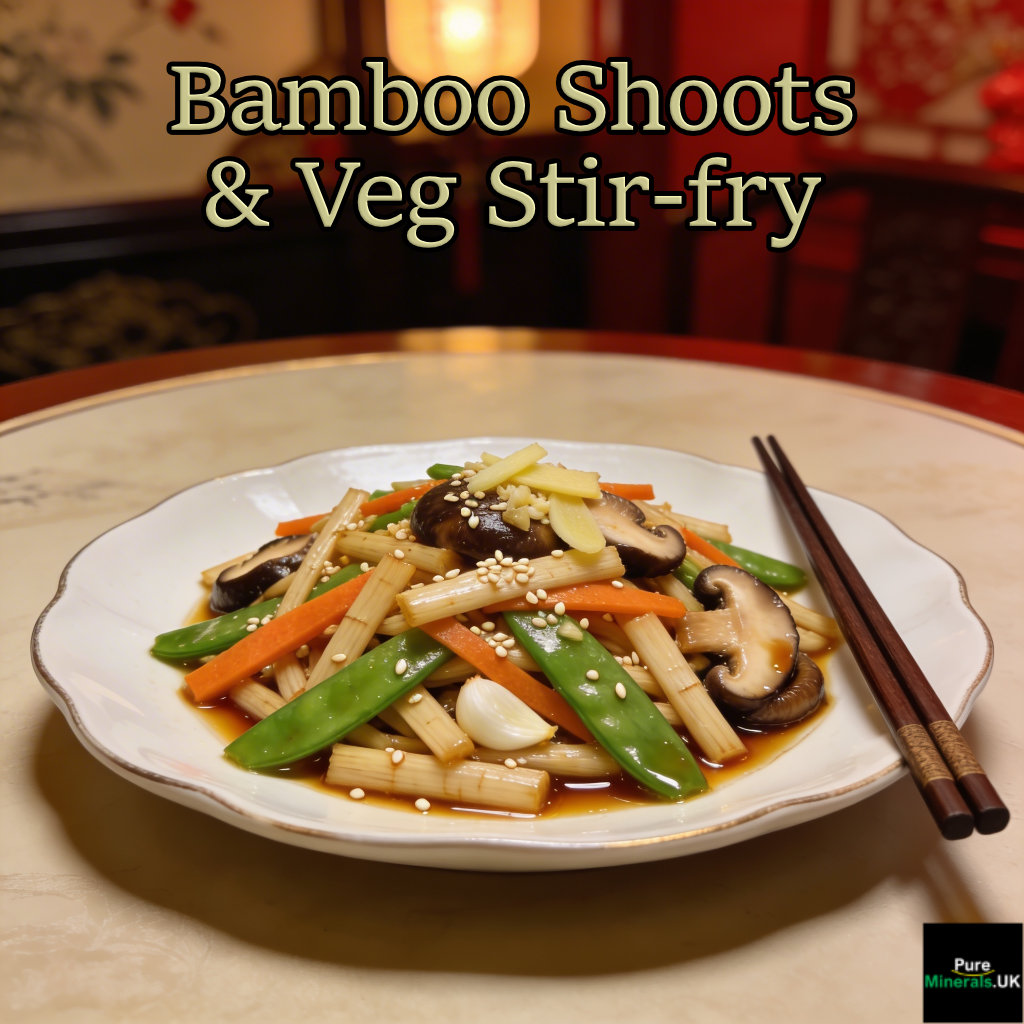
A bamboo shoot stir-fry comes together in under 15 minutes and delivers a genuinely nutritious meal with minimal effort. The key is high heat, a well-seasoned wok or skillet, and not overcrowding the pan — bamboo shoots need direct contact with the hot surface to develop flavor rather than steam in their own moisture.
- Prep time: 10 minutes
- Cook time: 5 minutes
- Servings: 1-2
Ingredients
The Base
- 200g Bamboo shoots (pre-boiled fresh or canned), sliced into thin strips
- 1 tbsp Sesame oil
- 2 cloves of garlic, minced
- 1 tsp Fresh ginger, minced
The Veggies
- 1 cup Snap peas
- 1 medium Carrot, julienned (cut into matchsticks)
- 4-5 Shiitake mushrooms, sliced
The Sauce
- 2 tbsp Soy sauce
- 1 tbsp Rice vinegar
- 1 tsp Honey
Instructions
- Prep the Sauce: In a small bowl, whisk together the soy sauce, rice vinegar, and honey. Set aside.
- Heat the Wok: Place a wok or large skillet over high heat. Add the sesame oil and swirl to coat the surface.
- Aromatics: Add the minced garlic and ginger. Sauté for about 30 seconds until fragrant (don’t let them burn!).
- The Sear: Add the bamboo shoots, snap peas, carrots, and mushrooms.
Pro Tip: Don’t overcrowd the pan. If you’re doubling the recipe, cook in batches to ensure the bamboo shoots get direct contact with the heat.
- Stir-Fry: Toss constantly for 3 to 4 minutes. The vegetables should be tender-crisp and the bamboo shoots slightly browned.
- The Finish: Pour the sauce over the mixture. Stir for another 30 seconds until everything is glazed and glossy.
- Serve: Plate immediately over steamed brown rice or soba noodles.
Pro Tip: Add a teaspoon of chili garlic paste to the sauce for heat, or finish with a drizzle of toasted sesame oil just before plating. Both moves elevate the dish without adding meaningful calories. For a higher-protein version, add 150g of firm tofu or thinly sliced chicken breast to the wok before the vegetables.
This dish works as well for meal prep as it does for a weeknight dinner. Stir-fried bamboo shoots hold their texture well for up to three days refrigerated, making them one of the more practical vegetables to cook in bulk.
Sichuan bamboo shoots and potato stir fry
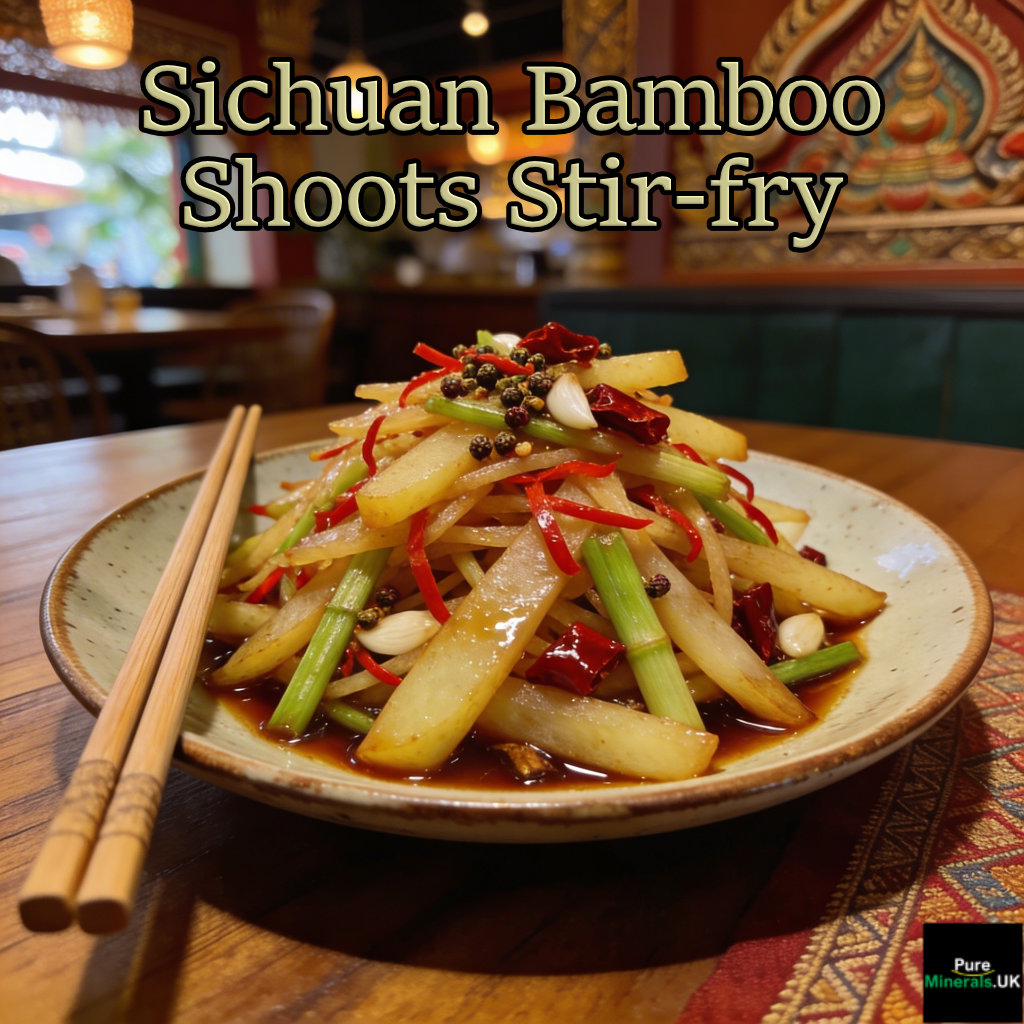
Here is a quick and easy stir-fry that uses thin potato matchsticks cooked al dente with a Sichuan kick:
Ingredients
- 1 x 225g tin of bamboo shoots
- 1 tbsp groundnut oil
- 2 garlic cloves, finely chopped
- 1 red chilli, seeds removed and sliced into thin shreds
- 1 whole dried red chilli, broken up
- 1 tsp whole Sichuan peppercorns
- 1 large Maris Piper potato, peeled and sliced into thin julienne strips
- 1–2 tbsp low-sodium light soy sauce
- 1 tbsp black rice vinegar
- A large pinch of sea salt
Method
- Drain the bamboo shoots, then place them in a bowl and soak them in cold water for 10 minutes to remove any impurities. Remove, then slice into julienne strips.
- Heat a small wok over high heat. Add the groundnut oil, then add the garlic, red chilli, dried red chilli, sea salt, and Sichuan peppercorns. Cook for 5 seconds to release their aroma, then tip in the bamboo shoots and potatoes and stir-fry for 1–2 minutes.
- Season with the low-sodium light soy sauce and add the black rice vinegar. Remove and serve immediately.
Bamboo Shoot Soup Recipe
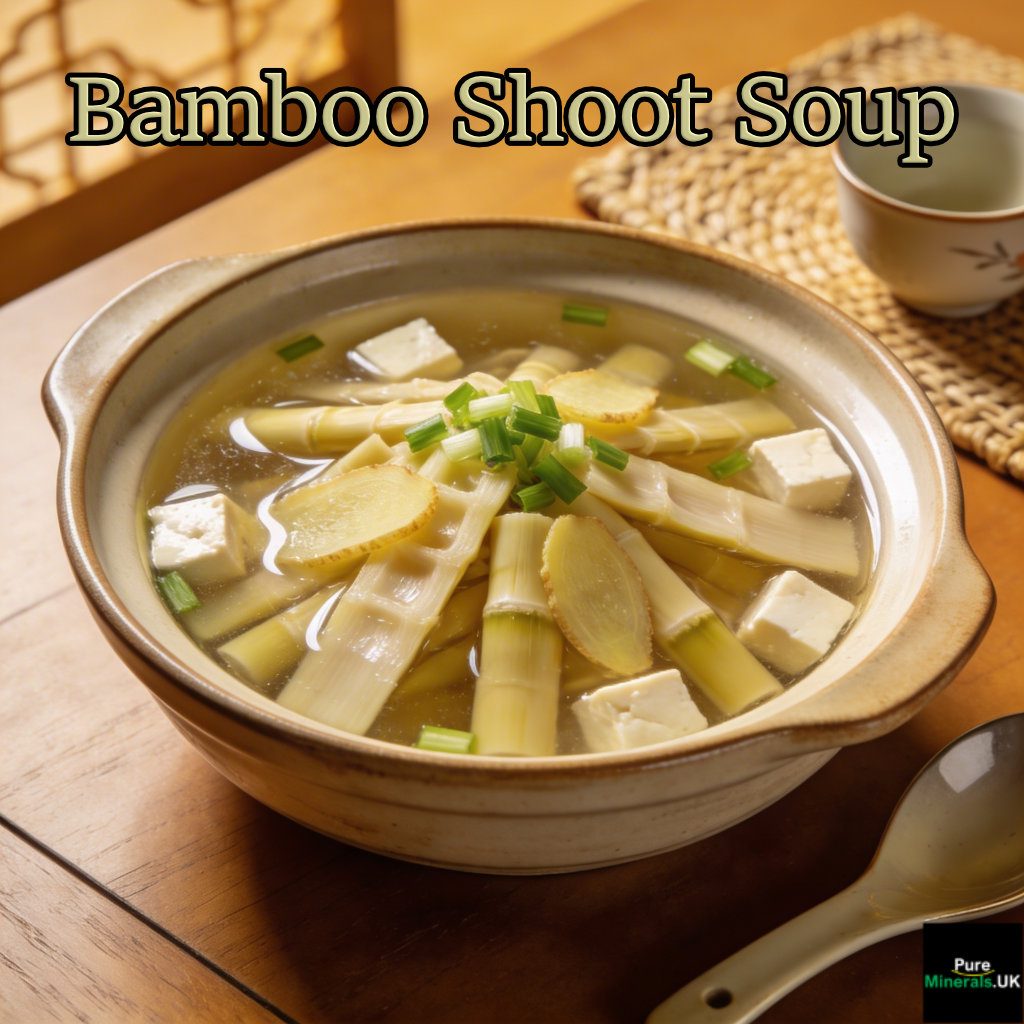
Bamboo shoot soup is a staple across multiple Asian culinary traditions, and for good reason — it is nourishing, easy to digest, naturally low in calories, and deeply satisfying. A simple version requires 300g of boiled bamboo shoots (sliced), 1 liter of low-sodium chicken or vegetable broth, two spring onions, a thumb of ginger, a tablespoon of soy sauce, and white pepper to taste. Bring the broth to a simmer, add ginger and bamboo shoots, and cook for 10 minutes. Add spring onions, season, and serve. For added protein, drop in soft tofu cubes or thin-sliced pork in the last five minutes of cooking.
The nutritional payoff of bamboo shoot soup is significant for how little effort it requires. The broth-based format keeps calories extremely low while the bamboo shoots contribute fiber, protein, potassium, and phytosterols to every bowl. It is one of the most efficient ways to get the full benefit of bamboo shoots in a form that is also easy on digestion — particularly useful when eating bamboo shoots regularly as part of a structured health-focused diet.
Using Fermented Bamboo Shoots in Traditional Dishes
Fermented bamboo shoots — known as soibum in Manipur, mesu in the Himalayan foothills, and ekung in Arunachal Pradesh — carry a distinctly sharp, sour flavor profile that sets them apart from fresh or canned varieties. They are the backbone of numerous traditional dishes across Northeast India, Bhutan, Nepal, and parts of Southeast Asia, and they bring a fermented complexity to cooking that no other ingredient quite replicates.
The fermentation process does more than develop flavor. It reduces the concentration of antinutritional factors naturally present in raw bamboo shoots, and the resulting organic acids may support gut health through mild probiotic-adjacent activity. Fermented bamboo shoots also have a longer shelf life than fresh, making them a practical pantry ingredient in regions where fresh shoots are seasonal.
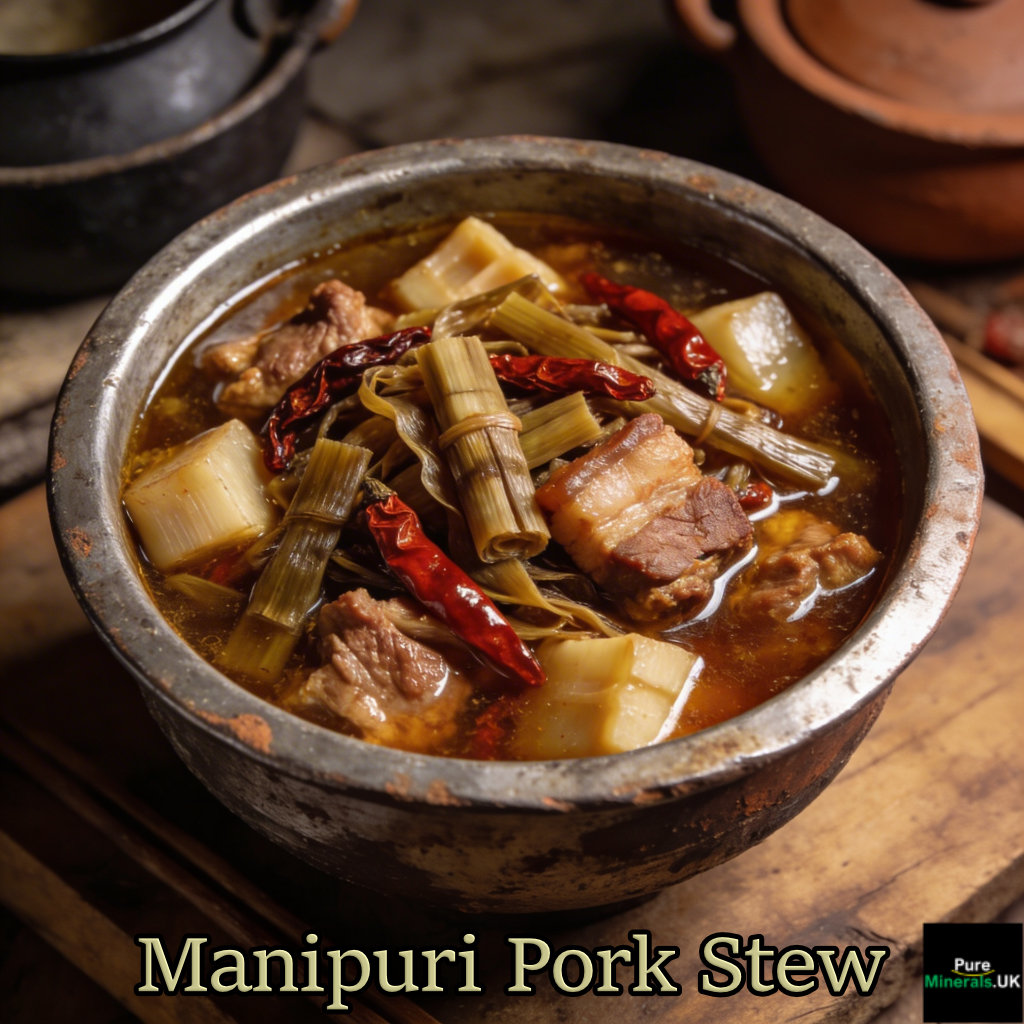
One of the most traditional uses of fermented bamboo shoots is in pork-based stews and curries. In Manipuri cuisine, fermented bamboo shoots are simmered low and slow with pork belly, dried chilies, and minimal seasoning — the acidity of the shoots cuts through the fat of the meat and creates a balanced, deeply savory dish. Manipur is a state in Northeastern India, nestled in the foothills of the Eastern Himalayas. In Tibetan cooking, fermented shoots appear in thukpa (noodle soup) and as a condiment alongside rich, butter-based preparations.
To use fermented bamboo shoots at home, rinse them thoroughly under cold water to moderate the intensity of the sour flavor, then add them directly to slow-cooked dishes, curries, or braises. They pair particularly well with fatty proteins, root vegetables, and bold spice profiles. Start with a small quantity if you are new to the flavor — fermented bamboo shoots are assertive, and a little goes a long way in terms of both taste and digestive adjustment.
Traditional Pairing Guide — Fermented Bamboo Shoots:
Dish Type: Pork belly stew | Cuisine: Manipuri | Key Pairing: Dried red chilies, garlic
Dish Type: Thukpa noodle soup | Cuisine: Tibetan | Key Pairing: Yak or beef broth, noodles
Dish Type: Achar (pickle condiment) | Cuisine: Nepali | Key Pairing: Mustard oil, fenugreek, turmeric
Dish Type: Slow-braised curry | Cuisine: Northeast Indian | Key Pairing: Ginger, onion, dried fish
Important note: Bamboo shoots
Bamboo shoots are widely recognized as safe when properly prepared and cooked. Raw or improperly prepared bamboo shoots may contain naturally occurring cyanogenic compounds. This article is provided for educational purposes only and does not constitute medical advice. Individuals with specific dietary concerns should consult a qualified healthcare professional before making significant dietary changes.
Frequently Asked Questions
Bamboo shoots generate a surprising number of questions from people who are new to eating them regularly. Most of the hesitation comes from unfamiliarity — concerns about safety, nutrient content in different forms, and how they compare to vegetables people already know and trust.
The answers are generally reassuring. Bamboo shoots are safe, versatile, and nutritionally strong across multiple preparation methods. Below are the most commonly asked questions, answered with the specificity they deserve
Each of these questions comes up repeatedly among health-focused eaters exploring bamboo shoots for the first time, and the details matter. The answers below cut through the general information and give you exactly what you need to make informed choices, such as comparing bamboo shoots with other vegetables like arugula.
Whether you are buying fresh shoots at an Asian grocery, picking up canned bamboo shoots at a supermarket, or sourcing fermented varieties online, understanding the specifics of what you are working with makes a real difference in how much nutritional value you actually get from them.
Are Bamboo Shoots Safe to Eat Raw?
No — raw bamboo shoots are not safe to eat. They contain naturally occurring cyanogenic glycosides, which the body converts into hydrogen cyanide when ingested. This is not a minor concern. Boiling fresh bamboo shoots in water for 20 to 25 minutes, draining, and repeating if bitterness persists is the required preparation step before eating them in any form. Canned bamboo shoots have already been heat-processed and are safe to eat straight from the can, though rinsing is recommended to reduce sodium content from the brine.
Do Canned Bamboo Shoots Have the Same Nutritional Value as Fresh?
Canned bamboo shoots are nutritionally useful but are not equivalent to fresh. The heat processing involved in canning reduces heat-sensitive vitamins — particularly thiamine, vitamin C, and portions of the B-vitamin complex — and prolonged storage in liquid further leaches water-soluble nutrients into the brine. Protein, potassium, dietary fiber, and phytosterol content are better retained through the canning process and remain meaningful contributors to your daily intake.
For everyday convenience, canned bamboo shoots are a solid choice that still delivers real nutritional value. If you have access to fresh shoots and the time to prepare them properly, fresh will consistently outperform canned across nearly every nutrient marker. Think of canned bamboo shoots the way you would canned chickpeas — still nutritious and useful, but not the nutritional equal of the fresh alternative.
How Do Bamboo Shoots Compare to Other High-Fiber Vegetables?
Bamboo shoots hold their own against commonly recommended high-fiber vegetables. Their fiber content is competitive with broccoli and comparable to many leafy greens, while their protein content significantly exceeds that of most fiber-focused vegetables. The combination of meaningful fiber alongside a high protein content is what makes bamboo shoots stand out — most high-fiber vegetables don’t also deliver substantial protein, so bamboo shoots fill both roles simultaneously. For another high-fiber option, consider acorn squash, which also offers a good amount of dietary fiber.
What makes bamboo shoots additionally noteworthy in this comparison is the presence of phytosterols alongside the fiber. Soluble fiber and phytosterols both independently support healthy cholesterol levels — having both in the same food creates a compounding cardiovascular benefit that vegetables like kale, zucchini, or green beans simply don’t match. Fiber quantity alone is not the full story; fiber quality and its accompanying phytochemical context matter too.
Can Bamboo Shoots Help With Weight Loss?
Yes — and the mechanism is straightforward. Bamboo shoots are low in calories and fat while being high in dietary fiber and protein, the two nutrients most consistently associated with satiety and appetite regulation. Eating foods with this profile means you feel fuller for longer on fewer calories, which is the fundamental caloric dynamic that supports fat loss over time.
The high water content of bamboo shoots adds to their satiety value without adding calories. A generous serving of bamboo shoots adds significant volume to a meal — the kind of food volume that signals fullness to your brain — while contributing very little to your total caloric intake for the day. This makes them particularly useful as a bulk ingredient in meals where you want to eat a satisfying amount of food without exceeding a calorie target.
Bamboo shoots are not a weight loss solution in isolation, but as a regular component of a calorie-conscious, whole-food diet, they are one of the most practical vegetables you can put on the plate. They stretch meals, contribute real nutrients, and don’t carry hidden caloric cost — exactly the kind of food that makes a structured eating plan easier to sustain long-term.
Which Bamboo Species Produce the Most Nutritious Shoots?
Dendrocalamus asper stands out as one of the most nutritionally impressive edible bamboo species, with a protein content of up to 25.80g per 100g — exceptionally high for a vegetable. It is widely cultivated across South and Southeast Asia and is among the most commonly available fresh bamboo shoot species in markets throughout the region.
Dendrocalamus strictus offers a different nutritional profile — lower fat at just 0.10g per 100g and a high carbohydrate reading, making it a distinct option depending on dietary goals. Multiple other species, including Bambusa bambos, Phyllostachys edulis (moso bamboo), and Bambusa tulda, are also consumed regularly and have been nutritionally analyzed across various research studies, each showing a meaningful nutrient profile suited to food use.
For most people outside of bamboo-growing regions, species selection comes down to what is available locally rather than targeted nutritional optimization. Fresh bamboo shoots sold at Asian grocery stores are most commonly Dendrocalamus asper or moso bamboo (Phyllostachys edulis), both of which are excellent options nutritionally. If sourcing from a specialty supplier, Dendrocalamus asper is worth requesting specifically for its outstanding protein profile.