

Published: 15 March 2026
This article is periodically reviewed and updated to reflect current scientific understanding by Vic George.
Fact-Checked: 1 other authoritative medical/scientific reference. See our Editorial Policy.
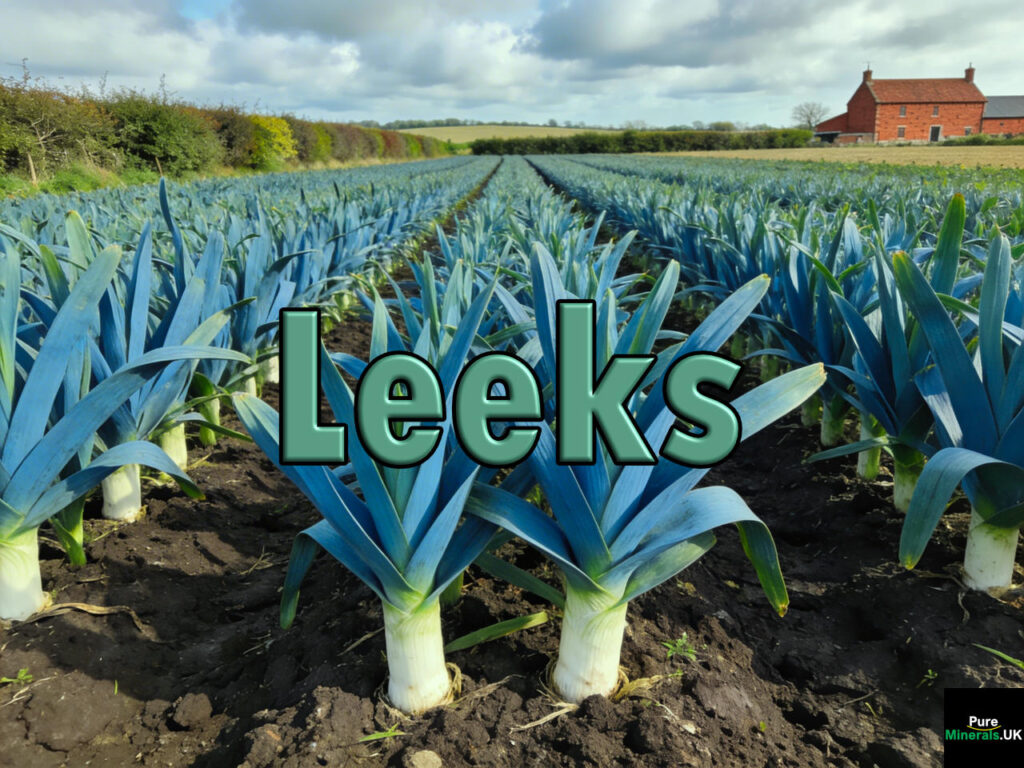
What Are Leeks?
Leeks are the edible leaf sheaths of Allium ampeloprasum var. porrum, a cultivated member of the Allium genus valued for its mild onion-like flavor and nutritional content. They provide dietary fiber, vitamins, minerals, and sulfur-containing phytochemicals characteristic of Allium vegetables.
Definition
Leeks are the edible leaf bases of Allium ampeloprasum var. porrum, a vegetable belonging to the Amaryllidaceae family.
Extended Definition
Leeks belong to the Allium genus, which includes onions, garlic, shallots, and chives. These plants are known for producing sulfur-containing compounds responsible for their distinctive aromas and flavors.
Unlike onions, which form a compact bulb, leeks develop as a bundle of tightly layered leaf sheaths that create a cylindrical stalk. The lower portion of the plant is often blanched during cultivation by covering it with soil, producing the pale white section commonly used in cooking.
Leeks provide dietary fiber, vitamin K, vitamin C, folate, and small amounts of iron and manganese. Vitamin K contributes to normal blood clotting and bone metabolism, while vitamin C supports antioxidant processes and normal immune function.
Like other Allium vegetables, leeks contain sulfur-containing compounds derived from amino acids. When plant tissues are cut or crushed, enzymes convert these compounds into a variety of organosulfur molecules that contribute to the vegetable’s aroma and biological functions within the plant.
Leeks also contain flavonoids such as kaempferol and other polyphenols that function as part of the plant’s natural defense system.
Leeks are widely used in culinary traditions around the world and are commonly incorporated into soups, stews, sauces, and vegetable dishes.
Key Facts
Botanical name: Allium ampeloprasum var. porrum
Plant family: Amaryllidaceae
Common classification: Bulb vegetable (Allium)
Origin: Mediterranean region and Western Asia
Edible part: Leaf sheaths forming the stalk
Typical color: White base with green upper leaves
Primary nutrients: Fiber, vitamin K, vitamin C, folate
Key phytonutrients: Organosulfur compounds, flavonoids, polyphenols
Energy density: Low
Notable compounds: Sulfur-containing phytochemicals characteristic of Allium vegetables
Culinary uses: Soups, stews, sautéed dishes, and sauces
Key Takeaways
- Leeks are exceptionally rich in Vitamin K, with a single cooked cup delivering over 40% of your daily needs — critical for blood clotting and bone health.
- Leeks contain inulin, a prebiotic fiber rarely found in such concentrations in other vegetables, making them a standout food for gut health.
- The sulfur compounds in leeks — including allicin and kaempferol — have documented anti-inflammatory, anti-cancer, and cholesterol-lowering effects.
- Leeks outperform onions and garlic in Vitamin K and manganese content, despite having a milder flavor profile.
- The dark green tops of leeks are edible and nutritionally dense — most people throw them away without realizing what they’re missing.
The Connection Of Leeks To Wales
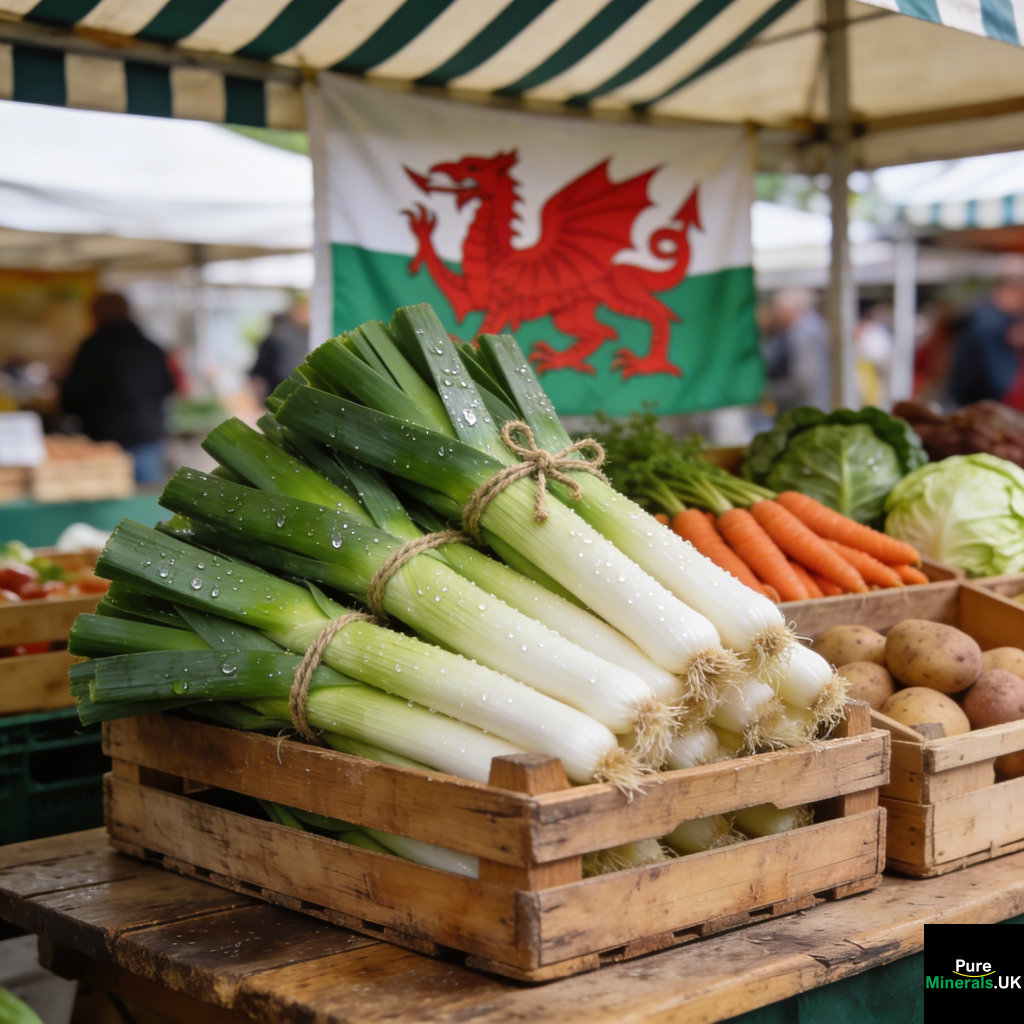
Despite being the national emblem of Wales, Wales is not a large commercial producer of leeks compared to the rest of the United Kingdom. While the leek has a 1,000-year historical and cultural connection to Wales, its commercial cultivation is relatively small-scale.
The leek is a long-standing national emblem of Wales, worn on St. David’s Day (March 1) to represent Welsh identity and cultural pride. The history spans some 700 years. One legend claims that in the 6th or 7th century, St. David advised Welsh soldiers to wear leeks during a battle against the Saxons, which took place in a field of leeks, helping them identify fellow soldiers.
Another variation attributes this to King Cadwaladr, a 7th-century King of Gwynedd. He is traditionally regarded as the last Welsh ruler to be titled “King of the Britons”. King Cadwaladr is a foundational figure in Welsh history, bridging the gap between the era of the sub-Roman Britons and the emergence of the Welsh national identity.
The St. David’s Day tradition is ancient, with references to Welsh archers wearing the green and white colours of the leek in the 14th century, likely at the Battle of Crecy. The Tudor dynasty solidified the practice. Household accounts from the 16th century show that Tudor guards wore leeks on St. David’s Day.
Beyond the battlefield, the leek was believed to offer protection from evil spirits and battle wounds. Today it is often worn by soldiers in Welsh regiments.
Leeks Pack More Nutrition Than Most People Realize
Most people walk past leeks at the grocery store without a second thought — and that’s a mistake.
Leeks belong to the Allium family alongside onions, garlic, shallots, and chives, but they tend to fly under the radar nutritionally. That’s partly because most of the research spotlight falls on garlic and onions. But leeks bring a unique combination of vitamins, minerals, prebiotic fiber, and bioactive sulfur compounds that make them one of the most nutritionally complete vegetables you can put on your plate. Healthline notes that leeks are nutrient-dense, meaning they are low in calories yet high in essential vitamins and minerals.
This article breaks down exactly what’s inside a leek, how it stacks up against its Allium cousins, and why its sulfur compounds deserve far more attention than they get.
Leeks Nutritional Profile: What’s Inside
Leeks are low in calories but surprisingly rich in micronutrients. A 100-gram serving of raw leeks contains roughly 61 calories, with meaningful amounts of Vitamin K, Vitamin A, Vitamin C, folate, manganese, and copper. They also contain small but useful amounts of iron, Vitamin B6, and magnesium. What makes leeks particularly interesting isn’t any single nutrient — it’s the combination of fat-soluble vitamins, trace minerals, and bioactive plant compounds working together.
Vitamin K: The Standout Nutrient in Leeks
Vitamin K is where leeks genuinely shine. A single cup of cooked leeks delivers a substantial portion of your daily Vitamin K requirement — a fat-soluble vitamin that plays a direct role in blood clotting, bone mineralization, and cardiovascular health. Most people don’t get enough Vitamin K from their diets, which makes leeks a practical and delicious way to close that gap.
Unlike spinach or kale, which are more commonly associated with Vitamin K, leeks offer this benefit with a much milder flavor — making them easier to incorporate into everyday meals without overpowering a dish. For more variety, consider adding other vegetables like edamame to your meals.
Inulin: The Prebiotic Fiber That Sets Leeks Apart
Leeks are one of the best dietary sources of inulin, a type of prebiotic fiber that feeds beneficial bacteria in your gut. Inulin isn’t digested in the small intestine — it travels to the colon, where it selectively feeds Bifidobacterium and Lactobacillus strains, the bacteria most associated with digestive health and immune function. This is relatively rare in common vegetables, and it’s one of the key reasons leeks stand out nutritionally from other Allium vegetables.
Manganese, Folate, and Other Key Minerals
Leeks are notably higher in manganese than most other Allium vegetables. Manganese supports bone formation, blood sugar regulation, and antioxidant enzyme activity. Folate, another nutrient found in meaningful quantities in leeks, is essential for DNA synthesis and cell division — making leeks particularly valuable during pregnancy. Copper and iron round out the mineral profile, supporting red blood cell production and energy metabolism.
How Leeks Compare to Onions and Garlic
Leeks, onions, and garlic share a common ancestor and many of the same bioactive compounds — but they’re not interchangeable nutritionally.
Why Leeks Have a Milder Flavor Than Other Alliums
The sharp, pungent flavor of garlic and onions comes from a high concentration of sulfur compounds — particularly allicin — that are released when the cell walls are broken. Leeks contain the same class of compounds, but at lower concentrations. The result is a sweeter, more delicate flavor that makes leeks far more versatile in cooking without sacrificing the underlying health benefits entirely.
This milder profile also means leeks are better tolerated by people who are sensitive to the more intense sulfur compounds in raw onions or garlic — particularly those with digestive sensitivities.
Where Leeks Win Nutritionally Over Onions and Garlic
When it comes to Vitamin K and manganese, leeks consistently outperform both onions and garlic. Leeks are also a richer source of inulin than either of their more popular cousins. While garlic has stronger antimicrobial properties due to its higher allicin content, and onions are better studied for their quercetin levels, leeks occupy a unique nutritional niche that neither garlic nor onions fully cover.
Nutrient | Leeks | Onions | Garlic |
|---|---|---|---|
|
High |
Low |
Low | |
|
High |
Moderate |
Moderate | |
Inulin (Prebiotic Fiber) |
High |
Moderate |
Moderate |
Allicin (Sulfur Compound) |
Moderate |
Moderate |
Very High |
Quercetin (Flavonoid) |
Moderate |
High |
Low |
Flavor Intensity |
Mild |
Strong |
Very Strong |
Sulfur Compounds in Leeks: What They Are and Why They Matter
The sulfur compounds in leeks are arguably their most important health-promoting feature — and the least understood by most people who eat them.
How Alliin Becomes Allicin When You Cut a Leek
Leeks, like all Allium vegetables, store a compound called alliin in their cell walls. When you cut, crush, or chew a leek, the enzyme alliinase — stored separately within the cell — comes into contact with alliin and converts it into allicin. This enzymatic reaction happens in seconds and is responsible for the characteristic aroma you notice the moment a knife hits a leek.
What makes this process nutritionally significant is that allicin is the active compound linked to leeks’ antimicrobial, anti-inflammatory, and cardiovascular benefits. Cooking deactivates alliinase, which reduces allicin formation — so letting a cut leek sit for a few minutes before cooking gives the reaction time to complete, preserving more of the beneficial compound before heat enters the picture.
The Role of Volatile Oils in Leeks’ Smell and Flavor
Beyond allicin, leeks contain a range of volatile sulfur-containing oils — including diallyl sulfide, diallyl disulfide, and methyl allyl trisulfide. These compounds evaporate quickly when exposed to air or heat, which is why a pan of sautéed leeks fills a kitchen with that distinctive sweet-savory aroma almost instantly. These volatile oils aren’t just responsible for flavor — they also contribute to leeks’ antioxidant activity and have been studied for their role in supporting liver detoxification pathways.
Anti-Inflammatory and Antioxidant Effects of Leek Sulfides
The organic sulfides in leeks — including allicin and its derivatives — work as both direct antioxidants and indirect triggers of the body’s own antioxidant defenses. Research published in food science journals has shown that leek extracts can suppress the activity of pro-inflammatory enzymes, particularly COX-2, which is the same pathway targeted by common anti-inflammatory medications. Kaempferol, a flavonoid found in meaningful concentrations in leeks, adds another layer of antioxidant protection by neutralizing free radicals and reducing oxidative stress in cells.
Sulfur Compounds and Their Link to Cholesterol and Blood Sugar
Allicin and related sulfur compounds in leeks have been shown to interfere with cholesterol synthesis in the liver by inhibiting HMG-CoA reductase — the same enzyme targeted by statin drugs. While leeks contain lower allicin concentrations than garlic, regular consumption still contributes to a measurable reduction in LDL cholesterol levels according to research on Allium vegetables broadly.
On the blood sugar side, the sulfur compounds in leeks appear to enhance insulin sensitivity and slow the absorption of glucose in the digestive tract. Combined with the prebiotic fiber inulin — which itself helps moderate postprandial blood sugar spikes — leeks become a genuinely useful food for people managing or preventing type 2 diabetes. For those interested in exploring similar foods, consider learning about jicama, another vegetable with beneficial effects on blood sugar levels.
The Proven Health Benefits of Eating Leeks
The bioactive compounds in leeks don’t exist in isolation — they work together to deliver a range of well-documented health benefits. From your gut to your cardiovascular system to your long-term cancer risk, here’s what the evidence actually shows.
Gut Health and Digestion
The inulin in leeks is a standout feature for digestive health. As a prebiotic fiber, inulin bypasses digestion in the small intestine and arrives intact in the colon, where it feeds beneficial bacteria like Bifidobacterium and Lactobacillus. A well-fed microbiome improves bowel regularity, reduces bloating, and strengthens the intestinal barrier against pathogens. If you’re interested in other vegetables that support gut health, consider exploring the benefits of edamame.
Beyond inulin, leeks contain general dietary fiber that adds bulk to stool and supports healthy transit time. For people who struggle with constipation or irregular digestion, adding leeks to meals a few times a week is a practical, food-first strategy that doesn’t require supplements or special diets.
Heart Health and Circulation
Leeks support cardiovascular health through multiple pathways simultaneously. The allicin content helps lower LDL cholesterol and blood pressure by relaxing blood vessel walls. Kaempferol, the primary flavonoid in leeks, has been linked to reduced risk of heart disease in population studies by reducing inflammation in arterial walls and preventing platelet aggregation — a key factor in blood clot formation.
Folate adds another layer of cardiovascular protection by helping regulate homocysteine levels in the blood. Elevated homocysteine is an independent risk factor for heart disease, and adequate folate intake keeps it in check. With Vitamin K also contributing to proper blood clotting regulation, leeks cover several bases of heart health in a single vegetable.
Anti-Cancer Properties
The anti-cancer potential of leeks is rooted in their concentration of organosulfur compounds and flavonoids. Research has identified several mechanisms through which leek bioactives may reduce cancer risk:
- Allicin and diallyl sulfide have been shown to trigger apoptosis (programmed cell death) in cancer cells without harming healthy tissue.
- Kaempferol inhibits the growth of cancer cells by blocking specific signaling pathways involved in tumor proliferation.
- Quercetin, present in moderate amounts, acts as an antioxidant that protects DNA from oxidative damage — a primary driver of cancer initiation.
- Inulin supports a healthy gut microbiome, which is increasingly linked to lower colorectal cancer risk through reduced intestinal inflammation.
A comprehensive review published in food science literature noted that leeks contain a variety of bioactive substances — including sulfides, polyphenols, and dietary fibers — with documented anti-cancer, anti-inflammatory, anti-obesity, and antioxidant effects. The evidence is particularly strong for colorectal and stomach cancers, where regular consumption of Allium vegetables has been associated with meaningfully reduced incidence rates. For more information on similar vegetables, you might explore the nutritional benefits of kohlrabi.
It’s worth noting that leeks are not a cancer treatment — but as part of a consistent, plant-forward diet, they contribute to the kind of cellular environment where cancer has a harder time taking hold. For example, incorporating other vegetables like kohlrabi can also enhance your diet’s nutritional profile.
How to Use Leeks in Cooking
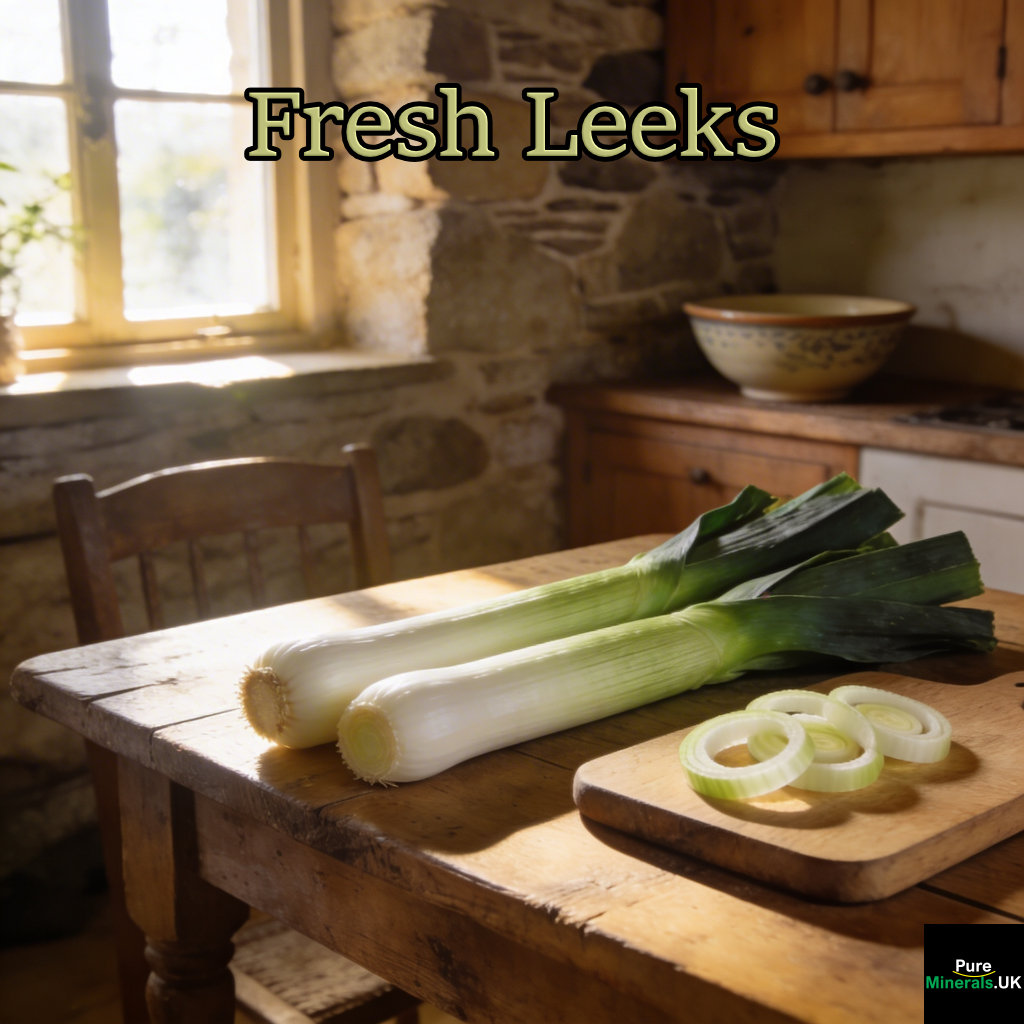
Leeks are one of the most versatile vegetables in the kitchen, and they’re far easier to work with than most people assume. The white and light green parts are the most commonly used — they have a tender texture and sweet, mild onion flavor that softens further with cooking. But the dark green tops, which most home cooks discard, are completely edible and pack a concentrated flavor that makes them ideal for stocks, broths, and slow-cooked dishes.
Before cooking, leeks need a thorough wash. Because they grow in layers, soil tends to collect between the leaves — slice them lengthwise first, then fan out the layers under cold running water to flush out any grit. From there, the possibilities are wide open: slow-sautéed in butter until silky for a pasta sauce base, braised whole as a side dish, thinly sliced raw into salads, or used as a flavor backbone in soups like the classic French vichyssoise.
To preserve the most nutritional value, avoid overcooking. High heat for extended periods degrades Vitamin C and deactivates the enzymes involved in allicin production. A light sauté over medium heat — just until softened — retains both flavor and nutrient density. If you want to maximize allicin specifically, let your cut leeks rest for 5 to 10 minutes before they hit the pan.
Which Parts of a Leek Are Edible
The entire leek is technically edible, but different parts serve different purposes in the kitchen. Most recipes call for the white base and the pale green middle section — these are the most tender parts, with a naturally sweet, mild flavor that becomes even more delicate when cooked. The dark green tops are tougher in texture but carry a stronger, more concentrated leek flavor that shouldn’t go to waste. If you’re interested in exploring other versatile vegetables, consider trying daikon in your recipes.
Think of the dark green leaves as a flavoring tool rather than a primary ingredient. They hold up beautifully in long-simmered stocks, broths, and soups where their robust flavor has time to infuse the liquid. Tie them into a bouquet garni with bay leaves and thyme, or simply toss them into your next batch of vegetable stock.
- White base: Mildest flavor, most tender — ideal for sautéing, braising, and soups
- Pale green middle: Slightly stronger flavor, still tender — great for most cooked applications
- Dark green tops: Tough but flavorful — best used in stocks, broths, or slow-cooked dishes
- Root end: Not typically eaten but useful for regrowing leeks in a glass of water on a windowsill
One important prep step regardless of which part you’re using: always wash leeks thoroughly after slicing. Their tightly layered structure traps soil between the leaves, and skipping this step means grit in your finished dish. Slice lengthwise, fan the layers open under cold running water, and you’re good to go. For a similar preparation method, check out our guide on healthy ways to cook broccoli.
Best Cooking Methods to Preserve Leek Nutrients
Heat is the biggest variable when it comes to retaining leeks’ nutritional value. Vitamin C is water-soluble and heat-sensitive, meaning boiling leeks in large amounts of water — and discarding that water — results in significant nutrient loss. Whenever possible, use cooking methods that minimize water exposure and keep cooking times short.
Sautéing over medium heat in a small amount of olive oil or butter is arguably the best all-around method. It softens the leeks without waterlogging them, preserves most of the heat-stable nutrients like Vitamin K and manganese, and develops a natural sweetness through gentle caramelization. For allicin specifically, let your sliced leeks rest for 5 to 10 minutes before they hit the pan — this gives the alliinase enzyme time to complete the conversion of alliin to allicin before heat deactivates the process.
Steaming is another excellent option for preserving water-soluble vitamins. Unlike boiling, steaming keeps leeks out of direct contact with water, so fewer nutrients leach out during cooking. Roasting at moderate temperatures brings out a deep, almost caramel-like sweetness while maintaining structural integrity and nutrient density better than high-heat methods.
Quick Guide: Cooking Methods Ranked for Nutrient Retention
🥉 Boiling — Significant loss of Vitamin C and folate into cooking water. Least recommended unless you’re using the liquid (e.g., in soup).
🥈 Roasting — Good flavor development, moderate nutrient retention. Keep temperatures below 400°F to avoid degrading heat-sensitive compounds.
🥇 Sautéing / Steaming — Best overall methods. Short cook times, minimal water contact, strong retention of Vitamin K, manganese, and bioactive sulfur compounds.
Leeks Are One of the Most Underrated Vegetables You Can Eat
Leeks don’t get the headlines that kale or spinach do, but the nutritional case for eating them regularly is genuinely compelling. They deliver Vitamin K, prebiotic inulin, manganese, folate, and a unique profile of sulfur compounds — all in a low-calorie package with a flavor that works in everything from rustic soups to elegant side dishes. No other common vegetable offers quite this combination.
The real opportunity with leeks is consistency. Eating them once in a while won’t move the needle on gut health or cardiovascular risk — but building them into your regular rotation alongside other Allium vegetables creates a cumulative, compounding benefit over time. Start simple: swap leeks for onions in your next stir-fry, add the dark green tops to your next stock, or braise a batch in olive oil as a side dish. The entry point is low, and the nutritional payoff is high. For a unique twist, consider incorporating kohlrabi into your meals as well.
Important note: Leeks
Leeks are widely recognized as safe when consumed. Individuals with sensitivities to Allium vegetables may experience digestive discomfort. This article is provided for educational purposes only and does not constitute medical advice. Individuals with specific dietary concerns should consult a qualified healthcare professional before making significant dietary changes.
Frequently Asked Questions
Leeks generate a lot of questions, especially from people who are new to cooking with them or trying to understand how they fit into a healthy diet. Below are direct answers to the most common ones.
Are Leeks Healthier Than Onions?
It depends on what you’re optimizing for. Leeks outperform onions in Vitamin K, manganese, and inulin content — making them the better choice for bone health, trace mineral intake, and gut microbiome support. Onions, on the other hand, are higher in quercetin, a flavonoid with well-documented anti-inflammatory and antihistamine properties.
The honest answer is that they’re complementary, not competitive. Eating both regularly — as part of a varied diet that includes other Allium vegetables like garlic and chives — gives you broader coverage of the full spectrum of sulfur compounds, flavonoids, and prebiotic fibers this plant family has to offer.
What Do Leeks Taste Like Compared to Onions?
Leeks taste like a milder, sweeter version of onions with a subtle buttery quality that develops further during cooking. They lack the sharp bite and pungency of raw onions, which makes them more approachable for people who find raw onions overpowering. When sautéed slowly, leeks develop an almost silky texture and a gentle sweetness that onions don’t quite replicate — it’s a softer, more refined flavor profile overall, similar to how endive can offer a milder taste compared to other leafy greens.
How Much Vitamin K Is in a Leek?
A single cup of cooked leeks contains a substantial amount of Vitamin K1, delivering well over 40% of the recommended daily intake for most adults. Raw leeks contain Vitamin K as well, though cooking concentrates the nutrient slightly by reducing water volume. Since Vitamin K is fat-soluble, pairing leeks with a small amount of olive oil or butter during cooking actually improves absorption — making a simple sauté one of the most nutritionally efficient ways to eat them.
Can You Eat Leeks Raw?
Yes — raw leeks are completely safe to eat and retain higher levels of heat-sensitive nutrients like Vitamin C and certain sulfur compounds. The flavor is noticeably sharper and more pungent than cooked leeks, though still considerably milder than raw onion, which makes them a reasonable addition to salads, slaws, and grain bowls when thinly sliced.
The texture of raw leeks is crisp and slightly fibrous, which works well as a garnish or a crunchy salad component but can feel tough if used in large amounts without any prep. Thinly slicing or finely chopping raw leeks helps significantly — it breaks down the fibrous structure and mellows the flavor by releasing some of the volatile sulfur compounds into the air before they reach your palate.
One practical note: eating raw leeks in large quantities can cause gas and bloating in some people, particularly those sensitive to inulin. The prebiotic fiber that makes leeks so beneficial for gut bacteria also ferments in the colon — which is a normal, healthy process, but one that produces gas as a byproduct. Starting with smaller amounts and building up gradually gives your microbiome time to adapt. For those interested in exploring other vegetables with unique health benefits, consider trying kohlrabi as part of your diet.
Are Leeks Good for Gut Health?
Leeks are genuinely excellent for gut health, and the primary reason is inulin — the prebiotic fiber that leeks contain in higher concentrations than most common vegetables. Inulin isn’t digested in the small intestine; it reaches the colon intact, where it selectively feeds Bifidobacterium and Lactobacillus — the bacterial strains most associated with a healthy, balanced microbiome.
A well-nourished microbiome does more than improve digestion. Research increasingly links gut bacteria diversity to immune function, mental health via the gut-brain axis, reduced systemic inflammation, and even metabolic health. Leeks contribute to all of these downstream benefits simply by providing a consistent food source for the bacteria that drive them.
The general dietary fiber in leeks also contributes to bowel regularity by adding bulk to stool and supporting healthy intestinal transit time. This dual action — prebiotic inulin feeding beneficial bacteria, and general fiber supporting mechanical digestive function — makes leeks one of the more complete gut-health foods available.
If gut health is a specific goal, combining leeks with other prebiotic-rich foods like garlic, onions, asparagus, and Jerusalem artichokes creates a synergistic effect — giving your microbiome a broader range of fermentable fibers to work with, which supports greater bacterial diversity overall. Diversity, according to current microbiome research, is one of the strongest indicators of a healthy gut.