

Published: 11 March 2026
This article is periodically reviewed and updated to reflect current scientific understanding by Vic George.
Fact-Checked: 2 other authoritative medical/scientific references. See our Editorial Policy.
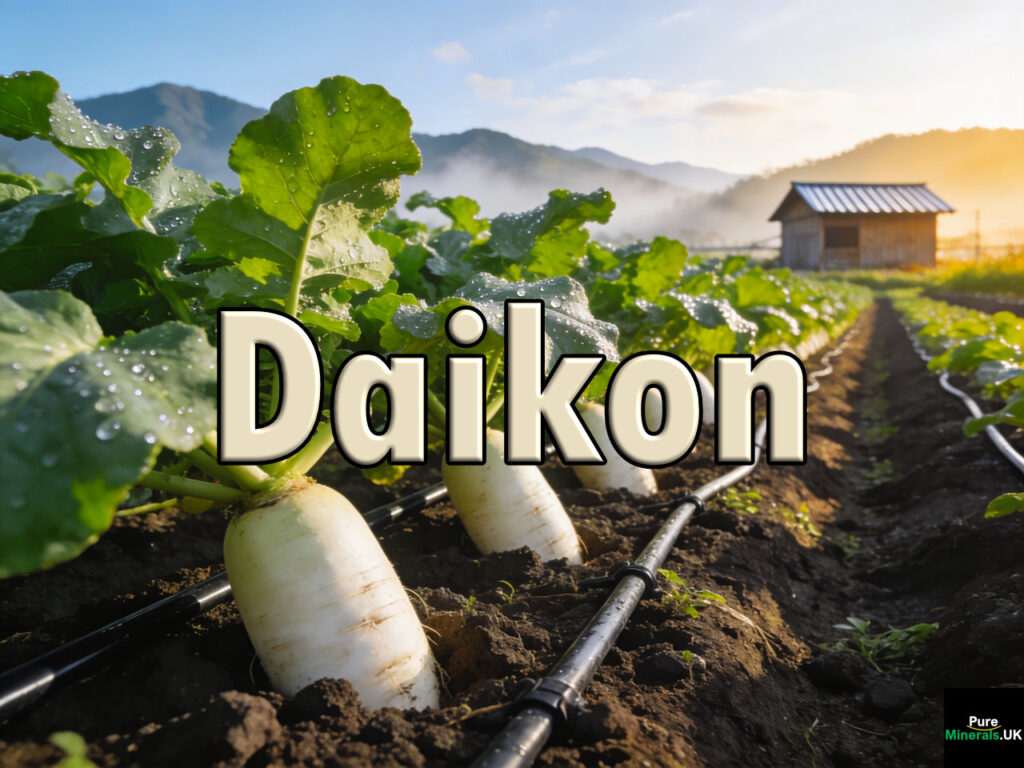
What Is Daikon?
Daikon is a large white root vegetable belonging to Raphanus sativus var. longipinnatus, widely cultivated in East Asia for its mild flavor, crisp texture, and nutritional content. It is valued as a low-calorie root vegetable that provides dietary fiber, vitamin C, and characteristic glucosinolate compounds found in cruciferous plants.
Definition
Daikon is a radish. It is the elongated edible root of Raphanus sativus var. longipinnatus, a cultivated member of the Brassicaceae family consumed as a root vegetable.
Extended Definition
Daikon belongs to the Brassicaceae family, the same botanical group that includes cabbage, broccoli, cauliflower, and mustard greens. This family of plants is characterized by the presence of glucosinolates, sulfur-containing compounds involved in plant defense mechanisms.
The daikon root develops as a thickened taproot that stores nutrients for the plant. It is typically harvested while still tender and crisp, often reaching lengths of 20 to 60 centimeters depending on the variety.
Nutritionally, daikon provides vitamin C, potassium, folate, and dietary fiber. Vitamin C contributes to antioxidant processes and normal immune function, while fiber supports digestive health.
Like other cruciferous vegetables, daikon contains glucosinolates that can be converted by the enzyme myrosinase into compounds such as isothiocyanates when the plant tissue is cut or chewed. These compounds contribute to the plant’s distinctive flavor and natural defense systems.
Daikon is widely used in East Asian culinary traditions, particularly in Japanese, Korean, and Chinese cuisine. It can be consumed raw, pickled, fermented, or cooked in soups and stews.
In addition to the root, the leaves and young shoots of the daikon plant are also edible and used in various regional dishes.
Key Facts
Botanical name: Raphanus sativus var. longipinnatus
Plant family: Brassicaceae
Common classification: Root vegetable. A radish.
Origin: East Asia, particularly China and Japan
Edible part: Taproot (and sometimes leaves)
Typical color: White root with pale green upper portion
Primary nutrients: Vitamin C, fiber, potassium, folate
Key phytonutrients: Glucosinolates, isothiocyanates, phenolic compounds
Energy density: Very low
Notable compounds: Sulfur-containing phytochemicals characteristic of cruciferous vegetables
Culinary uses: Salads, pickles, soups, stews, and grated condiments
Key Takeaways
- Daikon radish is a nutrient-dense cruciferous vegetable delivering fiber, vitamin C, folate, and copper in a single low-calorie serving — making it one of the most efficient vegetables you can add to your plate.
- One cup of sliced daikon (116g) contains roughly 21 calories, 4.1g of carbohydrates, and 1.9g of dietary fiber, with meaningful amounts of vitamin C covering around 22% of your daily needs.
- Daikon contains a specific set of phytochemicals — including glucosinolates, isothiocyanates, quercetin, and ferulic acid — that go far beyond basic nutrition and directly support cellular protection and disease prevention.
- The giant Sakurajima variety of daikon is notably high in trigonelline, a compound linked to improved blood vessel function in healthy individuals.
- Not everyone should eat daikon freely — certain individuals, particularly those on thyroid medications or with cruciferous vegetable sensitivities, should pay attention to how much they consume.
Daikon Radish Packs More Nutrition Than It Looks
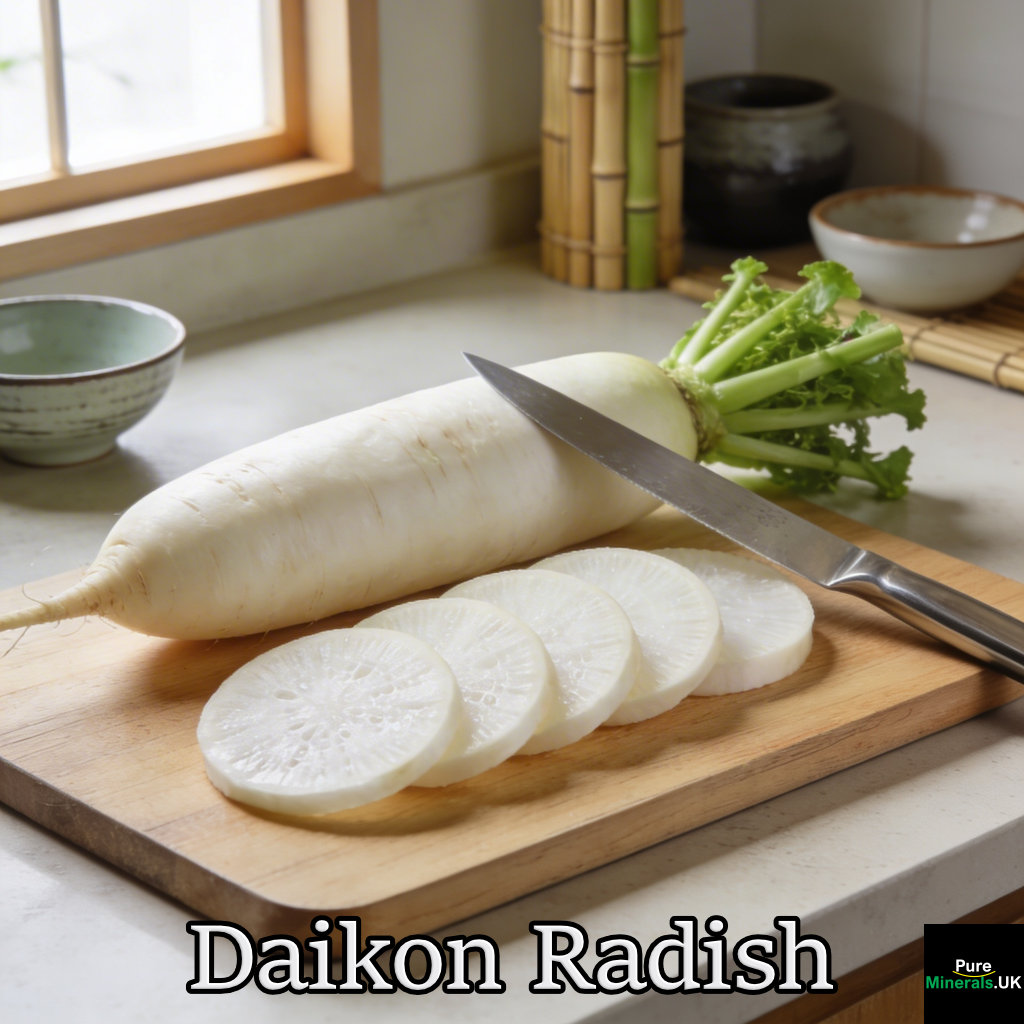
Most people walk past daikon radish at the grocery store without a second glance — and that’s a mistake worth correcting. This long, white root vegetable is a staple across Chinese, Japanese, and Korean cuisines for good reason. It delivers a surprising density of vitamins, minerals, and protective plant compounds inside what looks like a simple, mild-flavored vegetable.
Daikon (Raphanus sativus) belongs to the cruciferous vegetable family, putting it in the same nutritional league as broccoli, cauliflower, and Brussels sprouts. Also called white radish, Japanese radish, Chinese radish, and luobo, it has a crisp texture and a flavor that’s milder and less sharp than the small red radishes most Western diets are familiar with.
- Other names: White radish, Japanese radish, Chinese radish, luobo
- Plant family: Brassicaceae (cruciferous vegetables)
- Origin: Native to parts of Asia, including China and Japan
- Edible parts: Root, leaves, and sprouted seeds
- Primary culinary uses: Salads, pickles, soups, stir-fries, sushi garnishes
Daikon Radish Nutrition Facts: What’s in One Cup
The numbers tell a clear story. Daikon is low in calories but delivers a meaningful package of macronutrients and micronutrients that make it worth including in a regular diet.
Macronutrient Breakdown
A one-cup serving of sliced daikon radish (approximately 116 grams) contains roughly 21 calories, 4.1 grams of carbohydrates, 1.9 grams of dietary fiber, 0.7 grams of protein, and less than 0.1 grams of fat. That macronutrient profile makes daikon one of the leanest vegetables available — genuinely low in calories while still providing fiber that slows digestion and supports satiety.
The fiber-to-calorie ratio here is particularly notable. Nearly half the carbohydrate content in a serving of daikon is fiber, which means the net digestible carbohydrate load is minimal. For anyone managing blood sugar or following a lower-carbohydrate eating pattern, cauliflower fits cleanly into those goals alongside daikon.
Key Vitamins and Minerals
Beyond the macros, daikon radish delivers a solid micronutrient profile. Vitamin C is the standout — one cup provides approximately 22% of the recommended daily value. Daikon also contributes meaningful amounts of folate, copper, and potassium. Smaller but still present amounts of calcium, manganese, riboflavin, and thiamine round out the micronutrient picture. For a similar nutritional boost, you might explore other root vegetables like celeriac.
Folate is particularly relevant for anyone of reproductive age or anyone managing homocysteine levels, as it plays a direct role in DNA synthesis and cell division. Copper, often overlooked, supports iron metabolism and collagen formation — two functions that affect energy levels and skin integrity, respectively.
How Daikon Compares to Other Cruciferous Vegetables
Vegetable | Calories (per cup) | Fiber (g) | Vitamin C (% DV) | Notable Compound |
|---|---|---|---|---|
Daikon Radish | 21 | 1.9 | 22% | Glucosinolates, Trigonelline |
55 | 5.1 | 135% | Sulforaphane | |
27 | 2.7 | 77% | Indole-3-carbinol | |
56 | 4.1 | 124% | Sinigrin | |
19 | 1.9 | 29% | Anthocyanins |
Daikon sits at the lower end of the calorie spectrum among cruciferous vegetables, making it ideal when volume eating is the goal — getting a large amount of food for very few calories.
The Phytochemicals in Daikon Radish
Calories and vitamins only tell part of the story. What makes daikon genuinely interesting from a nutritional science perspective is its phytochemical content — the bioactive plant compounds that don’t appear on a standard nutrition label but have measurable effects on human health.
Quercetin and Ferulic Acid: The Primary Polyphenols
Daikon radishes are rich in polyphenols, specifically quercetin and ferulic acid. Quercetin is a flavonoid with well-documented anti-inflammatory and antioxidant properties. It works by neutralizing free radicals — unstable molecules that damage cells and accelerate aging and disease when left unchecked. Research published in journals examining oxidative stress has consistently identified quercetin as one of the more bioavailable flavonoids from vegetable sources.
Ferulic acid complements quercetin by providing additional antioxidant activity, particularly in protecting cell membranes from lipid peroxidation. Together, these two polyphenols contribute significantly to daikon’s role as an anti-inflammatory food — one that supports long-term cellular health rather than just short-term nutrient delivery.
Glucosinolates: The Compound Behind the Peppery Bite
That mild but distinctive peppery flavor in daikon? It comes from glucosinolates — sulfur-containing compounds found across the entire cruciferous vegetable family. When daikon is chopped, chewed, or otherwise damaged, glucosinolates are converted by the enzyme myrosinase into biologically active compounds, most notably isothiocyanates. This conversion is what gives the vegetable both its flavor and much of its functional health value.
Glucosinolate content in daikon varies by variety, growing conditions, and preparation method. Raw daikon retains more intact glucosinolates than cooked daikon, since heat can deactivate the myrosinase enzyme responsible for the conversion process. This is an important consideration when deciding how to prepare daikon if you’re eating it specifically for its phytochemical benefits.
Key Fact: Genome analysis of the Sakurajima Daikon cultivar — one of the largest daikon varieties in the world — was published in DNA Research Journal, confirming its unique phytochemical composition including notably elevated levels of trigonelline, a compound associated with improved blood vessel function.
Understanding which preparation method best preserves glucosinolates matters more than most people realize. Raw or lightly pickled daikon delivers the highest phytochemical load, while heavily cooked preparations trade some of that functional benefit for texture and digestibility.
Isothiocyanates and Their Role in Cellular Protection
Isothiocyanates are the end product of glucosinolate breakdown, and they’re where the real cellular protection happens. These compounds have been studied extensively for their ability to activate the body’s natural detoxification enzymes — specifically phase II detoxification enzymes in the liver — which help neutralize and eliminate potential carcinogens before they can cause DNA damage. Research published in journals examining cruciferous vegetables and chronic disease has consistently linked isothiocyanate intake to reduced markers of oxidative stress and inflammation at the cellular level.
Evidence-Based Health Benefits of Daikon Radish
The health benefits of daikon radish aren’t based on folk medicine alone. The cruciferous vegetable family as a whole has one of the strongest research bases in nutritional science, and daikon — as a member of that family with its own unique phytochemical fingerprint — carries many of those same evidence-backed benefits.
What’s worth noting is that daikon delivers these benefits at an extremely low caloric cost. You’re getting antioxidant protection, fiber, immune-supporting vitamin C, and blood sugar-regulating compounds in a vegetable that contributes almost no caloric load. That’s a genuinely efficient nutritional trade-off. For more information on other low-calorie vegetables, check out this article about cucumbers.
Blood Sugar Regulation
Research suggests that cruciferous vegetables like daikon radish may play a meaningful role in blood sugar control and type 2 diabetes prevention. A 2016 review analyzed data linking cruciferous vegetable intake to reduced diabetes risk, with the fiber content slowing glucose absorption and the glucosinolate-derived compounds influencing insulin sensitivity. Daikon radish is also a natural source of nitrates, which may help improve blood flow — a critical factor for people managing metabolic conditions where vascular function is often compromised.
Immune System Support
Daikon is a legitimate vitamin C food, delivering roughly 22% of the daily recommended value in a single cup. Vitamin C is essential for the production and function of white blood cells, particularly neutrophils and lymphocytes, which are the immune system’s frontline defense against infection and illness. Beyond its direct immune role, vitamin C also functions as an antioxidant in plasma, protecting immune cells themselves from oxidative damage during an active immune response.
Vitamin C in Daikon vs. Daily Need:
One cup of raw sliced daikon (116g) → ~22% of the Daily Value for Vitamin C
Three cups of daikon → over 60% of daily vitamin C needs — from a single vegetable source with only 63 calories total.
This makes daikon particularly practical for anyone trying to increase micronutrient density without dramatically increasing calorie intake. It’s one of the few vegetables that provides a substantial portion of daily vitamin C while contributing almost nothing to caloric load.
Daikon radishes are also rich in antioxidants, including quercetin and ferulic acid, which work alongside vitamin C to neutralize free radicals and reduce chronic low-grade inflammation — a known suppressor of long-term immune function. Keeping oxidative stress in check is one of the most effective strategies for maintaining a well-functioning immune system over time.
The anti-inflammatory activity from daikon’s isothiocyanates adds another layer here. Chronic inflammation is closely tied to immune dysregulation, and regularly consuming vegetables that actively reduce inflammatory signaling contributes to a more balanced, responsive immune environment.
Digestive Health and Regularity
The 1.9 grams of fiber in a single cup of daikon does real work in the digestive tract. Dietary fiber moves slowly through the gut, adding bulk to stool, supporting regular bowel movements, and feeding beneficial gut bacteria that influence everything from digestion to mood. For anyone dealing with sluggish digestion or irregular bowel habits, high-fiber, high-water-content vegetables like daikon are a practical first intervention before anything more complicated is needed.
Weight Management
Daikon’s combination of high fiber, high water content, and low calorie density makes it a genuinely useful tool for weight management. Fiber slows gastric emptying — meaning food stays in your stomach longer — which delays the return of hunger signals and reduces overall caloric intake across the day. At 21 calories per cup, daikon can be eaten in large quantities to create volume and satiety without meaningfully impacting a calorie target. This is the core principle behind volume eating strategies, and daikon executes it as well as almost any vegetable available.
How to Use Daikon Radish in Everyday Cooking
Daikon is one of the most versatile root vegetables in any kitchen. It can be eaten completely raw, lightly pickled, roasted, steamed, added to soups, or used as a garnish — and each preparation method produces a notably different texture and flavor profile. Raw daikon is crisp and mildly peppery. Cooked daikon softens significantly and takes on a sweeter, more neutral flavor that absorbs surrounding seasonings exceptionally well.
Raw, Cooked or Pickled: Which Method Preserves the Most Nutrients
From a nutritional standpoint, how you prepare daikon directly affects what you get out of it. Each method has trade-offs worth understanding before deciding how to incorporate it into your meals. For example, you might want to explore healthy ways to cook vegetables to maximize their nutritional benefits.
- Raw daikon — Retains the highest levels of glucosinolates and vitamin C. The myrosinase enzyme remains active, enabling the full conversion of glucosinolates to isothiocyanates. Best for maximum phytochemical benefit.
- Pickled daikon — A traditional preparation across Korean, Japanese, and Vietnamese cuisines. Fermented versions add probiotic value. Some glucosinolate content is preserved depending on the temperature used during pickling.
- Lightly steamed daikon — Reduces glucosinolate content but preserves much of the fiber and mineral content. Easier to digest for people with sensitive digestive systems.
- Roasted daikon — Produces a caramelized, sweeter flavor. Lowest glucosinolate retention due to prolonged heat exposure, but still delivers fiber, potassium, and folate.
- Added to soups and stews — Daikon absorbs broth flavors exceptionally well. Nutrient loss from heat is partially offset by consuming the cooking liquid.
If your primary reason for eating daikon is its antioxidant and anti-inflammatory phytochemical content, raw or lightly pickled preparations are the clear choice. If you’re eating it primarily for fiber and mineral intake, cooking method matters far less.
The leaves should not be discarded — they are edible and nutritious. Daikon leaves can be added to stir-fries, soups, and stews, contributing additional vitamins and a slightly bitter, leafy green flavor. Sprouted daikon seeds are also commonly used as a garnish for dishes like salads and sushi rolls, delivering a concentrated dose of the same compounds found in the root in a smaller, more intense form.
Common Daikon Dishes Across Asian Cuisines
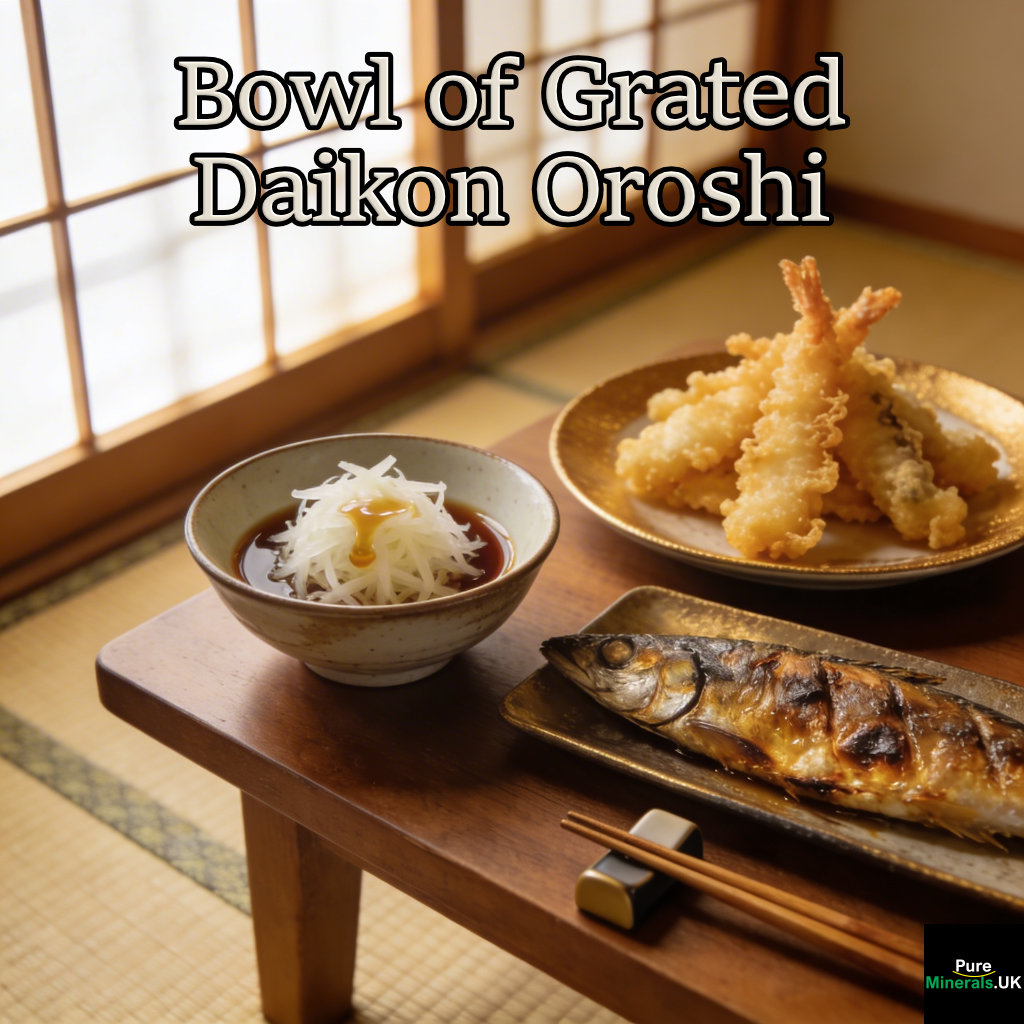
Across East and Southeast Asian cuisines, daikon has been a dietary cornerstone for centuries. In Japanese cuisine, daikon is served as daikon oroshi — finely grated raw daikon — alongside grilled fish and tempura dishes to aid digestion.
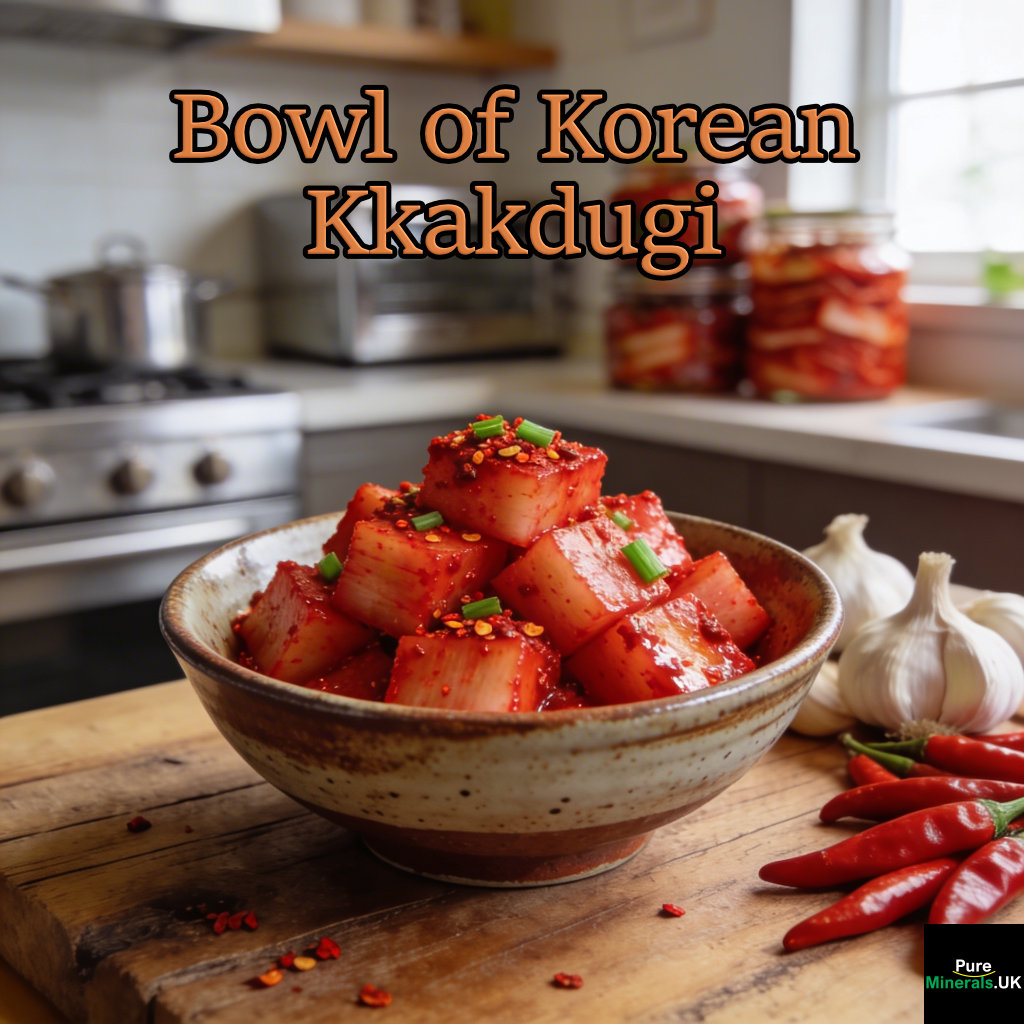
Korean cuisine features kkakdugi, a cubed daikon kimchi that ferments to develop complex, tangy flavors.

Vietnamese bánh mì sandwiches are defined in part by their pickled daikon and carrot filling.
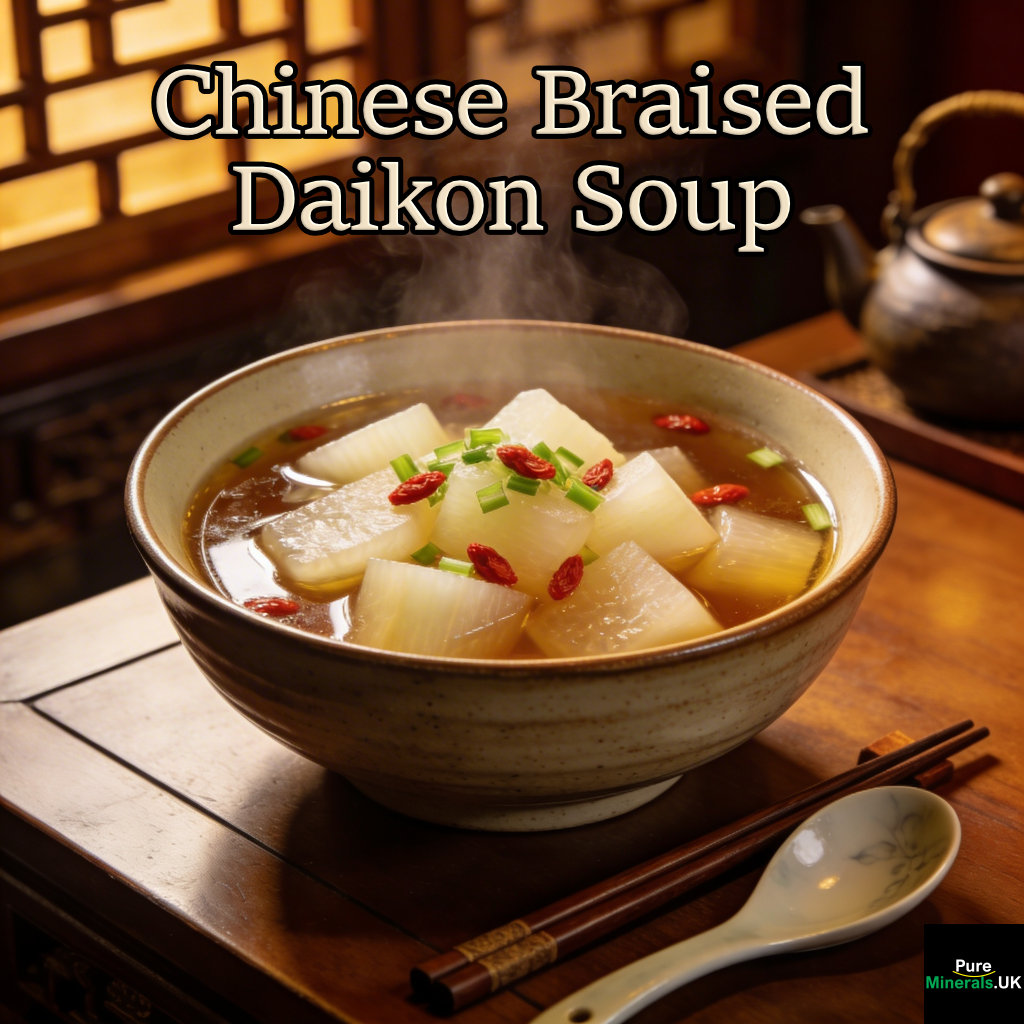
In Chinese cooking, daikon is commonly braised in broths and added to slow-cooked soups where it softens completely and takes on the surrounding flavors.
Daikon Radish Varieties Worth Knowing
Not all daikon radishes are the same. Several distinct varieties exist, each with slight differences in size, flavor intensity, texture, and best culinary use. Knowing which variety you’re working with helps you choose the right preparation method and set accurate flavor expectations.
- Aokubi Daikon — The most common variety found in Japanese markets. Long, cylindrical, and mild in flavor with a crisp texture. This is the standard daikon used in most Japanese cooking applications.
- Sakurajima Daikon — A giant variety native to Kagoshima, Japan, capable of growing to extraordinary sizes. Notably high in trigonelline, a compound linked to improved blood vessel function. Sweeter and less peppery than most varieties.
- Watermelon Radish — A visually striking variety with a pale green exterior and bright pink interior. Milder flavor than traditional daikon, often used raw in salads for its visual appeal and crisp texture.
- Korean Radish (Mu) — Shorter and rounder than Japanese daikon, with a slightly spicier and more pungent flavor. The standard choice for kkakdugi kimchi and Korean soups.
- Chinese Luobo — Similar in shape to Japanese daikon but often slightly denser in texture. Commonly used in braised dishes and Chinese turnip cakes.
Each variety shares the same core nutritional profile — fiber, vitamin C, folate, and glucosinolates — but varies in the concentration of specific phytochemicals. The Sakurajima variety is the most studied for its unique trigonelline content, which sets it apart from other daikon types in terms of cardiovascular-relevant compounds.
Who Should Be Cautious With Daikon Radish
Daikon is safe for most people and can be eaten regularly without concern. That said, a few specific groups should approach it with some awareness rather than eating it in unlimited quantities without thought.
People with thyroid conditions — particularly hypothyroidism — should be mindful of their cruciferous vegetable intake. Raw cruciferous vegetables, including daikon, contain goitrogens, compounds that can interfere with thyroid hormone production by limiting iodine uptake when consumed in very large amounts. Cooking daikon significantly reduces goitrogenic activity, making cooked preparations a safer option for anyone with an underactive thyroid who is also monitoring iodine levels.
Individuals who have known food allergies to other cruciferous vegetables should introduce daikon carefully. Although daikon-specific allergies are uncommon, they do occur. Reported symptoms can include hives, itching, and gastrointestinal distress. Anyone who experiences adverse reactions after consuming daikon should discontinue use and consult a healthcare provider. People taking medications that interact with vitamin K-containing vegetables should also note that daikon contributes small amounts of vitamin K, though at much lower levels than leafy cruciferous vegetables like kale or Brussels sprouts.
Daikon Radish Is One of the Most Underrated Vegetables Available
Daikon radish earns its place in any serious, nutrition-focused diet. It delivers fiber, vitamin C, folate, copper, and a full suite of protective phytochemicals — glucosinolates, isothiocyanates, quercetin, and ferulic acid — all for roughly 21 calories per cup. Very few vegetables match that combination of nutritional efficiency and functional health value. If you’re building a diet around vegetables that do meaningful work at the cellular level, daikon belongs on that list without question. For a similar nutritional profile, you might also consider cauliflower.
Important note: Daikon
Daikon is widely recognized as safe for consumption as a food. As with other cruciferous vegetables, it contains naturally occurring compounds that may interact with certain metabolic conditions when consumed in unusually large quantities. This article is provided for educational purposes only and does not constitute medical advice. Individuals with specific dietary concerns should consult a qualified healthcare professional before making significant dietary changes.
Frequently Asked Questions
Here are direct answers to the most common questions about daikon radish nutrition, flavor, storage, and safety — covering everything you need to make informed decisions about adding it to your diet.
What does daikon radish taste like compared to regular radish?
Daikon radish is significantly milder than the small red radishes common in Western salads. It has a crisp texture with a light, clean peppery note that becomes even more subtle when cooked. Red radishes tend to be sharper, more pungent, and more bitter by comparison. Daikon’s mild flavor profile makes it far more versatile — it blends into dishes without overpowering other ingredients, which is why it’s used so widely across multiple Asian cuisines in everything from raw salads to slow-cooked broths.
Can you eat daikon radish leaves?
Yes — daikon radish leaves are completely edible and nutritious. They have a slightly bitter, leafy green flavor similar to turnip greens or mustard greens. Rather than discarding them, daikon leaves can be added to stir-fries, soups, and stews where they wilt down and contribute additional vitamins, minerals, and plant compounds.
From a nutritional standpoint, the leaves contain their own set of antioxidants and tend to be higher in certain micronutrients — including vitamin C and calcium — than the root itself. Treating the entire daikon plant as edible, rather than just the root, is both a more nutritionally complete and less wasteful approach to using the vegetable. You might find similar nutritional benefits in other leafy greens, such as collard greens.
How should daikon radish be stored to stay fresh?
Daikon should be stored unwashed in the refrigerator, ideally wrapped in a damp paper towel and placed inside a plastic bag or airtight container. Stored this way, a whole daikon root will stay fresh for up to two weeks. Once cut, the exposed surface should be wrapped tightly and used within a few days to prevent moisture loss and flavor degradation. If the leaves are still attached when purchased, remove them before storing the root — the leaves draw moisture from the root and accelerate deterioration.
Is daikon radish safe to eat every day?
For most healthy adults, yes. Eating daikon daily is a practical way to consistently increase fiber intake, antioxidant exposure, and micronutrient density without adding significant calories to your diet. There are no established upper limits for daikon consumption in healthy individuals. For more information, you can read about the health benefits of daikon radish.
- Most adults: Safe to eat daily in typical culinary serving sizes
- Thyroid conditions: Limit large amounts of raw daikon; cooked preparations reduce goitrogenic activity
- Digestive sensitivity: Introduce gradually — high-fiber vegetables can cause temporary gas or bloating when added too quickly to a low-fiber diet
- Allergy history to cruciferous vegetables: Introduce cautiously and monitor for any adverse reactions
- Kidney conditions: Speak with a healthcare provider if you follow a potassium-restricted diet, as daikon contains meaningful amounts of potassium
The most practical approach is to vary your preparation methods — raw some days, cooked or pickled others — to maximize the range of nutritional benefits while keeping digestive tolerance comfortable.
What is the difference between daikon radish and jicama?
Daikon and jicama are two completely different vegetables that are sometimes confused because of their similar pale color and crisp texture when raw. Daikon is a root vegetable in the Brassicaceae (cruciferous) family, native to Asia. Jicama is a root tuber in the legume family, native to Mexico and Central America. Their nutritional profiles, flavor profiles, and plant family origins are all distinct.
From a flavor standpoint, daikon has a mild peppery bite driven by its glucosinolate content, while jicama is noticeably sweeter and more neutral with no detectable spice. Texturally, both are crisp when raw, but jicama maintains its crunch more stubbornly during cooking, while daikon softens considerably with heat. For those interested in exploring similar root vegetables, consider trying celeriac, which also offers unique culinary possibilities.
- Plant family: Daikon — Brassicaceae; Jicama — Fabaceae (legume)
- Origin: Daikon — Asia; Jicama — Mexico and Central America
- Flavor: Daikon — mildly peppery; Jicama — sweet and neutral
- Key phytochemicals: Daikon — glucosinolates, isothiocyanates; Jicama — inulin (prebiotic fiber)
- Best uses: Daikon — pickling, soups, stir-fries, raw salads; Jicama — slaws, raw snacking, fruit salads
Nutritionally, daikon has the edge in terms of phytochemical complexity — its glucosinolate and polyphenol content give it a broader range of functional health benefits than jicama offers. Jicama’s primary nutritional distinction is its inulin content, which functions as a prebiotic fiber specifically feeding beneficial gut bacteria.
Both vegetables are worth including in a varied diet. They fill different culinary roles and deliver different nutritional contributions, so choosing between them isn’t necessary — they complement each other well across different meal types and preparation styles.