

Published: 8 March 2026
This article is periodically reviewed and updated to reflect current scientific understanding by Vic George.
Fact-Checked: 2 other authoritative medical/scientific references. See our Editorial Policy.
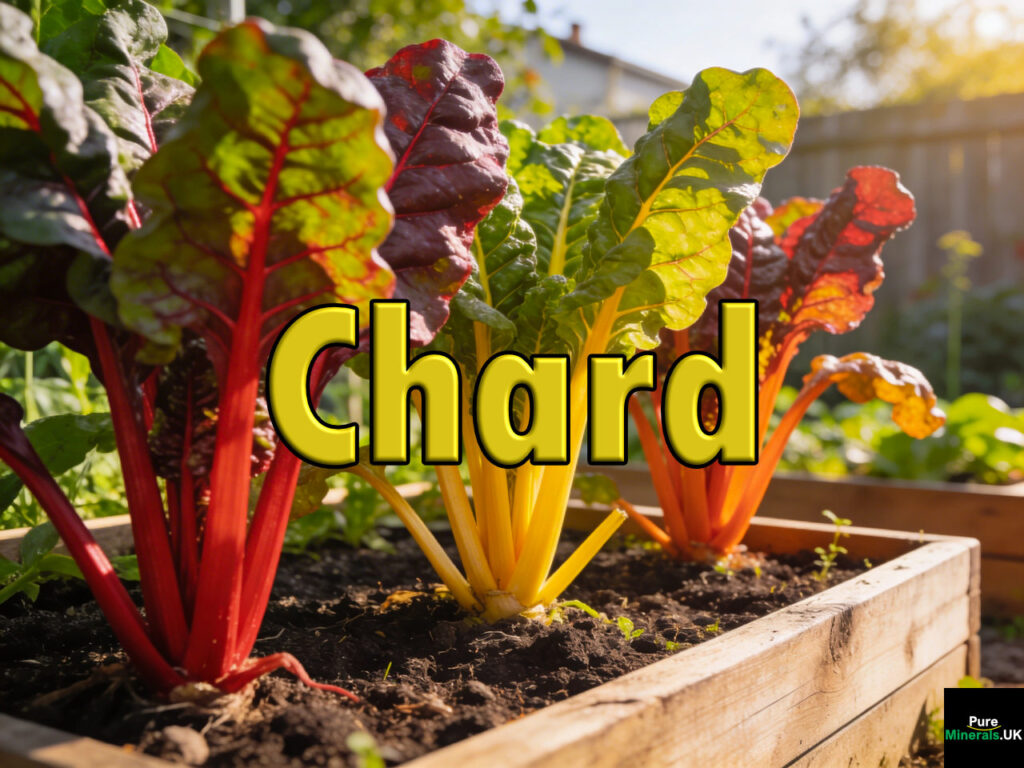
What Is Chard?
Chard, commonly known as Swiss chard or rainbow chard, is a leafy green vegetable belonging to the species Beta vulgaris subsp. vulgaris. It is valued for its large, nutrient-rich leaves and colorful stems, providing a significant source of vitamins, minerals, fiber, and plant bioactive compounds.
Definition
Chard is the edible leaf and stalk of Beta vulgaris subsp. vulgaris, a cultivated member of the Amaranthaceae family, is consumed as a leafy green vegetable. Chard is a hardy biennial, often grown as an annual, that thrives in cool-to-mild weather, making it ideal for spring, fall, and, in warmer regions, winter harvesting. Originating in the Mediterranean, it is grown worldwide in temperate climates, preferring full sun and rich, moist, well-drained soil.
Extended Definition
Chard belongs to the Amaranthaceae family, which also includes spinach, beets, and quinoa. It is closely related to the beet plant, although chard is cultivated primarily for its leaves and stalks rather than its root.
The plant produces large, tender leaves with thick, fleshy stems. In Swiss chard, the stems are typically white or pale green, while rainbow chard varieties display brightly colored stems ranging from yellow and orange to red and magenta. These pigments arise from betalain compounds, which also occur in beets.
Nutritionally, chard is notable for its high concentration of vitamin K, which plays an essential role in normal blood clotting and bone metabolism. It also provides vitamin A precursors, vitamin C, magnesium, potassium, and dietary fiber.
The leaves contain carotenoids such as lutein and beta-carotene, along with flavonoids and phenolic compounds that contribute to plant defense mechanisms. These compounds are associated with antioxidant activity within the plant.
Chard has a high water content and low caloric density while delivering substantial micronutrient levels. Both the leaves and stalks are edible and contribute distinct textures to culinary preparations.
The vegetable can be consumed raw in salads or lightly cooked in sautéed dishes, soups, and stews.
Key Facts
Botanical name: Beta vulgaris subsp. vulgaris
Plant family: Amaranthaceae
Common classification: Leafy green vegetable
Origin: Mediterranean region
Edible part: Leaves and stalks
Typical color: Dark green leaves with white, red, yellow, or multicolored stems
Primary nutrients: Vitamin K, vitamin A precursors, vitamin C, magnesium, potassium
Key phytonutrients: Betalains, carotenoids, flavonoids, phenolic compounds
Energy density: Very low
Notable compounds: Lutein, beta-carotene, plant pigments responsible for stem coloration
Culinary uses: Salads, sautéed greens, soups, stews, and side dishes
Key Takeaways
- Swiss chard delivers over 477% of your daily vitamin K needs in just one cooked cup — making it one of the most nutrient-dense greens available.
- Chard contains a rare combination of betalains, flavonoids, and carotenoids that work together to fight free radical damage and reduce inflammation.
- Rainbow chard and Swiss chard share the same species, but their pigment differences go deeper than just color — they signal different phytochemical profiles.
- Cooking chard changes its nutritional availability in important ways — knowing when to eat it raw versus cooked can maximize what your body absorbs.
- Some people should watch their chard intake — its oxalate content and high vitamin K levels are worth understanding before making it a daily staple.
Swiss chard might be the most underrated leafy green in the produce aisle. While kale gets the spotlight, chard quietly delivers one of the broadest nutrient profiles of any vegetable you can put on your plate. Nutritionists consistently rank it among the top antioxidant-rich foods globally, and for good reason — it covers an extraordinary range of vitamins, minerals, and plant compounds in a single serving.
Swiss Chard Is One of the Most Nutrient-Dense Greens You Can Eat
One cup (175 grams) of cooked Swiss chard packs a serious nutritional punch without loading you up on calories. It is low in carbohydrates, virtually fat-free, and provides meaningful amounts of fiber, protein, and an impressive lineup of micronutrients. What makes chard stand out is the sheer variety of what it contains — not just one or two standout vitamins, but a full spectrum that most greens simply can’t match.
The leaves and stalks each bring something different to the table, nutritionally speaking. Leaves are higher in fiber, magnesium, flavonoids, sodium, and vitamin C, while the colorful stalks are notably higher in potassium. This means eating the whole plant — not just the leaves — gives you the most complete nutritional benefit.
Swiss Chard Nutritional Profile
Here is a snapshot of what one cup (175g) of cooked Swiss chard provides:
Nutrient | Amount per Cup (Cooked) | % Daily Value |
|---|---|---|
Vitamin K | 572 mcg | 477% |
Vitamin A | 536 mcg RAE | 60% |
Vitamin C | 31.5 mg | 35% |
Magnesium | 150 mg | 36% |
Potassium | 961 mg | 20% |
Iron | 3.96 mg | 22% |
Fiber | 3.68 g | 13% |
Calcium | 101 mg | 8% |
Vitamins: K, A, and C Lead the Way
Vitamin K is the headline nutrient in Swiss chard, and it is not even close. One cooked cup delivers nearly five times your daily requirement — a level that places chard in an elite category for bone health and blood clotting support. Vitamins A and C follow closely, contributing to immune function, skin integrity, and cellular defense against oxidative stress. These three vitamins alone make chard worth adding to any diet focused on long-term health.
Minerals: Magnesium, Potassium, and Iron
Magnesium is one of the most commonly under-consumed minerals in modern diets, and chard is one of the best whole-food sources of it. A single cooked cup covers over a third of your daily magnesium needs — supporting muscle function, nerve signaling, and energy metabolism. The potassium content (961 mg per cup) is also significant, helping to regulate blood pressure and counterbalance dietary sodium. Add in a solid dose of iron and copper, and chard becomes a genuinely meaningful mineral source, not just a vitamin delivery vehicle.
Raw vs. Cooked: How Nutrition Changes
Raw Swiss chard contains more vitamin C than cooked, since heat degrades water-soluble vitamins. However, cooking increases the bioavailability of certain fat-soluble nutrients like beta-carotene and vitamin A, especially when prepared with a small amount of healthy fat. Lightly sautéing chard in olive oil is one of the most nutritionally efficient ways to eat it — you lose minimal water-soluble vitamins while enhancing absorption of carotenoids significantly. For a similar nutritional profile, you might also consider adding bok choy to your diet.
Cooking also reduces oxalic acid content in chard, which can bind to minerals like calcium and iron and reduce how much your body actually absorbs. For people with kidney stone risk or iron absorption concerns, cooked chard is the smarter choice. Raw chard works well in salads or smoothies where preserving vitamin C is the priority, much like how cabbage can be enjoyed both raw and cooked for its nutritional benefits.
Key Phytochemicals in Swiss Chard
Beyond standard vitamins and minerals, Swiss chard contains a complex web of phytochemicals — bioactive plant compounds that go well beyond basic nutrition. These compounds are responsible for chard’s vibrant colors and much of its disease-fighting reputation. Researchers have identified several distinct categories, each with its own mechanisms and health implications, similar to those found in cabbage.
Betalains: The Pigments With the Most Research Behind Them
Betalains are the nitrogen-containing pigments that give chard its striking red, yellow, and purple hues. Swiss chard contains betaxanthins (yellow-orange pigments) in particular, and these compounds have drawn significant scientific interest for their antioxidant and anti-inflammatory properties. Betalains are water-soluble and heat-sensitive, which means raw or lightly cooked chard preserves them best. They are relatively rare in the plant kingdom — found primarily in beets, chard, and a few other plants — which makes chard one of the more unique dietary sources available.
Flavonoids: Quercetin and Kaempferol
Swiss chard is a meaningful source of flavonoid antioxidants, specifically quercetin, kaempferol, rutin, and vitexin. Quercetin in particular has been studied for its ability to reduce markers of inflammation and support cardiovascular health. Kaempferol has shown activity in research related to cellular protection. These flavonoids are concentrated primarily in the leaves, which is another reason not to discard the greens in favor of the stalks alone.
Carotenoids: Lutein, Zeaxanthin, and Beta-Carotene
The deep green color of chard leaves signals a high concentration of carotenoids, including beta-carotene, lutein, and zeaxanthin. Beta-carotene is a precursor to vitamin A and functions as a powerful antioxidant in its own right. Lutein and zeaxanthin are specifically linked to eye health — they accumulate in the retina and help filter harmful blue light, reducing the risk of age-related macular degeneration. Because these carotenoids are fat-soluble, pairing chard with olive oil, avocado, or nuts significantly improves how much your body actually absorbs from each serving. For more on beta-carotene-rich foods, check out this carrots guide.
Non-Flavonoid Phenolics and Volatile Acids
Swiss chard also contains non-flavonoid phenolic compounds, including syringic acid — a compound that has attracted attention for its potential role in blood sugar regulation. Research has shown that syringic acid may inhibit the enzyme alpha-glucosidase, which slows carbohydrate digestion and helps moderate post-meal blood glucose spikes. Alongside these phenolics, chard contains small amounts of volatile organic acids that contribute to its characteristic earthy, slightly bitter raw flavor.
Health Benefits Backed by Research
The nutrient and phytochemical density of Swiss chard translates into a range of measurable health benefits. What makes chard particularly compelling is that its benefits don’t come from any single compound — they come from the synergistic interaction of dozens of nutrients working together. This is one reason why whole-food sources of nutrition consistently outperform isolated supplements in long-term health research.
Chard’s high fiber content supports digestive health and has been linked to reduced risk of colorectal conditions, improved cholesterol levels, and better long-term weight management. Its magnesium and potassium combination is directly relevant to cardiovascular health, helping to maintain healthy blood pressure and support proper muscle and heart function. The overall profile makes it a genuinely functional food — not just nutritious, but actively beneficial across multiple body systems.
Antioxidant Protection Against Free Radical Damage
Swiss chard is one of the most antioxidant-rich vegetables on the planet. Its combination of vitamin C, vitamin E, beta-carotene, polyphenols, and betalains gives it the ability to neutralize free radicals across multiple biological pathways simultaneously. Free radical damage is implicated in accelerated aging, cardiovascular disease, and the early stages of various cancers — making a high dietary intake of antioxidants from whole foods one of the most practical long-term protective strategies available.
The polyphenol content of chard — including both its flavonoids and non-flavonoid phenolics — contributes to what researchers describe as a broad-spectrum antioxidant effect. Unlike single-antioxidant supplements, the diverse phytochemical matrix in chard covers multiple oxidative stress pathways at once, which is why regularly eating antioxidant-rich whole foods like chard carries more consistent evidence behind it than supplementation with isolated compounds like vitamin E alone.
Anti-Inflammatory Effects
Chronic low-grade inflammation is at the root of most modern chronic diseases, including type 2 diabetes, heart disease, and autoimmune conditions. The flavonoids in Swiss chard — particularly quercetin and kaempferol — have demonstrated measurable anti-inflammatory activity in research, reducing the production of pro-inflammatory signaling molecules. Combined with the betalain content and the magnesium found in every serving, chard is one of the more powerful anti-inflammatory foods you can add to a regular diet without much effort.
Eye Health Support From Carotenoids
Lutein and zeaxanthin are the two carotenoids most directly associated with protecting vision, and Swiss chard delivers both in meaningful amounts. These pigments accumulate specifically in the macula of the eye, where they act as a natural filter against high-energy blue light and oxidative damage caused by UV exposure.
Age-related macular degeneration (AMD) is one of the leading causes of vision loss in adults over 50, and research consistently shows that higher dietary intake of lutein and zeaxanthin is associated with reduced risk. Eating chard regularly — particularly with a fat source to maximize carotenoid absorption — is a genuinely evidence-based approach to supporting long-term eye health.
Beta-carotene in chard adds another layer of eye protection, as it converts to vitamin A in the body — a nutrient essential for low-light vision and the integrity of the eye’s surface tissues. Vitamin A deficiency is the leading cause of preventable blindness worldwide, and leafy greens like chard are among the most accessible dietary solutions available.
Swiss Chard vs. Rainbow Chard
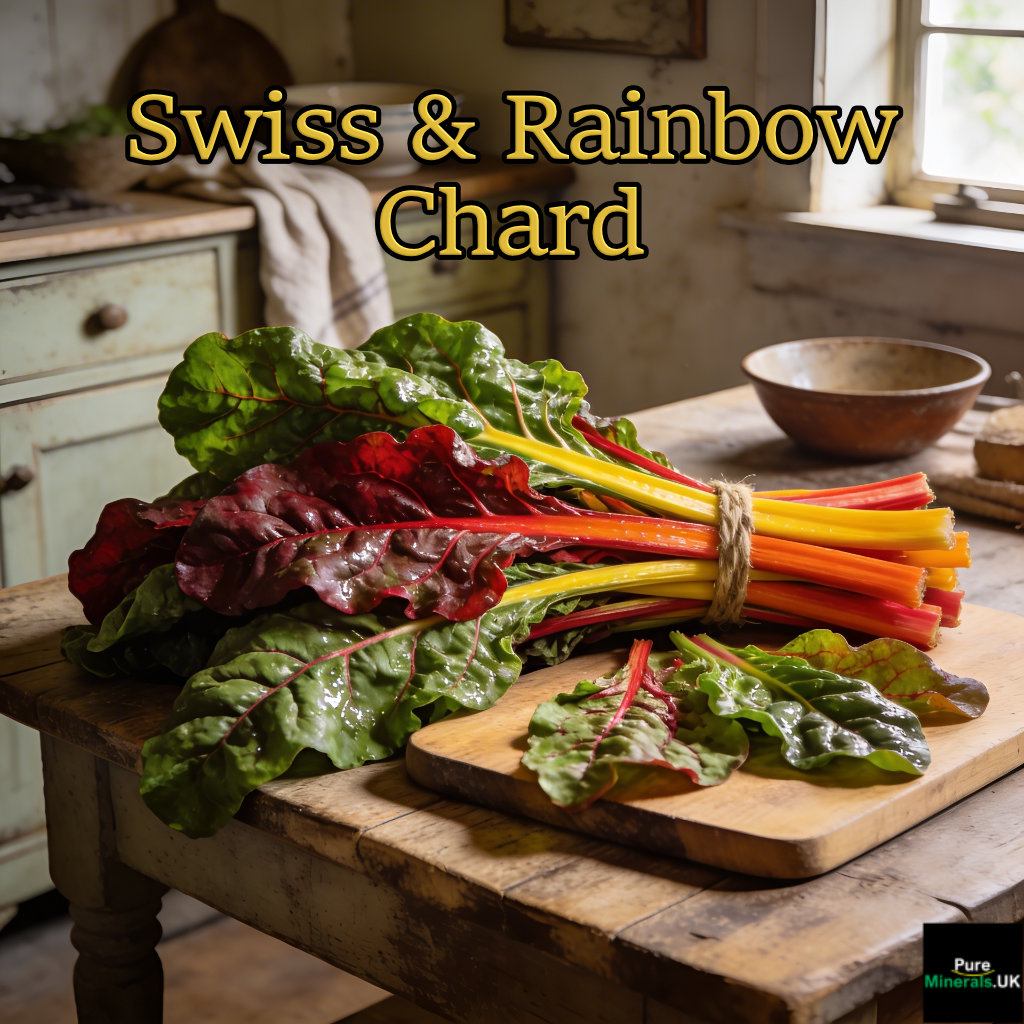
Many people assume Swiss chard and rainbow chard are different vegetables entirely — they’re not. Both belong to the same species, Beta vulgaris subsp. cicla. The difference is purely in the variety selected and the pigmentation of the stalks. Swiss chard typically refers to varieties with white or light green stalks, while rainbow chard is a mix of several colored varieties bundled together at harvest.
What Makes Rainbow Chard Different
Rainbow chard is not a single variety — it is a market term for a mixed bundle of chard varieties sold together. When you buy rainbow chard, you are typically getting a combination of red, yellow, white, and sometimes pink or orange-stalked plants, each representing a slightly different phytochemical profile based on its pigmentation.
The color of each stalk signals which pigments are dominant. Red and purple stalks are rich in betacyanins, the red-purple betalain pigments. Yellow and orange stalks are higher in betaxanthins, the yellow betalain class. White-stalked Swiss chard contains lower levels of betalains overall but is still just as rich in chlorophyll-based antioxidants, flavonoids, and carotenoids in its green leaves.
From a culinary standpoint, the stalk colors do not significantly change the flavor, though red-stalked varieties tend to have a slightly earthier, more beet-like taste — which makes sense, given that chard and beets share the same species. Yellow and white-stalked varieties are often described as milder and slightly sweeter, making them a more versatile option for people new to eating chard regularly.
Nutritionally, the leaf portion of all chard varieties is where the majority of vitamins, fiber, and flavonoids are concentrated. Regardless of which color stalk your chard has, prioritizing the leaves — and eating the stalks as a bonus — is the most nutrient-forward approach.
Common Varieties: Ruby, Burgundy, Lucullus, and More
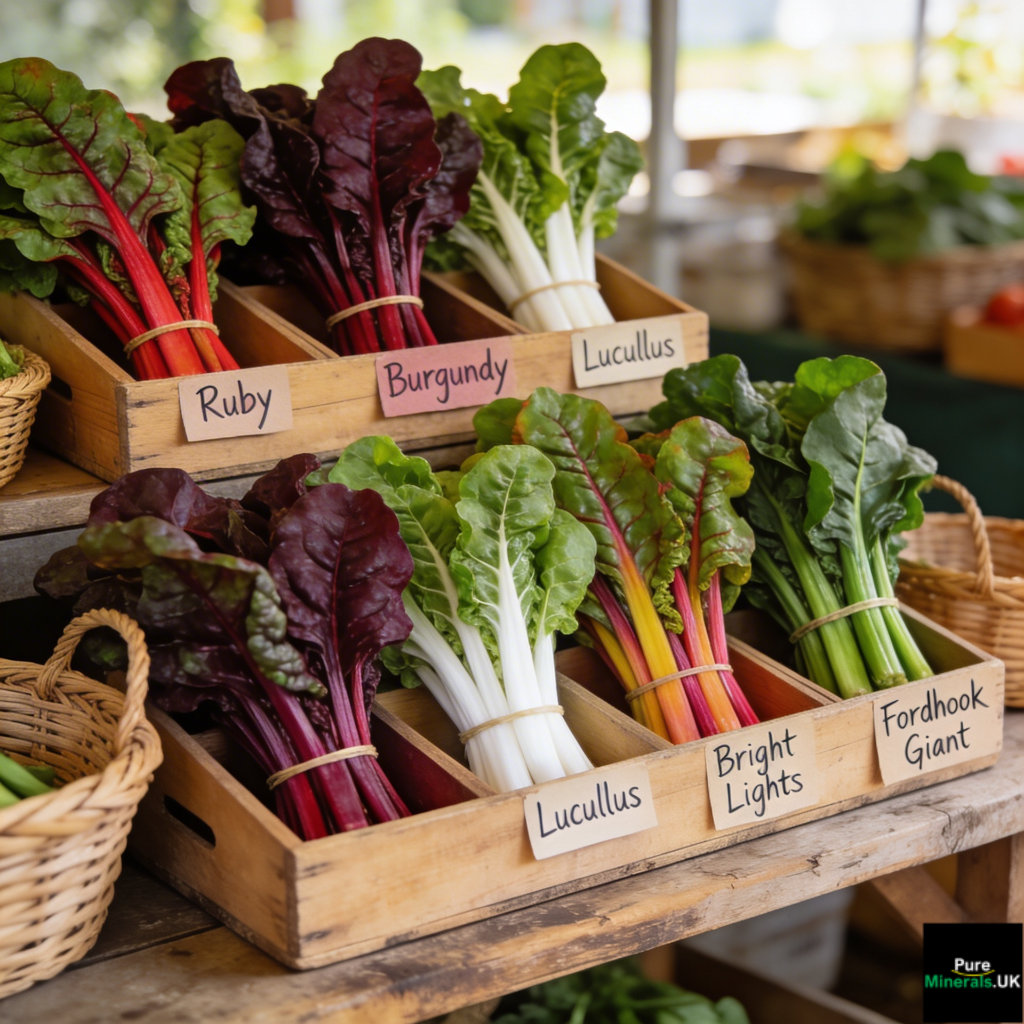
Within the broader chard family, several named varieties are worth knowing. Ruby Red and Burgundy chard feature deep crimson stalks and veins with dark green leaves, both high in red betalain pigments. Lucullus is a white-stalked heirloom variety known for its large, crinkled leaves and mild flavor — a favorite in home gardens. Bright Lights is one of the most commonly sold rainbow mixes, featuring stalks in red, yellow, orange, white, and pink. Fordhook Giant is another heirloom variety with wide white stalks and exceptionally large leaves, bred specifically for high yield and robust flavor.
How to Use Chard in the Kitchen
One of chard’s most underappreciated qualities is how adaptable it is. It works in dishes where you’d typically use spinach, kale, or collard greens — but it cooks faster than kale and holds up better to heat than spinach. That flexibility makes it one of the most practical greens to keep stocked in the kitchen year-round.
The stalks and leaves do require slightly different treatment. Stalks take longer to soften, so when sautéing, add them to the pan two to three minutes before the leaves. If you’re using chard in a soup or stew, the stalks can go in with the other vegetables at the beginning of cooking while the leaves are added in the last few minutes to preserve their color, texture, and heat-sensitive nutrients.
Quick Reference: Chard Cooking Methods and Best Uses
Method
Best For
Nutrient Tip
Sautéing in olive oil
Side dishes, pasta, grain bowls
Maximizes carotenoid absorption
Steaming
Preserving water-soluble vitamins
Best for vitamin C retention
Raw in salads
Light salads, smoothies
Highest betalain and vitamin C content
Added to soups/stews
Hearty meals, legume dishes
Add leaves last to reduce nutrient loss
Blanching
Freezing, wraps, stuffed leaves
Reduces oxalates for better mineral absorption
Chard pairs well with bold, complementary flavors that balance its natural earthiness. Garlic, lemon juice, chili flakes, and good olive oil are the classic combination — simple enough to let the vegetable’s flavor come through while rounding out its slight bitterness. For heartier preparations, chard works beautifully alongside white beans, eggs, feta cheese, chickpeas, and whole grains like farro or quinoa.
Raw vs. Cooked: Best Uses for Each
Raw chard works best when the leaves are young and tender. Mature leaves can be quite chewy and assertively bitter when eaten raw, which is why most people find cooked chard more approachable. Baby chard leaves are the exception — they are tender enough to use directly in salads without any preparation beyond washing and drying.
When eaten raw, chard retains the highest levels of vitamin C, betalains, and certain heat-sensitive enzymes. Adding it to smoothies is one of the more effective ways to consume it raw without the texture becoming an issue — the blending process breaks down the cell walls, which actually improves the bioavailability of some nutrients while keeping the vitamin content intact.
Cooked chard, on the other hand, dramatically reduces in volume — a large bunch of raw chard will cook down to roughly one-quarter of its original size. This makes it easy to consume a much larger quantity of chard when cooked, meaning you can realistically hit significantly higher levels of vitamin K, magnesium, and iron in a single sitting than you could eating it raw.
Preparation | Advantages | Considerations |
|---|---|---|
Raw | Higher levels of vitamin C and betalains. Enzymes retained. | Tougher texture, higher oxalate content. |
Cooked | Higher mineral absorption, reduced oxalates, and easier digestion. | Some vitamin C and betalain are lost due to the heat. |
Blanched | Reduced bitterness and lowers oxalates. Versatile texture. | Nutrient loss into the blanching water. |
Simple Cooking Methods That Preserve Nutrients
Sautéing Swiss chard in olive oil over medium heat for three to five minutes is the single most effective cooking method for maximizing its nutritional value. The olive oil boosts absorption of fat-soluble carotenoids like beta-carotene and lutein, while the short cooking time limits the breakdown of heat-sensitive vitamins like C and the betalain pigments in colored stalks. Add the stems first, wait two minutes, then add the leaves — that simple timing adjustment makes a real difference in both texture and nutrient retention.
Steaming is the best method when your goal is to preserve water-soluble vitamins, particularly vitamin C and folate. Unlike boiling, steaming keeps chard out of direct contact with water, which means those nutrients don’t leach out into the cooking liquid and get discarded. A light steam of three to four minutes until the leaves are just wilted and the stalks are barely tender is all you need.
Blanching — briefly submerging chard in boiling water for 60 to 90 seconds, then immediately transferring to ice water — is the best method if you plan to freeze it or use it in stuffed preparations. Blanching also significantly reduces oxalic acid content, which is a practical advantage for anyone managing kidney stone risk or trying to maximize iron and calcium absorption from each serving.
Flavor Pairings That Work Well With Chard
Swiss chard has an earthy, mildly bitter flavor that responds well to bold, contrasting ingredients. The bitterness is an asset, not a flaw — it signals the presence of beneficial plant compounds and mellows considerably with even light cooking or acidic ingredients like lemon juice or vinegar.
Acid is chard’s best friend in the kitchen. A squeeze of fresh lemon juice over sautéed chard immediately brightens the dish and cuts through any residual bitterness. White wine vinegar or apple cider vinegar work the same way in cooked preparations. Beyond acid, fat-based ingredients like olive oil, toasted pine nuts, tahini, and ricotta all complement chard’s earthy profile while simultaneously improving the absorption of its fat-soluble nutrients.
Chard also pairs exceptionally well with protein-rich ingredients, making it easy to build a complete meal around. White beans and chard are a classic Mediterranean combination — the creaminess of the beans balances the greens’ texture, and the fiber content of both ingredients together supports sustained satiety and digestive health.
- Alliums: Garlic, shallots, and leeks bring savory depth that balances chard’s bitterness
- Acids: Lemon juice, white wine vinegar, and balsamic reduction brighten the overall flavor
- Fats: Olive oil, toasted pine nuts, tahini, and ricotta improve both flavor and fat-soluble nutrient absorption
- Legumes: White beans, chickpeas, and lentils pair naturally and create balanced, fiber-rich meals
- Grains: Farro, quinoa, and freekeh complement chard’s earthiness and add complementary texture
- Dairy and eggs: Feta, Parmesan, goat cheese, and poached or fried eggs round out chard-based dishes with richness and protein
- Heat: Chili flakes, fresh chili, and black pepper add contrast and are particularly effective with sautéed preparations
One of the most practical things about chard in the kitchen is how little effort it takes to make it taste good. A pan, some olive oil, two cloves of garlic, and three minutes of cooking time is genuinely all you need to turn a bunch of chard into something worth eating. That simplicity is part of what makes it such a valuable green to cook with regularly.
Chard Is a Smarter Green Than Most People Realize
Swiss chard sits in an unusual position in the leafy green world — overshadowed by kale in the health food conversation, yet nutritionally equal or superior in several meaningful categories. It delivers more potassium than kale per cooked cup, comparable levels of vitamin K, and a more diverse betalain and carotenoid profile than most other common greens. For anyone building a diet around nutrient density, ignoring chard because it’s not trendy is leaving real nutritional value on the table.
What makes chard particularly practical is that it checks multiple boxes simultaneously. It is one of the best dietary sources of vitamin K, magnesium, and potassium. It contains rare pigment compounds like betaxanthins that you simply cannot get from most other vegetables. It cooks in under five minutes, adapts to dozens of cuisines and cooking styles, and costs a fraction of what most “superfood” supplements promise to deliver in a bottle.
Making chard a regular part of your weekly meals — even just two or three servings — gives your body consistent access to a broad spectrum of fat-soluble antioxidants, anti-inflammatory flavonoids, bone-supportive vitamin K, and eye-protective carotenoids. That kind of consistent, whole-food nutrition is far more valuable than any single high-dose supplement.
Swiss Chard vs. Spinach vs. Kale — Key Nutritional Comparison (per 1 cup cooked)
Nutrient
Swiss Chard
Spinach
Kale
Vitamin K
477% DV
888% DV
442% DV
Vitamin A
60% DV
105% DV
98% DV
Vitamin C
35% DV
29% DV
89% DV
Magnesium
36% DV
39% DV
9% DV
Potassium
961 mg
839 mg
296 mg
Betalains
High (betaxanthins)
None
None
Calories
35
41
36
Important note: Chard
Chard is widely recognized as safe for consumption. However, it contains naturally occurring oxalates, which may be relevant for individuals prone to certain types of kidney stones. This article is provided for educational purposes only and does not constitute medical advice. Individuals with specific dietary concerns should consult a qualified healthcare professional before making significant dietary changes.
Frequently Asked Questions
Swiss chard generates a lot of questions — especially from people who are new to cooking with it or trying to decide which leafy green deserves a regular spot in their diet. The answers below address the most common points of confusion directly, so you can make informed decisions about how and when to include it in your meals. For more detailed information, you can explore Swiss chard nutrition on Dr. Axe.
One thing worth noting before diving in: chard is a genuinely versatile, well-researched vegetable. Most of the hesitation people have around it comes from unfamiliarity rather than any real nutritional concern. The more you understand it, the more straightforward it becomes to use confidently.
Is Swiss chard healthier than spinach or kale?
It depends on what you’re optimizing for. All three greens are nutritionally impressive, and there is no single winner across all categories. That said, Swiss chard has meaningful advantages in specific areas that are often overlooked in the kale-versus-spinach debate.
- Potassium: Chard delivers significantly more potassium per cooked cup than either spinach or kale — 961 mg versus 839 mg in spinach and just 296 mg in kale
- Betalains: Only chard contains these rare, research-backed pigment antioxidants — neither spinach nor kale provides them
- Magnesium: Chard and spinach are comparable, but both far exceed kale on this mineral
- Vitamin C: Kale leads here, followed by chard, with spinach providing slightly less
- Vitamin A: Spinach edges out chard and kale slightly in this category
Swiss chard’s unique advantage is its betalain content, which neither spinach nor kale can offer. These compounds — betaxanthins and betacyanins — are found in very few vegetables outside of the beet family, and chard is one of the most accessible dietary sources of them available.
The most honest answer is that rotating between all three — chard, kale, and spinach — gives you the broadest possible phytochemical diversity. Each one brings a slightly different set of compounds to the table, and dietary variety in leafy greens is consistently supported by nutrition research as the most effective long-term strategy.
If you had to pick just one for mineral content, potassium, and rare antioxidant diversity, Swiss chard makes a compelling case for the top spot. But the best leafy green is ultimately the one you will actually eat consistently and prepare well.
Can you eat Swiss chard raw?
Yes, Swiss chard can absolutely be eaten raw — young, tender leaves work best in salads and smoothies where their mild flavor and softer texture shine. Mature leaves are more fibrous and assertively bitter when raw, so they are generally better suited to cooking. If you are eating raw chard regularly, be aware that the oxalic acid content is higher in the uncooked form, which can bind to calcium and iron and reduce how much your body absorbs. For most healthy people, this is not a concern in moderate amounts, but it is worth knowing if raw chard is a significant part of your daily diet.
What gives Swiss chard its color?
The green color of chard leaves comes from chlorophyll, the same pigment found in most leafy greens. The more interesting story is in the stalks. Chard stalk color is determined by betalain pigments — a class of nitrogen-containing antioxidants that are relatively rare in the plant world. Red and purple stalks contain betacyanins, the red-violet subclass of betalains. Yellow and orange stalks contain betaxanthins, the yellow subclass. White stalks contain very low levels of betalains overall.
These pigment differences are not just cosmetic — they represent genuinely different phytochemical profiles with slightly different antioxidant activity. Betacyanins and betaxanthins have each been studied independently for their anti-inflammatory and free-radical-neutralizing properties, which is why the stalk color of your chard is actually a meaningful consideration if you are eating it specifically for its antioxidant content.
Is Swiss chard safe to eat every day?
For most healthy adults, eating Swiss chard daily is safe and beneficial. However, there are two groups who should pay attention to intake levels. First, people taking anticoagulant medications like warfarin (Coumadin) need to be mindful of their vitamin K intake — a single cup of cooked chard provides nearly five times the daily requirement, which can interfere with medication dosing if intake fluctuates significantly day to day. Consistency is key; sudden, large increases are more problematic than a steady, predictable daily intake.
Second, people with a history of calcium oxalate kidney stones should moderate their intake of high-oxalate foods, and chard is among the higher-oxalate vegetables. Cooking and blanching significantly reduce oxalate levels, so cooked chard is considerably lower risk than raw. Staying well-hydrated and consuming adequate calcium alongside high-oxalate foods also reduces the risk of stone formation for most people.
What part of Swiss chard is the most nutritious?
The leaves are the nutritional powerhouse of the Swiss chard plant. They contain the highest concentrations of fiber, vitamin C, magnesium, flavonoids, carotenoids, and chlorophyll. When people refer to chard as a nutrient-dense vegetable, they are largely talking about the nutritional profile of the leaves specifically.
That said, the stalks are far from nutritionally irrelevant. They are notably higher in potassium than the leaves and also provide meaningful amounts of betalain pigments — particularly in colored varieties — along with fiber and water. The stalks are lower in calories and have a slightly different texture profile, making them useful as a crunchy element in raw preparations or as a vegetable in their own right when braised or roasted separately.
The most complete nutritional strategy is to eat the whole plant — leaves and stalks together. Since each part brings something slightly different, discarding the stalks (as many recipes suggest) means missing out on a meaningful source of potassium and betalains. If the stalks feel too tough in a recipe, chop them finely or cook them a few minutes longer rather than removing them entirely.