

Published: 26 November 2025
Last Updated: 27 April 2026
This article is periodically reviewed and updated to reflect current scientific understanding by Vic George.

What Is Sodium and Why Is This Essential Electrolyte Critical for Hydration, Nerve Signaling, and Muscle Function?
Sodium is an essential electrolyte that regulates hydration, nerve signalling, and muscle contraction. In plant-based foods and natural mineral salts, sodium appears as the readily absorbed Na⁺ ion. Balanced sodium intake supports blood pressure stability, fluid distribution, and electrical communication throughout the body, making it a fundamental component of metabolic and cellular function.
Definition:
Sodium is a vital mineral commonly consumed as sodium chloride (salt) and found naturally in plant foods, mineral salts, and sea vegetables. It maintains fluid balance inside and outside cells and enables electrical impulses in nerves and muscles. Sodium works closely with potassium and chloride to regulate hydration and cellular activity.
Sodium plays a central role in maintaining the body’s electrolyte and fluid balance. As Na⁺, it supports the sodium–potassium pump, a key mechanism that generates nerve impulses and powers muscle contractions. Sodium also influences blood volume, intestinal absorption, and acid–base balance. While excess processed-salt intake can elevate blood pressure in some individuals, sodium from natural plant-based diets and mineral salts contributes to balanced physiological regulation. Proper sodium levels are essential for hydration, thermoregulation, and overall metabolic efficiency.
Key Facts:
- Chemical symbol: Na
- Mineral class: Essential electrolyte
- Typical ionic form in food: Na⁺
- Key physiological roles: Hydration, nerve signalling, muscle contraction, acid–base balance
- Systems supported: Nervous, muscular, cardiovascular, renal
- Preferred sources: Natural mineral salts, sea vegetables, tomatoes, beets, leafy greens
- Deficiency considerations: Low blood pressure, muscle cramps, confusion, dehydration
- Interactions: Works with potassium and chloride in fluid and electrolyte regulation
Article-at-a-Glance
- Sodium is vital for nerve transmission, muscle contraction, and fluid balance – not just a flavor enhancer in your salt shaker
- Most Americans consume far more sodium than the recommended 2,300mg daily limit, but athletes and certain medical conditions may require customized intake levels
- The sodium-potassium pump is essential for proper cell function and energy production throughout the body
- Both high and low sodium levels can cause serious health problems, from hypertension to hyponatremia
Sodium might be vilified in health headlines, but this essential mineral is actually crucial for your survival. Without the right amount, your nerves couldn’t fire, your muscles would fail, and your cells would either shrivel or burst. The delicate balance of sodium in your body goes far beyond the salt you sprinkle on your food.
As a key electrolyte, sodium carries an electrical charge when dissolved in bodily fluids. This property allows it to regulate nerve impulses, muscle contractions, and fluid balance across cell membranes.
What Sodium Really Does in Your Body
Despite its bad reputation in dietary discussions, sodium is absolutely essential for human life. This mineral electrolyte works tirelessly behind the scenes, enabling countless bodily functions you never think about. From the beating of your heart to the thoughts forming in your brain, sodium makes it all possible.
The Essential Mineral Behind Nerve Function
Every thought, sensation, and movement you experience depends on sodium. When a nerve needs to send a signal, sodium ions rapidly flow into the nerve cell through specialized channels, creating an electrical impulse that travels down the nerve fiber. This process, called an action potential, is the foundation of all communication between your brain and body.
Without sufficient sodium, nerve signaling becomes sluggish or erratic. You might experience numbness, confusion, or even seizures in severe cases. Your brain relies on precise sodium concentrations to maintain consciousness and coordinate the symphony of neural activity happening every second.
How Sodium Keeps Your Muscles Working
Every muscle contraction in your body—from your heartbeat to a simple blink—requires sodium. When your brain sends a signal to move, sodium channels open in muscle cells, allowing sodium to rush in. This triggers a cascade of events that causes muscle fibers to slide together, generating contraction. For more on how minerals impact bodily functions, explore the role of iron in nutrition.
Your heart, a muscle that never rests, is particularly dependent on proper sodium balance. Cardiac muscle cells use sodium gradients to maintain their rhythm and contractile force. Disruptions in sodium balance can lead to dangerous heart arrhythmias or weakness.
The Delicate Balance of Fluids in Your Body
Sodium is your body’s primary regulator of water. It works like a magnet for water molecules, drawing them where needed and maintaining proper hydration of tissues. When sodium levels rise in your bloodstream, your brain senses this change and triggers thirst, prompting you to drink water that dilutes sodium back to normal concentrations.
This osmoregulation process extends to all your cells. Sodium concentrations must be precisely maintained on both sides of cell membranes to prevent water from rushing in or out of cells inappropriately. Too much sodium draws water into your bloodstream, increasing blood pressure and straining your heart. Too little causes water to flood your cells, potentially leading to dangerous swelling, especially in brain tissue. For more information on maintaining a healthy balance, consider the role of potassium nutrition in your diet.
Blood volume—the total amount of blood circulating through your body—is also directly regulated by sodium. When sodium is retained, blood volume expands to maintain the proper concentration, which is why high-sodium diets often contribute to hypertension in sensitive individuals.
The Hidden Power of Sodium Beyond Table Salt
While most people associate sodium solely with table salt, this vital mineral plays complex roles throughout your body in ways that extend far beyond flavoring food. Understanding these lesser-known functions helps explain why maintaining proper sodium balance is critical for overall health and not just heart health.
Natural Sources You Might Not Know About
While processed foods account for over 70% of sodium intake in the average American diet, sodium naturally occurs in many whole foods. Celery, beets, and milk all contain natural sodium, providing this essential mineral in balanced amounts alongside other nutrients. Seafood is another excellent source, with fish like salmon offering sodium in conjunction with heart-healthy omega-3 fatty acids.
Even pure water often contains trace amounts of sodium, especially mineral water from certain springs. These natural sources typically provide sodium in forms that your body can process efficiently, often paired with complementary minerals like potassium and magnesium that help maintain electrolyte balance.
Why Your Body Can’t Make Its Own Sodium
Unlike some nutrients that your body can synthesize when needed, sodium must be obtained through your diet. Your cells lack the biochemical machinery to create sodium atoms, as these are elemental particles that can only be rearranged, not manufactured. This dependency on dietary sources underscores why maintaining appropriate sodium intake is crucial.
Throughout human evolution, sodium was relatively scarce, which explains our innate preference for salty tastes. Our ancestors likely consumed only 200-600mg of sodium daily, compared to modern intakes that often exceed 3,500mg. This evolutionary mismatch helps explain why our bodies are so efficient at conserving sodium but less adept at eliminating excess. For more detailed insights, you can explore the biomarkers of sodium.
The Sodium-Potassium Partnership
Sodium never works alone in your body. It functions in close partnership with potassium, creating an electrical gradient across cell membranes known as the sodium-potassium pump. This molecular machine consumes approximately 20-40% of your resting energy expenditure, highlighting its fundamental importance to life.
Inside your cells, the potassium concentration is high while the sodium concentration is kept low. Outside cells, the opposite is true. This concentration difference creates potential energy that powers countless cellular processes, from nutrient absorption to waste removal. When sodium-potassium balance is disrupted, nearly every system in your body feels the effects.
Signs Your Body’s Sodium Levels Are Off
Your body has sophisticated mechanisms to maintain sodium within a narrow optimal range. When these mechanisms become overwhelmed, either from extreme intake or underlying health conditions, warning signs emerge that should not be ignored.
Low Sodium Warning Signals
Hyponatremia, or low blood sodium, often manifests initially as fatigue, headache, and muscle weakness or cramps. As sodium levels continue to drop, more serious symptoms can develop, including nausea, vomiting, confusion, and seizures. In extreme cases, hyponatremia can lead to coma or even death due to brain swelling.
Endurance athletes, elderly individuals taking certain medications, and people with conditions like heart failure or kidney disease face higher risks of developing hyponatremia. Surprisingly, excessive water consumption without adequate electrolyte replacement can also dilute sodium levels to dangerous concentrations – a condition sometimes called “water intoxication.”
Symptoms of Too Much Sodium
Hypernatremia, or elevated sodium levels, typically triggers intense thirst as your body attempts to dilute the excess. Other symptoms include dry, flushed skin, irritability, restlessness, and in severe cases, neurological symptoms like confusion or even seizures. Chronic high sodium intake is associated with increased blood pressure, water retention, and strain on the cardiovascular system.
The effects of chronically high sodium consumption can be insidious, damaging blood vessels, heart, and kidneys gradually over years without obvious immediate symptoms. This silent progression makes regular blood pressure monitoring and awareness of sodium intake particularly important for long-term health.
When to Seek Medical Help
Severe sodium imbalances require immediate medical attention. If you experience confusion, seizures, loss of consciousness, or severe weakness alongside other symptoms of sodium imbalance, seek emergency care. Less urgent but persistent symptoms like unusual fatigue, frequent headaches, muscle cramping, or excessive thirst warrant consultation with a healthcare provider, particularly if you have underlying conditions affecting fluid balance.
4 Ways Sodium Controls Your Blood Pressure
The relationship between sodium and blood pressure is complex and multifaceted, involving several interrelated mechanisms that extend beyond simple water retention. Understanding these pathways helps explain why some individuals are more sodium-sensitive than others.
1. Water Retention Effect
When sodium levels rise in your bloodstream, your body retains water to maintain the proper sodium concentration. This increased fluid volume directly increases pressure within your blood vessels, much like adding more water to a garden hose increases water pressure. For every extra gram of sodium consumed, your body typically holds onto about 100ml of additional fluid.
This retention happens primarily in the spaces between cells at first, but eventually affects blood volume as well. The increased volume must be pumped by your heart and contained within your blood vessels, potentially raising blood pressure, especially in sodium-sensitive individuals.
2. Blood Vessel Tension
High sodium levels can directly affect the smooth muscle cells in your blood vessel walls, causing them to contract and narrow the vessel diameter. This vasoconstriction creates resistance to blood flow, forcing your heart to pump harder and increasing pressure throughout the system. Research suggests sodium may affect these muscle cells through specialized sodium channels and calcium signaling pathways.
Additionally, chronic high sodium exposure appears to reduce the blood vessels’ ability to dilate properly in response to increased blood flow needs. This endothelial dysfunction further contributes to hypertension and vascular damage over time.
3. Kidney Function Impact
Your kidneys serve as the primary regulators of sodium balance, filtering your entire blood volume about 40 times daily and carefully controlling how much sodium is reabsorbed versus excreted. High sodium intake can strain this filtration system, potentially damaging delicate kidney structures and reducing their ability to remove excess sodium, creating a problematic cycle that further elevates blood pressure.
4. Hormonal Response
Sodium levels trigger complex hormonal cascades involving the renin-angiotensin-aldosterone system, which regulates blood pressure and fluid balance. When sodium levels fluctuate, these hormones adjust kidney function, blood vessel tone, and thirst perception to maintain homeostasis. Chronic high sodium intake can dysregulate this sensitive system, contributing to persistent hypertension and increasing risk for cardiovascular disease.
Sodium Needs Through Different Life Stages
Our sodium requirements change throughout life, reflecting the physiological differences between growth, maintenance, and aging. These variations highlight why personalized approaches to sodium intake are more valuable than one-size-fits-all recommendations.
Children and Teens
Growing bodies require careful sodium balance to support rapid cell division, bone formation, and increasing blood volume. Infants need relatively little sodium (about 200-500mg daily), as their immature kidneys can’t efficiently eliminate excess. As children grow, their sodium needs increase proportionally with body size, reaching adult-like requirements during adolescence. For more information on essential nutrients, you can explore the role of iron in nutrition.
Children who participate in sports or experience heavy sweating may need additional sodium to replace losses, especially during hot weather. However, most American children already consume far more sodium than recommended, primarily through processed snacks and fast food, which can establish poor dietary patterns that persist into adulthood.
Adults and Active Individuals
Healthy adults generally require about 1,500mg of sodium daily for basic physiological functions, with upper limits set at 2,300mg to reduce cardiovascular risk. However, activity level dramatically impacts these needs. Someone working outdoors in heat or engaging in intense endurance exercise may lose 1,000-3,000mg of sodium through sweat in a single session, necessitating careful replacement.
Individual sweat sodium concentration varies genetically by as much as 400% between people, which explains why some athletes develop crusty salt residue on their skin after exercise while others don’t. This variation means sodium replacement strategies should be individualized rather than standardized across all active people.
Pregnancy Requirements
During pregnancy, blood volume expands dramatically – by about 50% – requiring proportional increases in sodium to maintain proper concentrations. Pregnant women often experience natural cravings for salty foods, particularly during the first trimester when blood volume begins expanding. These cravings can serve as natural guidance for meeting increased needs.
Simultaneously, pregnancy increases sensitivity to sodium’s blood pressure effects in some women, particularly those predisposed to gestational hypertension. Finding the balance between adequate intake and avoiding excess becomes especially important during these crucial months of development.
Aging and Sodium Sensitivity
As we age, several physiological changes affect sodium balance. Kidney function naturally declines, reducing the body’s ability to excrete excess sodium efficiently. Taste perception often diminishes, sometimes leading to increased salt usage to achieve the same flavor sensation. Additionally, blood vessels become less elastic, increasing sensitivity to sodium’s blood pressure effects.
Medications commonly prescribed to older adults, including certain blood pressure medications, diuretics, and some pain relievers, can significantly alter sodium balance. This combination of factors explains why personalized sodium recommendations become increasingly important with advancing age.
5 Natural Ways to Balance Your Sodium Levels
Maintaining optimal sodium balance doesn’t require extreme measures. Natural approaches that focus on whole foods and mindful eating can help you achieve ideal levels without complicated regimens. For instance, incorporating foods rich in minerals like magnesium can support overall electrolyte balance.
1. Herb and Spice Alternatives
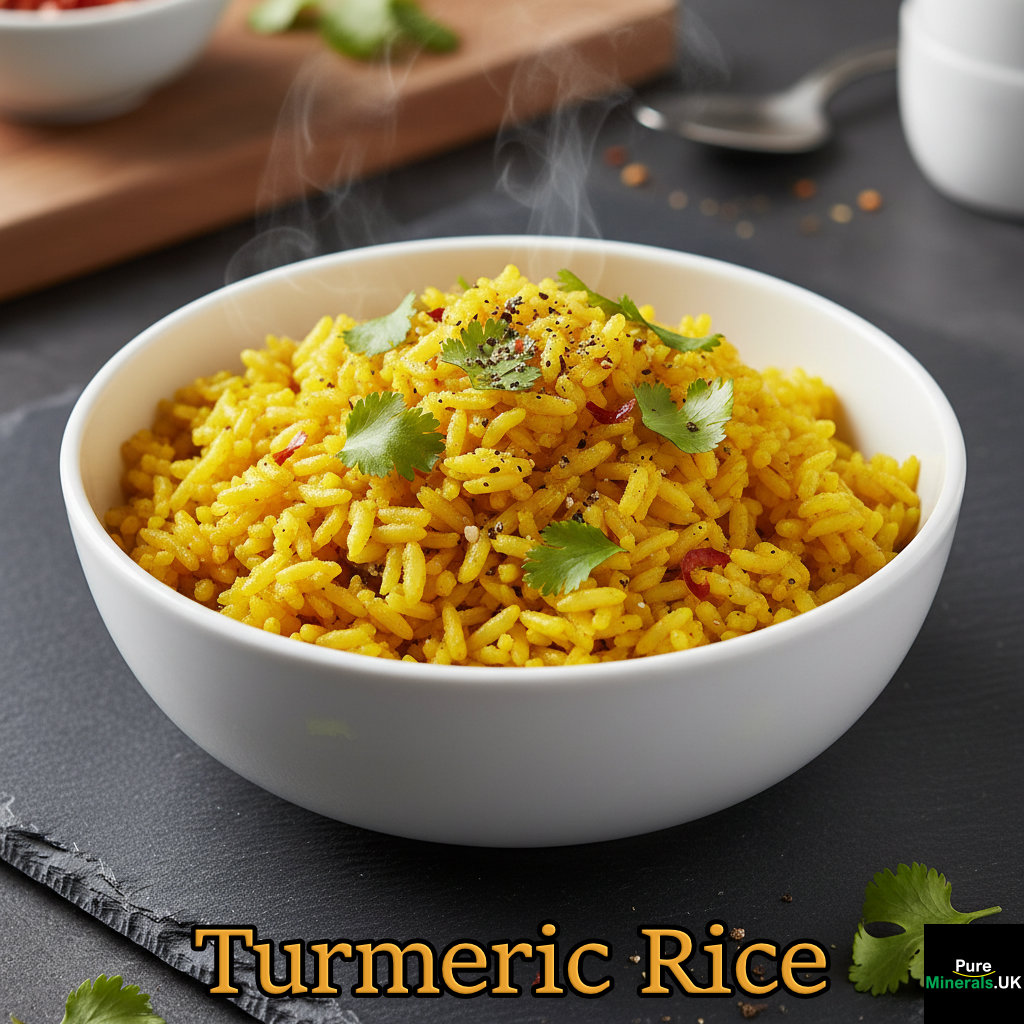
Expanding your flavor palette beyond salt opens up a world of culinary possibilities while naturally reducing sodium intake. Fresh herbs like basil, cilantro, and mint add brightness to dishes, while dried spices such as cumin, paprika, and turmeric contribute depth and complexity. Acid-based flavoring agents like lemon juice, vinegar, and wine can enhance the perception of saltiness without adding sodium, making them excellent cooking tools for sodium-conscious meals.
Many traditional spice blends from around the world were developed specifically to maximize flavor without salt dependence. Experiment with herb combinations like herbs de Provence, five-spice powder, or za’atar to discover new favorite flavors that satisfy without excess sodium.
2. Potassium-Rich Foods to Balance Sodium

Increasing dietary potassium helps counterbalance sodium’s effects on blood pressure and fluid balance. Fruits like bananas, oranges, and avocados provide substantial potassium alongside valuable fiber and other nutrients. Vegetables, including spinach, sweet potatoes, and tomatoes, deliver potassium with minimal calories, making them efficient sources for this balancing mineral.
The DASH diet (Dietary Approaches to Stop Hypertension), well-supported by research for blood pressure management, emphasizes this potassium-sodium balance. Studies show that the ratio between these minerals may be more important than the absolute amounts of either one alone.
3. Proper Hydration Techniques
Water intake directly influences sodium concentration in your body. Adequate hydration helps your kidneys efficiently filter sodium, while dehydration triggers hormonal changes that increase sodium retention. Aim for pale yellow urine as an indicator of appropriate hydration status rather than forcing a specific volume of water that may not match your individual needs.
The timing of fluid consumption matters too. Small, consistent amounts throughout the day maintain more stable hydration than large volumes consumed infrequently. During exercise or heat exposure, replacing both water and electrolytes in balanced proportions prevents dilutional hyponatremia while supporting optimal performance.
4. Reading Labels for Hidden Sodium
Becoming sodium-savvy requires understanding where this mineral hides in your diet. Beyond obvious salty foods, significant sodium lurks in unexpected places like breakfast cereals, bread products, and even sweet-tasting baked goods. Learning to interpret food labels helps identify these hidden sources, with “sodium” appearing in many forms, including monosodium glutamate (MSG), sodium benzoate, and sodium nitrate.
When comparing products, evaluate sodium content per serving rather than per 100 grams, as serving sizes vary widely. Foods labeled “reduced sodium” must contain at least 25% less sodium than the regular version – but may still contain substantial amounts if the original product was very high in sodium.
5. Cooking Methods That Preserve Natural Flavors
How you prepare food significantly impacts both sodium requirements and overall nutritional value. Roasting and grilling concentrate natural flavors through caramelization, reducing the perceived need for salt. Steaming preserves minerals that would otherwise leach into cooking water, enhancing natural taste while retaining nutrients.
Batch cooking unsalted or lightly-salted basics like grains, beans, and roasted vegetables allows individual seasoning at the table, where you’ll typically use less salt than during cooking. This approach accommodates different sodium preferences within households while gradually reducing overall salt dependence as taste buds adjust.
The Truth About Salt Substitutes
As sodium concerns have grown, so has the market for alternative products promising flavor without sodium’s health effects. Understanding these options, their benefits, and their limitations is essential for making informed choices.
Who Should Use Salt Alternatives
Salt substitutes offer particular value for individuals with sodium-sensitive hypertension, congestive heart failure, or kidney disease, where significant sodium restriction is medically indicated. People with family histories of these conditions may also benefit from early adoption of lower-sodium habits, potentially reducing long-term disease risk.
Athletes and others who lose substantial sodium through sweating typically don’t benefit from salt substitutes, as their bodies actually need sodium replacement. Similarly, individuals taking certain medications, including some diuretics and immunosuppressants, may need to maintain specific sodium levels that salt substitutes could disrupt.
Natural vs. Chemical Substitutes
Common Salt Substitutes Comparison
Type
Main Ingredients
Benefits
Considerations
Potassium Chloride
KCl (chemical substitute)
No sodium, may lower blood pressure
Bitter aftertaste, dangerous with certain medications and kidney disease
Herb Blends
Dried herbs, spices (natural)
Adds complex flavors, additional antioxidants
Different flavor profile than salt, may not satisfy intense salt cravings
Nutritional Yeast
Deactivated yeast (natural)
Umami flavor, B vitamins, protein
Distinct taste not suitable for all dishes
Seaweed Flakes
Dried seaweed (natural)
Natural iodine, minerals, umami flavor
Contains some sodium, though less than table salt
Salt-Sodium Blends
NaCl + KCl (semi-chemical)
Familiar taste with reduced sodium
Still contains sodium, may have slight metallic taste
Natural salt alternatives typically work by enhancing other flavor dimensions like umami (savory), acidity, or aromatics rather than directly mimicking saltiness. Nutritional yeast, dried mushroom powder, seaweed flakes, and fermented foods like miso (used sparingly) can all contribute satisfying complexity that reduces salt dependence over time.
Chemical alternatives, primarily potassium chloride, directly replace sodium chloride’s salty taste but often with a bitter or metallic aftertaste that many find unpleasant. These products work best in small amounts or blended with regular salt to reduce overall sodium while maintaining familiar flavor profiles.
Emerging technologies include modified salt crystals with increased surface area that deliver stronger salt perception with less actual sodium, and flavor enhancers that amplify salt receptors’ sensitivity. These innovations aim to overcome the taste limitations of traditional salt substitutes while providing measurable sodium reduction.
The most successful approach often combines natural flavor enhancers with gradual sodium reduction, allowing taste preferences to adapt over weeks rather than attempting abrupt, unsatisfying changes.
Cautions and Considerations
Despite their benefits, salt substitutes aren’t appropriate for everyone. Products containing potassium chloride can be dangerous for people with kidney disease, those taking certain blood pressure medications (especially ACE inhibitors and potassium-sparing diuretics), or individuals with adrenal disorders affecting potassium regulation. The high potassium content can accumulate to potentially life-threatening levels when kidney function is compromised or medication interactions occur.
Special Sodium Needs for Active People

Physical activity fundamentally changes sodium requirements in ways that generic dietary guidelines rarely address. Understanding these specialized needs helps active individuals maintain performance, prevent dangerous electrolyte imbalances, and recover effectively. For example, ensuring adequate magnesium intake is crucial for muscle function and recovery.
Electrolyte Replacement During Exercise
When you sweat, you don’t just lose water – you lose valuable electrolytes, with sodium being the most abundant. The average person loses between 500-2,300mg of sodium per liter of sweat, with trained athletes generally losing less sodium per volume than untrained individuals. Activities lasting longer than 60-90 minutes, especially in hot conditions, typically require intentional sodium replacement alongside fluid intake to prevent performance decreases and potential hyponatremia.
Post-Workout Recovery
After significant sweat losses, replacing sodium helps restore proper fluid balance and supports optimal recovery. Contrary to common belief, plain water is often insufficient after intense exercise, as it dilutes remaining electrolytes without replacing what was lost. This dilution can actually slow rehydration and potentially trigger inappropriate fluid retention as the body attempts to protect remaining sodium. Additionally, maintaining potassium levels is crucial for proper muscle function and recovery.
Recovery nutrition ideally includes both sodium and carbohydrates, as this combination enhances fluid retention and glycogen replenishment more effectively than either alone. Research shows that sodium-containing recovery beverages can increase fluid retention by up to 25% compared to plain water, meaning more effective rehydration with less total fluid volume needed.
Creating Your Own Natural Sports Drinks
Commercial sports drinks often contain artificial ingredients, excess sugar, and inadequate electrolyte concentrations for serious training. Creating your own allows customization to your specific sweat rate and electrolyte needs while using higher-quality ingredients. A basic formula includes water, a pinch of salt (about 1/8 teaspoon per 16oz), a small amount of natural sweetener like honey or maple syrup (1-2 teaspoons), and optional lemon juice for flavor and added potassium.
Sodium Infographic
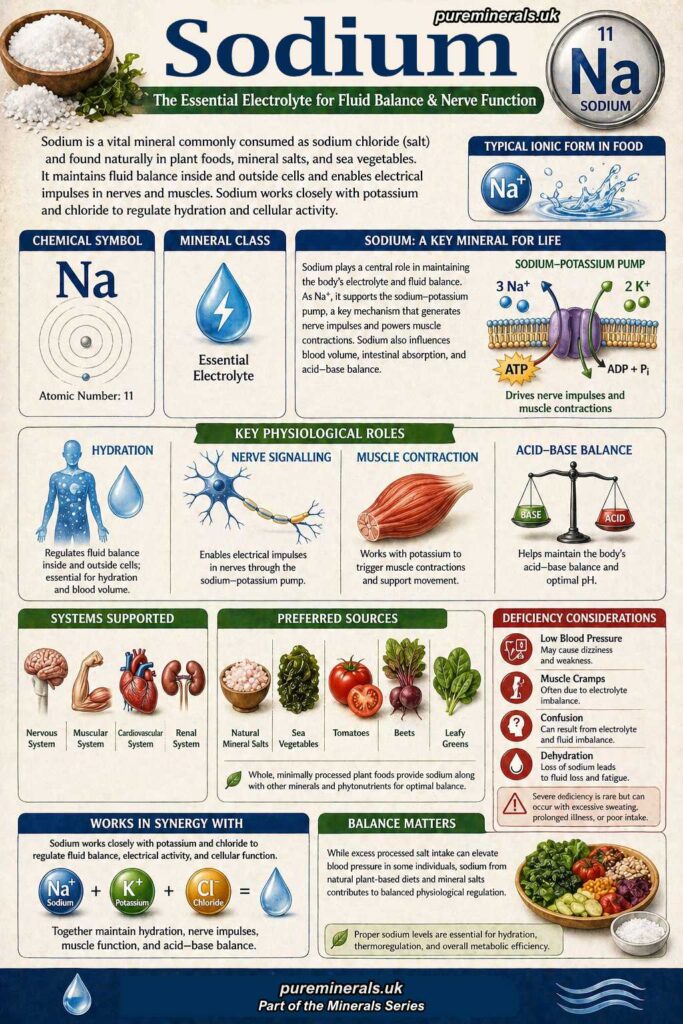
Download the full high-resolution Sodium infographic for offline reference.
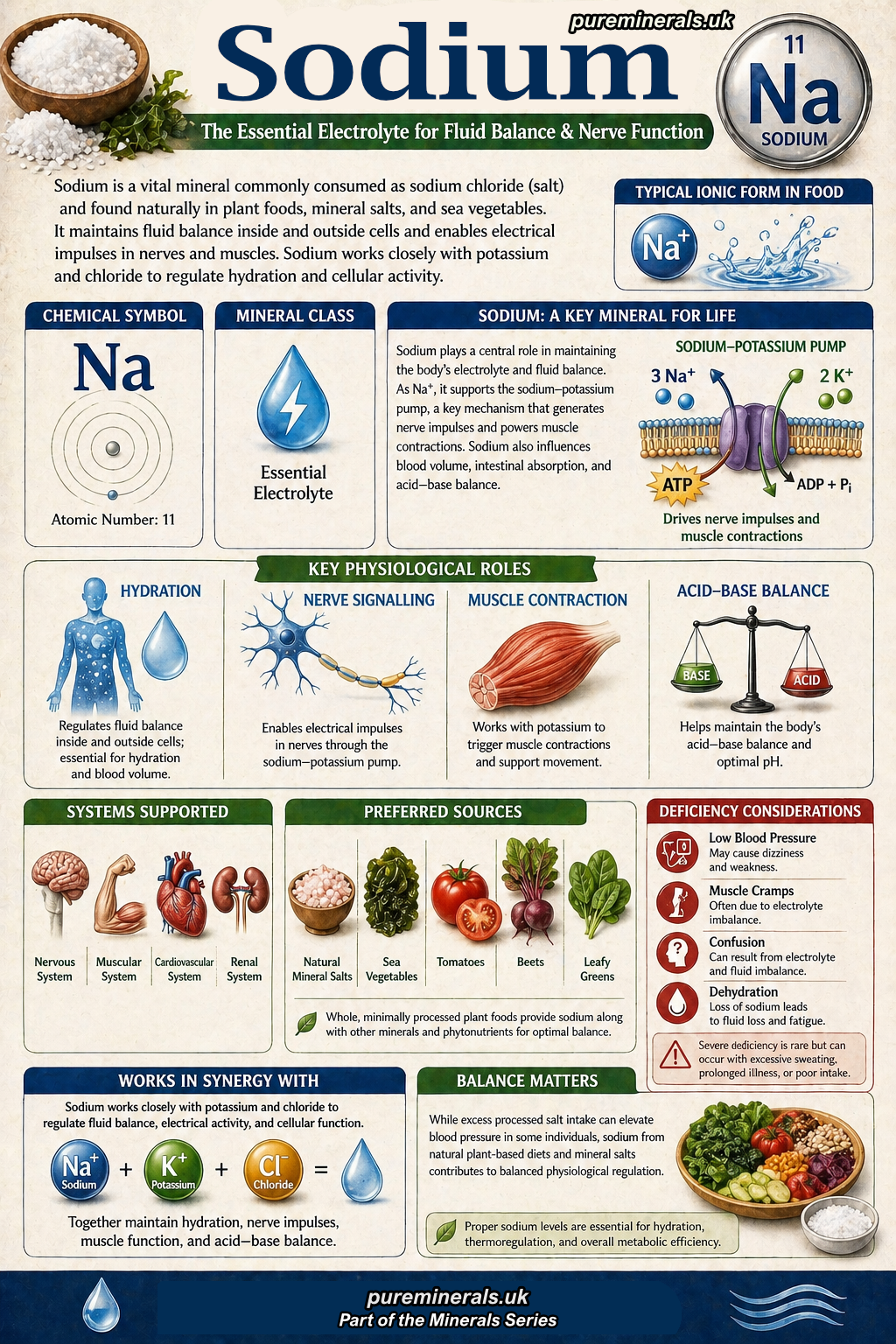
Explore more minerals in the full Minerals Hub
Finding Your Body’s Perfect Sodium Balance
The ideal sodium intake varies tremendously between individuals based on genetics, activity level, climate, age, and underlying health conditions. Rather than adhering rigidly to general guidelines, learning to recognize your body’s signals helps identify your personal optimal range. Signs of appropriate sodium balance include clear thinking, stable energy, normal blood pressure, and appropriate thirst levels.
Working with healthcare providers to monitor objective measures like blood pressure, kidney function, and serum electrolytes provides valuable data points for personalizing your approach.
Frequently Asked Questions
Understanding sodium’s role often raises specific questions about practical application in daily life. The following answers address common concerns with evidence-based, practical guidance.
Remember that individual factors significantly influence optimal sodium intake, so personal experimentation within safe parameters, ideally with healthcare guidance, remains valuable.
Can I get enough sodium without adding salt to my food?
Yes, most people can meet basic sodium requirements (about 500mg daily for biological functions) through naturally occurring sodium in whole foods like dairy products, seafood, eggs, and certain vegetables. However, if you exercise intensely or work in hot environments, you may need additional sodium from either salt or sodium-containing foods to replace sweat losses.
How do I know if I’m consuming too much sodium?
Physical signs of excessive sodium include persistent thirst, fluid retention (especially noticeable in fingers, ankles, and around the eyes), and elevated blood pressure readings. More objectively, tracking sodium intake through a food journal or nutrition app for several typical days can reveal average consumption patterns that you can compare to recommended limits. Additionally, understanding the role of potassium in balancing sodium levels can be beneficial for maintaining overall health.
Is sea salt healthier than regular table salt?
From a sodium perspective, all salt varieties—sea salt, table salt, Himalayan salt, kosher salt—contain approximately the same amount of sodium by weight. The primary differences lie in processing, texture, additional trace minerals, and the presence or absence of additives like iodine and anti-caking agents.
Sea salt and other minimally processed salts may contain small amounts of additional minerals like magnesium and calcium, but the quantities are generally too small to significantly impact nutrition. The larger, irregular crystals of these specialty salts may allow for reduced usage through more efficient distribution of salty taste on food surfaces.
The primary health advantage of alternatives like sea salt comes from mindful usage rather than inherent properties—when people view salt as a special ingredient rather than an automatic addition, they typically use less overall.
- Table salt: Highly refined, contains anti-caking agents, usually iodized
- Sea salt: Minimal processing, varying trace minerals depending on source
- Himalayan pink salt: Contains small amounts of iron oxide (creating pink color) and trace minerals
- Kosher salt: No additives, larger flake size, dissolves quickly
- Celtic salt: Retains moisture, higher mineral content, particularly magnesium
Why do I crave salt sometimes?
Salt cravings often signal genuine physiological needs. Adrenal function, hydration status, and electrolyte balance all influence salt appetite. Intense exercise, diarrhea, vomiting, and certain medications can deplete sodium, triggering cravings as your body attempts to restore balance. Women may notice cyclical salt cravings related to hormonal fluctuations, particularly during the week before menstruation when aldosterone levels change.
Less commonly, certain medical conditions like Addison’s disease or Bartter syndrome can cause persistent salt cravings due to impaired sodium retention. If salt cravings seem excessive or are accompanied by other symptoms like fatigue, dizziness, or weakness, consult a healthcare provider to rule out underlying conditions.
Can drinking more water help balance my sodium levels?
Adequate hydration helps your kidneys efficiently regulate sodium, allowing excess to be excreted when needed. However, extreme water consumption without electrolyte intake can actually create dangerous sodium imbalances by diluting blood sodium below safe levels, a condition called hyponatremia that can cause brain swelling, seizures, and even death in severe cases.
The key is balanced intake of both water and electrolytes. Rather than forcing a specific water volume, let thirst guide you while ensuring regular mineral intake through diet. Clear urine isn’t always the goal—pale yellow indicates appropriate hydration without risking electrolyte dilution.
Sodium plays a crucial role in maintaining fluid balance and nerve function in the body. While often associated with salt, sodium is an essential mineral that helps regulate blood pressure and supports muscle contractions. Alongside other minerals like potassium, sodium ensures that the body’s cells function optimally. Understanding the balance between sodium and other electrolytes is key to maintaining overall health.