

Published: 4 March 2026
Last Updated: 14 March 2026
This article is periodically reviewed and updated to reflect current scientific understanding by Vic George.
Fact-Checked: 1 other authoritative medical/scientific reference. See our Editorial Policy.

What Is Cauliflower?
Cauliflower is a cruciferous vegetable derived from the species Brassica oleracea, cultivated for its dense, edible flower head known as a curd. It is valued for its high content of vitamin C, vitamin K, fiber, and glucosinolate compounds that characterize many vegetables in the Brassicaceae family.
Definition
Cauliflower is the edible, immature flower head (curd) of Brassica oleracea, a cultivated member of the Brassicaceae family consumed as a vegetable.
Extended Definition
Cauliflower belongs to the Brassicaceae family, which includes cabbage, broccoli, kale, and Brussels sprouts. These vegetables originate from the selective breeding of Brassica oleracea, resulting in a range of distinct edible plant structures.
The cauliflower curd consists of densely packed, undeveloped flower buds and thickened stems. Harvesting occurs before the flower buds fully mature, preserving the compact white structure commonly associated with the vegetable.
Cauliflower is a significant source of vitamin C, which contributes to antioxidant protection and normal immune function, as well as vitamin K, which supports blood clotting and bone metabolism. It also contains folate, potassium, and dietary fiber.
Like other cruciferous vegetables, cauliflower contains glucosinolates, sulfur-containing compounds involved in plant defense. When plant tissues are chopped or chewed, these compounds are converted by the enzyme myrosinase into biologically active substances such as isothiocyanates.
Although white cauliflower is the most widely cultivated variety, other cultivars exist, including orange cauliflower (rich in beta-carotene), purple cauliflower (containing anthocyanins), and green Romanesco cauliflower, which features a distinctive fractal pattern.
Cauliflower is a versatile ingredient used in numerous culinary applications, including roasting, steaming, pureeing, and fermentation.
Key Facts
Botanical name: Brassica oleracea var. botrytis
Plant family: Brassicaceae
Common classification: Cruciferous vegetable
Origin: Mediterranean region and Europe
Edible part: Immature flower head (curd)
Typical color: White (most common), also orange, purple, and green varieties
Primary nutrients: Vitamin C, vitamin K, folate, fiber, potassium
Key phytonutrients: Glucosinolates, isothiocyanates, flavonoids
Energy density: Very low
Notable compounds: Sulfur-containing phytochemicals, phenolic compounds
Culinary uses: Roasting, steaming, soups, purees, grain substitutes
Key Takeaways
- One cup of raw cauliflower delivers 77% of your recommended daily vitamin C intake with only 27 calories.
- Cauliflower contains glucosinolates — powerful plant compounds that convert to cancer-fighting sulforaphane when you chew or digest them.
- How you cook cauliflower dramatically affects its nutrient content — boiling destroys the most, while steaming preserves nearly all of it.
- Cauliflower is one of the most versatile low-carb substitutes available, replacing rice, potatoes, and even pizza crust without sacrificing nutrition.
- Certain people, including those with IBD or thyroid conditions, should monitor their cauliflower intake — find out why further in this article.
Cauliflower went from a forgettable side dish to one of the most talked-about vegetables in nutrition — and once you see its full profile, it’s easy to understand why.
Whether you’re exploring it for its low-carb versatility or its disease-fighting compounds, cauliflower earns its place as a nutritional staple. Understanding the science behind what you eat is the first step toward smarter food choices, and cauliflower is a perfect place to start.
Cauliflower Is One of the Most Nutrient-Dense Vegetables You Can Eat
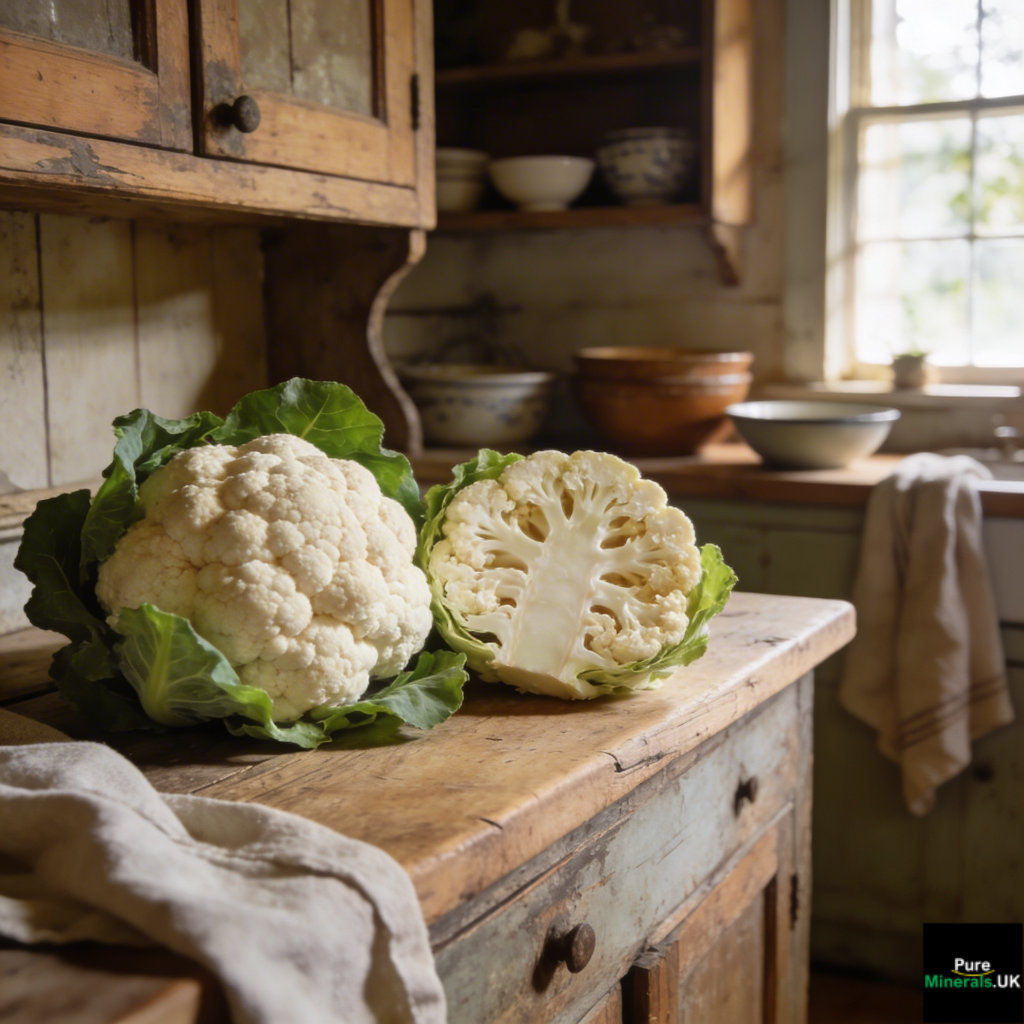
Nutrient density means getting the most vitamins, minerals, and beneficial compounds per calorie. Cauliflower checks every box. It’s low in calories, nearly fat-free, and loaded with vitamin C, folate, vitamin K, and a class of plant compounds called glucosinolates that have been studied extensively for their role in cancer prevention. It also contains small but meaningful amounts of all nine essential amino acids, making it more nutritionally complete than most vegetables.
Beyond the numbers, cauliflower belongs to the cruciferous family — a group of vegetables consistently linked to reduced risk of chronic disease. It’s not just what’s in cauliflower, but how those compounds interact in the body that makes it stand out.
Cauliflower Nutrition Facts (Per 1-Cup Raw Serving)
According to the USDA, one cup (approximately 100 grams) of raw chopped cauliflower contains the following nutritional information, similar to other vegetables like bok choy:
Nutrient | Amount | % Daily Value |
|---|---|---|
Calories | 27 kcal | — |
Carbohydrates | 5.3 g | 2% |
Fiber | 2.1 g | 8% |
Protein | 2.1 g | 4% |
Fat | 0.3 g | <1% |
Vitamin C | 52 mg | 77% |
Vitamin K | 16 mcg | 20% |
Folate (B9) | 57 mcg | 14% |
Vitamin B6 | 0.2 mg | 11% |
303 mg | 9% | |
44 mg | 4% | |
15 mg | 4% |
Macronutrients: Calories, Carbs, Protein, and Fat
At just 27 calories per cup, cauliflower is one of the most calorie-efficient vegetables available. Its 5.3 grams of carbohydrates make it a go-to for low-carb and ketogenic diets, while 2.1 grams of fiber support digestion and help you feel full longer. The 2.1 grams of protein is modest but notable for a non-legume vegetable, and the nearly negligible fat content makes it easy to pair with healthy fats like olive oil to enhance nutrient absorption.
Key Vitamins: C, K, and B6
Vitamin C is the headline here — 52 mg per cup covers more than three-quarters of what most adults need daily. This matters because vitamin C acts as a potent antioxidant, supports immune function, and plays a direct role in collagen synthesis. Vitamin K supports bone health and proper blood clotting, while vitamin B6 is critical for brain development and helps the body produce serotonin and norepinephrine. Folate (vitamin B9) rounds things out, making cauliflower especially important for pregnant women, given its role in fetal neural development.
Key Minerals: Potassium, Calcium, and Magnesium
Cauliflower’s mineral profile is modest but consistent. Potassium supports heart function and blood pressure regulation. Magnesium contributes to muscle function and energy metabolism. While not a high-calcium food, cauliflower still contributes to overall mineral intake, particularly when eaten regularly as part of a varied diet.
What Makes Cauliflower a Cruciferous Vegetable
Cauliflower belongs to the Brassica oleracea species — the same species that gave us broccoli, cabbage, kale, Brussels sprouts, and kohlrabi. What unites them isn’t just their botanical family but a shared set of sulfur-containing compounds called glucosinolates, which are responsible for their slightly bitter flavor and most of their disease-fighting properties.
The Brassica Family Explained
The term “cruciferous” comes from the Latin cruciferae, meaning cross-bearing, a reference to the four-petal flower shape these plants share. Brassica oleracea is essentially a single species that has been selectively cultivated over centuries into dramatically different forms. Cauliflower is the result of developing the flower head, while kale emphasizes the leaves and kohlrabi the stem. Despite their differences in appearance and taste, they share a core nutritional DNA that makes the entire family worth eating regularly.
How Cauliflower Compares to Broccoli, Kale, and Cabbage
Broccoli edges out cauliflower on vitamin K and certain antioxidants, while kale leads the group in calcium and beta-carotene. Cauliflower, however, holds its own with a notably high vitamin C content and stands out for its mild flavor and culinary flexibility. Cabbage is lower in most vitamins but higher in certain anti-inflammatory compounds. No single crucifer wins across every category — the real benefit comes from rotating all of them into your diet regularly.
Glucosinolates: The Cancer-Fighting Compounds in Cauliflower
If there’s one reason nutritional scientists keep returning to cauliflower and its cruciferous cousins, it’s glucosinolates. These sulfur-containing plant chemicals are found in particularly high concentrations in the Brassica family, and their biological activity in the human body has been the subject of decades of research.
What Glucosinolates Are and How They Work
Glucosinolates are essentially inactive in their base form. They sit inside plant cells alongside an enzyme called myrosinase. When the plant tissue is damaged — through chewing, cutting, or crushing — myrosinase is released and converts glucosinolates into biologically active compounds like isothiocyanates and indoles. These metabolites are what actually interact with your cells to produce health effects, particularly in relation to detoxification and cancer risk reduction.
How Chewing and Digestion Activate These Compounds
The activation process starts the moment you bite into cauliflower. Chewing ruptures the plant cells, triggering the myrosinase reaction immediately. Even if cooking deactivates some of the myrosinase enzyme, gut bacteria can partially compensate by converting glucosinolates through their own enzymatic processes. This means both raw and cooked cauliflower can deliver active compounds, though raw generally delivers more.
Sulforaphane and Its Role in Cancer Prevention
Sulforaphane is the most studied glucosinolate derivative in cauliflower. It forms when the glucosinolate glucoraphanin is broken down by myrosinase. Research has shown sulforaphane can activate the Nrf2 pathway — a cellular defense mechanism that triggers the production of detoxification enzymes and antioxidant proteins. Studies cited by Nutrition Facts and others have highlighted its role in reducing the proliferation of cancer cells and supporting the body’s ability to neutralize carcinogens.
Sulforaphane has been investigated in connection with several cancer types, including breast, prostate, colon, and lung cancers. While research is ongoing and cauliflower alone isn’t a cancer cure, consistent consumption of sulforaphane-rich foods is associated with meaningful reductions in cancer risk in population-level studies.
How Cooking Affects Glucosinolate Levels
Boiling is the worst method for preserving glucosinolates — studies show it can destroy a significant portion of these compounds as they leach into the cooking water. Steaming causes far less loss and is generally the preferred method when you want to retain both glucosinolates and water-soluble vitamins like vitamin C. Roasting and microwaving fall somewhere in between. Eating cauliflower raw — as florets with a dip, for example — preserves the full glucosinolate content and allows maximum myrosinase activity.
Proven Health Benefits of Eating Cauliflower
The nutritional data alone makes cauliflower impressive, but the real story is what those nutrients actually do inside your body. From fighting inflammation at the cellular level to supporting your heart, gut, and brain, cauliflower delivers benefits that go well beyond basic vitamin intake.
Most of these benefits come from two core mechanisms: antioxidant activity and anti-inflammatory compounds. Cauliflower is rich in carotenoids, tocopherols, and ascorbic acid — a combination of phytonutrients that work together to reduce oxidative stress and neutralize free radicals before they can damage healthy cells.
Eating cauliflower regularly — even just a few times per week — has been associated with measurable improvements in several health markers. Here’s what the research points to most consistently, including benefits similar to those found in bok choy.
Reduces Chronic Inflammation
Chronic inflammation sits at the root of most major diseases, including heart disease, type 2 diabetes, and certain cancers. Cauliflower’s antioxidant compounds, particularly its glucosinolate derivatives and vitamin C content, directly counter inflammatory pathways in the body. Sulforaphane, as mentioned earlier, activates the Nrf2 pathway, which suppresses pro-inflammatory signals at the gene expression level — this isn’t surface-level anti-inflammatory activity, it’s cellular.
Supports Heart Health
Cauliflower supports cardiovascular health through multiple pathways. Its potassium content helps regulate blood pressure by counteracting the effects of sodium, while its fiber supports healthy cholesterol levels by binding to bile acids in the digestive tract and removing them from the body. The sulforaphane in cauliflower has also been studied for its ability to reduce arterial inflammation, which is a key driver of atherosclerosis — the buildup of plaque in artery walls that leads to heart attacks and strokes.
Aids Digestion and Gut Health
Cauliflower provides about 2.1 grams of dietary fiber per cup, which supports regular bowel movements and feeds beneficial gut bacteria. Fiber fermentation in the colon produces short-chain fatty acids like butyrate, which nourish the cells lining the colon and help maintain a healthy gut barrier.
There’s also an interesting connection between cauliflower’s glucosinolate compounds and gut microbiome diversity. Some research suggests that the metabolites produced when gut bacteria break down glucosinolates may help modulate inflammation in the digestive tract — a finding with particular relevance to conditions like irritable bowel syndrome.
That said, cauliflower is also a high-FODMAP food, which means it contains fermentable carbohydrates that can trigger bloating and gas in sensitive individuals. This dual nature is worth understanding before dramatically increasing your intake, especially if you’re considering alternatives like butternut squash.
FYI: FODMAP means Fermentable Oligosaccharides, Disaccharides, Monosaccharides, And Polyols.
- Prebiotic fiber in cauliflower feeds beneficial bacteria like Bifidobacterium and Lactobacillus
- Butyrate production from fiber fermentation supports colon cell health
- Glucosinolate metabolites may reduce gut inflammation
- High FODMAP content can cause bloating in sensitive people — portion size matters
For most people with healthy digestive systems, the gut benefits of cauliflower far outweigh the risk of minor bloating — especially when introduced gradually into the diet. Learn more about the similar benefits of cabbage.
Supports Brain Function
Cauliflower is one of the better plant-based sources of choline, a nutrient that’s critical for brain development, memory, and the production of acetylcholine — a neurotransmitter involved in learning and muscle control. Most people don’t get enough choline, and few plant foods deliver meaningful amounts, making cauliflower a valuable addition to vegetarian and vegan diets specifically.
Vitamin B6 and folate also contribute to neurological health by supporting the synthesis of serotonin, dopamine, and norepinephrine. Low levels of these neurotransmitters are associated with depression and cognitive decline, which is why consistent intake of B-vitamin-rich foods like cauliflower matters over the long term.
Helps With Weight Management
At 27 calories per cup with 2.1 grams of fiber and 2.1 grams of protein, cauliflower is genuinely filling without adding significant caloric load. Its high water content — roughly 92% — adds to its satiety value. When used as a substitute for calorie-dense foods like rice, pasta, or potatoes, the caloric difference can be substantial, similar to other vegetables like acorn squash.
One cup of white rice contains around 200 calories. One cup of cauliflower rice contains roughly 25. That’s a reduction of 175 calories per serving without sacrificing volume on the plate — a meaningful swap for anyone managing caloric intake without wanting to feel deprived.
Calorie Comparison: Cauliflower vs. Common Carb Substitutes
🟢 Cauliflower rice (1 cup): ~25 calories | 5g carbs
🔴 White rice (1 cup, cooked): ~200 calories | 44g carbs
🟢 Cauliflower mash (1 cup): ~60 calories | 11g carbs
🔴 Mashed potatoes (1 cup): ~210 calories | 35g carbs
🟢 Cauliflower pizza crust (2 slices): ~100 calories | 10g carbs
🔴 Traditional pizza crust (2 slices): ~280 calories | 52g carbs
These numbers make it clear why cauliflower has become the default low-carb substitute in so many diets. The swap isn’t just symbolic — it’s backed by a real and significant nutritional difference. For more low-carb options, consider incorporating cabbage into your meals.
Who Should Be Cautious With Cauliflower
Cauliflower is healthy for the vast majority of people, but a few groups need to be aware of how it might interact with their specific health conditions or medications. None of these are reasons to avoid it entirely — but they are reasons to be informed.
Digestive Sensitivity and Gas and Bloating
Cauliflower contains raffinose, a complex sugar that the human body can’t digest on its own. When it reaches the large intestine, gut bacteria ferment it — producing gas as a byproduct. This is completely normal, but for people with irritable bowel syndrome (IBS) or general digestive sensitivity, it can cause uncomfortable bloating and cramping. Cooking cauliflower helps break down some of these fermentable compounds, making cooked cauliflower generally easier to digest than raw. Starting with smaller portions and building up tolerance gradually is the most practical approach for sensitive individuals.
Cauliflower and Inflammatory Bowel Disease
The Crohn’s and Colitis Foundation of America notes that high-fiber foods, including cauliflower, may aggravate symptoms during active IBD flare-ups. During remission, most people with IBD can tolerate cauliflower well — but during periods of active inflammation, the fiber and fermentable carbohydrate content can worsen cramping and diarrhea.
People on blood thinners like warfarin also need to monitor their vitamin K intake, since vitamin K directly affects how the drug works. Cauliflower isn’t an extremely high vitamin K food like spinach or kale, but significant increases in consumption should be discussed with a healthcare provider to avoid affecting medication efficacy.
How to Add Cauliflower to Your Diet
Cauliflower is one of the easiest vegetables to work into a regular eating pattern because it genuinely adapts to almost any cooking method and takes on the flavor of whatever it’s seasoned with. Its mild, slightly nutty raw flavor transforms dramatically when roasted, developing a rich, caramelized depth that even vegetable skeptics tend to enjoy.
Raw vs. Cooked: Which Is Better for Nutrition
Raw cauliflower preserves the highest levels of vitamin C, glucosinolates, and myrosinase enzyme activity — meaning you get the most complete nutritional picture from uncooked florets. This makes raw cauliflower an excellent snack option, particularly when paired with hummus or a yogurt-based dip that adds protein and healthy fat to the meal.
Cooked cauliflower isn’t nutritionally inferior across the board, though. Some antioxidant compounds actually become more bioavailable with gentle heat. The key is choosing cooking methods that minimize water contact and avoid prolonged high heat, which degrades the most heat-sensitive nutrients like vitamin C and glucosinolates.
Best Cooking Methods to Preserve Nutrients
Steaming is the gold standard for cooked cauliflower — it softens the texture without leaching water-soluble vitamins into cooking liquid the way boiling does. Roasting at around 400°F (200°C) caramelizes the natural sugars and creates a satisfying texture while keeping most fat-soluble nutrients intact. Microwaving with minimal water is also surprisingly effective at preserving nutrients and takes only a few minutes. Boiling, especially in large amounts of water for extended periods, is the method to avoid if nutrition is the priority. For more on nutrient-rich vegetables, explore cabbage as a healthy option.
Popular Cauliflower Substitutes for Low-Carb and Gluten-Free Diets
Cauliflower’s neutral flavor and starchy texture when cooked make it the most widely used low-carb vegetable substitute in modern cooking. It works across multiple food categories — grains, starches, and even baked goods — without requiring specialty ingredients or complex techniques.
Cauliflower Rice
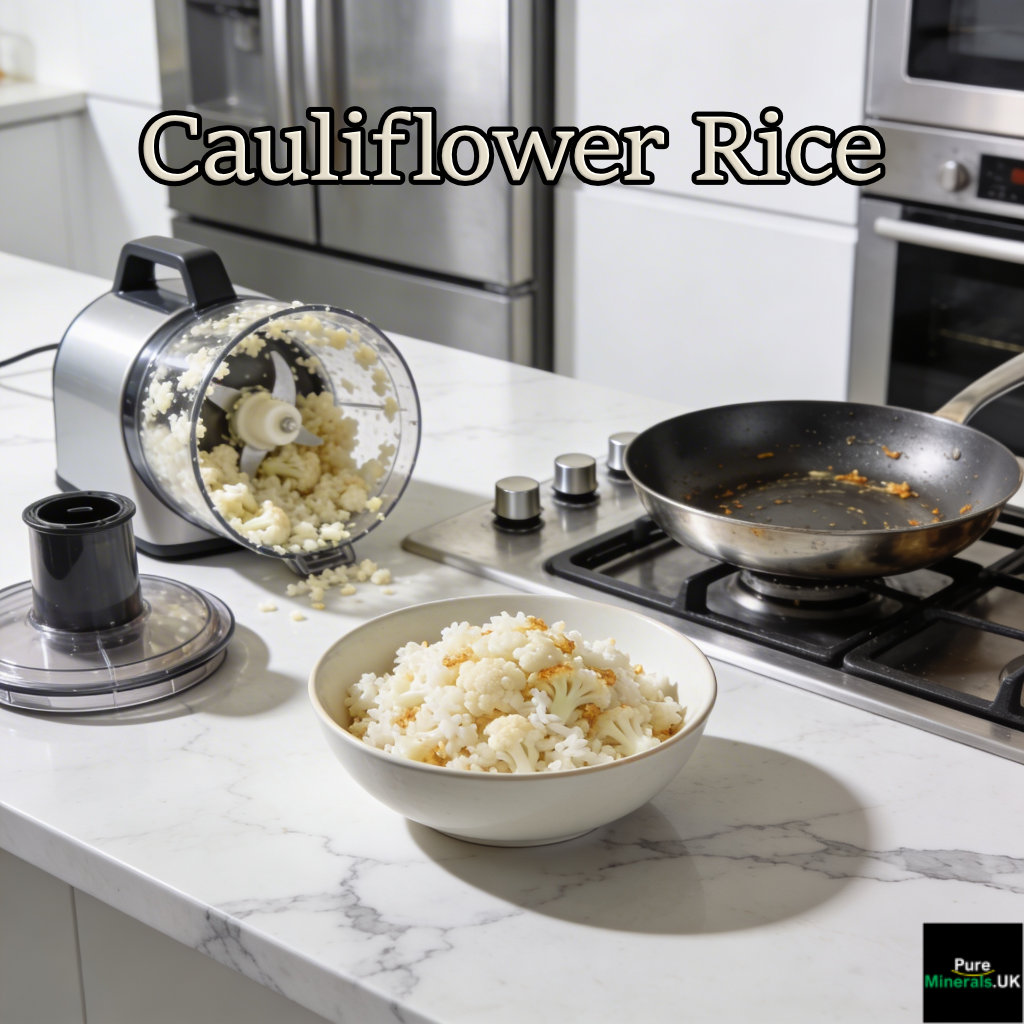
Cauliflower rice is made by pulsing raw cauliflower florets in a food processor until they reach a rice-like granule size, then sautéing briefly in a pan. The result is a grain-free base that works under stir-fries, curries, and grain bowls with a fraction of the carbohydrates and calories of white or brown rice. Pre-riced cauliflower is now widely available fresh and frozen in most major grocery stores, making it one of the most accessible low-carb swaps available. For other low-carb vegetable options, consider bok choy as a nutritious alternative.
Cauliflower Pizza Crust

Cauliflower pizza crust has become the most popular gluten-free crust alternative for good reason — it holds together well, crisps up nicely in the oven, and delivers a genuinely satisfying base for toppings without the blood sugar spike of refined wheat flour. The basic method involves ricing cauliflower, cooking it briefly to remove moisture, then combining it with egg and cheese as binding agents before baking.
The most important step in making a successful cauliflower crust is moisture removal. Cauliflower is about 92% water, and if you skip the squeezing step after cooking the riced cauliflower, the crust will be soggy and fall apart. Wrapping the cooked cauliflower rice in a clean kitchen towel and squeezing out as much liquid as possible is non-negotiable for a crust that actually holds its shape.
A standard cauliflower pizza crust made from one medium head of cauliflower combined with one egg and half a cup of mozzarella will yield a 10-inch crust with approximately 150 to 180 calories — compared to around 500 to 600 calories for a traditional white flour crust of the same size. That’s a dramatic reduction while still providing a complete pizza experience.
Store-bought cauliflower crusts like those from Caulipower or Green Giant have made this even more accessible. The Caulipower Original Cauliflower Pizza Crust, for example, contains about 140 calories per serving with 22g of carbohydrates — not quite as low-carb as homemade, but significantly better than most wheat-based alternatives and gluten-free by formulation.
- Rice the cauliflower using a food processor or box grater
- Microwave or sauté the riced cauliflower for 4 to 5 minutes to soften
- Squeeze out all moisture using a kitchen towel — this is the critical step
- Mix with binders: one egg and ½ cup shredded mozzarella per medium head
- Bake at 425°F for 20 to 25 minutes until golden and firm before adding toppings
Cauliflower Mash as a Potato Substitute
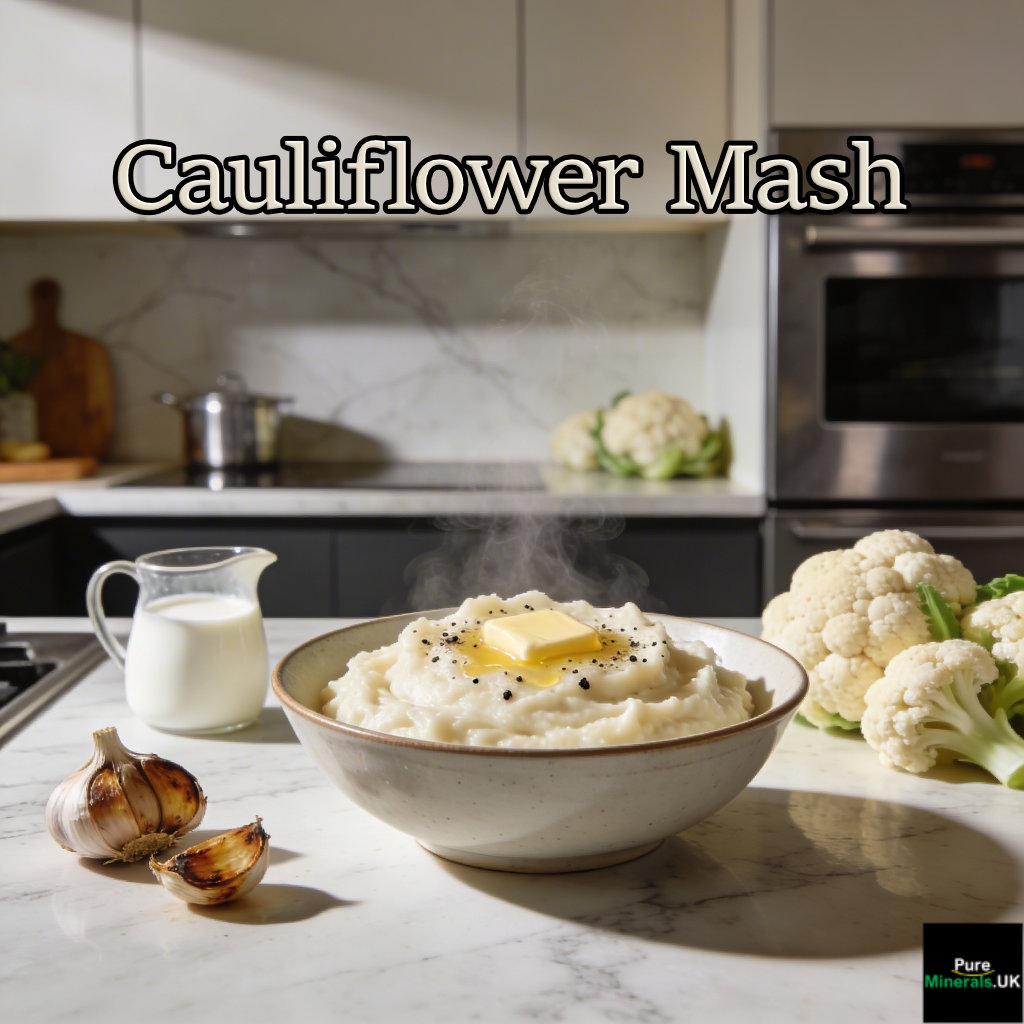
Cauliflower mash delivers the creamy, comforting texture of mashed potatoes with roughly one-third the calories and a fraction of the carbohydrates. When blended with butter, garlic, and a splash of cream or broth, the flavor difference from traditional mashed potatoes is subtle enough that many people genuinely can’t distinguish them in a blind taste test.
The technique matters here. Simply boiling and mashing cauliflower produces a watery, bland result. The better approach is to steam the florets until very tender, then blend them in a food processor rather than mashing by hand. The food processor produces a smoother, creamier texture that more closely mimics the consistency of well-made mashed potatoes. Adding roasted garlic, parmesan, or cream cheese elevates the flavor significantly.
From a nutritional standpoint, the swap is meaningful. One cup of cauliflower mash made with a small amount of butter and seasoning contains around 60 to 80 calories and roughly 10 to 12 grams of carbohydrates. The same serving of traditional mashed potatoes with butter and milk comes in at 210 to 240 calories with 35 grams of carbohydrates. For anyone managing blood sugar or overall caloric intake, this is one of the most impactful food swaps available.
- Steam, don’t boil — boiling waterlogs the cauliflower and dilutes flavor
- Use a food processor for the smoothest, creamiest texture
- Add fat for flavor: butter, olive oil, cream cheese, or sour cream all work
- Season aggressively: roasted garlic, salt, white pepper, and fresh chives make all the difference
- Serve immediately — cauliflower mash releases moisture as it sits and can become thin if left too long
3 Simple Cauliflower Recipes to Try This Week
The best way to make cauliflower a consistent part of your diet is to have a few reliable recipes that you can rotate without getting bored. These three are straightforward, require minimal equipment, and each highlights a different cooking method, so you get the full range of what cauliflower can do.
1. Roasted Garlic Cauliflower
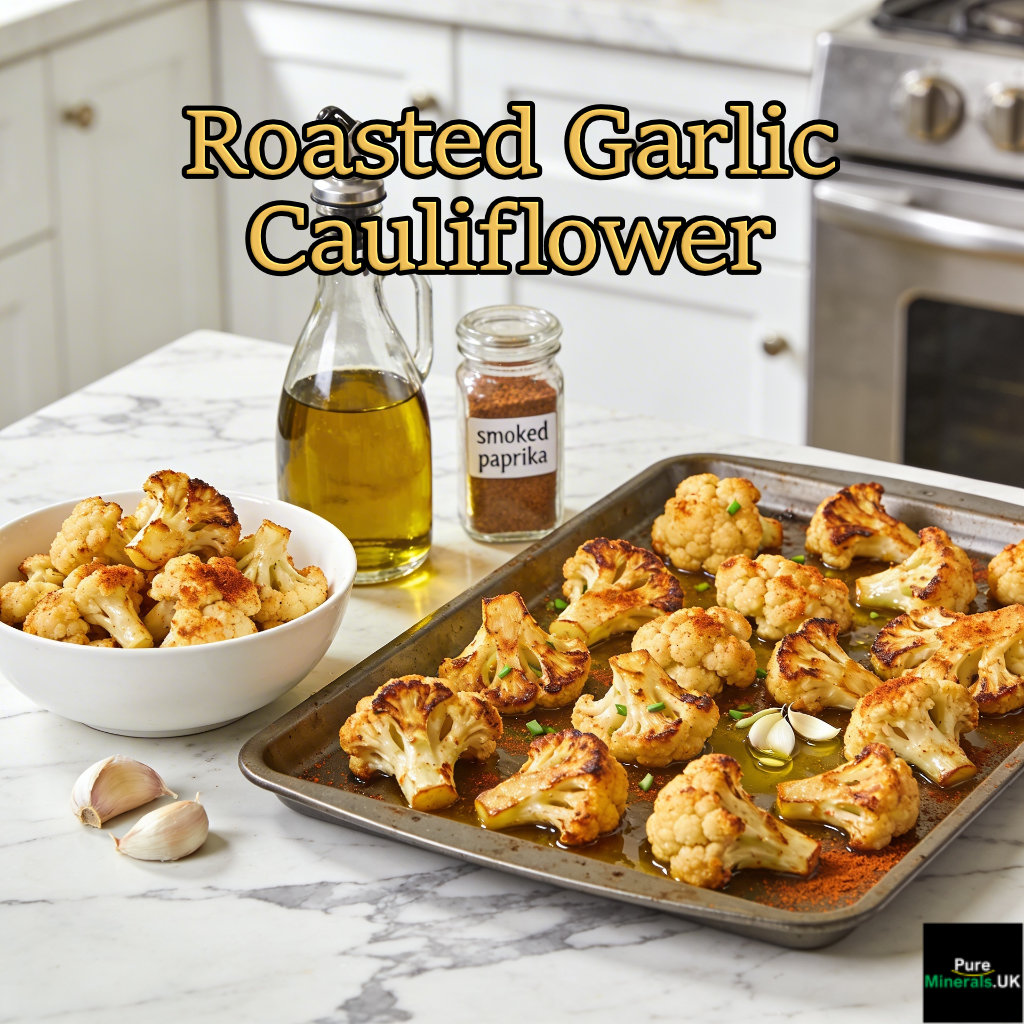
Preheat your oven to 425°F (220°C). Cut one large head of cauliflower into evenly sized florets and toss with 3 tablespoons of olive oil, 4 minced garlic cloves, 1 teaspoon of smoked paprika, salt, and black pepper. Spread in a single layer on a baking sheet — crowding the pan causes steaming rather than roasting, which kills the caramelization. Roast for 25 to 30 minutes, flipping once halfway through, until the edges are deep golden brown and slightly crispy. For more on the health benefits of cauliflower, explore this comprehensive guide.
Finish with a squeeze of fresh lemon juice and a handful of chopped parsley. The lemon brightens the flavor considerably and adds a small additional hit of vitamin C. This recipe works as a side dish, a topping for grain bowls, or a standalone snack. The high-heat roasting preserves most fat-soluble nutrients while developing a depth of flavor that makes it genuinely craveable.
2. Cauliflower Fried Rice
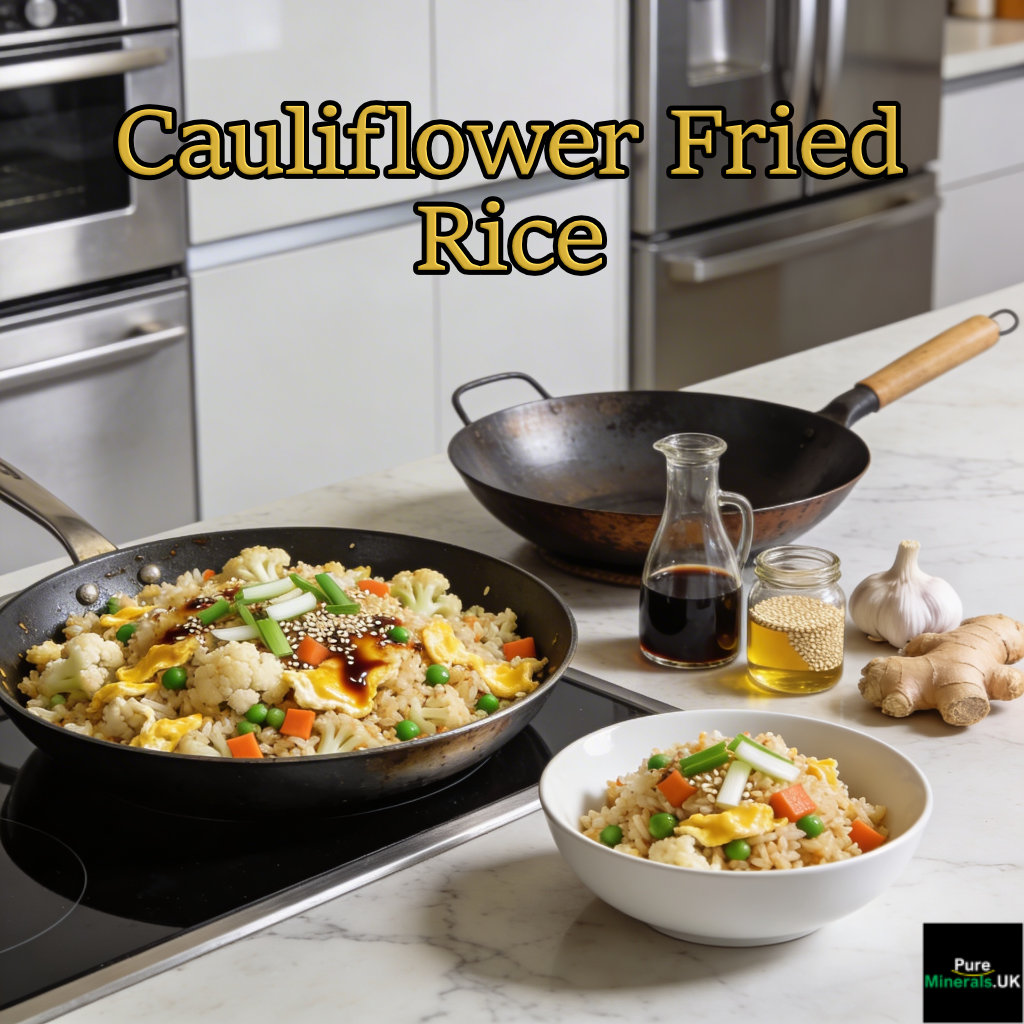
Rice one medium head of cauliflower in a food processor and set aside. Heat a large skillet or wok over high heat with one tablespoon of sesame oil. Add two minced garlic cloves, one tablespoon of fresh grated ginger, and your choice of vegetables — frozen peas, diced carrots, and scallions work well. Sauté for two minutes, then push everything to the side, crack in two eggs, and scramble them before mixing everything. Add the cauliflower rice, two tablespoons of low-sodium soy sauce or tamari, and stir-fry for three to four minutes until heated through and slightly caramelized.
This dish comes together in under 15 minutes and delivers a complete, satisfying meal with protein from the eggs, fiber from the cauliflower and vegetables, and the full umami satisfaction of traditional fried rice. Adding shrimp, chicken, or tofu boosts the protein content further. One generous serving contains approximately 180 to 220 calories, depending on add-ins — a fraction of traditional fried rice’s caloric load.
3. Creamy Cauliflower Soup
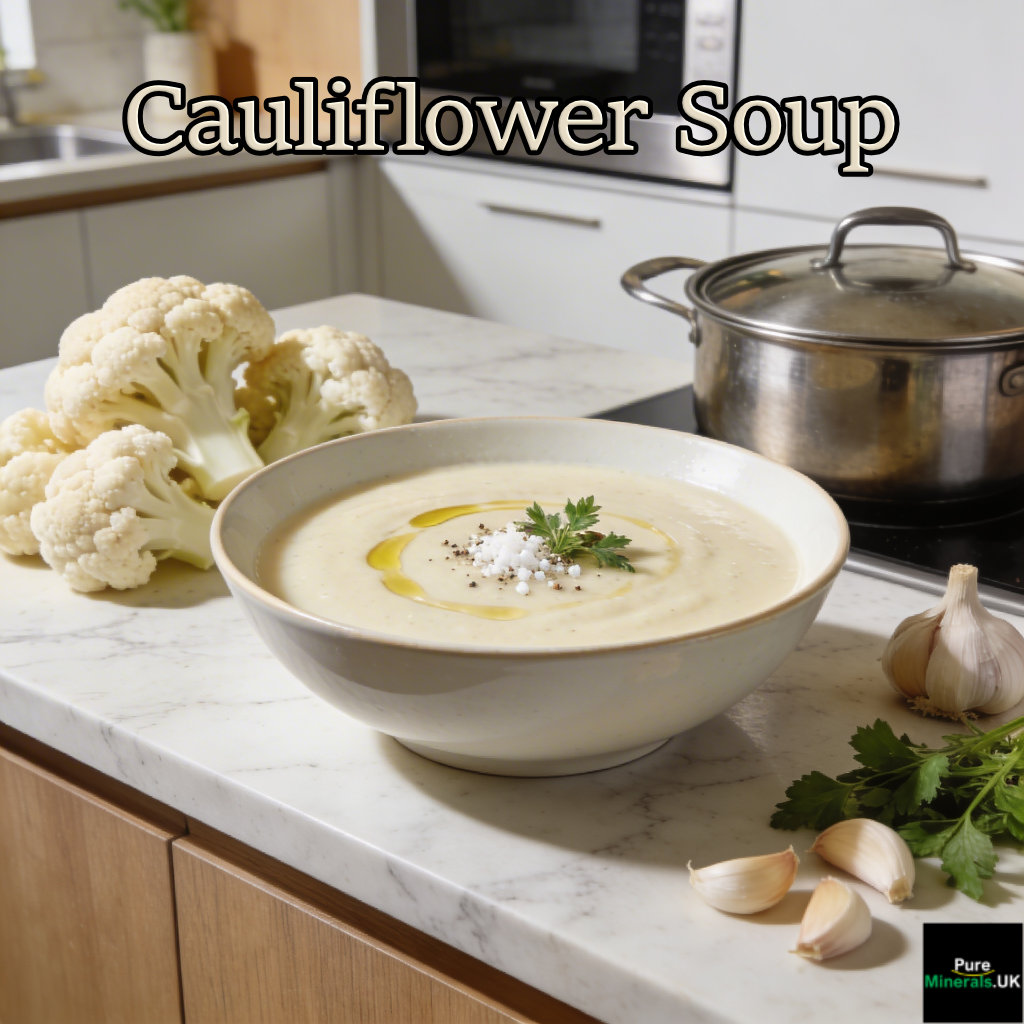
In a large pot, sauté one diced yellow onion and three garlic cloves in two tablespoons of olive oil over medium heat until softened, about five minutes. Add one large head of cauliflower, cut into florets, four cups of low-sodium vegetable or chicken broth, one teaspoon of ground cumin, salt, and white pepper. Bring to a boil, reduce the heat, and simmer for 20 minutes until the cauliflower is completely tender.
Use an immersion blender to blend the soup directly in the pot until completely smooth. If you prefer a richer texture, stir in two tablespoons of plain Greek yogurt or a small amount of heavy cream after blending. The result is a silky, deeply satisfying soup that gets its creaminess from the cauliflower itself rather than from large amounts of added fat.
This soup is an excellent make-ahead meal — it stores well in the refrigerator for up to five days and freezes cleanly for up to three months. A one-cup serving contains approximately 90 to 110 calories with 3 grams of fiber, and the blending process makes the nutrients highly bioavailable since the cell walls are fully broken down during cooking and processing.
Cauliflower Belongs in Your Diet Every Week
Few vegetables offer the combination of nutritional density, culinary versatility, and proven health benefits that cauliflower does. Whether you eat it raw for maximum glucosinolate activity, roast it for flavor, or use it to replace calorie-dense carbohydrates, you’re making a choice that supports long-term health in multiple measurable ways — from cellular inflammation down to gut microbiome diversity. Make it a weekly staple, rotate how you prepare it, and let the science do the rest.
Important note: Cauliflower
Cauliflower is widely recognized as safe for consumption. This article is provided for educational purposes only and does not constitute medical advice. Individuals with specific dietary conditions or sensitivities to cruciferous vegetables should consult a qualified healthcare professional before making significant dietary changes.
Frequently Asked Questions
Here are answers to the most common questions people have about cauliflower’s nutrition, preparation, and health effects.
Is it better to eat cauliflower raw or cooked?
Raw cauliflower preserves more vitamin C and delivers higher glucosinolate activity due to active myrosinase enzymes, making it the superior choice for maximum nutritional benefit. However, lightly steamed cauliflower retains most of these compounds while being easier to digest for many people. The practical answer: eat it both ways and rotate based on preference and tolerance — the nutritional difference between raw and steamed is smaller than the difference between either and boiled cauliflower.
How much cauliflower should you eat per day?
There’s no established upper limit for healthy adults, and one to two cups per day is a reasonable and beneficial target for most people. Eating it several times per week consistently provides more cumulative benefit than occasional large quantities. For people prone to bloating or those with thyroid concerns, keeping portions to one cup at a time and spacing servings throughout the week is a practical approach.
Does cauliflower help with weight loss?
Yes — cauliflower supports weight management through several mechanisms simultaneously. Its low caloric density (27 calories per cup), high fiber content, and high water content all contribute to satiety without significant energy intake. Using cauliflower as a substitute for higher-calorie carbohydrates amplifies this effect considerably.
The fiber in cauliflower also slows gastric emptying, which means you stay fuller longer after eating it and are less likely to experience the blood sugar spikes and crashes that trigger hunger shortly after meals. This makes it particularly useful for people managing insulin sensitivity or trying to reduce overall caloric intake without restricting food volume.
It’s worth being clear that no single food causes weight loss on its own — but cauliflower is one of the few vegetables that can meaningfully replace calorie-dense foods while maintaining meal satisfaction, which is one of the hardest problems to solve in sustainable dietary change.
Weight Management Snapshot: Cauliflower Swaps in Practice
🟢 Swap white rice for cauliflower rice at dinner: save ~175 calories per meal
🟢 Swap mashed potatoes for cauliflower mash: save ~150 calories per serving
🟢 Swap wheat pizza crust for cauliflower crust: save ~350+ calories per pizza
🟢 Add cauliflower florets to soups and stews: adds volume and fiber with minimal caloriesMaking just one of these swaps daily could result in a meaningful caloric reduction over time without any change in portion sizes.
Can cauliflower cause digestive problems?
Cauliflower can cause gas and bloating in some people because it contains raffinose, a complex carbohydrate that human digestive enzymes can’t break down. When raffinose reaches the large intestine, gut bacteria ferment it and produce gas as a byproduct. This is a normal biological process, not a sign that something is wrong, but the discomfort can be significant for people with sensitive digestive systems.
Cooking cauliflower helps reduce this effect because heat breaks down some of the fermentable compounds before they reach the gut. Starting with small portions — half a cup rather than a full cup — and gradually increasing intake over several weeks allows gut bacteria to adapt, which typically reduces gas production over time. For a similar nutritional profile, consider exploring cabbage as an alternative.
People with active Crohn’s disease or ulcerative colitis flare-ups should be particularly cautious, as the Crohn’s and Colitis Foundation of America notes that high-fiber foods can worsen symptoms during periods of active inflammation. During remission, most people with IBD tolerate cauliflower well in moderate amounts.
What color of cauliflower is the most nutritious?
White cauliflower is the most common variety, but it’s not the most nutritious. Purple cauliflower gets its color from anthocyanins — the same powerful antioxidant compounds found in blueberries and red cabbage — which give it superior antioxidant activity compared to the white variety.
Orange cauliflower contains significantly higher levels of beta-carotene, a precursor to vitamin A, than white cauliflower. A single serving of orange cauliflower can contain up to 25 times more beta-carotene than white, making it an exceptional choice for supporting eye health and immune function. For a similar boost in beta-carotene, consider incorporating butternut squash into your diet as well.
Green cauliflower — sometimes marketed as broccoflower — is a hybrid between cauliflower and broccoli. It contains slightly higher levels of vitamin C and chlorophyll than white cauliflower and carries some of the additional glucosinolate compounds characteristic of broccoli.
All varieties of cauliflower are nutritionally worthwhile, and the best approach is to rotate between colors when they’re available. White cauliflower remains an excellent choice for everyday eating, but choosing purple, orange, or green when you see them at the market meaningfully expands your antioxidant and phytonutrient intake with zero additional effort.