

Published: 4 March 2026
This article is periodically reviewed and updated to reflect current scientific understanding by Vic George.
Fact-Checked: 2 other authoritative medical/scientific references. See our Editorial Policy.
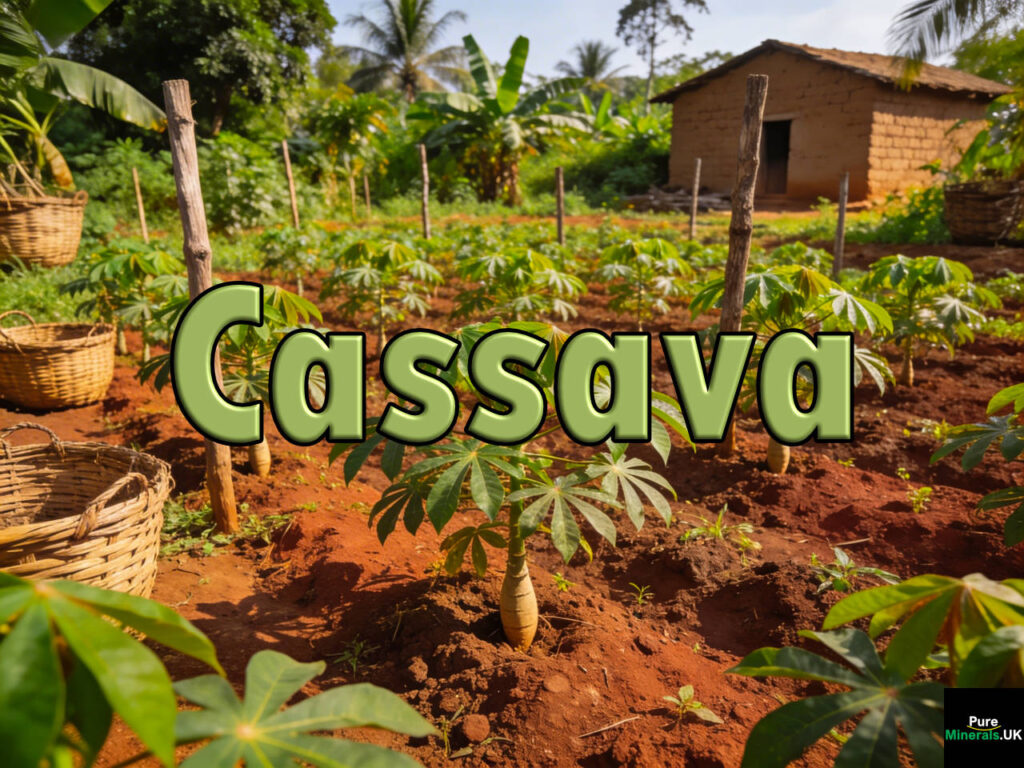
What Is Cassava (Yuca)?
Cassava, also known as yuca, is the starchy root of Manihot esculenta, a tropical plant cultivated widely for its carbohydrate-rich tuberous roots. It is an important staple food in many regions of Africa, South America, and Southeast Asia due to its high energy content and adaptability to diverse growing conditions.
Definition
Cassava is the edible tuberous root of Manihot esculenta, a perennial shrub in the Euphorbiaceae family, consumed as a starchy root vegetable. It is primarily grown in tropical and subtropical regions across Africa, Asia, and Latin America, with top global producers being Nigeria, the Democratic Republic of the Congo, Thailand, Ghana, and Brazil. It serves as a vital staple food for over 800 million people, largely due to its high starch content and drought tolerance.
Nigeria is the world’s largest Cassava producer, contributing nearly 20% of global output. While traditionally a smallholder, subsistence crop, it has increasingly become a commercial cash crop for food, industrial, and processing markets, though many farmers operate at lower yields.
Extended Definition
Cassava is a root crop belonging to the Euphorbiaceae family and is cultivated primarily for its large underground storage roots. These roots function as carbohydrate reserves for the plant and contain high concentrations of starch, making cassava an important energy source in many traditional diets.
The root consists primarily of complex carbohydrates, particularly starch, and also provides smaller amounts of dietary fiber, vitamin C, potassium, and certain B vitamins. Its energy density makes it comparable to other starchy root vegetables such as potatoes and yams.
Cassava contains naturally occurring cyanogenic glycosides, primarily linamarin and lotaustralin. These compounds are part of the plant’s defense system against herbivores. When cassava tissue is damaged, these compounds can release hydrogen cyanide.
For this reason, cassava must be properly processed before consumption. Traditional preparation methods such as peeling, soaking, fermenting, drying, and cooking effectively reduce cyanogenic compounds to safe levels.
There are two main types of cassava cultivated for food: sweet cassava and bitter cassava. Sweet cassava contains lower concentrations of cyanogenic compounds and requires less extensive processing, while bitter cassava requires more thorough detoxification before consumption.
Cassava is used to produce a wide range of foods, including boiled root dishes, cassava flour, tapioca starch, and fermented products.
Key Facts
Botanical name: Manihot esculenta
Plant family: Euphorbiaceae
Common classification: Starchy root vegetable
Origin: South America, particularly the Amazon basin
Edible part: Tuberous root
Typical color: Brown outer skin with white or yellow interior
Primary nutrients: Carbohydrates (starch), fiber, vitamin C, potassium
Key phytonutrients: Phenolic compounds
Energy density: High
Notable compounds: Cyanogenic glycosides (linamarin, lotaustralin)
Culinary uses: Boiled root, cassava flour, tapioca, fermented foods
Key Takeaways
- Cassava is a calorie-dense root vegetable that feeds over 800 million people worldwide, making it one of the most critical food crops on the planet.
- The root and leaves of cassava contain distinct nutritional profiles — the root is rich in carbohydrates and energy, while the leaves are packed with protein, vitamins, and minerals.
- Cassava contains powerful phytochemical compounds with antioxidant, anti-inflammatory, and anti-diabetic properties that most people don’t know about.
- Raw cassava contains cyanogenic glycosides — a naturally occurring toxic compound — which is why proper preparation is non-negotiable.
- Cassava flour is one of the best gluten-free alternatives available, but how it compares to other options might surprise you.
Cassava is one of those foods that quietly feeds a massive portion of the world while remaining largely misunderstood in Western nutrition conversations.
Native to South America and now a staple crop across Africa, Asia, and Latin America, cassava — also called yuca — is the third-largest source of food carbohydrates in the tropics. Nigeria, Thailand, and Indonesia lead global production, and the Food and Agriculture Organization (FAO) named it Africa’s most crucial root crop and source of nutritional calories back in 2003. For anyone serious about understanding global nutrition and whole-food eating, cassava deserves a much closer look. Resources like Healthline’s nutrition section have helped bring more attention to the evidence-based benefits of foods like cassava that often fly under the radar.
Cassava Is One of the World’s Most Important Root Vegetables
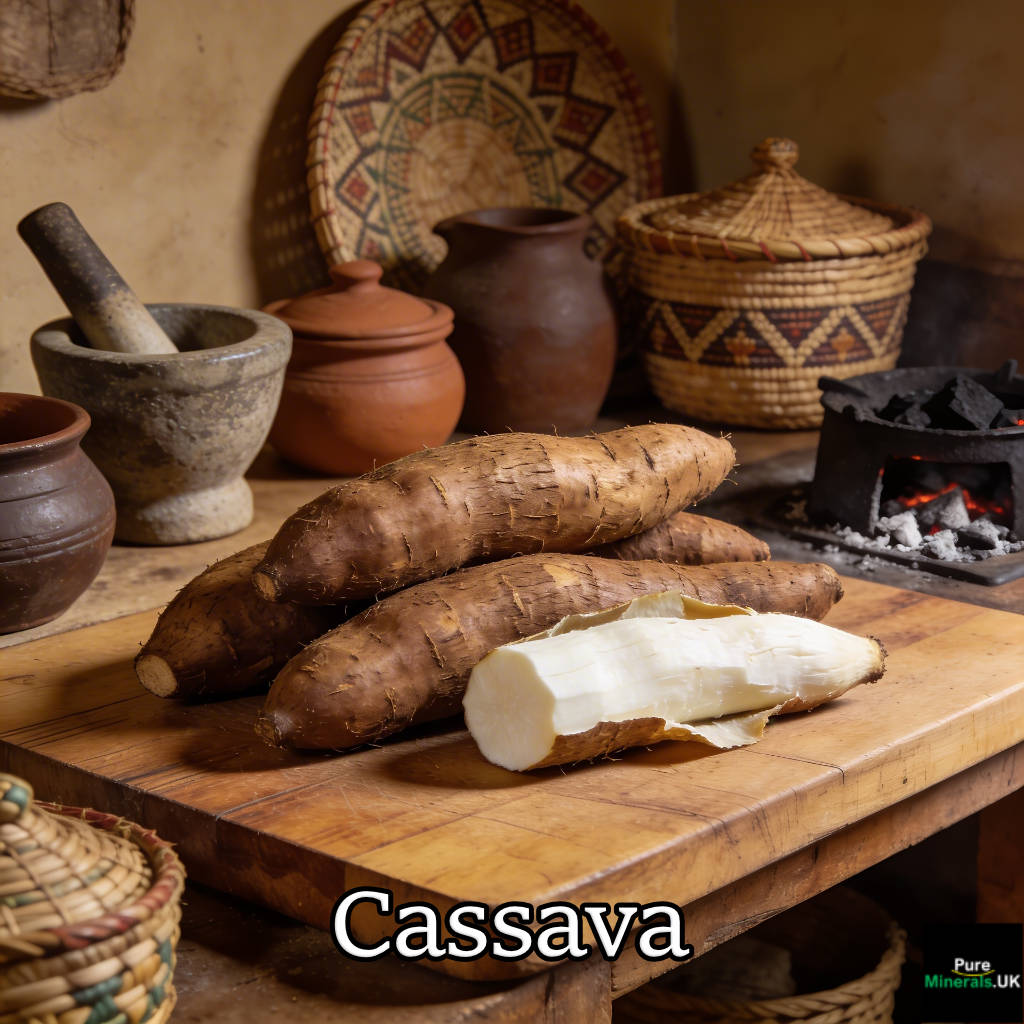
Cassava (Manihot esculenta Crantz) is a perennial shrub cultivated extensively across tropical and subtropical regions. What makes it exceptional isn’t just its flavor — it’s the plant’s ability to thrive in poor soil conditions, resist drought, and still produce a high-energy yield. It produces roughly 250,000 calories per hectare per day, which is a staggering output compared to most other crops.
The most consumed part of the plant is the starchy root, but the leaves are equally valuable nutritionally. Concentrated in its roots and leaves — which account for 50% and 6% of the plant, respectively — cassava’s nutritional load shifts dramatically depending on which part you’re eating. The root delivers energy; the leaves deliver micronutrients.
Fast Fact: Cassava is the primary source of dietary calories for over 500 million people, largely because it produces more energy per unit of land than most competing crops. The New Partnership for Africa Development officially adopted the initiative “Cassava: A Powerful Tool for Food Security” to recognize its global importance.
The cassava plant is more than a survival crop — it has considerable commercial potential across food manufacturing, animal feed, and biofuel industries. Its versatility is what sets it apart from other root vegetables, such as acorn squash.
Cassava Nutritional Profile
Understanding cassava’s nutrition means separating what the root offers from what the leaves provide, because they are genuinely different food sources with different dietary applications.
Macronutrient Breakdown
Cassava root is rich in carbohydrates — primarily starch — and is considered calorie-dense relative to its volume. Per 100 grams of raw cassava root, the nutritional profile looks like this:
Nutrient | Amount per 100g |
|---|---|
Calories | ~160 kcal |
Carbohydrates | ~38g |
Protein | ~1.4g |
Fat | ~0.3g |
Fiber | ~1.8g |
The root is high in calories but relatively low in protein, fat, and certain vitamins and minerals, which is why nutritionists typically recommend pairing cassava with protein-rich foods like legumes or lean meats for a balanced meal. On its own, the root’s nutritional value is lower than that of cereals or legumes, but its caloric density makes it indispensable in food-insecure regions.
Vitamins and Minerals in Cassava
Where cassava really shines is in its vitamin C content. A 3.5-ounce (100-gram) serving of cassava provides 20% of the Daily Value (DV) for vitamin C — a nutrient critical for immune function, collagen synthesis, and antioxidant defense. Cassava leaves take the micronutrient profile even further, containing higher levels of vitamins A, B1, B2, B, C, and K, alongside essential minerals including calcium and copper.
Resistant Starch Content and Its Role
One of cassava’s most underappreciated nutritional qualities is its resistant starch content. Resistant starch functions similarly to dietary fiber — it bypasses digestion in the small intestine and ferments in the large intestine, feeding beneficial gut bacteria. This process supports digestive health, improves insulin sensitivity, and contributes to a lower glycemic response compared to rapidly digestible starches.
Cooking and then cooling cassava actually increases its resistant starch content, which is worth keeping in mind if you’re eating it for gut health purposes. This makes cassava a legitimately functional food when prepared thoughtfully.
Bioactive Compounds Found in Cassava
Beyond macronutrients and vitamins, cassava contains a range of phytochemical compounds that give it genuine therapeutic potential. These bioactive substances are concentrated primarily in the leaves and stems, making those parts of the plant especially valuable from a medicinal and functional nutrition standpoint.
Research published in systematic reviews on cassava’s nutritional and therapeutic properties confirms that these compounds are associated with multiple pharmacological activities — not just nutritional support, but active biological effects in the body.
Phytochemical Compounds in Cassava Leaves and Stems
Cassava leaves are a surprisingly rich source of phytochemicals. They contain a variety of bioactive compounds that contribute to the plant’s well-documented use in traditional medicine across Africa and South America. The concentration of these compounds in the leaves is significantly higher than in the roots, which is why cassava leaves are a distinct dietary and medicinal resource.
The amino acid profile of cassava leaves is also notable — they contain aspartic acid and arginine, among others, which support protein synthesis and circulation. Bitter cassava varieties contain higher levels of cyanogenic compounds, but these can be effectively reduced through proper processing methods like soaking, fermenting, and cooking.
Key phytochemical categories found in cassava leaves and stems include:
- Flavonoids — with antioxidant and anti-inflammatory activity
- Tannins — known for antimicrobial and astringent properties
- Saponins — associated with cholesterol-lowering effects
- Alkaloids — with diverse pharmacological actions
- Carotenoids — which convert to vitamin A and support eye health
- Cyanogenic glycosides — naturally occurring but reducible through processing
Terpenes and Their Antimicrobial Properties
Terpenes are another class of bioactive compounds present in cassava, particularly in its leaves. These naturally occurring compounds have demonstrated antimicrobial properties in research settings, suggesting cassava has functional value beyond simple nutrition.
- Terpenes contribute to cassava’s role in traditional medicine as an anthelmintic agent (used to combat parasitic worms)
- They interact with microbial cell membranes, disrupting pathogen activity
- Their presence reinforces cassava’s position as a plant with genuine medicinal applications, not just caloric value
This antimicrobial activity aligns with how cassava has been used in indigenous medicine for generations — particularly across sub-Saharan Africa and parts of South America — where the leaves and stems are prepared as therapeutic treatments.
The diversity of terpene structures in cassava also means their effects are broad-spectrum rather than targeted to a single pathogen, which is part of what makes the plant so pharmacologically interesting to researchers.
Antioxidants in Cassava
Cassava contains meaningful antioxidant activity, primarily driven by its vitamin C content, carotenoids, and flavonoids. Antioxidants neutralize free radicals — unstable molecules that damage cells and accelerate aging and disease progression.
The carotenoids in cassava leaves are particularly significant. They act as precursors to vitamin A, supporting eye health, immune function, and skin integrity. For populations where cassava leaves are a dietary staple, this carotenoid content is a critical source of vitamin A that might otherwise be lacking.
It’s also worth noting that the antioxidant capacity of cassava varies between bitter and sweet varieties, and between the root and the leaves, with leaves consistently showing higher antioxidant activity than the root alone.
Health Benefits of Cassava
The combination of resistant starch, vitamins, minerals, and phytochemical compounds gives cassava a legitimate functional health profile. These aren’t speculative benefits — they’re tied directly to the plant’s documented bioactive compounds and nutritional composition.
What’s particularly compelling is that cassava delivers these benefits in a food that is naturally gluten-free, widely accessible, and adaptable to dozens of culinary preparations — making it relevant not just for developing nations, but for anyone pursuing a diverse, whole-food diet.
Anti-Diabetic Properties
Cassava’s anti-diabetic potential is one of its most researched therapeutic attributes. The resistant starch in cassava slows glucose absorption in the digestive tract, resulting in a more gradual rise in blood sugar compared to rapidly digestible carbohydrates. This mechanism is directly relevant to blood sugar management, particularly for people managing type 2 diabetes or insulin resistance.
Beyond resistant starch, phytochemical compounds in cassava leaves — particularly flavonoids and alkaloids — have demonstrated anti-diabetic activity in research contexts. These compounds appear to interact with enzymes involved in carbohydrate metabolism, potentially inhibiting alpha-glucosidase activity, which slows the breakdown of complex carbohydrates into glucose. Proper preparation is key here: boiled or fermented cassava preserves these compounds more effectively than high-heat frying.
Anti-Cancer Activity
Cassava leaves contain bioactive compounds — including flavonoids, tannins, and specific alkaloids — that have shown cytotoxic activity against certain cancer cell lines in preliminary research. The antioxidant compounds work by neutralizing free radicals that would otherwise cause the kind of oxidative DNA damage associated with cancer development, similar to the protective effects found in bitter melon.
It’s important to be clear: cassava is not a cancer treatment, and current research is largely at the cellular and preclinical stage. However, the presence of these bioactive compounds does place cassava alongside other functional whole foods — like cruciferous vegetables and berries — that contribute to a diet associated with reduced cancer risk when consumed as part of a balanced, plant-forward eating pattern.
Anti-Inflammatory Effects
Chronic inflammation sits at the root of most modern diseases, from cardiovascular disease to metabolic syndrome. Cassava’s flavonoids and saponins have documented anti-inflammatory properties, working to inhibit pro-inflammatory pathways in the body. The leaves, in particular, have been used in traditional medicine across Africa and South America, specifically for their anti-inflammatory applications, which aligns with the phytochemical evidence researchers have since confirmed.
Cholesterol and Digestive Health
Saponins found in cassava have been associated with cholesterol-lowering effects — they bind to bile acids in the digestive tract, reducing cholesterol reabsorption. Meanwhile, the resistant starch and fiber content in cassava feeds beneficial gut bacteria, supporting a healthy microbiome and promoting regular bowel movements. Together, these two mechanisms make cassava a meaningful contributor to both cardiovascular and digestive health when eaten as part of a varied diet.
Cassava as a Dietary Staple
Cassava is not just nutritionally significant — it’s structurally essential to the food systems of dozens of countries. Its ability to grow in poor, acidic soils with minimal rainfall while still producing a high-calorie yield makes it unlike almost any other crop. In contexts where food access is unpredictable, cassava functions as a nutritional backbone. For those interested in exploring other nutritious crops, bitter melon is another option worth considering.
It’s also worth noting that cassava isn’t just consumed as a simple boiled root. Across cultures, it’s fermented, dried, pounded, milled, and transformed into an enormous variety of food products — from flatbreads to fermented porridges — giving it a culinary flexibility that few other staple crops can match.
Caloric Density and Energy Supply
Cassava root delivers approximately 160 calories per 100 grams, with the majority coming from complex carbohydrates. At the agricultural scale, this translates to roughly 250,000 calories per hectare per day — a yield that outperforms many competing staple crops. For communities that depend on high-energy food production from limited land, this caloric density is not just convenient, it’s life-sustaining.
At an individual dietary level, cassava’s caloric density means it provides quick, sustained energy — particularly relevant for physically active populations or people in calorie-demanding environments. The carbohydrate-to-fiber ratio also means energy release is more moderated than that of simple sugars, especially in preparations that preserve resistant starch content.
Role in Food Security for Developing Nations
The FAO designated cassava as Africa’s most crucial root crop and source of nutritional calories, and that recognition is fully backed by production data. Nigeria alone is one of the world’s top cassava-producing countries, alongside Thailand and Indonesia, together representing the bulk of global output that feeds hundreds of millions of people annually.
The New Partnership for Africa Development’s initiative, “Cassava: A Powerful Tool for Food Security,” formally recognized the crop’s role in addressing hunger and nutritional deficits across the continent. Cassava’s drought resistance and soil adaptability mean it continues to produce food in conditions where other crops would fail entirely — a quality that becomes increasingly important in the context of climate change and shifting agricultural conditions.
How to Prepare and Eat Cassava Safely
Cassava is an incredibly versatile ingredient — you can eat it whole, grated, or ground into flour — but safe preparation is non-negotiable. Unlike most vegetables, raw cassava contains naturally occurring compounds that can be toxic, which means the way you handle and cook it directly impacts whether it’s a nourishing food or a harmful one. For a similar vegetable, check out bamboo, which also requires careful preparation.
Nigerians primarily consume cassava as a staple “swallow” (starchy side dish) called fufu (or Akpu) and as garri (fermented, roasted flakes). These are typically eaten with various soups like egusi, okra, or vegetable stew, usually with hands. Cassava is often fermented for days to enhance flavor and safety before being cooked, creating a slightly sour, elastic texture.
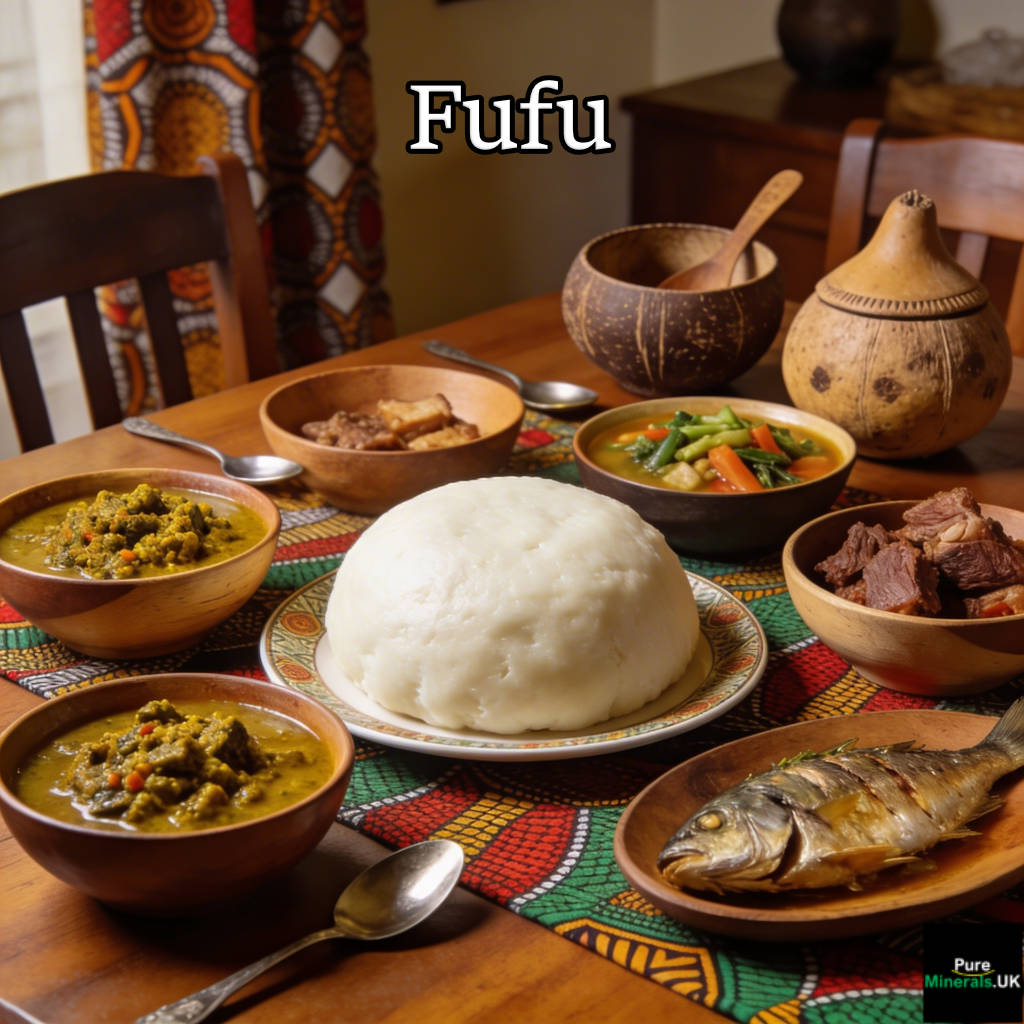
Fufu (Akpu/Santana): Raw cassava is peeled, soaked in water to ferment, blended or pounded into a paste, then cooked in a pot while stirring constantly until it becomes a thick, slimy, white-to-cream, malleable dough. Traditionally, a small portion of the fufu is taken with the right hand, rolled into a ball, made a small indentation, and dipped into the soup before swallowing, as the texture is generally not meant to be heavily chewed.
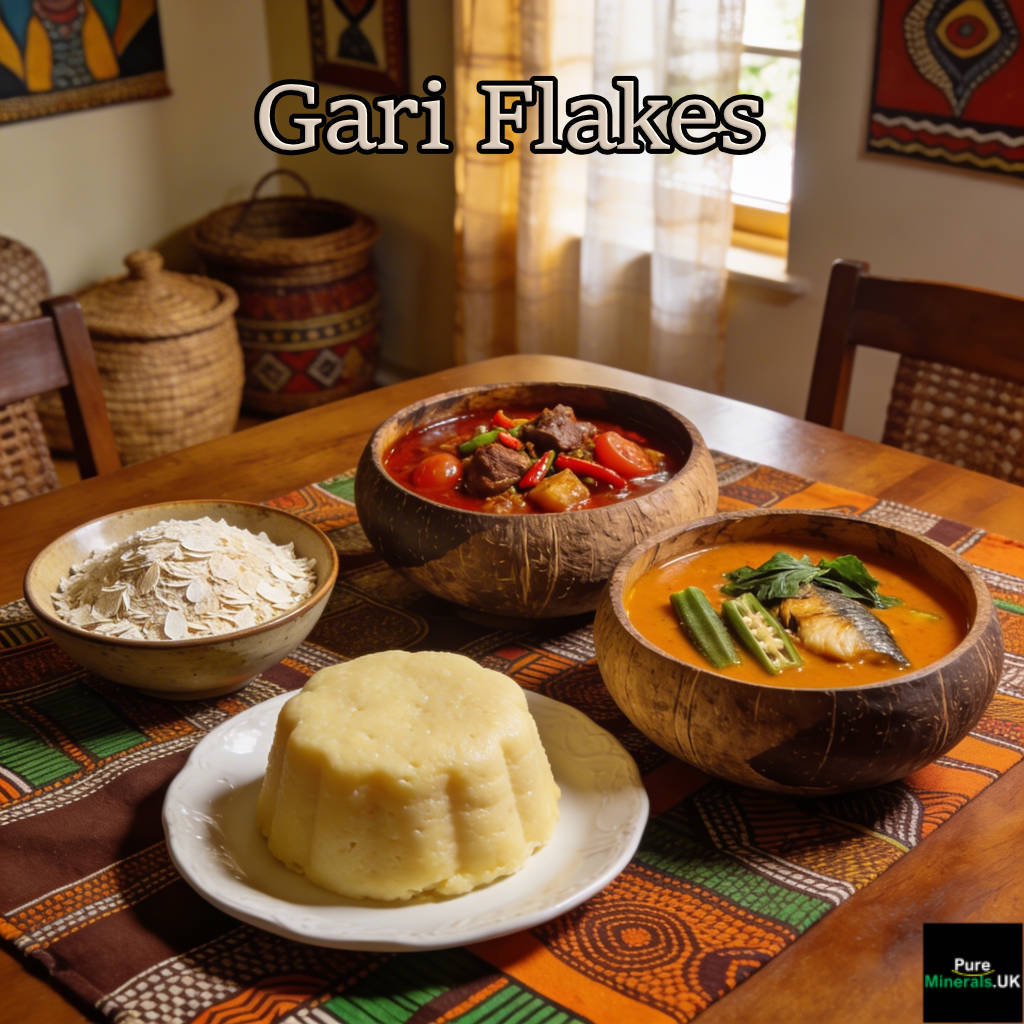
Garri: Cassava tubers are grated, fermented, and then roasted to produce dry, crunchy flakes. This can be eaten as a snack with milk and sugar, or made into Eba by mixing it with hot water to make a firm swallow.
Cassava meals are rarely eaten alone; they are served with savory, nutrient-dense soups and stews.
Why You Should Never Eat Cassava Raw
Raw cassava contains cyanogenic glycosides — compounds that release hydrogen cyanide when metabolized in the body. Both sweet and bitter varieties contain these compounds, though bitter cassava has significantly higher concentrations. Consuming raw or improperly processed cassava can lead to cyanide poisoning, with symptoms ranging from nausea and vomiting to more severe neurological effects.
Cyanide Risk by Cassava Type:
Cassava Type
Cyanogenic Glycoside Level
Risk Level
Processing Required
Sweet Cassava
Low (20–30 mg HCN/kg)
Moderate
Peeling + thorough cooking
Bitter Cassava
High (up to 1,000 mg HCN/kg)
High
Soaking, fermenting, boiling required
The good news is that cyanogenic glycosides are significantly reduced — and effectively eliminated — through proper processing. Peeling, soaking, fermenting, and thoroughly cooking cassava are all methods that break down these compounds and render the food safe for consumption.
Soaking peeled cassava in water for 24–48 hours before cooking is particularly effective at reducing cyanide levels in bitter varieties. Fermentation — a traditional processing method widely used across Africa — also substantially reduces cyanogenic content while simultaneously improving the food’s nutritional bioavailability.
The key rule is simple: never eat cassava raw, and always peel it first. The outermost peel contains the highest concentration of cyanogenic compounds, and removing it before any preparation method is the critical first step, regardless of which cooking approach you choose.
Boiling, Roasting, and Frying Cassava
Boiling is the most straightforward and widely used cooking method for cassava root. Simply peel, cut into chunks, and boil in water until fork-tender — typically 20 to 30 minutes. Boiling also leeches out remaining cyanogenic compounds into the cooking water, which should be discarded rather than used as broth. The result is a soft, slightly nutty-flavored root that can be eaten as-is, mashed, or used as a base for stews and curries.
Roasting and frying cassava produce a firmer, more caramelized texture that works well as a side dish or snack. Roasted cassava develops a slightly crispy exterior with a dense, chewy interior — a preparation common across Latin America and West Africa. Fried cassava chips are another popular format, though it’s worth noting that frying adds significant calories and fat, shifting the nutritional profile away from the root’s naturally lean composition. For health-conscious preparation, boiling or baking remains the better option.
Cassava Flour as a Gluten-Free Alternative
Cassava flour is made by peeling, drying, and grinding the whole cassava root into a fine powder. Unlike tapioca starch — which is made from only the starchy liquid extracted from cassava — cassava flour retains the fiber from the whole root, giving it a more complete nutritional profile and a texture that more closely mimics wheat flour than most gluten-free alternatives.
This makes cassava flour one of the most practical 1:1 substitutes for wheat flour in gluten-free baking. It performs well in bread, tortillas, flatbreads, pancakes, and crackers without the dense, gummy texture that typically plagues gluten-free baked goods made from rice or almond flour. For people managing celiac disease or non-celiac gluten sensitivity, cassava flour is a genuinely useful pantry staple.
The key nutritional consideration with cassava flour is its relatively high carbohydrate content — roughly 130 grams of carbohydrates per cup — which is comparable to wheat flour. It is not a low-carb option, but for those who simply need to avoid gluten while maintaining energy intake, it’s one of the cleanest and most versatile options available. To learn more about its health benefits, you can visit this WebMD article on yuca.
Tapioca and Other Cassava-Derived Foods
Tapioca is perhaps the most globally recognized cassava-derived product. It’s made by extracting the starchy liquid from cassava root, then processing it into pearls, flakes, or flour. Unlike whole cassava flour, tapioca starch is almost pure carbohydrate with minimal fiber, protein, or micronutrients — making it a useful thickening agent and baking ingredient, but not a nutritional powerhouse on its own. Tapioca pearls used in bubble tea, tapioca pudding, and as a soup thickener are all derived from this extracted starch.
Beyond tapioca, cassava is processed into a remarkable range of food products across different cultures. In West Africa, cassava is fermented and dried into garri — a coarse flour eaten with water or used in cooked dishes. In Brazil, farofa (toasted cassava flour) is a staple side dish. Across Latin America, cassava is pressed into flatbreads called casabe — one of the oldest bread forms in the Americas. The sheer range of cassava-derived foods speaks to its extraordinary culinary adaptability.
Potential Risks and Considerations
Cassava is a nutritious and valuable food, but it comes with specific considerations that every person eating it should understand. The two primary concerns are its naturally occurring toxic compounds and its caloric density — both of which are entirely manageable with the right approach, but genuinely important to keep in mind.
Cyanogenic Glycosides and Toxicity
As covered earlier, cassava contains cyanogenic glycosides — compounds that release hydrogen cyanide when metabolized. This is not a minor footnote. Improperly prepared cassava, particularly bitter varieties, can cause acute cyanide poisoning. In regions where food processing methods are inconsistent or resources for proper preparation are limited, this remains a real public health concern. A condition called konzo — a neurological disease linked to chronic cyanide exposure from improperly processed bitter cassava — has been documented in parts of sub-Saharan Africa.
For most people purchasing cassava in grocery stores, sweet cassava varieties are the norm, and the risk is significantly lower — but not zero. Always peel cassava before cooking, discard the cooking water after boiling, and never consume it raw under any circumstances. If you’re working with cassava purchased from an international market where variety labeling isn’t always clear, treating it as a bitter variety and using extended soaking before cooking is the safest approach.
High Calorie Content and Portion Control
Cassava is calorie-dense by root vegetable standards. At approximately 160 calories per 100 grams — nearly double the calorie count of a white potato — cassava can contribute significantly to daily caloric intake if portions aren’t considered. For people in food-insecure environments, this caloric density is a benefit. For people in higher-income contexts managing weight or metabolic health, portion awareness matters.
The practical guidance here isn’t to avoid cassava — it’s to treat it the way you’d treat any high-carbohydrate staple. Pair it with fiber-rich vegetables, quality protein sources, and healthy fats to create a balanced plate. A serving of roughly 100–150 grams of cooked cassava root is reasonable for most adults as part of a mixed meal, providing sustained energy without excessive caloric load.
It’s also worth noting that the preparation method significantly affects the final calorie count. Boiled cassava keeps its caloric profile close to the raw figures, while fried cassava chips or heavily processed cassava products can carry substantially more calories from added oils and processing. Choosing whole, minimally processed cassava preparations is always the smarter nutritional choice.
Cassava Calorie Comparison by Preparation Method (per 100g serving):
Preparation
Approximate Calories
Notes
Raw cassava root
~160 kcal
Never consume raw
Boiled cassava
~155 kcal
Best for retaining nutrition
Roasted cassava
~165 kcal
Minimal oil, good option
Fried cassava chips
~300–350 kcal
Significantly higher fat content
Cassava flour
~350 kcal per 100g
Concentrated; use in measured amounts
Cassava Is a Nutritional Powerhouse Worth Adding to Your Diet
Cassava earns its place as one of the world’s most important foods — not just because of its agricultural resilience, but because of the genuine nutritional value it delivers when prepared properly. From its resistant starch and vitamin C content to the impressive phytochemical profile of its leaves, cassava is a whole food with real functional health benefits that deserve far more attention in mainstream nutrition discussions. Prepare it right, pair it well, and it becomes a versatile, energizing, and genuinely nourishing addition to any diet.
Important note: Cassava (Yuca)
Cassava must be properly processed and cooked before consumption to remove naturally occurring cyanogenic compounds. When prepared using traditional or standard culinary methods, cassava is widely recognized as safe as a food. This article is provided for educational purposes only and does not constitute medical advice. Individuals with specific dietary concerns should consult a qualified healthcare professional before making significant dietary changes.
Frequently Asked Questions
Here are answers to the most common questions people have about cassava, its nutritional value, safety, and how it fits into a healthy diet.
Question
Quick Answer
Is cassava the same as yuca?
Yes — cassava and yuca are the same plant, different names by region
Is it safe to eat daily?
Yes, when properly cooked and eaten in balanced portions
Is it gluten-free?
Yes — naturally gluten-free and suitable for celiac diets
How does it compare to potatoes?
Higher in calories and carbs, but similar in many vitamins
What’s the difference between sweet and bitter cassava?
Bitter has higher cyanogenic glycoside levels and requires more processing
Understanding the nuances of cassava — from its varieties to its preparation requirements — makes it much easier to incorporate confidently into your regular eating habits. The questions below go deeper into each of these points.
Is cassava the same as yuca?
Yes, cassava and yuca are the same plant — Manihot esculenta. The name simply varies by region. In Latin America and among Spanish-speaking communities, it’s commonly called yuca. In Africa, Asia, and in scientific and agricultural contexts, cassava is the standard term. You may also see it labeled as manioc in some European countries and Brazilian contexts.
One important distinction worth noting: yuca (cassava) is entirely different from yucca — a spiky ornamental desert plant in the Asparagaceae family that is not typically eaten as a food staple. The spelling difference is small, but the plants are botanically unrelated, so it’s worth keeping them straight when researching or shopping.
Is cassava safe to eat every day?
Properly cooked cassava can be eaten regularly as part of a balanced diet — billions of people do exactly that. The key requirements are consistent, proper preparation, and dietary variety. Relying on cassava as your sole source of nutrition without complementary protein, fat, and micronutrient-rich foods creates a risk of nutritional deficiencies over time, since the root is low in protein and certain essential vitamins.
If you’re eating cassava daily, a few practical guidelines help ensure it remains a health asset rather than a liability:
- Always peel and thoroughly cook cassava before eating — no exceptions
- Discard the cooking water after boiling to eliminate residual cyanogenic compounds
- Pair cassava with protein-rich foods like beans, legumes, eggs, or lean meat
- Include leafy vegetables or other micronutrient-dense foods at the same meal
- Vary your starch sources — rotate cassava with sweet potatoes, plantains, or whole grains
- Keep portions to approximately 100–150g of cooked cassava per serving for most adults
Following these practices makes daily cassava consumption a nutritionally sound choice that aligns well with whole-food dietary patterns.
What makes cassava a good gluten-free option?
Cassava flour is naturally gluten-free and behaves more like wheat flour than almost any other gluten-free alternative currently available. Its fine texture and neutral flavor allow it to function as a near 1:1 replacement for all-purpose wheat flour in most recipes — from tortillas and flatbreads to pancakes and baked goods — without the gummy or dense results that typically come with coconut flour, rice flour, or almond flour substitutes.
For people with celiac disease or non-celiac gluten sensitivity, this makes cassava flour a practical everyday option rather than a specialty ingredient limited to specific recipes. It’s worth noting that cassava flour is not the same as tapioca starch — cassava flour is made from the whole dried root and retains fiber, while tapioca is the extracted starch only. For gluten-free baking with better nutritional value, whole cassava flour is the superior choice. Additionally, exploring other gluten-free options like broad beans can further diversify a gluten-free diet.
How does cassava compare to potatoes nutritionally?
Cassava is notably more calorie-dense than white potatoes. A 100-gram serving of cassava provides roughly 160 calories and 38 grams of carbohydrates, while the same serving of boiled white potato provides approximately 87 calories and 20 grams of carbohydrates. This means cassava delivers roughly twice the energy per gram, which is advantageous for high-energy-demand situations but requires portion awareness for sedentary individuals managing caloric intake.
In terms of vitamins and minerals, both foods offer meaningful nutrition, though with different strengths. Cassava provides more vitamin C per serving than white potatoes on a gram-for-gram basis, while potatoes have a slight edge in potassium content. Cassava leaves outperform potato leaves — which aren’t typically eaten — dramatically in micronutrient density, particularly for vitamins A, B, and K. If you’re choosing between the two as a dietary staple, cassava’s higher caloric yield makes it more efficient for high-activity lifestyles, while potatoes offer a lighter option for lower-calorie dietary targets.
What is the difference between sweet and bitter cassava?
Sweet and bitter cassava are two broad classifications of Manihot esculenta varieties, distinguished primarily by their concentration of cyanogenic glycosides — the compounds that produce hydrogen cyanide when consumed. Sweet cassava contains relatively low levels of these compounds (approximately 20–30 mg of hydrogen cyanide equivalent per kilogram), making it safer to prepare with standard cooking methods like peeling and boiling.
Bitter cassava contains dramatically higher levels — up to 1,000 mg of hydrogen cyanide equivalent per kilogram in some varieties — requiring more intensive processing such as extended soaking, fermentation, and thorough cooking to reduce cyanide content to safe levels. Bitter varieties are more commonly cultivated in some African regions because they tend to be more resistant to pests and drought, but they demand significantly more careful handling.
From a flavor standpoint, sweet cassava has a milder, nuttier taste that lends itself well to direct culinary use — boiling, roasting, or mashing. Bitter cassava, once properly processed, is often used for fermented products like garri or dried flour, where the processing steps also serve as the safety mechanism. In most Western grocery stores and international markets in higher-income countries, sweet cassava varieties are what you’ll typically find.
If you’re ever uncertain which variety you have, the safest practice is to treat it as bitter and apply full soaking and cooking protocols. There’s no nutritional downside to over-processing cassava for safety — only the upside of eliminating any residual cyanogenic risk before it reaches your plate. When in doubt, peel thoroughly, soak for 24 hours, and boil until completely soft, discarding the water before serving.