

Published: 2 March 2026
This article is periodically reviewed and updated to reflect current scientific understanding by Vic George.
Fact-Checked: 2 other authoritative medical/scientific references. See our Editorial Policy.
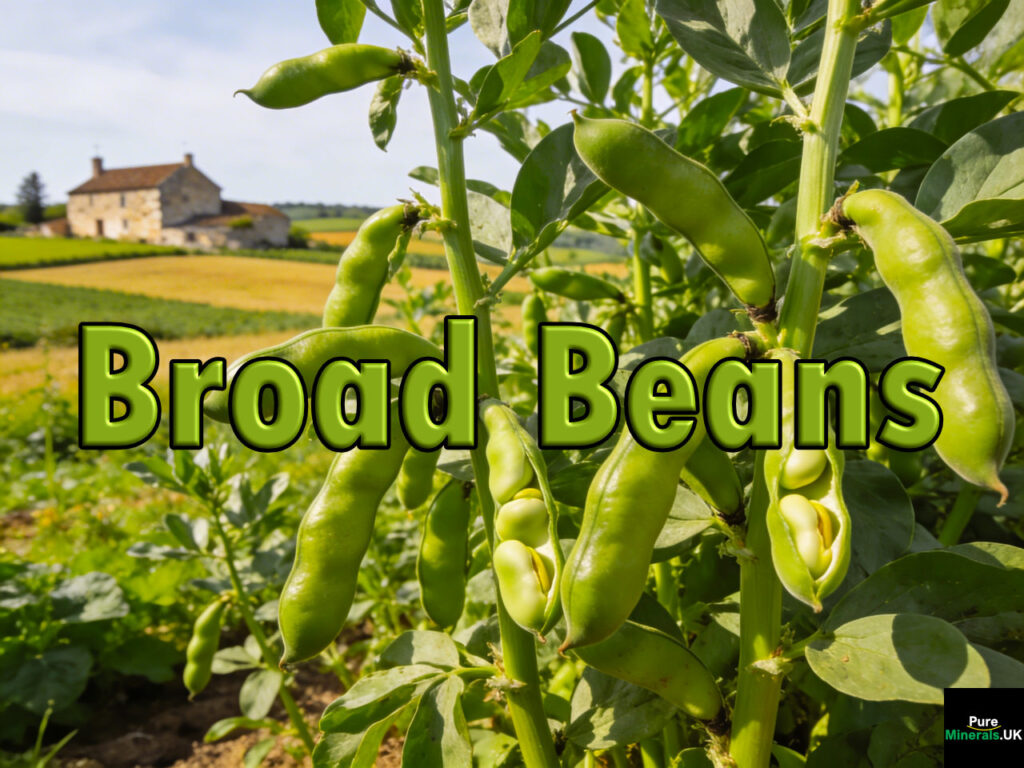
What Are Broad Beans (Fava Beans)?
Broad beans, also known as fava beans, are the edible seeds of Vicia faba, a legume plant cultivated for its high protein content, fiber, and essential micronutrients. They are classified nutritionally as a legume vegetable and have served as an important food source in agricultural societies for thousands of years.
Definition
Broad beans are the edible seeds of Vicia faba, a flowering plant in the Fabaceae family, consumed as a legume vegetable.
Extended Definition
Broad beans belong to the Fabaceae family, also known as the legume or pulse family, which includes peas, lentils, chickpeas, and soybeans. Unlike leafy or root vegetables, broad beans are the mature seeds that develop within protective pods.
These seeds serve as nutrient storage organs for the developing plant embryo and are rich in protein, complex carbohydrates, and fiber. Their protein content makes them one of the most nutritionally dense plant-based protein sources among commonly consumed vegetables.
Broad beans also provide important micronutrients, including folate, iron, magnesium, potassium, and vitamin B6. Folate plays an essential role in cellular metabolism and DNA synthesis, while iron supports oxygen transport in the blood. Magnesium contributes to enzyme function and energy metabolism.
Broad beans contain naturally occurring plant compounds such as polyphenols and flavonoids, which contribute to plant defense and structural integrity. They also contain L-dihydroxyphenylalanine (L-DOPA), a naturally occurring amino acid derivative involved in plant metabolism.
Broad beans may be consumed fresh, dried, or cooked. The outer skin of mature beans is often removed after cooking to improve texture and digestibility.
Key Facts
Botanical name: Vicia faba
Plant family: Fabaceae
Common classification: Legume vegetable (pulse)
Origin: Mediterranean region and Southwest Asia
Edible part: Seeds
Typical color: Green (fresh), brown or tan (dried)
Primary nutrients: Protein, fiber, folate, iron, magnesium, potassium
Key phytonutrients: Polyphenols, flavonoids
Energy density: Moderate
Notable compounds: L-DOPA, lectins (reduced by cooking)
Culinary uses: Boiled beans, stews, purees, salads, and traditional dishes
Key Takeaways
- One cup (170g) of cooked fava beans delivers 13g of protein, 9g of fiber, and only 187 calories — making them one of the most nutrient-dense legumes available.
- Fava beans contain bioactive compounds, including L-DOPA, GABA, phenolic compounds, and bioactive peptides that go well beyond standard nutrition.
- They rank higher in protein content than peas, lentils, and chickpeas — a fact most people don’t know about this underrated legume.
- Some people with G6PD deficiency should avoid fava beans entirely — a critical safety consideration covered in detail below.
- New low-vicine and low-tannin fava bean varieties have been developed to make these beans safer and more nutritious for wider consumption.
Broad beans might just be the most underestimated legume in your grocery store.
Also called broad beans, fava beans (Vicia faba L.) have been cultivated for thousands of years and eaten across cultures — from Middle Eastern kitchens to Mediterranean hillside farms. Yet most people in the West walk right past them. That’s a nutritional mistake worth correcting. They are primarily grown in temperate regions worldwide, with China, Ethiopia, Australia, Egypt, and France being the largest producers. They are a cool-season, hardy crop, often cultivated in North Africa, the UK, Europe, and South America for both food and livestock feed.
Broad Beans Pack More Nutrition Than Most People Realize
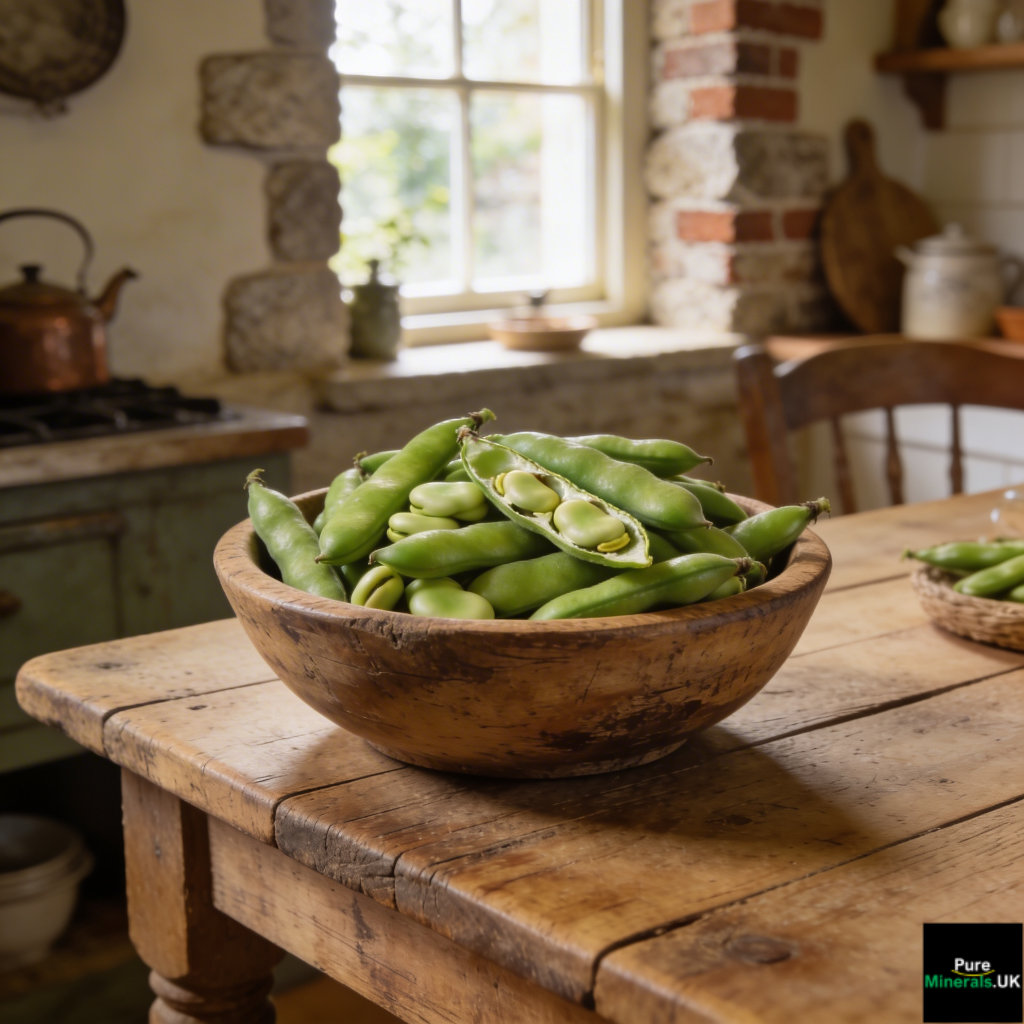
Fava beans consistently outperform expectations when you look at the numbers. They’re a high-protein, high-fiber food that also supplies a wide range of essential vitamins and minerals — all in a relatively low-calorie package. Research published in Nutrients confirmed that fava beans have a higher protein content than most commonly consumed pulses, including lentils and chickpeas, making them a standout in the legume category.
187 Calories, 13g Protein, 9g Fiber Per Cup
A single one-cup (170-gram) serving of cooked fava beans contains 187 calories, 13 grams of protein, and 9 grams of dietary fiber. That combination — high protein and fiber at a modest calorie count — is exactly what makes them so effective for satiety and sustained energy. For context, you’d need to eat significantly more rice or pasta to match that protein load, and you’d take in far more calories doing it.
Vitamins and Minerals at a Glance
Beyond macronutrients, fava beans are loaded with micronutrients that support everything from red blood cell production to nerve function. Here’s what one cup of cooked fava beans provides, similar to the benefits found in bitter melon.
- Folate: Essential for DNA synthesis and particularly important during pregnancy
- Manganese: Supports bone formation and antioxidant enzyme activity
- Copper: Critical for iron metabolism and connective tissue health
- Iron: Supports oxygen transport throughout the body
- Magnesium: Involved in over 300 enzymatic reactions
- Vitamin K: Key for blood clotting and bone metabolism
- Vitamin B6: Supports neurotransmitter production and protein metabolism
- Zinc: Plays a role in immune function and wound healing
This micronutrient density is part of what makes fava beans genuinely exceptional — not just filling, but functionally nourishing at a cellular level.
How Broad Beans Compare to Other Legumes
When stacked against other popular legumes, broad beans hold their own — and in some categories, they lead. Research data shows fava beans contain more protein per serving than peas (approximately 5–6g per 100g cooked), lentils (22.15% protein content), chickpeas (22.17%), and most common beans. Their amino acid profile is also well-balanced, which matters for protein quality, not just quantity.
What really sets fava beans apart, though, isn’t just the macronutrient breakdown. It’s the bioactive compounds that sit underneath those numbers — compounds most nutrition labels don’t even mention.
The Bioactive Compounds in Broad Beans That Go Beyond Basic Nutrition
Nutritional science has moved well past counting calories and vitamins. The emerging focus is on bioactive compounds — naturally occurring substances in food that influence biological processes in the body. Fava beans are remarkably rich in these compounds, and recent research has started mapping out exactly what they do.
According to research published in Nutrients, the faba bean “contains bioactive constituents with health-enhancing properties, including bioactive peptides, phenolic compounds, GABA, and L-DOPA” — a combination that positions it as far more than just a source of plant protein.
Phenolic Compounds and Their Role in the Body
Phenolic compounds are plant-based chemicals that act as antioxidants, neutralizing free radicals that contribute to cellular damage and chronic disease. Broad beans contain a meaningful concentration of these compounds, and research has confirmed their presence as one of the key bioactive features of the faba bean. While phenolics are found in many plant foods, the specific profile in fava beans — combined with their protein and fiber content — makes them particularly interesting from a functional food perspective.
Processing methods like cooking, soaking, and fermenting can influence phenolic content, which is why preparation technique matters more than most people realize when it comes to getting full nutritional value from fava beans.
L-DOPA and GABA: The Non-Protein Amino Acids
Two of the most talked-about compounds in fava beans are L-DOPA (levodopa) and GABA (gamma-aminobutyric acid). L-DOPA is a direct precursor to dopamine — the same compound used in Parkinson’s disease medication. Fava beans are one of the few foods that contain meaningful amounts of naturally occurring L-DOPA, which has prompted genuine scientific interest in their potential neurological benefits.
GABA, on the other hand, is the brain’s primary inhibitory neurotransmitter and is associated with reducing neuronal excitability. Its presence in fava beans adds another layer to why these legumes are being studied beyond basic nutrition science.
Resistant Starch and Dietary Fiber
Fava beans contain both soluble fiber and resistant starch — two forms of carbohydrate that the body doesn’t digest in the conventional sense. Instead, they travel to the large intestine where they feed beneficial gut bacteria, support bowel regularity, and help regulate blood sugar by slowing glucose absorption. The combination of these two fiber types makes fava beans particularly effective for gut health and metabolic function.
Bioactive Peptides: The Most Researched Compounds in Fava Beans
Bioactive peptides are short chains of amino acids released during digestion or food processing that exert specific physiological effects in the body. Recent studies cited in Nutrients suggest that faba bean proteins have “great bioactive potential,” with peptides showing preliminary evidence of antihypertensive, antioxidant, and anti-inflammatory activity. This is one of the most active areas of current broad bean research, and the findings are pointing toward applications well beyond conventional nutrition.
Proven Health Benefits of Broad Beans
The nutritional profile of broad beans isn’t just impressive on paper — it translates into real, documented health outcomes. From cardiovascular function to immune support, here’s what the science actually shows.
Broad Beans and Parkinson’s Disease Symptoms
The L-DOPA content in fava beans has made them a subject of genuine clinical interest for Parkinson’s disease management. L-DOPA is the primary compound used in conventional Parkinson’s medication, and broad beans are one of the only food sources that contain it in measurable quantities. Several small studies have observed improvements in motor function in Parkinson’s patients who consumed fava beans, with effects comparable in timing and duration to standard levodopa medication.
It’s important to note that fava beans are not a replacement for prescribed Parkinson’s treatment — the L-DOPA concentration varies between individual beans and preparations, making dosing unpredictable. However, for patients working with a neurologist, incorporating fava beans as a dietary complement is an area of active and promising research.
Cholesterol Reduction and Heart Health
The soluble fiber in fava beans binds to cholesterol in the digestive tract and helps remove it from the body before it can be absorbed into the bloodstream. This mechanism is well-established across high-fiber legumes, and fava beans — with 9 grams of fiber per cup — are well-positioned to contribute meaningfully to cholesterol management. Regular legume consumption has been associated with reductions in LDL cholesterol levels, and fava beans fit squarely within that evidence base. Their potassium and magnesium content further support cardiovascular health by helping regulate blood pressure.
Blood Sugar Control and Weight Management
Broad beans have a relatively low glycemic impact despite being a starchy food. The combination of protein, fiber, and resistant starch slows gastric emptying and glucose absorption, which helps prevent the blood sugar spikes associated with refined carbohydrates. This makes them a smart carbohydrate choice for people managing type 2 diabetes or insulin resistance.
From a weight management perspective, the satiety factor is significant. Thirteen grams of protein and nine grams of fiber in a single cup create a fullness response that can reduce overall calorie intake throughout the day. At only 187 calories per cup, fava beans deliver a remarkable amount of food volume and nutrition relative to their caloric cost — a combination that supports healthy body weight without requiring calorie restriction to feel hungry.
Folate Content and Pregnancy Health
Broad beans are an excellent source of folate (vitamin B9), a nutrient that plays a critical role in DNA synthesis and cell division. During pregnancy, adequate folate intake is directly linked to the prevention of neural tube defects in developing fetuses. The high folate content in fava beans makes them a valuable dietary inclusion for women of childbearing age, particularly in the first trimester when neural tube development is most critical. Getting folate from whole food sources rather than supplements alone is generally considered a more bioavailable and well-rounded approach.
Immune Function and Iron Absorption
The zinc, iron, and copper in fava beans all contribute to a well-functioning immune system. Iron supports the production of hemoglobin and the transport of oxygen to immune cells, while zinc plays a direct role in the development and activation of T-cells. Copper supports iron metabolism, meaning fava beans provide the micronutrient combination needed to actually utilize the iron they contain — a detail that matters more than simply eating iron-rich foods in isolation.
Who Should Be Careful With Broad Beans
Broad beans are highly nutritious, but they’re not universally suitable for everyone. A small percentage of the population has a genetic condition that makes consuming fava beans genuinely dangerous, and others may need to moderate intake based on specific medications or digestive sensitivities.
Being informed about these considerations isn’t a reason to avoid fava beans — it’s simply smart nutritional practice. Understanding your own health context determines whether fava beans are a superfood for you or something to approach with caution.
Favism and G6PD Deficiency
Favism is a potentially serious hemolytic reaction that can occur in individuals with glucose-6-phosphate dehydrogenase (G6PD) deficiency — a genetic enzyme disorder that affects red blood cells. In people with this condition, compounds found in fava beans (particularly vicine and convicine) can trigger the rapid breakdown of red blood cells, leading to hemolytic anemia. Symptoms can include fatigue, jaundice, dark urine, and, in severe cases, a medical emergency requiring hospitalization.
G6PD deficiency is most prevalent in populations from sub-Saharan Africa, the Mediterranean, and parts of Asia, and many people don’t know they carry the gene variant until they have a reaction. If you have any uncertainty about G6PD status, a simple blood test can confirm it before adding fava beans to your regular diet.
Anti-Nutrients: Vicine, Convicine, and Tannins
Beyond favism risk, fava beans naturally contain anti-nutritional factors, including vicine, convicine, and tannins. Tannins can bind to proteins and minerals in the gut, reducing their bioavailability — meaning the nutrients are present but less accessible to the body. Traditional varieties of fava beans contain higher levels of these compounds, which is why food scientists have worked to develop improved varieties. Newly bred low-tannin and low-vicine/convicine fava bean varieties are now commercially available, specifically designed to improve both safety and nutritional uptake. For more on the nutritional aspects of fava beans, you can visit Dr. Axe’s website..
How Food Processing Reduces These Risks
Standard preparation methods significantly reduce anti-nutrient levels in broad beans. Soaking dried fava beans for 12–24 hours and discarding the soaking water removes a substantial portion of vicine and convicine. Boiling, blanching, and even fermenting further break down tannins and other anti-nutritional compounds. Removing the outer skin of the bean — the thick, pale shell around each bean — also reduces tannin content considerably. For those interested in other nutritious options, consider exploring the benefits of bok choy.
For most healthy people without G6PD deficiency, properly prepared fava beans present no meaningful risk and deliver the full spectrum of nutritional benefits described above. The key word is prepared — skipping the soaking step with dried beans is the most common mistake that leads to digestive discomfort. For those interested in exploring other nutritious options, consider learning more about bitter melon and its health benefits.
How to Select, Store, and Prepare Broad Beans
Getting the most out of fava beans starts before they even reach your kitchen. How you select and store them directly affects flavor, texture, and nutrient retention — and knowing the differences between fresh, dried, and canned versions helps you make the right choice for each recipe and situation. For more information on these versatile legumes, check out this comprehensive guide on fava beans.
Fresh vs. Dried vs. Canned: Which to Choose
Fresh broad beans in the pod offer the best flavor and highest nutrient retention, but they’re seasonal (typically available spring through early summer) and require the most preparation — shelling the pods, then blanching and peeling each bean. Dried fava beans are available year-round, are cost-effective, and store well for up to a year in a cool, dry place, but require overnight soaking and longer cooking times.
Canned broad beans are the most convenient option and retain most of their nutritional value, though they often contain added sodium — rinsing them thoroughly before use reduces sodium content by a meaningful amount. For everyday cooking, canned or dried work well; for peak-season dishes where texture and flavor are the focus, fresh beans are worth the extra effort. If you’re interested in exploring similar seasonal vegetables, you might want to check out bok choy as well.
How to Shell and Peel Broad Beans
Start with the pod. Fresh fava beans come encased in a large, fuzzy green pod — split it open along the seam with your thumb and pop the beans out. Each bean inside is still wrapped in a thick pale skin that’s edible but tough and slightly bitter, especially on larger, more mature beans. For the best texture and flavor, that skin needs to come off, too, similar to how you might prepare bitter melon.
To remove the inner skin efficiently, blanch the shelled beans in boiling water for 60 to 90 seconds, then transfer them immediately into a bowl of ice water. This stops the cooking process and causes the outer skin to loosen. Once cooled, pinch the end of each bean between your thumb and forefinger — the bright green bean will slip out cleanly. It takes a few minutes of work, but the result is a tender, vibrant bean with a noticeably sweeter, less bitter flavor than unpeeled versions.
For dried broad beans, the process is different. Soak them in cold water for 12 to 24 hours, changing the water at least once during that time. After soaking, drain and rinse thoroughly, then simmer in fresh water for 45 minutes to an hour until tender. The outer skin on dried beans is thicker and easier to peel after cooking — just press each bean gently, and the skin slides off. Skipping the soaking step is the most common preparation mistake, leading to uneven cooking and unnecessary digestive discomfort. For a sweet twist, consider pairing your dish with passion fruit for a burst of flavor.
Simple Broad Bean Recipes Worth Trying
Fava beans are versatile enough to work across cuisines — from North African soups to Italian antipasto plates to simple spring salads. The key is pairing them with ingredients that complement their earthy, slightly sweet flavor without overwhelming it. Fresh herbs, lemon, olive oil, and aromatics like garlic and cumin are natural partners.
The two recipes below are straightforward, genuinely delicious, and designed to let the nutritional value of the beans come through without burying them in heavy sauces or complicated techniques.
Moroccan Fava Bean and Vegetable Soup With Turmeric
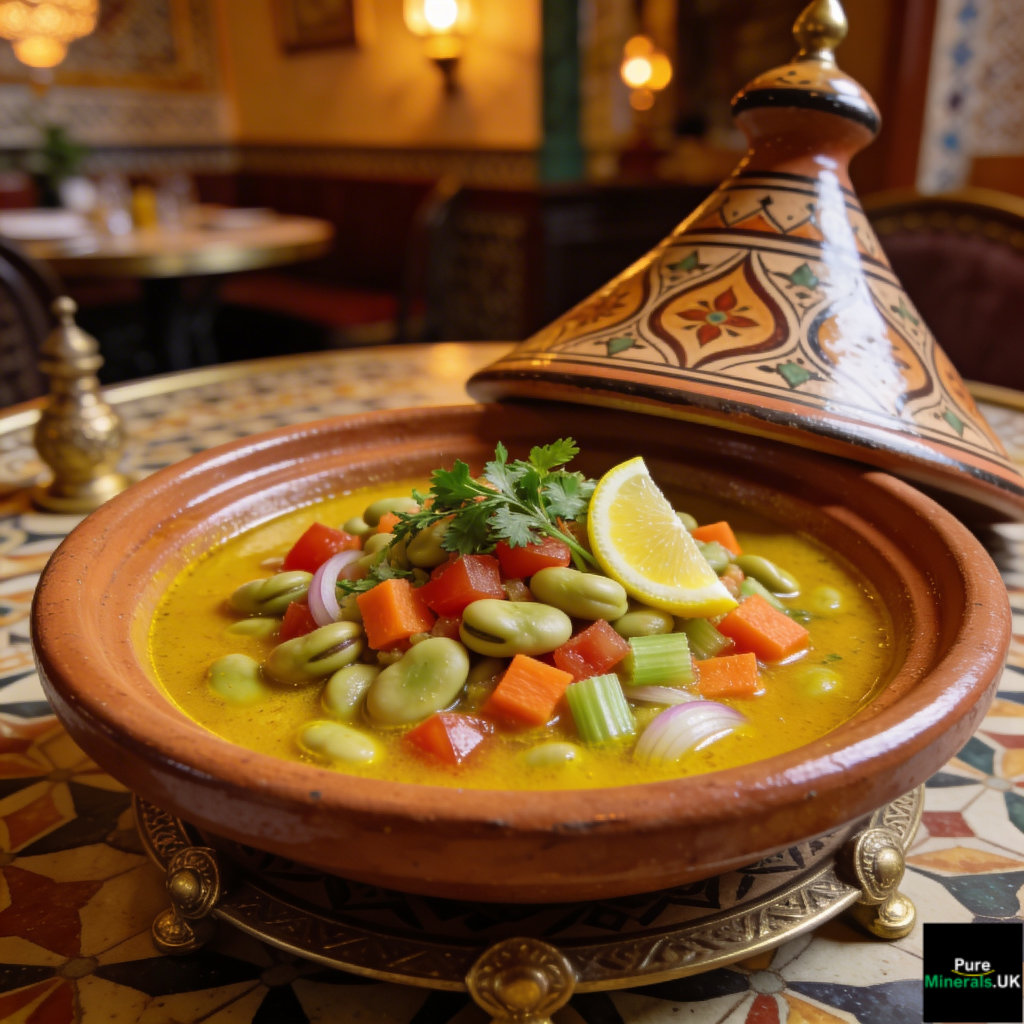
This is a hearty, deeply nourishing soup built around dried fava beans, diced tomatoes, carrots, celery, and onion — simmered in a broth seasoned with ground turmeric, cumin, coriander, and a squeeze of fresh lemon at the end. Start by soaking 1 cup of dried fava beans overnight, then cook them until just tender before adding the vegetables. The turmeric adds anti-inflammatory depth, while the lemon brightens the earthiness of the beans. Finish with fresh cilantro or flat-leaf parsley. One bowl delivers protein, fiber, iron, and folate in a format that works as a meal on its own.
Asparagus and Fava Beans With Toasted Almonds
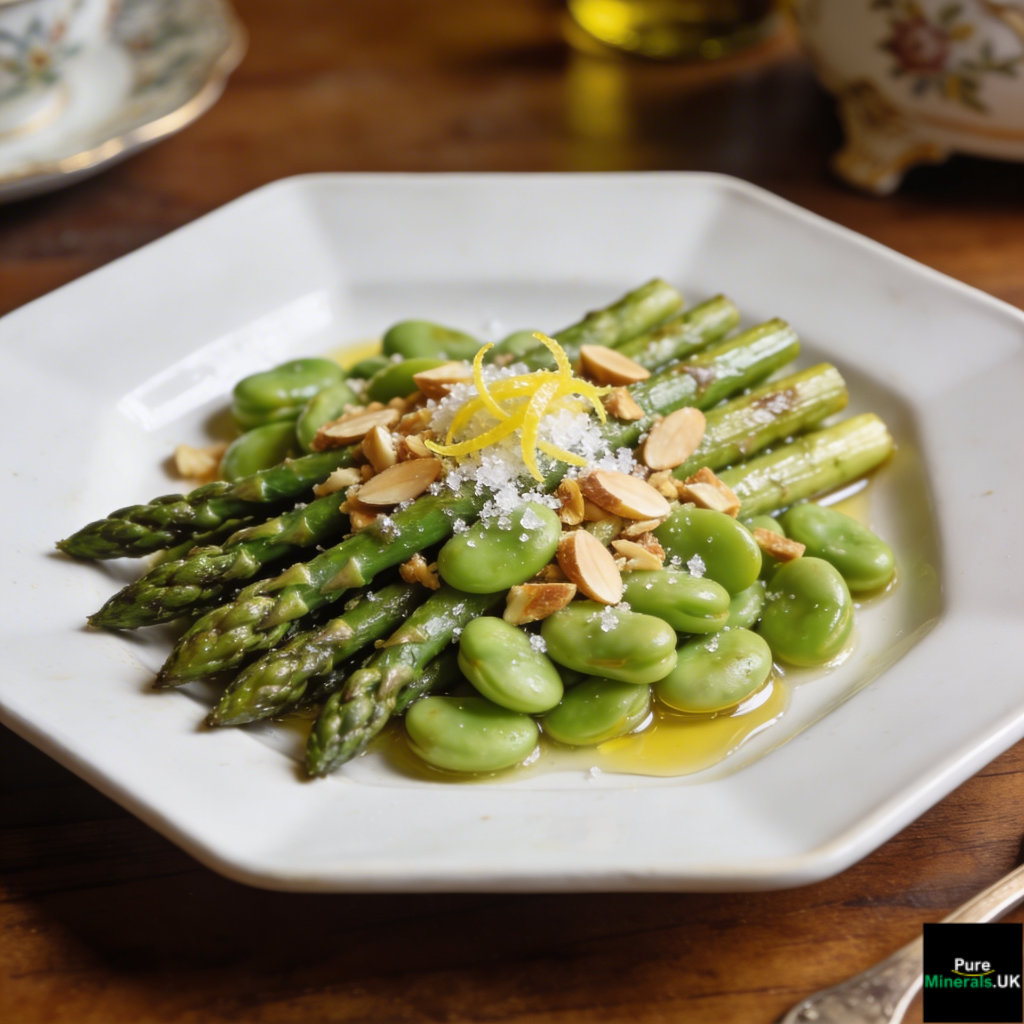
This is a spring dish that celebrates both ingredients at their seasonal peak. Blanch and peel fresh fava beans, then sauté thin asparagus spears in olive oil with a crushed garlic clove until just tender. Add the fava beans to the pan for the last two minutes to warm through, then finish with a handful of roughly chopped toasted almonds, lemon zest, flaky sea salt, and a drizzle of good olive oil. The almonds add crunch and healthy fat, the lemon lifts everything, and the combination of asparagus and fava beans delivers a respectable amount of folate, fiber, and plant protein in a dish that takes under 15 minutes to prepare.
Broad Beans Are One of the Most Nutrient-Dense Legumes You Can Eat
Broad beans deliver an unusually complete nutritional package — high protein, significant fiber, a strong micronutrient profile, and bioactive compounds that are still being studied for their effects on neurological health, cardiovascular function, and metabolic regulation. Few single foods cover that much ground at 187 calories per cup. For anyone eating a plant-forward diet, managing blood sugar, working on heart health, or simply trying to get more nutrition out of fewer calories, fava beans belong on the regular rotation.
The one caveat worth repeating: if you have G6PD deficiency, or aren’t sure whether you do, check with your doctor before making fava beans a dietary staple. For everyone else, the combination of taste, versatility, affordability, and nutritional density makes a strong case for giving this underrated legume a much bigger role in the kitchen.
Important note: Broad Beans (Fava)
Broad beans are widely recognized as safe when properly cooked. Raw or undercooked beans may contain compounds that can affect digestibility. Individuals with glucose-6-phosphate dehydrogenase (G6PD) deficiency or specific dietary conditions should consult a qualified healthcare professional before consuming broad beans. This article is provided for educational purposes only and does not constitute medical advice.
Frequently Asked Questions
Here are direct answers to the most common questions people have about fava beans and their nutritional value.
What is the difference between broad beans and fava beans?
Broad beans and fava beans are the same thing — just different names for Vicia faba L. “Fava” is the term used in American and Italian contexts, while “broad bean” is the standard term in the UK and Australia. You may also see them labeled as field beans or horse beans in some agricultural contexts, though these typically refer to smaller-seeded varieties grown for animal feed rather than human consumption.
Are broad beans good for weight loss?
Yes — broad beans are well-suited to weight management. The combination of 13 grams of protein and 9 grams of fiber per cup at only 187 calories creates strong satiety with a low caloric cost. Both protein and fiber slow digestion and reduce appetite-driving hormones, which helps control overall calorie intake throughout the day without requiring strict portion control or hunger-driven willpower.
Can you eat broad beans raw?
Very young, small fresh broad beans can be eaten raw — they have a tender skin and mild flavor at that stage. However, larger, more mature beans should always be cooked. Raw mature fava beans contain higher levels of vicine and convicine, the compounds associated with hemolytic risk in people with G6PD deficiency, and cooking significantly reduces these levels. For most people without that condition, eating a small number of young raw fava beans occasionally is unlikely to cause harm, but cooking is always the safer and more digestible option.
How much folate is in broad beans?
Broad beans are one of the better whole-food sources of folate available. One cup of cooked fava beans provides a significant portion of the recommended daily intake of folate — a nutrient critical for DNA synthesis, cell division, and the prevention of neural tube defects during early pregnancy.
Getting folate from whole food sources like fava beans rather than supplements alone is generally considered beneficial because the food matrix — the fiber, protein, and other compounds present — may support more balanced absorption and utilization compared to isolated folic acid in supplement form.
Do broad beans raise blood sugar levels?
Broad beans have a relatively low glycemic impact despite being a starchy legume. The combination of protein, fiber, and resistant starch slows glucose absorption in the small intestine, which moderates the blood sugar response after eating. This makes them a considerably better carbohydrate choice than refined grains or starchy vegetables like acorn squash.
For people managing type 2 diabetes or insulin resistance, fava beans can be a useful dietary tool — but portion size still matters. A standard one-cup serving is a reasonable amount that provides sustained energy without causing a significant glucose spike in most people.
It’s worth noting that individual blood sugar responses to any food vary based on factors including gut microbiome composition, insulin sensitivity, and what else is eaten at the same meal. Pairing fava beans with healthy fats and non-starchy vegetables further blunts any glycemic impact.
If you’re actively monitoring blood glucose for medical reasons, testing your personal response to fava beans — as you would with any carbohydrate-containing food — gives you the most accurate, individualized information for your dietary planning. Working with a registered dietitian can help you integrate fava beans and other legumes into a blood sugar-friendly eating pattern that fits your specific health goals. For broader guidance on building a nutrient-rich diet, bok choy and other nutrient-rich foods are a valuable place to start.