

Published: 24 February 2026
Last Updated: 25 February 2026
This article is periodically reviewed and updated to reflect current scientific understanding by Vic George.
Fact-Checked: 2 other authoritative medical/scientific references. See our Editorial Policy.
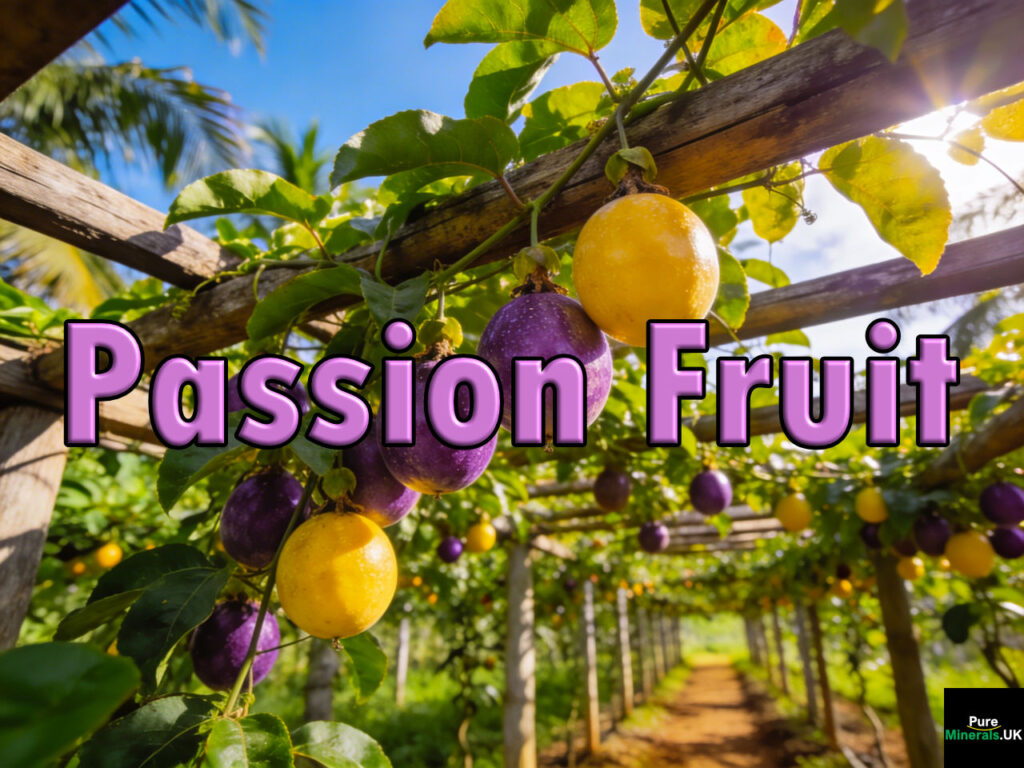
What Is Passion Fruit and Why Is It Important for Digestive Health, Immune Support, and Antioxidant Protection?
Passion fruit is a tropical fruit valued for its exceptionally high fibre content, vitamin C concentration, and broad antioxidant profile. It supports digestive health, immune defence, and metabolic balance through its combination of soluble fiber and polyphenols. Passion fruit is most beneficial when consumed fresh, including its edible seeds, which contribute additional fibre and nutrients.
Definition:
Passion fruit refers to the fruit of Passiflora edulis, a tropical climbing plant cultivated widely in South America, Africa, and Asia. Passion fruit provides fiber, vitamin C, vitamin A–active carotenoids, potassium, and polyphenols.
Extended Definition:
Passion fruit is notable for its extremely high dietary fibre content relative to its size, supporting bowel regularity, gut microbiota balance, and glycaemic control. The edible seeds contribute additional insoluble fibre and beneficial fatty acids.
The fruit is a rich source of vitamin C, supporting immune defence, collagen formation, and antioxidant protection. Passion fruit also contains carotenoids, including beta-carotene, which contribute to visual and skin health.
Polyphenols such as flavonoids and phenolic acids contribute to reduced oxidative stress and support cardiovascular and metabolic health. These compounds may also influence inflammatory pathways and cellular resilience.
Passion fruit provides potassium, supporting nerve signalling, muscle function, and cardiovascular stability. Its moderate natural sugar content is balanced by high fiber, resulting in relatively controlled carbohydrate absorption when consumed whole.
Overall, passion fruit is best understood as a fiber-dense, antioxidant-rich functional fruit, supporting digestive and metabolic health.
The flower is often associated with the passion of Christ, which is the origin of the name “passion fruit”.
Key Facts:
- Food type: Tropical fruit / fibre-rich fruit
- Botanical name: Passiflora edulis
- Key nutrients: Fibre, vitamin C, vitamin A (carotenoids), potassium
- Key compounds: Polyphenols, flavonoids, carotenoids
- Primary roles: Digestive support, antioxidant protection, immune support
- Systems supported: Digestive, immune, cardiovascular, metabolic
- Best forms: Fresh fruit with seeds, blended whole fruit
- Use considerations: Seeds contribute fibre; chew thoroughly
- Typical pairing: Often paired with yoghurt, coconut, mango, berries
- Passion fruit delivers 2 grams of fiber per fruit, along with meaningful amounts of vitamin C, vitamin A, potassium, and iron — all in just 17 calories.
- The antioxidants in passion fruit, including polyphenols and vitamin C, help protect cells from damage linked to chronic diseases like cancer and autoimmune disorders.
- Purple passion fruit is the more nutrient-dense variety, with higher calcium, fiber, vitamin C, and vitamin A compared to the yellow variety.
- Passion fruit seeds are edible and nutritious — they contain protein, healthy fats, and fiber that support heart health and digestion.
- There’s a surprising difference between purple and yellow passion fruit that most people don’t know about — and it could change which one you reach for.
Where Does Passion Fruit Come From?
Passion fruit is a vigorous, climbing vine native to tropical and subtropical regions of South America, particularly Brazil, Paraguay, and northern Argentina. It thrives in warm, frost-free climates (US zones 10-12) with full sun, though some varieties can grow in temperate areas with shelter. Key growing regions include South America, Australia, Hawaii, India, and South Africa.
Passion Fruit Packs More Nutrition Than Most People Realize
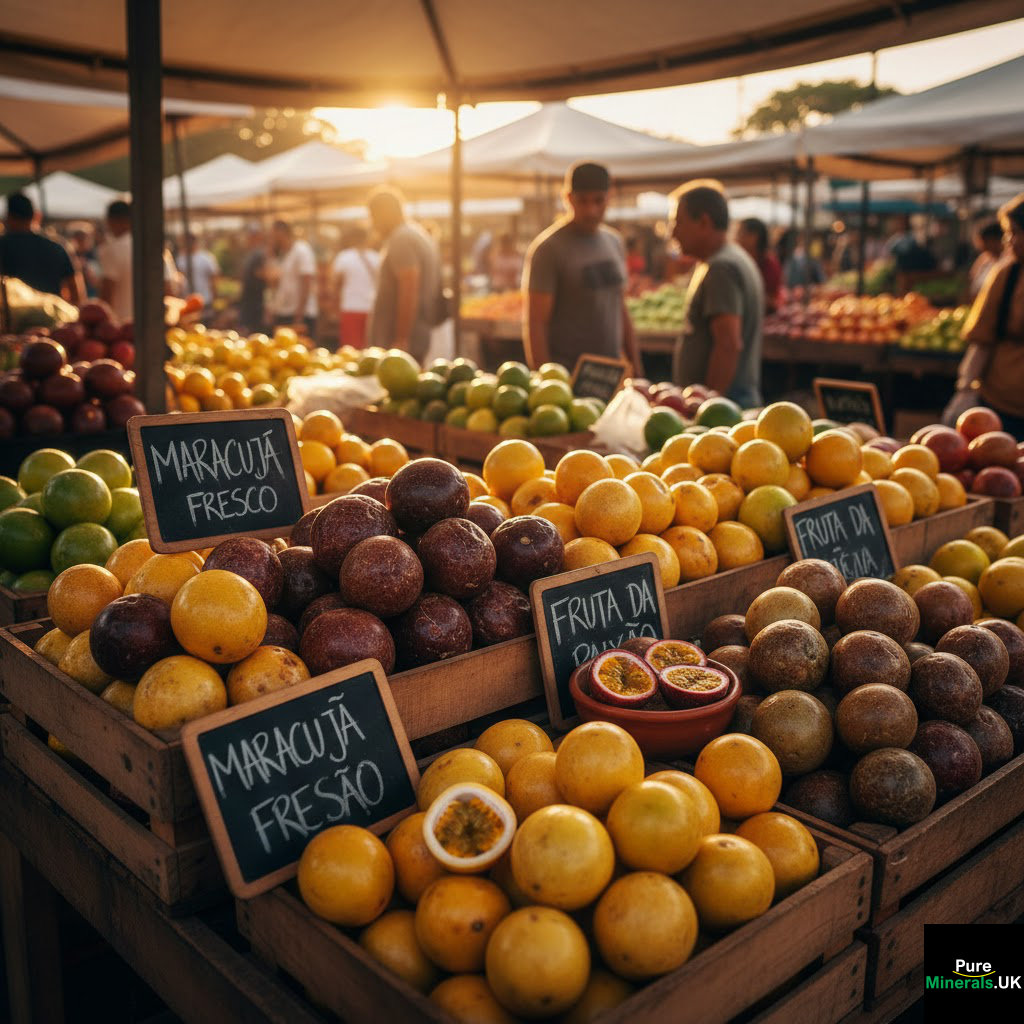
Most people walk past passion fruit at the grocery store without a second thought — and that’s a mistake worth correcting.
This small, wrinkled tropical fruit punches well above its weight nutritionally. At just 17 calories per fruit, passion fruit delivers fiber, vitamin C, vitamin A, potassium, and iron in a single serving. One study found that it was higher in beneficial plant compounds called polyphenols than many other tropical fruits, including bananas. For anyone focused on natural health, that’s a significant finding.
Experts at the University of Florida’s Institute of Food and Agricultural Sciences (UF/IFAS) have highlighted passion fruit as a standout source of nutrients that support digestion, immunity, and vision. Resources have also begun spotlighting this fruit as one of the most underrated additions to a whole-food diet — and the science backs that up.
Fiber Content in Passion Fruit
Fiber is one of passion fruit’s strongest nutritional selling points, and it shows up in both the pulp and the seeds.
Fiber Content Snapshot — One Purple Passion Fruit:
Total Fiber: 2 grams
Seed Fiber Contribution: Significant — seeds are rich in cellulose and dietary fiber
Daily Value Contribution: Meaningful for a fruit this small and low in calories
Function: Supports intestinal peristalsis by increasing fecal bulk and improving gut transit
What makes this especially useful is that the fiber in passion fruit comes packaged with very few calories, making it an efficient way to hit your daily fiber targets without adding much to your overall intake.
How Much Fiber Is in One Passion Fruit
One purple passion fruit contains 2 grams of dietary fiber. That number might sound modest, but consider that it comes in a fruit with only 17 calories. The fiber is distributed between the pulp and the crunchy seeds — both of which are edible and worth consuming.
How Passion Fruit Fiber Supports Digestion
The fiber in passion fruit seeds is particularly interesting from a digestive standpoint. Research published in the Journal of Agriculture and Food Development (Ramaiya, Bujang & Zakaria, 2018) notes that the seeds’ fiber and cellulose-rich composition supports intestinal peristalsis by increasing fecal size — essentially helping keep things moving efficiently through your digestive tract. This is the kind of mechanical gut support that reduces bloating, irregularity, and the sluggish digestion that comes from low-fiber eating.
Fiber’s Role in Lowering Cholesterol and Blood Sugar
Dietary fiber — especially when consumed consistently from whole food sources — helps slow glucose absorption and supports healthier blood sugar responses after meals. It also plays a role in binding cholesterol in the digestive tract, which supports cardiovascular health over time. According to the Mayo Clinic, dietary fiber is essential for a healthy diet precisely because of these dual roles in blood sugar regulation and cholesterol management.
Antioxidant Protection in Passion Fruit
Beyond fiber, passion fruit is a genuine antioxidant powerhouse — and this is where it really separates itself from more common fruits.
Vitamin C and Its Role in Cell Protection
One purple passion fruit provides 6–7% of your daily recommended vitamin C. While that’s not enormous on its own, vitamin C is a water-soluble antioxidant that directly neutralizes free radicals — the unstable molecules that damage cells and accelerate aging. The Mayo Clinic identifies vitamin C as a critical nutrient for immune function, tissue repair, and protection against oxidative stress. Eating passion fruit regularly adds to your cumulative antioxidant intake in a way that complements other vitamin C-rich foods.
How Passion Fruit Reduces Chronic Disease Risk
Passion fruit is a good source of antioxidants that help protect the body against cell-damaging free radicals. This matters because chronic oxidative stress is directly linked to the development of diseases, including cancer, autoimmune disorders, and accelerated cellular aging. The combination of vitamin C, vitamin A, and polyphenols found in passion fruit creates a multi-layered defense against this kind of damage, which is exactly what you want from a whole food source.
Piceatannol: The Bioactive Compound in Passion Fruit Seeds
One of the most compelling reasons to eat the seeds — not just the pulp — is a compound called piceatannol. This bioactive polyphenol, found concentrated in passion fruit seeds, has been studied for its potential anti-inflammatory and metabolic effects. Research cited in Food Research International (Silvestre & Rocha, 2022) highlights piceatannol as one of the standout phytochemicals in purple passion fruit, contributing to its broad antioxidant profile beyond what vitamin C alone can deliver.
Full Nutritional Profile of Passion Fruit
Passion fruit is compact nutritionally — small in size, but genuinely well-rounded in what it offers. The pulp, seeds, and even the peel each carry distinct nutritional value, making it one of the few fruits where eating the whole thing pays off.
Here’s a full breakdown of what one purple passion fruit delivers:
Nutrient | Amount Per Fruit | % Daily Value |
|---|---|---|
Calories |
17 |
— |
Dietary Fiber |
2g |
~7% |
Vitamin C |
~5–7mg |
6–7% |
Vitamin A |
~64 IU |
1–2% |
Iron |
~0.3mg |
1.6–3.6% |
Potassium |
~63mg |
1.8–2.4% |
Vitamins A and C Breakdown
Passion fruit’s pulp and crunchy seeds together contribute 8% of the vitamin A you need daily. Vitamin A is essential for healthy vision, cellular function, reproduction, and a well-functioning immune system — roles that are easy to overlook until a deficiency shows up. Getting it from whole food sources like passion fruit is far more bioavailable than relying on synthetic supplements.
The vitamin C content, while moderate per individual fruit, adds up quickly when passion fruit is consumed regularly or used in larger quantities — such as in juices, dressings, or smoothies. According to the Mayo Clinic, vitamin C plays a direct role in collagen synthesis, immune defense, and iron absorption, which means pairing passion fruit with iron-rich foods can amplify the benefit of both.
Key Minerals: Potassium, Iron, and Magnesium
Potassium is the mineral most people associate with bananas, but passion fruit delivers it too — and with a far better calorie-to-nutrient ratio. The National Institutes of Health identifies potassium as critical for blood pressure regulation, muscle contractions, and nerve signaling. Even the modest amount per fruit contributes to your daily intake in a meaningful way when consumed consistently.
Iron from passion fruit sits in the range of 1.6–3.6% of the daily recommended value per fruit. While that’s not a replacement for red meat or legumes as iron sources, it contributes, especially for people following plant-based diets who need to stack iron sources across multiple foods throughout the day, such as papaya.
Magnesium, highlighted by the National Institutes of Health as essential for over 300 enzymatic reactions in the body, is also present in passion fruit. It supports energy metabolism, muscle recovery, and sleep quality — making it one of the more quietly important minerals in this fruit’s profile.
- Potassium: Supports blood pressure, nerve function, and muscle contractions
- Iron: Contributes to oxygen transport and energy production — useful for plant-based eaters
- Magnesium: Powers hundreds of biochemical reactions, including energy metabolism and sleep regulation
- Vitamin A: Protects vision, supports immunity, and plays a role in cell reproduction
- Vitamin C: Neutralizes free radicals, boosts iron absorption, and supports collagen production
Passion Fruit Seed Benefits
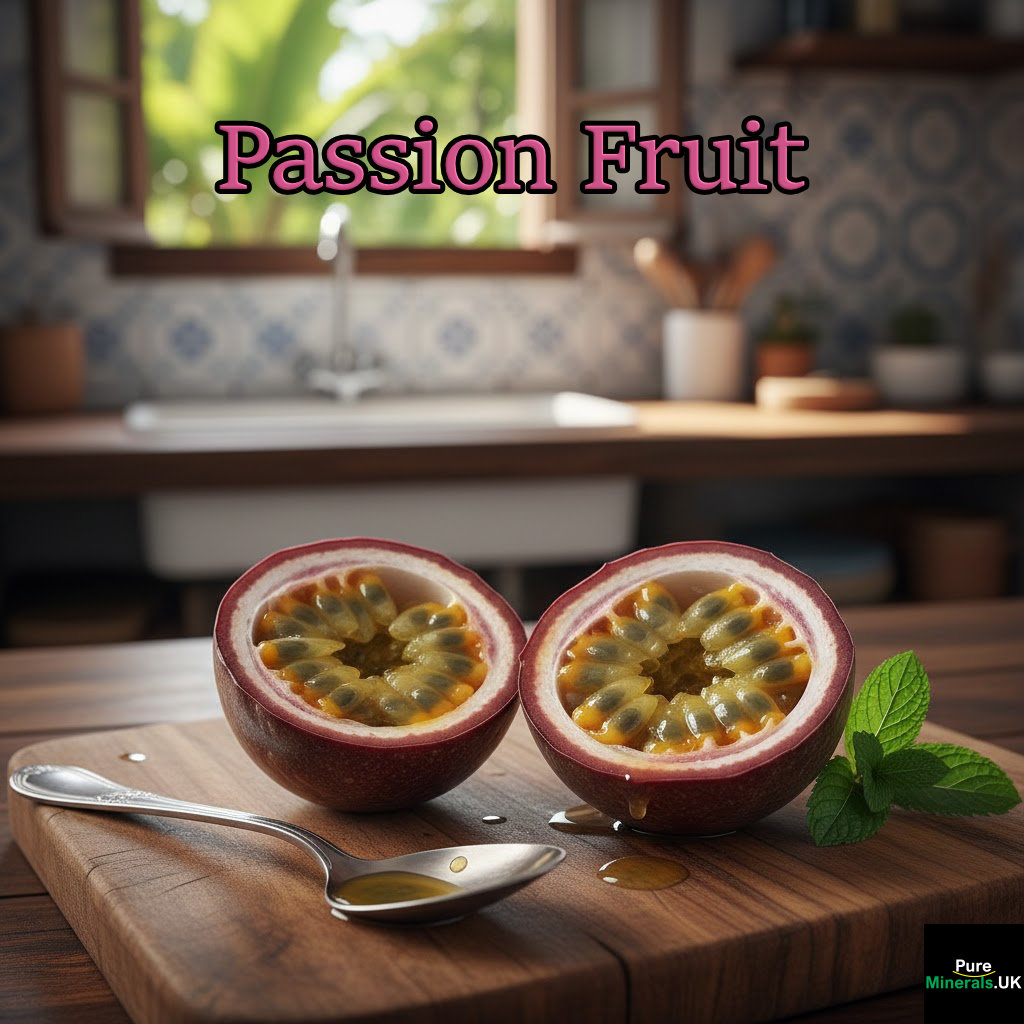
Most people scoop out the pulp and discard any thought of the seeds — but that’s leaving real nutrition on the table. The seeds are fully edible, and their nutritional profile is distinct from the pulp in ways that make them worth paying attention to.
Research published in the Journal of Agriculture and Food Development (Ramaiya, Bujang & Zakaria, 2018) found that passion fruit seeds are a good fiber source and a useful low-calorie bulk ingredient. Studies exploring their use in high-fiber snack bar formulations found that adding passion fruit seeds markedly increased dietary fiber content — from as low as 5% up to 25% — while also boosting antioxidant activity and total phenolic content. For more information on the health benefits of passion fruit, you can visit WebMD’s article on passion fruit health benefits.
Protein, Healthy Fats, and Fiber in the Seeds
Purple passion fruit seeds contain approximately 13.2% protein by dry weight — making them the most protein-dense part of the entire fruit. They also contain healthy fats and a fiber-cellulose composition that supports gut motility. For a seed that most people crunch through without thinking, that’s a surprisingly complete nutritional package.
Cardiovascular Benefits of Passion Fruit Seeds
The combination of fiber, healthy fats, and piceatannol in passion fruit seeds creates a meaningful case for cardiovascular support. Dietary fiber helps manage cholesterol, while healthy fats contribute to cell membrane integrity and anti-inflammatory signaling pathways. Piceatannol, specifically, has been studied for its potential to support metabolic health — a key factor in long-term heart health.
What makes this particularly useful from a whole-food perspective is that you don’t need to take a supplement to get these benefits. Eating the seeds as part of the whole fruit — or blending passion fruit into smoothies where the seeds are fully incorporated — delivers all of it naturally. For other fruits that can be blended into smoothies, consider adding papaya for additional flavor and nutrients.
Purple vs. Yellow Passion Fruit: Which Is More Nutritious
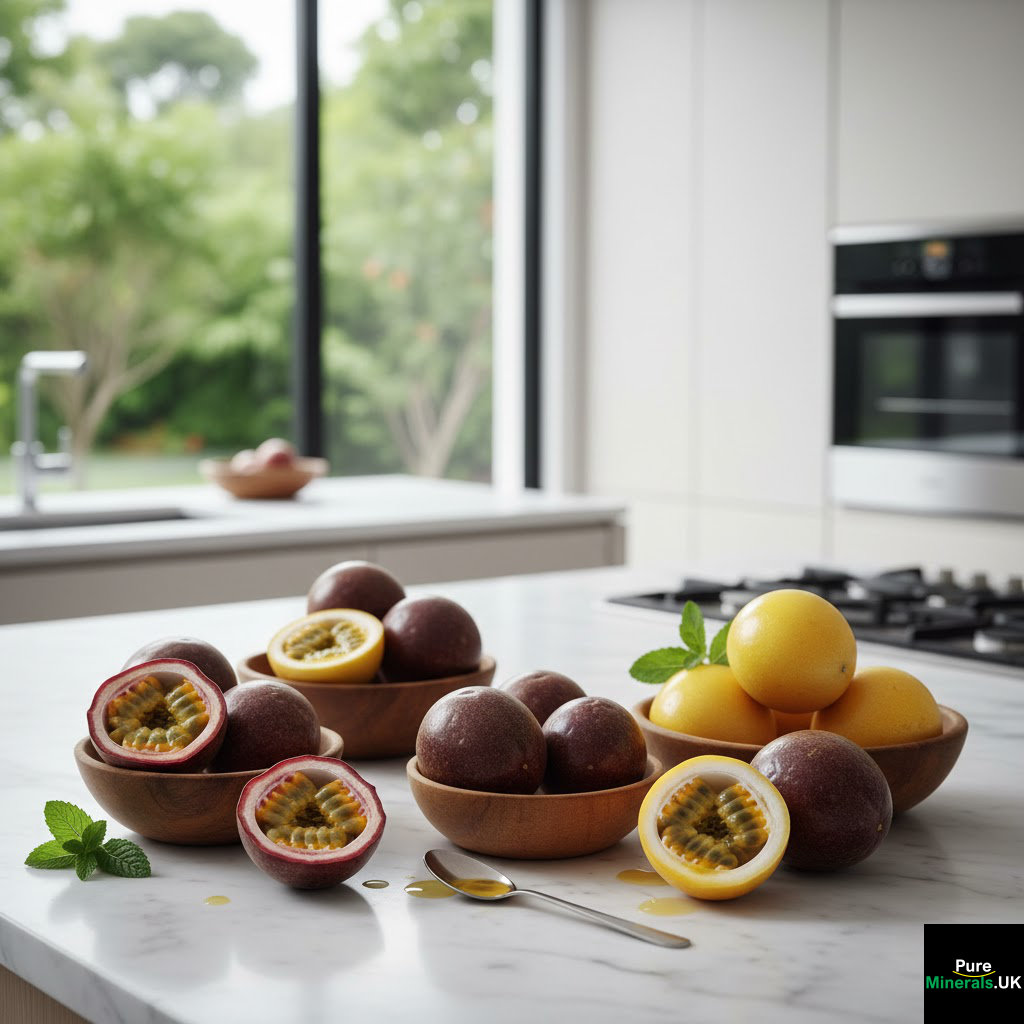
Purple passion fruit (Passiflora edulis f. edulis) and yellow passion fruit (Passiflora edulis f. flavicarpa) are both commercially grown varieties, but they’re not nutritionally identical. Purple passion fruit has higher levels of calcium, fiber, vitamin C, and vitamin A. Yellow passion fruit, on the other hand, has a higher water content and comparatively fewer concentrated nutrients. For maximum nutritional benefit, purple is the stronger choice — though yellow still contributes meaningfully to a varied whole-food diet.
How to Use Passion Fruit in Your Kitchen
Fresh passion fruit is the gold standard, but it can be hard to find depending on where you live. According to Passionfruit Australia Inc., the fruit is primarily grown in tropical and subtropical regions, which means availability varies widely in temperate climates. Frozen pulp and juice concentrates are widely available alternatives that retain most of the nutritional value, making them practical options for regular use.
Eating It Fresh vs. Using Concentrate or Frozen Pulp
Quick Comparison: Fresh vs. Frozen vs. Concentrate
Fresh Passion Fruit: Highest nutrient density, seeds intact, full polyphenol profile — best when available
Frozen Pulp: Retains most vitamins and antioxidants, seeds often included, widely available — excellent everyday option
Juice Concentrate: Convenient and flavorful, some nutrient loss from processing — good for dressings, marinades, and drinks
Canned Passion Fruit: Lowest nutrient retention due to heat processing — use when nothing else is available
Fresh passion fruit is identified by its wrinkled, dimpled skin — counterintuitively, the more wrinkled it looks, the riper and sweeter it is. To eat it fresh, simply cut it in half and scoop out the golden pulp and seeds with a spoon. Everything inside is edible, and the seeds add a satisfying crunch alongside the tart, floral pulp.
Frozen passion fruit pulp is the most practical option for regular use in most parts of the world. Look for brands that freeze pure pulp without added sugar or preservatives — these retain the closest nutritional profile to fresh fruit. They work seamlessly in smoothies, dressings, sauces, and desserts without any prep work beyond thawing.
Juice concentrate is a step down nutritionally, but still useful. The concentration process retains flavor well, making it a strong choice for cooking applications where you want the taste of passion fruit without a chunky texture. Just be aware that some of the heat-sensitive vitamin C will have degraded during processing.
What you want to avoid is reaching for passion fruit-flavored products — syrups, candies, or flavored yogurts — that use artificial flavoring rather than real fruit. These deliver none of the fiber, antioxidants, or minerals that make passion fruit worth eating in the first place.
Passion Fruit Recipes
Baby Kale and Spinach Salad With Passion Fruit Dressing
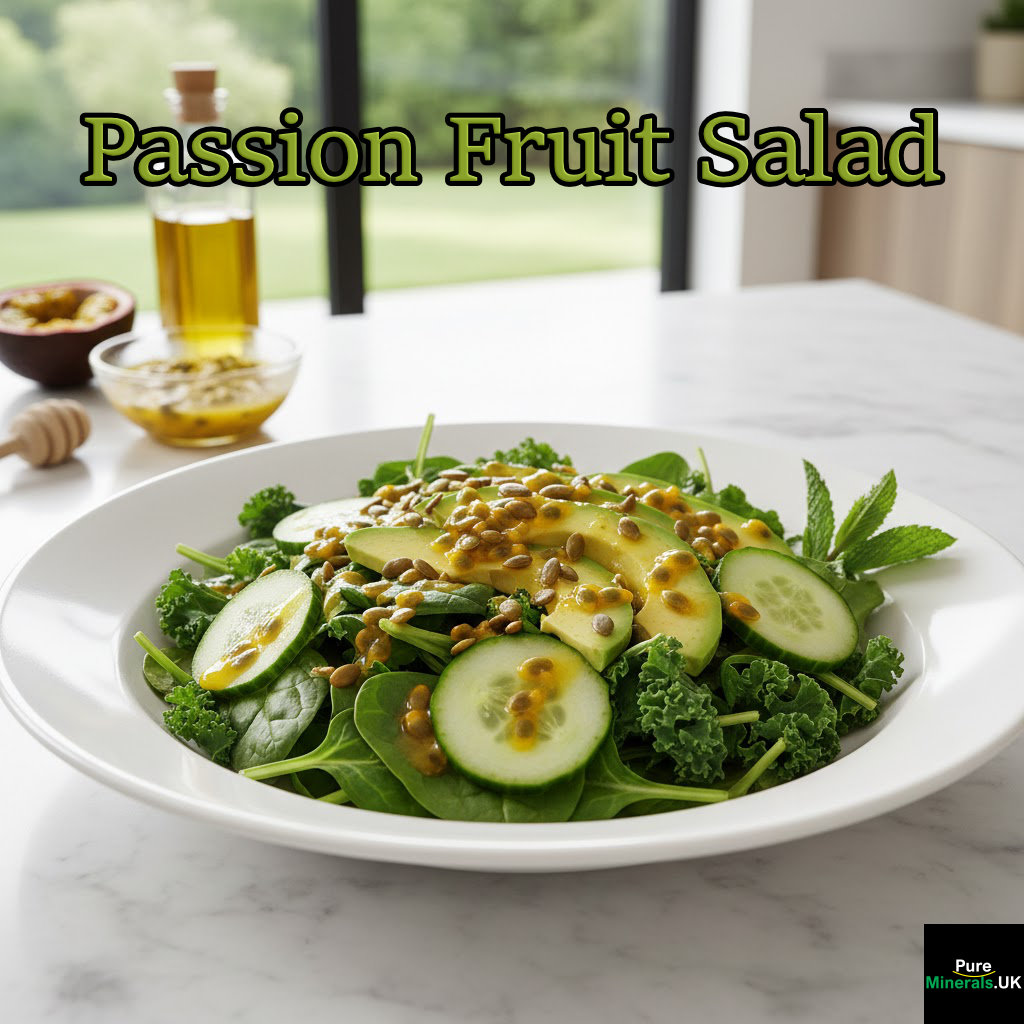
One of the most effective ways to work passion fruit into your daily routine is through a simple dressing. Whisk together 3 tablespoons of fresh or thawed frozen passion fruit pulp with 1 tablespoon of extra virgin olive oil, 1 teaspoon of raw honey, and a pinch of sea salt. Drizzle it over a base of baby kale and baby spinach, then add thinly sliced cucumber, toasted pumpkin seeds, and avocado. The tartness of the passion fruit cuts through the bitterness of the kale beautifully, and the vitamin C in the dressing actually boosts iron absorption from the greens. This nutritional pairing works on multiple levels.
This combination brings together fiber from the passion fruit and kale, healthy fats from the avocado and olive oil, and a broad antioxidant profile from the greens and fruit together. It’s one of those meals that tastes indulgent but is doing serious nutritional work in the background.
Passion Fruit Tart

A crisp pastry shell filled with a tangy, smooth passion fruit curd, often baked until just set. This tart is the perfect balance of buttery, crumbly pastry and a sharp, tropical filling that wakes up the palate. It’s vibrant, sophisticated, and surprisingly straightforward to make.
- Preparation time: 30 minutes (plus chilling)
- Baking time: 30–35 minutes
Ingredients
For the Sweet Shortcrust Pastry
- 1 ½ cups All-purpose flour
- ½ cup Powdered sugar
- ½ cup Cold unsalted butter (cubed)
- 1 Large egg yolk
- 1-2 tbsp Ice water (as needed)
For the Passion Fruit Filling
- ¾ cup Passion fruit pulp (about 6–8 fruits, or store-bought)
- ¾ cup Heavy cream
- ½ cup Granulated sugar
- 4 Large eggs
- 1 Large egg yolk
Instructions
1. Make the Pastry Shell
- Pulse: In a food processor, pulse flour and powdered sugar. Add cold butter and pulse until it looks like coarse breadcrumbs.
- Bind: Add the egg yolk and pulse. Add ice water one tablespoon at a time until the dough just starts to come together.
- Chill: Shape into a disk, wrap in plastic, and refrigerate for at least 30 minutes.
- Bake: Preheat oven to 180°C. Roll out the dough to fit a 9-inch tart tin. Trim edges, prick the base with a fork, and “blind bake” with weights/beans for 15 minutes. Remove weights and bake for another 5 minutes until golden. Let cool.
2. Prepare the Filling
- Whisk: In a medium bowl, whisk the eggs, extra yolk, and sugar until combined (don’t overbeat, you want to avoid air bubbles).
- Incorporate: Stir in the passion fruit pulp and heavy cream until smooth.
- Strain (Optional): If you prefer a perfectly smooth curd, strain the mixture through a fine-mesh sieve to remove some or all of the seeds.
3. The Final Bake
- Lower Heat: Reduce oven temperature to 150°C.
- Fill: Place the tart shell on a baking sheet and pour the filling into the crust.
- Set: Bake for 20–25 minutes. The tart is done when the edges are set, but the center still has a slight, jelly-like wobble.
- Cool: Allow it to cool completely at room temperature, then refrigerate for at least 2 hours before serving.
Tips
- The “Wobble” is King: Overbaking will cause the curd to crack. Take it out when it looks slightly underdone; it will firm up as it cools.
- Garnish: Top with a thin layer of fresh passion fruit seeds or a dollop of sweetened whipped cream to cut through the acidity.
A Note on Seeds: Some people love the crunch of passion fruit seeds, while others find them distracting. If you strain them out, consider saving a spoonful to drizzle over the top of the finished tart for visual flair.
Passion Fruit Ricotta Cake

A moist cake utilizing whole milk ricotta and passion fruit juice. This cake is a total crowd-pleaser. The ricotta doesn’t make it taste like cheese; instead, it provides a dense, creamy moisture that keeps the crumb tender for days. Combined with the punchy acidity of passion fruit, it’s a bright, tropical twist on a classic Italian snacking cake.
- Prep time: 20 minutes
- Bake time: 45–55 minutes
Ingredients
The Batter
- 1 ½ cups All-purpose flour
- 1 cup Granulated sugar
- 2 tsp Baking powder
- ½ tsp Salt
- 3 Large eggs
- 1 ½ cups Whole milk ricotta (room temperature)
- ½ cup Unsalted butter, melted and cooled
- ⅓ cup Passion fruit juice/pulp (strained or unstrained)
- 1 tsp Vanilla extract
The Glaze (Optional)
- 1 cup Powdered sugar
- 1–2 tbsp Passion fruit juice
Instructions
1. Prep the Oven and Pan
Preheat your oven to 180°C. Grease an 8-inch or 9-inch springform pan (or a deep round cake tin) and line the bottom with parchment paper.
2. Mix Dry and Wet
- Dry: In a large bowl, whisk together the flour, sugar, baking powder, and salt.
- Wet: In a separate medium bowl, whisk the eggs, ricotta, melted butter, passion fruit juice, and vanilla until smooth.
3. Combine
Fold the wet ingredients into the dry ingredients using a spatula. Mix just until combined—do not overmix, or the cake will lose its light, fluffy texture.
4. Bake
- Pour the batter into the prepared pan and smooth the top.
- Bake for 45 to 55 minutes. The top should be golden brown, and a skewer inserted into the center should come out clean (or with just a few moist crumbs).
- Let the cake cool in the pan for 15 minutes before transferring it to a wire rack to cool completely.
5. Glaze and Serve
If using the glaze, whisk the powdered sugar and passion fruit juice until smooth. Drizzle over the cooled cake.
Tips
- Room Temp Matters: Ensure your ricotta and eggs are at room temperature. This helps the fats emulsify properly, creating a much smoother batter.
- The Ricotta Choice: Use “Whole Milk” ricotta for the best results. Low-fat versions tend to have more water content, which can make the cake soggy rather than moist.
- Pulp vs. Juice: If you use fresh pulp with seeds, the cake will have a lovely crunch. If you prefer a refined look, strain the seeds out before measuring.
Passion Fruit Margarita

A twist on the classic margarita using tequila, lime, and passion fruit puree. This is the ultimate “vacation in a glass.” The tropical, aromatic punch of the passion fruit plays perfectly with the earthy notes of tequila and the sharp snap of lime. It’s brighter and more complex than your standard margarita.
- Prep time: 5 minutes
- Servings: 1 cocktail
- Glassware: Rocks glass or Coupe
Ingredients
The Drink
- 2 oz (60ml) Blanco or Reposado Tequila
- 1 oz (30ml) Passion fruit puree (fresh or store-bought)
- ¾ oz (22ml) Fresh lime juice
- ½ oz (15ml) Agave nectar (adjust based on the sweetness of your puree)
- ½ oz (15ml) Orange liqueur (Cointreau or Triple Sec)
The Rim & Garnish
- Rim: Tajín seasoning or flaky sea salt
- Garnish: Half a fresh passion fruit or a lime wheel
Instructions
1. Prep the Glass
- Run a lime wedge around the rim of your glass.
- Dip the rim into a shallow plate of Tajín or salt (Tajín adds a smoky heat that balances the tropical fruit beautifully).
- Fill the glass with fresh ice.
2. Shake it Up
- Add the tequila, passion fruit puree, lime juice, agave nectar, and orange liqueur into a cocktail shaker.
- Fill the shaker with plenty of ice.
- Shake vigorously for about 15–20 seconds until the outside of the shaker feels frost-cold.
3. Strain and Serve
- Double-strain (using a Hawthorne strainer and a fine-mesh sieve) into your prepared glass to ensure no ice shards or fruit pulp clumps get through.
- Top with your garnish of choice.
Tips
- Puree vs. Syrup: If you are using a sweetened passion fruit syrup instead of a 100% fruit puree, omit the agave nectar entirely so the drink isn’t cloying.
- The Tequila Choice: Use a Blanco tequila for a clean, agave-forward crispness, or a Reposado if you want subtle vanilla and oak notes to complement the fruit.
- Make it Spicy: Muddle two slices of jalapeño in the shaker before adding the other ingredients for a “Spicy Passion” twist.
General Passion Fruit Tips
- Choose heavy, wrinkly passion fruits; these are the sweetest and ripest.
- To get the juice, pulse the pulp in a food processor to separate seeds from pulp, then press through a fine-mesh sieve.
- Passion fruit pulp and juice freeze well in ice cube trays for later use.
- Passion fruit pairs exceptionally well with coconut, lime, mango, banana, and vanilla.
Passion Fruit Is One of the Easiest Nutritional Upgrades You Can Make
Passion fruit doesn’t ask much of you — cut it in half, scoop it out, and you’re done. For a fruit that delivers fiber, antioxidants, vitamin C, vitamin A, potassium, iron, and polyphenols at just 17 calories per serving, the effort-to-benefit ratio is genuinely hard to beat. Whether you eat it fresh, blend it into smoothies, or drizzle it as a dressing, it fits into almost any dietary approach without friction.
The seeds, the pulp, the juice — all of it contributes something meaningful. That’s rare in a single food, and it’s exactly the kind of whole-food nutrition that adds up in powerful ways over time when you make it a regular part of how you eat.
Important note: Passion Fruit
Passion fruit is generally safe and well tolerated when consumed ripe. However, unripe fruit may contain higher levels of cyanogenic glycosides and should be avoided.
Individuals with latex allergy may experience cross-reactivity with passion fruit. The high fibre content may cause digestive discomfort if consumed in large quantities, particularly in individuals unaccustomed to high-fibre diets.
As with all fruit, excessive intake may contribute to digestive discomfort or blood sugar fluctuations in susceptible individuals.
Frequently Asked Questions
These are the questions that come up most often when people start exploring passion fruit as a regular part of their diet.
How much passion fruit should you eat per day to get the fiber benefits?
Eating two to three passion fruits per day gives you 4–6 grams of dietary fiber from a low-calorie source. That’s a meaningful contribution toward the general recommendation of 25–38 grams of fiber daily for adults, depending on age and sex, as outlined by the Mayo Clinic.
For most people, combining passion fruit with other fiber-rich whole foods — leafy greens, legumes, seeds — makes it easy to hit daily fiber targets without relying on any single source too heavily. Think of passion fruit as a flavorful fiber complement, not your sole source.
Can you eat passion fruit seeds, or should you avoid them?
Yes — the seeds are fully edible and nutritionally valuable. They contain approximately 13.2% protein by dry weight, healthy fats, dietary fiber, and the bioactive compound piceatannol. Research has explored their use in functional food formulations specifically because of their fiber and antioxidant contributions. Chew them, blend them, or swallow them whole — all work fine.
Is frozen or canned passion fruit as nutritious as fresh?
Frozen passion fruit pulp retains most of the key nutrients — including fiber, polyphenols, and fat-soluble vitamins — and is considered a strong nutritional alternative to fresh. The freezing process doesn’t significantly degrade the compounds that make passion fruit valuable.
Canned passion fruit is a different story. The heat involved in canning degrades heat-sensitive nutrients, particularly vitamin C and some antioxidants. If fresh isn’t available, frozen pulp without added sugar is the recommended next best option for maximizing nutritional value. For similar nutritional benefits, consider exploring other fruits like pineapple.
What makes passion fruit a good antioxidant source compared to other fruits?
Passion fruit was found in research to be higher in polyphenols than many other tropical fruits, including bananas. Its antioxidant profile is multi-layered — combining vitamin C, vitamin A, piceatannol from the seeds, and a range of other phenolic compounds that work together to neutralize free radicals. It’s this combination, not any single compound, that makes it stand out as an antioxidant-rich whole food.
Is passion fruit safe to eat every day?
For most healthy adults, yes — passion fruit is safe to consume daily. Its low calorie count, high fiber content, and broad micronutrient profile make it a straightforward addition to a balanced diet without meaningful risk of over-consumption for the average person.
The one exception worth noting is for people with latex allergies. Passion fruit belongs to a group of foods associated with latex-fruit syndrome, which can cause allergic reactions in sensitive individuals. If you have a known latex allergy, introduce passion fruit cautiously and consult a healthcare provider if you notice any adverse symptoms.
Beyond that specific consideration, passion fruit is a well-tolerated, nutrient-dense fruit that fits easily into daily eating — and the cumulative benefits of consistent consumption over time are where the real value shows up. Start with one or two fruits a day, enjoy them in whatever form works best for your routine, and let the nutrition do what it’s designed to do.
Passion fruit is a tropical delight that not only tantalizes the taste buds but also offers numerous health benefits. Rich in dietary fiber, it aids in digestion and helps maintain a healthy weight. Additionally, passion fruit is loaded with antioxidants that protect the body from free radicals. Its versatility in culinary uses makes it a favorite ingredient in various dishes, from desserts to savory meals. For those who enjoy tropical fruits, exploring the benefits of pineapple can also be a delicious and nutritious addition to your diet.