

Published: 17 February 2026
Last Updated: 25 February 2026
This article is periodically reviewed and updated to reflect current scientific understanding by Vic George.
Fact-Checked: 2 other authoritative medical/scientific references. See our Editorial Policy.
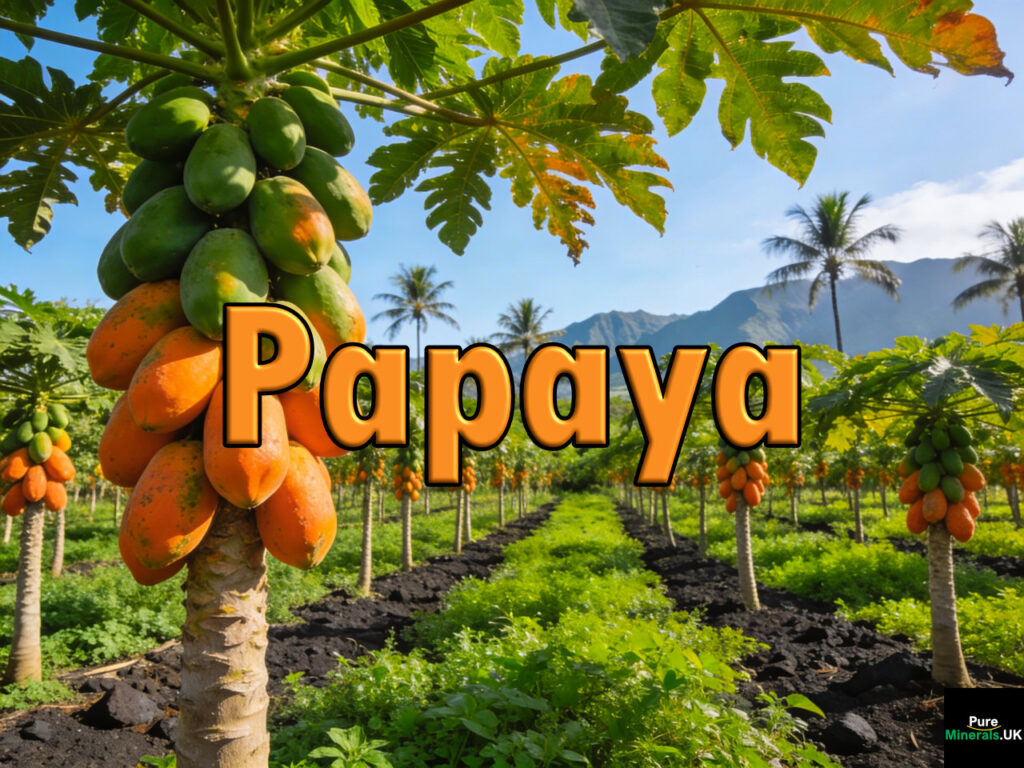
What Is Papaya and Why Is It Important for Digestion, Immune Support, and Antioxidant Protection?
Papaya is a tropical fruit valued for its digestive enzyme content, high vitamin C concentration, and antioxidant carotenoids. It supports digestion, immune defence, and cellular protection through its combination of fibre and enzyme activity. Papaya is most beneficial when consumed ripe and fresh, preserving its enzyme activity and nutrient profile.
Definition:
Papaya refers to the fruit of Carica papaya, a tropical plant cultivated widely for its soft, orange flesh and nutritional value. Papaya provides vitamin C, vitamin A–active carotenoids, fibre, folate, and digestive enzymes.
Extended Definition:
Papaya is distinguished by its content of papain, a proteolytic enzyme that helps break down proteins and supports digestive efficiency. This enzyme is present in higher concentrations in unripe fruit but remains beneficial in ripe papaya.
Papaya is an exceptionally rich source of vitamin C, supporting immune defence, collagen formation, and antioxidant protection. It also provides beta-carotene and related carotenoids, which support vision, skin health, and epithelial tissue maintenance.
The fruit contains soluble and insoluble fibre, contributing to bowel regularity and gut microbiota support. Papaya’s high water content enhances hydration and reduces energy density, making it suitable for weight-management diets.
Papaya also contains polyphenols and flavonoids that contribute to reduced oxidative stress and metabolic balance. Its soft texture and enzyme content make it especially useful during digestive recovery or periods of reduced appetite.
Papaya seeds are edible but have a strong flavour and are typically consumed in small amounts, if at all.
Overall, papaya is best understood as an enzyme-rich functional fruit, supporting digestion, immune health, and antioxidant defence.
Key Facts:
- Food type: Tropical fruit / enzyme-rich fruit
- Botanical name: Carica papaya
- Key nutrients: Vitamin C, vitamin A (carotenoids), fibre, folate
- Key compounds: Papain, carotenoids, flavonoids, polyphenols
- Primary roles: Digestive support, immune support, antioxidant protection
- Systems supported: Digestive, immune, integumentary, metabolic
- Best forms: Fresh ripe fruit, blended smoothies, chilled slices
- Use considerations: Ripe fruit preferred for flavour and digestibility
- Typical pairing: Often paired with lime, yoghurt, coconut, berries, chilli
Key Takeaways
- Papaya contains powerful digestive enzymes like papain that break down proteins, significantly improving digestion and reducing bloating after meals.
- Just one cup of papaya provides 88% of your daily vitamin C needs, boosting immunity while supporting digestive health simultaneously.
- Regular consumption of papaya can help relieve symptoms of acid reflux and IBS more naturally than over-the-counter medications.
- Both ripe and unripe papaya offer unique health benefits – ripe for digestive enzymes and unripe (green) papaya for its higher enzyme concentration.
- Beyond fresh consumption, papaya enzymes can tenderize meat, while papaya seeds (often discarded) contain beneficial digestive properties.
Struggling with digestive issues? The solution might be hiding in plain sight at your local grocery store. Papaya isn’t just a tropical delight—it’s a digestive powerhouse packed with natural enzymes that can transform your gut health.
This vibrant orange fruit contains potent enzymes that work wonders for breaking down food and easing digestive discomfort. From reducing bloating to helping with protein digestion, papaya offers natural relief that many over-the-counter products try to replicate. Nutritionists often recommend papaya as a natural digestive aid because its benefits extend far beyond basic digestion—supporting overall gut health, immunity, and even skin appearance.
Powerful Papaya Enzymes That Transform Your Digestion
The secret behind papaya’s digestive magic lies in its enzyme content. These natural compounds act as biological catalysts that accelerate chemical reactions in your body, particularly those involved in breaking down food. While many fruits offer nutritional benefits, papaya stands out for its exceptional enzymatic activity that targets specific digestive challenges.
What sets papaya apart is not just the presence of enzymes, but their remarkable ability to survive the acidic environment of your stomach. Many plant enzymes, like those found in figs, are destroyed by stomach acid, but papaya’s enzymes demonstrate unusual resilience, allowing them to reach the intestines where they continue their digestive work.
How Papain Works in Your Digestive System
Papain, the star enzyme in papaya, functions as a powerful proteolytic enzyme—meaning it specifically targets and breaks down proteins. When you consume protein-heavy foods like meat, beans, or cheese, papain breaks down complex protein molecules into smaller, more digestible amino acids. This action is particularly beneficial for those who experience discomfort after protein-rich meals.
The enzyme works by breaking peptide bonds that hold amino acids together in protein molecules. Think of papain as a molecular scissor, snipping long protein chains into smaller fragments that your body can easily absorb. For people with insufficient digestive enzyme production (which becomes more common as we age), this external enzymatic support can make a significant difference in how comfortable they feel after eating.
Studies have shown that papain can reduce bloating, gas, and constipation—common symptoms of incomplete protein digestion. By facilitating more thorough protein breakdown, papain helps prevent partially digested proteins from fermenting in the colon, which is often the source of digestive discomfort. For more information on similar fruits, check out the benefits of mango.
Chymopapain: The Lesser-Known Digestive Helper
While papain gets most of the attention, papaya contains another valuable enzyme called chymopapain. This enzyme works synergistically with papain to enhance protein digestion and has demonstrated significant anti-inflammatory properties in research studies. Chymopapain targets different bonds in protein structures than papain, providing a more comprehensive breakdown of dietary proteins.
Why Papaya Beats Antacids for Acid Reflux Relief
Unlike antacids that simply neutralize stomach acid, papaya enzymes address the root cause of many digestive issues: incomplete food breakdown. When food isn’t properly digested, it can sit in the stomach longer, increasing pressure on the lower esophageal sphincter and contributing to acid reflux. By improving digestion efficiency, papaya enzymes can reduce the likelihood of reflux occurring in the first place.
The natural approach of papaya also avoids the potential side effects of long-term antacid use, such as altered gut bacteria, reduced mineral absorption, and rebound acid production. While antacids offer quick temporary relief, papaya’s enzymes provide a more sustainable solution that supports your digestive system’s natural functioning rather than suppressing it.
Best Ways to Consume Papaya for Maximum Enzyme Benefits
To maximize enzymatic benefits, consuming papaya in its raw, fresh form is ideal. Heat can denature enzymes, so cooking papaya significantly reduces its digestive benefits. A small serving of fresh papaya (about 1-2 cups) after a meal can help facilitate digestion, particularly after protein-heavy foods.
Interestingly, slightly unripe papaya contains higher enzyme concentrations than fully ripened fruit. Green papaya, often used in Southeast Asian cuisine, offers particularly potent enzymatic activity. This explains why traditional cultures have long used green papaya in meat-heavy dishes—it naturally tenderizes protein while aiding digestion, similar to how figs can be used for their enzymatic properties.
For those who don’t enjoy the taste of fresh papaya, high-quality papaya enzyme supplements are available. These concentrated forms can provide significant digestive support, though they lack the additional nutritional benefits of the whole fruit. When selecting a supplement, look for those with minimal additives and verified enzyme activity levels.
Vitamin C Powerhouse: Papaya’s Immune-Boosting Properties
Beyond its impressive enzymatic content, papaya delivers an exceptional vitamin C punch that supports both digestion and overall health. A single cup of fresh papaya provides approximately 88% of your daily vitamin C requirement—more than most citrus fruits by weight. This high concentration makes papaya a dual-action fruit, supporting digestive function while simultaneously strengthening immune defenses.
Papaya vs. Citrus: The Vitamin C Comparison
While oranges and other citrus fruits are famous for their vitamin C content, papaya actually outperforms them in several ways. Gram for gram, papaya contains more vitamin C than oranges, with the added benefit of being gentler on sensitive stomachs. The acidity of citrus can trigger heartburn in many individuals, while papaya’s soothing properties actually help alleviate such discomfort.
Additionally, papaya’s vitamin C comes packaged with its digestive enzymes, creating a synergistic effect. Vitamin C helps optimize enzyme function, while the enzymes help your body better absorb the vitamin C—a perfect nutritional partnership that citrus fruits can’t match.
How Papaya’s Vitamin C Fights Inflammation
Vitamin C is a potent anti-inflammatory agent that works alongside papaya’s enzymes to reduce digestive inflammation. When the digestive tract becomes inflamed due to food sensitivities, stress, or other irritants, papaya’s vitamin C helps neutralize inflammatory free radicals while supporting tissue repair. This dual action makes papaya particularly beneficial for individuals with inflammatory bowel conditions like Crohn’s disease or ulcerative colitis. For more on vitamin C-rich fruits, check out oranges, another excellent source.
The vitamin C in papaya also supports the production of collagen, which helps maintain the integrity of the digestive tract lining. A stronger gut lining means better protection against harmful bacteria and reduced risk of digestive permeability issues (sometimes called “leaky gut”). Regular consumption of papaya may help strengthen these protective barriers while providing the nutrients needed for ongoing intestinal cell regeneration.
Skin Benefits from Papaya’s Vitamin C Content
The same vitamin C that supports your digestive health also contributes to healthier, more radiant skin. As a powerful antioxidant, vitamin C protects skin cells from oxidative damage and supports collagen production, which maintains skin elasticity and firmness. Many people notice that improved digestion often correlates with clearer skin, as the body becomes more efficient at eliminating toxins rather than expressing them through the skin.
Interestingly, the connection between digestive health and skin appearance is well-documented in traditional medicine systems and increasingly supported by modern research. Papaya’s combination of digestive enzymes and vitamin C addresses this gut-skin axis from both directions, improving nutrient absorption while providing the raw materials needed for skin repair and regeneration.
Beyond Enzymes and Vitamin C: Papaya’s Nutrition Profile
Papaya’s health benefits extend far beyond its enzymes and vitamin C content. This tropical fruit delivers an impressive array of nutrients that support overall wellness while contributing to its digestive benefits. Understanding papaya’s complete nutritional profile helps explain why it has been revered as a medicinal food in tropical regions for centuries.
A medium-sized papaya (approximately 275 grams) contains just 119 calories while delivering substantial amounts of vitamins A, E, and several B vitamins, including folate. This nutrient density makes papaya an excellent choice for those seeking maximum nutritional benefits without excess calories or sugar.
Essential Minerals in Papaya
Papaya provides significant amounts of potassium, magnesium, and small amounts of calcium—minerals that support proper muscle function, including the muscles of the digestive tract. Potassium, in particular, helps regulate fluid balance and supports proper muscle contractions in the digestive system, promoting healthy peristalsis (the wave-like contractions that move food through your intestines).
The magnesium in papaya supports over 300 biochemical reactions in the body, many directly related to digestion and nutrient absorption. Magnesium deficiency is surprisingly common and can manifest as digestive complaints, including constipation. Regular consumption of papaya can help maintain healthy magnesium levels while supporting overall mineral balance.
Fiber Content and Gut Health Benefits
With approximately 3 grams of fiber per cup, papaya provides both soluble and insoluble fiber that work together to support digestive health. The soluble fiber acts as a prebiotic, feeding beneficial gut bacteria and promoting a healthy microbiome. Meanwhile, insoluble fiber adds bulk to stool and helps speed transit time through the digestive tract, preventing constipation and supporting regular elimination.
Papaya’s fiber works synergistically with its enzymes, creating an ideal environment for digestion. While the enzymes break down foods more completely, the fiber helps move the resulting nutrients and waste products through the digestive system at an optimal pace. This combination helps prevent the discomfort of both incomplete digestion and slow transit time that many people experience.
Antioxidants That Combat Cellular Damage
Beyond vitamin C, papaya contains several other powerful antioxidants, including beta-carotene, lycopene, and flavonoids. These compounds help neutralize free radicals that can damage cells throughout the body, including those lining the digestive tract. The distinctive orange-red color of papaya flesh comes from its carotenoid content, particularly lycopene and beta-carotene, which have been linked to reduced inflammation and lower risk of certain digestive cancers.
Papaya’s Antioxidant Profile (per 1 cup serving)
Vitamin C: 88% of the daily value
Vitamin A (as beta-carotene): 33% of the daily value
Lycopene: 2,650 micrograms
Flavonoids: Including myricetin, quercetin, kaempferol
Phenolic compounds: Including p-coumaric acid and caffeic acid
Research suggests that these antioxidants may help protect the digestive tract from oxidative damage caused by poor diet, environmental toxins, and natural metabolic processes. By reducing oxidative stress in the gut, papaya’s antioxidants may help maintain the integrity of intestinal cells and support their optimal functioning. For a deeper understanding of how different fruits contribute to digestive health, you might explore the benefits of oranges as well.
The combination of digestive enzymes and antioxidants makes papaya uniquely protective of digestive health. While the enzymes improve the breakdown and absorption of nutrients, the antioxidants help protect the very cells responsible for this absorption process from damage, creating a virtuous cycle of improved digestive function.
Regular consumption of papaya may help address common digestive complaints while simultaneously protecting long-term digestive health concerns. This dual action of immediate symptom relief and long-term protection makes papaya a valuable addition to any diet focused on digestive wellness.
Low Calorie, High Nutrition Ratio
With just 62 calories per cup of cubed fruit, papaya offers remarkable nutritional value relative to its caloric content. This high nutrition-to-calorie ratio makes it an excellent choice for those managing weight while trying to optimize nutrient intake. Unlike processed digestive supplements or medications, papaya provides its digestive benefits alongside a wealth of vitamins, minerals, and phytonutrients that support overall health.
5 Delicious Ways to Eat Papaya
Incorporating papaya into your diet doesn’t have to be boring or repetitive. This versatile fruit can be enjoyed in numerous ways, from simple preparations that highlight its natural flavor to more complex dishes that leverage its digestive properties. To maximize enzymatic benefits, focus on preparations that use raw papaya, as heat can deactivate its digestive enzymes. For a tropical twist, you can also explore other fruits like mango in your recipes.
1. Fresh Papaya Breakfast Bowl
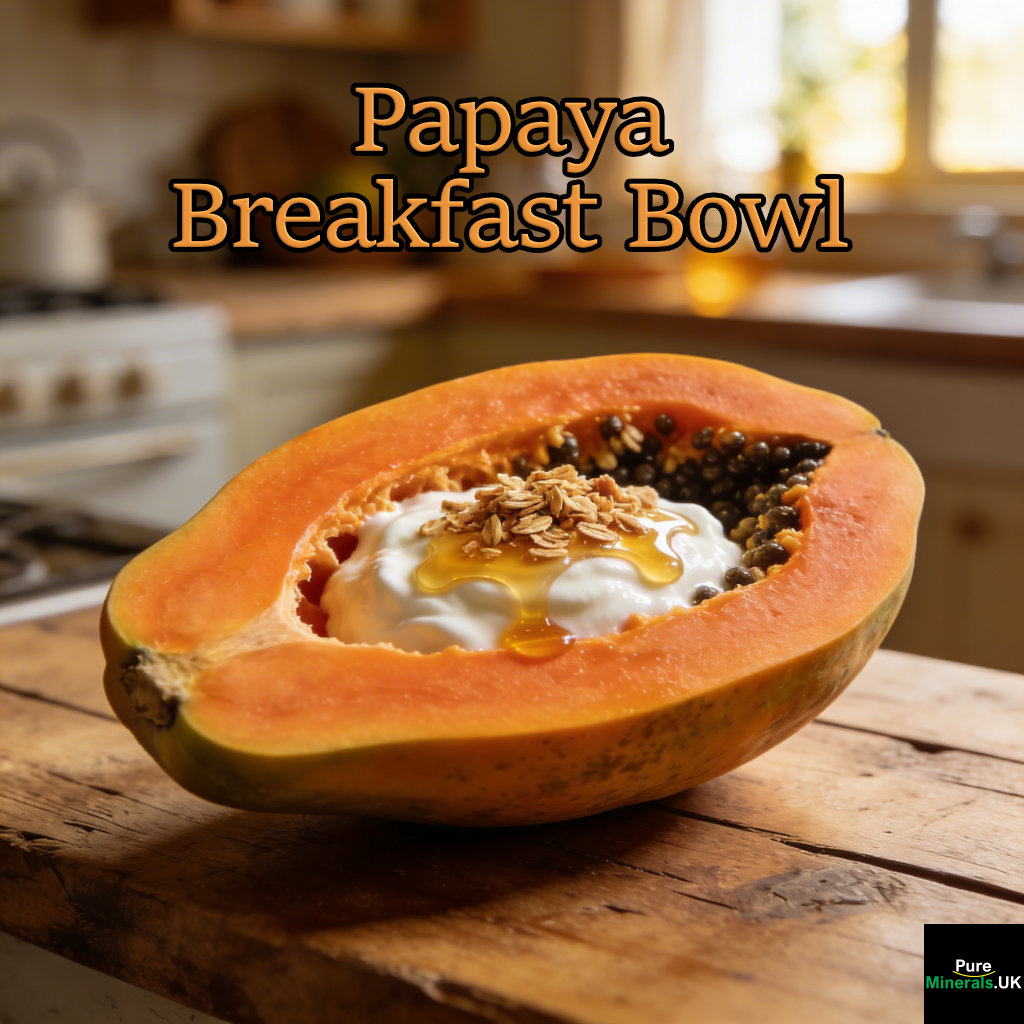
Start your day with optimal digestion by creating a simple papaya breakfast bowl. Cut a ripe papaya in half lengthwise, scoop out the seeds (save them for other uses), and fill the hollow with Greek yogurt, a sprinkle of granola, and a drizzle of honey. The probiotics in the yogurt work synergistically with papaya’s enzymes to support gut health, while the granola adds satisfying texture and additional fiber. This complete breakfast provides protein, healthy fats, and complex carbohydrates alongside papaya’s digestive benefits.
2. Papaya Smoothies and Juices

Blending papaya into smoothies offers a delicious way to consume its digestive enzymes while masking the flavor for those who find it too tropical. Combine papaya with a frozen banana, a handful of spinach, and coconut water for a tropical green smoothie that supports digestion while providing a wealth of nutrients. The natural sweetness of papaya and banana means you won’t need additional sweeteners, keeping the sugar content reasonable.
For a more intensive enzymatic boost, juicing papaya concentrates its digestive enzymes while removing the fiber. A small glass of papaya juice after a heavy meal can help prevent the bloating and discomfort that often follow. Consider adding a squeeze of lime and a small piece of ginger to enhance both the flavor and the digestive benefits of your papaya juice.
3. Savory Papaya Salads and Salsas

Papaya’s slightly sweet flavor pairs beautifully with savory ingredients, making it perfect for tropical salsas and salads. Combine diced ripe papaya with red onion, jalapeño, cilantro, and lime juice for a vibrant salsa that complements grilled fish or chicken. The enzymes in the papaya actually help break down the protein in the meal, improving digestion while adding bright, fresh flavor to your plate.
4. Green Papaya Dishes from Around the World
Unripe or green papaya contains even higher concentrations of digestive enzymes than the ripe fruit, making it an excellent ingredient for digestive support. Traditional dishes like Thai green papaya salad (Som Tum) showcase this ingredient, combining shredded green papaya with chili, lime, fish sauce, and peanuts for a balance of spicy, sour, salty, and sweet flavors. The enzyme content of green papaya helps break down the protein in these dishes, while the spicy elements stimulate digestive secretions for improved overall digestion.
5. Papaya as a Natural Meat Tenderizer
Papaya’s proteolytic enzymes can be put to work in your kitchen as a natural meat tenderizer. Create a simple marinade with papaya puree, garlic, olive oil, and herbs for tough cuts of meat. After just 30 minutes of marination, the enzymes begin breaking down the meat’s protein structures, resulting in more tender, easier-to-digest meat. This technique not only improves texture but also makes the protein more digestible, potentially reducing post-meal heaviness and discomfort.
When using papaya as a meat tenderizer, be careful not to marinate too long—the powerful enzymes can actually over-tenderize meat, creating an unpleasant mushy texture. Fifteen to 30 minutes is usually sufficient for most cuts, though tougher meats may benefit from slightly longer marination times.
How to Pick the Perfect Papaya
Selecting a papaya at the optimal stage of ripeness ensures you’ll get maximum enzymatic activity and flavor. Unlike many fruits that are picked fully ripe, papayas are typically harvested while still green and firm, then allowed to ripen off the tree. This means the papayas you find in stores will often need a few days to reach their peak ripeness and enzyme content.
Ripeness Indicators: Color and Texture
Look for papayas that have started to transition from green to yellow-orange, which indicates the beginning of the ripening process. A perfectly ripe papaya will be predominantly yellow to orange-red in color, with perhaps a few small green areas remaining. The fruit should yield slightly to gentle pressure—similar to a ripe avocado—without feeling mushy. Avoid papayas with large soft spots, bruises, or mold, as these indicate over-ripening or damage that can affect flavor and enzyme content.
Storage Tips to Preserve Nutrients
To ripen a green papaya, simply leave it on your counter at room temperature for a few days, checking daily for color changes and softening. Once ripe, papaya can be refrigerated for 3-5 days to slow further ripening and preserve its enzymatic activity. For maximum digestive benefits, consume papaya within this window, as enzyme activity gradually decreases over time, even with proper storage.
If you want to preserve papaya for longer periods, consider cutting it into chunks and freezing. While freezing will preserve many nutrients, it may reduce the activity of some digestive enzymes. Frozen papaya works beautifully in smoothies but may not provide the same level of digestive support as fresh fruit. For the most potent enzymatic benefits, fresh, properly ripened papaya is always the optimal choice.
Different Papaya Varieties and Their Unique Properties
While most consumers are familiar with the common Hawaiian or Mexican papayas found in supermarkets, there are actually several distinct varieties, each with unique enzyme profiles and nutritional benefits. The Hawaiian papaya (also called Sunrise or Solo) is smaller with a pear-shaped appearance and bright orange-yellow flesh. In contrast, Mexican papayas are much larger, sometimes weighing up to 10 pounds, with flesh ranging from yellow to pink.
Caribbean Red papayas contain higher levels of lycopene than other varieties, giving them their distinctive deep red-orange color and providing enhanced antioxidant properties. For those specifically seeking digestive benefits, the Thai or green papaya varieties typically contain the highest concentration of active enzymes, particularly when used before full ripening occurs. These green varieties are staples in Southeast Asian cuisine precisely because of their powerful enzymatic properties.
Cautions and Considerations With Papaya
Despite its impressive health benefits, papaya isn’t appropriate for everyone in all situations. Like any food with biological activity, papaya can interact with certain medications, health conditions, and individual sensitivities. Understanding these potential concerns helps ensure you can safely incorporate papaya into your diet.
Most people tolerate papaya extremely well, experiencing only benefits with no adverse effects. However, as with any food that contains bioactive compounds, some individuals may experience reactions or complications in specific circumstances. Being aware of these potential issues allows you to make informed decisions about including papaya in your diet.
If you have known food allergies, especially to latex or tropical fruits, introduce papaya gradually while monitoring for any adverse reactions. Similarly, those on certain medications should consult healthcare providers before using papaya medicinally, though casual consumption as part of a balanced diet is generally safe for most people.
Potential Allergic Reactions
Papaya allergies, while relatively uncommon, do exist and can range from mild oral irritation to more severe systemic reactions. Individuals with latex allergies may be particularly susceptible to papaya sensitivity due to a phenomenon called cross-reactivity, where the immune system confuses similar proteins in different substances. This connection, known as latex-fruit syndrome, creates a higher risk for reactions among those with existing latex allergies.
Symptoms of papaya allergy can include itching or swelling of the lips, mouth, and throat; hives; nasal congestion; or digestive upset. In rare cases, more serious reactions like difficulty breathing or anaphylaxis may occur. If you experience any unusual symptoms after consuming papaya, discontinue use and consult a healthcare provider for appropriate testing and guidance. For those with mango allergies, it’s important to be cautious as there may be cross-reactivity with papaya.
- Oral allergy symptoms: itching, tingling, or swelling of lips, tongue, and throat
- Skin reactions: hives, itching, or eczema flares
- Respiratory symptoms: nasal congestion, runny nose, wheezing, or asthma
- Digestive symptoms: nausea, vomiting, abdominal pain, or diarrhea
- Severe reactions: difficulty breathing, drop in blood pressure, dizziness (seek emergency care)
Those with pollen allergies, particularly to ragweed, may also experience oral allergy syndrome when consuming papaya. This reaction occurs because proteins in certain foods, like papaya, are similar to proteins in pollen. While usually mild and limited to the mouth area, these reactions indicate your immune system is recognizing structural similarities between these different substances.
Medication Interactions to Be Aware Of
Papaya’s enzyme activity can potentially interact with certain medications, either enhancing or diminishing their effects. Blood thinners like warfarin require particular caution, as papaya enzymes may enhance their anticoagulant effects, potentially increasing bleeding risk. Similarly, papain may increase the absorption of some antibiotics, potentially affecting dosage requirements. If you take prescription medications regularly, particularly blood thinners, antibiotics, or sedatives, consult your healthcare provider before consuming papaya in medicinal amounts or as supplements.
Pregnancy Considerations
Ripe papaya is generally considered safe during pregnancy when consumed in food amounts as part of a varied diet. However, unripe (green) papaya contains significantly higher concentrations of latex and papain, which some research suggests may stimulate contractions. For this reason, pregnant women are often advised to avoid unripe papaya, papaya seeds, and papaya enzyme supplements, particularly during the first and third trimesters when the risk of complications is highest. For more information on related fruits, you might want to explore the benefits of mango during pregnancy.
If you’re pregnant, focus on consuming only fully ripened papaya in moderate amounts. The bright orange flesh of fully ripe fruit contains lower enzyme concentrations and is less likely to cause concerns. As with any dietary questions during pregnancy, discussing specific foods with your prenatal healthcare provider ensures personalized guidance based on your individual health situation.
Papaya: Your Tropical Health Ally Year-Round
With its remarkable combination of digestive enzymes, nutrients, and versatility, papaya deserves a regular place in your dietary rotation. Whether you’re actively addressing digestive concerns or simply wanting to maintain optimal health, this tropical fruit offers benefits that few other foods can match. The unique combination of proteolytic enzymes, fiber, antioxidants, and vitamins creates a synergistic effect that supports not just digestion but overall well-being.
As we’ve explored, papaya isn’t just beneficial when eaten fresh—it can be incorporated into numerous recipes, used as a natural meat tenderizer, or even taken as a supplement when fresh fruit isn’t available. This versatility makes papaya a practical addition to your health routine regardless of season, location, or culinary preferences. Whether you’re enjoying a papaya breakfast bowl, adding it to smoothies, or using it in savory dishes, you’re harnessing centuries of traditional wisdom now supported by modern nutritional science. For those interested in exploring other tropical fruits, consider learning about the benefits of mango as well.
Important note: Papaya
Papaya is generally safe and well tolerated when consumed ripe. However, unripe papaya contains higher concentrations of latex and papain, which may cause irritation or allergic reactions in sensitive individuals, particularly those with latex allergy.
Papaya may influence blood clotting in large amounts, so individuals taking anticoagulant medication should maintain consistent intake and consult a healthcare professional if consuming papaya regularly.
Pregnant individuals should avoid unripe papaya due to its latex content. As with all fruit, excessive intake may cause digestive discomfort in sensitive individuals.
Frequently Asked Questions
As interest in papaya’s digestive benefits has grown, so have questions about its optimal use, safety, and effectiveness. Here are answers to some of the most common inquiries about this remarkable fruit and its enzymes.
How much papaya should I eat to improve digestion?
For digestive benefits, consuming 1-2 cups of fresh, ripe papaya after meals typically provides sufficient enzymes to aid digestion without overwhelming your system. If you’re new to papaya, start with smaller amounts (about ½ cup) and gradually increase as your body adjusts. Consistency matters more than quantity—regular consumption several times weekly will generally provide more stable digestive benefits than occasional large amounts. For specific digestive conditions, some practitioners recommend consuming small amounts of papaya approximately 20 minutes before meals to “prime” the digestive system, though this approach varies based on individual needs.
Can eating papaya help with weight loss?
While not a direct weight loss food, papaya can support weight management efforts in several ways. Its high fiber and water content promote satiety, helping you feel fuller longer while providing relatively few calories. The improved digestion from papaya enzymes may enhance nutrient absorption and reduce bloating, potentially improving comfort during calorie-restricted eating plans.
Additionally, better digestion often translates to more stable energy levels and fewer cravings, which can support adherence to healthier eating patterns. However, papaya should be viewed as part of a comprehensive approach to weight management that includes appropriate calorie balance, regular physical activity, and a focus on whole, nutrient-dense foods rather than as a standalone weight loss solution.
Are papaya seeds edible, and do they have health benefits?
Yes, papaya seeds are edible and contain beneficial compounds distinct from the fruit flesh. With a peppery, slightly bitter flavor similar to mustard seeds, they contain high levels of oleic and palmitic acids, as well as natural compounds with anti-parasitic, antibacterial, and liver-protective properties. Traditional medicine systems have used papaya seeds to address intestinal parasites and improve liver function, and preliminary research suggests potential applications for digestive health.
The seeds contain their own set of enzymes and antioxidants that complement those found in papaya flesh. Some studies indicate papaya seeds may have antimicrobial properties effective against certain foodborne pathogens, including E. coli, Salmonella, and Staphylococcus. This natural antibacterial action could potentially support gut health by helping manage harmful bacteria while allowing beneficial flora to thrive.
To use papaya seeds, rinse them thoroughly and dry them before consuming. They can be eaten fresh, dried, and ground as a pepper substitute, or added to smoothies in small amounts (start with ½ teaspoon per serving). Their intense flavor means a little goes a long way in recipes. For digestive applications, start with a small amount and increase gradually as tolerance develops.
- Add to smoothies (½-1 teaspoon) with sweet fruits to balance bitterness
- Dry and grind as a pepper substitute in savory dishes
- Mix into salad dressings for a peppery kick and digestive benefits
- Combine with honey as a digestive tonic (traditional approach)
- Incorporate into marinades for both flavor and tenderizing properties
How does papaya compare to digestive enzyme supplements?
While both provide enzymatic support, fresh papaya offers advantages over isolated enzyme supplements. The whole fruit provides a natural balance of enzymes in their native form, alongside fiber, vitamins, and antioxidants that support overall digestive health. Fresh papaya enzymes often demonstrate better stability in varying stomach pH environments than some commercial preparations. Additionally, papaya enzymes come with synergistic compounds that may enhance their effectiveness, whereas supplements typically isolate specific enzymes.
For mild digestive support and prevention, whole papaya is often sufficient and preferred; however, for specific digestive conditions requiring therapeutic enzyme levels, properly formulated supplements may provide more consistent, concentrated enzyme delivery when fresh fruit isn’t practical or sufficient. For those interested in exploring other fruits with similar benefits, consider learning more about mango and its digestive properties.
Can papaya help reduce inflammation from arthritis?
The anti-inflammatory properties of papaya may indeed offer benefits for arthritis sufferers. Papaya’s enzyme papain demonstrates significant anti-inflammatory activity by breaking down certain inflammatory compounds and proteins that contribute to joint pain and swelling. These proteolytic enzymes can help reduce inflammation by breaking down the protein complexes that contribute to the inflammatory response, potentially offering relief similar to that provided by non-steroidal anti-inflammatory drugs, but through natural mechanisms.
Several small clinical studies have shown that papain and other proteolytic enzymes may help reduce pain and stiffness in people with osteoarthritis and rheumatoid arthritis, though more extensive research is needed. The combination of enzyme activity with papaya’s high antioxidant content creates multiple pathways for addressing inflammation—the enzymes directly breaking down inflammatory compounds while antioxidants neutralize free radicals that contribute to oxidative stress and inflammation progression.
For those interested in exploring papaya’s anti-inflammatory benefits for arthritis, consistent consumption over time typically yields better results than occasional use. Some arthritis sufferers report benefits from consuming papaya regularly with anti-inflammatory spices like ginger and turmeric, creating a synergistic effect that supports overall joint health and comfort. As with any natural approach to managing health conditions, consulting with healthcare providers ensures appropriate integration with other treatments.