

Published: 9 February 2026
Last Updated: 25 February 2026
This article is periodically reviewed and updated to reflect current scientific understanding by Vic George.

What Are Grapes and Why Are They Important for Heart Health, Antioxidant Protection, and Metabolic Balance?
Grapes are widely consumed fruits valued for their natural sugars, hydration properties, and rich polyphenol profile. They are particularly known for containing flavonoids and stilbenes, including resveratrol, which are associated with cardiovascular protection and reduced oxidative stress. Grapes are most beneficial when consumed whole, with skins intact, as many bioactive compounds are concentrated in the skin.
Definition:
Grapes refer to the fruit of Vitis vinifera and related Vitis species, cultivated globally for fresh consumption, drying (raisins), and juice and wine production. Grapes contain natural sugars, fibre (mainly insoluble), vitamin C, vitamin K, potassium, and polyphenols.
Extended Definition:
Grapes have been cultivated for thousands of years and are one of the world’s most economically and culturally significant fruits. Nutritionally, grapes are characterized by high water content and readily available carbohydrates, making them a quick source of energy.
Their most notable functional components are polyphenols, including flavonoids, anthocyanins (in red and purple grapes), and stilbenes such as resveratrol. These compounds support endothelial function, reduce oxidative damage, and are associated in observational studies with improved cardiovascular outcomes.
Red and purple grapes contain higher levels of anthocyanins and resveratrol than green grapes, although all varieties provide antioxidant benefits. Grape skins and seeds are particularly rich in these compounds, which is why whole grapes are nutritionally superior to juice.
Grapes also provide vitamin K, supporting normal blood clotting, and potassium, contributing to fluid balance and muscle function. While grapes are naturally sweet, their low fat and moderate fibre content make them suitable for most diets when portion size is controlled.
Dried grapes (raisins) are significantly more energy-dense and sugar-concentrated and should be consumed in smaller portions compared with fresh grapes.
Overall, grapes are best understood as a polyphenol-rich, hydrating fruit, offering cardiovascular and antioxidant benefits when eaten whole and in moderation.
Key Facts:
- Food type: Berry (botanical) / culinary fruit
- Botanical name: Vitis vinifera
- Key nutrients: Carbohydrates, vitamin C, vitamin K, potassium
- Key compounds: Resveratrol, flavonoids, anthocyanins, polyphenols
- Primary roles: Cardiovascular support, antioxidant protection, hydration
- Systems supported: Cardiovascular, metabolic, immune
- Best forms: Fresh whole grapes, frozen grapes, unsweetened dried grapes (small amounts)
- Use considerations: Juice lacks fibre; dried forms are sugar-dense
- Typical pairing: Often paired with cheese, yoghurt, nuts, salads, whole grains
Key Takeaways
- Grapes contain powerful polyphenols like resveratrol and procyanidins that actively protect heart health by reducing inflammation and improving blood flow.
- Dark-skinned grapes and red wines made from thick-skinned varieties like Sagrantino and Tannat offer the highest concentration of heart-healthy compounds.
- Consuming 1-2 cups of fresh grapes daily or a moderate glass of red wine can provide significant cardiovascular benefits.
- Grapes help lower blood pressure, reduce bad cholesterol, and decrease blood clot formation – all critical factors in heart disease prevention.
- While both fresh grapes and wine offer benefits, their antioxidant profiles differ, with some compounds being more bioavailable in wine due to the fermentation process.
That small bunch of grapes in your refrigerator might be one of the most powerful natural heart medicines available. The connection between grapes and cardiovascular health isn’t just folklore – it’s backed by robust scientific evidence showing these juicy fruits can significantly improve heart function, blood vessel health, and overall cardiovascular resilience.
Grapes have been cultivated for thousands of years, not just for their delicious taste but also for their medicinal properties. Modern research has validated what traditional healers long suspected: regular grape consumption correlates with impressive cardiovascular benefits. HeartWise Health has been at the forefront of researching natural heart remedies, finding that grape compounds work through multiple mechanisms to support a healthy heart and circulatory system.
Powerful Heart Protection in Every Grape

Grapes pack a remarkable array of bioactive compounds that specifically target cardiovascular risk factors. These tiny fruits contain an impressive concentration of polyphenols – natural plant compounds that function as powerful antioxidants in the human body. What makes grapes particularly special is their unique polyphenol profile, which includes resveratrol, quercetin, catechins, anthocyanins, and procyanidins.
The cardiovascular protection offered by grapes works on multiple levels simultaneously. They improve endothelial function (how well your blood vessels dilate and contract), reduce inflammation (a key driver of heart disease), prevent oxidative damage to heart tissues, and help maintain healthy blood pressure. Perhaps most impressive is their ability to improve cholesterol profiles by raising HDL (good cholesterol) while lowering LDL (bad cholesterol) and triglycerides.
Research from prestigious institutions, including the Mayo Clinic and Harvard Medical School, has documented these benefits through both laboratory studies and human clinical trials. The evidence continues to mount that regular grape consumption represents one of the simplest yet most effective dietary interventions for heart health.
Why Grapes Stand Out for Heart Health
What separates grapes from other fruits when it comes to heart protection? The answer lies in their unique combination of bioactive compounds that work synergistically. While many fruits contain antioxidants, grapes possess a specific profile of polyphenols that target cardiovascular function with remarkable precision. Their resveratrol content in particular has been shown to activate longevity genes that protect heart tissue.
The skin and seeds of grapes contain the highest concentration of these beneficial compounds, which is why eating whole grapes provides maximum benefit. Dark-colored varieties like Concord, red, and purple grapes contain significantly higher levels of these heart-protective compounds compared to green or white varieties. This color difference reflects their higher anthocyanin content – the compounds that give these grapes their deep purple-red hue and provide many of their cardiovascular benefits.
Daily Recommended Amounts for Maximum Benefits
How many grapes should you consume to reap their heart-protective effects? Research suggests that 1-2 cups of fresh grapes daily (approximately 15-30 grapes) provides significant cardiovascular benefits. This serving size delivers approximately 100-200mg of polyphenols – enough to measurably improve heart health markers in most adults.
“When seeking heart health benefits, consistency matters more than quantity. Daily moderate consumption of grapes or grape products appears to deliver better cardiovascular protection than occasional larger amounts.”
For those who enjoy wine, research from the landmark studies on the French Paradox suggests that 1 glass daily for women or up to 2 glasses daily for men of high-procyanidin red wine can provide heart benefits. However, these benefits disappear, and alcohol risks increase with higher consumption, making moderation absolutely crucial. For those who don’t consume alcohol, purple grape juice offers many similar benefits without the potential downsides of alcohol.
The Science Behind Grape’s Heart-Healthy Powers

The cardiovascular benefits of grapes aren’t mysterious – they’re the result of well-studied biochemical processes triggered by specific compounds. When consumed regularly, these compounds influence multiple aspects of cardiovascular function, from blood vessel dilation to cholesterol transport and platelet aggregation. The science explaining these mechanisms has advanced dramatically in the past two decades.
Studies published in the journal Nature have identified that wines from southwest France and Sardinia contain up to 10 times the amount of heart-protective procyanidins compared to wines from other regions. This difference helps explain why certain populations consuming these specific wines show particularly strong cardiovascular benefits. The same principles apply to fresh grapes, with certain varieties offering substantially higher polyphenol content.
Polyphenols: The Cardiovascular Superheroes
Polyphenols represent the primary class of compounds responsible for grapes’ heart-protective effects. These plant chemicals function as powerful antioxidants that neutralize free radicals – unstable molecules that damage blood vessels and heart tissue. Beyond their antioxidant properties, grape polyphenols also regulate gene expression related to inflammation, cell survival, and blood vessel formation.
Resveratrol: The Star Compound
Resveratrol stands out as one of the most studied compounds in grapes, particularly abundant in the skin of red grapes. This powerful polyphenol activates a family of proteins called sirtuins that regulate cellular health and longevity. When it comes to heart protection, resveratrol reduces oxidative stress in heart tissues, prevents damage to blood vessels, and helps maintain proper heart muscle function even under stress.
Laboratory studies have shown that resveratrol can inhibit the oxidation of LDL cholesterol – a critical step in preventing the formation of artery-clogging plaque. It also promotes the production of nitric oxide, a molecule that helps blood vessels relax and expand, improving circulation throughout the cardiovascular system. The concentration of resveratrol varies significantly between grape varieties, with the highest levels found in grapes grown in cooler climates under moderate stress conditions.
Procyanidins: Blood Pressure Regulators
Procyanidins represent another critical group of compounds found abundantly in grape seeds and skins. These powerful antioxidants help regulate blood pressure by inhibiting angiotensin-converting enzyme (ACE) – the same mechanism used by many prescription blood pressure medications. By naturally inhibiting ACE, procyanidins help keep blood vessels relaxed and blood pressure lower, reducing strain on the heart.
The 2006 study published in Nature highlighted that wines from southwest France and Sardinia contain up to ten times more procyanidins than wines from other regions. This explains why these regions show particularly strong correlations with heart health despite high-fat diets. Sagrantino grapes from Umbria, Italy, have been measured to contain about 4174 mg/kg of polyphenols, nearly double the amount found in common varieties like Cabernet Sauvignon.
Anthocyanins: Inflammation Fighters
The deep purple-red color of darker grapes comes from anthocyanins – potent anti-inflammatory compounds that protect blood vessels from damage. These compounds reduce the production of inflammatory molecules that contribute to arterial plaque formation. Regular consumption of anthocyanin-rich grapes has been shown to significantly reduce markers of inflammation in the bloodstream, creating a more favorable environment for cardiovascular health.
Anthocyanins work synergistically with other grape compounds to enhance their absorption and effectiveness. They’re particularly concentrated in the skin of dark grape varieties, which explains why purple and red grapes offer superior cardiovascular protection compared to green varieties. For those seeking maximum anthocyanin content, Concord grapes rank among the highest, containing nearly twice the anthocyanin content of typical red wine grapes.
How Grapes Improve Your Cardiovascular System

The compounds in grapes don’t just provide theoretical benefits – they trigger measurable improvements in cardiovascular function. Regular grape consumption creates both immediate and cumulative effects that significantly reduce heart disease risk factors. These benefits build over time, with studies showing that consistent grape consumption for 8-12 weeks produces measurable improvements in blood pressure, cholesterol profiles, and inflammatory markers.
Lower Blood Pressure Effects
Multiple clinical studies have demonstrated that regular grape consumption can lower both systolic and diastolic blood pressure by 5-7 points on average. This effect comes primarily from the combined action of procyanidins, resveratrol, and potassium naturally present in grapes. The blood pressure-lowering effect is particularly pronounced in individuals with pre-hypertension or mild hypertension, making grapes an excellent preventative measure before medication becomes necessary.
The mechanism behind this effect involves improved blood vessel elasticity, reduced inflammation in vessel walls, and natural diuretic properties that help eliminate excess sodium. These effects are enhanced when grape consumption is paired with other heart-healthy practices like regular physical activity and adequate hydration. For maximum blood pressure benefits, consuming grapes or grape products consistently appears more effective than occasional larger amounts.
Reduced Inflammation Throughout Blood Vessels
Chronic inflammation represents a primary driver of cardiovascular disease, contributing to everything from plaque formation to tissue damage within the heart itself. Grapes contain multiple anti-inflammatory compounds that work through different pathways to reduce this systemic inflammation. Regular consumption has been shown to lower key inflammatory markers like C-reactive protein and interleukin-6 by as much as 15-20% in some studies.
This anti-inflammatory effect explains why grape consumption correlates with reduced rates of atherosclerosis (hardening of the arteries). By calming the inflammatory response within blood vessels, grapes help maintain proper endothelial function and prevent the cascade of events that leads to plaque formation. The benefits extend beyond just the major arteries to include the microcirculation throughout the body, improving tissue perfusion and cellular oxygen delivery. For similar benefits, you might consider the effects of blackberries on cardiovascular health.
Improved Cholesterol Profile
Regular grape consumption creates a more favorable lipid profile by increasing HDL (good) cholesterol while simultaneously reducing LDL (bad) cholesterol and triglycerides. The polyphenols in grapes appear to influence how the liver processes and eliminates cholesterol, leading to measurable improvements in as little as 4-6 weeks of consistent consumption. Studies show that consuming 1-2 cups of grapes daily can raise HDL levels by 5-10% while lowering LDL by similar amounts.
Enhanced Blood Flow
Perhaps one of the most immediate cardiovascular benefits of grapes comes from their ability to improve blood flow. The nitric oxide-promoting effects of grape polyphenols help blood vessels dilate properly, allowing blood to flow more freely throughout the body. This improved circulation can be detected within hours of grape consumption and persists with regular intake.
Better blood flow means more efficient oxygen and nutrient delivery to tissues throughout the body, including the heart muscle itself. This improved perfusion helps the heart work more efficiently while reducing strain on the cardiovascular system. For athletes and active individuals, this blood flow enhancement may also translate to improved exercise performance and recovery. Discover how blackberries can contribute to cardiovascular health.
Decreased Blood Clot Formation
Unwanted blood clot formation represents a major risk factor for heart attacks and strokes. Grapes contain natural compounds that help regulate platelet aggregation – the process by which blood cells stick together to form clots. Unlike prescription blood thinners, which can increase bleeding risk, grape compounds appear to normalize clotting function, preventing excessive clotting without impairing normal clotting when needed. If you’re interested in other fruits with health benefits, consider exploring the properties of blackberries.
This antiplatelet effect comes primarily from resveratrol and quercetin, which modify signaling pathways involved in platelet activation. The benefit is similar to that provided by daily low-dose aspirin but without the potential gastrointestinal side effects. For individuals at elevated risk of cardiovascular events, this natural antiplatelet activity provides an additional layer of protection. For more information on healthy wine consumption, look to the grape.
Interestingly, the anti-clotting compounds in grapes are more bioavailable when consumed with small amounts of fat, which may partially explain why the Mediterranean diet pattern – which pairs grapes and wine with healthy fats like olive oil – shows such strong cardiovascular benefits. This synergy demonstrates how grapes work best as part of an overall heart-healthy dietary pattern.
Red Wine vs. Fresh Grapes: What’s Better for Your Heart?

- Wine contains higher concentrations of certain polyphenols due to the fermentation process
- Fresh grapes provide fiber and have no alcohol-related risks
- Some compounds, like resveratrol, show greater bioavailability in wine form
- Both offer heart benefits when consumed in moderation
- Individual health conditions should determine the better choice for each person
Polyphenol Content Comparison
The polyphenol profile differs significantly between fresh grapes and wine, with each offering unique cardiovascular benefits. Wine undergoes fermentation, which breaks down cell walls and extracts additional compounds from the skins and seeds. As a result, certain polyphenols like resveratrol appear in higher concentrations in wine than in fresh grapes. Sagrantino wine, for example, contains approximately 4174 mg/kg of total polyphenols compared to about 2200 mg/kg in Cabernet Sauvignon.
Fresh grapes, however, provide the full spectrum of heart-healthy compounds in their natural state, along with fiber, vitamins, and minerals not present in wine. They also contain higher levels of certain anthocyanins that are partially broken down during fermentation. For those concerned about alcohol consumption, fresh grapes provide all the cardiac benefits without any potential alcohol-related risks.
The French Paradox Explained
The “French Paradox” – the observation that certain French populations enjoy relatively low rates of heart disease despite diets high in saturated fats – has been linked directly to their regular consumption of high-procyanidin wines. Research published in Nature revealed that wines from southwest France and Sardinia contain up to 10 times more procyanidins than wines from other regions, which may explain the particularly strong cardiovascular protection observed in these areas.
These regional differences stem from specific grape varieties, traditional winemaking techniques that maximize polyphenol extraction, and environmental factors that stress the vines, causing them to produce more protective compounds. Varieties like Tannat (from southwest France), Sagrantino (from Umbria, Italy), and Nebbiolo (from northern Italy) consistently show the highest procyanidin concentrations. When consumed in moderation as part of a Mediterranean dietary pattern, these wines appear to counteract some cardiovascular risks associated with higher-fat diets.
Alcohol’s Double-Edged Sword
While moderate wine consumption offers heart benefits, alcohol itself presents a complex balance of risks and benefits. Small amounts of alcohol (one 5-ounce glass for women or two for men daily) appear to increase HDL cholesterol, improve insulin sensitivity, and enhance the absorption of certain polyphenols. These effects, combined with the rich polyphenol content, explain wine’s observed cardiovascular benefits.
However, these benefits disappear completely with higher consumption, quickly becoming cardiovascular risks. Excess alcohol raises blood pressure, increases triglycerides, and promotes inflammatory processes throughout the body. For those with existing health conditions like liver disease, certain cardiovascular conditions, or alcohol sensitivity, the risks likely outweigh potential benefits. In these cases, purple grape juice or fresh grapes represent safer alternatives that provide many similar heart-protective compounds.
Best Grape Varieties for Heart Health
Not all grapes offer equal cardiovascular protection. Research has identified several varieties that stand out for their exceptional polyphenol content. Darker-skinned grapes generally contain significantly higher levels of anthocyanins and other protective compounds than lighter varieties. The thickness of the grape skin also correlates directly with polyphenol concentration, as these compounds concentrate primarily in the skin rather than the pulp.
For those seeking maximum heart benefits from wine, varieties grown in specific regions show remarkable differences in beneficial compound content. Wines made from thick-skinned, dark grapes grown in cooler climates and at higher altitudes typically offer the highest concentrations of procyanidins and other heart-protective compounds. Traditional production methods that include longer maceration times (contact with skins and seeds during fermentation) further enhance these beneficial properties.
Concord and Purple Grapes

Among table grapes, Concord grapes stand out for their exceptional heart benefits. Their dark blue-purple skins contain some of the highest concentrations of anthocyanins found in any grape variety, providing powerful anti-inflammatory and antioxidant protection. Regular consumption of Concord grapes or their juice has been shown to improve blood pressure, enhance blood vessel function, and reduce oxidative damage throughout the cardiovascular system. The Concord grape is a cultivar derived from the grape species Vitis labrusca that is used mainly as wine grapes and for manufacturing grape juice.
Other purple and red grape varieties also offer significant benefits, though typically at somewhat lower concentrations than Concords. Red globe, crimson seedless, and flame seedless varieties all provide excellent levels of resveratrol and other polyphenols. For maximum benefits, consume these grapes with their skins intact, as that’s where the highest concentration of beneficial compounds resides.
Red Wine Varieties Rich in Procyanidins

Among wine grapes, several varieties stand out for their exceptional procyanidin content. Sagrantino from Umbria, Italy, contains the highest measured levels at approximately 4174 mg/kg of polyphenols – nearly twice that of common Cabernet Sauvignon. Tannat, primarily grown in southwest France and Uruguay, follows closely behind, explaining why wines from these regions show particularly strong correlations with heart health.
Other procyanidin-rich varieties include Petite Sirah and Nebbiolo (the primary grape in Barolo and Barbaresco wines). These varieties typically produce deeply colored, tannic wines with two to six times the polyphenolic content of lighter varieties like Pinot Noir. The natural bitterness and astringency in these wines actually correlate directly with their procyanidin content – the compounds responsible for both the sensory characteristics and the heart benefits.
White vs. Red Grapes: The Antioxidant Gap

The cardiovascular benefits of grapes show a clear color gradient, with darker varieties offering significantly more protection than lighter ones. Red and purple grapes contain 5-10 times the antioxidant capacity of green or white varieties, primarily due to their higher anthocyanin content. While white grapes still provide some benefits through compounds like resveratrol and quercetin, their overall cardiovascular protection is substantially lower.
This antioxidant gap extends to wine as well, with red wines offering significantly greater heart protection than whites. The difference stems from production methods – red wines ferment with the skins and seeds intact, extracting maximum polyphenols, while most white wines ferment only the juice with minimal skin contact. For those specifically seeking heart benefits, darker varieties clearly offer superior protection.
Easy Ways to Add More Grapes to Your Diet
Incorporating heart-healthy grapes into your daily routine doesn’t have to be limited to eating them straight from the bunch. Creative culinary applications can make it easier to consume them consistently while enhancing their bioavailability and effectiveness. The key is finding preparation methods that preserve their beneficial compounds while making them a convenient, enjoyable part of your daily diet.
Beyond the Bunch: Creative Daily Grape Consumption
Frozen grapes make an excellent, refreshing snack while maintaining virtually all of their heart-healthy compounds. Simply wash, dry, and freeze red or purple grapes for a sweet treat that can satisfy dessert cravings while delivering cardiovascular benefits. The freezing process actually breaks down some cell walls, potentially making certain compounds more bioavailable.
Incorporating grapes into smoothies provides concentrated nutrition and makes it easy to consume a full serving in one delicious drink. Combine purple grapes with other heart-healthy ingredients like bananas, ground flaxseed, and a small amount of heart-healthy fat like almond butter to enhance absorption of fat-soluble compounds. For a warming option, try adding grapes to oatmeal or whole-grain breakfast bowls – the heat will enhance certain compounds’ bioavailability while maintaining most benefits.
Grape Seed Extract: A Concentrated Alternative
For those seeking concentrated cardiovascular benefits, grape seed extract offers a potent option. This supplement contains exceptionally high levels of procyanidins and other beneficial compounds extracted from grape seeds. Clinical studies using grape seed extract have demonstrated significant improvements in blood pressure, cholesterol profiles, and markers of inflammation with daily doses of 100-300mg.
While an extract can provide certain benefits in a convenient form, it doesn’t contain the complete spectrum of compounds found in whole grapes. The synergistic effects of various grape compounds working together appear to enhance their overall effectiveness. For maximum cardiovascular protection, consider using grape seed extract as a supplement to, rather than a replacement for, whole grape consumption.
Raisins, Currants, and Sultanas
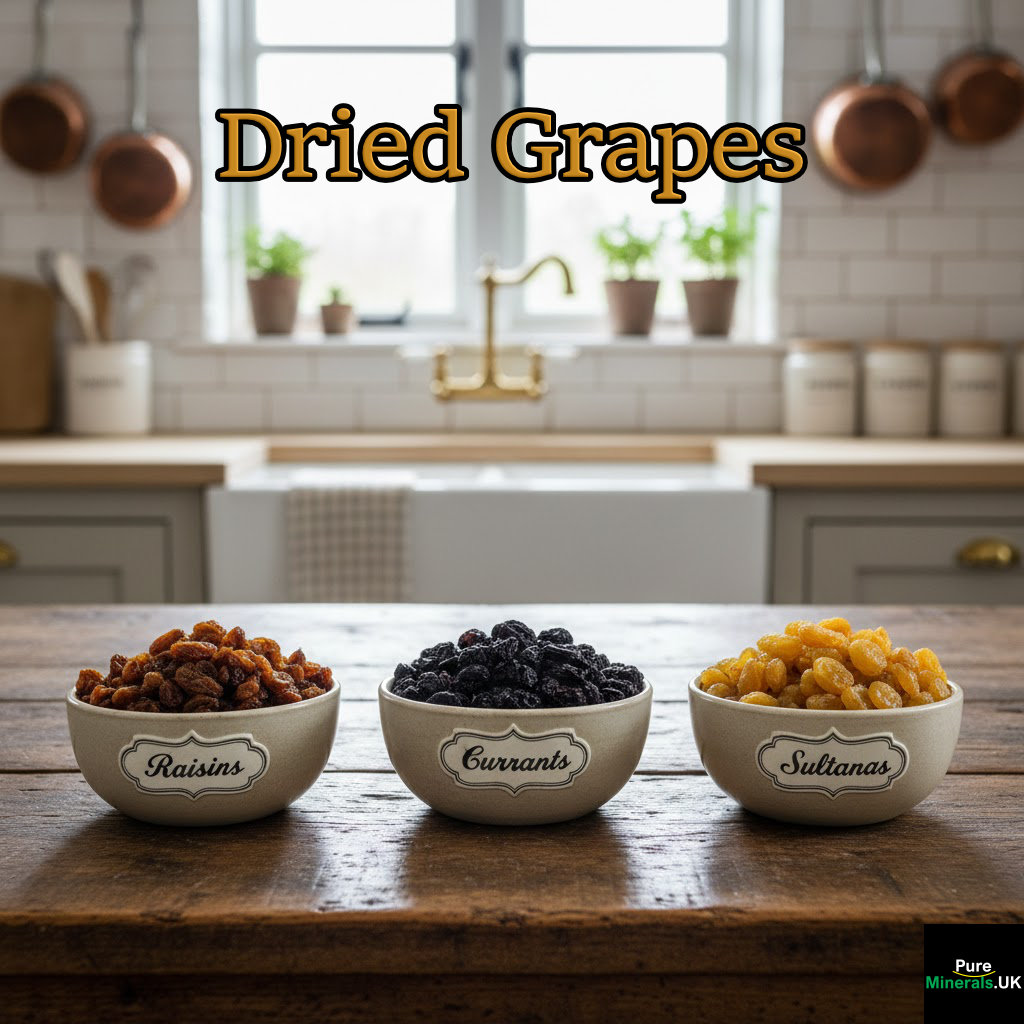
All raisins and sultanas are grapes, but not all grapes become raisins or sultanas. Think of them as different “dried” personalities of the same fruit family.
The Grape Breakdown
| Type | Original Grape | Process | Characteristics |
| Raisin | Usually darker grapes (like Thompson Seedless). | Dried for about 3 weeks, often naturally in the sun. | Dark brown, sweet, and slightly chewy. |
| Sultana | Green seedless grapes (often the Sultana variety). | Dipped in a vegetable oil/acid solution to speed up drying. | Golden, smaller, and juicier than raisins. |
Currants
Since people usually ask about the “big three” together, it’s worth noting that currants (the dried kind you bake with) are also grapes! Specifically, they come from the tiny, seedless Black Corinth grape. They are much smaller, darker, and have a more intense, tangy flavor.
Fun Fact: In the U.S., “sultanas” are often just called Golden Raisins. To keep them that bright yellow color, they are treated with sulfur dioxide to prevent them from darkening as they dry.
The Heart-Healthy Mediterranean Connection
The remarkable heart health of Mediterranean populations has been linked directly to their dietary patterns, with grapes and grape products playing a central role. This region has some of the lowest rates of cardiovascular disease in the world despite consuming relatively high amounts of fat – a phenomenon partially explained by their regular consumption of grapes in both fresh and fermented forms. The Mediterranean approach demonstrates how grapes work best as part of a comprehensive heart-healthy lifestyle.
Research into the “Blue Zones” – regions with exceptional longevity and low rates of heart disease – consistently highlights the importance of moderate wine consumption with meals as one component of heart-healthy living. In these regions, wine is consumed in moderate amounts, typically with food, and as part of social connection – all factors that appear to enhance its beneficial effects while minimizing potential risks. This balanced approach has been associated with significantly reduced rates of heart disease and longer lifespans.
How Grapes Fit Into the World’s Healthiest Diet Pattern
The traditional Mediterranean diet incorporates grapes through multiple channels – fresh fruit, wine with meals, vinegar, and grape leaves – providing a continuous supply of heart-protective compounds through different delivery systems. This varied approach ensures consistent intake of beneficial polyphenols while minimizing any potential downsides from any single consumption method.
Your Grape-Powered Heart Protection Plan

For maximum cardiovascular benefits, aim for daily consumption of 1-2 cups of dark-colored grapes or a small glass (5oz) of high-procyanidin red wine with a meal. Choose Concord or purple varieties when available, and consume them with their skins intact. For enhanced absorption of fat-soluble compounds like resveratrol, pair grapes with a small amount of healthy fat such as nuts or olive oil. If using wine, select varieties made from thick-skinned grapes like Sagrantino, Tannat, or Nebbiolo when possible, and always practice strict moderation to avoid negating the benefits.
Important note: Grapes
Grapes are generally safe and well-tolerated. However, due to their natural sugar content, large portions may contribute to blood sugar spikes in individuals with diabetes or insulin resistance. Dried grapes (raisins) are particularly concentrated and should be consumed in moderation.
Individuals taking anticoagulant medication should maintain consistent vitamin K intake, as grapes provide modest amounts of this nutrient. Grapes should be washed thoroughly before consumption to remove surface residues.
Grapes are toxic to dogs and should be kept away from pets. As with all fruit, excessive intake may cause digestive discomfort in sensitive individuals.
Frequently Asked Questions
Below are answers to common questions about grapes and heart health, based on current scientific understanding and clinical research. These recommendations are general guidelines and should be adjusted for individual health conditions, medications, and circumstances.
How many grapes should I eat daily for heart benefits?
Research suggests that consuming 1-2 cups of grapes daily (approximately 15-30 grapes) provides optimal cardiovascular benefits. This serving delivers approximately 100-200mg of polyphenols, which has been shown to measurably improve heart health markers in multiple clinical studies. Consistency matters more than quantity – regular daily consumption appears more beneficial than occasional larger amounts.
Can grape juice provide the same heart benefits as whole grapes?
Pure, 100% grape juice (especially Concord grape juice) offers many similar heart benefits to whole grapes, particularly in terms of improved blood pressure and vascular function. However, juice lacks the fiber found in whole grapes and typically contains more natural sugar per serving. The processing required to produce juice also results in some loss of certain beneficial compounds. For maximum benefits, choose juice with no added sugar and consume in moderation (4-8oz daily).
Are there any medications that interact with grapes or red wine?
Always consult with your healthcare provider about potential interactions between grapes, grape products, and your specific medications. Several common cardiovascular medications have known interactions that require monitoring or moderation. Additionally, if you’re interested in learning about other fruits, consider reading about apples and their health benefits.
Grapes and grape products can interact with several medications. They may enhance the effects of blood-thinning medications like warfarin, potentially increasing bleeding risk. The compounds in grapes can also affect how the liver metabolizes certain statins and blood pressure medications, potentially increasing their concentration in the bloodstream. Those taking these medications should consult with their healthcare provider about appropriate consumption levels.
For those taking MAO inhibitors (a type of antidepressant), fermented grape products like wine should be strictly avoided due to potentially dangerous interactions. Similarly, certain antibiotics can interact negatively with wine, though fresh grapes are generally safe. Always inform your healthcare provider about all foods, supplements, and beverages you consume regularly to avoid potential interactions, such as those with bananas.
Do green grapes offer the same heart benefits as red and purple varieties?
- Green grapes contain significantly lower levels of anthocyanins (the compounds that give red/purple grapes their color and many heart benefits)
- They provide approximately 20-30% of the antioxidant capacity of darker varieties
- Green grapes still contain some beneficial compounds like resveratrol, though in lower concentrations
- For maximum heart protection, dark-colored varieties are clearly superior
- If green varieties are preferred for taste, simply increasing the portion can help compensate for lower polyphenol content
While green grapes do offer some cardiovascular benefits, their lighter color reflects a substantially lower concentration of protective compounds. The anthocyanins that give red and purple grapes their color are responsible for many of their anti-inflammatory and antioxidant properties. Green varieties lack these particular compounds, though they do contain other beneficial polyphenols like resveratrol and quercetin.
Laboratory analysis shows that red and purple grapes contain 5-10 times the total antioxidant capacity of green varieties. This difference directly translates to cardiovascular protection, with darker varieties showing substantially stronger effects on blood pressure, inflammation, and endothelial function in clinical studies.
For those who strongly prefer green grapes, they still provide some heart benefits – just not as efficiently as their darker counterparts. Increasing consumption of green varieties can partially compensate for their lower polyphenol content. Alternatively, consider supplementing with grape seed extract, which provides concentrated beneficial compounds regardless of the grape variety from which it’s derived.
The same principle applies to wine, with white wines offering substantially less cardiovascular protection than reds. The difference is even more pronounced with wine because red wine production involves fermentation with the skins intact, extracting maximum beneficial compounds, while white wine typically ferments only the juice with minimal skin contact.
Can people with diabetes safely consume grapes for heart health?
People with diabetes can indeed benefit from moderate grape consumption, as the cardiovascular protection they provide is particularly valuable for those with diabetes, who face elevated heart disease risk. However, portion control becomes especially important due to grapes’ natural sugar content. The glycemic index of grapes falls in the medium range (approximately 45-53), meaning they raise blood sugar more gradually than high-GI foods.
For those with well-controlled diabetes, a serving of 15-20 grapes (approximately 1 cup) can typically be incorporated into a meal plan without causing problematic blood sugar spikes. Pairing grapes with a source of protein or healthy fat further slows sugar absorption. Consuming grapes with their skins intact also provides fiber that helps moderate their glycemic impact.
Red wine presents a more complex consideration for those with diabetes. In moderate amounts (one glass), it may actually improve insulin sensitivity temporarily. However, alcohol can also cause hypoglycemia in those taking certain diabetes medications, particularly insulin and sulfonylureas. Those with diabetes should discuss alcohol consumption with their healthcare provider to determine appropriate guidelines for their specific situation.
For diabetes patients seeking maximum heart benefits with minimal blood sugar impact, grape seed extract offers an excellent alternative. This supplement provides concentrated procyanidins and other beneficial compounds without the natural sugars present in whole grapes. Clinical studies have shown that grape seed extract may actually help improve insulin sensitivity while providing significant cardiovascular protection.
HeartWise Health continues to research natural compounds that support heart health without medication side effects. For personalized guidance on incorporating cherries and other heart-healthy foods into your diet, visit their comprehensive resource library for evidence-based recommendations tailored to your specific health profile.