

Published: 6 February 2026
Last Updated: 26 February 2026
This article is periodically reviewed and updated to reflect current scientific understanding by Vic George.

What are Blackberries and Why are they Important for Antioxidant Protection, Digestion, and Heart Health?
Blackberries are a nutrient-dense berry valued for their high fibre content, deep purple pigments, and broad antioxidant profile. It is particularly rich in anthocyanins and polyphenols, which support cellular protection and vascular health. Blackberries are most beneficial when consumed fresh or lightly processed, as these forms preserve their fibre and phytochemical content.
Definition:
Blackberry refers to the fruit of Rubus species, especially Rubus fruticosus and related hybrids, cultivated and wild varieties. Blackberries contain fibre, vitamin C, vitamin K, manganese, and a wide range of polyphenolic compounds.
Extended Definition:
Blackberries have been consumed for centuries in Europe, Asia, and the Americas and are among the most nutrient-dense commonly available berries. One of their most notable features is their exceptionally high fibre content compared with many other fruits, supporting bowel regularity, satiety, and cholesterol metabolism.
The dark purple-black colour of blackberries is produced by anthocyanins, a class of flavonoids associated with antioxidant activity and reduced oxidative stress. These compounds are linked in observational research to improved cardiovascular markers and cognitive resilience.
Blackberries also contain ellagitannins and ellagic acid, polyphenols that contribute to gut microbial metabolism and may support cellular health. When metabolised by intestinal bacteria, these compounds form urolithins, which are being studied for their potential role in mitochondrial and inflammatory pathways.
In addition, blackberries provide vitamin C for immune support, vitamin K for normal blood clotting, and manganese for metabolic enzyme function.
Because of their high fibre and low energy density, blackberries are well suited to weight-management and metabolic-support diets.
Key Facts:
- Food type: Berry / polyphenol-rich fruit
- Botanical name: Rubus fruticosus (aggregate species group)
- Key nutrients: Fibre, vitamin C, vitamin K, manganese
- Key compounds: Anthocyanins, ellagitannins, ellagic acid, polyphenols
- Primary roles: Antioxidant protection, digestive support, cardiovascular support
- Systems supported: Digestive, cardiovascular, immune, metabolic
- Best forms: Fresh berries, frozen berries, unsweetened preserves
- Use considerations: Seeds may irritate sensitive digestion in some individuals
- Typical pairing: Often paired with yoghurt, oats, chia, cottage cheese, dark chocolate, nuts
Key Takeaways: Blackberry Benefits
- Blackberries contain one of the highest antioxidant contents among fruits, with anthocyanins that fight inflammation and protect against chronic diseases like heart disease and diabetes.
- Regular consumption of blackberries may improve insulin sensitivity and fat metabolism, making them beneficial for weight management and blood sugar control.
- The fiber in blackberries (about 8 grams per cup) supports digestive health, feeds beneficial gut bacteria, and helps maintain stable blood sugar levels.
- Blackberries contain essential vitamins and minerals, including vitamin C, vitamin K, and manganese,e that support immune function and bone health.
- Fresh blackberries can be stored for 3-5 days in the refrigerator, but freezing them preserves their nutritional benefits for months while providing versatile options for recipes year-round.
Blackberries might be small, but they’re nutritional giants when it comes to fighting disease and promoting overall wellness. These deep purple-black berries deliver an impressive array of health benefits that extend far beyond their sweet-tart flavor profile. From protecting your heart to enhancing brain function, blackberries offer natural nutrition that’s backed by research from institutions like the USDA and studies published in respected journals like Nutrients and The Journals of Gerontology.
The humble blackberry deserves a spotlight in your diet, especially when you consider what nutrition experts at Rethink Nutrition have discovered about their disease-fighting properties. These berries contain powerful compounds that combat the underlying inflammation driving many chronic conditions, including heart disease and type 2 diabetes. Each juicy blackberry represents a tiny but mighty package of wellness that can be easily incorporated into daily meals.
Why Blackberries Are Nature’s Disease-Fighting Gems
What makes blackberries stand out in the produce section isn’t just their distinctive color and flavor – it’s their exceptional nutritional profile. These berries pack an impressive punch of vitamins, minerals, and fiber, but their true superpower lies in their antioxidant content. Blackberries contain some of the highest levels of antioxidants among commonly consumed fruits, making them particularly effective at neutralizing harmful free radicals that contribute to aging and disease.
Studies have shown that people who regularly consume berries like blackberries have lower rates of chronic diseases. One particularly notable research study published in Nutrients found that overweight men who consumed blackberries daily for just one week showed improved fat oxidation and enhanced insulin sensitivity. These findings suggest that incorporating blackberries into your diet could help manage weight and metabolic health, addressing two major risk factors for numerous chronic conditions.
Beyond their metabolic benefits, blackberries contain compounds that demonstrate specific protective effects against certain types of cancer. Research published in Antioxidants indicates that the anthocyanins and flavonoids in blackberries may help reduce inflammation, protect cells from DNA damage, and even inhibit the spread of malignant cells. This makes blackberries not just a delicious treat but a strategic addition to a cancer-prevention dietary approach.
The Impressive Antioxidant Profile of Blackberries
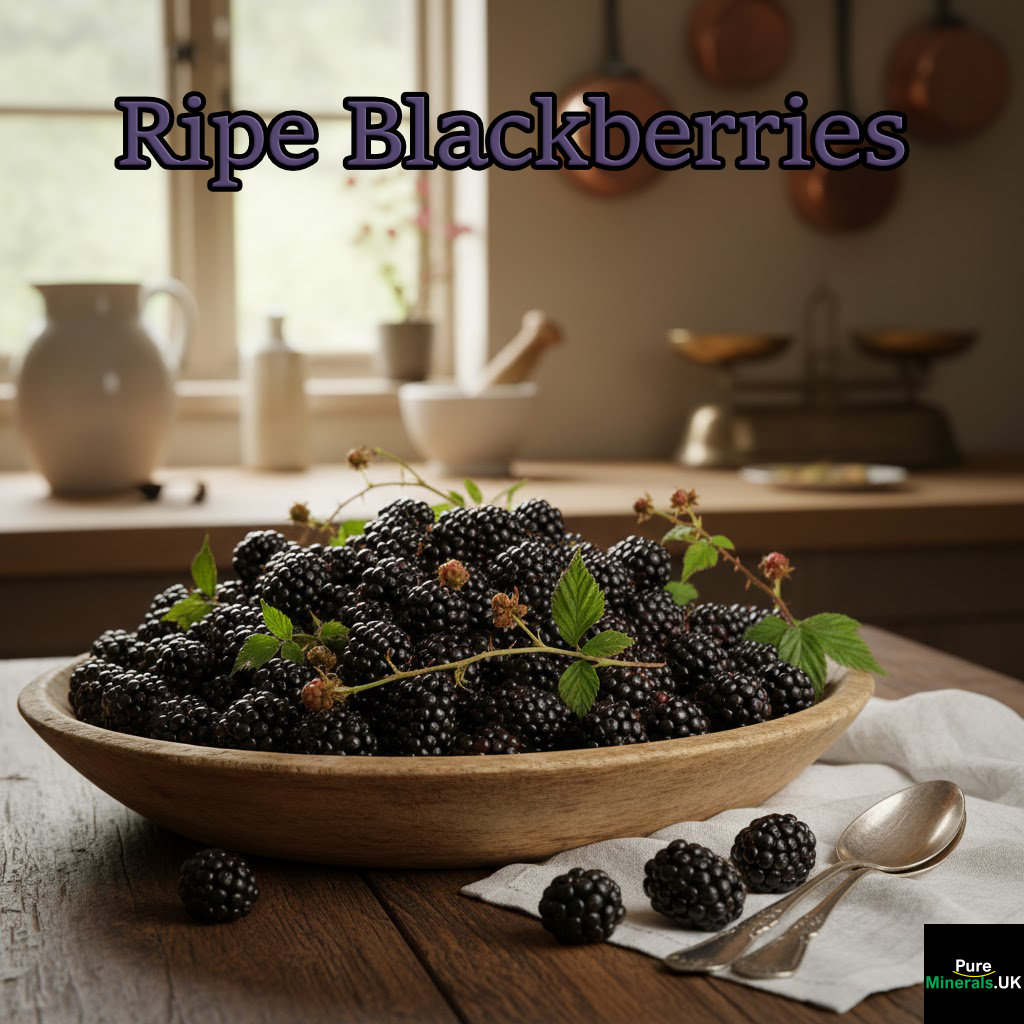
The rich, deep purple-black color of blackberries isn’t just visually appealing – it’s a visual indicator of their exceptional antioxidant content. These berries get their distinctive hue from anthocyanins, powerful plant compounds that have been linked to numerous health benefits in scientific research. According to USDA analysis, blackberries offer one of the highest antioxidant concentrations among commonly consumed fruits, outranking many of their berry cousins.
What makes blackberries particularly special is their diverse antioxidant profile. Beyond anthocyanins, they contain ellagic acid, gallic acid, and other phenolic compounds that work synergistically to provide comprehensive cellular protection. This antioxidant diversity means blackberries don’t just target one type of free radical damage but offer broad-spectrum protection against multiple oxidative threats.
- Anthocyanins: The pigments responsible for the dark color, linked to heart health and anti-inflammatory effects
- Ellagic acid: A polyphenol with potential cancer-fighting properties
- Gallic acid: Known for its antimicrobial and antiviral properties
- Vitamin C: A classic antioxidant that supports immune function
- Quercetin: A flavonoid that helps reduce inflammation and allergy symptoms
Anthocyanins: The Purple Powerhouse Compounds
Anthocyanins deserve special attention when discussing blackberry benefits. These distinctive compounds are responsible for the berry’s deep purple-black coloration and represent one of the most studied components in blackberries. Research published in The Journals of Gerontology has demonstrated that anthocyanins can cross the blood-brain barrier, allowing them to directly support brain health and cognitive function.
What makes anthocyanins particularly valuable is their powerful anti-inflammatory action. Chronic inflammation underlies many modern diseases, from heart disease to diabetes and even certain cancers. By regularly consuming anthocyanin-rich foods like blackberries, you’re essentially providing your body with natural anti-inflammatory compounds that work at the cellular level. Unlike pharmaceutical anti-inflammatories, these natural compounds work gently and cumulatively, supporting long-term health without harsh side effects.
How Blackberry Antioxidants Compare to Other Berries
While all berries offer impressive health benefits, blackberries consistently rank among the highest in total antioxidant content. When measured by Oxygen Radical Absorbance Capacity (ORAC), which quantifies antioxidant strength, blackberries score significantly higher than strawberries and are comparable to blueberries, which are often celebrated for their antioxidant properties.
What distinguishes blackberries in the berry family is their specific antioxidant composition. While blueberries are renowned for certain types of anthocyanins, blackberries contain unique forms of these compounds along with significant amounts of ellagic acid not found in high quantities in other common berries. This distinct profile means blackberries may offer complementary benefits when consumed alongside other berries, making a mixed berry approach particularly beneficial for comprehensive antioxidant protection.
The accessibility of blackberries makes their impressive antioxidant profile even more valuable. Unlike some exotic superfoods, blackberries are widely available, relatively affordable (especially when in season or purchased frozen), and easily incorporated into everyday meals. This combination of potency and practicality makes blackberries a smart choice for anyone looking to boost their antioxidant intake without completely overhauling their diet or budget.
Free Radical Protection and Cell Defense
At the cellular level, blackberries offer remarkable protection against oxidative stress. Every cell in your body is constantly bombarded by free radicals—unstable molecules that can damage DNA and cell structures. This damage, left unchecked, accelerates aging and contributes to disease development. Blackberries contain a diverse arsenal of antioxidant compounds that neutralize these harmful molecules before they can cause damage. Learn more about the amazing health benefits of berries.
What makes blackberries particularly effective is how their various antioxidants target different types of free radicals. The vitamin C in blackberries combats water-soluble free radicals, while fat-soluble antioxidants like certain flavonoids protect cell membranes. This comprehensive protection creates a defense system that works throughout the body’s tissues and cellular environments. Research suggests this multi-layered protection may be why berry consumption is consistently linked to lower rates of oxidative damage biomarkers in human studies.
Heart Health Benefits From Regular Blackberry Consumption

The connection between blackberries and heart health is one of the most well-documented aspects of these remarkable fruits. Cardiovascular disease remains the leading cause of death globally, yet research indicates that something as simple as regular blackberry consumption could help protect your heart. The anthocyanins in blackberries have been shown to improve blood vessel function, a critical factor in maintaining healthy blood pressure and preventing heart disease.
In clinical research, participants consuming anthocyanin-rich foods like blackberries demonstrated measurable improvements in vascular function and blood pressure. These benefits appear to stem from how anthocyanins help blood vessels maintain their flexibility and responsiveness, allowing them to dilate and contract as needed. Healthy, responsive blood vessels are essential for proper circulation and reduced strain on the heart.
Blood Pressure Regulation Effects
The relationship between blackberries and blood pressure regulation deserves special attention. Hypertension affects nearly half of American adults and significantly increases the risk of heart attack, stroke, and kidney disease. Research published in The Journals of Gerontology has demonstrated that the anthocyanins in berries like blackberries circulate in the bloodstream, where they improve blood vessel function and help regulate blood pressure levels.
What makes these findings particularly valuable is that blackberries appear to support healthy blood pressure through multiple mechanisms. Beyond direct effects on blood vessels, the potassium content in blackberries (about 233 mg per cup) helps balance sodium levels in the body—a critical factor in blood pressure regulation. Additionally, the fiber in blackberries supports heart health by helping to maintain healthy cholesterol levels, creating a multi-faceted approach to cardiovascular protection.
Cholesterol Management Properties
Blackberries contribute to heart health by positively affecting cholesterol profiles. The soluble fiber found in blackberries binds to cholesterol in the digestive system, preventing its absorption and helping the body eliminate it. Regular consumption of blackberries may help lower LDL (bad) cholesterol levels while supporting healthy HDL (good) cholesterol.
Beyond fiber, the polyphenols in blackberries appear to influence how the liver processes cholesterol. Research suggests these compounds may help reduce the liver’s production of cholesterol and enhance the removal of LDL cholesterol from the bloodstream. This dual-action approach makes blackberries particularly valuable for maintaining healthy cholesterol balance, similar to the benefits of red onions.
Inflammation Reduction in Cardiovascular Tissues
Chronic inflammation is now recognized as a key driver in the development and progression of heart disease. The anti-inflammatory compounds in blackberries, particularly anthocyanins and ellagic acid, help combat this underlying inflammation. These natural compounds work by inhibiting pro-inflammatory signaling pathways and reducing the production of inflammatory molecules that can damage cardiovascular tissues.
What makes blackberries especially valuable for heart health is how their anti-inflammatory effects specifically benefit blood vessel linings. The endothelium—the thin layer of cells lining blood vessels—is particularly vulnerable to inflammatory damage. Blackberry compounds help protect these critical cells, maintaining proper endothelial function, which is essential for healthy blood flow, blood pressure regulation, and prevention of plaque formation.
Blackberries for Brain Function and Mental Clarity
The brain-boosting potential of blackberries represents one of their most exciting health benefits. Research from respected institutions indicates that the unique anthocyanins in blackberries can cross the blood-brain barrier—a selective membrane that prevents many substances from entering brain tissue. This remarkable ability allows blackberry compounds to directly support brain cell health and function in ways that many other nutrients cannot.
Oxidative stress and inflammation in the brain contribute significantly to age-related cognitive decline and neurodegenerative diseases. The potent antioxidant and anti-inflammatory compounds in blackberries directly combat these damaging processes. Regular consumption of anthocyanin-rich foods like blackberries has been associated with better cognitive performance and slower rates of age-related mental decline in multiple population studies.
Neuroprotective Effects Against Age-Related Decline
As we age, protecting brain cells becomes increasingly important for maintaining cognitive function and quality of life. Blackberries contain specific compounds that appear to shield neurons from damage and support their normal function even as we get older. The polyphenols in blackberries help maintain the integrity of brain cell membranes and protect the delicate neural connections essential for memory and cognition. For a similar nutrient boost, consider incorporating spinach into your diet as well.
Research suggests that regular blackberry consumption may help combat age-related changes in brain regions associated with learning and memory. These protective effects appear to be cumulative, meaning consistent inclusion of blackberries in your diet over time provides the greatest benefit. What makes this particularly valuable is that blackberries offer these neuroprotective benefits while simultaneously supporting overall health, making them an efficient addition to any brain-healthy eating plan.
Memory Enhancement Properties
Beyond general neuroprotection, blackberries may specifically enhance memory function. Studies examining berry consumption have found improvements in both short-term memory and spatial navigation skills—cognitive functions that commonly decline with age. These memory-boosting effects likely stem from how blackberry compounds support signaling between neurons and promote the growth of new neural connections.
The anthocyanins in blackberries appear to enhance a process called brain-derived neurotrophic factor (BDNF) signaling, which is essential for forming new memories and maintaining existing ones. By supporting this fundamental aspect of brain function, blackberries may help preserve memory capacity even as we age. Additionally, the anti-inflammatory effects of blackberry compounds help maintain healthy blood flow to the brain, ensuring neurons receive adequate oxygen and nutrients needed for optimal memory performance.
Fiber Content: The Digestive Health Champion
While antioxidants often steal the spotlight, the fiber content in blackberries deserves equal attention for its profound health benefits. A single cup of blackberries contains approximately 8 grams of fiber—nearly a third of the daily recommended intake. This impressive fiber content makes blackberries one of the most efficient ways to boost your fiber intake while enjoying a naturally sweet treat.
Blackberries contain both soluble and insoluble fiber, each offering distinct health advantages. The soluble fiber helps regulate cholesterol and blood sugar levels, while insoluble fiber promotes regular bowel movements and digestive health. Together, these fiber types create a comprehensive approach to digestive wellness that supports everything from nutrient absorption to elimination of waste products. For more on the benefits of fiber, check out this article on apples, another great source of dietary fiber.
How to Pick the Perfect Blackberries
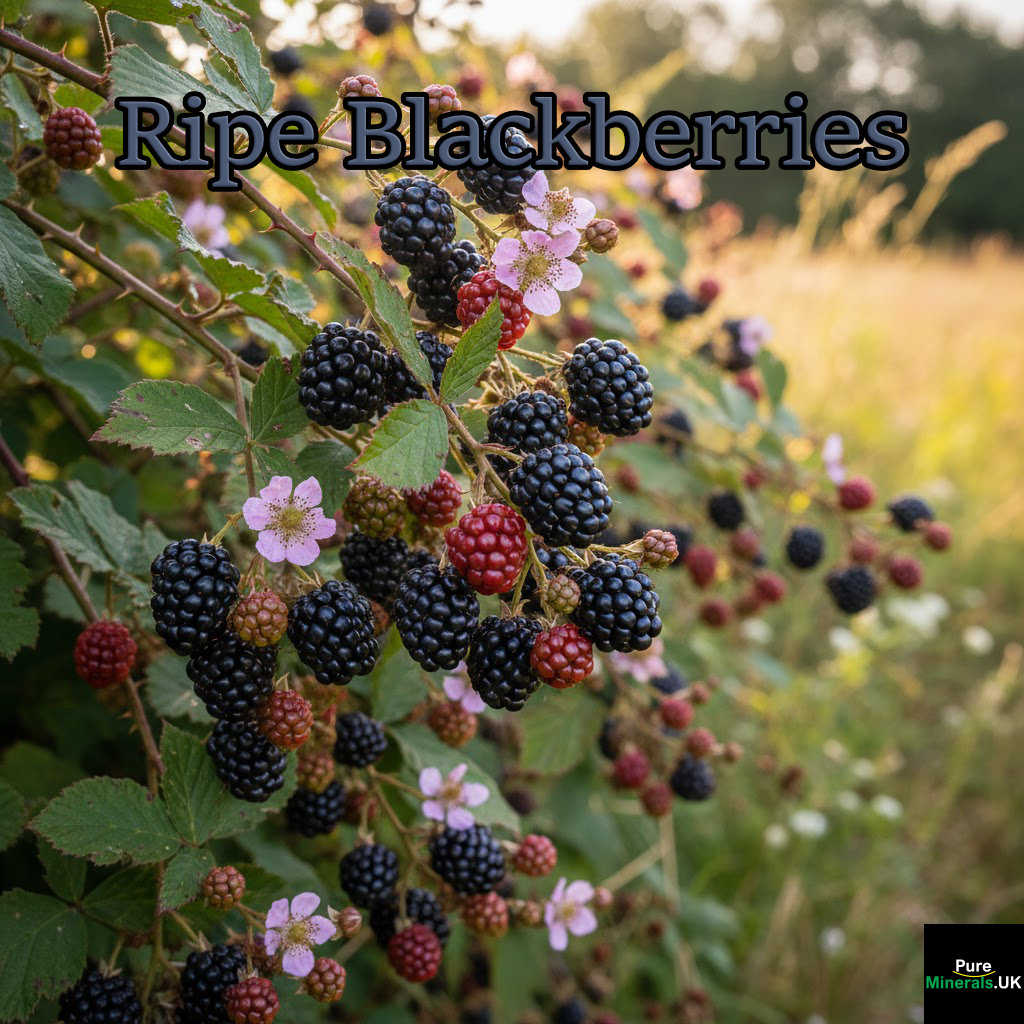
Selecting the perfect blackberries makes all the difference in both flavor and nutritional value. Look for berries that are deeply colored, plump, and have a slight glossy sheen. The ideal blackberry should be completely black—any hint of red indicates an underripe berry that will be tart and lower in antioxidant content. Berries should feel firm but not hard, with each drupelet (the small, round segments making up the berry) fully developed and intact.
Proper Storage Methods to Prevent Spoilage
Fresh blackberries are notoriously delicate and require careful storage to maximize their shelf life. Never wash blackberries until you’re ready to use them, as moisture accelerates spoilage. Instead, place unwashed berries in a single layer on a paper towel-lined container with the lid slightly ajar to allow airflow while preventing dehydration. Store this container in the refrigerator, ideally in the crisper drawer where humidity is higher.
Even with proper storage, fresh blackberries typically remain at peak quality for only 3-5 days. Inspect your berries daily and remove any that show signs of mold or crushing, as these can quickly affect the entire batch. If you notice condensation forming inside your storage container, replace the paper towel to absorb excess moisture and help prevent mold development.
Freezing Techniques That Preserve Antioxidants
Freezing blackberries is an excellent way to preserve their nutritional benefits and antioxidant content for months. For best results, arrange clean, thoroughly dried berries in a single layer on a baking sheet and freeze until solid (typically 2-3 hours). Once frozen, transfer the berries to airtight containers or freezer bags, removing as much air as possible before sealing. This flash-freezing technique prevents berries from sticking together, allowing you to portion out exactly what you need. Research shows that frozen blackberries retain most of their antioxidants for up to six months when properly stored, making them a convenient option for year-round access to these nutritional powerhouses.
Safety Considerations and Potential Concerns
While blackberries offer impressive health benefits, several safety considerations merit attention to maximize their advantages while avoiding potential issues. Like all produce, blackberries can harbor pesticide residues, interact with certain medications, and occasionally trigger allergic reactions in sensitive individuals. Understanding these concerns allows you to make informed decisions about incorporating blackberries into your diet while minimizing any risks. Thankfully, with appropriate awareness and simple precautions, most people can enjoy blackberries without complications, benefiting from their extraordinary nutritional properties while avoiding potential drawbacks.
Pesticide Exposure: Organic vs. Conventional
Blackberries, particularly conventionally grown varieties, may contain pesticide residues that concern health-conscious consumers. While the levels typically fall within regulatory safety limits, those looking to minimize exposure should consider washing conventional blackberries thoroughly under cool running water for at least 30 seconds before consumption. For particularly sensitive individuals, including pregnant women and young children, organically grown blackberries offer an alternative with significantly lower pesticide exposure. The Environmental Working Group (EWG) doesn’t list blackberries among its “Dirty Dozen” fruits and vegetables with the highest pesticide residues, but choosing organic when available and affordable provides additional peace of mind while supporting environmentally friendly farming practices.
Medication Interactions to Be Aware Of
The impressive nutritional profile of blackberries includes vitamin K, which can potentially interact with blood-thinning medications like warfarin (Coumadin). Vitamin K plays a critical role in blood clotting, potentially counteracting the effects of these medications. If you’re taking blood thinners, you don’t need to avoid blackberries entirely, but it’s important to maintain consistent consumption rather than dramatically increasing or decreasing your intake. Discuss your blackberry consumption with your healthcare provider, who can monitor your medication levels and make appropriate adjustments. For most other medications, blackberries pose no significant interaction concerns and can be safely enjoyed as part of a balanced diet.
Allergic Reactions: Signs to Watch For
True blackberry allergies are relatively rare but can occur in some individuals. Symptoms typically develop within minutes to hours after consumption and may include itching or tingling in the mouth, hives, swelling (particularly of lips, face, or throat), digestive distress, or difficulty breathing in severe cases. Those with known allergies to other berries or fruits in the Rosaceae family (including raspberries, strawberries, apples, and peaches) may have a higher risk of cross-reactivity with blackberries. If you experience symptoms after eating blackberries, particularly if they’re severe or involve breathing difficulties, seek immediate medical attention. For mild reactions, consult an allergist who can perform testing to determine if blackberries are indeed the trigger.
Some people may also experience oral allergy syndrome when consuming blackberries, which causes temporary itching or tingling in the mouth due to cross-reactivity with certain pollen allergies rather than true food allergy. This condition is typically mild and resolves quickly without treatment, though cooking or freezing the berries sometimes reduces reactivity for sensitive individuals.
The Final Word: Blackberries as Part of a Balanced Diet
“Blackberries represent one of nature’s most perfect packages of nutrition—delivering disease-fighting antioxidants, gut-healthy fiber, essential vitamins, and minerals in a low-calorie, naturally sweet package. Few foods offer such comprehensive health benefits while simultaneously satisfying cravings for sweetness.” — Nutrition research consensus
The evidence supporting blackberry consumption as part of a healthy diet is both substantial and compelling. These remarkable berries deliver multiple layers of health benefits, from potent antioxidant protection to digestive support and heart health promotion. Rather than viewing blackberries as a miracle food, however, their greatest value comes from being incorporated into an overall pattern of nutritious eating that includes a variety of plant foods.
Most nutrition experts recommend consuming a diverse array of colorful fruits and vegetables daily, with berries like blackberries making regular appearances. The combination of different plant foods creates synergistic effects where compounds work together for enhanced benefits. For example, the vitamin C in blackberries improves iron absorption from plant sources like spinach when consumed together, while the fiber in blackberries helps moderate blood sugar response when paired with higher-glycemic foods.
Whether enjoyed fresh during their summer peak season, frozen year-round, or incorporated into recipes, blackberries offer accessible nutrition that aligns perfectly with dietary recommendations for disease prevention and overall wellness. By understanding both their benefits and best practices for selection and storage, you can maximize what these remarkable fruits have to offer as part of your daily nutrition.
Important note: Blackberries
Blackberries are generally safe and well-tolerated. However, their small seeds and high fibre content may cause digestive discomfort in individuals with sensitive gastrointestinal conditions, diverticular disease, or irritable bowel syndrome. In such cases, moderate portions or blended forms may improve tolerance.
Wild-harvested blackberries should be collected only from clean environments free of pollution and animal contamination and washed thoroughly before consumption. Individuals taking anticoagulant medication should maintain consistent vitamin K intake, as blackberries provide modest amounts of this nutrient.
As with all fruit, excessive intake may contribute to digestive upset or blood sugar fluctuations in susceptible individuals.
Frequently Asked Questions
Blackberries generate many questions about their specific health benefits, optimal consumption, and practical considerations. The following answers address the most common inquiries with evidence-based information to help you make informed decisions about incorporating these nutritional powerhouses into your diet. From diabetes management to pregnancy safety, these responses provide clear guidance while acknowledging the nuanced nature of nutritional science.
Understanding these frequently asked questions can help you navigate potential concerns and maximize the benefits blackberries offer. As with any nutritional topic, individual needs and circumstances vary, so consider consulting with a registered dietitian or healthcare provider for personalized recommendations based on your specific health situation.
Can blackberries help with diabetes management?
Yes, blackberries can be particularly beneficial for diabetes management due to several key properties. Their low glycemic index (around 25) means they have minimal impact on blood sugar levels compared to many other fruits. Research published in Nutrients found that blackberry consumption improved insulin sensitivity in overweight men, suggesting direct metabolic benefits. Additionally, the fiber content in blackberries (approximately 8g per cup) helps slow sugar absorption, preventing rapid blood glucose spikes. The anthocyanins in blackberries may also enhance insulin signaling pathways and reduce inflammation associated with type 2 diabetes. For most people with diabetes, blackberries make an excellent choice that provides sweetness and nutrition without compromising blood sugar control.
How many blackberries should I eat daily to get health benefits?
Research suggests that meaningful health benefits begin with consuming approximately ½ cup (about 70g) of blackberries daily, though larger amounts may provide additional advantages. Clinical studies typically use doses ranging from ½ cup to 2 cups daily, with improvements in markers of inflammation, antioxidant status, and insulin sensitivity observed even at the lower end of this range. Rather than focusing on a specific quantity, consistency appears more important—regular consumption provides cumulative benefits that occasional large servings cannot match. For more information on the health benefits of berries, visit this resource.
For general health maintenance, incorporating ½-1 cup of blackberries several times weekly represents a realistic and beneficial approach. Those targeting specific health concerns like cardiovascular disease or cognitive protection may benefit from daily consumption. Remember that blackberries should be part of a varied diet that includes multiple types of berries and other colorful fruits and vegetables for comprehensive nutritional support.
Are frozen blackberries as nutritious as fresh ones?
Frozen blackberries often retain equal or even superior nutritional value compared to fresh berries that have been transported and stored for days. Research has shown that freezing actually helps preserve anthocyanins and other delicate compounds that might degrade during shipping and shelf-storage of fresh berries. Commercial flash-freezing processes lock in nutrients at peak ripeness, when antioxidant levels are highest.
Studies comparing the antioxidant content of fresh versus frozen berries have found that frozen samples frequently contain higher levels of beneficial compounds, particularly when the “fresh” comparison berries have been stored for several days after harvest. The fiber content remains completely intact in frozen berries, and vitamin losses are minimal with proper freezing techniques.
The convenience and year-round availability of frozen blackberries make them a practical nutrition solution, often at a lower cost than off-season fresh berries. For cooking applications like smoothies, baking, or sauces, frozen berries perform identically to fresh and may actually produce better results in some recipes due to their consistent ripeness and texture.
- Frozen blackberries retain all their fiber content
- Antioxidant levels are preserved and sometimes enhanced by freezing
- Vitamin C shows minimal degradation in properly frozen berries
- Frozen berries are often more economical, especially out of season
- Pre-frozen blackberries eliminate waste from spoilage
Do wild blackberries have more antioxidants than cultivated varieties?
Wild blackberries typically contain significantly higher levels of antioxidants than their commercially cultivated counterparts. Research comparing wild and cultivated blackberry varieties has found that wild berries can contain up to 75% more anthocyanins and total phenolic compounds. This nutritional advantage likely stems from several factors: wild blackberries generally grow in more challenging environments, which stimulates production of protective compounds; they’re smaller, creating a higher skin-to-pulp ratio where most antioxidants concentrate; and they haven’t been selectively bred for size, sweetness, and shipping durability at the potential expense of phytonutrient content.
However, the enhanced nutrition of wild berries must be balanced against potential concerns including environmental contaminants, inconsistent ripeness, and accessibility. For most people, regularly consuming readily available cultivated blackberries provides excellent nutritional benefits, even if wild varieties offer theoretical advantages.
Can children and pregnant women safely consume blackberries?
Blackberries are generally considered very safe for both children and pregnant women, offering valuable nutrients particularly beneficial during these life stages. For pregnant women, blackberries provide folate that supports fetal development, vitamin C that enhances iron absorption (important for preventing anemia), and fiber that helps manage common pregnancy digestive issues. Children benefit from the bone-supporting vitamin K, immune-enhancing vitamin C, and fiber that promotes healthy digestion and stable energy levels.
The only significant considerations for these populations involve thorough washing to remove potential surface contaminants (especially important for pregnant women and young children with developing immune systems) and appropriate serving sizes for very young children to prevent choking (berries can be mashed or cut for toddlers). Some healthcare providers may recommend organic blackberries for pregnant women and young children to minimize pesticide exposure, though conventional berries are still considered safe when properly washed.