

Published: 7 March 2026
This article is periodically reviewed and updated to reflect current scientific understanding by Vic George.
Fact-Checked: 1 other authoritative medical/scientific reference. See our Editorial Policy.
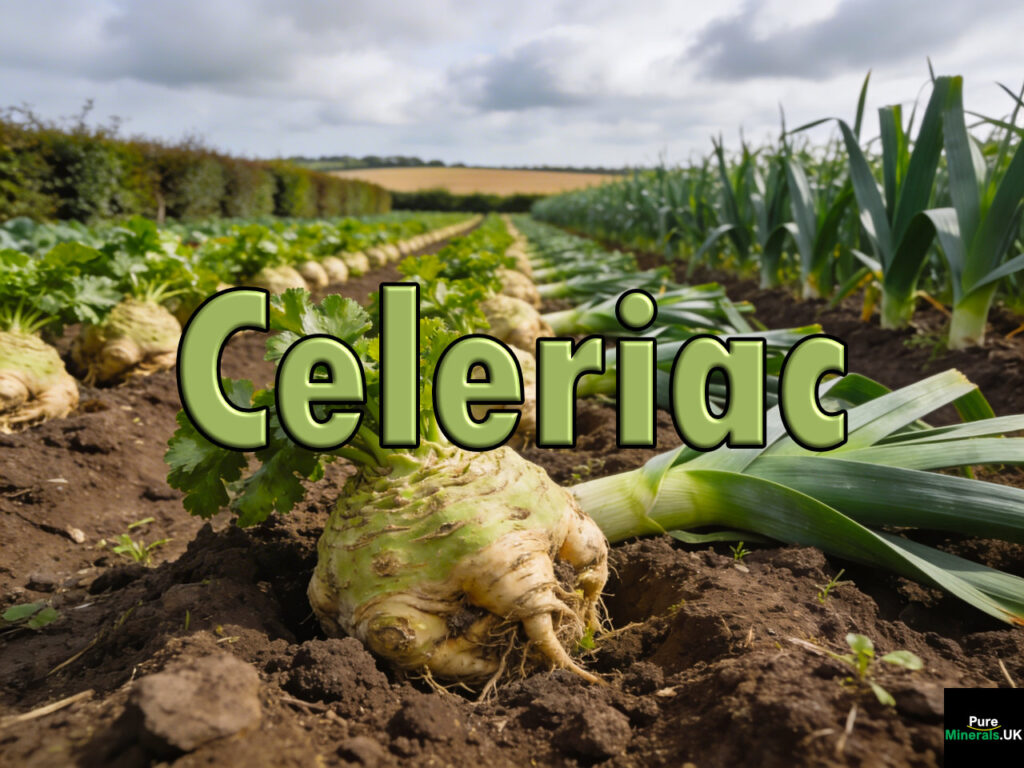
What Is Celeriac?
Celeriac, also known as celery root, is the edible root of Apium graveolens var. rapaceum, a cultivated variety of celery grown specifically for its enlarged, knobby root. It is valued for its mild celery-like flavor and its content of dietary fiber, potassium, vitamin K, and various plant-derived compounds.
Definition
Celeriac is the swollen root of Apium graveolens var. rapaceum, a member of the Apiaceae family cultivated and consumed as a root vegetable.
Extended Definition
Celeriac belongs to the Apiaceae family, which includes carrots, parsley, fennel, and celery. While it is closely related to stalk celery (Apium graveolens var. dulce), celeriac is selectively bred to produce a large, bulbous root rather than elongated stalks.
The edible portion is a thickened hypocotyl and root structure that develops underground. Despite its rough exterior appearance, the interior flesh is firm, pale, and aromatic, with a flavor that resembles a combination of celery and parsley.
Nutritionally, celeriac provides dietary fiber, vitamin K, vitamin C, potassium, and several B vitamins. Vitamin K plays a key role in normal blood clotting and bone metabolism, while potassium contributes to fluid balance and normal nerve signaling.
Celeriac also contains polyphenols and other antioxidant compounds that support plant defense mechanisms. These phytochemicals contribute to the plant’s resilience against environmental stress.
Compared with many other root vegetables, celeriac has a relatively moderate carbohydrate content and a substantial fiber contribution. Its dense structure allows it to be used in both raw and cooked culinary applications.
Celeriac is commonly prepared by peeling away the fibrous outer layer before cooking or slicing the interior flesh. It can be roasted, mashed, pureed, or shredded into salads.
Key Facts
Botanical name: Apium graveolens var. rapaceum
Plant family: Apiaceae
Common classification: Root vegetable
Origin: Mediterranean region and Europe
Edible part: Enlarged root (hypocotyl)
Typical color: Brown exterior with pale white interior
Primary nutrients: Fiber, vitamin K, vitamin C, potassium
Key phytonutrients: Polyphenols, flavonoids
Energy density: Low to moderate
Notable compounds: Aromatic plant compounds related to celery oils
Culinary uses: Roasting, mashing, soups, purees, salads
Key Takeaways
- Celeriac is low in calories — just 42 calories per 100g — yet packed with fiber, vitamin K, vitamin C, phosphorus, potassium, and manganese, making it one of the most nutrient-dense root vegetables you can eat.
- Vitamin K is celeriac’s standout nutrient, playing a critical role in bone formation and blood clotting, with a single serving delivering a significant percentage of your daily requirement.
- Cooking method matters — boiling celeriac reduces its vitamin C content by at least 50%, so raw or lightly roasted preparations preserve the most nutritional value.
- Celeriac contains powerful plant compounds, including phthalides and polyacetylenes that may offer anti-inflammatory, cardiovascular, and even cancer-protective benefits — more on those below.
- It’s a surprisingly effective potato substitute with fewer carbohydrates and a lower calorie count, making it ideal for anyone managing blood sugar or watching their weight.
Celeriac Is More Nutritious Than Most People Realize
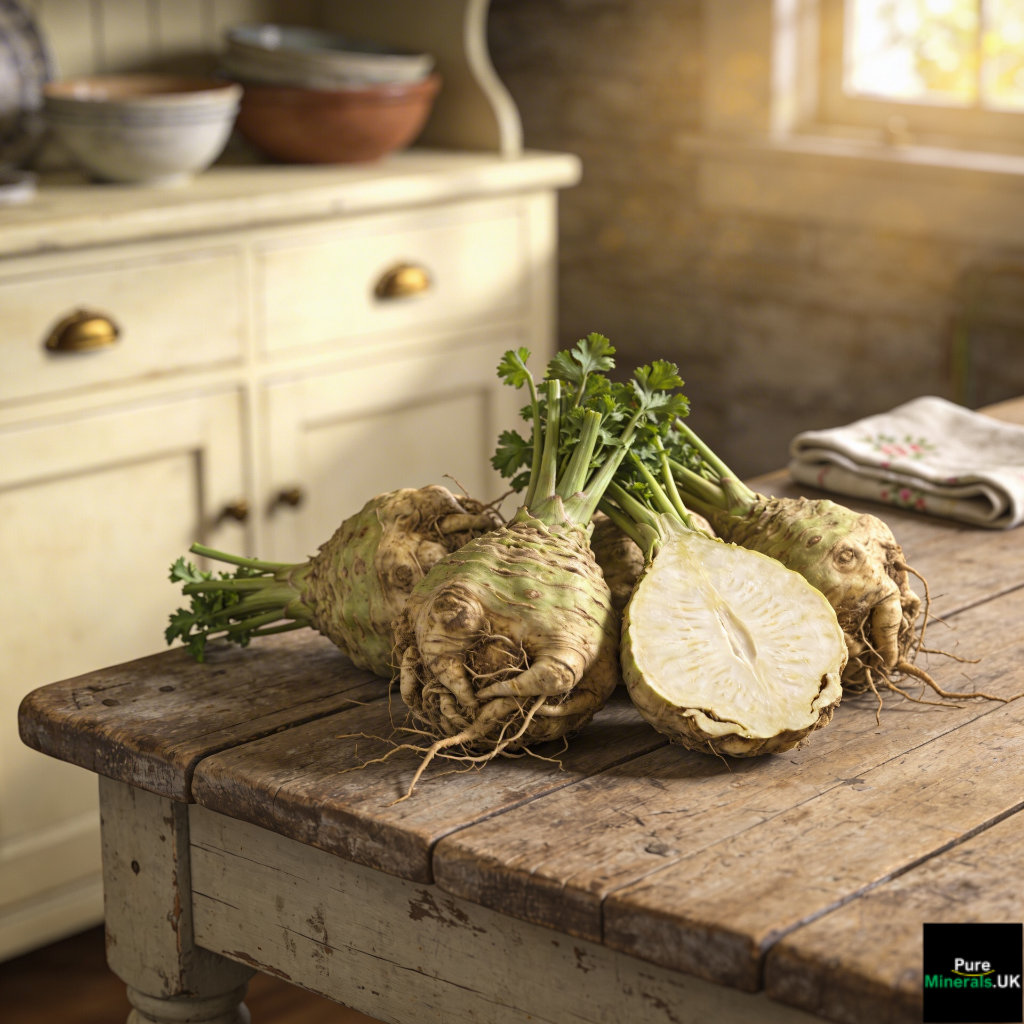
Most people walk right past celeriac at the market without a second glance — and that’s a mistake worth correcting. This knobby, rough-skinned root vegetable is quietly one of the most nutritionally complete vegetables in the produce aisle, offering a broad spectrum of vitamins, minerals, fiber, and beneficial plant compounds in a single low-calorie package.
Celeriac (Apium graveolens var. rapaceum) belongs to the same botanical family as celery, parsley, and parsnips. Despite its humble appearance, it has earned a strong following among natural health enthusiasts and culinary explorers alike.
Unlike trendy superfoods that deliver narrow benefits, celeriac works across multiple body systems simultaneously. Its subtle, earthy flavor — somewhere between celery and parsley — makes it easy to incorporate into everyday meals, whether raw, roasted, or mashed as a lower-carb alternative to potatoes.
Celeriac Nutritional Profile: Macronutrients and Calories
Per 100g of raw celeriac, you’re looking at approximately 42 calories — a number that puts it firmly in the low-calorie category alongside other nutrient-dense vegetables like broccoli and cauliflower. What makes those 42 calories especially valuable is how much nutritional content comes with them.
Carbohydrates and Fiber Content
Celeriac contains roughly 9 grams of carbohydrates per 100g, but the majority of that comes from dietary fiber rather than simple sugars. This fiber content — both soluble and insoluble — is one of its most important nutritional features, supporting gut motility, blood sugar regulation, and sustained feelings of fullness after eating.
Protein and Fat Content
Celeriac isn’t a protein powerhouse, but it does contribute around 1.5 grams of protein per 100g — modest but meaningful for a root vegetable. Fat content is negligible at less than 0.5 grams per 100g, which means virtually all of celeriac’s calories come from complex carbohydrates and fiber rather than fat. This macronutrient profile makes it an excellent choice for calorie-conscious eaters who still want a satisfying, nutrient-rich food.
For those tracking macros or following a specific dietary plan, here’s a quick snapshot of carrots’ core macronutrient breakdown in comparison to celeriac.
Nutrient | Amount per 100g (Raw) |
|---|---|
|
Calories |
~42 kcal |
|
Carbohydrates |
~9g |
|
Dietary Fiber |
~1.8g |
|
Protein |
~1.5g |
|
Fat |
<0.5g |
How Cooking Affects Celeriac’s Nutritional Value
Here’s something worth knowing before you throw celeriac into a pot of boiling water: cooking significantly degrades certain nutrients, particularly vitamin C. Boiling celeriac reduces its vitamin C content by at least 50%, according to nutritional data analysis. Roasting or steaming preserves more of the micronutrient content, and eating it raw — grated into slaws or salads — delivers the full spectrum of what this vegetable has to offer.
Vitamins and Minerals in Celeriac
This is where celeriac genuinely separates itself from the average root vegetable. Beyond its solid macronutrient base, celeriac delivers a concentrated hit of several vitamins and minerals that are directly linked to long-term health outcomes. It’s a particularly strong source of vitamins K, C, and B6, alongside key minerals including phosphorus, potassium, and manganese.
These aren’t trace amounts either. A single serving of celeriac contributes meaningfully to several daily recommended values, making it one of the more efficient vegetables you can include in a whole-food diet.
Vitamin K: Bone and Blood Health
Vitamin K is celeriac’s most impressive micronutrient, and it’s present in amounts that genuinely move the needle on your daily intake. This fat-soluble vitamin plays two critical roles in the body: it activates the proteins required for proper blood clotting, and it facilitates the incorporation of calcium into bone tissue. Without adequate vitamin K, calcium can accumulate in the wrong places — including arteries — rather than strengthening bones. For other vegetables rich in vitamin K, consider adding cabbage to your diet.
For anyone focused on long-term bone density and cardiovascular integrity, celeriac’s vitamin K content alone makes it worth adding to a regular rotation of vegetables.
Vitamin C: Immunity and Antioxidant Protection
Raw celeriac is a solid source of vitamin C, a water-soluble antioxidant that protects cells from oxidative stress, supports immune function, and plays a key role in collagen synthesis. Research published in a review cited by Healthline also suggests that vitamin C may improve blood vessel function and lipid profiles, particularly in individuals with diabetes or low baseline vitamin C levels. The main word here is raw — cooking, especially boiling, dramatically reduces available vitamin C.
Vitamin B6: Brain and Metabolic Function
Vitamin B6 in celeriac supports neurotransmitter production, protein metabolism, and immune regulation. It’s involved in the synthesis of serotonin and dopamine, making it relevant not just for physical health but for mood and cognitive function as well.
B6 deficiency is more common than most people realize and is associated with fatigue, irritability, and impaired immune response. Including B6-rich foods like cassava regularly is a straightforward dietary strategy for supporting neurological and metabolic health without supplementation.
Key Minerals Found in Celeriac:
Phosphorus — Works alongside calcium and vitamin K to build and maintain bone density. Also essential for energy metabolism (ATP production).
Potassium — An electrolyte critical for blood pressure regulation, muscle contraction, and cardiovascular function. Celeriac’s potassium content makes it particularly valuable for heart health.
Manganese — A trace mineral that acts as a cofactor for antioxidant enzymes and supports bone formation, wound healing, and carbohydrate metabolism.
Together, these three minerals form a complementary trio that reinforces the cardiovascular, skeletal, and metabolic benefits already provided by celeriac’s vitamin content. This layered nutritional synergy is what makes whole foods like celeriac far more effective than isolated supplements.
It’s also worth noting that celeriac’s mineral density isn’t diluted by excessive sugar or starch. Unlike higher-glycemic root vegetables, celeriac delivers its mineral payload without causing significant blood sugar spikes — a meaningful distinction for anyone managing insulin sensitivity or metabolic health.
Phytochemicals and Antioxidants in Celeriac
Beyond vitamins and minerals, celeriac contains a fascinating array of plant compounds that work at the cellular level to protect and support human health. These phytochemicals — phthalides, polyacetylenes, flavonoids, and phenolic acids — are the compounds that give celeriac its genuine claim to superfood status, even if it rarely gets that label.
What makes these compounds particularly interesting is that they don’t just act as antioxidants in the conventional sense. They interact with specific biological pathways, influencing inflammation, cellular repair, and even how the body responds to abnormal cell growth. This is why whole-food sources of these compounds are consistently more effective than isolated extracts — the synergy between compounds matters.
Phthalides: Anti-Inflammatory and Cardiovascular Benefits
Phthalides are bioactive compounds found throughout the Apiaceae family — which includes celery, parsley, and celeriac. These compounds have been studied for their ability to relax the smooth muscle tissue lining blood vessel walls, which directly contributes to lower blood pressure and improved circulation. This mechanism makes phthalides especially relevant for anyone managing hypertension or cardiovascular risk through dietary means.
Beyond their vascular effects, phthalides also demonstrate anti-inflammatory activity by inhibiting certain inflammatory enzymes. Chronic low-grade inflammation is now recognized as an underlying driver of conditions ranging from arthritis to metabolic syndrome, which makes anti-inflammatory foods like celeriac more than just a nutritional footnote — they’re a meaningful dietary strategy.
Polyacetylenes: Potential Cancer-Protective Properties
Polyacetylenes are a class of naturally occurring compounds found in several members of the Apiaceae family, including celeriac. Research has identified specific polyacetylenes in these vegetables — including falcarinol and falcarindiol — that have demonstrated the ability to inhibit the proliferation of certain abnormal cell types in laboratory studies. While human clinical trials are still limited, the early evidence is compelling enough to position celeriac as part of a cancer-protective dietary pattern, particularly when consumed regularly alongside other phytochemical-rich vegetables.
Flavonoids and Phenolic Compounds
Celeriac also contains flavonoids and phenolic acids, two broad categories of plant antioxidants that neutralize free radicals and reduce oxidative stress throughout the body. Oxidative stress — caused by an imbalance between free radical production and antioxidant defenses — is a key driver of cellular aging and chronic disease. Regular consumption of flavonoid-rich foods is consistently associated with reduced markers of inflammation and improved long-term health outcomes.
The phenolic compounds in celeriac also contribute to its mild, slightly bitter flavor profile, which intensifies when the vegetable is eaten raw. This is worth knowing from a culinary standpoint: raw celeriac not only delivers more vitamin C but also retains a higher concentration of these heat-sensitive phenolic compounds, giving you both flavor complexity and enhanced phytochemical benefit in a single preparation.
Key Health Benefits of Celeriac
Put all of these nutritional and phytochemical components together, and the health picture becomes clear. Celeriac isn’t a one-trick vegetable — it supports multiple body systems simultaneously, which is exactly what you want from a whole food. The three areas where its benefits are most well-supported are digestive health, bone strength, and cardiovascular function.
Digestive Health and Gut Function
Celeriac’s fiber content — both soluble and insoluble — directly supports a healthy digestive tract. Insoluble fiber adds bulk to stool and accelerates transit time through the colon, reducing the risk of constipation and supporting regularity. Soluble fiber, meanwhile, feeds beneficial gut bacteria, acting as a prebiotic that helps maintain a balanced and diverse gut microbiome.
A well-functioning gut microbiome is now understood to influence far more than just digestion. It plays a central role in immune regulation, mood stability through the gut-brain axis, and even metabolic efficiency. Adding fiber-rich foods like celeriac to your diet is one of the most direct and evidence-backed ways to support gut health without reaching for supplements or probiotic products.
Bone Strength and Density
The combination of vitamin K, phosphorus, and potassium in celeriac creates a particularly effective nutritional environment for bone health. Vitamin K activates osteocalcin — a protein that anchors calcium into bone matrix — while phosphorus provides the structural mineral component that gives bones their density and hardness. Together, these nutrients work synergistically to both build and maintain skeletal integrity, similar to the benefits of other nutrient-rich foods like bok choy.
This matters especially as we age. Bone density begins to decline gradually from the mid-30s onward, and the cumulative effect of a diet consistently rich in bone-supportive nutrients can make a significant difference in long-term outcomes. Celeriac isn’t a replacement for weight-bearing exercise or medical intervention where needed, but as a dietary contributor to bone health, it’s genuinely valuable.
Blood Pressure and Heart Health
Celeriac supports cardiovascular health through two complementary mechanisms. First, its high potassium content helps counteract the blood pressure-raising effects of sodium by promoting vasodilation and supporting proper fluid balance. Second, the phthalides discussed earlier contribute to arterial relaxation at the smooth muscle level, providing a secondary pathway for blood pressure regulation. Vitamin K adds another layer of cardiovascular relevance by helping prevent arterial calcification — the stiffening of blood vessels that increases heart disease risk. Together, these mechanisms make celeriac one of the more comprehensively heart-supportive vegetables available.
How to Use Celeriac in the Kitchen
Knowing that celeriac is nutritious is one thing — knowing how to actually cook with it is what turns that knowledge into a daily habit. The good news is that celeriac is remarkably versatile. It handles both raw and cooked preparations well, adapts to a wide range of flavor profiles, and can step in as a substitute for higher-carbohydrate vegetables in most recipes.
The one hurdle most first-timers face is the prep work. Celeriac has a thick, rough outer skin that needs to be removed before eating. Use a sharp chef’s knife rather than a vegetable peeler — cut off the top and bottom first to create flat, stable surfaces, then work down the sides in sections. Once peeled, the creamy white interior is ready to slice, dice, grate, or roast. To prevent browning, drop the cut pieces into cold water with a squeeze of lemon juice while you finish prepping. For more detailed instructions, check out this guide on preparing celeriac.
Raw Preparations: Salads and Slaws
Raw celeriac is genuinely underrated as a salad ingredient. When grated or julienned, it has a satisfying crunch and a clean, slightly peppery flavor that pairs beautifully with sharp dressings — think whole grain mustard vinaigrette, lemon tahini, or a classic French remoulade. The classic French preparation, céleri rémoulade, is essentially a celeriac slaw dressed with a creamy mustard-mayonnaise sauce, and it remains one of the best ways to experience the vegetable’s natural flavor at full strength, similar to how cabbage is used in coleslaw.
Because raw celeriac preserves the highest concentration of vitamin C and heat-sensitive phenolic compounds, making it the preparation of choice when nutritional output is the priority. Grate it coarsely for slaws, shave it thin for composed salads, or cut it into matchsticks for a crunchy addition to grain bowls. It holds its texture well even after sitting in a dressing, which makes it practical for meal prep.
Quick Raw Celeriac Remoulade:
Peel and coarsely grate one medium celeriac (about 500g). Toss immediately with lemon juice to prevent browning. Whisk together 3 tablespoons of whole grain mustard, 3 tablespoons of mayonnaise or Greek yogurt, 1 tablespoon of apple cider vinegar, salt, and black pepper. Combine with the grated celeriac and allow to rest for 15 minutes before serving. The flavors deepen as it sits, and it keeps well in the refrigerator for up to three days.
This preparation takes about 10 minutes and delivers a side dish that’s genuinely rich in fiber, vitamin K, and vitamin C without the calorie load of a traditional coleslaw. It works alongside grilled fish, roasted meats, or as part of a plant-forward mezze spread.
One practical note: once peeled and cut, raw celeriac oxidizes quickly and turns brown on exposure to air — similar to an apple or artichoke. Always have a bowl of cold acidulated water ready (water with lemon juice or white wine vinegar) and drop in the cut pieces as you work. This keeps the flesh a clean, bright white and preserves both appearance and flavor.
Cooked Applications: Roasting, Mashing, and Steaks
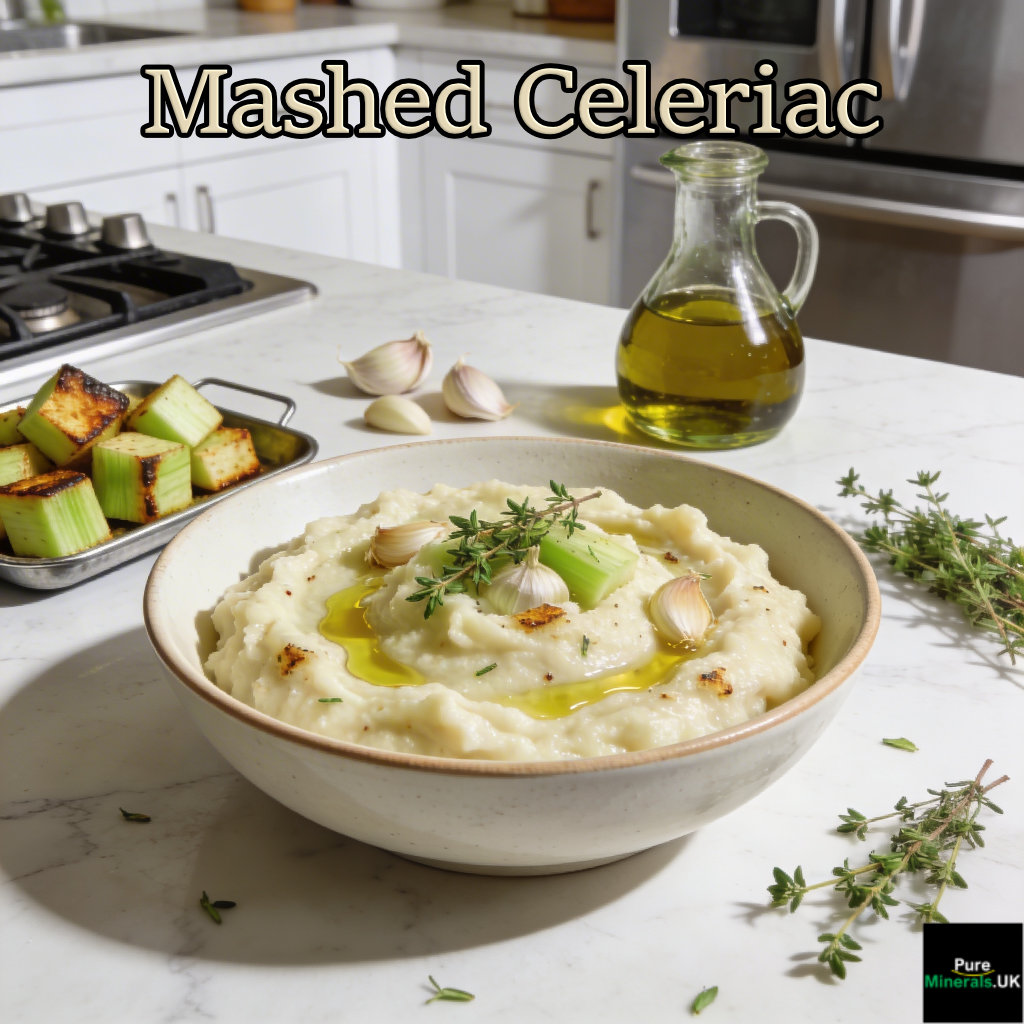
Cooking transforms celeriac’s flavor profile considerably. The mild bitterness of the raw vegetable mellows into something nutty, sweet, and deeply savory — particularly when roasted at high heat. Cut into cubes and tossed with olive oil, garlic, and fresh thyme, roasted celeriac develops caramelized edges and a creamy interior that can hold its own as a standalone side dish. It also works exceptionally well pureed into soups, where it contributes a naturally silky texture without the need for heavy cream, much like carrots.
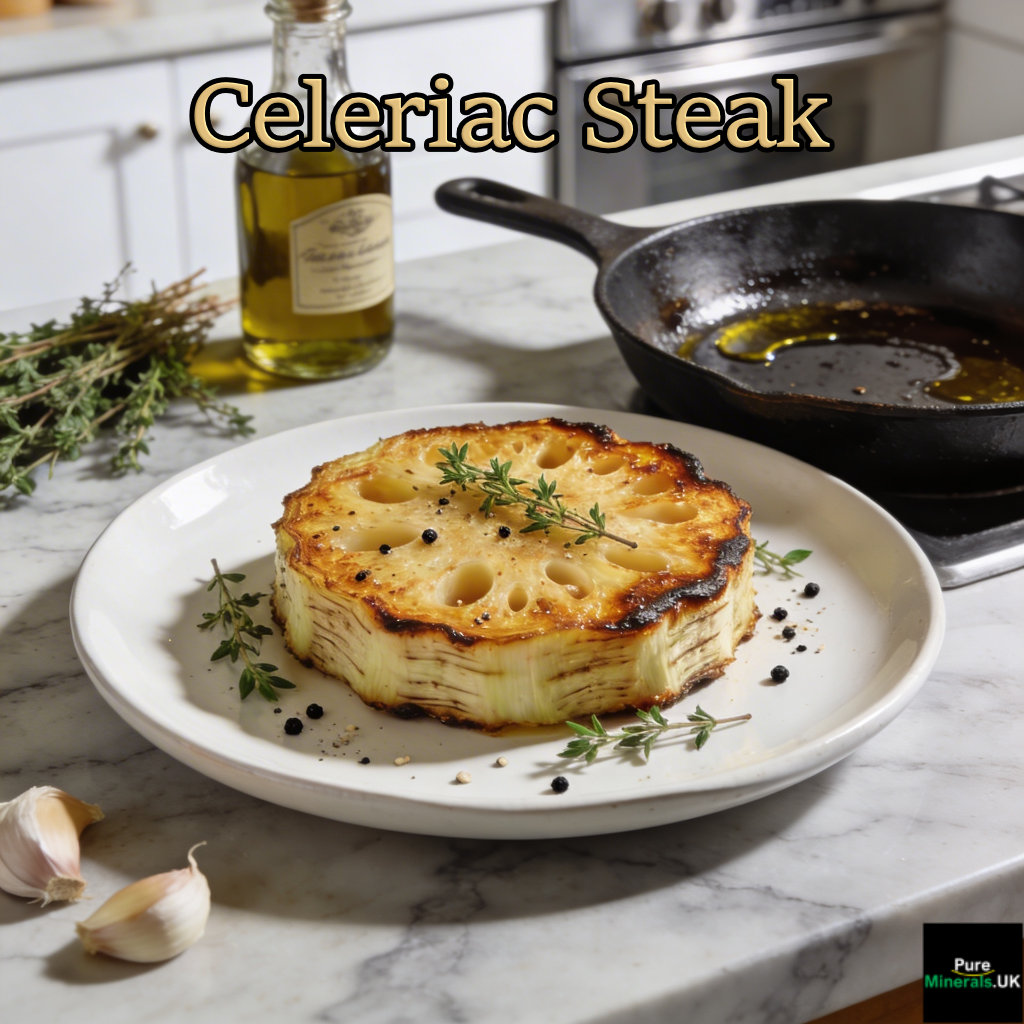
The celeriac “steak” has become a popular preparation in plant-forward cooking — slice the peeled root into thick rounds (about 2cm), sear in a cast iron pan with butter or oil until golden, then finish in the oven. The result is a substantial, meaty-textured centerpiece that beautifully absorbs herbs and aromatics. It’s also worth noting that steaming celeriac rather than boiling it preserves significantly more of its micronutrient content, particularly vitamin C and the water-soluble B vitamins.
Celeriac as a Low-Carb Potato Substitute
With roughly half the carbohydrates of a standard white potato and significantly fewer calories, celeriac is one of the most effective direct substitutes for potato in virtually any recipe — mashed, roasted, baked, or turned into fries. Mashed celeriac, prepared with a little butter, warm milk, and a pinch of nutmeg, produces a smooth, creamy result that’s lighter on the palate than mashed potato and considerably better for blood sugar management. For anyone following a lower-carbohydrate dietary approach or managing insulin sensitivity, swapping even a portion of potatoes for celeriac in regular meals is a meaningful and sustainable nutritional upgrade.
Celeriac Is a Nutritional Gem Worth Adding to Your Diet
Few vegetables deliver the breadth of nutritional benefit that celeriac does at such a low caloric cost. From its vitamin K and C content to its fiber, potassium, and protective phytochemicals, every component of this root vegetable contributes to a measurable health outcome — whether that’s stronger bones, better gut function, lower blood pressure, or reduced oxidative stress. It’s versatile enough to appear on the table in a dozen different forms, accessible enough to find in most well-stocked grocery stores, and underused enough that adding it to your regular rotation genuinely sets your diet apart. If you’re serious about eating for long-term health, celeriac deserves a permanent place in your kitchen.
Important note: Celeriac
Celeriac is widely recognized as safe for consumption. Individuals with allergies to celery or related plants in the Apiaceae family should exercise caution. This article is provided for educational purposes only and does not constitute medical advice. Individuals with specific dietary concerns should consult a qualified healthcare professional before making significant dietary changes.
Frequently Asked Questions
Here are answers to the most common questions people have about celeriac, from its flavor and preparation to its specific health benefits.
What Does Celeriac Taste Like?
Celeriac tastes like a milder, earthier version of celery with subtle notes of parsley and a faint nuttiness — particularly when cooked. Raw celeriac has a slightly sharper, more peppery edge, while roasting or mashing brings out a gentle sweetness and a creamy, savory depth that many people find more approachable than the raw version. It’s not an aggressive flavor, which is part of what makes it such a versatile kitchen ingredient.
Is Celeriac the Same as Celery?
Celeriac and celery are closely related — both are cultivars of Apium graveolens — but they’re cultivated for entirely different parts of the plant. Celery is grown for its stalks and leaves, while celeriac is grown specifically for its enlarged root base. They share a similar aromatic flavor profile, but the texture, culinary applications, and nutritional composition differ meaningfully between the two.
Celeriac is denser, starchier, and higher in fiber than celery stalks, and it’s considerably more calorie-dense — though still low in absolute terms. Think of them as botanical cousins rather than interchangeable ingredients. Celery adds crunch and freshness to raw dishes, while celeriac brings body, depth, and nutritional density to both raw and cooked preparations.
Is Celeriac Good for Weight Loss?
Yes — celeriac is an excellent food for weight management, primarily because it’s low in calories (approximately 42 calories per 100g), high in dietary fiber, and satisfying in texture. The fiber content slows gastric emptying, which means you feel full longer after eating it. This combination of low energy density and high satiety value is exactly what makes a food practical for weight loss or weight maintenance.
Its utility as a potato substitute further amplifies its weight management value. By replacing regular mashed potato or roasted potato with celeriac in even two or three meals per week, you meaningfully reduce your caloric and carbohydrate intake without sacrificing the comfort-food satisfaction that makes potato dishes so appealing. It’s a dietary swap that requires very little willpower because the eating experience remains genuinely enjoyable.
Can You Eat Celeriac Raw?
Absolutely — and from a nutritional standpoint, raw is often the best way to eat it. Raw celeriac retains its full vitamin C content and the highest concentration of heat-sensitive phenolic antioxidants. Grated or julienned, it works well in slaws, salads, and remoulades. The texture is firm and crunchy, and the flavor is noticeably more assertive than cooked celeriac — earthy, slightly peppery, and fresh. If you find the raw flavor a bit strong initially, a good mustard-based dressing softens the edge considerably while complementing the vegetable’s natural notes.
How Do You Prepare and Peel Celeriac?
Peeling celeriac is the one step that intimidates most first-time cooks, but it’s straightforward once you know the right technique. A standard vegetable peeler won’t cut it here — the skin is too thick and the surface too uneven. Instead, use a sharp, heavy chef’s knife.
Start by cutting a flat slice off the top and bottom of the root to create two stable surfaces. Stand the celeriac upright on the cutting board and use downward strokes to remove the skin in sections, following the curve of the vegetable and cutting just deep enough to remove all the rough outer layer and any green-tinged flesh beneath it. Work your way around the entire root until you’re left with a clean, cream-colored sphere.
Once peeled, cut or grate it immediately and transfer to cold acidulated water — a bowl of cold water with a generous squeeze of lemon juice or a splash of white wine vinegar. This prevents oxidative browning and keeps the flesh looking fresh and white until you’re ready to cook or serve. From there, slice, dice, grate, or roast according to your recipe. The entire prep process takes about five minutes once you’ve done it once or twice. If you enjoy experimenting with different vegetables, you might also want to try using carrots in your dishes for added flavor and nutrition.
Celeriac, also known as celery root, is a versatile and nutritious root vegetable that is often overlooked in favor of more popular options. It boasts a unique flavor profile that is earthy and slightly nutty, making it a great addition to a variety of dishes. Like other root vegetables such as carrots, celeriac is rich in dietary fiber, which aids in digestion and helps maintain a healthy gut. Additionally, it is a good source of vitamin C, vitamin K, and several B vitamins, contributing to overall health and wellness.