

Published: 9 March 2026
Last Updated: 12 March 2026
This article is periodically reviewed and updated to reflect current scientific understanding by Vic George.
Fact-Checked: 2 other authoritative medical/scientific references. See our Editorial Policy.

What Are Collard Greens?
Collard greens are the large, edible leaves of Brassica oleracea var. viridis, a leafy vegetable closely related to cabbage, kale, and broccoli. They are valued for their high nutrient density, providing substantial amounts of vitamin K, vitamin A precursors, vitamin C, fiber, and sulfur-containing phytochemicals.
Definition
Collard greens are the edible leaves of Brassica oleracea var. viridis, a cultivated member of the Brassicaceae family consumed as a leafy green vegetable. The vegetable is primarily grown by commercial farmers in the Southern United States—with South Carolina and Georgia as leading producers—as well as by home gardeners and small-scale farmers, particularly in the Southeast. They are also widely cultivated in East Africa, Brazil, and parts of Europe. In the UK, they are closely related to or marketed as “spring greens”.
Extended Definition
Collard greens belong to the Brassicaceae family, also known as the cruciferous vegetable family. This group includes many nutritionally important vegetables, such as cabbage, broccoli, kale, and Brussels sprouts, all derived from the species Brassica oleracea through selective breeding.
Unlike cabbage, which forms a tight head, collard greens produce large, open leaves that grow in a loose rosette. These leaves are thick and sturdy, making them suitable for both long cooking and fresh culinary uses.
Nutritionally, collard greens provide high levels of vitamin K, which contributes to normal blood clotting and bone metabolism. They also supply vitamin A precursors, particularly beta-carotene, which function as pigments in plants and serve as vitamin A precursors in human metabolism.
Additional nutrients include vitamin C, calcium, potassium, and dietary fiber. These nutrients support normal metabolic processes, fluid balance, and digestive function.
Collard greens also contain glucosinolates, sulfur-containing compounds characteristic of cruciferous vegetables. When the plant tissue is cut or chewed, these compounds are converted by the enzyme myrosinase into biologically active molecules such as isothiocyanates.
The vegetable is widely used in traditional cuisines, particularly in the southern United States, parts of Africa, and the Mediterranean region. It can be steamed, sautéed, or slowly cooked to soften the fibrous leaves.
Indeed, “Collard” is the shortened American word for colewort (or cole), which means “cabbage plant“. It specifically refers to a variety of leafy, non-heading cabbage (Brassica oleracea var. acephala) that grows in a loose, open cluster rather than a tight head.
Tip: Cultivate varieties like ‘Vates’, ‘Georgia Southern’, and ‘Champion’ for personal consumption.
Key Facts
Botanical name: Brassica oleracea var. viridis
Plant family: Brassicaceae
Common classification: Leafy cruciferous vegetable
Origin: Mediterranean region
Edible part: Leaves
Typical color: Dark green
Primary nutrients: Vitamin K, vitamin A precursors, vitamin C, calcium, potassium, fiber
Key phytonutrients: Glucosinolates, isothiocyanates, carotenoids, flavonoids
Energy density: Very low
Notable compounds: Sulfur-containing phytochemicals, phenolic compounds
Culinary uses: Steamed greens, sautéed dishes, soups, stews, and wraps
Key Takeaways
- One cup of cooked collard greens delivers over 100% of your daily recommended vitamin K — a nutrient critical for bone health, blood clotting, and cardiovascular protection.
- Collard greens contain sulfur-rich compounds called glucosinolates that convert into powerful detox agents inside your body, with research from the National Cancer Institute linking these compounds to cancer prevention.
- Collard greens outperform many popular leafy greens like spinach and kale in specific nutrient categories — the comparison breakdown inside may surprise you.
- Raw and cooked collard greens offer different nutritional advantages — choosing the wrong preparation method could mean losing key nutrients.
- Despite their impressive nutrient density, certain groups of people — particularly those on blood thinners — should monitor their collard green intake carefully.
Collard Greens Pack More Nutrition Than Most People Realize
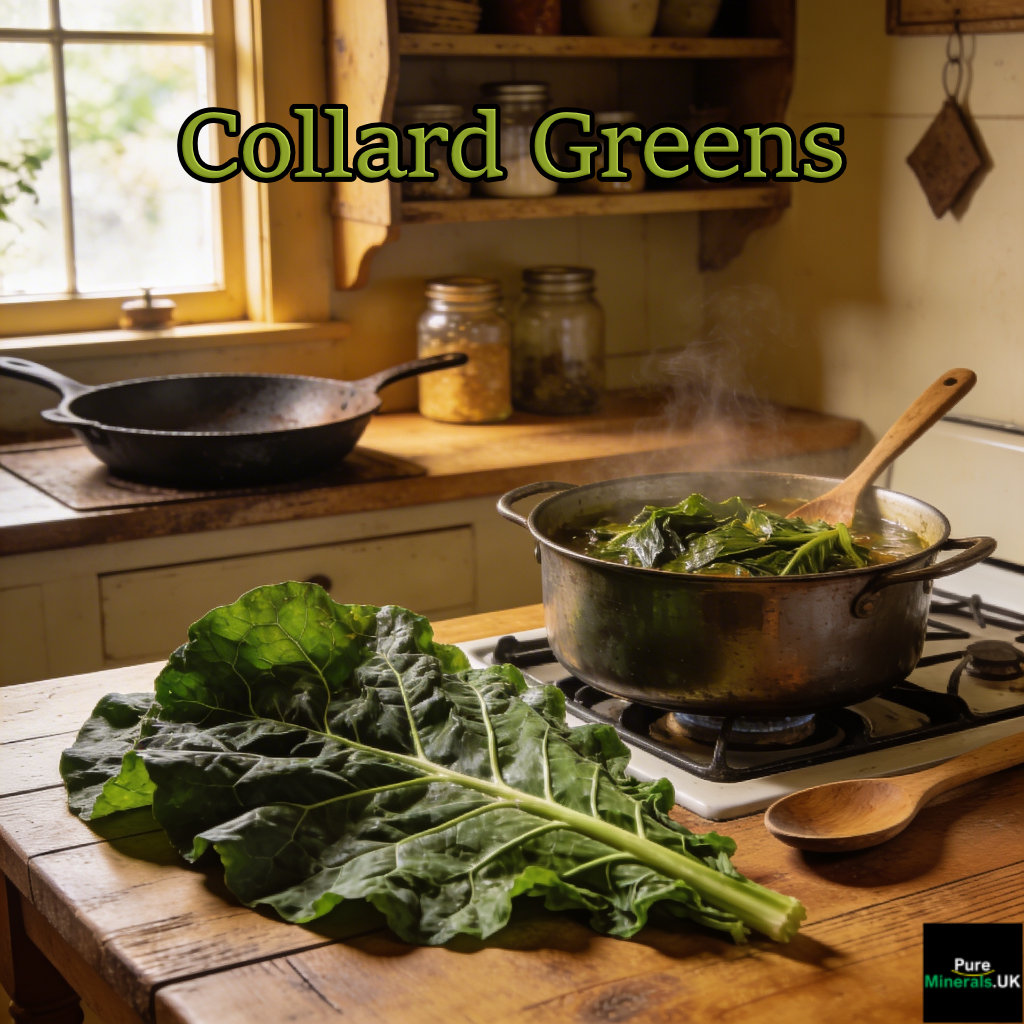
Collard greens have been a cornerstone of Southern American cooking for centuries, but their nutritional value goes far beyond their cultural roots. Native to North America, these broad, dark-leafed vegetables belong to the Brassica family — the same plant family as broccoli, kale, and Brussels sprouts. That connection alone signals serious nutritional firepower.
What separates collard greens from most other leafy vegetables is the sheer density of nutrients packed into every low-calorie serving. You’re getting vitamins, minerals, fiber, and unique plant compounds all in one food. For anyone looking to build a stronger nutritional foundation, collard greens deserve a front-row seat on the plate.
Collard Greens Nutrition Facts
The numbers behind collard greens’ nutritional value make a compelling case on their own. A single one-cup serving of chopped raw collard greens weighs in at roughly 36 grams, while a cooked cup (approximately 190 grams) delivers a significantly concentrated nutrient payload — all for a minimal caloric cost. This is what nutritionists mean when they talk about nutrient density: maximum nutrition for minimum calories.
Macronutrients Per One-Cup Cooked Serving
According to USDA Food Data Central data, one cup of cooked collard greens (approximately 190 grams) contains the following macronutrient profile:
Nutrient | Amount Per Cup (Cooked) |
|---|---|
Calories | ~49 kcal |
Protein | ~4g |
Total Carbohydrates | ~9g |
Dietary Fiber | ~5g |
Total Fat | ~1g |
Sugars | ~1g |
That fiber count is particularly worth noting. Five grams per cup puts collard greens in meaningful territory for digestive and cardiovascular health support — more on that shortly.
Vitamins and Minerals Breakdown
This is where collard greens genuinely shine. The vitamin and mineral content per cooked cup is exceptional:
- Vitamin K: Over 770 mcg — well above 100% of the daily recommended value
- Vitamin A: ~308 mcg RAE, supporting eye and immune health
- Vitamin C: ~35 mg, a meaningful contribution to your daily antioxidant intake
- Folate: ~177 mcg, critical for cell production and DNA repair
- Calcium: ~268 mg, rivaling many dairy sources
- Magnesium: ~38 mg, supporting muscle and nerve function
- Potassium: ~222 mg, important for blood pressure regulation
- Iron: ~2.2 mg, contributing to red blood cell production
The vitamin K content alone is a standout figure. Most people associate calcium with bone health, but vitamin K is what directs calcium into bones and away from arteries — making it just as essential, yet far more overlooked in everyday diet conversations.
How Collard Greens Compare to Other Leafy Greens
Kale gets most of the headlines, but collard greens hold their own — and in some categories, they lead. For instance, when comparing with other cruciferous vegetables like cabbage, collard greens often have higher levels of certain nutrients.
Nutrient (per cup cooked) | Collard Greens | Kale | Spinach |
|---|---|---|---|
~770 mcg | ~544 mcg | ~888 mcg | |
~268 mg | ~177 mg | ~245 mg | |
Fiber | ~5g | ~2.6g | ~4.3g |
~308 mcg RAE | ~885 mcg RAE | ~943 mcg RAE | |
~177 mcg | ~17 mcg | ~263 mcg |
Collard greens beat kale on calcium and fiber, making them particularly valuable for bone support and digestive health. They’re a true peer to the more popular leafy greens — not a lesser alternative. For a similar nutritional profile, you might also consider exploring chard.
What Are Glucosinolates and Why Do They Matter?
Beyond vitamins and minerals, collard greens carry a class of sulfur-containing compounds called glucosinolates that set cruciferous vegetables apart from nearly every other food group. These aren’t just supporting nutrients — they’re biologically active compounds that interact directly with your body’s detoxification and immune systems. Learn more about the health benefits of collard greens.
How Glucosinolates Convert Into Isothiocyanates
Glucosinolates are inactive in their whole form. When you chew or cut collard greens, an enzyme called myrosinase is activated. This enzyme breaks down glucosinolates into isothiocyanates — the biologically active compounds responsible for many of collard greens’ health-promoting effects. Cooking partially deactivates myrosinase, which is one reason raw or lightly cooked collard greens may offer a stronger glucosinolate benefit than heavily boiled preparations.
Cellular Detox: How Isothiocyanates Work in the Body
Once isothiocyanates enter your system, they trigger phase II detoxification enzymes in the liver. These enzymes neutralize and eliminate carcinogens and other harmful compounds before they can cause cellular damage. This is a core part of why cruciferous vegetables like collard greens are repeatedly associated with reduced disease risk in nutrition research. The detoxification effect is direct, measurable, and well-documented in published literature.
Glucosinolates and Cancer Prevention Evidence
The National Cancer Institute has identified cruciferous vegetables — including collard greens — as a focus area in dietary cancer prevention research, specifically due to their glucosinolate content. The proposed mechanisms include:
- Protection of DNA from damage caused by carcinogens
- Induction of cancer cell apoptosis (programmed cell death)
- Inhibition of tumor blood vessel formation (anti-angiogenesis)
- Activation of liver detox enzymes that neutralize carcinogenic substances
- Anti-inflammatory activity that reduces the cellular environment where cancer thrives
Research published on PubMed confirms that glucosinolates support detoxification pathways, adding scientific weight to what traditional diets have demonstrated for generations. It’s worth noting that research is ongoing, and while the associations are strong, dietary patterns as a whole — not single foods — drive long-term disease prevention outcomes.
Anti-Inflammatory and Antibacterial Properties
Isothiocyanates derived from collard greens also carry direct anti-inflammatory properties. Chronic inflammation is at the root of cardiovascular disease, type 2 diabetes, and neurodegenerative conditions — and regularly consuming anti-inflammatory foods is one of the most practical strategies for reducing long-term risk. Vitamin K, also abundant in collard greens, plays a specific role in protecting the cells that line blood vessels — both veins and arteries — from inflammatory damage, according to research published in peer-reviewed cardiovascular literature.
Key Health Benefits of Eating Collard Greens
The nutrient profile of collard greens translates directly into measurable health outcomes. From your liver to your heart to your gut, these leafy greens support multiple body systems simultaneously — which is exactly what you want from a staple food. For more on similar vegetables, check out the health benefits of cabbage.
Liver Detoxification and Glutathione Production
Collard greens are among the best dietary sources for boosting glutathione — the body’s master antioxidant. Glutathione is so critical to cellular health that longevity researchers have identified intracellular glutathione levels as a potential predictor of lifespan. Your liver requires glutathione to neutralize toxins, heavy metals, and metabolic waste products, and collard greens provide the sulfur-based precursors that make this production possible.
The glucosinolates in collard greens activate liver phase II enzymes, which tag harmful compounds for elimination. Think of this as your liver’s quality control system — and collard greens are one of the most effective foods for keeping that system running efficiently.
Cardiovascular Health Support
Collard greens support heart health through multiple pathways at once. The soluble fiber binds to bile acids in the digestive tract, pulling them out of the body and forcing the liver to produce new bile from cholesterol — effectively lowering circulating LDL levels. Meanwhile, vitamin K protects the endothelial cells lining blood vessels from inflammation, and potassium helps regulate blood pressure by counteracting sodium’s effects on arterial tension. Few single foods cover this many cardiovascular bases simultaneously.
Bone Health via Vitamin K
Calcium gets all the credit for bone health, but vitamin K is the nutrient that actually tells calcium where to go. Without adequate vitamin K, calcium can accumulate in arteries rather than being deposited into bone tissue — contributing to arterial stiffness while leaving bones under-mineralized. One cup of cooked collard greens delivers over 770 mcg of vitamin K, which is roughly 6 to 8 times the standard daily recommended intake for most adults.
Collard greens also contribute meaningful calcium directly — approximately 268 mg per cooked cup. Combined with their vitamin K content, they support both calcium availability and calcium utilization in bone tissue, making them one of the most complete plant-based foods for skeletal health.
Digestive Health and Soluble Fiber
The roughly 5 grams of dietary fiber in a cup of cooked collard greens support healthy digestion by feeding beneficial gut bacteria, slowing glucose absorption, and promoting regular bowel movements. According to the Mayo Clinic, adequate dietary fiber is linked to reduced risk of colorectal conditions and improved long-term digestive function. Collard greens deliver this fiber alongside a full array of micronutrients — something fiber supplements simply cannot replicate.
Who Should Limit Collard Greens?
Collard greens are exceptionally healthy, but they’re not universally appropriate in unlimited quantities. The most important consideration is for people taking warfarin (Coumadin) or other vitamin K-dependent anticoagulant medications. Because vitamin K directly influences blood clotting, dramatic changes in collard green consumption can interfere with medication efficacy and INR levels. If you’re on blood thinners, consistency matters more than avoidance — eat collard greens regularly in moderate amounts and communicate your intake with your prescribing physician.
Individuals with thyroid conditions may also wish to moderate their intake of raw cruciferous vegetables. Raw collard greens contain goitrogens — compounds that can interfere with iodine uptake in the thyroid gland when consumed in very large amounts. Cooking significantly reduces goitrogenic activity, making cooked collard greens a safer option for those managing thyroid health.
How to Add Collard Greens to Your Diet
The most common reason people don’t eat collard greens regularly is that they’re not sure how to prepare them well. Overcooked collard greens become bitter and mushy — a texture and flavor profile that turns people off quickly. But when prepared correctly, they have a mildly earthy, slightly bitter flavor that pairs beautifully with bold, savory ingredients.
Collard greens work across a surprisingly wide range of cooking styles. They hold up in soups and stews without falling apart, crisp up well when sautéed, and even blend smoothly into green smoothies when fresh. Their tough, sturdy leaves — which some find off-putting raw — are actually an advantage in cooked applications where more delicate greens like spinach would disappear entirely.
If you’re new to cooking with collard greens, starting with a simple sauté in olive oil with garlic is the fastest way to get comfortable with the flavor. From there, the applications are almost endless — wraps, grain bowls, pasta dishes, and even baked chips are all viable options.
Raw vs. Cooked: Which Is Better?
- Raw collard greens preserve myrosinase enzyme activity, maximizing glucosinolate conversion into isothiocyanates — the cancer-fighting, detox-supporting compounds discussed earlier.
- Lightly steamed or sautéed collard greens reduce goitrogenic compounds and make the leaves easier to digest, while retaining a strong micronutrient profile.
- Heavily boiled collard greens lose the most water-soluble nutrients — particularly vitamin C and folate — into the cooking water, which is then typically discarded.
The honest answer is that both raw and cooked collard greens offer real benefits — they just deliver them differently. Raw preparations favor glucosinolate activity, while light cooking improves digestibility and reduces compounds that interfere with thyroid function.
A practical approach is to rotate between raw and cooked preparations throughout the week. Use raw collard green leaves as wraps or blend them into smoothies a few times a week, and sauté or steam them as a cooked side dish on other days. This way, you capture the full nutritional spectrum without overthinking it.
Best Cooking Methods to Preserve Nutrients
- Steaming: The gold standard for nutrient retention — minimal water contact, short cook time, and no nutrient loss into cooking liquid
- Sautéing in olive oil or coconut oil: Enhances absorption of fat-soluble vitamins A and K, which require dietary fat to be properly absorbed
- Stir-frying: High heat for a short duration preserves texture and most water-soluble vitamins
- Blending raw: Retains all nutrients and enzymes; best combined with a fat source like avocado or nut butter for vitamin absorption
- Boiling (least preferred): If boiling, consider using the cooking liquid as a base for soups or sauces to recover leached water-soluble nutrients
Adding a small amount of healthy fat to your collard greens — whether through oil, nuts, or avocado — isn’t just a flavor choice. Vitamins A and K are fat-soluble, meaning your body absorbs them far more efficiently when fat is present in the same meal. For similar leafy greens, you might also consider chard as a nutritious option.
Simple Collard Greens Recipes to Get You Started
These three recipes represent the best entry points into regular collard green consumption — one classic cooked preparation, one hearty meal, and one quick option for those mornings when cooking isn’t realistic. For a twist, you might also consider incorporating cauliflower into your meals for added texture and flavor.
Each recipe is designed to maximize nutritional value while keeping preparation straightforward. You don’t need a culinary background or specialty ingredients — just fresh collard greens and a few pantry staples.
Southern-Style Sautéed Collard Greens
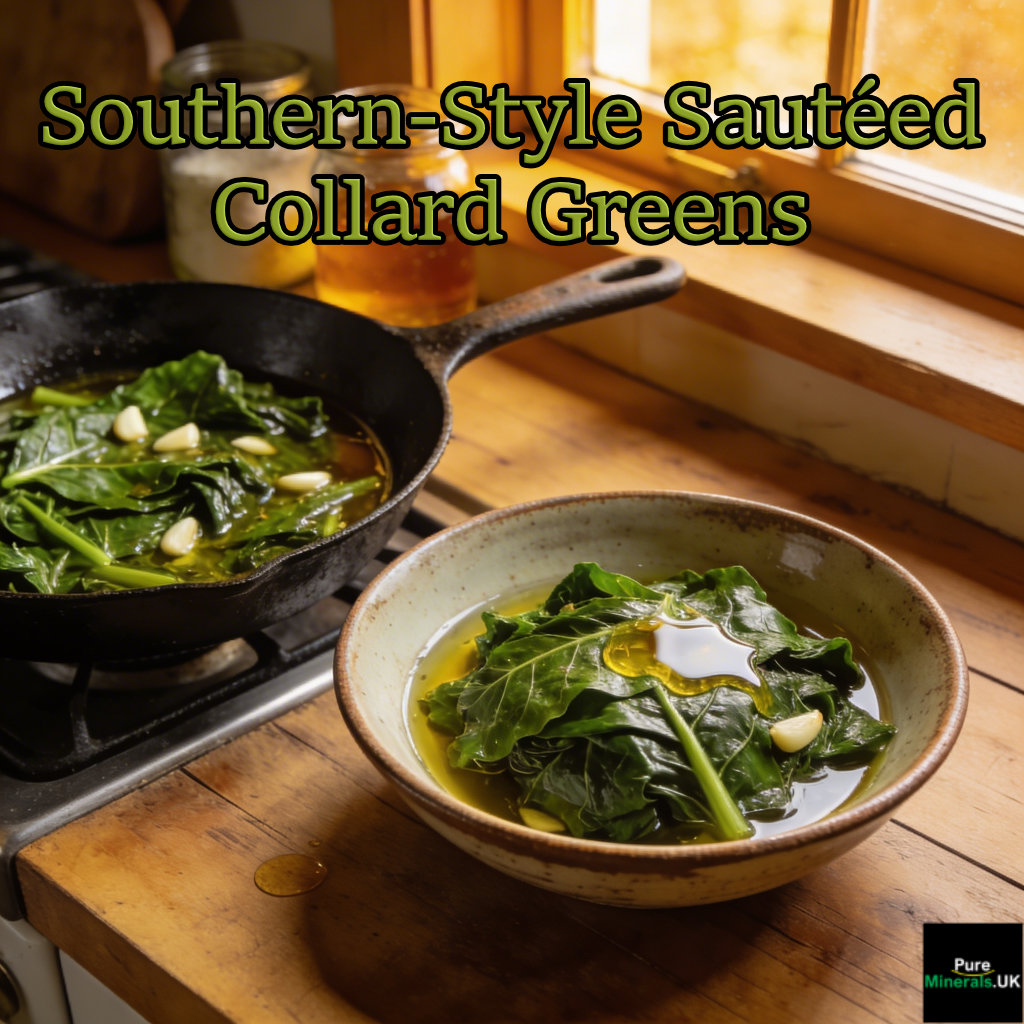
This is the preparation that turned generations of Southerners into collard greens devotees. Heat two tablespoons of olive oil in a large skillet over medium heat. Add three cloves of minced garlic and cook for about 60 seconds until fragrant. Add one large bunch of collard greens — stems removed, leaves sliced into thin ribbons — and toss to coat in the oil. Pour in a quarter cup of vegetable broth or water, cover the pan, and cook for 8 to 10 minutes until tender. Season with salt, pepper, and a splash of apple cider vinegar to cut the bitterness.
The apple cider vinegar isn’t optional here — it’s the step most people skip that makes the difference between good and great collard greens. The acid brightens the flavor and balances the natural bitterness of the leaves without masking the earthy depth that makes this dish so satisfying. Serve as a side dish alongside lean protein or add to a grain bowl with brown rice and roasted chickpeas for a complete, nutrient-dense meal.
Collard Greens and White Bean Soup
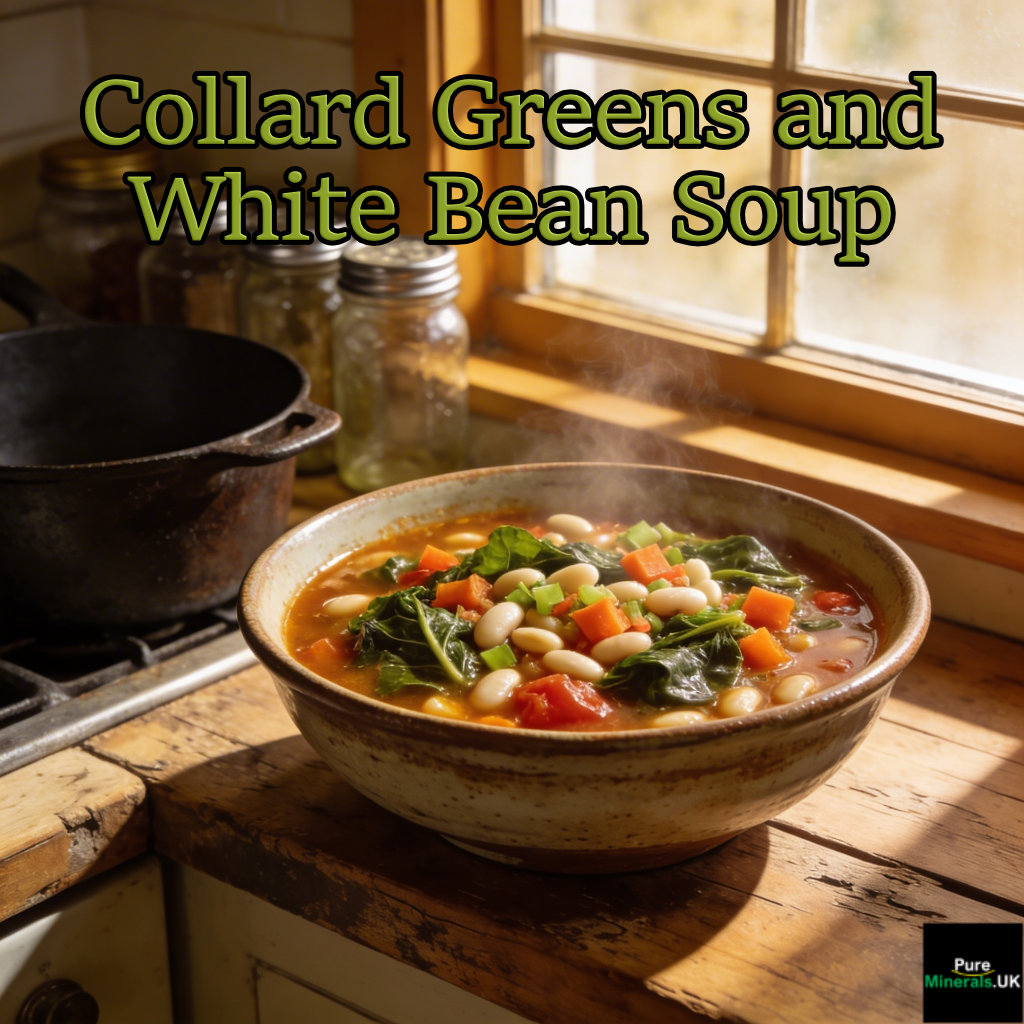
This is a hearty, filling soup that works as a full meal and gets better the next day as the flavors develop. In a large pot, sauté one diced onion, three cloves of garlic, and two diced carrots in olive oil until softened. Add one can of drained white cannellini beans, four cups of low-sodium vegetable broth, one can of diced tomatoes, and one teaspoon each of smoked paprika and cumin. Bring to a simmer, then add two cups of chopped collard green leaves. Cook for 15 minutes until the greens are tender and the soup has thickened slightly. The white beans contribute additional plant-based protein and fiber, making this soup a nutritionally complete one-pot meal with collard greens as the star ingredient.
Collard Green Smoothie

For anyone who hasn’t blended greens before, the idea of adding collard greens to a smoothie sounds questionable. Done correctly, you won’t taste them at all — the natural sweetness of fruit completely masks the bitterness, while you still get the full nutritional benefit of raw collard greens, including active myrosinase enzyme and intact glucosinolates.
Use one large fresh collard green leaf — stem removed — as your base. Add one frozen banana, one cup of frozen mango chunks, half a cup of pineapple, one tablespoon of almond butter (which provides the fat needed to absorb vitamins A and K), and one cup of unsweetened almond milk. Blend on high for 45 to 60 seconds until completely smooth. For more nutritious greens, consider adding chard to your smoothie.
The almond butter in this recipe serves double duty — it adds creaminess and provides the dietary fat your body needs to actually absorb the fat-soluble vitamins packed into those collard greens. Skipping the fat source in a green smoothie is one of the most common preparation mistakes that reduces the nutritional payoff of the entire drink.
This smoothie delivers vitamin K, vitamin A, vitamin C, folate, fiber, and glucosinolate activity all in one quick, portable meal. It takes less than five minutes to prepare and works as a high-nutrition breakfast or post-workout recovery option.
- Use frozen fruit instead of fresh for a thicker, colder consistency without needing ice
- Remove the collard green stem completely — it creates a stringy texture in smoothies
- Always include a fat source like almond butter, avocado, or flaxseed oil for proper vitamin absorption
- Freeze-washed, prepped collard green leaves in portioned bags for grab-and-blend convenience
- Start with half a leaf if you’re new to green smoothies and build up to a full leaf over time
Make Collard Greens a Weekly Staple, Not an Afterthought
Collard greens reward consistency. One serving occasionally delivers a nutrient boost, but eating them two to three times per week is where the real long-term benefits accumulate — steady vitamin K intake for bone and cardiovascular protection, regular glucosinolate exposure for liver detox support, and consistent fiber for gut health. The research on cruciferous vegetables and disease prevention is built on regular, habitual consumption — not occasional inclusion.
The practical barrier is almost always a preparation habit, not availability. Collard greens are widely available year-round, affordable, and versatile enough to fit into nearly any meal format. Batch-washing and pre-slicing a full bunch at the start of the week removes the friction entirely. Once they’re prepped and sitting in your refrigerator, adding them to a sauté, soup, or smoothie takes under two minutes of active effort. That’s a very low investment for one of the most nutrient-dense foods available at any grocery store.
Important note: Collard Greens
Collard greens are widely recognized as safe for consumption as a food. Individuals taking anticoagulant medications should be aware that foods high in vitamin K may influence medication management. This article is provided for educational purposes only and does not constitute medical advice. Individuals with specific dietary concerns should consult a qualified healthcare professional before making significant dietary changes.
Frequently Asked Questions
Here are the most common questions people have about collard greens nutrition, preparation, and safety — answered directly.
Are collard greens healthier raw or cooked?
Both raw and cooked collard greens are healthy, but they offer different advantages. Raw collard greens preserve myrosinase enzyme activity, which maximizes glucosinolate conversion into isothiocyanates — the compounds linked to detoxification and cancer prevention. Lightly cooked collard greens are easier to digest, have reduced goitrogenic compounds, and better support fat-soluble vitamin absorption when prepared with a healthy fat. The most complete nutritional approach is to include both raw and cooked preparations throughout the week rather than committing exclusively to one method.
How much vitamin K is in collard greens?
One cup of cooked collard greens contains approximately 770 mcg of vitamin K, which is roughly 6 to 8 times the standard daily recommended intake for most adults. This makes collard greens one of the highest dietary sources of vitamin K available, surpassing kale on a per-cup cooked basis.
This high vitamin K content is genuinely beneficial for most people, supporting bone mineralization, blood clotting regulation, and vascular health. However, individuals taking warfarin or other vitamin K-dependent anticoagulants need to maintain consistent — not necessarily low — vitamin K intake, and should discuss their collard green consumption with their prescribing physician to avoid fluctuations that could affect medication efficacy.
Can collard greens help with weight loss?
Collard greens are an excellent food to include in a weight management diet. At roughly 49 calories per cooked cup, they deliver substantial volume, 5 grams of filling fiber, and 4 grams of protein — a combination that promotes satiety without a significant caloric contribution. The fiber content slows gastric emptying, which helps manage hunger and stabilizes blood glucose levels after meals.
They’re not a weight loss miracle on their own, but collard greens fit the profile of foods that make caloric control easier in practice. Replacing higher-calorie side dishes with sautéed collard greens or adding them to soups and stews to increase volume without dramatically increasing calories is a straightforward, sustainable dietary strategy.
Are collard greens safe to eat every day?
For most healthy adults, eating collard greens daily is safe and nutritionally beneficial. The main considerations are for people on anticoagulant medications due to the high vitamin K content, and for individuals with thyroid conditions who may want to favor cooked over raw preparations to minimize goitrogenic exposure. If neither of these applies to you, daily collard green consumption is a well-supported dietary habit with no known adverse effects at normal serving sizes. For more information on similar vegetables, you can explore the nutritional benefits of cauliflower as well.
What do collard greens taste like compared to kale?
Collard greens have a milder, less bitter flavor than kale when raw, with a slightly earthy, vegetal quality and a tougher, more substantial leaf texture. Kale — particularly curly kale — has a more pronounced bitterness and a chewier, more fibrous texture that many people find challenging in raw preparations. Collard greens are generally considered more approachable for people new to dark leafy greens, similar to how some might find cabbage more palatable due to its milder taste.
When cooked, both greens mellow significantly in flavor. Collard greens become silky and tender with a gentle, savory depth that absorbs surrounding flavors — garlic, smoked paprika, citrus — extremely well. Kale holds its structure more firmly when cooked and retains more of its characteristic bitterness. Which you prefer largely comes down to personal taste and preparation method.