

Published: 10 March 2026
This article is periodically reviewed and updated to reflect current scientific understanding by Vic George.
Fact-Checked: Includes 1 PubMed-indexed study and 3 other authoritative medical/scientific references. See our Editorial Policy.
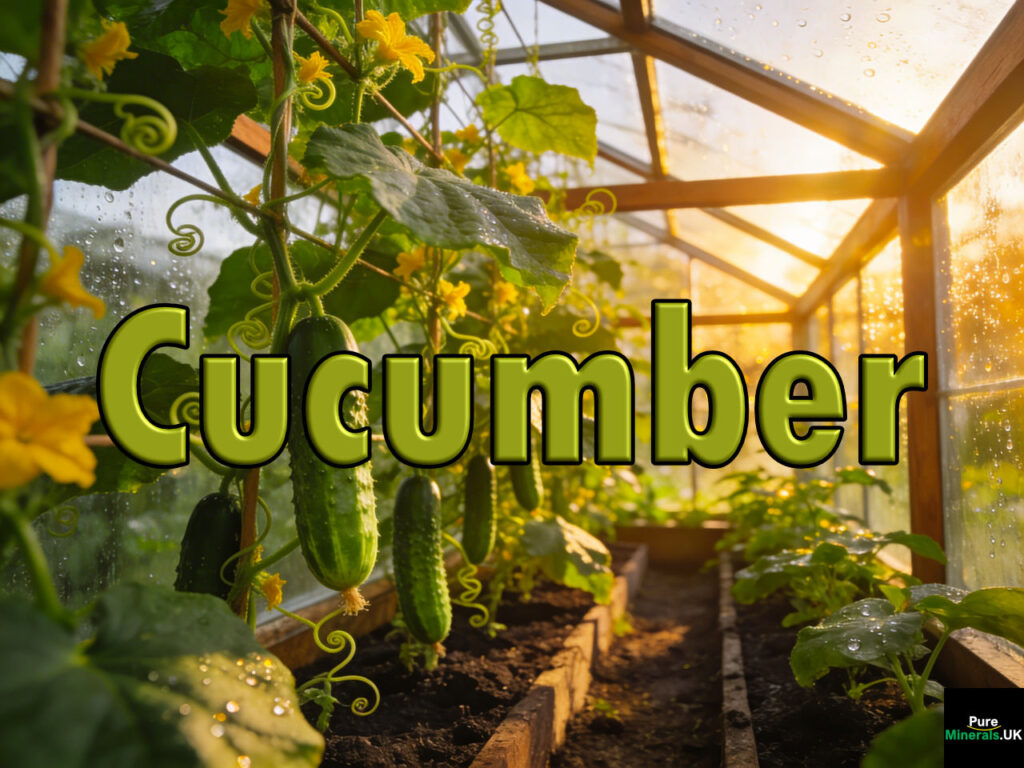
What Is Cucumber?
Cucumber is the edible fruit of Cucumis sativus, a climbing vine belonging to the Cucurbitaceae family. Although botanically classified as a fruit, it is widely consumed as a vegetable and is valued for its high water content, mild flavor, and supply of vitamins, minerals, and plant-derived compounds.
Definition
Cucumber is the immature fruit of Cucumis sativus, a cultivated vine in the Cucurbitaceae family, consumed as a vegetable. They grow on climbing or trailing vines in warm, sunny locations of around 20°C with consistent moisture. They are widely cultivated on most continents, particularly in greenhouses, polytunnels, or sunny, sheltered spots in gardens.
Extended Definition
Cucumber belongs to the Cucurbitaceae family, which includes squash, melons, and pumpkins. The plant produces elongated fruits with thin skin and a high internal water content, often exceeding 90 percent by weight.
The fruit is typically harvested while still immature, when the seeds are soft, and the flesh is crisp. This stage provides the best texture and mild flavor for culinary use.
Nutritionally, cucumbers provide hydration due to their high water content, along with small amounts of vitamin K, vitamin C, potassium, and dietary fiber. While the nutrient concentration per serving is relatively modest compared with darker leafy vegetables, cucumbers contribute to dietary variety and hydration.
Cucumbers also contain plant-derived phytochemicals, including flavonoids, lignans, and cucurbitacins. Cucurbitacins are bitter compounds naturally produced by plants in the Cucurbitaceae family as a defense against herbivores.
The vegetable is commonly consumed raw in salads, sandwiches, and cold dishes. It is also widely preserved through fermentation or pickling, producing foods such as pickled cucumbers and traditional fermented pickles.
Cucumbers are cultivated globally and are available in numerous varieties, including slicing cucumbers, pickling cucumbers, and seedless English cucumbers.
Key Facts
Botanical name: Cucumis sativus
Plant family: Cucurbitaceae
Common classification: Fruit vegetable
Origin: South Asia, particularly the Indian subcontinent
Edible part: Immature fruit
Typical color: Green exterior with pale green interior
Primary nutrients: Water, vitamin K, vitamin C, potassium, fiber
Key phytonutrients: Flavonoids, lignans, cucurbitacins
Energy density: Very low
Notable compounds: Plant defense compounds common to cucurbit species
Culinary uses: Salads, sandwiches, pickles, cold dishes
Key Takeaways
- Cucumbers are about 95% water, making them one of the most hydrating foods you can eat — and they contain far more nutritional value than most people realize.
- A half-cup serving of raw cucumber with skin provides vitamin K, vitamin A, potassium, and magnesium for only around 16–19 calories.
- The skin and seeds are where the real nutrition hides — stripping them away means losing key antioxidants, fiber, and vitamin A.
- Cucumbers contain powerful plant compounds, including cucurbitacins, lignans, and polyphenols linked to anti-diabetic, anti-inflammatory, and detoxifying effects.
- Keep reading to discover which cucumber variety is best for eating versus pickling, and how to use cucumbers both in the kitchen and as a skin remedy.
Most people think of cucumbers as just crunchy water — but the actual nutritional story is a lot more interesting than that.
Cucumbers (Cucumis sativus) belong to the Cucurbitaceae family, the same plant family as melons, squash, and zucchini. They’ve been cultivated for thousands of years and are now one of the most widely grown crops in the world. Nutrition authorities such as Dr. Axe have highlighted cucumbers for their diuretic, anti-diabetic, lipid-lowering, antioxidant, and detoxifying properties — benefits that go well beyond simple hydration.
Cucumbers Are More Nutritious Than Most People Think
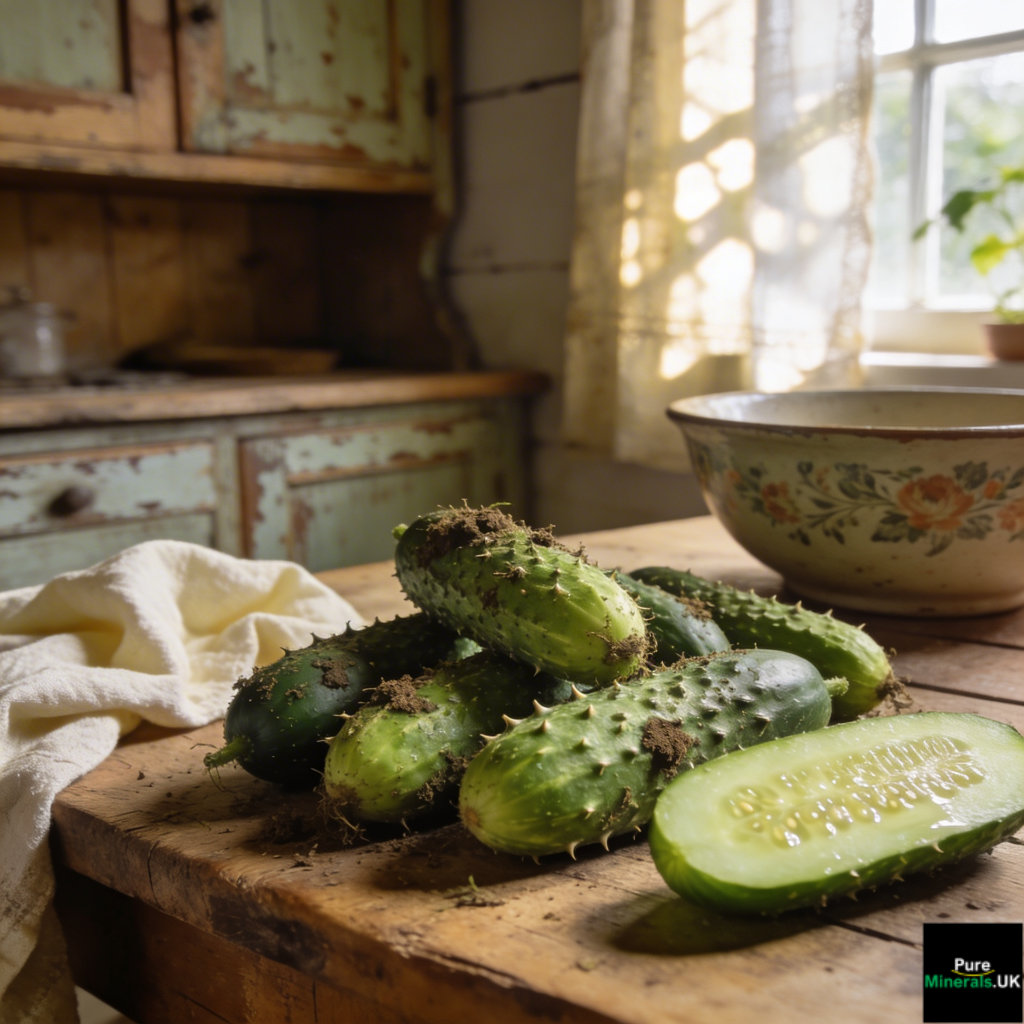
Cucumbers quietly deliver a solid range of vitamins, minerals, and bioactive compounds while staying extremely low in calories. That combination is rare, and it makes cucumbers genuinely useful in a health-focused diet rather than just a filler ingredient in salads.
Low in Calories, High in Essential Nutrients
At roughly 16 calories per cup, cucumbers give you real nutritional value without the calorie cost. They supply vitamin K for bone health, vitamin A for skin and immune function, potassium for heart and muscle function, and magnesium for metabolic support. You get all of that in a food that’s also high in water and fiber — a combination that supports satiety without adding weight to your diet.
The fiber content, though modest, plays a meaningful role in digestive health. It helps maintain regular bowel movements, supports beneficial gut bacteria, and slows the absorption of sugar into the bloodstream. For a food most people overlook, cucumbers punch well above their weight.
Technically a Fruit, Commonly Treated as a Vegetable
Botanically speaking, cucumbers are fruits. A published study confirms this classification — cucumbers develop from the flower of the plant and contain seeds, which is the defining characteristic of a fruit. In culinary terms, however, they’re almost universally treated as a vegetable due to their mild, savory flavor profile. This distinction matters less nutritionally than it does botanically, but it’s worth knowing if you want to understand how cucumbers fit into plant-based eating patterns.
A Half-Cup Serving Covers Multiple Daily Nutrient Needs
According to USDA data, a half-cup serving of raw cucumber with peel (approximately 52 grams) hits several nutritional checkboxes at once. You’re getting meaningful amounts of vitamin K, a small but present amount of vitamin A, potassium to support electrolyte balance, and magnesium to support hundreds of enzymatic reactions in the body. The water content alone — sitting at about 95% — contributes to your daily fluid intake in a way that plain water simply can’t replicate, since food-based hydration is absorbed differently and often more efficiently.
Cucumber Nutritional Profile
Breaking down exactly what’s inside a cucumber helps explain why nutrition researchers take this vegetable — technically fruit — seriously. The numbers are modest per serving, but the combination of micronutrients, hydration, and bioactive plant compounds makes cucumbers a genuinely functional food.
Macronutrients: Calories, Carbs, and Protein
A half-cup of raw sliced cucumber with peel contains approximately 8 calories, 1.9 grams of carbohydrates, 0.3 grams of protein, and virtually no fat. The carbohydrate content is mostly water-soluble fiber, which supports digestion without spiking blood sugar. This macro profile makes cucumbers compatible with low-calorie, low-carb, ketogenic, and diabetic-friendly eating plans.
Key Vitamins: Vitamin K and Vitamin A
Cucumber’s most notable vitamin contribution is vitamin K, which plays a central role in blood clotting and bone mineralization. Vitamin A, found primarily in the skin, supports vision, immune function, and skin cell regeneration. These aren’t present in massive quantities per serving, but they contribute meaningfully to your daily totals — especially if you’re eating cucumbers regularly and with the skin on.
Key Minerals: Potassium and Magnesium
Potassium in cucumbers supports healthy blood pressure by counteracting the effects of sodium, while magnesium contributes to muscle function, nerve signaling, and cardiovascular health. According to the USDA National Nutrient Database, a raw cucumber with peel provides these minerals in amounts that complement a balanced diet without requiring large serving sizes.
Both minerals are commonly under-consumed in Western diets, making cucumbers a low-effort way to move your intake in the right direction. They won’t replace a supplement if you have a clinical deficiency, but as a daily dietary habit, they add up.
Nutrient | Amount per ½ Cup (52g, with peel) |
|---|---|
Calories | ~8 kcal |
Carbohydrates | 1.9 g |
Protein | 0.3 g |
Fat | 0.1 g |
Fiber | 0.3 g |
Vitamin K | 8.5 mcg |
Vitamin A | 55 IU |
Potassium | 76 mg |
Magnesium | 7 mg |
Water | ~95% |
Source: USDA National Nutrient Database for Standard Reference |
Why You Should Always Eat the Skin
The cucumber skin is where a significant portion of the antioxidants, fiber, and vitamin A is concentrated. Peeling a cucumber before eating reduces the levels of flavonoids, lignans, and triterpenes, which have documented health benefits. Whenever possible, choose organic, unwaxed cucumbers so you can eat the entire thing without worrying about pesticide residues — since cucumbers are so water-dense, they readily absorb whatever is present in the soil and on the surface. For more about water-dense vegetables, you might find information on chayote interesting.
Cucumbers Are One of the Best Hydrating Foods
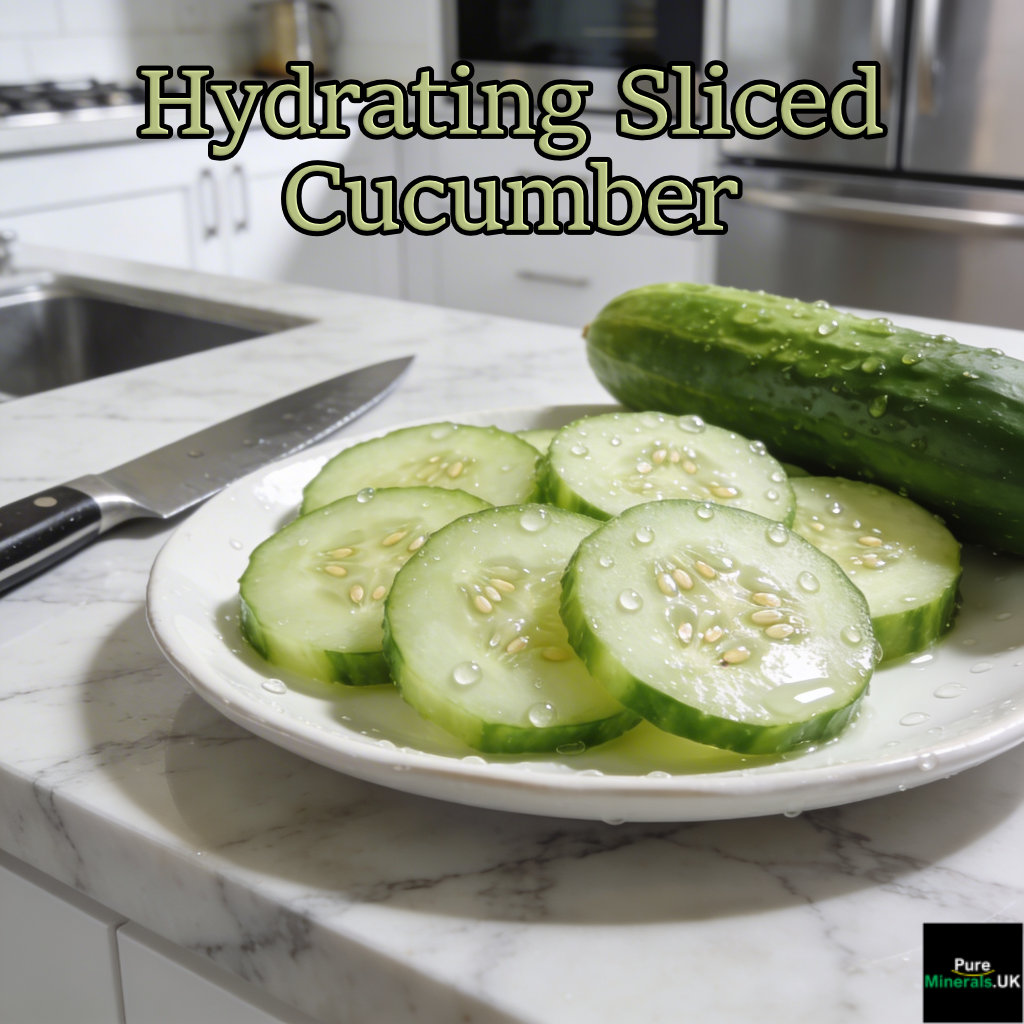
Hydration isn’t just about drinking water — the food you eat contributes significantly to your total daily fluid intake. Celeriac, at 95% water by weight, is one of the most efficient hydrating foods available, and the way your body processes water from food differs from how it processes water from beverages.
Water Content and Why It Matters for Daily Hydration
Research published in Nutrients on French and UK population surveys found that food contributes meaningfully to total daily water intake — and high-water-content foods like cucumbers play a direct role in that contribution. Eating cucumbers helps maintain fluid balance, supports kidney function, and keeps cellular processes running efficiently.
Unlike drinking a glass of water, eating a water-rich food also comes with fiber, vitamins, and minerals. That means cucumber-based hydration has a slower, more sustained release into your system — which is why people who eat cucumbers regularly often report fewer cravings between meals. Dehydration frequently masquerades as hunger, and cucumbers address both at once.
Natural Electrolyte Properties
Cucumbers aren’t just water — they carry potassium and magnesium alongside that fluid, which makes them a mild natural electrolyte source. Electrolytes are minerals that carry an electrical charge and are essential for maintaining fluid balance, muscle contractions, and nerve function. After exercise or in hot weather, cucumber is a smart snack choice for this reason.
- Potassium helps regulate fluid balance and counteracts sodium-induced water retention
- Magnesium supports muscle relaxation and reduces cramping
- High water content replenishes fluids lost through sweat and respiration
- Natural diuretic properties help flush excess water and reduce bloating
- Low sodium content means cucumbers don’t contribute to water retention the way processed snacks do
This combination of hydration and minerals makes cucumbers particularly useful for people managing blood pressure, athletes looking for natural recovery foods, or anyone trying to reduce their reliance on sugary sports drinks for basic replenishment. For more information on the benefits of cucumbers, you can visit WebMD’s cucumber health benefits page.
How Cucumbers Help Reduce Bloating and Water Retention
The diuretic effect of cucumbers is well-documented and stems from their high water content combined with their potassium-to-sodium ratio. Potassium acts as a natural diuretic by signaling the kidneys to excrete more sodium through urine, and water follows that sodium out of the body. The result is reduced water retention and a noticeable decrease in bloating — particularly in people whose puffiness is driven by excess sodium intake or hormonal fluctuations.
Plant Compounds Found in Cucumbers
Beyond vitamins and minerals, cucumbers contain a class of bioactive compounds that researchers have been studying with increasing interest. These aren’t trace amounts — cucumbers are genuinely rich in specific phytochemicals that have measurable effects on inflammation, blood sugar, liver function, and cellular health. The three main groups worth understanding are cucurbitacins, lignans, and polyphenols.
Cucurbitacins and Digestive Support
Cucurbitacins are a group of highly oxygenated tetracyclic triterpenoids found exclusively in the Cucurbitaceae plant family — making cucumbers one of the few common foods that contain them. These compounds are responsible for the slightly bitter taste you sometimes notice in cucumber skin and seeds, and that bitterness is actually a signal of potency.
Research published in a 2022 review in Fitoterapia identified cucurbitacins as having cytotoxic, hepatoprotective, cardiovascular-protective, and anti-diabetic properties. The hepatoprotective effects are particularly notable — these compounds appear to support liver cell integrity and reduce oxidative stress in liver tissue, which has implications for anyone managing fatty liver conditions or general metabolic health.
From a digestive standpoint, cucurbitacins stimulate bile secretion, which directly supports fat digestion and the breakdown of fat-soluble vitamins. This makes cucumbers a useful addition to meals that are higher in healthy fats — the compounds in the cucumber actively help your body process the rest of what you’re eating.
Key Research Note: A review published in an NCBI-indexed journal (PMC9710412) confirmed that cucurbitacins found in cucumber have been studied for cytotoxic, hepatoprotective, cardiovascular, and anti-diabetic effects — supporting their role as functional food compounds rather than passive phytonutrients.
One practical implication: eating the seeds and skin — not just the flesh — is where you get the highest concentration of cucurbitacins. This is yet another reason to avoid peeling your cucumbers when you don’t have to.
Lignans and Antioxidant Activity
Lignans are polyphenolic compounds found in the cell walls of plants, and cucumbers contain several of them — including lariciresinol, pinoresinol, and secoisolariciresinol. These specific lignans have well-documented antioxidant activity and have been studied in the context of hormone-related health, particularly around estrogen metabolism.
Antioxidants work by neutralizing free radicals — unstable molecules that cause oxidative damage to cells, DNA, and proteins. This kind of cellular damage accumulates over time and is linked to aging, chronic inflammation, and the development of conditions like cardiovascular disease and type 2 diabetes. Regular consumption of lignan-rich foods like cauliflower adds a meaningful layer of protection to your cells over the long term.
Cucumber lignans are found in both the flesh and the skin, though concentrations are higher when you eat the whole cucumber. Combined with the flavonoids also present in cucumber skin, the antioxidant profile of a whole, unpeeled cucumber is notably stronger than that of a peeled one.
Polyphenols and Anti-Aging Effects
Polyphenols in cucumbers — including flavonoids and tannins — contribute to the fruit’s anti-aging potential by reducing systemic inflammation and protecting skin cells from UV-related oxidative stress. Flavonoids in particular have been shown to inhibit enzymes involved in the breakdown of collagen and elastin, which are the structural proteins responsible for firm, youthful-looking skin.
The University of Wyoming Extension has noted cucumbers’ well-established role in skin health, and this tracks directly with their polyphenol content. Eating cucumbers consistently provides your skin with internal antioxidant support while the topical application of cucumber slices — commonly used to depuff eyes — delivers anti-inflammatory compounds directly to the skin’s surface.
Proven Health Benefits of Cucumbers
The health benefits of cucumbers extend well beyond simple hydration. Researchers have identified specific mechanisms by which cucumber compounds influence blood sugar regulation, inflammatory pathways, lipid levels, and skin integrity. These aren’t vague wellness claims — there’s a growing body of peer-reviewed research supporting cucumbers’ role as a functional food.
What makes cucumbers particularly useful is that their benefits stack. You’re not getting one isolated compound doing one isolated job — you’re getting an interconnected profile of water, fiber, vitamins, minerals, and phytochemicals that collectively support multiple body systems at once.
Anti-Inflammatory and Antioxidant Properties
Cucumbers contain flavonoids, lignans, and triterpenes that collectively suppress inflammatory signaling pathways in the body. Chronic low-grade inflammation is the underlying driver of most modern chronic diseases — from cardiovascular disease to metabolic syndrome to autoimmune conditions. Adding anti-inflammatory foods like cucumbers to your daily diet creates a sustained, low-level counterforce to that inflammation without the side effects associated with pharmaceutical anti-inflammatory agents.
Anti-Diabetic and Lipid-Lowering Effects
Cucurbitacins and fiber in cucumbers have both been independently studied for their effects on blood sugar regulation. The fiber slows glucose absorption from the gut into the bloodstream, reducing post-meal blood sugar spikes. The cucurbitacins appear to influence insulin signaling pathways at a cellular level, which has made cucumbers a subject of interest in natural diabetes management research.
On the lipid side, regular cucumber consumption has been associated with reductions in total cholesterol and LDL (low-density lipoprotein) levels in animal studies. The mechanisms are thought to involve both the fiber’s ability to bind bile acids in the gut — forcing the body to use cholesterol to make more — and the direct effects of cucurbitacins on lipid metabolism pathways.
Researcher Insight: Cucumbers are described in the scientific literature as having diuretic, anti-diabetic, lipid-lowering, antioxidant, detoxifying, and cleansing effects — a multifaceted functional food profile that few common vegetables can match.
For people managing prediabetes, metabolic syndrome, or elevated cholesterol, incorporating cucumbers as a daily snack or meal component is a low-risk, evidence-supported dietary strategy worth taking seriously.
Skin Health: From Inside and Outside
Cucumber skin is a concentrated source of vitamin A, which regulates skin cell turnover and supports the production of new skin cells at the dermal layer. Internally, the antioxidants in cucumbers reduce the oxidative stress that accelerates skin aging, while the high water content keeps skin cells plump and hydrated from within. Externally, applying cucumber slices directly to skin delivers silica, antioxidants, and anti-inflammatory compounds that reduce puffiness — particularly around the eyes — and can temporarily tighten and soothe irritated skin.
Natural Detoxification and Diuretic Effects
Cucumbers support detoxification through two primary mechanisms: promoting urinary output and providing antioxidants that reduce the toxic load on the liver. The diuretic effect helps the kidneys flush waste products, metabolic byproducts, and excess minerals through urine more efficiently. This is why cucumbers are frequently recommended as part of liver cleanse and kidney support protocols in both traditional medicine and functional nutrition.
The hepatoprotective effects of cucurbitacins specifically target liver cell oxidative stress, which makes cucumbers useful during periods of high metabolic load — like after heavy meals, alcohol consumption, or during medication cycles that tax the liver. They won’t replace medical treatment, but they’re a smart dietary support tool.
Cucumber water — made by simply infusing sliced cucumbers in cold water overnight — is one of the most efficient ways to deliver these detoxifying compounds in a highly bioavailable, easily digestible form. It’s also a practical strategy for people who struggle to drink enough plain water throughout the day. If you’re interested in exploring other nutritious vegetables, consider learning more about cabbage and its health benefits.
Common Cucumber Varieties Worth Knowing
Not all cucumbers are nutritionally identical, and the variety you choose affects both taste and the concentration of specific compounds. The three most commonly available types in grocery stores and farmers’ markets are English cucumbers, Persian cucumbers, and Gherkins, and each has a different use case depending on what you’re trying to achieve nutritionally and culinarily.
Beyond these three, there are also Armenian cucumbers, lemon cucumbers, and Japanese cucumbers — all of which belong to the same Cucurbitaceae family but vary in skin thickness, seed density, water content, and bitterness level. Thicker-skinned varieties tend to have higher concentrations of cucurbitacins, while thinner-skinned types like Persian cucumbers are sweeter and milder.
English, Persian, and Gherkin: Key Differences

English cucumbers are long, thin-skinned, and nearly seedless — making them easy to eat whole without peeling. Their mild flavor and low bitterness make them the most versatile for raw eating, and their thin skin means you retain more of the vitamin A and antioxidant compounds without needing to work around a tough exterior. They’re typically wrapped in plastic at the store because their thin skin makes them more prone to moisture loss.
Persian cucumbers are shorter, crunchier, and slightly sweeter than English varieties, with a thicker skin that holds up well in salads and grain bowls without getting soggy. Gherkins are small, bumpy, and considerably more bitter, which reflects a higher concentration of cucurbitacins. They’re primarily used for pickling, where the brine balances their natural bitterness, but they can also be eaten raw by those who prefer a more assertive flavor and want the highest concentration of bioactive compounds per bite.
Best Varieties for Eating vs. Pickling
For raw eating, English and Persian cucumbers are the clear winners. Their thin skins, mild flavor, and crisp texture make them ideal for salads, snacking, cucumber water, and skin remedies. Since you can eat them skin-on without any bitterness, you retain the full nutritional profile — including the vitamin A, flavonoids, and lignans concentrated in the outer layer. English cucumbers are best when you want long, elegant slices, while Persian cucumbers hold their crunch longer after cutting, making them better for meal-prepped salads or grain bowls.
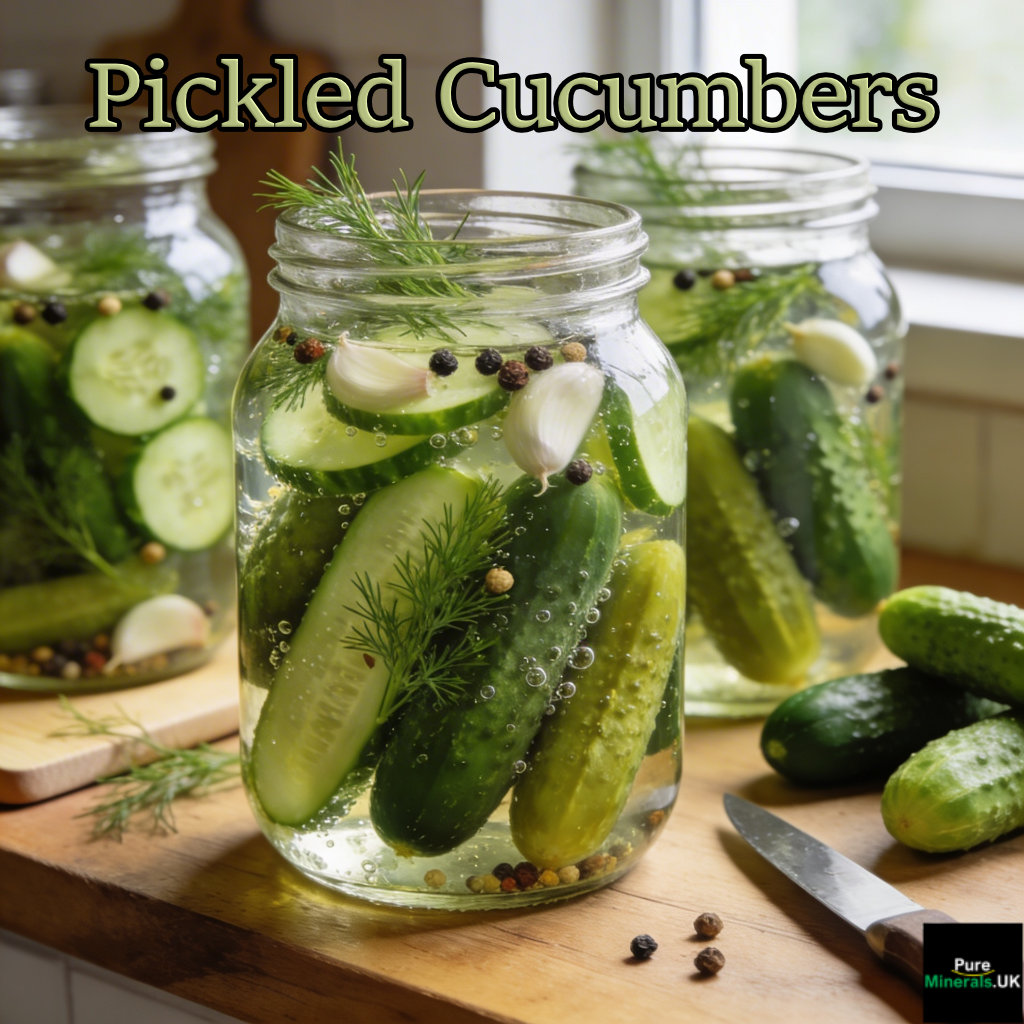
For pickling, Gherkins and Kirby cucumbers are the standard choice. They are pickled by submerging slices or whole cucumbers in a mixture of vinegar, water, salt, and spices, often with aromatics like dill and garlic. The most common method is “quick pickling” (refrigerator pickles), where hot brine is poured over cucumbers in a jar, then refrigerated for a few hours to days for a crisp texture.
Their thicker skins and firmer flesh hold up to brine without turning mushy, and their naturally higher cucurbitacin content — responsible for that characteristic bitterness — actually complements the acidic, salty pickling environment rather than fighting it. Pickling does reduce some heat-sensitive nutrients, but the fermentation process used in traditional lacto-fermented pickles introduces beneficial probiotics, which adds a different kind of nutritional value to the equation.
Simple Cucumber Recipes to Add to Your Routine
You don’t need to overthink how to eat more cucumbers. The most effective dietary habits are usually the simplest ones — and cucumbers are one of the easiest foods to work into a daily routine without much effort or preparation. The three approaches below cover hydration, nutrition, and topical skin benefits, so you can get value from cucumbers in multiple ways at once.
Each of these methods requires minimal ingredients and under five minutes of prep time. That low barrier is exactly why cucumber-based habits tend to stick when other, more complicated health routines don’t.
Cucumber Water for Daily Hydration
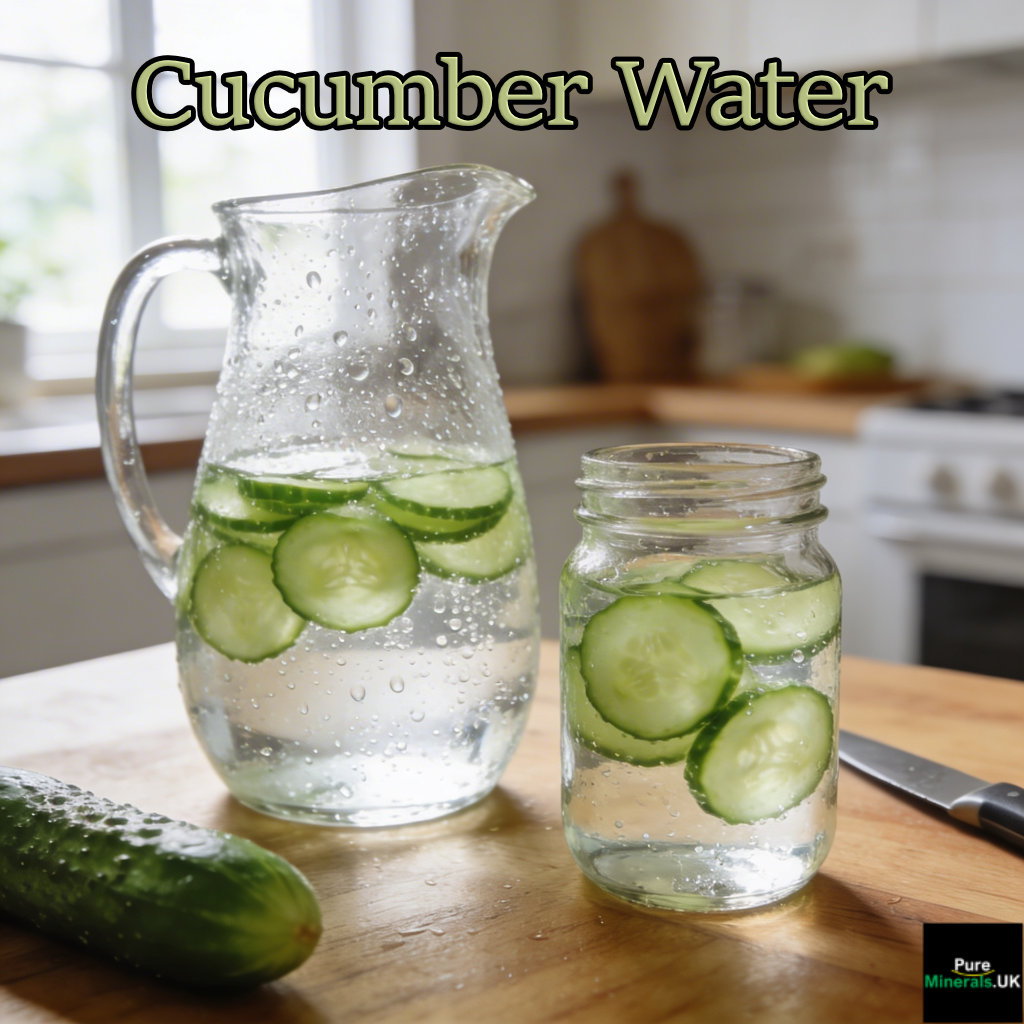
Cucumber water is one of the simplest and most effective ways to increase your daily fluid intake while also delivering bioactive compounds from the cucumber’s skin and flesh. To make it, thinly slice half an organic, unwaxed English cucumber — skin on — and add the slices to a pitcher or large mason jar filled with cold filtered water. Let it infuse in the refrigerator for at least two hours, or overnight for a stronger flavor. Drink it throughout the day in place of plain water or sugary beverages.
The result is water that carries traces of vitamin K, potassium, antioxidants, and the mild diuretic compounds from cucumber’s flesh and skin. It’s not a supplement replacement, but it’s a measurably better hydration choice than plain water for people who struggle to drink enough fluids daily. Adding a few mint leaves or a squeeze of lemon amplifies both the flavor and the antioxidant content without significantly changing the calorie count.
Quick Cucumber Salad
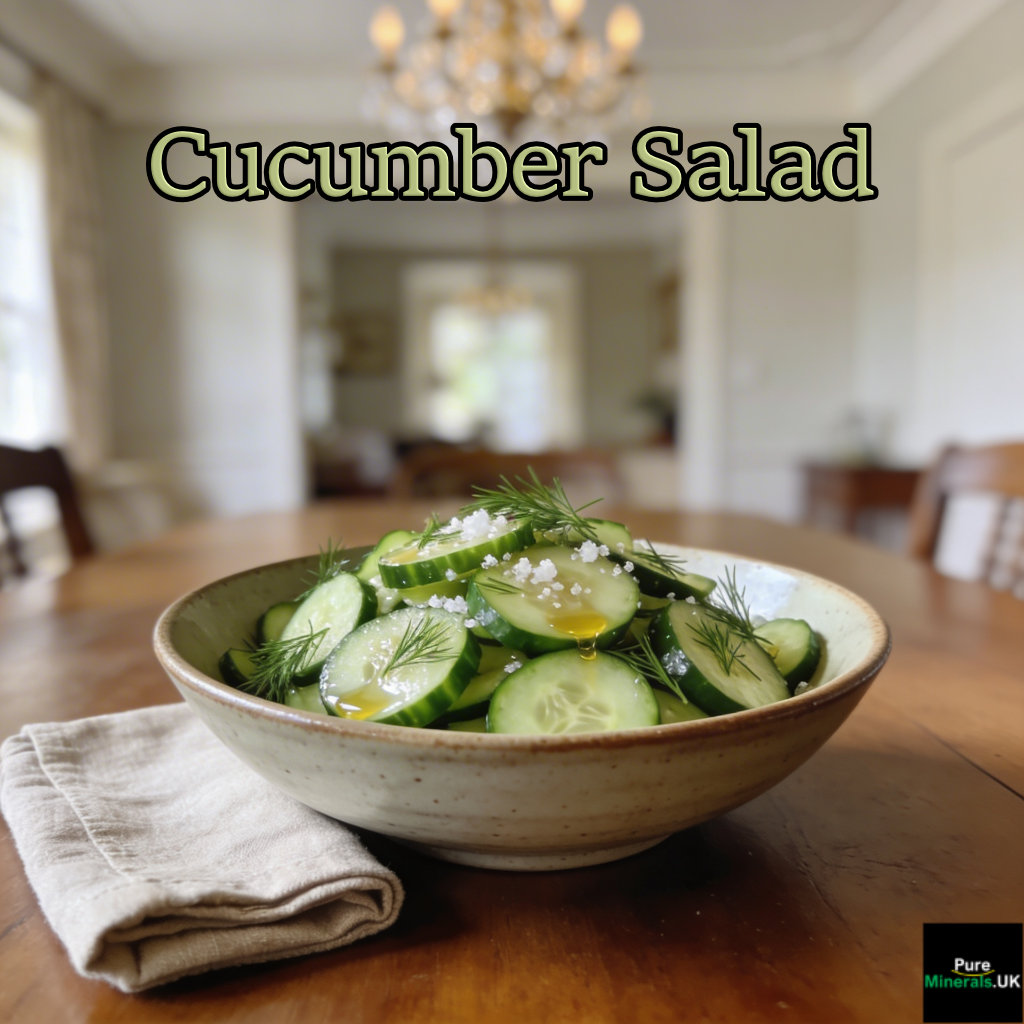
A basic cucumber salad requires nothing more than two thinly sliced Persian or English cucumbers, a tablespoon of rice vinegar or apple cider vinegar, a pinch of sea salt, a drizzle of extra-virgin olive oil, and fresh dill or mint to finish. Toss everything together and let it sit for ten minutes before serving — the salt draws out a small amount of moisture and softens the cucumber slightly while the vinegar adds brightness.
This preparation keeps all the skin intact, preserves the heat-sensitive vitamins since there’s no cooking involved, and pairs the cucumber’s anti-inflammatory compounds with the polyphenols in olive oil and the gut-supportive acids in vinegar. It works as a side dish, a light lunch base, or a topping for grilled fish or chicken. For extra nutritional density, add sliced avocado for healthy fats or crumbled feta for a protein boost.
Cucumber Slices as a Skin Remedy
Place chilled cucumber slices — cut about a quarter-inch thick from an English cucumber — directly onto clean skin, particularly under the eyes or on areas of redness and irritation. Leave them in place for ten to fifteen minutes. The silica, antioxidants, and anti-inflammatory compounds absorb directly through the skin’s surface, reducing puffiness, calming redness, and delivering a mild tightening effect as the moisture from the cucumber evaporates.
This isn’t folk remedy territory — the University of Wyoming Extension specifically cites cucumber’s documented role in depuffing swollen eyes and hydrating skin through topical application. For best results, refrigerate the cucumber for at least thirty minutes before applying, since the cold temperature constricts blood vessels and amplifies the depuffing effect beyond what the cucumber’s compounds alone achieve. It’s a legitimate, zero-cost skin care step that takes less time than most commercial eye treatments.
Cucumbers Deserve a Daily Place on Your Plate
Cucumbers offer a rare combination — genuinely useful nutrition, powerful plant compounds, effortless preparation, and near-zero caloric cost — and the research backs it up across multiple health domains from blood sugar regulation and lipid management to skin health and natural detoxification. Eating one cucumber per day, skin and seeds included, is one of the lowest-effort, highest-return dietary habits you can build.
Important note: Cucumber
Cucumbers are widely recognized as safe when consumed as a food. Rarely, extremely bitter cucumbers may contain elevated levels of cucurbitacins and should not be consumed. This article is provided for educational purposes only and does not constitute medical advice. Individuals with specific dietary concerns should consult a qualified healthcare professional before making significant dietary changes.
Frequently Asked Questions
Here are the most common questions people have about cucumbers, answered with the specificity they deserve.
Is a Cucumber a Fruit or a Vegetable?
A cucumber is botanically a fruit. It develops from the flower of the cucumber plant and contains seeds inside — the two defining characteristics that classify something as a fruit in botanical terms. This classification is confirmed in peer-reviewed literature indexed by PubMed.
In culinary practice, cucumbers are treated as vegetables because of their mild, savory flavor profile and their traditional use in savory dishes and salads rather than sweet applications. Both classifications are correct in their respective contexts — botanical versus culinary — and neither changes the nutritional profile or health benefits of the cucumber itself.
Should You Eat Cucumber Skin or Peel It?
You should eat the skin whenever possible. The skin of a cucumber contains the highest concentrations of vitamin A, flavonoid antioxidants, fiber, and cucurbitacins — the bioactive compounds associated with anti-diabetic, hepatoprotective, and anti-inflammatory effects. Peeling a cucumber before eating it removes a significant portion of its nutritional value. The one exception is conventionally grown, waxed cucumbers, where the wax coating can trap pesticide residues on the surface. In that case, either buy organic and unwaxed cucumbers or peel them as a precaution.
How Much Cucumber Should You Eat Per Day?
There is no established official daily recommended intake specifically for cucumbers, but most nutrition frameworks support eating one whole cucumber per day as part of a varied, plant-rich diet. That amounts to roughly two cups of sliced cucumber, which provides a meaningful dose of hydration, potassium, vitamin K, and antioxidants without contributing significantly to calorie or carbohydrate totals.
For people managing blood sugar, a daily cucumber habit is a particularly smart strategy. The combination of fiber, water, and cucurbitacins creates a triple-action response — slowing glucose absorption, reducing post-meal blood sugar spikes, and supporting insulin signaling at the cellular level. People managing hypertension benefit similarly from the potassium-to-sodium ratio that naturally supports lower blood pressure.
Practical daily serving options include:
- Morning: Cucumber slices alongside eggs or avocado toast for hydration and vitamin K first thing
- Midday: Persian cucumber with hummus as a blood-sugar-stable afternoon snack
- Evening: Quick cucumber salad with olive oil and vinegar as a digestive-supportive side dish
- Throughout the day: Cucumber-infused water in place of plain water for electrolyte-enhanced hydration
- Post-workout: Sliced cucumber with a pinch of sea salt to replace electrolytes naturally
Can Cucumbers Help With Weight Loss?
Yes — cucumbers support weight management through several complementary mechanisms, not just calorie restriction. At roughly 16 calories per cup, they’re one of the most volume-efficient foods available, meaning you can eat a large amount without significantly impacting your daily calorie budget. That volume, combined with the fiber and water content, creates genuine physical satiety — your stomach registers fullness, not just calorie intake.
The dehydration-as-hunger problem is also directly addressed by cucumbers. A significant portion of between-meal snacking is driven by mild dehydration that the brain misinterprets as hunger. Eating cucumbers — or drinking cucumber water throughout the day — keeps hydration levels steady, which reduces the frequency of those false hunger signals without requiring any calorie expenditure or rigid dietary tracking.
Cucumbers also complement low-carb and ketogenic weight loss approaches particularly well. With only 1.9 grams of carbohydrates per half-cup serving, they’re one of the few genuinely crunchy, satisfying foods that fit within strict carbohydrate limits. They replace chips, crackers, and other high-carb snacking options without requiring significant behavioral change — just a swap in what you’re reaching for.
Are There Any Side Effects of Eating Too Many Cucumbers?
For most people, cucumbers are extremely well tolerated and carry minimal risk even at higher intake levels. However, there are a few specific situations worth being aware of before making cucumbers a major daily staple.
People taking blood-thinning medications like warfarin should be mindful of the vitamin K content of cucumbers. Vitamin K plays a direct role in blood clotting, and significant changes in dietary vitamin K intake can interfere with anticoagulant medication dosing. This doesn’t mean avoiding cucumbers — it means keeping your intake consistent so your medication levels remain stable. Talk to your prescribing physician if you plan to dramatically increase your cucumber consumption.
The cucurbitacins in cucumber skin and seeds can cause digestive discomfort — including bloating, gas, or loose stools — in people with sensitive digestive systems or irritable bowel syndrome (IBS) when consumed in large amounts. This is most noticeable with bitter cucumber varieties like Gherkins, where cucurbitacin concentrations are highest. Starting with English or Persian cucumbers and working up to skin-on consumption gradually is a sensible approach if you have a history of digestive sensitivity.
Finally, cucumber’s natural diuretic effect — while beneficial for most people — can be counterproductive in individuals who are already taking prescription diuretic medications. Combining natural diuretic foods with pharmaceutical diuretics can lead to excessive fluid and electrolyte loss, particularly potassium depletion. Again, this isn’t a reason to avoid cucumbers, but it is a reason to mention your dietary habits to your healthcare provider if you’re on diuretic therapy.