

Published: 15 March 2026
This article is periodically reviewed and updated to reflect current scientific understanding by Vic George.
Fact-Checked: 2 other authoritative medical/scientific references. See our Editorial Policy.
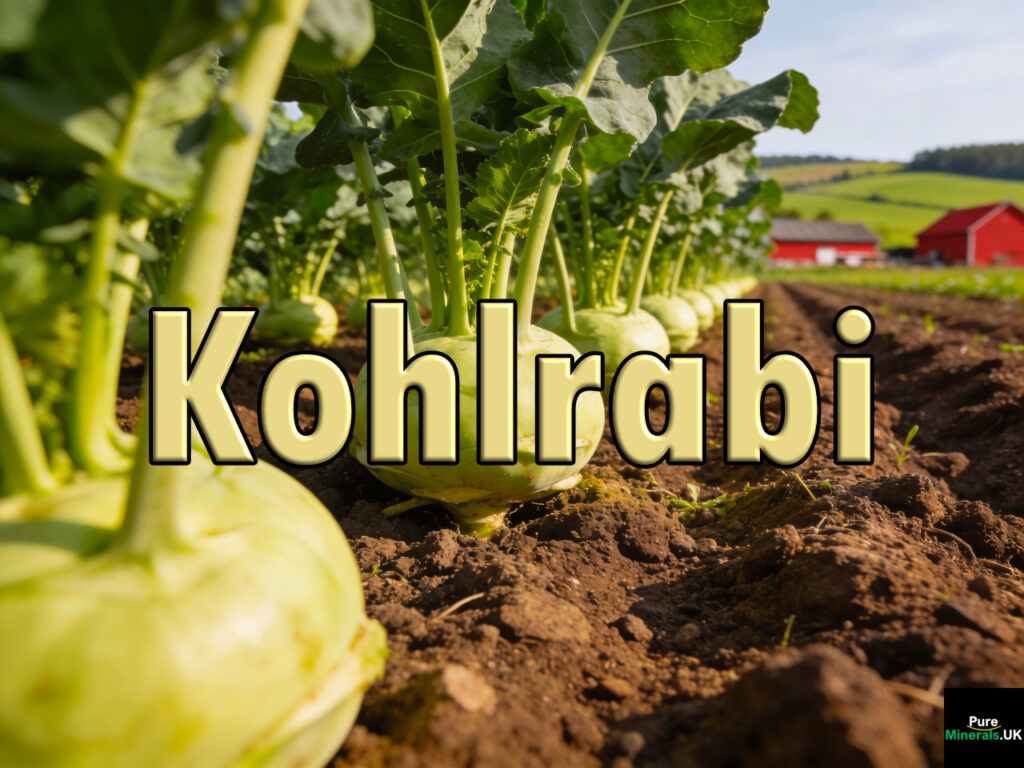
What Is Kohlrabi?
Kohlrabi is a cultivated vegetable derived from Brassica oleracea var. gongylodes, grown for its swollen, bulb-like stem that develops above ground. It is valued for its crisp texture, mild flavor, and nutritional content, including fiber, vitamin C, and characteristic phytochemicals found in cruciferous vegetables.
Definition
Kohlrabi is the enlarged, edible stem of Brassica oleracea var. gongylodes, a cultivated member of the Brassicaceae family consumed as a vegetable. It is a cool-season vegetable popular in Northern and Eastern Europe, but especially in Germany. It is also popular in northern Vietnam and India. The vegetable is grown as a temperate crop, thriving in spring or fall, and requires plenty of sun, fertile soil, and consistent moisture. Germany is a top producer.
Extended Definition
Kohlrabi belongs to the Brassicaceae family, which includes cabbage, broccoli, cauliflower, and kale. These vegetables are derived from the selective breeding of Brassica oleracea, producing a wide range of edible parts, including leaves, flowers, and stems.
In the case of kohlrabi, the edible portion is the swollen stem that develops just above the soil surface. Despite its appearance resembling a root vegetable, kohlrabi is technically a modified stem structure. The plant produces long, leafy stems that extend from the bulbous base. Both the swollen stem and the leaves are edible, although the stem is most commonly consumed.
Nutritionally, kohlrabi provides dietary fiber, vitamin C, potassium, and small amounts of B vitamins. Vitamin C contributes to antioxidant activity and normal immune function, while fiber supports digestive health.
As a cruciferous vegetable, kohlrabi contains glucosinolates—sulfur-containing compounds involved in plant defense. When the plant tissue is cut or chewed, the enzyme myrosinase converts these compounds into isothiocyanates and related molecules that contribute to the vegetable’s flavor profile.
Kohlrabi has a crisp texture similar to that of a mild radish or broccoli stem and can be eaten raw or cooked in a variety of dishes. It tastes like a mild, slightly sweet cross between broccoli stems, cabbage hearts, and radishes, with a very crisp and juicy texture like that of an apple. It has a subtle, refreshing, and slightly peppery flavor. It can be eaten raw in salads or cooked to give it a tender flavor similar to turnips or potatoes.
Key Facts
Botanical name: Brassica oleracea var. gongylodes
Plant family: Brassicaceae
Common classification: Stem vegetable (cruciferous)
Origin: Northern Europe
Edible part: Enlarged stem and leaves
Typical color: Pale green or purple exterior with white interior
Primary nutrients: Fiber, vitamin C, potassium, B vitamins
Key phytonutrients: Glucosinolates, isothiocyanates, flavonoids
Energy density: Very low
Notable compounds: Sulfur-containing phytochemicals typical of cruciferous vegetables
Culinary uses: Raw salads, slaws, roasting, soups, and stir-fries
Key Takeaways
- One cup of raw kohlrabi delivers up to 93% of your daily vitamin C needs — more than a medium orange.
- Kohlrabi contains glucosinolates and isothiocyanates, powerful antioxidants linked to reduced risk of cancer, heart disease, and chronic inflammation.
- With only 36 calories per cup and 5 grams of fiber, kohlrabi is one of the most nutrient-dense, low-calorie vegetables you can eat.
- The way you prepare kohlrabi directly affects how many glucosinolates survive — and most people are cooking it wrong.
- Both the bulb and the leaves of kohlrabi are edible, and each offers a slightly different nutritional advantage.
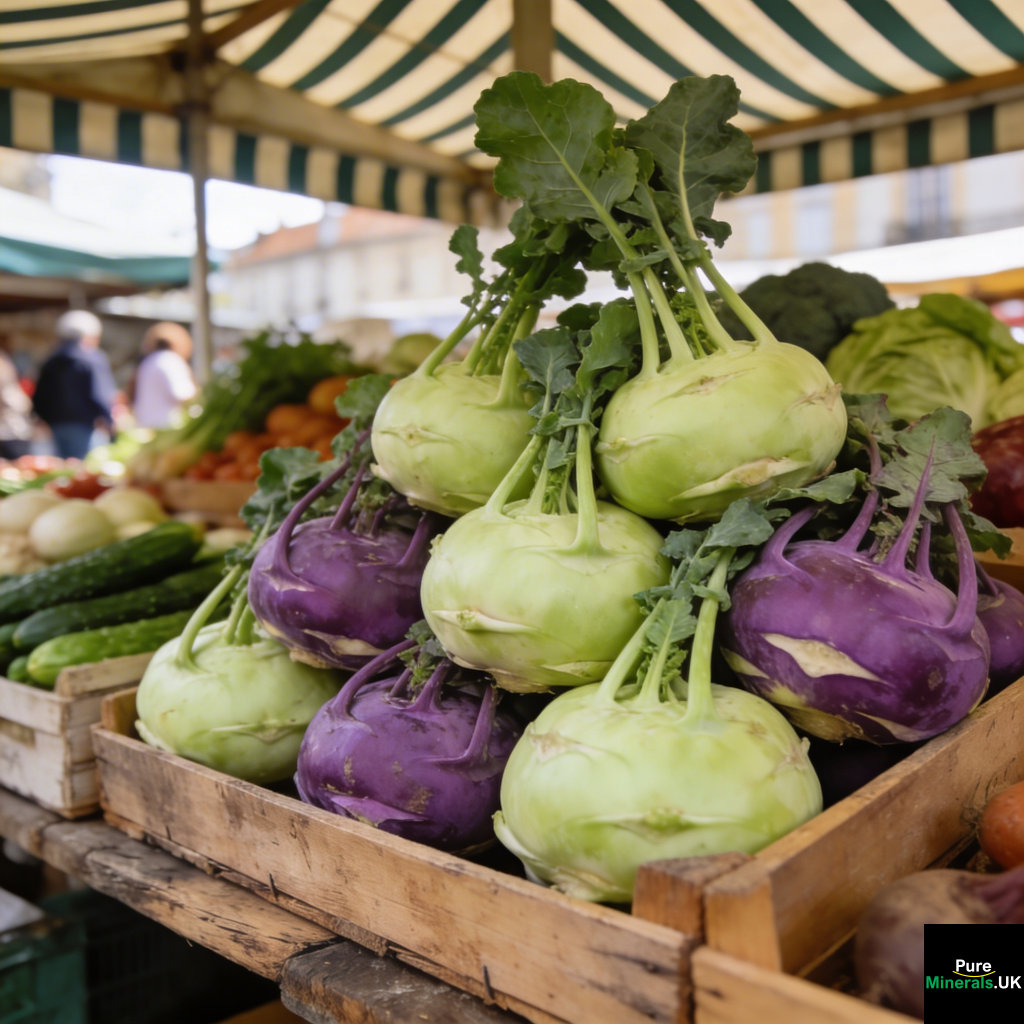
Most people walk right past kohlrabi at the grocery store without knowing it’s one of the most nutritionally complete vegetables available.
Kohlrabi is a cruciferous vegetable in the same plant family as broccoli, Brussels sprouts, and cabbage. It goes by the nickname “German turnip,” though it’s not actually a turnip — it’s more closely related to kale. The bulb, stem, and leaves are all edible, and it has a mild, slightly sweet flavor with a crisp texture that softens when cooked.
What makes kohlrabi worth a closer look isn’t just one standout nutrient — it’s the combination of fiber, antioxidants, vitamins, and plant compounds that work together to support everything from immune defense to gut health.
Kohlrabi Packs More Vitamin C Than an Orange
A single cup (135 grams) of raw kohlrabi contains approximately 84 milligrams of vitamin C, which covers up to 93–95% of your recommended daily intake. A medium orange, by comparison, delivers around 70 milligrams. That’s not a small difference — and kohlrabi does it with just 36 calories per cup. If you’re exploring other nutritious vegetables, consider the benefits of eggplant as well.
Vitamin C is a water-soluble antioxidant that plays a central role in immune function, collagen synthesis, and fighting oxidative stress. It also supports white blood cell production, which is your body’s frontline defense against infection. Getting close to 100% of your daily vitamin C from a single vegetable serving — one that most people overlook — makes kohlrabi genuinely remarkable from a nutritional standpoint.
Kohlrabi’s Full Nutritional Profile
Kohlrabi’s nutritional value goes well beyond vitamin C. It delivers a broad range of macronutrients, micronutrients, and bioactive plant compounds in a very low-calorie package, similar to other vegetables like daikon.
Macronutrients: Low-Calorie, High-Fiber
At just 36 calories per cup, kohlrabi is an ideal choice for people managing calorie intake without sacrificing nutrients. It contains virtually no fat, a modest 2 grams of protein, and 8 grams of total carbohydrates — 5 of which come from dietary fiber. That fiber-to-calorie ratio is exceptionally high compared to most vegetables.
The 5 grams of fiber per cup is particularly meaningful. Dietary fiber slows digestion, stabilizes blood sugar, and feeds the beneficial bacteria living in your gut. For context, the average American gets only about half the fiber they need daily — making high-fiber foods like kohlrabi a practical tool for closing that gap.
Nutrition Facts: 1 Cup (135g) Raw Kohlrabi
Nutrient
Amount
% Daily Value
Calories
36
—
Protein
2g
—
Fat
0g
—
Carbohydrates
8g
—
Fiber
5g
~18%
Sugar
4g
—
Vitamin C
84mg
up to 95%
Potassium
472mg
~18%
Vitamin B6
0.2mg
~17%
Vitamins and Minerals Worth Noting
Beyond vitamin C, kohlrabi is a solid source of potassium, delivering 472 milligrams per cup — about 18% of your daily value. Potassium is critical for heart function, blood pressure regulation, and muscle contractions. Many people don’t hit their potassium targets daily, and kohlrabi offers a meaningful contribution toward that goal.
Vitamin B6 at 17% DV supports brain health, neurotransmitter production, and protein metabolism. Kohlrabi also contains folate, which is essential for DNA synthesis and cell division — making it especially important during pregnancy for preventing neural tube defects. For those interested in exploring other nutrient-rich vegetables, consider learning about edamame as a healthy option.
- Magnesium — supports muscle and nerve function, and over 300 enzymatic reactions
- Phosphorus — essential for bone formation and energy metabolism
- Calcium — key for bone density, muscle contraction, and nerve signaling
- Iron — required for oxygen transport in red blood cells
- Folate — critical for prenatal nutrition and cell repair
How Kohlrabi Compares to Other Cruciferous Vegetables
Kohlrabi holds its own against better-known cruciferous vegetables. It delivers more vitamin C per cup than broccoli (approximately 81mg per cup) and significantly more than cabbage (around 36mg per cup). Its fiber content is comparable to Brussels sprouts, and its calorie count is lower than most members of the same plant family.
What sets kohlrabi apart within the cruciferous family is its unique combination of high antioxidant content and exceptional palatability. Its mild flavor makes it accessible to people who find vegetables like Brussels sprouts or raw cabbage too strong, which ultimately makes it easier to eat consistently.
What Glucosinolates Actually Do in Your Body
Glucosinolates are sulfur-containing plant compounds found almost exclusively in cruciferous vegetables. Kohlrabi — in all its color varieties — is a rich source of both glucosinolates and their active byproducts, isothiocyanates. These compounds are at the center of most of the disease-preventive research on cruciferous vegetables, and understanding how they work explains why kohlrabi is so much more than a source of vitamins.
When you chew or chop kohlrabi, a plant enzyme called myrosinase is activated. This enzyme triggers a chemical reaction that converts glucosinolates into isothiocyanates — the bioactive compounds that carry out protective functions inside your cells. The process is essentially a built-in activation mechanism that only works when the plant tissue is disrupted, similar to how broccoli releases its nutrients when cooked properly.
- Glucosinolates are the precursor compounds stored in plant cells
- Myrosinase is the enzyme released when the cell walls are broken
- Isothiocyanates are the active compounds formed from the reaction
- Heat can deactivate myrosinase, which is why raw preparation preserves more of these compounds
This conversion process is important because glucosinolates on their own have limited bioactivity. It’s the isothiocyanates they become that research has repeatedly linked to anti-inflammatory, antioxidant, and cancer-protective effects in human cells.
How Glucosinolates Convert to Isothiocyanates
The myrosinase enzyme is compartmentalized in kohlrabi’s cells — physically separated from the glucosinolates until the tissue is damaged. Chopping, slicing, chewing, or blending breaks down those compartments and triggers the conversion. This is why eating raw kohlrabi or lightly processing it before cooking gives you better access to isothiocyanates than boiling it whole.
Interestingly, the gut microbiome also plays a role. Certain gut bacteria carry their own myrosinase-like enzymes, which means that even if you eat cooked kohlrabi where the plant’s myrosinase has been deactivated, some glucosinolate conversion can still occur in the digestive tract — though at a lower yield.
Cancer-Protective Properties of Glucosinolates
Research published in sources including the Journal of Functional Foods has highlighted the anti-cancer potential of glucosinolates and isothiocyanates found in cruciferous vegetables like kohlrabi. These compounds have been shown to support the body’s detoxification pathways, neutralize carcinogens before they can damage DNA, and trigger apoptosis — the process by which damaged or abnormal cells self-destruct before becoming cancerous.
The anti-cancer activity associated with kohlrabi is linked specifically to its sulfur-containing compounds and antioxidant phytosterols. While no single food prevents cancer, consistently eating vegetables with high glucosinolate content — including kohlrabi — is associated in research with a meaningfully lower risk of certain cancers, particularly those of the digestive tract.
Anti-Inflammatory and Antioxidant Effects
Isothiocyanates don’t just protect against cancer — they actively reduce inflammation at the cellular level. Chronic low-grade inflammation is the underlying driver of conditions like heart disease, type 2 diabetes, and arthritis, and the antioxidants in kohlrabi — including vitamin C, anthocyanins, isothiocyanates, and glucosinolates — work together to neutralize the free radicals that trigger that inflammatory cascade. Anthocyanins, which are responsible for the purple color in purple kohlrabi varieties, have been specifically studied for their role in reducing oxidative stress and supporting cardiovascular health.
Evidence-Based Health Benefits of Kohlrabi
The nutrient density of kohlrabi translates directly into real, measurable health outcomes. It’s not a superfood in the overhyped marketing sense — it’s simply a vegetable that delivers a concentrated package of compounds that your body uses to function better, protect itself, and recover from daily stress.
Each benefit below connects to specific nutrients or plant compounds found in kohlrabi, rather than general wellness claims. This matters because it helps you understand exactly what you’re getting and why it works.
From gut function to blood sugar regulation to bone strength, the health case for kohlrabi is grounded in its actual nutritional composition — and that’s what makes it worth adding to your regular diet.
Gut Health and Digestive Regularity
The 5 grams of dietary fiber in a single cup of raw kohlrabi supports gut health in two distinct ways. Insoluble fiber adds bulk to stool and speeds transit time through the colon, reducing the risk of constipation and supporting regularity. Soluble fiber, on the other hand, ferments in the colon and feeds beneficial gut bacteria — a process that produces short-chain fatty acids linked to reduced gut inflammation and stronger intestinal lining integrity.
A well-fed gut microbiome doesn’t just affect digestion. Research has increasingly connected gut microbiome diversity to immune function, mental health, and metabolic regulation. Eating fiber-rich vegetables like kohlrabi consistently is one of the most direct ways to support that diversity.
Blood Sugar and Metabolic Control
Kohlrabi’s combination of fiber and a relatively low sugar content — just 4 grams per cup — makes it a smart choice for blood sugar management. Dietary fiber slows the absorption of glucose into the bloodstream, which prevents the sharp insulin spikes that follow high-glycemic meals. For people managing type 2 diabetes or insulin resistance, incorporating high-fiber, low-sugar vegetables like kohlrabi is a practical and well-supported dietary strategy. Potassium further contributes to metabolic health by supporting proper insulin secretion and reducing the risk of diabetes-related complications.
Bone Density Support From Calcium and Magnesium
Kohlrabi contributes calcium, magnesium, and phosphorus — three minerals that work together to build and maintain bone density. While dairy products get most of the attention for bone health, plant sources of these minerals play a meaningful supporting role, particularly for people who limit or avoid dairy. Magnesium is especially important because it regulates calcium transport and is required for the activation of vitamin D, which in turn controls how much calcium your bones actually absorb. For those interested in exploring other plant sources of nutrients, you might consider looking into edamame as a healthy option.
Folate Content and Prenatal Nutrition
Kohlrabi is a reliable plant-based source of folate, a B vitamin that is critical during early pregnancy. Adequate folate intake in the first trimester is directly linked to the prevention of neural tube defects, including spina bifida. For women who are pregnant or planning to become pregnant, eating folate-rich whole foods like edamame — alongside a prenatal supplement — supports healthy fetal development.
Beyond pregnancy, folate supports DNA synthesis and cell repair in every person at every life stage. It also plays a role in converting homocysteine into methionine, which helps reduce elevated homocysteine levels — a known risk factor for cardiovascular disease.
- Neural tube defect prevention — folate is essential in the first 28 days of fetal development
- DNA synthesis and repair — folate is required for the production of new cells throughout life
- Cardiovascular protection — adequate folate helps regulate homocysteine levels
- Red blood cell formation — folate works with vitamin B12 to prevent megaloblastic anemia
One cup of raw kohlrabi provides a meaningful contribution toward your daily folate needs, making it a smart addition to meals whether you’re pregnant, planning to be, or simply focused on long-term health maintenance.
Paired with the vegetable’s potassium, vitamin C, and fiber content, the folate in kohlrabi helps make it one of the most well-rounded single foods you can add to a health-focused diet.
Raw vs. Cooked Kohlrabi: Does Preparation Affect Nutrients?
Yes — and the difference matters more with kohlrabi than with most vegetables. Because myrosinase, the enzyme that activates glucosinolates into isothiocyanates, is heat-sensitive, cooking kohlrabi at high temperatures or for extended periods reduces the yield of those protective compounds. Boiling is the most damaging method, as it both deactivates myrosinase and leaches water-soluble nutrients like vitamin C and folate directly into the cooking water. For more information on the health benefits of kohlrabi, check out this resource.
That doesn’t mean you should only eat kohlrabi raw. Roasting, steaming, and light stir-frying are all reasonably nutrient-preserving methods — especially if you chop the kohlrabi first and let it sit for a few minutes before applying heat. That brief window allows myrosinase to complete some of the glucosinolate conversion before heat deactivates the enzyme. Steaming at lower temperatures preserves more vitamin C than boiling, and roasting concentrates flavor without the nutrient loss that comes from water immersion, similar to how daikon can be prepared.
How to Use Kohlrabi in Your Kitchen
Kohlrabi is one of the more versatile vegetables you can keep on hand. The bulb can be eaten raw, roasted, steamed, or stir-fried. The leaves are edible too — they can be used the same way you’d use kale or collard greens, sautéed with garlic or added to soups. Farmers’ markets and well-stocked grocery stores typically carry both green and purple varieties, with no meaningful nutritional difference between them beyond the anthocyanin content in the purple skin.
When selecting kohlrabi, look for firm, smaller bulbs — ideally under 3 inches in diameter. Larger bulbs tend to be woodier in texture and slightly more bitter. Fresh kohlrabi keeps well in the refrigerator for up to two weeks with the leaves removed and stored separately.
Flavor Profile: What to Expect Before You Cook
Raw kohlrabi is crunchy with a mild sweetness and a faint peppery bite, similar to the flavor profile of raw cabbage or a mild radish. When cooked, that sharpness softens considerably, and the sweetness becomes more pronounced — closer to the flavor of roasted turnip or sweet broccoli stems. This flavor versatility is one of the reasons kohlrabi works well across such a wide range of preparations, from fresh slaws to roasted side dishes to blended soups.
Best Cooking Methods to Preserve Glucosinolates
The best approach is to chop or slice kohlrabi first, then let it rest for 5 to 10 minutes before cooking. This gives myrosinase time to convert glucosinolates into isothiocyanates while the enzyme is still active. After that window, heat can be applied without losing as much of the conversion benefit. Steaming for under 5 minutes preserves the most vitamin C and fiber structure. Roasting at moderate heat (around 400°F) is the best option for cooked preparations — it concentrates flavor, keeps nutrients largely intact, and doesn’t leach water-soluble compounds the way boiling does.
Simple Ways to Add Kohlrabi to Everyday Meals
Raw kohlrabi sliced thin makes an excellent base for slaws — it holds up better than cabbage and adds a slightly sweeter crunch. Julienned kohlrabi works well in salads, grain bowls, and wraps. If you want a low-carb alternative to jicama or water chestnuts in Asian-inspired stir-fries, kohlrabi is a near-perfect swap. Its texture holds up to heat without turning mushy, and it absorbs sauces and seasoning readily.
For cooked preparations, try roasting kohlrabi cubes with olive oil, garlic, and smoked paprika as a side dish, or puréeing steamed kohlrabi into a smooth soup alongside leeks and vegetable broth. The leaves can be sautéed in olive oil with garlic and red pepper flakes — the same preparation you’d use for kale or Swiss chard. Once you understand how it behaves in the kitchen, kohlrabi becomes one of the more useful vegetables to keep stocked.
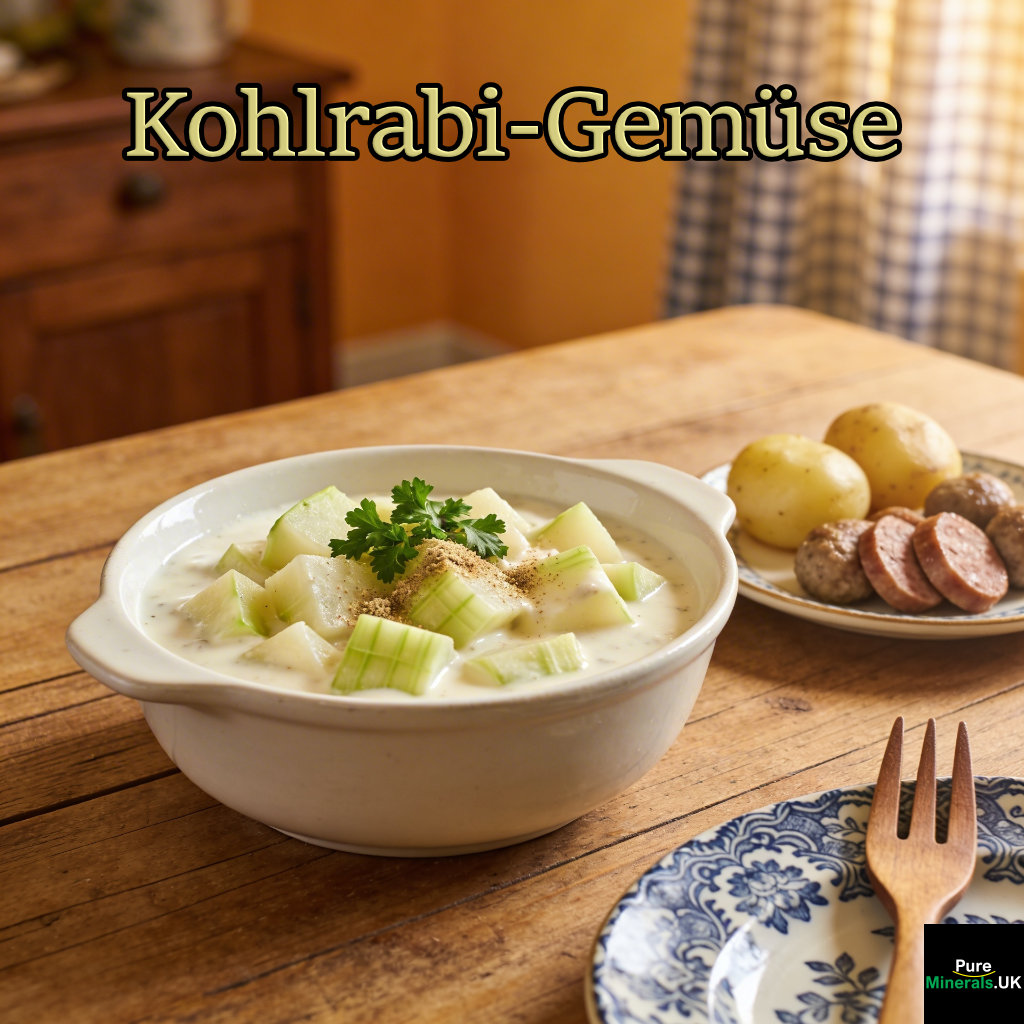
German Kohlrabi-Gemüse is the ultimate comfort food—it’s a traditional “Oma-style” side dish where the kohlrabi is simmered until tender in a light, silky white sauce (Bechamel).
Here is how to make this classic, creamy side dish.
Traditional Creamy German Kohlrabi
- Preparation time: 10 minutes
- Cooking time: 15–20 minutes
- Serves: 2–3 side portions
Ingredients
- 2 medium Kohlrabi bulbs (peeled and sliced into sticks or cubes)
- Reserved tender green kohlrabi leaves (finely chopped—don’t throw these away!)
- 1 cup Vegetable broth (or water with a pinch of salt)
The Sauce
- 2 tbsp Butter
- 2 tbsp All-purpose flour
- ½ cup Heavy cream (or whole milk)
- To taste: Salt and white pepper
- A pinch: Ground nutmeg (essential for that authentic German flavor)
- Optional: Fresh parsley for garnish
Instructions
- Prepare the Kohlrabi: Peel the kohlrabi to remove the woody outer layer. Slice the bulbs into uniform sticks (like thick fries) or 1/2-inch cubes.
- Simmer: Place the kohlrabi in a pot with the vegetable broth. Bring to a boil, then cover and simmer over medium heat for 8 to 12 minutes until tender but still holding their shape.
- Drain & Save: Drain the kohlrabi into a bowl, but save the cooking liquid! You’ll need it for the sauce.
- Make the Roux: In the same (now empty) pot, melt the butter over medium heat. Whisk in the flour and cook for 1 minute (don’t let it brown).
- Build the Sauce: Slowly whisk in about ¾ cup of the reserved cooking liquid followed by the heavy cream. Whisk constantly until the sauce thickens and becomes smooth.
- Combine: Fold the cooked kohlrabi and the chopped green leaves back into the sauce.
- Season: Stir in the nutmeg, salt, and white pepper. Let it simmer for another minute so the flavors meld.
Serve with
In Germany, this is traditionally served alongside Salzkartoffeln (boiled salted potatoes) and either a Frikadelle (German meatball) or a lightly breaded schnitzel (see the above image).
Kohlrabi Is One of the Most Underrated Vegetables Available
Kohlrabi delivers nearly a full day’s worth of vitamin C, meaningful amounts of potassium, B6, folate, fiber, and a class of bioactive compounds — glucosinolates and isothiocyanates — that are directly linked to lower rates of cancer, heart disease, and chronic inflammation. It does all of this at 36 calories per cup, with a flavor profile flexible enough to work raw or cooked across dozens of recipes. There’s no reasonable nutritional argument against adding it to your regular rotation. For more ideas, explore healthy ways to cook broccoli and other vegetables.
The biggest barrier to eating more kohlrabi is unfamiliarity, not availability. It’s carried at most large grocery stores and virtually every farmers’ market during its peak season from spring through early fall. If you’ve been walking past it, now you have every reason to pick one up.
Important note: Kohlrabi
Kohlrabi is widely recognized as safe for consumption. Like other cruciferous vegetables, it contains naturally occurring compounds that may interact with certain metabolic conditions when consumed in unusually large quantities. This article is provided for educational purposes only and does not constitute medical advice. Individuals with specific dietary concerns should consult a qualified healthcare professional before making significant dietary changes.
Frequently Asked Questions
Kohlrabi raises a lot of questions for people encountering it for the first time — from whether it’s safe to eat daily to how it actually tastes compared to more familiar vegetables. The answers below address the most common questions based on the vegetable’s actual nutritional profile and plant chemistry.
Whether you’re buying kohlrabi for the first time or looking to understand exactly what you’re eating, these answers give you a clear picture of what to expect.
Is Kohlrabi Safe to Eat Every Day?
Quick Answer: Yes — for most people, kohlrabi is safe to eat daily. It’s a whole food with no known toxicity at normal dietary amounts, and its nutrient profile actively supports long-term health. The one exception worth noting is for individuals on thyroid medication or with hypothyroidism.
Like all cruciferous vegetables, kohlrabi contains goitrogens — naturally occurring compounds that can interfere with thyroid hormone synthesis in large amounts. For healthy individuals with normal thyroid function, dietary goitrogens at typical serving sizes pose no meaningful risk. Cooking kohlrabi reduces goitrogenic activity further, making cooked preparations an even safer daily option for those with thyroid concerns.
From a fiber standpoint, rapidly increasing kohlrabi intake can cause temporary bloating or gas in people not accustomed to high-fiber vegetables. Introducing it gradually and drinking adequate water helps the digestive system adjust without discomfort.
For the vast majority of people, eating kohlrabi daily — whether raw in a salad or cooked as a side — is not only safe but nutritionally beneficial. Its vitamin C, potassium, fiber, and glucosinolate content make consistent consumption a genuinely smart dietary habit.
Does Kohlrabi Taste Like Cabbage?
Kohlrabi tastes similar to cabbage but noticeably milder and slightly sweeter, with a crispness closer to a fresh broccoli stem than a leafy cabbage head. Raw, it has a faint peppery quality that many people find more approachable than raw cabbage’s sharpness. Cooked, it loses most of that pepper note and takes on a clean sweetness that’s comparable to roasted turnip.
The texture also differs. Kohlrabi has a denser, juicier crunch than cabbage when raw — more like a water chestnut or jicama — and it softens to a smooth, almost buttery consistency when roasted or steamed long enough. That textural range is actually one of its most useful culinary qualities.
People who find cruciferous vegetables too sulfurous or bitter often tolerate kohlrabi well because the intensity is lower across the board. It’s one of the most entry-friendly vegetables in the entire cruciferous family.
- Raw: Mild, sweet, slightly peppery — similar to a broccoli stem with more juice
- Steamed: Soft and clean-flavored with sweetness coming through
- Roasted: Caramelized edges, concentrated sweetness, minimal bitterness
- In slaws or salads: Holds crunch longer than cabbage without turning soggy
Can You Eat Kohlrabi Leaves?
Yes — kohlrabi leaves are completely edible and nutritionally valuable. They’re high in vitamin C, calcium, and antioxidants, and they cook down the same way kale or collard greens do. Young, smaller leaves tend to be more tender and less bitter, making them suitable for raw preparations like salads. Larger, more mature leaves work best when sautéed, braised, or added to soups and stews.
Most stores sell kohlrabi with the leaves already trimmed, which is why many people don’t realize they’re edible. If you’re buying from a farmers market, ask for the leaves intact — you’re essentially getting two vegetables in one. Store the leaves separately from the bulb in the refrigerator, wrapped loosely in a damp paper towel, and use them within 2 to 3 days for best quality.
Is Kohlrabi Good for Weight Loss?
Kohlrabi is an excellent choice for weight management. At just 36 calories per cup with 5 grams of fiber and high water content, it creates significant volume and satiety for very few calories. The fiber slows gastric emptying — meaning you feel full longer after eating it — and the low sugar content (4 grams per cup) minimizes blood sugar spikes that can trigger hunger shortly after meals. Replacing higher-calorie, lower-fiber sides with kohlrabi is a straightforward, sustainable way to reduce overall calorie intake without sacrificing nutritional value.
Where Can You Buy Kohlrabi?
Kohlrabi is available at most large grocery chains in the produce section, typically stocked near other root vegetables or specialty produce. It’s also widely available at farmers’ markets, particularly from late spring through early fall when it’s in peak season.
If you’re having trouble finding it locally, Asian grocery stores often carry kohlrabi consistently since it’s commonly used in Korean and Vietnamese cooking. Community-supported agriculture (CSA) boxes frequently include kohlrabi during the growing season as well, often introducing it to people who had never tried it before.
When buying, choose smaller, firm bulbs under 3 inches in diameter with smooth skin. Avoid any that feel hollow, have cracks, or show soft spots. Stored in the refrigerator in a sealed bag with the leaves removed, fresh kohlrabi keeps well for up to two weeks — giving you plenty of time to work it into your weekly meals.