

Published: 14 March 2026
This article is periodically reviewed and updated to reflect current scientific understanding by Vic George.
Fact-Checked: 2 other authoritative medical/scientific references. See our Editorial Policy.

What Are Fiddleheads?
Fiddleheads are the young, coiled shoots of certain fern species harvested before the fronds fully unfurl. They are valued as a seasonal vegetable for their distinctive spiral shape, crisp texture, and nutritional content, including fiber, vitamins, minerals, and plant-derived compounds.
Definition
Fiddleheads are the immature, tightly coiled shoots of edible fern species, most commonly Matteuccia struthiopteris, consumed as a vegetable.
Extended Definition
Fiddleheads are the emerging fronds of ferns harvested during early spring while still tightly coiled. The name “fiddlehead” derives from their resemblance to the curled head of a violin or fiddle.
The most widely consumed edible fiddleheads come from the ostrich fern (Matteuccia struthiopteris), although other fern species produce similar young shoots. Only certain species are considered safe and suitable for culinary use.
Nutritionally, fiddleheads provide dietary fiber, vitamin C, vitamin A precursors, manganese, potassium, and iron. These nutrients contribute to various normal physiological processes, including antioxidant activity, mineral balance, and cellular metabolism.
Fiddleheads also contain polyphenols and carotenoids that contribute to plant defense mechanisms and pigmentation. These compounds function within the plant to help protect tissues during growth and environmental stress.
Because fiddleheads are young plant structures, they are tender and nutrient-dense compared with mature fern leaves. However, they must be properly cooked before consumption. Raw fiddleheads may contain naturally occurring compounds that can cause digestive discomfort.
Traditional preparation methods involve cleaning the shoots thoroughly and boiling or steaming them before further cooking.
Fiddleheads are considered a seasonal delicacy in several regions, including North America, Northern Europe, and parts of Asia.
Key Facts
Botanical source: Most commonly Matteuccia struthiopteris (ostrich fern)
Plant family: Onocleaceae
Common classification: Edible fern shoot vegetable
Origin: Temperate regions of North America, Europe, and Asia
Edible part: Young coiled fronds (shoots)
Typical color: Bright green
Primary nutrients: Fiber, vitamin C, vitamin A precursors, manganese, potassium
Key phytonutrients: Carotenoids, polyphenols
Energy density: Very low
Notable compounds: Natural plant defense compounds present in young fern tissues
Culinary uses: Boiled, steamed, sautéed, and incorporated into seasonal dishes
Article-At-A-Glance
- Ostrich fern fiddleheads (Matteuccia struthiopteris) are one of the few edible fern species — most other ferns are toxic and should never be eaten.
- A single serving provides approximately 34% of your daily vitamin C and 11% of your daily potassium needs.
- Fiddleheads contain antioxidants and essential fatty acids rarely found together in a plant-based food source.
- Raw or undercooked fiddleheads caused a significant foodborne illness outbreak in 1994 — proper cooking is non-negotiable.
- Keep reading to discover the specific plant compounds in fiddleheads that make them comparable to popular superfoods.
Fiddleheads are one of spring’s best-kept secrets — a wild, nutrient-dense food hiding in riverbeds and forest floors that most people walk right past.
These tightly coiled shoots are harvested from the ostrich fern (Matteuccia struthiopteris) before they unfurl into full fronds. Their name comes from their resemblance to the scroll at the top of a violin. For centuries, foragers and Indigenous communities across North America have recognized them as both a seasonal food source and a nutritional powerhouse.
Where are Fiddleheads Harvested?
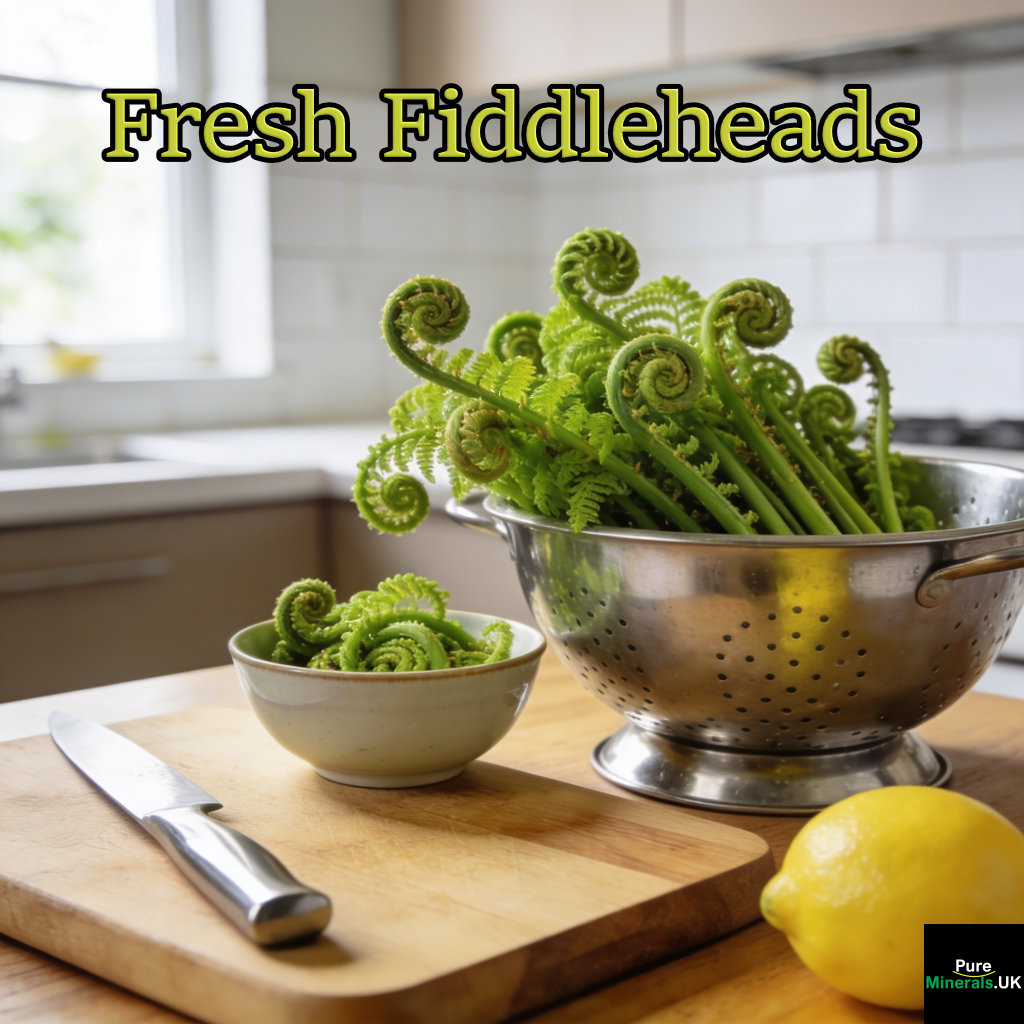
Edible fiddleheads are only available fresh for a few weeks in early spring, making them a “delicacy” rather than a daily staple in many areas.
The commercial production of ostrich fern fiddleheads is primarily a wild-harvested industry rather than one based on large-scale cultivated farming, with the center of production located in New Brunswick, Canada. The industry is highly localized, relying on seasonal harvesting of wild beds. In Maine, USA, a significant source of wild-harvested fiddleheads is where local foragers supply them to wholesalers and processors. While rare, some specialized small-scale local producers and permaculture farms sell them to high-end restaurants or specialty markets.
Most commercial fiddleheads are not grown in traditional agricultural fields because wild populations are currently sufficient to make farming less economical. Although research is ongoing to develop cultivation techniques for indoor and field production (such as trials at the University of Guelph in Canada), large-scale “commercial growing” is still in its infancy.
Fiddlehead ostrich ferns are not commonly sold as food in European supermarkets. While the plant is native to parts of Europe and popular as an ornamental garden plant, the tradition of eating its fiddleheads is primarily a North American and East Asian custom. There is very little tradition of eating ostrich fern fiddleheads in most of Europe. In countries like Germany and the UK, many people are unaware that any fern species is edible, and some common native species like bracken are toxic or carcinogenic.
High-end delicatessens or specialty markets (like KaDeWe in Berlin) may occasionally stock them. Ostrich ferns are widely available across Europe as ornamental plants for damp, shady gardens. They grow wild in parts of Scandinavia and Eastern Europe, where they have historical niche uses, as in Norwegian beer brewing.
Fiddlehead Popularity in North America and Asia
Popularity in North American Cuisine
- Regional Delicacy: Fiddleheads are a very popular spring tradition in Maine, New Brunswick, and Quebec.
- Foraging & Commercialization: While primarily known as a foraged item, they are popular enough to be found in specialty grocery stores and farmers’ markets during their short season. They are the only native Canadian plant that has achieved commercial success as a vegetable.
- Cultural Significance: They have been a traditional spring food for Indigenous peoples in Northeastern North America for centuries.
- Culinary Use: Often described as tasting like a mix of asparagus, green beans, and okra, they are typically boiled or steamed and served with butter and lemon.
Popularity in Asian Cuisine
- Japan (Kogomi): Known as kogomi in Japan, they are a staple “sansai” (wild mountain vegetable) found throughout the country and in many grocery stores, especially in spring.
- Broad Use: While M. struthiopteris (ostrich fern) is popular in Japan, various other fiddlehead species (such as Osmunda japonica and Diplazium esculentum) are also widely consumed across Asia, from Indonesia to the Himalayas.
- Culinary Methods: They are commonly used in stir-fries, soups, and as tempura. In Korea, they are often used in bibimbap.
- Preservation: In the Russian Far East, they are often harvested in bulk in autumn, preserved in salt, and consumed in the spring.
Fiddleheads Pack a Surprising Nutritional Punch for Such a Small Plant
Don’t let their size fool you. These small coiled greens deliver a remarkable range of vitamins, minerals, antioxidants, and even essential fatty acids — all in one low-calorie serving. They’re often compared to asparagus or broccoli in flavor, but nutritionally, they hold their own against far more celebrated superfoods.
Nutritional Profile of Ostrich Fern Fiddleheads
One cup of cooked ostrich fern fiddleheads is where the numbers get interesting. The macronutrient balance is lean, the micronutrient density is high, and the range of beneficial compounds is broad enough to make even seasoned nutritionists take notice.
Macronutrients: Low Calorie, High Protein
Fiddleheads are a low-calorie food that still manages to deliver meaningful protein for a plant source. One cooked cup comes in at a modest calorie count while offering a respectable protein contribution — making them a smart addition to plant-forward diets where protein variety matters.
Vitamins C and Iron Content
Nutrient
Amount Per 1 Cup Cooked
% Daily Value
Significant contributor
~34%
Significant contributor
~11%
Significant contributor
~10%
Present
Notable amount
Present
Rare for plant source
The vitamin C content alone makes fiddleheads stand out. At roughly 34% of your daily requirement per serving, they rival citrus fruits in immune-supportive potential. Vitamin C plays a direct role in collagen synthesis, iron absorption, and immune defense — three functions that matter whether you’re eating for performance, recovery, or general wellness.
Potassium and Its Role in Blood Pressure
Potassium is one of the most underconsumed minerals in modern diets, and fiddleheads offer a meaningful 11% of the daily requirement per serving. Research has consistently linked adequate potassium intake to healthy blood pressure maintenance, largely because it helps counter the effects of sodium on arterial walls.
Fiber Content and Digestive Benefits
At 10% of the daily fiber requirement per cooked cup, fiddleheads contribute meaningfully to gut health. Dietary fiber does far more than support digestion — according to Mayo Clinic data, a high-fiber diet is associated with:
- Maintained bowel health and regularity
- Lowered LDL (“bad”) cholesterol levels
- Improved blood sugar control
- Better weight management outcomes
- Reduced risk of death from cardiovascular disease
- Reduced risk of death from certain cancers
For a foraged seasonal green, that’s an impressive functional profile tied to just one of its many nutrients.
Plant Compounds Found in Fiddleheads
Beyond the standard vitamin and mineral breakdown, ostrich fern fiddleheads contain a class of bioactive plant compounds that put them squarely in superfood territory. Research published in Foods on the nutritional and antioxidant potential of fiddleheads from European ferns highlights several key compounds worth understanding:
- Antioxidants — including carotenoids and other phenolic compounds that neutralize free radicals
- Essential fatty acids — omega-type fatty acids are rarely found in plant-based greens
- Phytonutrients — naturally occurring plant chemicals with anti-inflammatory potential
What makes this combination notable is that essential fatty acids are typically associated with fish, flaxseed, or chia — not wild foraged greens. Finding them in fiddleheads makes this plant unusually valuable for those following plant-based diets.
Antioxidants and Free Radical Protection
Free radicals are unstable molecules that damage cells, accelerate aging, and contribute to chronic disease when they accumulate unchecked. Antioxidants neutralize them. Fiddlehead ferns are notably high in antioxidant content — a characteristic they share with berries, dark leafy greens, and other foods commonly recognized as superfoods. This antioxidant activity is one of the primary reasons natural health communities have grown increasingly interested in this once-obscure wild green.
Essential Fatty Acids in a Plant Source
The presence of essential fatty acids in fiddleheads is genuinely rare for a leafy green. These fats support brain function, reduce systemic inflammation, and play a role in cardiovascular health — benefits typically sought through fish oil or specific seeds. For plant-based eaters, fiddleheads offer a seasonal, whole-food pathway to these same compounds.
Health Benefits Linked to Fiddlehead Consumption
The combination of fiber, potassium, vitamin C, antioxidants, and essential fatty acids creates a nutrient profile that touches several key areas of human health simultaneously. This isn’t a single-benefit food — it’s a multi-system supporter packed into a seasonal green.
Cardiovascular Health Support
The potassium, fiber, and essential fatty acids in fiddleheads work together to support heart health from multiple angles. Potassium helps regulate blood pressure, fiber actively lowers LDL cholesterol, and the essential fatty acids reduce the kind of chronic inflammation that underlies most cardiovascular disease. Few single foods hit all three of these markers at once, but collard greens are another great option.
Blood Sugar Regulation
Dietary fiber slows glucose absorption in the digestive tract, which prevents the sharp blood sugar spikes that follow high-carbohydrate meals. Fiddleheads contribute 10% of your daily fiber per serving, making them a smart addition for anyone managing blood sugar through diet. This is particularly relevant for people monitoring insulin sensitivity or following a low-glycemic eating approach.
Immune System Strengthening
Vitamin C is one of the most well-established immune-supporting nutrients in existence, and fiddleheads deliver roughly 34% of your daily requirement in a single cooked cup. It stimulates the production and function of white blood cells, which are the frontline defenders of your immune system.
On top of the vitamin C contribution, the antioxidant compounds in fiddleheads reduce oxidative stress — a major factor that weakens immune response over time. The combination makes fiddleheads a genuinely useful seasonal food during the spring months when the body is transitioning out of winter.
How to Identify Safe, Edible Ostrich Fern Fiddleheads
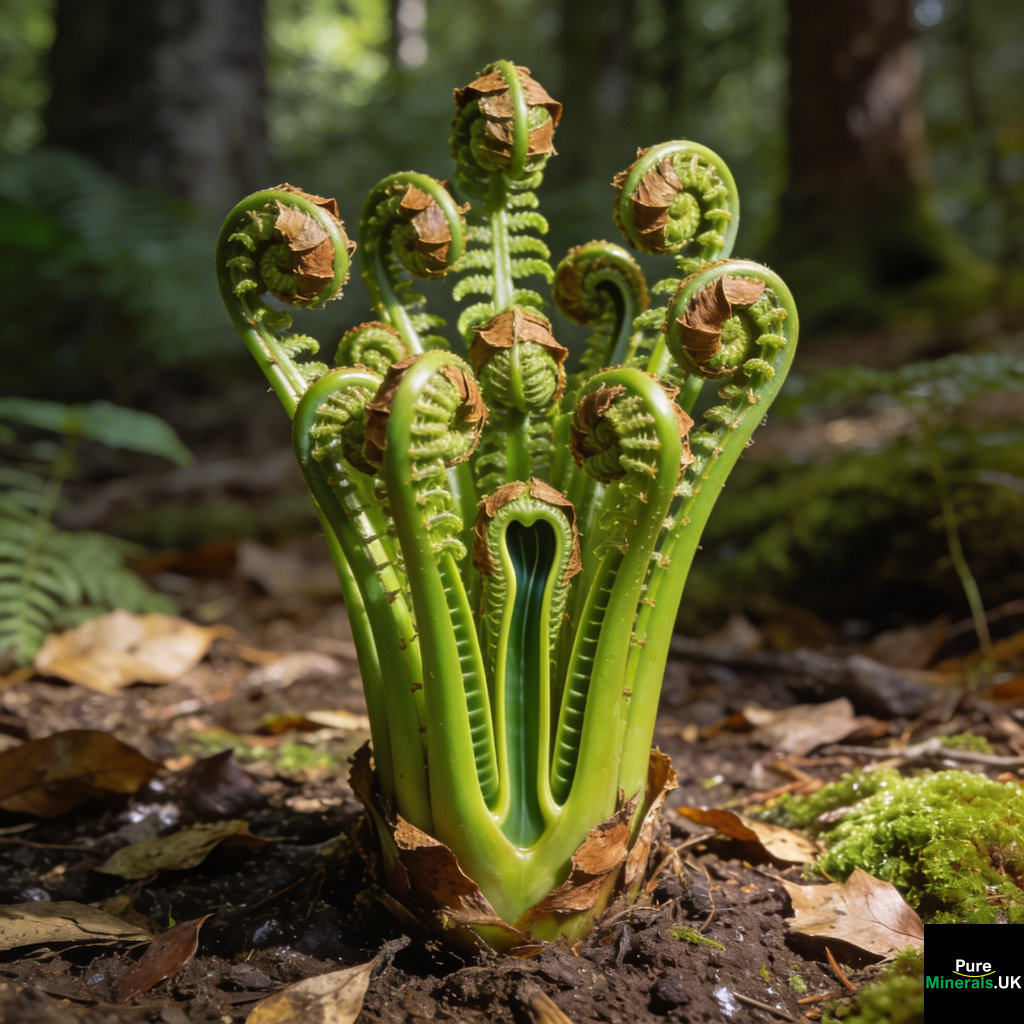
This is where foraging knowledge becomes critical. Not all fiddleheads are edible — in fact, several fern species produce fiddleheads that are toxic and should never be consumed. The ostrich fern (Matteuccia struthiopteris) is the species that’s safe to eat, and knowing how to identify it accurately is non-negotiable before you ever take one home.
The good news is that ostrich fern fiddleheads have several distinct physical characteristics that make them identifiable even for beginners. You’re looking for a specific combination of features — no single marker alone is enough for a confident identification. For more on unique plant features, check out the chayote.
When you find what you think are ostrich fern fiddleheads, always cross-reference multiple identifying features before harvesting. One characteristic in isolation isn’t a reliable confirmation. Check all of the following before proceeding.
The U-Shaped Groove: The Key Identifier
Field Identification Checklist: Ostrich Fern Fiddleheads
Feature
What to Look For
Why It Matters
Stem groove
Deep U-shaped groove on the inner stem
Strongest single identifier of the ostrich fern
Papery covering
Brown, papery, scale-like skin over the coil
Distinguishes from toxic lookalikes
Diameter
Approximately 1 inch across
Helps rule out other fern species
Stem texture
Smooth fern stem
Toxic species often have hairy or woolly stems
Growth pattern
Clusters of 3 to 12 per plant
Ostrich ferns grow in vase-shaped colonies
The deep, U-shaped groove running along the inside of the fern stem is the single most reliable identifier of an ostrich fern fiddlehead. Run your finger along the inner curve of the stem — if there’s a distinct concave channel, you’re on the right track. No other commonly foraged fern species shares this exact feature, much like how the unique texture of eggplant distinguishes it from other vegetables.
This groove, combined with the brown papery covering and smooth stem, creates a three-point confirmation system that experienced foragers rely on. Missing any one of these features should give you pause. When in doubt, don’t harvest.
According to the Northern New England Poison Center, safe foraging also means using a clean container during collection and only washing your fiddleheads with drinking-quality water — not river or lake water, which can introduce additional contaminants.
It’s also worth noting where ostrich ferns grow. They thrive in moist, shaded areas near streams, rivers, and floodplains. Finding fiddleheads in a dry, open field is a red flag — you’re likely looking at a different species entirely, such as escarole.
Size, Cluster Pattern, and Papery Covering
Ostrich fern fiddleheads grow in clusters of three to twelve shoots per plant, emerge at roughly one inch in diameter, and are wrapped in a distinctive brown, papery, scale-like covering that peels away before cooking. This papery skin is unique to the ostrich fern among commonly found North American ferns and is one of the easiest visual cues to spot in the field.
The Toxic Risk: Why Raw Fiddleheads Are Dangerous
Here’s where enthusiasm for fiddleheads needs to be tempered with respect for proper preparation. Even correctly identified ostrich fern fiddleheads can cause illness when eaten raw or undercooked. Researchers have not yet pinpointed the exact compound responsible, but the pattern of illness is well-documented and consistent.
The risk isn’t hypothetical. It’s a documented, recurring food safety issue with a clear and simple solution: cook them thoroughly. The toxin or irritant — whatever its exact nature — is heat-sensitive and breaks down with proper cooking. This is one of those cases where traditional preparation wisdom aligns perfectly with modern food safety guidance.
What makes this particularly important for foragers and natural food enthusiasts is the temptation to eat wild greens fresh. With fiddleheads, that instinct needs to be overridden every single time.
The 1994 Foodborne Illness Outbreak
In 1994, a significant outbreak of foodborne illness was directly traced to the consumption of raw or undercooked fiddlehead ferns. This outbreak put fiddleheads on food safety radar and prompted health agencies across North America to issue formal preparation guidelines. Multiple additional illness cases have been reported since then, consistently linked to the same cause — insufficient cooking.
Symptoms of Undercooked Fiddlehead Consumption
Illness from undercooked fiddleheads typically presents as gastrointestinal distress — nausea, vomiting, diarrhea, and abdominal cramping. Symptoms generally appear within hours of consumption. While rarely life-threatening in healthy adults, the experience is unpleasant enough that no serving of fiddleheads is worth skipping the cooking step.
How to Cook Fiddleheads Safely
Proper cooking is what separates a nutritious spring delicacy from a digestive nightmare. The University of Maine and the Northern New England Poison Center both emphasize that fiddleheads must be cooked before eating — no exceptions. The good news is that the preparation process is straightforward and doesn’t require any specialized equipment or technique. For those interested in exploring other healthy cooking methods, check out these healthy ways to cook broccoli.
Before cooking, remove the papery brown covering from each fiddlehead and rinse them thoroughly under clean drinking water. Boil them in fresh water for at least 15 minutes, or steam them for 10 to 12 minutes until fully tender. Discard the cooking water — don’t use it as a broth or base. From there, they can be sautéed in butter or olive oil, tossed with garlic, or finished in any preparation you’d use for asparagus or green beans.
Cleaning and Removing the Papery Covering
Before any heat touches your fiddleheads, the brown papery covering needs to come off. Rub each fiddlehead between your palms or use your fingers to peel away the loose, scale-like skin. It doesn’t need to be perfect — any small bits that remain will loosen during cooking — but removing the bulk of it improves both texture and flavor.
Once the papery covering is removed, rinse your fiddleheads under clean drinking water. The Northern New England Poison Center is explicit on this point: use potable tap water only. River or lake water — even from a clean-looking stream near where you harvested — can introduce bacteria and environmental contaminants that compound the food safety risk.
Safe Cooking Methods to Eliminate Toxins
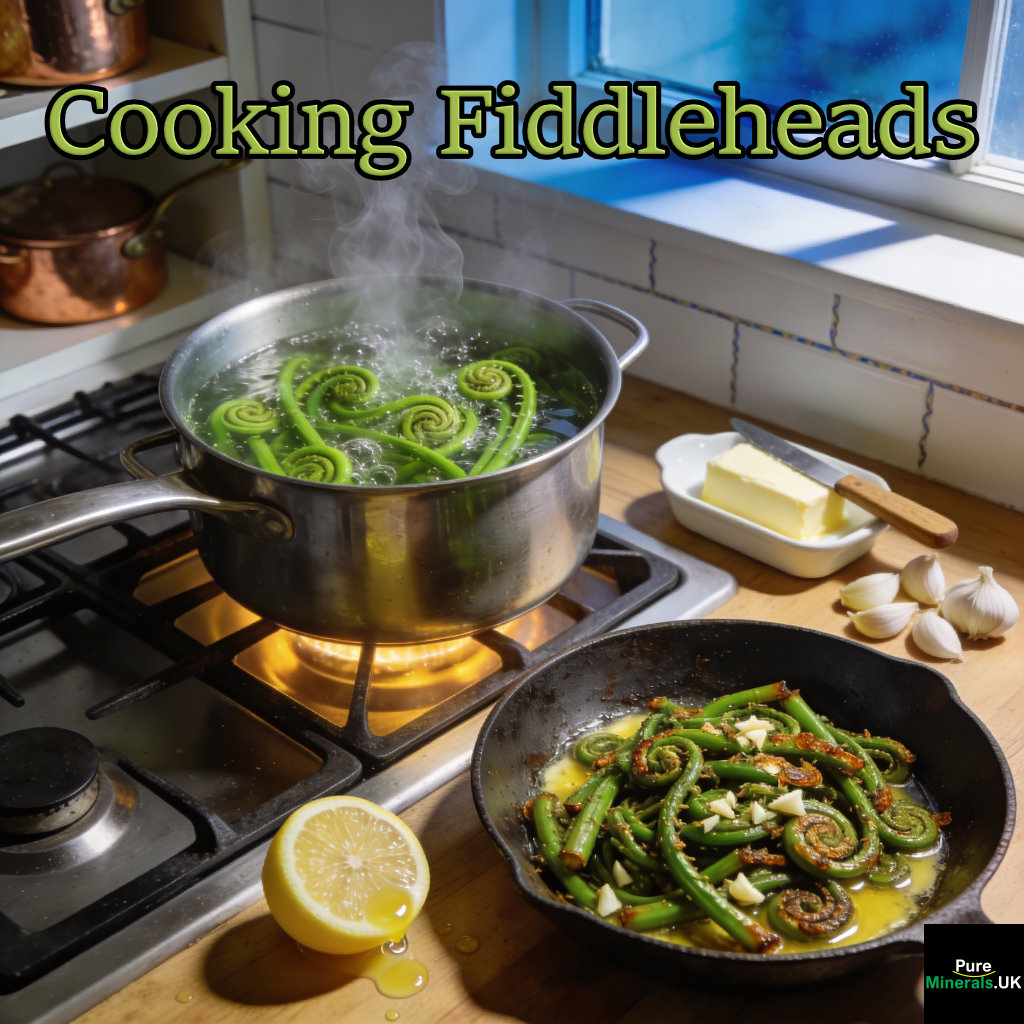
Boiling is the gold standard. Bring a pot of fresh water to a full boil, add your cleaned fiddleheads, and cook for a minimum of 15 minutes. If you prefer steaming, extend the time to 10 to 12 minutes under full steam pressure. The critical step most people miss: discard the cooking water entirely. Whatever compound causes illness in undercooked fiddleheads leaches into the water during boiling — pouring it off eliminates that risk completely. After boiling or steaming, fiddleheads can be finished in butter, olive oil, garlic, or any preparation you’d use for asparagus or broccolini.
Flavor Profile: What Do Fiddleheads Taste Like?
Fiddleheads occupy a flavor space somewhere between asparagus, broccoli, and green beans, with a distinctly nutty undertone that sets them apart from standard vegetables. The texture is firm but tender when properly cooked — not mushy, not fibrous. They hold up well to high-heat sautéing, which brings out a slight caramelization and deepens the nutty flavor.
That flavor complexity is part of what makes fiddleheads appealing beyond their nutritional profile. They’re not a supplement disguised as food. They taste genuinely good, which is why they’re increasingly appearing on restaurant menus as a seasonal specialty — not just in foraging circles, but in mainstream fine dining.
Sustainable Harvesting Keeps Fiddleheads Available Year After Year
Responsible foraging means never harvesting more than half the fiddleheads from any single plant. According to Cool Green Science, taking too many shoots from one plant weakens it and can prevent it from producing fronds — the fronds are what photosynthesize and keep the plant alive for future seasons. The general rule followed by experienced foragers is to take no more than three to four fiddleheads per plant, leave the rest, and never return to the same plant more than once in a season. Fiddleheads grow in clusters of three to twelve, so a healthy colony can sustain careful harvesting year after year if treated with restraint.
Important note: Fiddlehead Ostrich Fern
Fiddleheads should be thoroughly cooked before consumption, as raw or undercooked fiddleheads may contain naturally occurring compounds that can cause gastrointestinal symptoms. Only properly identified edible fern species should be consumed. This article is provided for educational purposes only and does not constitute medical advice. Individuals with specific dietary concerns should consult a qualified healthcare professional before making significant dietary changes.
Frequently Asked Questions
Fiddlehead questions tend to cluster around the same core concerns — safety, nutrition, availability, and storage. Here are the most common ones answered directly.
Are All Fern Fiddleheads Safe to Eat?
No — and this is critical. Only ostrich fern (Matteuccia struthiopteris) fiddleheads are considered safe to eat. Other fern species, including bracken fern (Pteridium aquilinum), produce fiddleheads that contain toxic compounds and should never be consumed. Bracken fern in particular contains ptaquiloside, a carcinogenic compound that is not neutralized by standard cooking. Always make a positive species identification before harvesting any fiddlehead, using the U-shaped stem groove, papery brown covering, smooth stem, and cluster growth pattern as your confirmation checklist.
How Much Vitamin C Do Fiddleheads Provide Per Serving?
One cup of cooked ostrich fern fiddleheads provides approximately 34% of your daily vitamin C requirement. That puts them in the same tier as kiwi fruit, bell peppers, and other foods widely recognized for their vitamin C content — none of which are wild-foraged spring greens.
Vitamin C is a water-soluble vitamin, which means your body doesn’t store it and needs a consistent daily supply. Getting a third of that requirement from a single side dish of fiddleheads makes them a remarkably efficient dietary source, particularly during the spring season when fresh, nutrient-dense wild greens are otherwise limited.
It’s worth noting that vitamin C degrades with heat and extended cooking, so while thorough cooking is non-negotiable for safety, avoid over-boiling beyond the recommended timeframes. The 15-minute boil guideline balances safety with nutrient retention as effectively as current food safety guidance allows.
Can You Eat Fiddleheads If You Don’t Eat Fish?
Yes — and for plant-based eaters, fiddleheads are particularly valuable precisely because they contain essential fatty acids that are otherwise hard to source without animal products. These omega-type fats support cardiovascular health, reduce inflammation, and contribute to brain function. Finding them in a foraged leafy green is genuinely uncommon.
Nutrient
Typical Plant Sources
Fiddleheads
Essential Fatty Acids
Flaxseed, chia, walnuts
Yes — present in fiddleheads
Vitamin C
Citrus, bell pepper, kiwi
~34% DV per cup cooked
Potassium
Banana, sweet potato, legumes
~11% DV per cup cooked
Dietary Fiber
Oats, beans, whole grains
~10% DV per cup cooked
Antioxidants
Berries, dark leafy greens
High antioxidant content confirmed
For vegans and vegetarians in particular, fiddleheads fill a nutritional gap that typically requires supplementation or carefully curated seed and nut intake. The fact that they arrive as a whole, minimally processed seasonal food makes them even more attractive from a natural diet perspective. Learn more about the health benefits of fiddlehead ferns.
That said, fiddleheads are only available for a brief window in spring, so they’re best treated as a powerful seasonal supplement to an otherwise complete plant-based diet — not a year-round essential fatty acid strategy on their own.
When Are Fiddleheads In Season?
Fiddleheads have one of the shortest harvest windows of any edible wild plant. They emerge in early spring — typically March through May, depending on latitude and local climate — and remain harvestable for only a few weeks before they unfurl into full fronds and become inedible. Miss the window, and you wait another year.
The timing is closely tied to soil temperature and snowmelt. In northern regions like New England, eastern Canada, and the Pacific Northwest, fiddleheads typically emerge in April. Further south, the window can begin as early as late February or early March. Elevation also plays a role — higher-altitude sites run two to three weeks behind lower valley floors even in the same geographic region.
Experienced foragers track emergence by watching for soil temperature to consistently reach around 50°F and by monitoring known sites annually. Once a reliable location is identified, the same colony will produce fiddleheads in the same spot each spring, often for decades, as long as the habitat remains undisturbed.
If you miss fresh season entirely, fiddleheads are increasingly available frozen and occasionally canned at specialty grocers and natural food stores. Frozen fiddleheads retain most of their nutritional value and still require the same thorough cooking as fresh ones — freezing does not neutralize the compounds that cause illness when fiddleheads are undercooked.
- Peak season: April to May in most of North America
- Harvest window: Approximately 2 to 3 weeks per location
- Indicators: Coils tightly wound, under 2 inches tall, papery covering intact
- Past-prime signs: Fronds beginning to unfurl, stem elongating, coil loosening
- Off-season availability: Frozen at specialty and natural food stores year-round
How Do You Store Fresh Fiddleheads Before Cooking?
Fresh fiddleheads are highly perishable and begin to lose quality quickly after harvest. For best results, store them unwashed in a breathable container — a paper bag or loosely covered bowl works better than an airtight plastic bag, which traps moisture and accelerates deterioration. Keep them in the coldest part of your refrigerator and aim to cook them within one to two days of harvesting or purchasing.
If you need to extend their life slightly, wrap them loosely in a damp paper towel before refrigerating. This maintains just enough humidity to prevent them from drying out without creating the waterlogged conditions that promote mold. Even with this method, three days is the realistic outer limit for fresh fiddlehead quality.
For longer storage, blanch and freeze them. Boil cleaned fiddleheads for two minutes, transfer immediately to an ice bath to stop cooking, drain thoroughly, and freeze in a single layer on a baking sheet before transferring to freezer bags. This method preserves both texture and nutritional value for up to one year.