

Published: 13 March 2026
Last Updated: 14 March 2026
This article is periodically reviewed and updated to reflect current scientific understanding by Vic George.
Fact-Checked: 1 other authoritative medical/scientific reference. See our Editorial Policy.
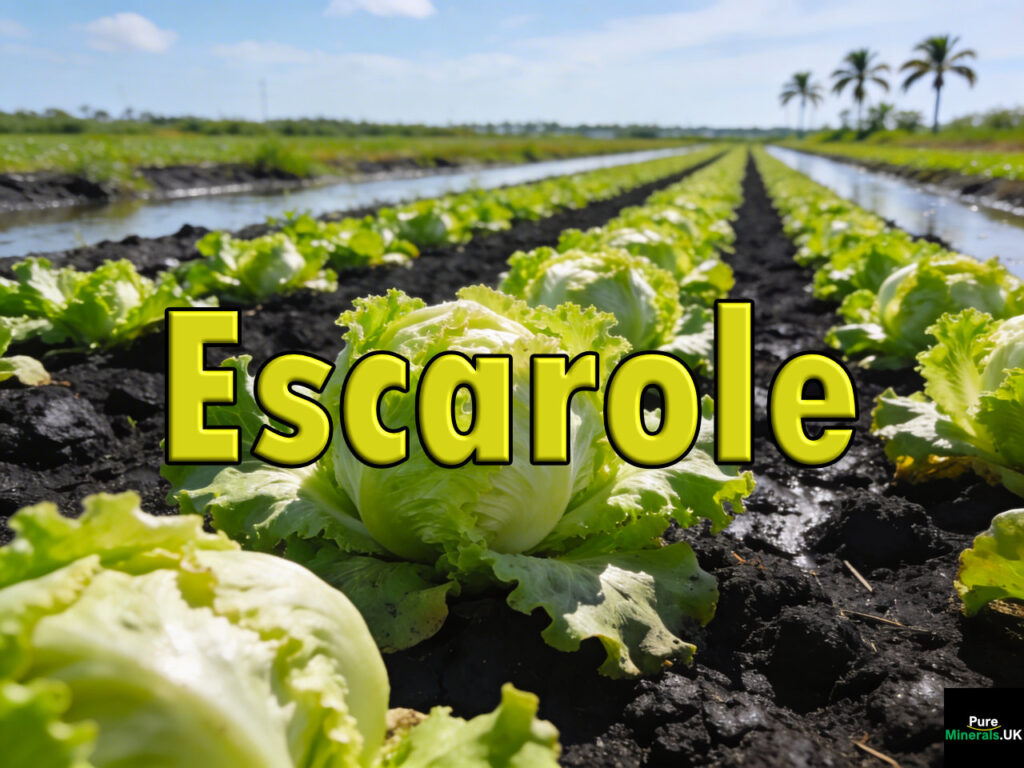
What Is Escarole?
Escarole is a leafy vegetable belonging to Cichorium endivia var. latifolia, cultivated for its broad, slightly bitter leaves. It is valued for its nutritional content, including dietary fiber, vitamins, minerals, and plant-derived phytochemicals typical of chicory family vegetables.
Definition
Escarole is the edible leaf of Cichorium endivia var. latifolia, a cultivated member of the Asteraceae family consumed as a leafy vegetable. As the vegetable is a staple in Italian cuisine, Italy is a top producer, particularly in the regions of Campania, Lazio, Abruzzo, Puglia, and Veneto. Escarole has been cultivated there since ancient times.
In the United States, commercial escarole production is in California, Florida, and New Jersey, with Florida producing significant amounts in the Everglades Agricultural Area from October to March.
Extended Definition
Escarole belongs to the Asteraceae family, which includes lettuce, chicory, dandelion, and artichoke. It is one of the two main cultivated forms of Cichorium endivia, the other being curly endive (frisée). Endive and escarole are both members of the chicory family, but differ in texture and taste. Escarole has broader, smoother, pale green leaves with a milder, slightly bitter flavor. Endive has narrow, fringed, frilly, and more intensely bitter leaves.
Unlike the finely curled leaves of frisée, escarole produces broader, flatter leaves with a milder bitterness and more substantial texture. The outer leaves tend to be darker green and slightly more bitter, while the inner leaves are paler and more tender.
Escarole provides dietary fiber, vitamin K, folate, and small amounts of vitamin C and potassium. Vitamin K plays a key role in normal blood clotting and bone metabolism, while folate contributes to normal cellular processes, including DNA synthesis.
The vegetable also contains sesquiterpene lactones, bitter phytochemicals common to chicory plants. These compounds serve protective roles in the plant and contribute to the characteristic bitterness of escarole and related leafy greens.
Additional phytochemicals present in escarole include flavonoids and phenolic compounds that function as part of the plant’s natural defense systems.
Escarole is commonly used in Mediterranean and Italian cuisine, where it is incorporated into soups, stews, sautéed dishes, and salads. Its sturdy leaves retain structure during cooking, making it suitable for warm dishes.
Key Facts
Botanical name: Cichorium endivia var. latifolia
Plant family: Asteraceae
Common classification: Leafy vegetable
Origin: Mediterranean region
Edible part: Leaves
Typical color: Dark green outer leaves with pale inner leaves
Primary nutrients: Fiber, vitamin K, folate, vitamin C, potassium
Key phytonutrients: Sesquiterpene lactones, flavonoids, polyphenols
Energy density: Very low
Notable compounds: Bitter compounds characteristic of chicory plants
Culinary uses: Soups, sautéed greens, salads, stews, and side dishes
Article-At-A-Glance: Escarole Health Benefits
- Just 2 raw cups (85g) of escarole delivers 164% of the daily value for vitamin K, 58% for provitamin A, and 12% for fiber — all for only 15 calories.
- Escarole belongs to the chicory family (Cichorium endivia), not the lettuce family, which explains its distinct bitterness and unique phytochemical profile.
- Kaempferol, a powerful antioxidant found in escarole, has been studied for its potential to protect cells against chronic inflammation, and the research is worth knowing about.
- Escarole is a nutritional powerhouse that supports gut health, eye health, bone strength, and proper blood clotting in one low-calorie package.
- How you prepare escarole — raw, sautéed, or simmered — dramatically changes its flavor, and one simple kitchen trick using acid can make it far more approachable.
Escarole quietly outperforms most greens in your grocery store, yet most people have never intentionally bought it.
It looks like romaine lettuce from a distance, but the moment you taste it, you know something is different. That slight bitterness is not a flaw — it is a signal of the plant compounds packed inside every leaf. Whether you have encountered it in Italian wedding soup or spotted it at a farmers market without knowing what to do with it, escarole deserves a permanent place in your kitchen and your diet.
Escarole Is Not Just Another Salad Green
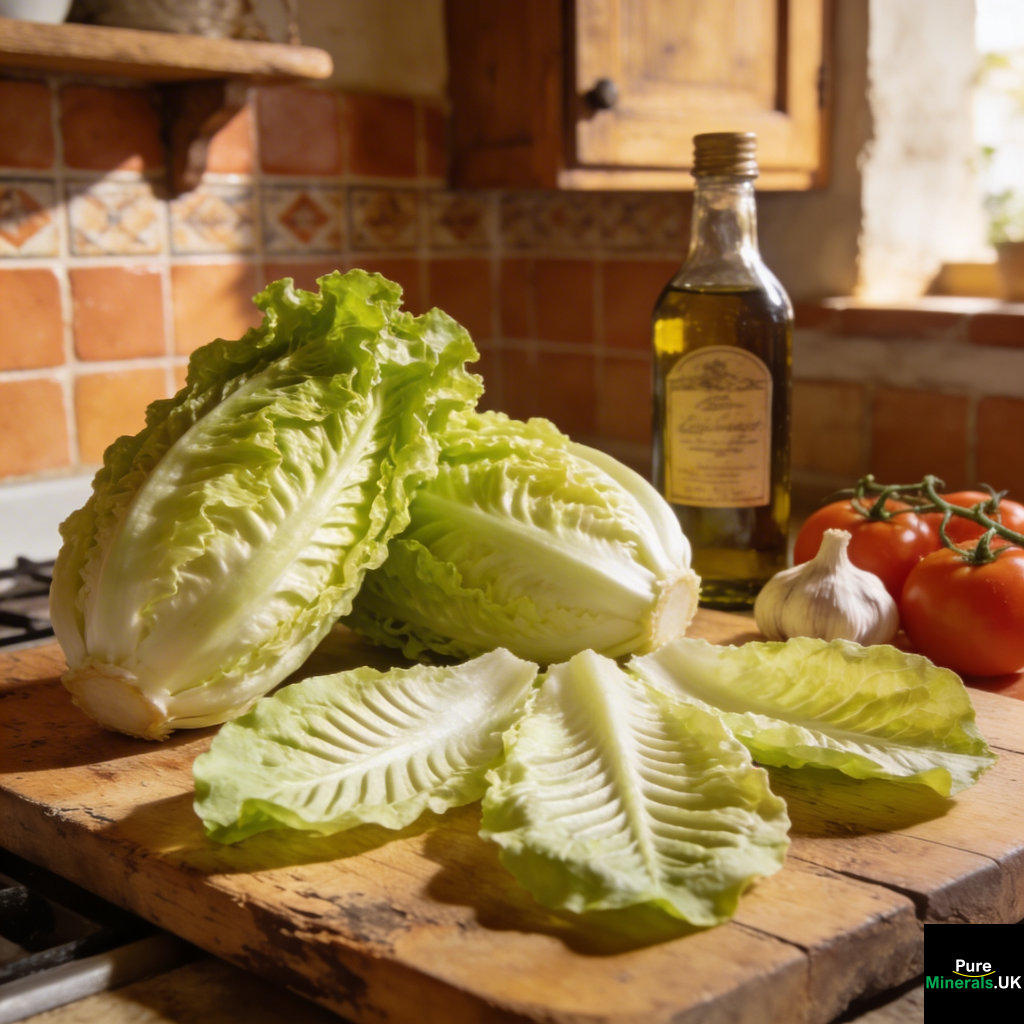
Escarole (Cichorium endivia) is a flat-leafed member of the chicory family, making it a botanical relative of radicchio, frisée, curly endive, and Belgian endive — not lettuce. Its broad leaves have crumpled, slightly jagged edges, and it comes in two distinct textures depending on where you pick from the head. The outer leaves are darker, chewier, and more bitter, while the inner yellow leaves are tender and noticeably sweeter.
What sets escarole apart from typical salad greens is the source of its bitterness: a plant compound called lactucopicrin, also known as intybin. This is not just flavor chemistry — it represents a biologically active compound with its own story to tell, similar to the unique compounds found in chard.
Escarole is a staple in Italian cuisine, most famously in Italian wedding soup, where it is simmered alongside small pasta, meatballs or sausage, and chicken broth. But limiting it to a single dish would be a significant missed opportunity.
Escarole’s Nutritional Profile
Comparing escarole to common salad greens puts its density into perspective. For a vegetable with virtually no fat and only 15 calories per serving, the micronutrient payoff is extraordinary.
Macronutrients: 15 Calories Per 2 Cups With 3 Grams of Fiber
Two raw cups (85 grams) of escarole — roughly one-sixth of a medium head — deliver the following macronutrient breakdown:
- Calories: 15
- Fat: 0 grams
- Carbohydrates: 3 grams
- Fiber: 3 grams (12% of the Daily Value)
- Protein: 1 gram
Three grams of fiber from a single 15-calorie food is a remarkable ratio. That fiber comes in both soluble and insoluble forms, and the way each type functions in the body is very different, which matters for how escarole supports digestion.
Vitamin K: 164% of the Daily Value Per Serving
Vitamin K is where escarole genuinely stands out among leafy greens. A single 2-cup serving delivers 164% of the Daily Value for vitamin K — a fat-soluble nutrient essential for blood clotting and bone mineralization. This is not a trivial amount. Very few non-supplement foods hit that number so efficiently, especially at 15 calories per serving. Anyone managing bone density or cardiovascular health should take note.
Vitamin A, Folate, and Copper: Why These Numbers Matter
Beyond vitamin K, escarole covers several other critical micronutrient bases in the same 85-gram serving. Provitamin A comes in at 58% of the Daily Value, which the body converts to retinol for use in vision, immune function, and cellular communication. Folate, critical for DNA synthesis and particularly important during pregnancy, is also present in meaningful amounts. Copper, often overlooked in nutrition conversations, contributes to energy production and connective tissue integrity.
Nutrient
Amount Per 2 Cups (85g)
% Daily Value
Calories
15
—
Fiber
3g
12%
Vitamin K
—
164%
Provitamin A
—
58%
Folate
—
Significant
Copper
—
Significant
Vitamin C
—
Present
Key Phytochemicals in Escarole
Nutrients like vitamins and minerals are only part of the story. Escarole also contains biologically active plant compounds — phytochemicals — that contribute to its health profile in ways that go beyond standard nutrition labels. For example, other leafy greens like collard greens are known for their phytochemical content and health benefits.
Lactucopicrin: The Compound Behind the Bitterness
The bitterness in escarole, and in chicory-family vegetables broadly, comes from lactucopicrin (intybin). This sesquiterpene lactone is responsible for that sharp, slightly medicinal edge you taste in the outer leaves. It is not just a flavor molecule — lactucopicrin has been identified in research as a biologically active compound native to the chicory genus. Understanding why escarole tastes the way it does is the first step toward appreciating it rather than avoiding it.
Kaempferol: An Antioxidant Linked to Reduced Chronic Inflammation
Escarole is also a source of kaempferol, a flavonoid antioxidant that has drawn considerable scientific attention. Antioxidants like kaempferol work by neutralizing free radicals — unstable molecules that, when left unchecked, cause oxidative stress and contribute to cellular damage over time.
Research published in peer-reviewed journals suggests that kaempferol may help protect cells against chronic inflammation, which sits at the root of many long-term health conditions. This is not a claim about escarole curing anything — it is a straightforward observation that regularly eating foods rich in kaempferol contributes to a dietary pattern that supports lower inflammatory load.
Escarole is not the only source of kaempferol, but it is one of the more practical ones. Unlike supplements, eating it whole means you get kaempferol alongside fiber, vitamin K, and provitamin A in a single food, which is how micronutrients tend to work best anyway.
Health Benefits Backed by the Nutritional Data
Every health benefit tied to escarole traces directly back to something measurable in its nutritional profile. This is not a vegetable with vague wellness claims — the data is specific, and the mechanisms are well understood.
Here is what the numbers actually mean for your body when you eat escarole consistently.
Gut Health: How Insoluble Fiber Keeps Digestion Moving
The 3 grams of fiber in a 2-cup serving of escarole includes both soluble and insoluble types, and they do very different jobs. Insoluble fiber adds bulk to stool and accelerates movement through the digestive tract, reducing the time waste spends in the colon. Soluble fiber, on the other hand, absorbs water and forms a gel-like substance that slows digestion, which helps regulate blood sugar and supports the growth of beneficial gut bacteria.
For a vegetable this low in calories, that fiber contribution is genuinely significant. Most adults fall well short of the recommended 25 to 38 grams of daily fiber, and nutrient-dense, low-calorie sources like escarole make closing that gap considerably easier without adding unwanted calories to your day.
Eye Health: Provitamin A at 58% DV Per Serving
The provitamin A in escarole — delivered at 58% of the Daily Value per 2-cup serving — is converted by the body into retinol, the active form of vitamin A. Retinol is essential for maintaining the photoreceptors in your eyes, particularly for low-light and night vision. Consistent provitamin A intake from whole foods like escarole supports long-term eye health and helps protect against conditions related to vitamin A deficiency, including impaired vision and increased susceptibility to eye infections.
Bone and Blood Health: The Role of Vitamin K, Copper, and Folate
Vitamin K at 164% of the Daily Value is the headline number here, and it earns that attention. Vitamin K activates proteins involved in both blood clotting and bone mineralization — specifically osteocalcin, a protein that binds calcium to bone matrix. Copper adds another layer by supporting the enzymes responsible for building collagen and connective tissue, both of which are structural components of healthy bone. Folate rounds this out by supporting red blood cell production and DNA repair, making escarole a genuinely multi-functional food for circulatory and skeletal health.
Inflammation: What Kaempferol Research Shows
- Kaempferol is a flavonoid antioxidant present in escarole that has been studied for its anti-inflammatory properties.
- Research cited by Healthline references studies published in peer-reviewed journals suggesting kaempferol may protect cells from chronic inflammatory damage.
- Chronic inflammation is linked to a wide range of conditions, making dietary sources of anti-inflammatory compounds like kaempferol a meaningful part of a preventive nutrition strategy.
- Escarole delivers kaempferol alongside a full spectrum of vitamins and fiber, making it more effective as a whole food than as an isolated compound.
The important distinction here is that kaempferol research points to protective effects at the cellular level — this is about reducing the conditions that allow inflammation to persist, not treating inflammation after the fact. That is exactly the kind of benefit you get from consistent, long-term dietary patterns rather than any single meal.
Eating escarole regularly as part of a diet rich in diverse vegetables puts kaempferol to work alongside the other antioxidants in your overall intake. The cumulative effect of that kind of eating pattern is where the real value lies.
For nutrition enthusiasts focused on building an anti-inflammatory diet, escarole slots in naturally. It is bitter enough to signal its phytochemical richness, versatile enough to use in multiple preparations, and dense enough in micronutrients to justify its place on your plate beyond just the antioxidant angle.
How to Use Escarole in the Kitchen
Escarole’s culinary flexibility is part of what makes it so practical. Unlike more delicate greens that wilt immediately or become unpleasant when cooked, escarole holds up well across a range of preparations — from crisp raw salads to long-simmered soups. The key is understanding how the preparation method affects both flavor and texture, and knowing which applications suit your palate.
Raw vs. Cooked: How Preparation Changes Flavor and Texture
Raw escarole, particularly the inner yellow leaves, has a mild bitterness and a satisfying crunch that works well in salads. The outer leaves are considerably more bitter and chewy in their raw state, which can be polarizing. Cooking transforms the texture entirely — heat softens the leaves and significantly mellows the bitter edge, making cooked escarole far more approachable for people who find raw bitter greens challenging.
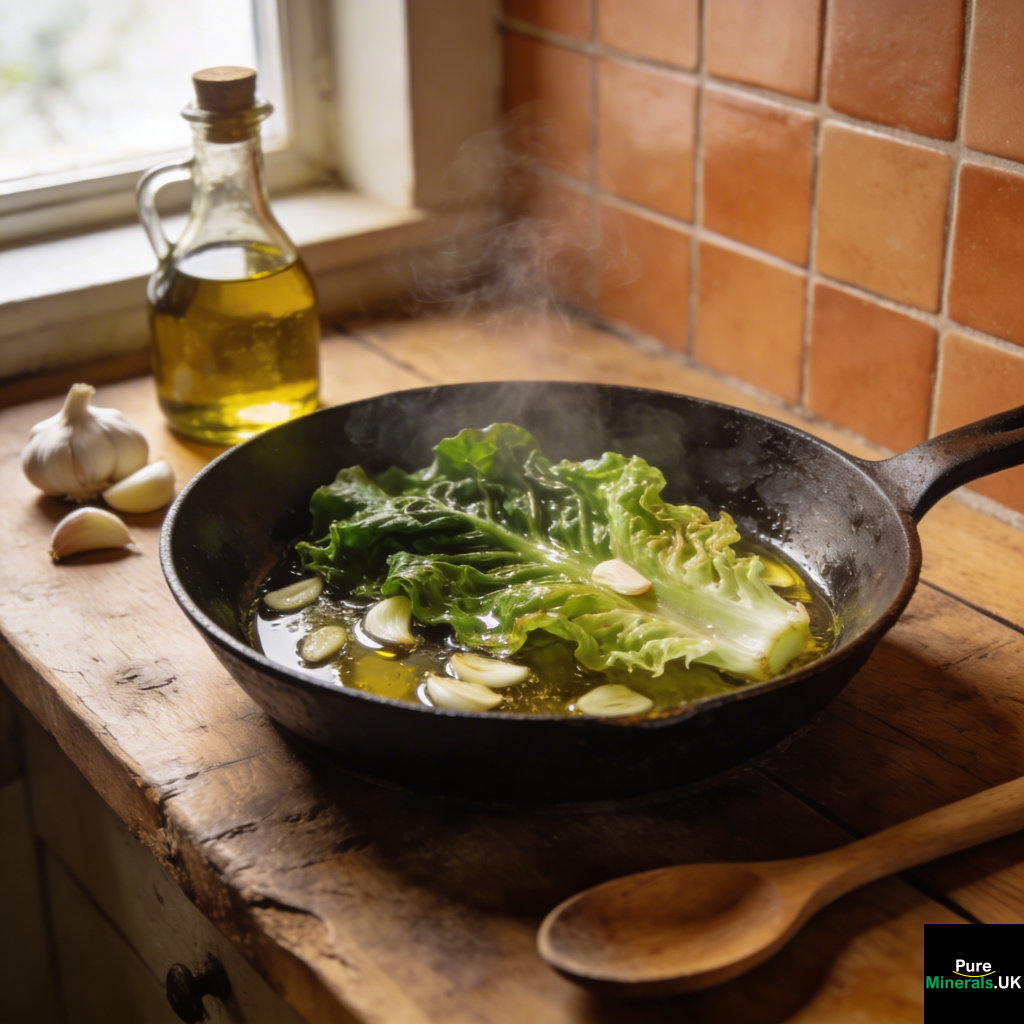
Sautéing escarole in olive oil with garlic is one of the fastest ways to cook it, and the heat-driven reduction in bitterness happens quickly — within just a few minutes in the pan.

Simmering escarole in soups like Italian wedding soup takes that mellow quality even further, with the leaves becoming silky and almost sweet compared to their raw state.
Both the above methods preserve a meaningful portion of the nutrients, though some water-soluble vitamins like folate will leach into cooking liquid, which is one reason soup preparation is particularly efficient — you consume the liquid along with the greens.
How Acid Neutralizes Bitterness in Raw Escarole
A squeeze of lemon juice or a splash of red wine vinegar does something almost immediate to raw escarole — it pulls the sharpness back and lets the more subtle, earthy flavor underneath come forward. The acid works by interacting with the bitter compounds in the leaves, particularly lactucopicrin, softening their intensity without eliminating the character that makes escarole interesting. This is not a trick unique to escarole — it works across the chicory family — but it is especially effective here given how much bitterness the outer leaves carry. For a similar approach to reducing bitterness, you might want to explore how it applies to collard greens.
When building a raw escarole salad, dress it with a vinaigrette containing a higher acid ratio than you might use for romaine or spinach. A classic combination of lemon juice, good olive oil, a pinch of salt, and cracked black pepper is enough. Let the dressed leaves sit for two to three minutes before serving — that brief rest allows the acid to penetrate the leaf tissue more fully and rounds out the flavor considerably. If you are still finding raw escarole too aggressive, start with just the inner yellow leaves, which are naturally milder, and work your way outward as your palate adjusts.
Escarole Earns Its Place Beyond Italian Wedding Soup
Most people who know escarole know it from one dish. Italian wedding soup made escarole famous in North American kitchens, but treating it as a single-use ingredient undersells one of the most nutritionally complete greens available. Sauté it with white beans and garlic for a simple Italian side dish that delivers fiber, plant protein, and vitamin K in a single pan. Fold it into pasta with anchovies, chili flakes, and breadcrumbs for a classic southern Italian preparation. Grill whole leaves briefly over high heat, then finish with olive oil and sea salt — the char tempers the bitterness in a completely different way than acid or moist heat does.
Escarole also holds its structure in grain bowls better than softer greens like spinach or arugula, making it practical for meal prep. Dress it while warm so the leaves absorb the vinaigrette, then layer it with farro, roasted vegetables, and a soft-boiled egg for a meal that covers fiber, complex carbohydrates, provitamin A, and vitamin K without any deliberate nutritional engineering — just good ingredients used well.
Important note: Escarole
Escarole is widely recognized as safe for consumption. Individuals with allergies to plants in the Asteraceae family should exercise caution. This article is provided for educational purposes only and does not constitute medical advice. Individuals with specific dietary concerns should consult a qualified healthcare professional before making significant dietary changes.
Frequently Asked Questions
Escarole generates a lot of confusion in the produce aisle, and the questions people have about it tend to cluster around identification, preparation, and safety. Here are the most common ones answered directly.
Is Escarole the Same as Endive or Lettuce?
Escarole is not lettuce, and it is not the same as Belgian endive, though all three are commonly confused. Escarole is a flat-leafed variety of endive, both of which belong to the species Cichorium endivia. Belgian endive — what most grocery stores label simply as “endive” — is a compact, pale, cylindrical vegetable grown in darkness to suppress bitterness. Escarole has broad, open leaves and grows in full light. Lettuce belongs to an entirely different genus (Lactuca sativa) and lacks the bitter phytochemicals that define the chicory family.
Green
Family
Bitterness Level
Best Use
Escarole
Chicory (Cichorium endivia)
Moderate
Salads, soups, sautés
Belgian Endive
Chicory (Cichorium endivia)
Mild to moderate
Raw, braised
Curly Endive (Frisée)
Chicory (Cichorium endivia)
Sharp
Salads
Radicchio
Chicory (Cichorium intybus)
Sharp
Salads, grilled
Romaine Lettuce
Lettuce (Lactuca sativa)
Very mild
Salads, wraps
The easiest way to distinguish escarole at the market is by its broad, slightly crumpled leaves with jagged edges and its pale yellow interior. It is typically sold as a full head, similar in size to a small head of romaine, and the outer leaves will have a noticeably deeper green color than the interior.
How Much Escarole Should You Eat to Get Nutritional Benefits?
Two raw cups — one serving, roughly one-sixth of a medium head — is enough to deliver 164% of the Daily Value for vitamin K, 58% for provitamin A, and 12% for fiber. You do not need to eat large quantities to see a meaningful nutritional return. Including it two to three times per week as part of a varied vegetable intake is a practical and effective approach.
There is one important caveat: because a single serving provides well over the daily requirement for vitamin K, people taking anticoagulant medications like warfarin need to keep their vitamin K intake consistent rather than dramatically increasing it. The goal is not to avoid escarole but to eat it regularly and at similar amounts so your medication dosage can be calibrated accurately. Anyone on blood thinners should discuss dietary vitamin K with their healthcare provider.
Does Cooking Escarole Reduce Its Nutritional Value?
Cooking does affect certain nutrients in escarole, but the extent depends heavily on the method. Water-soluble vitamins, particularly folate and vitamin C, are the most vulnerable — boiling escarole and discarding the water will result in measurable losses of both. Fat-soluble nutrients like vitamin K and provitamin A are considerably more stable under heat and are actually better absorbed when consumed with a small amount of dietary fat, such as olive oil used in sautéing.
Soup preparation is one of the most nutrient-efficient cooking methods for escarole precisely because the cooking liquid is consumed. Any folate or vitamin C that leaches out of the leaves during simmering stays in the broth, meaning you still consume it. Sautéing is the next best option — short cooking times at higher heat preserve more of the water-soluble nutrients than long, slow simmering in water that gets discarded.
Is Escarole Safe to Eat During Pregnancy?
Escarole is generally safe and nutritionally beneficial during pregnancy. Its folate content is particularly relevant — folate is essential during early pregnancy for neural tube development, and dietary sources of folate complement prenatal supplement intake. The provitamin A in escarole is also safe in pregnancy; unlike preformed vitamin A (retinol from animal sources), which can be harmful in excess, provitamin A from plant sources is converted to retinol only as the body requires it, making toxicity essentially a non-issue from vegetable sources.
The standard food safety precautions apply — escarole should be washed thoroughly before eating, whether raw or cooked, to remove any soil or surface bacteria. This is especially important during pregnancy when immune function is naturally modified. Beyond that, escarole eaten in normal dietary amounts presents no known safety concerns for pregnant individuals.
What Does Escarole Taste Like Compared to Other Leafy Greens?
Escarole sits in the middle of the bitterness spectrum for chicory-family greens. It is noticeably more bitter than romaine or butterhead lettuce but considerably milder than curly endive (frisée) or radicchio. The outer leaves carry most of the sharpness, while the inner yellow leaves are almost sweet by comparison — closer in flavor to a mildly bitter butter lettuce than to the assertive edge of radicchio.
The texture also distinguishes escarole from its relatives. The leaves are broad and slightly waxy, with more structure than soft lettuces but less wiry resistance than curly endive. This makes escarole one of the most versatile greens in the chicory family — sturdy enough to hold up in hot soups and sautés, tender enough to eat raw when dressed properly with acid and oil.
If you are building your palate toward more bitter greens, escarole is the logical starting point. Begin with the inner leaves dressed simply with lemon and olive oil, and over several weeks, work toward the outer leaves and toward cooking methods that preserve rather than eliminate the bitterness. Most people who make that gradual transition find that bitter greens become one of the most satisfying categories in their diet — complex, distinctive, and deeply connected to some of the most compelling culinary traditions in the world.