

Published: 26 November 2025
Last Updated: 23 April 2026
This article is periodically reviewed and updated to reflect current scientific understanding by Vic George.
Fact-Checked: 2 other authoritative medical/scientific references. See our Editorial Policy.

Is Selenium an Antioxidant?
Yes, selenium is an essential trace mineral that acts as an antioxidant by supporting enzymes such as glutathione peroxidase, which protect cells from oxidative stress and free radical damage.
Definition:
Selenium is a vital trace element found in nuts, seeds, whole grains, and vegetables grown in selenium-rich soils. It forms part of selenoproteins—specialized proteins involved in antioxidant activity, thyroid hormone regulation, and immune support. Organic plant-based selenium is among the most absorbable dietary forms.
Selenium is required for the production of glutathione peroxidases and thioredoxin reductases, antioxidant enzymes that protect cells from oxidative damage. It also assists in converting the thyroid hormone T4 into its active form, T3, supporting metabolism and energy balance. Selenium works closely with iodine in thyroid function and contributes to immune regulation and inflammation control. Plant foods contain selenium primarily as selenomethionine, which is efficiently absorbed and incorporated into body tissues. Because requirements are small, both deficiency and excess should be carefully balanced.
Key Facts:
- Chemical symbol: Se
- Mineral class: Essential trace mineral
- Typical nutritional forms in food: Selenomethionine, selenocysteine
- Key physiological roles: Antioxidant defence, thyroid hormone activation, immune support
- Systems supported: Endocrine, immune, metabolic, antioxidant systems
- Preferred sources: Brazil nuts, seeds, whole grains, legumes, vegetables from selenium-rich soils
- Deficiency considerations: Low thyroid activity, weakened antioxidant defence, immune suppression
- Interactions: Works with iodine, zinc, vitamin E, and sulfur-based amino acids
Key Takeaways
- Selenium functions as a powerful antioxidant that protects cells from oxidative damage and supports over 25 essential proteins in the body.
- Regular selenium consumption may reduce cancer risk by fighting DNA damage and boosting the immune response against abnormal cells.
- Optimal selenium levels are crucial for proper thyroid function and hormone production, potentially benefiting those with thyroid disorders.
- While Brazil nuts offer the highest natural selenium concentration, a variety of seafood and plant-based options can help meet daily requirements.
- Immunity Plus provides balanced selenium alongside complementary nutrients for maximum cellular protection and immune support.
Selenium might be the unsung hero your body desperately needs. This trace mineral works silently behind the scenes, defending your cells from damage and supporting critical immune functions that keep you healthy. Unlike more famous antioxidants, selenium’s unique mechanisms make it irreplaceable in your body’s defense system.
Your cells face a constant barrage of oxidative stress from environmental toxins, processed foods, and even normal metabolism. TruHealth’s research team has found that selenium serves as a frontline defender against this cellular damage through its integration into specialized proteins called selenoproteins. These protective compounds neutralize free radicals before they can trigger the chain reactions that lead to premature aging and disease.
Selenium’s Power Against Cell Damage: What Makes It Essential
Every day, your cells endure thousands of attacks from free radicals—unstable molecules that steal electrons from healthy cells. This microscopic theft damages cell structures, disrupts normal function, and eventually leads to the breakdown of tissues and organs. Selenium steps in as a critical component of your body’s antioxidant defense system, neutralizing these threats before they can cause lasting harm.
Unlike vitamin C and vitamin E, which work directly as antioxidants, selenium’s power comes from its incorporation into specialized enzymes. Your body uses selenium to create glutathione peroxidase and other selenoproteins that continuously patrol your system, converting dangerous peroxides into harmless water molecules. This ongoing protection works ceaselessly, providing round-the-clock defense against oxidative stress.
How Oxidative Stress Destroys Your Cells
Oxidative stress occurs when free radicals overwhelm your body’s antioxidant defenses. These volatile molecules attack cell membranes, mutate DNA, and oxidize proteins—essentially causing your cellular structures to “rust” from the inside out. The damage accumulates over time, accelerating aging and creating the perfect conditions for chronic diseases to develop. Your mitochondria—the powerhouses of your cells—are particularly vulnerable to this oxidative damage, leading to decreased energy production and cellular dysfunction. Learn more about selenium deficiency symptoms.
Why Your Body Can’t Fight Free Radicals Without Selenium
Your body’s antioxidant system depends on selenium at its most fundamental level. Without adequate selenium, your cells cannot produce glutathione peroxidase—one of your body’s most important antioxidant enzymes. This critical enzyme neutralizes hydrogen peroxide before it can form the highly destructive hydroxyl radical, which is capable of damaging virtually any cellular component it contacts.
Selenium also works synergistically with vitamin E, dramatically enhancing its antioxidant capabilities. Research shows that selenium-deficient individuals experience accelerated cellular damage even when other antioxidant nutrients are present. This mineral serves as the cornerstone of your body’s entire oxidative stress management system, making even small deficiencies potentially harmful to long-term health.
How Selenium Functions As Nature’s Shield
Selenium’s protective powers stem from its unique ability to become incorporated into specialized proteins. Your body uses selenium to create at least 25 different selenoproteins, each with specific roles in antioxidant defense and cellular health regulation. These remarkable compounds work continuously to neutralize free radicals, repair damaged DNA, and maintain proper cell function.
Unlike most antioxidants, which are depleted after neutralizing a single free radical, selenium-containing enzymes can regenerate themselves to continue fighting oxidative stress. This recycling capability makes selenium exceptionally efficient at protecting cells during times of increased stress or exposure to toxins. Your immune cells particularly benefit from selenium’s protective effects, allowing them to function optimally even when battling infections or inflammation. Learn more about other essential minerals, like manganese, that support your health.
The Science Behind Selenoproteins
Selenoproteins are the workhorses behind selenium’s remarkable antioxidant capabilities. These specialized proteins contain selenium in the form of the amino acid selenocysteine, often referred to as the “21st amino acid.” When your body incorporates selenium into these proteins, they gain the unique ability to neutralize peroxides and free radicals that would otherwise damage cellular structures. Scientists have identified at least 25 different selenoproteins in humans, each performing specialized protective functions throughout the body.
Glutathione peroxidases (GPx) represent the most well-studied family of selenoproteins. These powerful enzymes convert harmful hydrogen peroxide into water, preventing the formation of more dangerous free radicals. Thioredoxin reductases, another crucial group of selenoproteins, maintain cellular redox balance and protect against oxidative stress. Without adequate selenium, your body simply cannot produce these essential protective compounds, leaving cells vulnerable to damage and dysfunction.
Selenium’s Unique Role in Glutathione Production
Glutathione, often called the “master antioxidant,” depends heavily on selenium for its proper function. While your body can produce glutathione without selenium, this powerful antioxidant cannot perform its most critical protective functions without selenium-dependent enzymes. Selenium-containing glutathione peroxidase transforms glutathione into its active form, enabling it to neutralize free radicals and detoxify harmful compounds throughout your body.
The relationship between selenium and glutathione creates a powerful synergy that enhances your overall antioxidant protection. When selenium levels are optimal, glutathione efficiency increases dramatically, providing superior defense against oxidative damage. This partnership extends beyond simple antioxidant functions, influencing immune cell activity, inflammatory responses, and even the body’s ability to detoxify environmental toxins and heavy metals.
Why It Works Better Than Other Antioxidants
Unlike direct antioxidants like vitamins C and E that become depleted after neutralizing a single free radical, selenium-dependent enzymes can regenerate themselves to continue fighting oxidative stress. This recycling capability makes selenium exceptionally efficient at protecting cells even during periods of increased oxidative burden. One selenium atom, when incorporated into selenoenzymes, can neutralize thousands of free radicals before needing replacement.
Selenium also works at a deeper cellular level than most antioxidants, protecting not just cell membranes but also DNA, mitochondria, and other critical intracellular structures. Its integration into the body’s own enzymatic systems means it works in harmony with your natural defense mechanisms rather than as an external agent. This native integration allows selenium to provide protection precisely where and when it’s needed most, making it far more effective than non-enzymatic antioxidants working alone.
6 Major Health Benefits of Optimal Selenium Levels
The far-reaching benefits of adequate selenium extend well beyond basic antioxidant protection. Research continues to uncover how this essential mineral supports multiple body systems and may help prevent several chronic conditions. From immune function to brain health, selenium’s influence touches virtually every aspect of human physiology through its role in selenoprotein production and antioxidant defense.
1. Strengthens Immune Function and Response
Selenium plays a crucial role in immune system function, influencing both innate and adaptive immune responses. White blood cells require selenium to produce cytokines—signaling molecules that coordinate immune responses against pathogens. Studies show that even mild selenium deficiency can impair immune cell activity and reduce the body’s ability to respond to infections.
The immune-boosting effects of selenium are particularly evident during viral infections. Research demonstrates that adequate selenium levels can enhance the body’s ability to clear viruses and may reduce the severity and duration of viral illnesses. Selenium supplementation has been shown to improve immune responses in people with HIV, influenza, and hepatitis C, highlighting its critical role in antiviral defense mechanisms.
2. Reduces Inflammation Throughout the Body
Chronic inflammation underlies many modern diseases, from arthritis to heart disease to cancer. Selenium helps regulate inflammatory processes by inhibiting the activation of NF-κB, a protein complex that triggers inflammatory responses when activated. By keeping inflammation in check, selenium helps prevent the tissue damage associated with excessive or prolonged inflammatory reactions.
Selenoproteins also protect immune cells from the oxidative damage they produce during normal inflammatory responses. This self-protection mechanism allows immune cells to function effectively without becoming collateral damage in the inflammatory process. For those with inflammatory conditions, maintaining optimal selenium status may help reduce symptom severity and slow disease progression by moderating excessive inflammatory cascades.
3. Supports Thyroid Health and Hormone Production
The thyroid gland contains the highest concentration of selenium of any organ in the body, highlighting this mineral’s critical importance to thyroid function. Selenium is essential for the production and metabolism of thyroid hormones through selenoenzymes called iodothyronine deiodinases. These enzymes convert the inactive form of thyroid hormone (T4) to the active form (T3) that regulates metabolism throughout the body.
Selenium also protects the thyroid gland from the oxidative damage generated during hormone production. Research suggests that selenium supplementation may benefit people with autoimmune thyroid conditions like Hashimoto’s thyroiditis by reducing thyroid antibody levels and improving overall thyroid function. The combination of selenium’s protective and functional roles makes it indispensable for maintaining healthy thyroid activity and metabolic balance.
4. Protects Against Cognitive Decline
Your brain is particularly vulnerable to oxidative stress due to its high oxygen consumption and abundant polyunsaturated fatty acids. Selenium helps protect neural tissues by supporting antioxidant defense systems that neutralize free radicals before they can damage brain cells. Several studies have linked higher selenium levels with better cognitive function and reduced risk of neurodegenerative diseases.
The neuroprotective effects of selenium extend to mitochondrial function within brain cells. By preserving mitochondrial integrity, selenium helps maintain the energy production necessary for proper neural signaling and brain function. Research suggests that maintaining optimal selenium status throughout life may help preserve cognitive abilities during aging and reduce the risk of conditions like Alzheimer’s and Parkinson’s disease.
5. May Lower Cancer Risk
Selenium’s cancer-fighting potential stems from multiple mechanisms that help prevent the initiation and progression of malignant cells. Its antioxidant properties protect DNA from oxidative damage that can lead to cancer-causing mutations, while selenium-dependent enzymes support DNA repair processes when damage does occur. Additionally, selenium enhances immune surveillance against cancer cells and may directly induce apoptosis (programmed cell death) in abnormal or precancerous cells. Learn more about the role of nickel nutrition in supporting overall health.
Research has found particularly strong connections between selenium status and reduced risk of prostate, colorectal, and lung cancers. The Nutritional Prevention of Cancer Trial showed that selenium supplementation reduced overall cancer mortality by nearly 50% and decreased the incidence of prostate, colorectal, and lung cancers in participants with low baseline selenium levels. For those undergoing cancer treatment, selenium may also help minimize side effects and improve quality of life by protecting healthy tissues from treatment-related oxidative damage. Learn more about the role of molybdenum nutrition in supporting overall health.
6. Improves Heart Health
Selenium protects your cardiovascular system through multiple mechanisms that reduce oxidative stress and inflammation—two major contributors to heart disease. Selenoproteins prevent the oxidation of LDL cholesterol, which is a crucial step in the formation of arterial plaque. By maintaining healthy blood vessel function, selenium helps regulate blood pressure and promotes proper circulation throughout the body.
Studies have linked adequate selenium status with reduced risk of cardiovascular disease and improved outcomes after heart attacks. Research from the Kuopio Ischaemic Heart Disease Risk Factor Study found that men with the lowest selenium levels had a significantly higher risk of cardiovascular death compared to those with optimal levels. The heart muscle itself relies on selenium-dependent enzymes to function properly, particularly during times of increased oxidative stress, such as during exercise or illness.
Foods High in Selenium To Boost Your Selenium Intake
The selenium content of foods varies dramatically based on the selenium concentration in the soil where plants are grown or where animals graze. This geographic variation means that understanding which foods are high in selenium is essential for maintaining optimal selenium status. Fortunately, several reliable food sources can help you meet your daily selenium requirements through thoughtful dietary choices.
Brazil Nuts: Nature’s Selenium Powerhouse

Brazil nuts stand alone as the richest known food source of selenium, with a single nut potentially providing more than the entire daily recommended intake. These nutritional powerhouses can contain anywhere from 68 to 91 micrograms of selenium per nut, depending on growing conditions. Their extraordinary selenium concentration makes them an effective and convenient way to boost selenium levels, particularly for vegetarians and vegans who may have limited selenium sources in their diets.
Due to their extremely high selenium content, Brazil nuts should be consumed in moderation to avoid potential selenium toxicity. Most nutrition experts recommend limiting intake to 1-2 Brazil nuts daily as a selenium supplement rather than consuming them in large quantities. The selenium in Brazil nuts is highly bioavailable, meaning your body can efficiently absorb and utilize it for selenoprotein production and antioxidant functions.
Seafood Options Rich in Selenium

Seafood consistently ranks among the most reliable sources of dietary selenium, with many species accumulating substantial amounts from their marine environment. Yellowfin tuna, halibut, sardines, and shrimp are particularly rich sources, providing between 40-90 micrograms per 3-ounce serving. These seafood options not only supply selenium but also provide complementary nutrients like omega-3 fatty acids that work synergistically with selenium to reduce inflammation and support heart and brain health.
Oysters deserve special mention as selenium-rich foods that also provide zinc, copper, and vitamin B12—nutrients that enhance selenium’s antioxidant effects. For those concerned about mercury exposure from seafood, it’s worth noting that selenium actually helps protect against mercury toxicity by binding to mercury and preventing it from causing cellular damage. This protective relationship means that selenium-rich seafood choices generally pose minimal risk despite containing traces of environmental contaminants.
Plant-Based Selenium Sources

While plant foods typically contain less selenium than animal sources, several plant options can contribute meaningfully to selenium intake, especially when consumed regularly. Whole grains like brown rice, oatmeal, and whole wheat bread provide modest but significant amounts of selenium, particularly when grown in selenium-rich soils. Sunflower seeds, mushrooms, and legumes like lentils and chickpeas also contain appreciable amounts of this essential mineral.
For those following plant-based diets, combining multiple selenium-containing foods throughout the day helps ensure adequate intake. Garlic and onions, while not extremely high in selenium, contain unique organic selenium compounds that may have enhanced bioavailability and antioxidant effects. Incorporating these flavorful additions into meals provides selenium alongside sulfur compounds that support detoxification pathways and complement selenium’s protective functions. For more on the role of minerals, explore the benefits of molybdenum nutrition in your diet.
Symptoms of Selenium Deficiency
Selenium deficiency can develop gradually and present with subtle symptoms that are easily mistaken for other conditions. Recognizing the warning signs of inadequate selenium status allows for timely intervention before significant health problems develop. While severe deficiency is rare in developed countries, suboptimal selenium levels are surprisingly common and can compromise immune function and antioxidant protection.
Physical Symptoms of Selenium Deficiency to Watch For
Fatigue that persists despite adequate rest may signal selenium insufficiency, as this mineral plays a crucial role in cellular energy production through protection of mitochondrial function. Hair loss, weakened nails, and skin issues often appear as selenium levels decline, reflecting the importance of this mineral for maintaining healthy connective tissues. Frequent illness or infections suggest compromised immune function, which can result from even mild selenium deficiency impairing white blood cell activity.
Thyroid dysfunction symptoms—including unexplained weight changes, sensitivity to cold, depression, and brain fog—may indicate insufficient selenium for proper thyroid hormone metabolism. Muscle weakness and joint pain can also develop as selenium-dependent antioxidant systems fail to protect muscle tissues from oxidative damage during normal use. In men, declining fertility and reproductive function may reflect selenium’s important role in testicular health and sperm production.
Risk Factors That Increase Deficiency Chances
Certain populations face substantially higher risks of selenium deficiency due to dietary patterns, health conditions, or geographic factors. People living in regions with selenium-poor soils—including parts of Europe, China, and New Zealand—often have lower selenium intake unless they regularly consume imported foods. Strict vegetarians and vegans may develop a deficiency if they don’t carefully select plant foods grown in selenium-rich soils or supplement appropriately.
Individuals with digestive disorders that impair nutrient absorption, including Crohn’s disease, ulcerative colitis, and celiac disease, frequently struggle to maintain adequate selenium status despite seemingly sufficient dietary intake. Heavy alcohol consumption depletes selenium stores and impairs selenium utilization, while also increasing oxidative stress that further depletes antioxidant reserves. Kidney dialysis patients lose significant selenium during treatment, making supplementation particularly important for this vulnerable population.
How Much Selenium Do You Need Daily?
Establishing the optimal selenium intake requires balancing the body’s needs against the relatively narrow margin between deficiency and potential toxicity. While requirements vary somewhat based on age, gender, and health status, scientific research has established reliable guidelines for most individuals to follow for maintaining selenium sufficiency without risking overconsumption.
Recommended Dosages By Age and Gender
The Recommended Dietary Allowance (RDA) for selenium in adults is 55 micrograms daily for both men and women, an amount sufficient to optimize selenoprotein production and antioxidant function. Adolescents require slightly less at 40-55 micrograms per day, while children need between 20-40 micrograms depending on their age. These recommendations represent the minimum amount needed to prevent deficiency rather than the optimal intake for maximum health benefits.
Some research suggests that slightly higher intakes of 100-200 micrograms daily may provide enhanced protection against certain cancers and optimal immune function. The upper tolerable limit has been set at 400 micrograms daily, beyond which the risk of adverse effects increases significantly. For most healthy adults, aiming for 100-200 micrograms from diet and supplements combined appears to offer the greatest benefits while maintaining safety.
Special Requirements During Pregnancy and Illness
Pregnant and breastfeeding women require additional selenium to support fetal development and infant nutrition, with recommendations increasing to 60-70 micrograms daily during these periods. Adequate selenium during pregnancy supports proper fetal brain development and reduces the risk of complications like preeclampsia. Nursing mothers need sufficient selenium to ensure their breast milk provides this essential nutrient to their growing infants.
During illness, infection, or periods of increased oxidative stress, selenium requirements may temporarily increase as the body utilizes more selenoproteins for immune defense and cellular protection. People with chronic inflammatory conditions, recurring infections, or those undergoing cancer treatments may benefit from selenium intakes at the higher end of the safe range. However, any significant increase in selenium consumption should be discussed with healthcare providers, particularly for those taking medications or managing chronic health conditions.
Selenium Supplements: When and How to Take Them
While obtaining nutrients from food sources is generally ideal, selenium supplements offer a reliable alternative when dietary intake is insufficient or when health conditions increase selenium requirements. Understanding the different forms available and proper supplementation strategies helps maximize benefits while avoiding potential risks associated with excessive intake.
Different Forms of Selenium Supplements
Selenium supplements come in several chemical forms, each with distinct absorption characteristics and biological effects. Selenomethionine, the organic form found naturally in foods, offers excellent bioavailability and is incorporated into body proteins, creating a stable reservoir of selenium for ongoing use. Sodium selenite and sodium selenate, inorganic forms, are less expensive but generally less bioavailable and may act more as direct antioxidants rather than building selenoprotein reserves.
High-selenium yeast provides a complex mixture of organic selenium compounds similar to those found in foods, making it a popular and effective supplemental choice. Newer formulations like selenium-enriched probiotics and selenocysteine supplements attempt to enhance absorption and utilization through innovative delivery methods. Immunity Plus in our shop includes selenium alongside complementary minerals and vitamins that enhance its protective effects through synergistic interactions.
Timing Your Intake for Maximum Absorption
Taking selenium supplements with meals containing healthy fats significantly improves absorption, particularly for organic forms like selenomethionine. Morning or midday supplementation generally works best for most people, as evening doses may temporarily increase energy production and potentially interfere with sleep quality. Spacing selenium intake apart from high-dose zinc or iron supplements prevents potential competition for absorption pathways.
For those taking multiple supplements, selenium works particularly well when taken alongside vitamins E and C, as these nutrients support and enhance each other’s antioxidant functions. This nutrient synergy explains why comprehensive formulations like those offered by TruHealth typically provide more noticeable benefits than isolated selenium supplements taken alone.
Potential Interactions With Medications
Several medications can interact with selenium supplements, either reducing selenium absorption or altering the medication’s effectiveness. Statin drugs, corticosteroids, and some antacids may impair selenium utilization, potentially increasing requirements above standard recommendations. Conversely, selenium may affect the metabolism of certain medications, including some anticoagulants and chemotherapy drugs, necessitating careful monitoring and potentially adjusted dosing.
Those taking thyroid medications should be particularly cautious with selenium supplementation, as changing selenium status can alter thyroid hormone metabolism and potentially affect medication needs. While selenium often benefits thyroid health, any supplementation should be discussed with healthcare providers who can monitor thyroid function and adjust treatment as needed. As with any supplement, informing all healthcare providers about selenium use ensures comprehensive care and minimizes the risk of adverse interactions.
Warning Signs of Selenium Toxicity
While selenium deficiency receives considerable attention, excessive selenium intake can cause significant health problems with both acute and chronic exposure. The margin between beneficial and potentially toxic doses is narrower than with many other nutrients, making awareness of toxicity symptoms particularly important for those supplementing or consuming selenium-rich foods like Brazil nuts regularly.
Why More Isn’t Always Better
Selenium follows a U-shaped benefit curve, where both insufficient and excessive intake are associated with increased health risks. The biological mechanisms behind selenium toxicity involve disruption of cellular redox systems, inappropriate binding to sulfur-containing proteins, and generation of reactive selenium species that can damage cellular structures. When selenium intake regularly exceeds 400 micrograms daily, these toxic effects begin to outweigh the beneficial antioxidant properties that make selenium valuable at lower doses.
The risk of toxicity increases substantially with selenium supplements compared to food sources, as supplements can provide concentrated amounts that bypass the body’s normal regulatory mechanisms. Natural variation in absorption and individual differences in selenium metabolism mean that susceptibility to toxicity varies considerably between people. Those with certain genetic variations affecting selenium-processing enzymes may develop toxicity at lower intake levels than the general population.
Environmental exposure to high-selenium water sources or occupational exposure in certain industries can contribute to total selenium burden, potentially pushing someone into the toxic range even with seemingly moderate supplemental intake. This cumulative exposure highlights the importance of considering all selenium sources when evaluating potential toxicity risk.
Symptoms of Selenium Overdose
Early signs of selenium toxicity include garlic-like breath odor, metallic taste in the mouth, brittle nails, and hair loss—symptoms that paradoxically resemble those of deficiency. As exposure continues or increases, more severe manifestations develop, including nausea, vomiting, fatigue, and irritability. The characteristic nail changes of selenosis include white streaking followed by brittleness and eventual loss, providing a visible marker of excessive intake.
Chronic high-level exposure can lead to serious neurological symptoms, including numbness, paralysis, and cognitive impairment. Skin lesions, persistently elevated blood glucose, liver dysfunction, and immune system disruption may also occur with extended selenosis. If you experience possible toxicity symptoms, discontinuing all selenium supplements and reducing consumption of high-selenium foods like Brazil nuts allows body levels to normalize over several weeks to months in most cases.
Transform Your Health With Simple Selenium Strategies
Incorporating optimal amounts of selenium into your daily routine doesn’t require complicated protocols or expensive products. Simple dietary adjustments and targeted supplementation when needed can dramatically improve your selenium status and enhance your body’s antioxidant defenses. Start by including selenium-rich foods like Brazil nuts, seafood, and whole grains in your regular meal rotation, aiming for consistency rather than occasional large doses.
For those seeking comprehensive antioxidant support, TruHealth’s Antioxidant Complete provides balanced selenium alongside synergistic nutrients that enhance its protective effects. Our scientifically formulated blend ensures optimal absorption and utilization of selenium for maximum cellular protection and immune support. Visit our website to learn how our premium antioxidant formulations can help you harness selenium’s remarkable benefits while avoiding the potential risks of imbalanced supplementation. For more insights on essential minerals, explore our guide on manganese nutrition.
Selenium Infographic
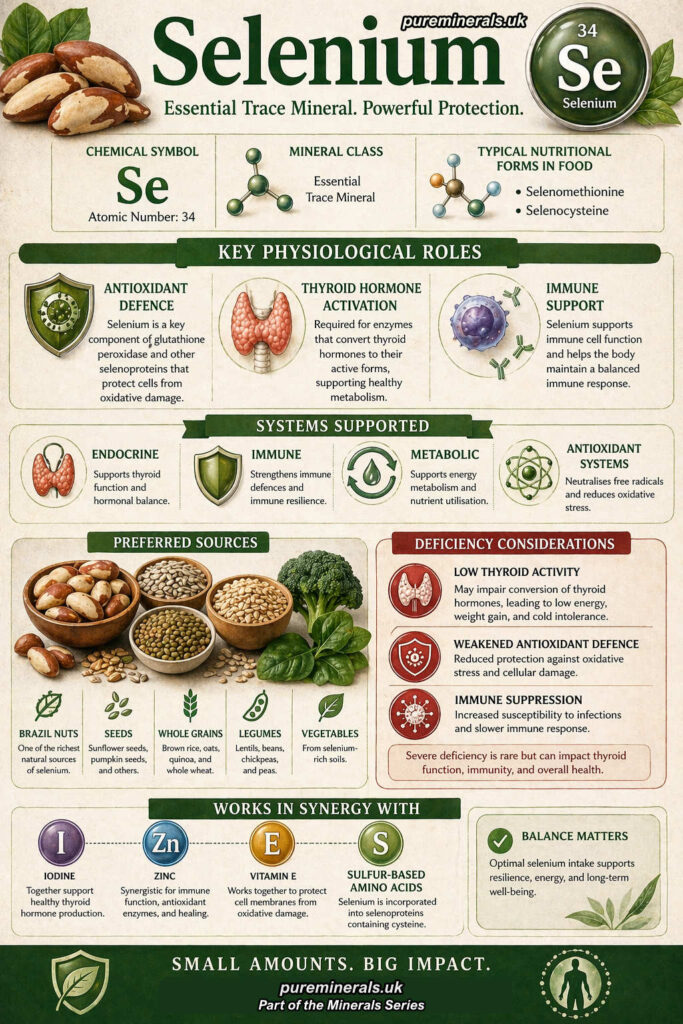
Download the full high-resolution Selenium infographic for offline reference.
Explore more minerals in the full Minerals Hub
Frequently Asked Questions
Below are answers to the most common questions about selenium’s antioxidant benefits, sourced from current scientific research and clinical experience. These insights address practical concerns about selenium use and help clarify how this essential mineral supports overall health and well-being.
Can selenium supplements help with autoimmune conditions?
Selenium shows particular promise for autoimmune thyroid conditions like Hashimoto’s thyroiditis, where research demonstrates it can reduce antibody levels and improve thyroid function in many patients. A meta-analysis published in the Journal of Clinical Endocrinology and Metabolism found that selenium supplementation reduced thyroid peroxidase antibody levels by an average of 40% in patients with autoimmune thyroiditis, suggesting significant immune-modulating effects. For other autoimmune conditions like rheumatoid arthritis, preliminary research suggests potential benefits through selenium’s anti-inflammatory properties, though evidence remains less conclusive than for thyroid disorders.
People with autoimmune conditions often show lower selenium levels than healthy individuals, potentially due to increased oxidative stress and greater selenium utilization for antioxidant defense. When supplementing, the organic selenomethionine form appears to offer the greatest benefits for autoimmune conditions by supporting both selenoprotein production and general antioxidant protection. As with any intervention for autoimmune conditions, individual responses vary considerably, and selenium works best as part of a comprehensive approach rather than as a standalone treatment.
Is it possible to get enough selenium from the diet alone?
For most people living in areas with selenium-rich soils, obtaining adequate selenium through diet alone is entirely feasible with thoughtful food choices. Consuming seafood 2-3 times weekly, including a handful of mixed nuts and seeds daily, and eating whole grains rather than refined versions typically provides sufficient selenium for optimal health. However, those living in regions with selenium-poor soils (parts of Europe, China, New Zealand, and the eastern coastal areas of the United States) may find dietary sufficiency more challenging without imported foods or supplements.
How quickly can selenium improve immune function?
Research shows that selenium’s effects on immune function begin within days of correcting a deficiency, with measurable improvements in white blood cell activity and cytokine production occurring within 1-2 weeks of achieving optimal status. A study in the American Journal of Clinical Nutrition demonstrated that selenium supplementation increased natural killer cell activity by 82% after just 8 weeks in previously deficient individuals. However, the full benefits for immune resilience typically develop over 2-3 months as the body incorporates selenium into various immune cell components and builds selenoprotein reserves.
Does selenium help with skin health and appearance?
Selenium supports skin health through multiple mechanisms, including protection against UV damage, support for collagen production, and reduction of inflammatory skin conditions. Research published in Experimental Dermatology shows that topical and oral selenium can reduce skin inflammation after UV exposure by over 40%, helping prevent premature aging and potential skin cancer development. People with adequate selenium status typically show greater skin elasticity and fewer signs of photoaging compared to those with suboptimal levels. For more information on selenium’s benefits, you can refer to this Healthline article.
For specific skin conditions, selenium shows particular promise for psoriasis and eczema through its immune-modulating and anti-inflammatory properties. A combination of selenium with other antioxidants like vitamins E and C provides the most comprehensive skin protection by addressing multiple pathways of oxidative damage simultaneously. While dramatic overnight improvements shouldn’t be expected, consistent optimal selenium status over several months often contributes to noticeably healthier skin with improved texture and resilience.
Can selenium supplements interfere with prescription medications?
Selenium can interact with several classes of medications, requiring careful consideration for those on prescription drugs. It may enhance the effects of anticoagulants like warfarin, potentially increasing bleeding risk when started or discontinued without medical supervision. Some chemotherapy drugs depend on oxidative mechanisms that selenium might theoretically counteract, although clinical evidence suggests selenium may actually reduce side effects without compromising treatment effectiveness in most cases.
For thyroid medications, selenium’s effect on thyroid hormone metabolism may necessitate dosage adjustments as selenium status improves. Always inform your healthcare providers about all supplements you’re taking, including selenium, to ensure comprehensive medication management. When properly monitored, most potential interactions can be managed successfully through appropriate timing and dosage adjustments rather than avoiding selenium entirely.