

Published: 10 April 2026
This article is periodically reviewed and updated to reflect current scientific understanding by Vic George.
Fact-Checked: 2 other authoritative medical/scientific references. See our Editorial Policy.

What Are Sunflower Seeds?
Sunflower seeds are the edible seeds of the sunflower plant, widely consumed as a snack and used in a variety of culinary applications for their nutrient density and mild flavour. Sunflowers are grown primarily by commercial farmers in Russia, Ukraine, Argentina, and China for seed oil and snacks.
Definition
Sunflower seeds are the seeds of Helianthus annuus, a flowering plant cultivated for its oil-rich seeds and edible kernels.
Extended Definition
Sunflower seeds are harvested from the large flowering heads of Helianthus annuus. Each seed consists of a kernel enclosed within a black or striped outer shell (hull). The hulled kernels are commonly consumed directly, while whole seeds may be roasted and eaten as a snack.
Sunflower seeds are valued for their high fat content, particularly unsaturated fatty acids, including linoleic acid. They are also a significant source of vitamin E (tocopherols), a fat-soluble antioxidant that plays a role in protecting cells from oxidative stress.
In addition to fats, sunflower seeds provide protein, dietary fiber (especially when consumed with the hull), and minerals such as magnesium, selenium, and phosphorus. They also contain phytosterols and phenolic compounds studied for their biological activity.
Sunflower seeds are commonly eaten raw or roasted, added to salads, cereals, and baked goods, or processed into sunflower seed butter and oil.
Be aware that most standard sunflower oils are high in polyunsaturated fats (PUFAs), which can break down when heated, forming harmful free radicals and inflammatory compounds.
Key Facts
- Botanical Name: Helianthus annuus
- Plant Family: Asteraceae
- Common Forms: Whole seeds (in shell), hulled kernels, oil, seed butter
- Typical Serving Methods: Raw, roasted, or incorporated into foods
- Taste Profile: Mild, nutty, slightly sweet
Key Takeaways
- Sunflower seeds deliver an exceptional amount of vitamin E — just one ounce covers over 37% of your daily needs, making them one of the most concentrated food sources available.
- The fat profile in sunflower seeds is largely unsaturated, but the variety of seed (high-oleic vs. conventional) makes a significant difference in how those fats affect your health.
- Key minerals like selenium and magnesium found in sunflower seeds play critical roles in immune function, blood pressure regulation, and over 300 enzymatic processes in the body.
- There’s a lesser-known risk to eating too many sunflower seeds that most people overlook — portion size matters more with these seeds than almost any other common snack.
- From raw snacking to high-heat cooking, how you consume sunflower seeds significantly changes their nutritional impact.
Nutritional Highlights:
- Rich in healthy fats (unsaturated fatty acids)
- High in vitamin E (tocopherols and tocotrienols), which protects cells from damage, as well as linoleic acid (omega-6) – important for brain function but potentially inflammatory in large amounts – and oleic acid (omega-9), a heart-friendly monounsaturated fat found in high-oleic varieties.
- Provides protein and dietary fiber
- Contains magnesium, selenium, and phosphorus
Culinary Uses:
- Snack food (roasted seeds)
- Salads, cereals, and baked goods
- Seed butter and oils
Notable Compounds:
- Tocopherols (vitamin E)
- Phytosterols
- Polyphenols
Dietary Suitability:
- Vegan, vegetarian, gluten-free diets
Sunflower seeds are one of the most nutrient-dense snacks you can eat — and most people are barely scratching the surface of what they offer.
These small seeds come from the Helianthus annuus plant, technically classified as the plant’s fruit. What most people think of as the seed is actually the kernel inside a black-and-white striped shell. Sunflowers are native to North America and have been cultivated for thousands of years, originally by Indigenous peoples who used every part of the plant for food, dye, and medicine. Today, they’re grown commercially across the globe, with Russia and Ukraine historically leading production.
You’ll find sunflower seeds in everything from trail mix and granola bars to multi-grain bread and salad toppings. They’re sold raw, dry-roasted, or oil-roasted, either in the shell or as shelled kernels. Their mild, nutty flavor makes them easy to add to almost any meal without overwhelming other ingredients.
Sunflower Seeds Pack More Nutrition Than Most People Realize
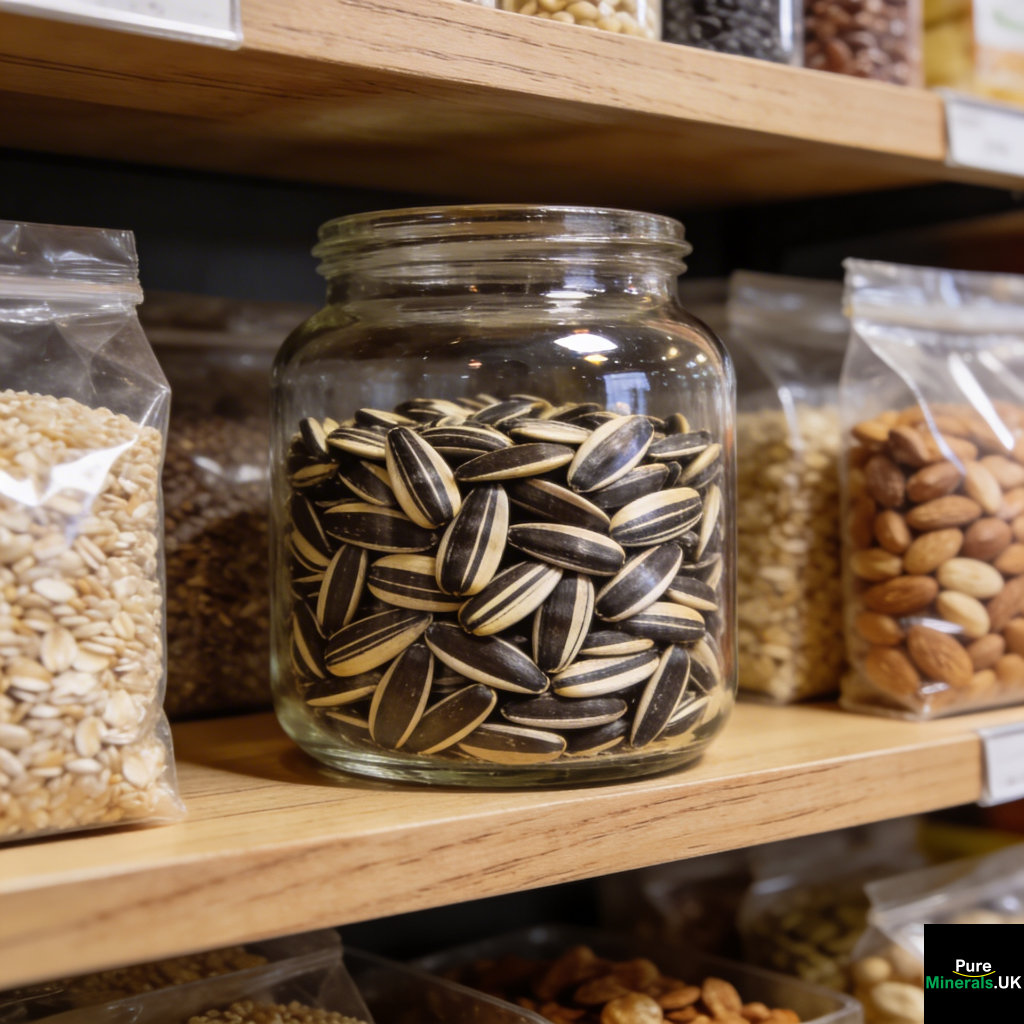
A single one-ounce (28.35g) serving of dry-roasted, shelled sunflower seeds contains a surprisingly robust nutrient profile. Here’s what that standard serving actually delivers:
Nutrient | Amount per 1 oz (28.35g) | % Daily Value |
|---|---|---|
Calories | 165 | — |
Protein | 5.5g | 11% |
Total Fat | 14g | 18% |
Carbohydrates | 6.5g | 2% |
Fiber | 2.4g | 9% |
7.4mg | 37%+ | |
22.5mcg | 41% | |
36.9mg | 9% | |
1.5mg | 14% | |
0.5mg | 56% | |
Source: USDA Food Data Central |
That copper figure is particularly striking — more than half your daily requirement from a single small handful. Copper supports iron absorption, collagen formation, and neurological function, yet it rarely gets the attention it deserves in mainstream nutrition conversations.
Vitamin E: The Standout Nutrient in Sunflower Seeds
Of all the nutrients sunflower seeds contain, vitamin E is the headliner. Sunflower seeds are one of the richest whole-food sources of alpha-tocopherol, which is the most biologically active form of vitamin E in the human body. Getting over a third of your daily vitamin E from a single ounce makes these seeds genuinely hard to beat as a dietary source.
How Vitamin E Protects Your Cells
Vitamin E functions primarily as a fat-soluble antioxidant. It positions itself within cell membranes — which are made of fat — and neutralizes free radicals before they can cause oxidative damage. This matters because oxidative stress is a driving force behind chronic inflammation, cardiovascular disease, and accelerated cellular aging. Research published in journals tracking C-reactive protein levels has shown that vitamin E helps lower this key inflammatory marker, suggesting a direct link between regular vitamin E intake and reduced systemic inflammation.
Vitamin E and Brain Health
The brain is especially vulnerable to oxidative damage because of its high fat content and intense metabolic activity. Vitamin E’s role in protecting fatty cell membranes makes it particularly relevant for neurological health. Some research suggests adequate vitamin E intake is associated with a lower risk of cognitive decline, though it’s worth noting that most robust evidence comes from dietary intake rather than supplementation, such as incorporating grains like spelt into your diet.
The distinction is important: food-derived vitamin E comes packaged with other tocopherols, tocotrienols, and synergistic plant compounds that supplements simply cannot replicate. For example, grains like spelt are known to contain these beneficial compounds naturally.
Why Food Sources Beat Supplements
High-dose vitamin E supplements have actually produced mixed or negative results in clinical trials, including one large analysis that raised questions about all-cause mortality at very high doses. Whole food sources like sunflower seeds avoid this problem entirely. The vitamin E in seeds comes alongside healthy fats, fiber, and phytochemicals that work together in ways that isolated supplements cannot match. This is the whole-food advantage — and sunflower seeds demonstrate it clearly.
The Fat Profile: Omega-6, Omega-9 and What It Means for You
Sunflower seeds are predominantly a fat food — roughly 14 grams per ounce — and the type of fat matters enormously. The majority is unsaturated, split between linoleic acid (omega-6) and oleic acid (omega-9), with only a small amount of saturated fat. Your body uses linoleic acid to produce hormone-like compounds called eicosanoids that help regulate blood vessel tension, inflammation response, and platelet activity.
High-Oleic vs. Conventional Varieties
Not all sunflower seeds are created equal when it comes to fat composition. Conventional sunflower seeds are high in linoleic acid (omega-6), while high-oleic varieties have been bred to contain predominantly oleic acid (omega-9), the same monounsaturated fat found in olive oil. High-oleic sunflower oil can contain up to 80% oleic acid, making it considerably more stable at high temperatures and more similar in profile to olive oil than to standard vegetable oils. If you’re using sunflower oil regularly in cooking, the high-oleic variety is the more heart-supportive choice.
Why Too Much Omega-6 Can Cause Problems
Linoleic acid is an essential fatty acid, meaning your body cannot produce it — you must get it from food. The issue isn’t linoleic acid itself, but the ratio of omega-6 to omega-3 in the modern diet, which has shifted dramatically toward omega-6 dominance. An imbalanced ratio promotes a pro-inflammatory environment in the body. Sunflower seeds eaten in moderate portions as part of a diet that also includes omega-3 sources like hemp seeds, flaxseed, walnuts, or fatty fish won’t create this imbalance. The problem arises with overconsumption or heavy reliance on conventional sunflower oil as a primary cooking fat.
- High-oleic sunflower oil: Up to 80% oleic acid, highly stable, best for cooking
- Conventional sunflower oil: High in linoleic acid (omega-6), less heat-stable, better used cold
- Cold-pressed sunflower oil: Retains more nutrients but has a lower smoke point
- Refined sunflower oil: Higher smoke point, but processing can reduce beneficial compounds
- Whole sunflower seeds: Contain fiber and plant compounds that oil alone doesn’t provide
The takeaway here is simple: the form in which you consume sunflower fat significantly changes its health impact. Whole seeds offer the most complete nutritional package, while choosing the right oil variety matters if you’re cooking with it regularly.
Key Minerals Found in Sunflower Seeds
Beyond vitamin E and healthy fats, sunflower seeds quietly deliver a mineral payload that most people don’t fully appreciate. Selenium and magnesium are the two standouts, each playing roles in bodily functions that go well beyond basic nutrition.
Selenium and Immune Support
One ounce of sunflower seeds provides around 22.5mcg of selenium — that’s 41% of your daily requirement from a single small serving. Selenium is a trace mineral that most people don’t think about until something goes wrong, but it’s absolutely critical for immune function, thyroid hormone metabolism, and DNA synthesis. It works synergistically with vitamin E as an antioxidant, meaning both nutrients reinforce each other’s protective effects at the cellular level.
Research consistently links adequate selenium intake to stronger immune responses, and deficiency has been associated with increased vulnerability to viral infections and slower recovery times. The selenium in sunflower seeds is in an organic form that the body absorbs efficiently — far more so than many inorganic selenium supplements on the market. For thyroid health specifically, selenium is essential for converting the inactive thyroid hormone T4 into its active form T3, making it indirectly relevant to metabolism, energy levels, and mood regulation.
Magnesium and Its Role in the Body
Magnesium participates in over 300 enzymatic reactions in the human body — a staggering number that explains why even mild deficiency creates such wide-ranging symptoms, from muscle cramps and poor sleep to elevated blood pressure and insulin resistance. Sunflower seeds contribute a meaningful amount per serving, and because magnesium is notoriously under-consumed in Western diets, seeds like these become a genuinely practical dietary fix. Magnesium also works alongside calcium to regulate muscle contraction and nerve signaling, making it essential for cardiovascular rhythm and neuromuscular function.
Health Benefits Backed by Evidence
The nutrient density of sunflower seeds translates into measurable real-world health benefits. The combination of vitamin E, selenium, magnesium, linoleic acid, and plant sterols creates a nutritional profile that directly addresses several of the most common chronic health conditions in modern populations.
Heart Disease Risk Reduction
Sunflower seeds contain significant amounts of phytosterols — plant compounds structurally similar to cholesterol that compete with dietary cholesterol for absorption in the gut. Regular consumption of phytosterols is associated with measurable reductions in LDL cholesterol levels. Beyond phytosterols, the linoleic acid in sunflower seeds helps relax blood vessels by stimulating the production of prostaglandins — hormone-like lipid compounds that regulate vascular tone.
Vitamin E further protects LDL particles from oxidation, which is the specific mechanism that makes LDL cholesterol dangerous to arterial walls in the first place. Studies observing large dietary populations have found that people who regularly eat seeds as part of a whole-food diet show lower rates of cardiovascular events, though it’s important to recognize these are associative findings rather than direct causation.
Blood Sugar and Type 2 Diabetes
The magnesium content in sunflower seeds has direct relevance to blood sugar regulation. Magnesium plays a key role in insulin receptor sensitivity — when cells respond properly to insulin, glucose is cleared from the bloodstream efficiently. Low magnesium levels are strongly associated with insulin resistance, which is the foundational problem in type 2 diabetes.
Sunflower seeds also have a low glycemic impact. Their combination of protein, healthy fat, and fiber slows digestion and prevents the blood sugar spikes associated with high-carbohydrate snacks. Replacing processed snack foods with a portion of sunflower seeds is one of the simplest, most practical dietary shifts someone managing blood sugar can make.
There’s also evidence that chlorogenic acid — a polyphenol present in sunflower seeds — may help limit the rate at which glycogen is broken down into glucose in the liver. This mechanism offers an additional layer of blood sugar support beyond what the minerals alone provide, though research in this specific area is still developing.
Anti-Inflammatory Properties
Chronic low-grade inflammation sits at the root of most modern diseases, from cardiovascular disease and type 2 diabetes to autoimmune conditions and cognitive decline. Sunflower seeds address inflammation through multiple pathways simultaneously. Vitamin E reduces C-reactive protein — a primary blood marker of systemic inflammation. Selenium supports the production of glutathione peroxidase, one of the body’s most powerful internal antioxidant enzymes. And the phytosterols, polyphenols, and unsaturated fats in the seeds collectively create an anti-inflammatory nutritional environment rather than relying on any single compound to do the heavy lifting.
This multi-pathway approach is one of the strongest arguments for getting anti-inflammatory nutrients from whole foods rather than isolated supplements. The synergy between vitamin E and selenium alone illustrates this point — each nutrient amplifies the other’s effectiveness in ways that taking them separately simply doesn’t replicate.
Culinary Uses of Sunflower Seeds
One of sunflower seeds’ most underrated qualities is their culinary flexibility. They fit naturally into both savory and sweet applications, work raw or cooked, and adapt to almost any dietary pattern — from plant-based to paleo to Mediterranean-style eating.
Whether you’re working with whole seeds, seed butter, or oil, each format offers a different nutritional trade-off and practical application worth understanding before you decide how to incorporate them.
1. Eating Seeds Whole: Raw, Roasted, and as Butter
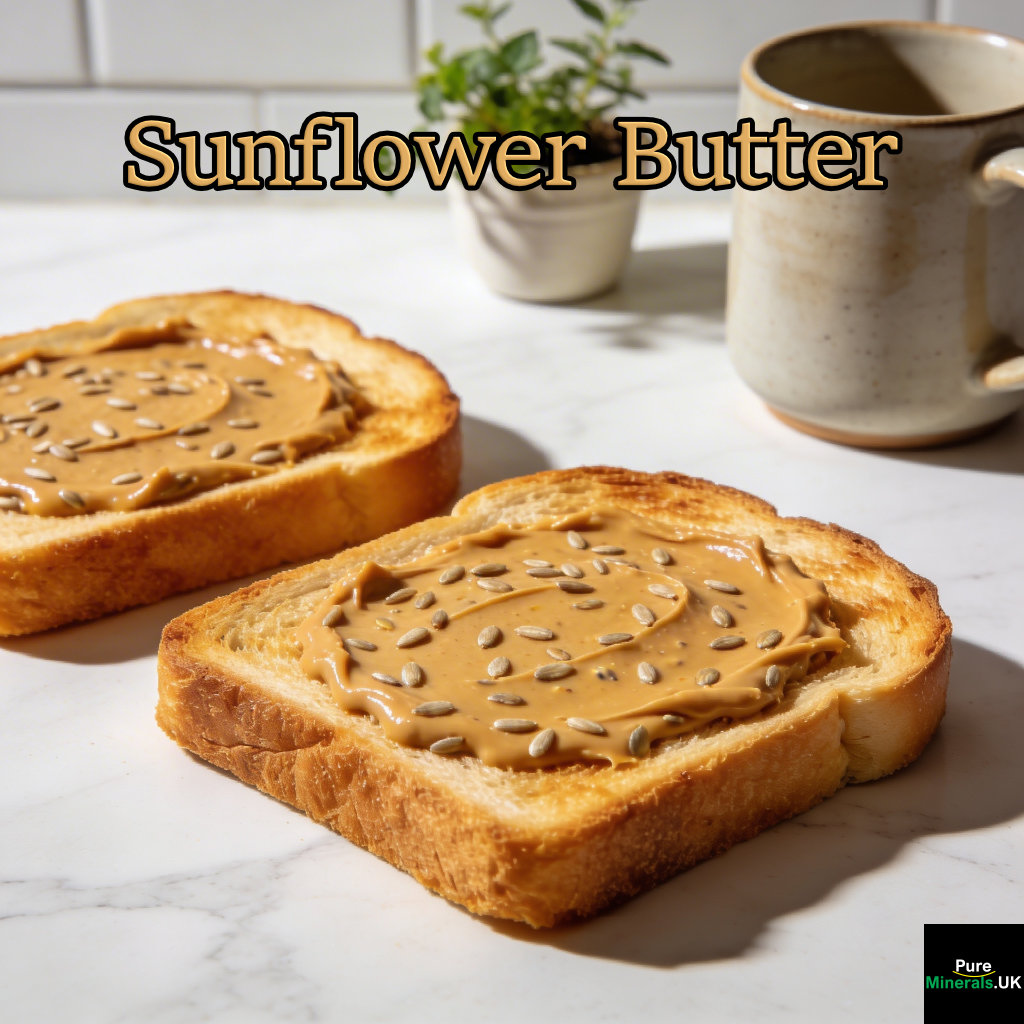
Raw sunflower seeds preserve the full spectrum of heat-sensitive nutrients, particularly vitamin E, which can degrade at high temperatures. Dry-roasted seeds offer enhanced flavor with minimal nutritional compromise compared to oil-roasted versions, which add extra calories and potentially low-quality fats depending on the oil used. Sunflower seed butter — made from ground roasted seeds — is an excellent nut-free alternative to peanut or almond butter, with a comparable protein content and a particularly high vitamin E advantage over most tree nut butters. It works on toast, in smoothies, as a dip, or stirred into oatmeal.
2. Sunflower Oil in Cooking: Smoke Point and Best Uses
Refined sunflower oil has a smoke point of approximately 232°C (450°F), making it suitable for high-heat cooking methods like stir-frying and sautéing. However, the nutritional value of the oil depends heavily on which variety you choose and how it’s processed. High-oleic, cold-pressed sunflower oil is the premium choice — it retains more antioxidants, offers a more heart-supportive fat profile, and remains stable under heat.
Conventional refined sunflower oil, while functionally useful in the kitchen, has undergone processing that can strip beneficial compounds and may introduce residues if not sourced carefully. The neutral flavor of sunflower oil makes it a versatile option when you don’t want the oil to compete with other flavors in a dish. For more information, you can read about sunflower oil’s benefits.
3. Adding Seeds to Everyday Meals
Incorporating whole sunflower seeds into daily meals requires almost no effort. Toss them into green salads for crunch, blend them into homemade pesto in place of pine nuts, press them into the crust of baked chicken or fish, stir them into yogurt with fruit, or mix them into homemade granola or energy bars. They pair particularly well with leafy greens — a nutritionally strategic combination, since the fat in the seeds helps your body absorb the fat-soluble vitamins (like vitamin K) found in the greens.
What to Watch Out For
Sunflower seeds are genuinely healthy, but that doesn’t mean you can eat them without limits. Two specific concerns — caloric density and allergic reactions — are worth understanding before making them a daily staple.
Caloric Density and Portion Size
At 165 calories per ounce, sunflower seeds are energy-dense in a way that can sneak up on you. A casual handful while watching television can easily become two or three ounces without you registering it — that’s 330 to 500 calories from what felt like mindless snacking. This isn’t a reason to avoid them, but it is a reason to be intentional about portions.
- Stick to one ounce (about ¼ cup or a small handful) as a standard serving
- Pre-portion seeds into small containers or bags rather than eating from the bag directly
- Choose unsalted varieties to avoid excessive sodium intake, particularly if you eat them daily
- Be cautious with oil-roasted seeds — they add unnecessary calories compared to dry-roasted options
- If you use sunflower seed butter, treat it the same way you’d treat peanut butter: two tablespoons is a serving, not a base layer
Sodium is the other portion-related concern. Many commercially packaged sunflower seeds — particularly the in-shell varieties marketed as snacks — are heavily salted. Some products contain 180mg or more of sodium per ounce, and eating several ounces in a sitting can push sodium intake into ranges that counteract the blood pressure benefits the seeds would otherwise provide.
The fix is straightforward: buy unsalted or lightly salted seeds and do your own seasoning at home if needed. This gives you full control without sacrificing flavor. Dry roasting your own raw seeds in the oven at 300°F for 15 to 20 minutes is a simple way to enhance flavor without any added sodium or oil.
People following calorie-controlled diets should be especially mindful. While the protein, fiber, and fat in sunflower seeds are genuinely satiating, the caloric cost per gram is higher than that of most vegetables and many fruits. Position them as a complement to meals rather than a free-for-all snack, and they’ll work for you rather than against your goals.
Sunflower Seed Allergies
Sunflower seed allergy is less common than tree nut or peanut allergy, but it does exist and can be serious. Reactions range from mild oral itching and skin irritation to more severe systemic responses. Importantly, sunflower seeds are botanically unrelated to tree nuts and peanuts, which means having a nut allergy does not automatically mean you’ll react to sunflower seeds — but cross-contamination during manufacturing is a real concern for those with severe nut allergies. Always check packaging for shared facility warnings if this applies to you, and consult an allergist before introducing sunflower seeds if you have a history of seed or nut allergies.
Sunflower Seeds Deserve a Regular Spot in Your Diet
Few foods deliver this concentration of vitamin E, selenium, magnesium, and heart-supportive fats in a single ounce. Sunflower seeds are affordable, shelf-stable, adaptable to almost any meal, and backed by a nutrient profile that addresses some of the most common gaps in modern diets. One measured daily portion — raw, dry-roasted, or as seed butter — is one of the simplest upgrades you can make to your nutritional foundation.
Important note: Refined Sunflower Oil
The health impacts of sunflower seed oil have become a topic of significant debate, with emerging research suggesting potential concerns tied to its widespread consumption. While sunflower seeds themselves are nutrient-dense, the industrial processing methods used to extract their oil may introduce health risks that consumers should carefully consider.
One concern is the high linoleic acid (omega-6 fatty acid) content found in conventional sunflower oil. Excessive omega-6 intake, especially when not balanced with omega-3s, has been linked to chronic inflammation—a root driver of conditions like cardiovascular disease, diabetes, and autoimmune disorders. Modern diets already skew heavily toward omega-6s due to the prevalence of processed foods, and adding sunflower oil exacerbates this imbalance. Unlike traditional fats like butter or coconut oil, which are stable at high heat, sunflower oil’s polyunsaturated structure makes it prone to oxidation when cooked, generating harmful free radicals and lipid peroxides that damage cells.
Processing degrades sunflower oil’s quality. Most commercial varieties undergo high-temperature extraction, chemical solvents, and bleaching—steps that strip beneficial compounds while leaving residues of hexane and other industrial chemicals. Even cold-pressed versions may be exposed to heat during deodorization, a process designed to neutralize rancidity but one that also destroys antioxidants. By contrast, minimally processed fats like extra-virgin olive oil or grass-fed animal fats retain their natural stability and micronutrients.
Emerging studies also highlight sunflower oil’s potential role in mitochondrial dysfunction. Its oxidized byproducts can impair cellular energy production, a factor increasingly tied to metabolic disorders and accelerated aging. Alternatives like avocado oil or organic ghee offer higher smoke points and anti-inflammatory benefits without these drawbacks.
This article is for informational purposes only and is not intended as medical advice or to diagnose, treat, or cure any disease. For personalized guidance on your health and dietary needs, consult a qualified healthcare professional.
Frequently Asked Questions
Here are answers to the most common questions people have about incorporating sunflower seeds into their diet safely and effectively.
How Many Sunflower Seeds Should You Eat Per Day?
One ounce (28.35g) of shelled sunflower seeds per day is the most practical daily target for most adults. That single serving delivers over 37% of your daily vitamin E, 41% of your selenium, and meaningful amounts of magnesium, copper, and zinc — without pushing calories or sodium into problematic ranges.
Some people do well eating slightly more, particularly those with higher caloric needs, athletes, or people using seeds as a primary protein source within a plant-based diet. In those cases, up to two ounces daily is reasonable as long as total calorie intake is accounted for and the seeds are unsalted.
The simplest approach is to treat one ounce as your daily baseline, add seeds to a meal rather than eating them alone, and adjust based on how they fit within the rest of your diet. Consistency over time matters far more than the precise amount on any given day.
Are Roasted Sunflower Seeds as Healthy as Raw?
Dry-roasted sunflower seeds retain most of their nutritional value and are a perfectly healthy choice. The main nutrient affected by roasting is vitamin E, which is mildly heat-sensitive, but the reduction at typical roasting temperatures is modest rather than dramatic. The bigger distinction is between dry-roasted and oil-roasted — oil-roasted seeds add extra fat and calories from the cooking oil used, which may or may not be a high-quality fat depending on the manufacturer. If you’re buying packaged roasted seeds, dry-roasted and unsalted is consistently the better option.
Is Sunflower Oil the Same as Eating Sunflower Seeds?
No — and this distinction matters more than most people realize. Sunflower oil contains the fat-soluble components of the seed, including vitamin E and unsaturated fatty acids, but it completely lacks the fiber, protein, minerals, and plant sterols that make whole seeds nutritionally valuable. Oil is a concentrated fat source with none of the structural benefits of the whole food. Whole seeds also create a slower, more sustained digestive response than oil alone. Use sunflower oil for cooking when appropriate, but don’t treat it as a nutritional substitute for eating the seeds themselves.
Can Sunflower Seeds Help With Weight Management?
The Satiety Equation: Sunflower seeds combine three of the most satiating macronutrients — protein, healthy fat, and fiber — in a single food. This combination slows gastric emptying, stabilizes blood sugar, and delays the return of hunger more effectively than high-carbohydrate snacks of equivalent calorie counts.
The evidence here is about food quality and hunger management rather than any direct fat-burning effect. Replacing a processed snack — crackers, chips, or a sugary granola bar — with an ounce of sunflower seeds typically results in greater satiety at a similar or even lower calorie count, while also delivering far superior micronutrient value.
The critical caveat is portion control. Because sunflower seeds are calorie-dense, eating them without awareness of portion size can easily lead to overconsumption that works against weight management goals. The seeds themselves are not the problem — unmeasured snacking is. For those looking for other healthy grains, consider trying millet as a nutritious alternative.
A practical strategy that works well is pairing a measured one-ounce portion of seeds with a high-volume, low-calorie food like raw vegetables or a large leafy salad. This creates a meal or snack that is physically satisfying, micronutrient-rich, and appropriately calibrated for calorie-conscious eating.
Are Sunflower Seeds Safe for People With Nut Allergies?
Sunflower seeds are seeds, not tree nuts, and they are botanically unrelated to peanuts (which are legumes) or any tree nut species. From an allergenic protein standpoint, they are a distinct food group. Many people with tree nut allergies tolerate sunflower seeds without any reaction.
However, the practical concern for those with severe allergies is cross-contamination. Many facilities that process sunflower seeds also process tree nuts, and shared equipment can introduce trace allergen proteins into the seed packaging. Anyone with a history of anaphylactic reactions to nuts should verify manufacturing practices with the specific brand before consuming their products. For those looking for alternative seeds, hemp seeds might be a suitable option to explore.
If you have a known seed allergy — to sesame, poppy, or similar seeds — the likelihood of cross-reactivity with sunflower seeds is higher. It warrants a conversation with an allergist before introduction. For everyone else without a specific seed or sunflower allergy history, sunflower seeds are considered a safe and well-tolerated food across all age groups, including children.
Sunflower seeds are a popular snack and a versatile ingredient in various dishes. They are rich in healthy fats, vitamins, and minerals, making them a nutritious addition to your diet.