

Published: 27 November 2025
Last Updated: 28 April 2026
This article is periodically reviewed and updated to reflect current scientific understanding by Vic George.
Fact-Checked: 1 other authoritative medical/scientific reference. See our Editorial Policy.

What Is Zinc and Why Is This Essential Trace Mineral Critical for Immunity, Enzyme Activity, and Tissue Repair?
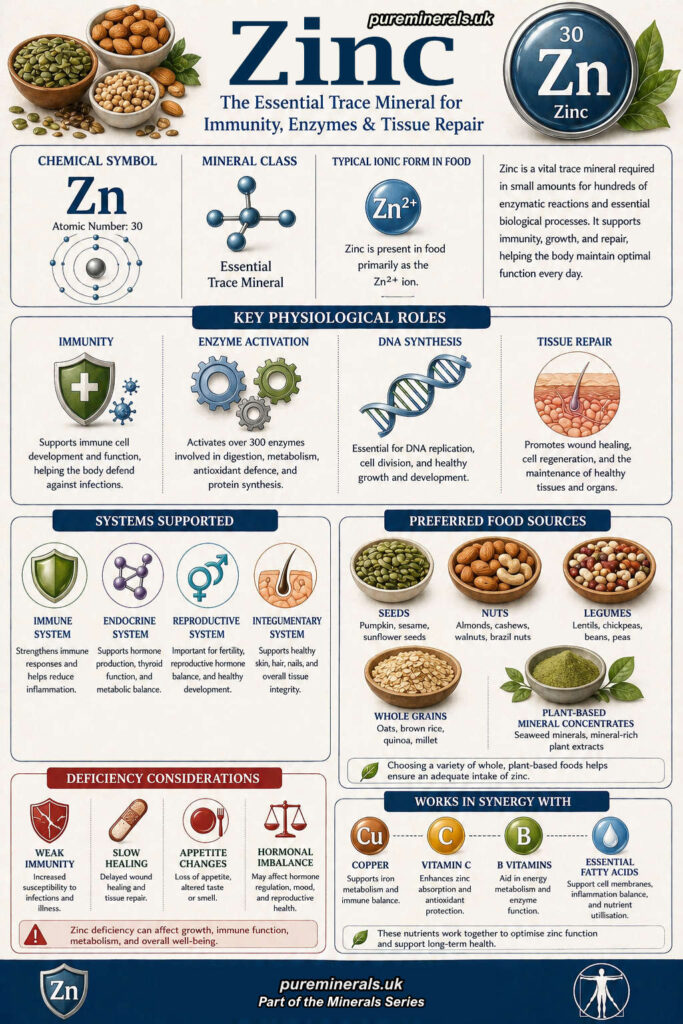
Zinc is an essential trace mineral involved in immune defence, enzyme activation, DNA synthesis, and tissue repair. In plant-based foods, zinc appears in bioavailable ionic forms (Zn²⁺), especially in seeds, nuts, legumes, and whole grains. Adequate zinc intake supports wound healing, hormone balance, antioxidant protection, and overall metabolic function.
Definition:
Zinc is a vital micronutrient found in plant foods, where it supports hundreds of enzymatic reactions related to immunity, protein synthesis, and cellular growth. It plays a major role in healing, sensory perception, and hormone regulation. Plant-derived zinc, particularly when paired with vitamin C and amino acids, is efficiently utilized by the body.
Zinc participates in more enzymatic processes than any other trace mineral, contributing to immune defence, antioxidant activity, and cellular regeneration. As Zn²⁺, zinc is central to DNA transcription, protein synthesis, and the production of hormones such as insulin and thyroid hormones. Plant-based zinc sources, including seeds and legumes, contain zinc in organic complexes the body can absorb, though soaking or sprouting can enhance availability by reducing phytates. Adequate zinc supports healing, reproductive health, and robust immune responses.
Key Facts:
- Chemical symbol: Zn
- Mineral class: Essential trace mineral
- Typical ionic form in food: Zn²⁺
- Key physiological roles: Immunity, enzyme activation, DNA synthesis, tissue repair
- Systems supported: Immune, endocrine, reproductive, integumentary
- Preferred sources: Seeds, nuts, legumes, whole grains, plant-based mineral concentrates
- Deficiency considerations: Weak immunity, slow healing, appetite changes, hormonal imbalance
- Interactions: Works with copper, vitamin C, B vitamins, and essential fatty acids
Key Takeaways
- Zinc is essential for both innate and adaptive immune function, with deficiency increasing susceptibility to infections and compromising T-cell activity.
- An estimated 2 billion people worldwide suffer from zinc deficiency, with older adults, children, pregnant women, and those with certain health conditions at highest risk.
- Supplementation with just 15mg of zinc daily has been shown to improve key immune markers in clinical studies, particularly the helper T-cell to cytotoxic T-cell ratio.
- Beyond immunity, zinc plays crucial roles in cellular repair, DNA synthesis, and wound healing processes throughout the body.
Your immune system’s ability to fight off infections may be compromised without adequate zinc. This essential mineral serves as a cornerstone for immunity, acting as both a gatekeeper and repair specialist throughout your body. When zinc levels drop, your defense system weakens, leaving you vulnerable to everything from common colds to more serious infections.
Why Your Body Desperately Needs Zinc Right Now
Zinc isn’t just another supplement on the health store shelf—it’s a fundamental player in nearly every aspect of your immune function. Without sufficient zinc, your body struggles to produce new immune cells, signal between existing ones, and mount an effective response against invaders. In fact, research from Nature’s Bounty and other leading institutions has consistently shown that maintaining optimal zinc levels can be the difference between quickly fighting off an infection and suffering prolonged illness.
This mineral participates in over 300 enzymatic reactions in your body, with many directly related to immune defense and tissue repair. From wound healing to DNA synthesis, zinc’s fingerprints are everywhere in human biology. Yet despite its importance, an estimated 2 billion people worldwide suffer from inadequate zinc intake.
Zinc Deficiency: The Silent Immunity Killer
Many people walk around with suboptimal zinc levels without realizing it. Unlike more dramatic nutrient deficiencies, mild zinc insufficiency often manifests subtly through increased susceptibility to infections, delayed wound healing, and general fatigue. Your body has no specialized zinc storage system, meaning you need regular intake to maintain healthy levels.
5 Warning Signs You’re Low in Zinc
Your body sends clear signals when zinc levels drop below optimal. Watch for unexplained fatigue that persists despite adequate rest, as zinc deficiency often manifests as reduced energy and stamina. Wounds that heal slowly or frequent infections can indicate compromised immune function from inadequate zinc. Unexplained hair loss or thinning may occur as zinc plays a crucial role in protein synthesis needed for hair structure. Loss of appetite or altered taste perception often develops, as zinc is essential for normal taste sensation. Finally, skin problems, including rashes, dryness, or acne that don’t respond to typical treatments, may signal that your cells lack this repair mineral.
Who’s Most at Risk for Zinc Deficiency
Certain populations face significantly higher risks of zinc deficiency. Older adults experience both decreased absorption capacity and often consume less zinc-rich food. Pregnant and lactating women have substantially increased zinc requirements to support both maternal and developing infant health. Individuals with gastrointestinal disorders like Crohn’s disease, ulcerative colitis, or celiac disease often cannot absorb zinc properly. Those following strict vegetarian or vegan diets may struggle with zinc intake since plant sources contain compounds that can inhibit absorption. Children during growth phases need proportionally more zinc, making them vulnerable when diets lack adequate sources.
How Modern Diets Deplete Your Zinc Levels
The transition to highly processed foods has dramatically reduced zinc intake for many people. Most ultra-processed foods contain minimal naturally occurring zinc while being high in compounds that actually inhibit zinc absorption. Soil depletion has reduced the mineral content in many crops compared to previous generations. Additionally, high consumption of refined grains removes the zinc-rich outer layers and germ of grains where most minerals concentrate.
Phytates in whole grains and legumes, while healthful in many ways, bind to zinc and reduce its bioavailability by up to 80% in some foods. The modern emphasis on low-fat diets can be problematic since animal products—particularly red meat and shellfish—represent the most bioavailable zinc sources in most diets. Even cooking methods matter, with certain preparation techniques leaching minerals into cooking water that then gets discarded.
Zinc’s Critical Role in Your Immune Defense
Your immune system relies on zinc at virtually every level of operation. Without adequate zinc, both your innate immunity (the immediate, non-specific defense) and adaptive immunity (the targeted response that develops after exposure) become compromised. Research shows that even mild zinc deficiency can reduce white blood cell count and activity, hampering your body’s ability to recognize and neutralize pathogens.
How Zinc Fights Viruses and Bacteria
Zinc employs multiple mechanisms to combat infectious agents in your body. It directly inhibits viral replication by interfering with protein synthesis and the assembly of viral particles, making it harder for viruses to reproduce inside your cells. Zinc strengthens your epithelial barriers—the thin tissues lining your respiratory and digestive tracts—creating a stronger physical defense against pathogen entry. It enhances neutrophil function, improving these white blood cells’ ability to engulf and destroy bacteria through a process called phagocytosis.
Perhaps most fascinating is how your body uses zinc as part of its nutritional immunity strategy. When infection strikes, your immune system sequesters zinc away from pathogens that also need the mineral to thrive, essentially starving them while maintaining reserves for your own defense cells. This sophisticated balancing act highlights why maintaining optimal zinc levels is so critical during times of immune challenge.
T-Cell Function and Zinc Connection
T-cells represent the elite forces of your immune system, and zinc is essential for their proper development and function. Studies show that zinc deficiency leads to significant reductions in both T-cell numbers and activity, compromising your body’s ability to coordinate immune responses. The helper T-cells to cytotoxic T-cells ratio, which naturally declines with age, improves with zinc supplementation of just 15mg daily. This effect was demonstrated in a placebo-controlled trial with adults aged 50-70 years, where six months of supplementation significantly enhanced this critical immune parameter.
Zinc’s role extends to thymulin, a hormone produced by your thymus gland that regulates T-cell maturation. Without adequate zinc, thymulin becomes inactive, disrupting the entire T-cell development process. This explains why zinc deficiency can mimic the immune dysfunction seen in certain primary immunodeficiency disorders.
Why Zinc Lozenges Work During Colds
The effectiveness of zinc lozenges during upper respiratory infections isn’t just folk wisdom—it’s backed by science. When dissolved slowly in the mouth, zinc ions come into direct contact with throat tissues where cold viruses typically replicate. This local application delivers zinc precisely where it’s needed most, creating an environment hostile to viral reproduction. The key mechanism involves zinc’s ability to bind to viral proteins, preventing them from attaching to and entering your cells.
Clinical research indicates that zinc lozenges can reduce cold duration by up to 33% when started within 24 hours of symptom onset. For maximum effectiveness, look for zinc acetate formulations containing 13-23mg of elemental zinc, and allow them to dissolve completely rather than chewing. Remember that taste complaints are common with zinc lozenges—this metallic sensation actually indicates the active zinc ions are being released properly.
Zinc’s Anti-Inflammatory Properties
Chronic inflammation lies at the root of many immune system dysfunctions, and zinc plays a crucial regulatory role in the inflammatory response. It inhibits the production of pro-inflammatory cytokines while supporting anti-inflammatory pathways, helping maintain the delicate balance between necessary inflammation for healing and excessive inflammation that damages tissues. This dual action makes zinc particularly valuable for conditions involving inflammatory immune responses.
Zinc’s anti-inflammatory effects extend to stabilizing cell membranes, making them less reactive to inflammatory triggers. It also regulates NF-κB, a protein complex that controls transcription of DNA and cytokine production during inflammation. For those suffering from inflammatory conditions, maintaining optimal zinc status may provide significant symptom relief alongside conventional treatments.
Cellular Repair: How Zinc Heals Your Body
Beyond immune function, zinc serves as your body’s master repair mineral. Every cell in your body contains zinc, and cellular division cannot occur without it. When tissues become damaged—whether through injury, infection, or normal wear and tear—zinc mobilizes to support the healing process from the molecular level up. This essential mineral participates in every stage of wound healing and tissue regeneration.
Zinc’s Role in DNA Synthesis and Repair
DNA, your genetic blueprint, requires zinc for both its creation and maintenance. Zinc fingers—specialized protein structures containing zinc—bind to DNA and help regulate gene expression, essentially turning genes on and off as needed for healing. Without sufficient zinc, your cells cannot accurately replicate their DNA during division, leading to potential mutations and slowed regeneration of tissues.
Zinc also participates directly in DNA repair mechanisms. When DNA strands break due to oxidative damage or other injuries, zinc-dependent enzymes help reconnect the broken pieces accurately. This repair function becomes especially important as we age, when cumulative DNA damage contributes to both visible aging and internal cellular dysfunction.
Wound Healing Acceleration with Zinc
The remarkable speed with which zinc accelerates wound healing makes it essential for recovery from injuries and surgeries. It supports collagen synthesis, providing the structural framework for new tissue formation. Zinc also promotes keratinocyte migration—the movement of skin cells to close wounds—while stimulating the proliferation of fibroblasts that help rebuild damaged tissues. For more on the importance of trace elements in health, check out this article on trace minerals.
Clinical studies show that individuals with adequate zinc levels experience significantly faster wound closure and reduced complication rates compared to those with deficiencies. For surgical patients, optimizing zinc status before procedures may reduce recovery time and improve healing outcomes. This healing power extends beyond skin wounds to internal injuries and inflammation, making zinc a critical factor in recovery from virtually any type of tissue damage.
Skin Health and Zinc Connection
Your skin—the largest organ of immunity—relies heavily on zinc for both structure and function. Zinc participates in keratin formation, the protein that gives skin its strength and resilience. It regulates oil production in sebaceous glands, helping maintain the skin’s natural moisture barrier. The mineral’s anti-inflammatory and antioxidant properties also protect skin cells from environmental damage and premature aging.
Many common skin conditions respond positively to zinc supplementation. Acne, psoriasis, eczema, and dermatitis have all shown improvement with either topical or oral zinc therapy. For those with stubborn skin issues, addressing potential zinc deficiency may provide the healing breakthrough that other treatments have failed to deliver.
Growth and Development: Why Children Need Adequate Zinc
Children require proportionally more zinc than adults due to their rapid growth and development. Zinc deficiency during childhood can have profound and sometimes irreversible consequences for physical and cognitive development. Studies show that zinc supplementation in deficient children can improve growth rates, cognitive function, and immune response against common childhood infections.
Height and Growth Plate Effects
Zinc directly influences height and physical development through its essential role in growth hormone function and bone formation. Children with inadequate zinc intake often experience stunted growth as zinc is required for proper cell division in growth plates—the areas at the ends of long bones where growth occurs. Research has documented that zinc deficiency decreases production of insulin-like growth factor-1 (IGF-1), a critical hormone that mediates many growth-promoting effects in the body.
In areas with widespread zinc deficiency, supplementation programs have demonstrated remarkable improvements in children’s height and weight gains. For parents concerned about their child’s growth trajectory, ensuring optimal zinc intake should be considered alongside other nutritional factors.
Brain Development and Cognitive Function
Your child’s brain development depends heavily on zinc from conception through adolescence. Zinc plays a crucial role in neurotransmitter synthesis, neuronal growth, and the formation of brain architecture. Studies reveal that zinc deficiency during critical developmental windows may impair memory, attention, and learning abilities in children.
The impacts of early zinc deficiency can persist even after nutritional status improves, highlighting the importance of prevention. Research has linked better zinc status in school-aged children to improved cognitive performance, problem-solving abilities, and academic achievement. For growing minds, adequate zinc isn’t just beneficial—it’s essential for reaching full intellectual potential.
Taste and Appetite Regulation
Children with poor zinc status often develop altered taste perception and diminished appetite, creating a troublesome cycle of further nutritional deficiencies. Zinc is required for the proper formation and function of taste buds, with deficiency leading to hypogeusia (reduced taste sensitivity) or dysgeusia (distorted taste). This explains why children with marginal zinc status may show decreased interest in food or become selective eaters.
Restoring optimal zinc levels typically resolves these taste abnormalities within weeks, improving appetite and dietary variety. Parents dealing with unexplained appetite issues in otherwise healthy children should consider zinc status as a potential factor, especially if other subtle deficiency symptoms are present.
Best Food Sources of Bioavailable Zinc
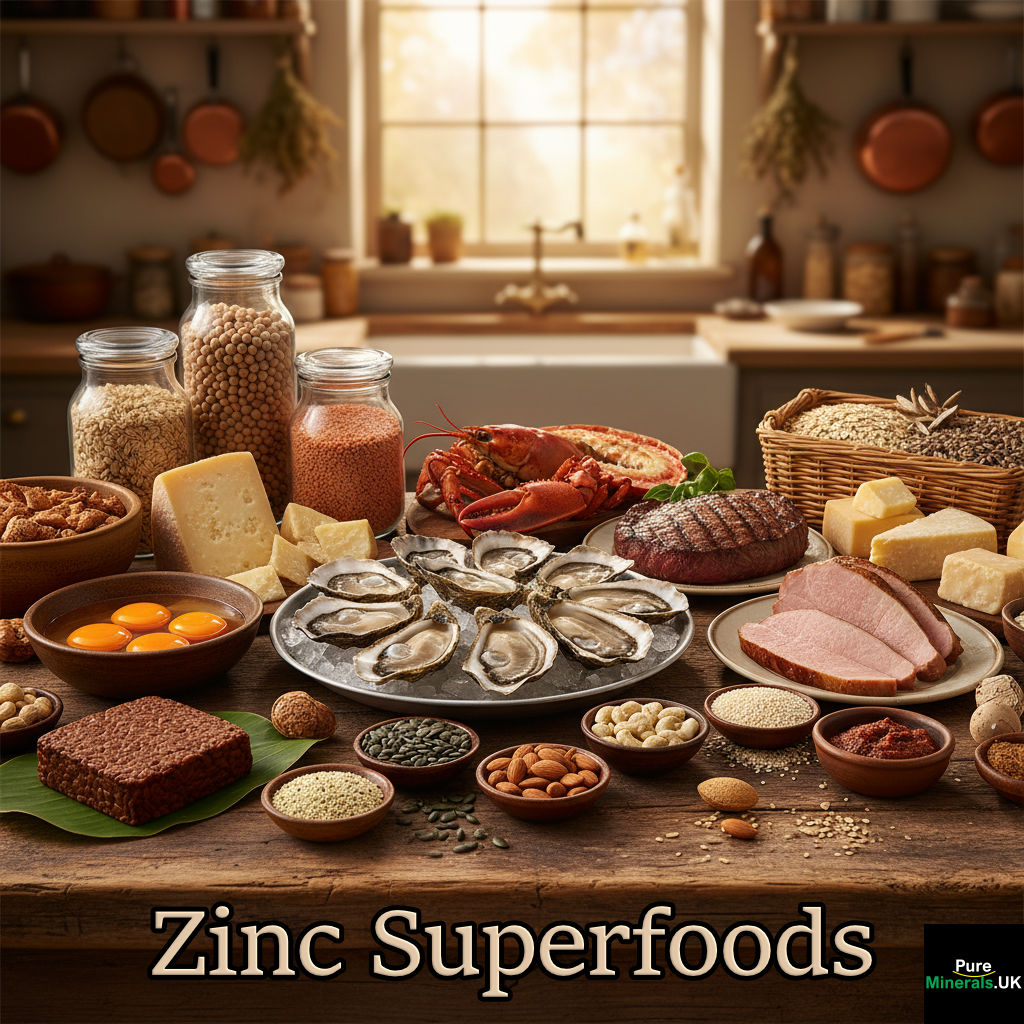
Optimizing your zinc intake begins with understanding which foods provide the most bioavailable forms of this critical mineral. Not all dietary zinc sources are created equal—factors like animal versus plant origin and the presence of absorption inhibitors significantly impact how much zinc your body can actually utilize.
Top 7 Animal Sources of Zinc

Animal-based foods provide the most readily absorbed forms of zinc, free from the phytates that can inhibit absorption from plant sources. Oysters stand unrivaled as nature’s richest zinc source, delivering an exceptional 32mg per 3-ounce serving—over 290% of daily requirements. Red meat, particularly grass-fed beef, provides highly bioavailable zinc with approximately 7mg per 3-ounce serving. Crab and lobster offer impressive amounts, with about 6.5mg per 3-ounce portion, making seafood an excellent choice for zinc intake.
Pork tenderloin contains around 2.5mg per 3-ounce serving and is often more affordable than other zinc-rich meats. Chicken thighs deliver approximately 2.4mg per 3-ounce portion, with dark meat containing more zinc than breast meat. Eggs provide about 0.6mg per large egg, with the mineral concentrated in the yolk. Dairy products like cheese and yogurt offer varying amounts, with hard cheeses generally providing 2-3mg per 100g serving.
Plant-Based Zinc Options for Vegetarians

Plant-based eaters face greater challenges in obtaining adequate zinc, but can achieve sufficient intake through strategic food choices and preparation methods. Legumes like chickpeas, lentils, and beans provide 2-3mg per cup when cooked, making them staple zinc sources for plant-based diets. Hemp seeds, pumpkin seeds, and sesame seeds contain impressive zinc concentrations, with pumpkin seeds offering 2.2mg per ounce—among the highest plant sources.

Nuts, particularly cashews and almonds, contribute moderate zinc amounts with approximately 1.6mg per ounce. Whole grains provide zinc along with fiber, though refining removes much of their mineral content. Certain fermented soy products like tempeh and miso offer better zinc bioavailability than unfermented soy due to reduced phytate levels. Traditional preparation methods like soaking, sprouting, and fermenting significantly increase zinc absorption from plant foods by breaking down phytate compounds that otherwise bind to minerals.
Why Oysters Reign Supreme for Zinc Content

The extraordinary zinc content in oysters deserves special attention for anyone seeking to boost their levels naturally. These remarkable shellfish contain more zinc per serving than any other food on the planet—by an astonishing margin. A single 3-ounce serving provides 10 times the RDA for adults, making even occasional oyster consumption a powerful zinc-boosting strategy.
Oysters accumulate zinc as they filter seawater, concentrating this essential mineral in their tissues. The zinc in oysters exists in highly bioavailable forms that your body can readily absorb and utilize. Beyond zinc, oysters provide an impressive nutritional package including vitamin B12, selenium, copper, and omega-3 fatty acids—creating a true superfood for immune support and overall health.
Smart Zinc Supplementation Strategies
When dietary sources alone don’t meet your zinc requirements, supplementation offers a reliable alternative. Choosing the right supplement form, dosage, and timing can significantly impact both benefits and potential side effects. With various zinc preparations available, understanding the differences becomes crucial for optimal results.
Finding Your Optimal Zinc Dosage
Most adults require 8-11mg of zinc daily, with women needing 8mg and men requiring 11mg according to official recommendations. During periods of immune challenge, short-term supplementation of 15-30mg daily has shown beneficial effects in clinical studies without significant side effect risks. Pregnant and lactating women require higher amounts—11mg and 12mg, respectively—to support both maternal health and infant development. For a deeper understanding of essential nutrients, you might want to explore the importance of trace minerals in your diet.
Individuals with certain health conditions or absorption issues may require higher maintenance doses, but should establish these under healthcare supervision. The tolerable upper intake level for zinc is set at 40mg daily for adults, beyond which risks of copper deficiency and immune dysfunction increase. Rather than megadosing, consistency with moderate supplementation typically yields better results for long-term immune support.
See also selenium antioxidant.
Different Types of Zinc Supplements Compared
The various zinc formulations differ significantly in bioavailability, absorption rates, and potential for stomach irritation. Zinc picolinate demonstrates superior absorption compared to many other forms, making it effective at lower doses and potentially reducing side effects. Zinc acetate proves particularly effective for lozenges targeting upper respiratory infections due to its controlled ion release when dissolved.
Zinc citrate offers good bioavailability and tends to cause less digestive discomfort than some other forms like zinc sulfate. Zinc gluconate represents one of the most common and affordable forms, with moderate absorption and tolerance profiles. Chelated zinc forms (bound to amino acids) generally show improved absorption over inorganic zinc salts, especially for those with compromised digestive function.
Best Times to Take Zinc for Maximum Absorption
Timing your zinc supplement properly can significantly impact its effectiveness and minimize potential digestive discomfort. Taking zinc with food, particularly protein-containing meals, reduces the likelihood of nausea while still maintaining good absorption rates. However, avoid taking zinc supplements alongside iron supplements or calcium-rich foods and supplements, as these minerals compete for absorption pathways.
For those using zinc for immune support during illness, dividing the daily dose may prove more effective than a single larger dose. Bedtime administration works well for many people, particularly since zinc plays important roles in cellular repair processes that occur during sleep. Always maintain at least a two-hour separation between zinc supplements and medications, especially antibiotics, as interactions can reduce the effectiveness of both.
Potential Side Effects to Watch For
While zinc supplements offer significant benefits, awareness of potential adverse effects helps ensure safe usage. Nausea, vomiting, and stomach discomfort represent the most common side effects, especially when taken on an empty stomach or in doses exceeding 25mg. A metallic taste sensation may occur with certain formulations, particularly zinc gluconate, but this generally doesn’t indicate any problem beyond palatability.
Long-term high-dose supplementation (over 40mg daily) can suppress copper absorption, potentially leading to copper deficiency with symptoms including anemia and neurological problems. Very high zinc intake may paradoxically suppress immune function—the opposite of its intended effect at proper dosages. If you experience persistent digestive issues, unusual fatigue, or unexplained symptoms after starting zinc supplementation, reducing the dose or switching formulations often resolves these concerns.
Zinc Partners: Nutrients That Enhance Zinc Benefits
Zinc doesn’t work in isolation—its effectiveness depends on relationships with other nutrients that can either enhance or inhibit its functions. Understanding these nutrient partnerships allows you to strategically combine zinc with synergistic nutrients while avoiding potential antagonists that might reduce its benefits.
Copper Balance: The Critical Ratio
The relationship between zinc and copper represents one of the most important mineral balances in your body. These two minerals compete for absorption in your intestines and can displace each other if their intake ratios become imbalanced. Optimal health depends on maintaining the proper zinc-to-copper ratio, generally recommended as 8-15:1 (zinc: copper). Excessive zinc supplementation without adequate copper intake can induce copper deficiency, resulting in anemia, neutropenia, and neurological problems. For more information on mineral interactions, you can explore the role of molybdenum in nutrition.
Selenium and Zinc Synergy
Selenium and zinc work together as powerful partners in antioxidant defense and immune function. Both minerals participate in your body’s antioxidant enzyme systems, with selenium forming the active site of glutathione peroxidase and zinc acting as a component of superoxide dismutase. Together, they provide more comprehensive protection against oxidative damage than either mineral alone.
Research suggests that combined selenium and zinc supplementation produces greater immune-enhancing effects than supplementing with either mineral individually. This synergy becomes particularly important during immune challenges, when both minerals are rapidly utilized. Foods like seafood, eggs, and nuts provide beneficial amounts of both zinc and selenium, making them excellent choices for supporting this mineral partnership.
Conditions That Respond Well to Zinc Therapy
Clinical research has identified several health conditions that show significant improvement with zinc supplementation. The effectiveness of zinc therapy depends largely on whether suboptimal zinc status plays a role in the condition’s development or progression. For many common ailments, correcting zinc deficiency or providing therapeutic dosages can produce remarkable benefits when conventional treatments have failed, similar to how selenium nutrition can support various health issues.
Acne and Skin Disorders
Zinc’s anti-inflammatory, anti-bacterial, and oil-regulating properties make it particularly effective for various skin conditions. Severe acne often responds positively to zinc supplementation, with studies showing that oral zinc can reduce acne severity by 30-60% in many patients. The mechanism involves reducing oil production, killing acne-causing bacteria, and calming inflammation in affected skin.
Beyond acne, conditions like rosacea and perioral dermatitis frequently improve with zinc supplementation. For inflammatory skin disorders, zinc’s dual action of supporting immune function while simultaneously regulating inflammatory responses makes it uniquely beneficial. Both oral supplementation (typically 30mg zinc daily) and topical zinc preparations have demonstrated effectiveness, with combined approaches often yielding the best results for stubborn skin issues. For more detailed information, you can refer to the Zinc Fact Sheet provided by the NIH.
Respiratory Infections
Zinc’s ability to interfere with viral replication and enhance immune cell function makes it particularly valuable for fighting respiratory infections. Research shows that zinc lozenges or syrup started within 24 hours of cold symptom onset can reduce duration and severity by up to 33%. For those suffering from frequent respiratory infections, maintaining optimal zinc status through diet or moderate supplementation may provide protection by strengthening baseline immune defenses.
Digestive Health Issues
Several digestive conditions improve with zinc therapy due to the mineral’s roles in intestinal barrier integrity and gut immune function. Inflammatory bowel diseases like Crohn’s disease and ulcerative colitis often involve zinc deficiency, with supplementation helping to reduce inflammation and support tissue repair in the digestive tract. Chronic diarrhea responds positively to zinc supplementation, particularly in children, where zinc has been shown to reduce the duration and severity of episodes by enhancing intestinal recovery and immune defense.
Male Fertility Concerns
Zinc concentrations in seminal fluid directly correlate with sperm quality, motility, and overall fertility outcomes in men. Research demonstrates that zinc supplementation can significantly improve sperm parameters in subfertile men with low zinc status. The mineral supports normal testosterone production, protects sperm from oxidative damage, and ensures proper sperm formation—making it essential for male reproductive health.
Age-Related Macular Degeneration
Zinc plays a critical role in maintaining retinal health and protecting vision as we age. The landmark Age-Related Eye Disease Study (AREDS) found that supplementation with zinc, along with antioxidants, significantly reduced the risk of advanced age-related macular degeneration and associated vision loss. The retina contains one of the highest concentrations of zinc in the body, reflecting its importance for this light-sensitive tissue.
Your 7-Day Zinc Reset Plan
Replenishing your body’s zinc levels doesn’t happen overnight, but a structured approach can accelerate the process. This seven-day plan incorporates zinc-rich foods, supportive nutrients, and lifestyle factors that enhance zinc absorption and utilization. Whether you’re recovering from illness or simply optimizing your immune function, this week-long protocol provides a practical framework for improving your zinc status.
7-Day Zinc Reset Plan
Day 1: Focus on zinc-rich proteins (oysters, beef, crab)
Day 2: Add zinc-supporting seeds (pumpkin, hemp, sesame)
Day 3: Incorporate fermented foods for better absorption
Day 4: Emphasize zinc + antioxidant combinations
Day 5: Reduce zinc blockers (excessive fiber, phytates)
Day 6: Add strategic zinc-rich snacks between meals
Day 7: Combine all strategies + evaluate supplement needs
Begin each day with a zinc-rich breakfast that includes eggs, yogurt, or overnight-soaked nuts and seeds to start replenishing levels immediately after the overnight fast. Incorporate stress-reduction practices throughout the week, as chronic stress depletes zinc reserves and impairs absorption. Limit alcohol consumption during your reset week, as alcohol interferes with zinc absorption and increases urinary zinc losses.
Pay attention to your body’s responses during this reset period—many people report noticeable improvements in energy, immune function, and skin appearance within this timeframe. After completing the initial seven-day protocol, transition to a maintenance approach that ensures consistent optimal intake through a combination of strategic food choices and supplementation if needed.
Remember that full restoration of tissue zinc levels, particularly in chronically deficient individuals, may take several weeks to months of consistent attention. However, many cellular functions begin improving much sooner once adequate zinc becomes available.
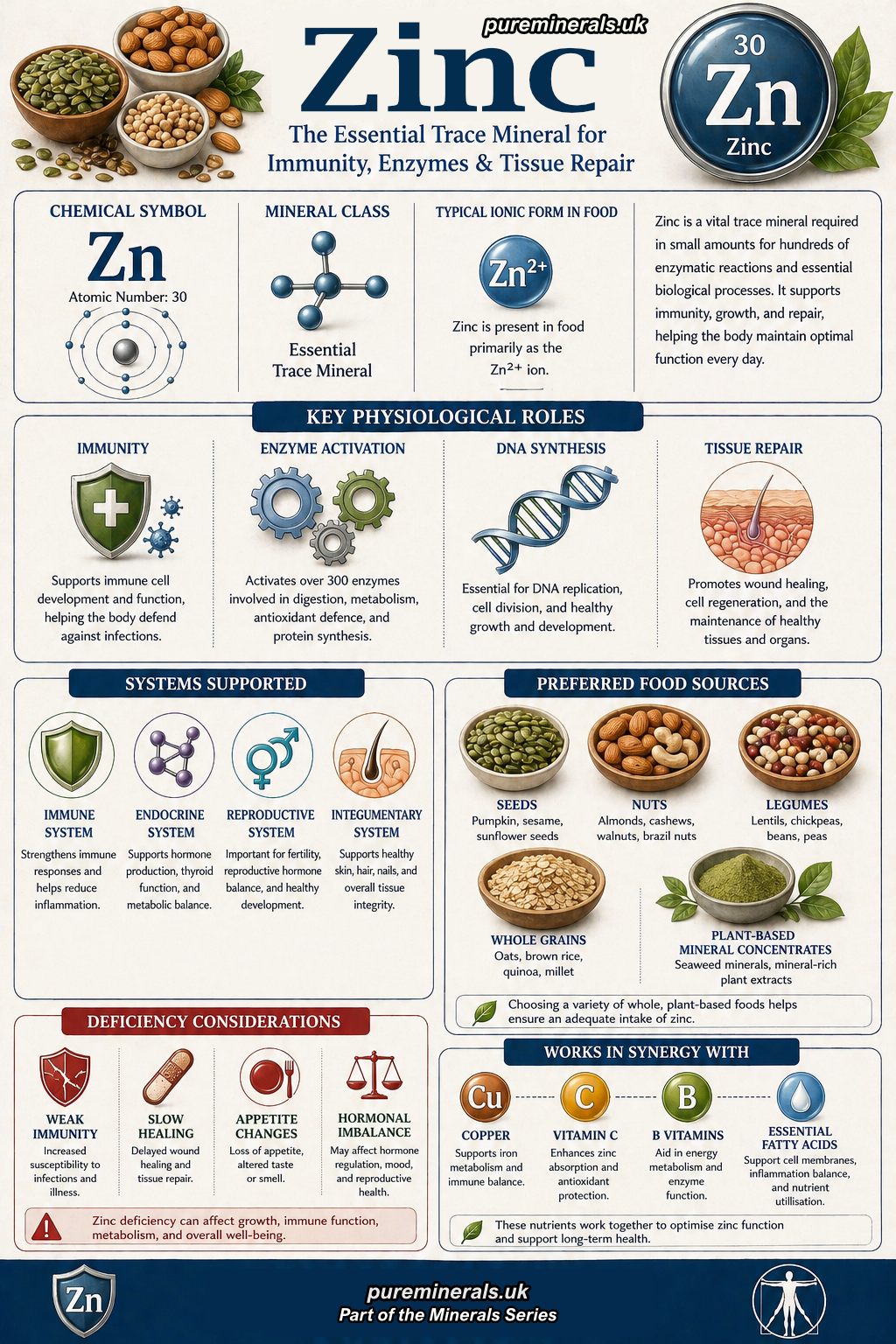
Zinc Infographic
Download the full high-resolution Zinc infographic for offline reference.
Explore more minerals in the full Minerals Hub
Frequently Asked Questions
As interest in zinc supplementation grows, particularly for immune support, several common questions arise regarding safety, efficacy, and practical implementation. The following evidence-based answers address the most frequently asked questions about zinc supplementation and health benefits.
Can you take too much zinc?
Yes, excessive zinc intake can cause both acute and chronic toxic effects. Immediate symptoms of zinc overdose (typically from consuming 50-150mg in a single dose) include nausea, vomiting, stomach cramps, and headaches. More concerning are the effects of long-term overuse, particularly zinc’s antagonistic relationship with copper. Daily intake exceeding 40mg over extended periods can induce copper deficiency, potentially resulting in anemia, neutropenia (low white blood cell count), and neurological symptoms.
Ironically, excessive zinc supplementation can eventually suppress immune function—the opposite effect of what most people seek from zinc supplements. The safest approach involves periodic, moderate supplementation rather than continuous high-dose protocols, unless specifically prescribed by a healthcare provider for documented deficiency or therapeutic purposes.
Does zinc help with COVID-19 protection?
Emerging research suggests zinc may play a supportive role in influenza management through several mechanisms, though it should not be considered a standalone prevention or treatment strategy. Zinc’s documented antiviral properties, including interference with viral replication machinery and protection of respiratory epithelial barriers, provide biological plausibility for its potential benefits. Several observational studies have noted correlations between zinc deficiency and more severe influenza outcomes, though causation has not been definitively established.
How quickly can zinc improve immune function?
The timeline for zinc’s immune-enhancing effects varies depending on your baseline zinc status and the specific immune parameters being measured. In individuals with suboptimal zinc levels, certain immune functions begin improving within 24-48 hours of supplementation as cellular zinc concentrations rise. These rapid responses typically involve innate immune components like neutrophil function and natural killer cell activity. For more on the importance of minerals, explore trace minerals and their role in health.
More complex adaptive immune responses, including improvements in T-cell and B-cell function, generally require 1-3 weeks of consistent adequate zinc intake to show meaningful enhancement. Full restoration of immune capacity in previously deficient individuals may take even longer, particularly for thymus-dependent functions. This gradual improvement timeline explains why maintaining consistent optimal zinc status proves more effective than attempting to “boost” immunity with zinc only after infection begins.
Is zinc good for hair growth?
Zinc plays essential roles in hair follicle development, protein synthesis, and hormone regulation that directly impact hair growth and health. Multiple clinical studies have established connections between zinc deficiency and various forms of hair loss, including telogen effluvium (excessive shedding) and alopecia areata (patchy hair loss). Supplementation typically benefits only those with suboptimal zinc status, with little evidence supporting benefits for hair growth in zinc-sufficient individuals.
What’s the difference between chelated zinc and zinc picolinate?
Chelated zinc refers to zinc bound to amino acids or organic compounds to enhance absorption, while zinc picolinate specifically describes zinc bound to picolinic acid, a specific chelating agent. Zinc picolinate represents one of the most bioavailable forms of supplemental zinc, demonstrating superior absorption compared to many other forms in comparative studies. The picolinate form appears particularly advantageous for those with compromised digestive function or absorption issues.
The primary advantages of chelated forms include reduced gastrointestinal side effects, better absorption in the presence of dietary factors that normally inhibit zinc uptake, and often lower effective dosages needed to achieve the same biological effects. When choosing between supplement forms, consider your specific health needs, sensitivity to digestive side effects, and whether you’re taking zinc alongside foods or other supplements that might influence absorption.
Zinc plays a crucial role in various bodily functions, including immune response, wound healing, and DNA synthesis. It is an essential mineral that must be obtained through diet or supplements.