

Published: 25 November 2025
Last Updated: 16 April 2026
This article is periodically reviewed and updated to reflect current scientific understanding by Vic George.
Fact-Checked: 1 other authoritative medical/scientific reference. See our Editorial Policy.

What Is Molybdenum and Why Is This Trace Mineral Essential for Detoxification, Enzyme Function, and Metabolic Balance?
Molybdenum is an essential trace mineral required for activating several key enzymes involved in detoxification, amino acid metabolism, and antioxidant processes. In foods, molybdenum appears in bioavailable molybdate (MoO₄²⁻) ions, especially in legumes, grains, and nuts. Even in small amounts, molybdenum supports liver function, sulfur metabolism, and the breakdown of metabolic by-products.
Definition:
Molybdenum is a trace mineral found in soil and plant-based foods, where it occurs mainly as the molybdate ion. It acts as a cofactor for enzymes that convert sulfites, detoxify harmful compounds, and support energy-related metabolic pathways. Although only tiny amounts are needed, molybdenum is essential for normal physiological function.
Molybdenum plays a vital role in the function of several enzymes, including sulfite oxidase, xanthine oxidase, and aldehyde oxidase. These enzymes help detoxify sulfites, metabolise purines, and break down alcohols and aldehydes. Plant foods provide molybdenum as molybdate, which is efficiently absorbed and tightly regulated by the body. Adequate intake supports liver health, reduces the buildup of metabolic waste, and ensures proper sulfur-containing amino acid metabolism. Because requirements are low, deficiency is rare but can impair detoxification pathways.
Key Facts:
- Chemical symbol: Mo
- Mineral class: Essential trace mineral
- Typical ionic form in food: Molybdate (MoO₄²⁻)
- Key physiological roles: Detoxification, sulfur metabolism, antioxidant enzyme activity
- Systems supported: Liver, metabolic, detoxification pathways
- Preferred sources: Legumes, nuts, seeds, whole grains, plant-rich soils
- Deficiency considerations: Impaired sulfite detoxification, reduced enzyme function
- Interactions: Works with sulfur amino acids, iron, and antioxidant systems
Article-At-A-Glance
- Molybdenum activates four crucial enzymes that support your body’s natural detoxification processes and protect against harmful substances
- Without adequate molybdenum, your ability to process sulfites, purines, and certain toxins becomes compromised
- The recommended daily intake for adults is just 45 mcg, but this tiny amount powers critical cellular protection mechanisms
- Legumes, whole grains, and leafy greens are excellent dietary sources that provide optimal levels of this essential mineral
- While deficiency is rare in most populations, certain signs, like sulfite sensitivity, may indicate your detox enzymes need more support
What Makes Molybdenum Critical for Your Body’s Detox System
Molybdenum might be the most important mineral you’ve never heard of. This essential trace element plays a pivotal role in your body’s natural detoxification processes, yet remains largely unknown compared to minerals like zinc or magnesium. Present in soil and absorbed by plants, molybdenum becomes incorporated into your foods and eventually makes its way into your cells, where it performs its remarkable work as part of essential enzyme systems.
Your body contains hundreds of enzymes that carry out critical processes from building DNA to digesting food, but certain detoxification enzymes specifically depend on molybdenum to function properly. Without this mineral, these enzymes simply cannot do their job – leaving you vulnerable to the accumulation of potentially harmful substances. The beauty of molybdenum lies in its ability to enable these specialized enzymes to transform dangerous compounds into harmless ones that your body can easily eliminate.
Unlike many nutrients that work independently, molybdenum functions as what biochemists call a “cofactor” – essentially a helper molecule that activates enzymes and allows them to perform their specific chemical transformations. This activation occurs through a unique structure called molybdopterin, which your body synthesizes specifically to incorporate molybdenum into enzyme systems. When functioning optimally, these molybdenum-dependent enzymes form a crucial component of your body’s sophisticated detoxification network.
While you only need tiny amounts of this mineral (measured in micrograms rather than milligrams), its impact on cellular protection and metabolic function is profound. The four enzymes that depend on molybdenum – sulfite oxidase, xanthine oxidase, aldehyde oxidase, and mitochondrial amidoxime reducing component – each serve specific roles in eliminating potentially harmful substances from your system.
The 4 Essential Detox Enzymes That Depend on Molybdenum
Your body’s detoxification capacity relies heavily on specific enzymes that cannot function without molybdenum. These enzymes transform potentially harmful compounds into safer forms, allowing your body to eliminate toxins efficiently. Understanding how each enzyme works gives you insight into why maintaining adequate molybdenum levels matters for overall health and cellular protection.
Sulfite Oxidase: Your Protection Against Sulfite Toxicity
Sulfite oxidase stands as perhaps the most critical molybdenum-dependent enzyme in your body’s defense system. This remarkable enzyme converts potentially harmful sulfites into harmless sulfates, which your body can easily eliminate. Without adequate sulfite oxidase activity, sulfites from preserved foods, wines, dried fruits, and even some medications can accumulate to toxic levels. The consequences can range from mild headaches to severe neurological symptoms in cases of profound deficiency. This enzyme also plays a vital role in processing sulfur-containing amino acids from protein-rich foods, making it essential for both detoxification and normal metabolism.
Xanthine Oxidase: Converting Purines to Uric Acid
When you consume foods rich in purines (like organ meats, certain seafood, and some vegetables), your body must process these compounds efficiently. Xanthine oxidase transforms these purines first into xanthine and then into uric acid, which can be excreted through urine. This enzyme essentially prevents the buildup of intermediate metabolites that could otherwise damage cells. While excessive uric acid production is associated with gout, the balanced activity of xanthine oxidase is essential for normal metabolism of DNA and RNA breakdown products, making it a key player in cellular turnover and renewal. For more on related minerals, check out our page on manganese nutrition.
Aldehyde Oxidase: Neutralizing Harmful Aldehydes
Environmental toxins, alcohol consumption, and normal metabolism all produce aldehydes – reactive compounds that can damage cells if not promptly neutralized. Aldehyde oxidase converts these potentially harmful aldehydes into less toxic forms that your body can safely eliminate. This enzyme also plays a crucial role in metabolizing certain medications and foreign compounds that enter your system. By facilitating the breakdown of these substances, aldehyde oxidase helps prevent their accumulation to levels that might otherwise overwhelm your liver’s detoxification capacity.
Mitochondrial Amidoxime Reducing Component (mARC): The Newest Discovery
The most recently discovered molybdenum-dependent enzyme, mARC participates in the reduction of N-hydroxylated compounds, including certain drug metabolites and environmental toxins. Research suggests this enzyme may play important roles in nitric oxide regulation and the activation or deactivation of various compounds in the body. While scientists are still uncovering the full significance of mARC, early evidence points to its importance in detoxifying certain nitrogen-containing compounds that could otherwise interfere with cellular function.
5 Signs Your Body Might Need More Molybdenum
While severe molybdenum deficiency is exceptionally rare, subtle insufficiencies may manifest through specific symptoms related to compromised detoxification pathways. These signs often go unrecognized or get attributed to other causes. Recognizing these potential indicators can help you determine whether your molybdenum-dependent enzymes might need additional support.
1. Sulfite Sensitivity and Food Reactions
Perhaps the most telling sign of suboptimal molybdenum status is increased sensitivity to sulfite-containing foods and beverages. When your sulfite oxidase enzyme lacks sufficient molybdenum to function properly, consuming wine, dried fruits, preserved foods, or medications containing sulfites may trigger headaches, flushing, rapid heartbeat, or breathing difficulties. These reactions occur because your body cannot efficiently convert sulfites into harmless sulfates, allowing these compounds to accumulate and cause inflammatory responses. If you’ve noticed increasing sensitivity to these foods over time, it may warrant looking into your molybdenum intake.
2. Detox Difficulties After Medication
Many medications rely on molybdenum-dependent enzymes for proper metabolism and elimination from your system. When molybdenum levels are suboptimal, you might experience prolonged side effects from medications or unusual reactions to normal doses. This happens because aldehyde oxidase and other molybdenum-containing enzymes play crucial roles in breaking down pharmaceutical compounds. Without adequate enzymatic activity, these substances remain in your system longer than intended, potentially causing adverse effects or unusual sensitivity to standard medications.
3. Increased Sensitivity to Environmental Toxins
Your body’s ability to neutralize environmental toxins depends partly on molybdenum-activated detoxification pathways. Individuals with insufficient molybdenum may report greater sensitivity to perfumes, cleaning products, exhaust fumes, or other chemical exposures. This heightened sensitivity occurs because aldehydes and other toxic compounds cannot be efficiently processed and eliminated when molybdenum-dependent enzymes are underperforming. The resulting accumulation of these compounds can trigger headaches, brain fog, fatigue, or general malaise following exposures that others might barely notice.
4. Digestive Discomfort After High-Sulfite Foods
When molybdenum levels are inadequate for optimal sulfite oxidase function, consuming foods naturally high in sulfur compounds can lead to digestive distress. This may manifest as bloating, gas, or abdominal discomfort after eating cruciferous vegetables, eggs, alliums like garlic and onions, or other sulfur-rich foods. The discomfort stems from your body’s inability to properly process these beneficial sulfur compounds, creating a paradoxical situation where otherwise healthy foods become problematic. This pattern of food intolerance differs from allergies and often fluctuates based on overall toxic burden and nutritional status.
5. Rapid Heart Rate After Wine or Dried Fruits
A particularly specific sign of molybdenum insufficiency is experiencing tachycardia (rapid heartbeat) after consuming foods or beverages high in added sulfites. Wine, dried apricots, and certain preserved foods commonly contain sulfites as preservatives. When your sulfite oxidase enzyme lacks sufficient molybdenum activation, these sulfites can trigger cardiovascular symptoms, including palpitations, increased heart rate, or even irregular heartbeats in sensitive individuals. This reaction differs from alcohol sensitivity and specifically relates to the sulfite preservatives commonly used in these products.
Best Food Sources of Molybdenum for Daily Detox Support
Incorporating molybdenum-rich foods into your diet provides the most bioavailable form of this mineral for your enzyme systems. Unlike supplements, foods contain molybdenum in its natural context alongside other nutrients that may enhance its absorption and utilization. Strategic food choices can help ensure your detoxification enzymes receive optimal support without risking excessive intake.
Legumes: The Molybdenum Champions

Legumes consistently rank as the richest dietary sources of molybdenum, with a single cup of cooked beans providing several times the recommended daily intake. Black-eyed peas lead the pack, delivering an impressive 288 mcg per cup, followed closely by lima beans at 142 mcg and kidney beans at 132 mcg per cup. Lentils, chickpeas, and split peas also contribute significant amounts, making legumes the most reliable food category for boosting molybdenum levels. The molybdenum content varies based on growing conditions and soil quality, but incorporating a variety of legumes into your weekly meal rotation ensures consistent intake of this critical mineral.
Whole Grains That Boost Your Molybdenum Levels

Whole grains serve as excellent secondary sources of molybdenum in the diet, with particular varieties offering substantial amounts of this detoxification-supporting mineral. Oats, barley, and wheat germ contain particularly high concentrations, with a single cup of cooked barley providing approximately 24 mcg of molybdenum. Brown rice, quinoa, and buckwheat contribute smaller but still significant amounts, especially when consumed regularly.
The molybdenum content in grains directly reflects the mineral composition of the soil in which they’re grown, which explains why reported values can vary considerably between sources. Importantly, refining processes strip away significant portions of this mineral, making whole, unprocessed grains vastly superior sources compared to their refined counterparts, like white flour or white rice.
Leafy Greens and Cruciferous Vegetables

Dark leafy greens and cruciferous vegetables provide moderate amounts of molybdenum while simultaneously supporting other detoxification pathways. Spinach, kale, and collard greens typically contain between 10-15 mcg per cooked cup, while broccoli, cauliflower, and Brussels sprouts contribute slightly less but still meaningful amounts. The dual benefit of these vegetables comes from their molybdenum content and their sulfur compounds, which support phase 2 liver detoxification pathways.
For those specifically seeking to support molybdenum-dependent enzymes, combining these vegetables with higher-molybdenum foods like legumes creates a synergistic effect. The fiber content in these vegetables also supports toxin elimination through the digestive tract, complementing the enzymatic detoxification processes that molybdenum enables at the cellular level.
Nuts and Seeds Worth Adding to Your Diet

Sunflower seeds, pumpkin seeds, and nuts like almonds and cashews provide respectable amounts of molybdenum while also contributing healthy fats and protein to your diet. A one-ounce serving of sunflower seeds delivers approximately 17 mcg of molybdenum, making them a convenient snack option for supporting detoxification enzymes. The combination of molybdenum with vitamin E and other antioxidants in these foods creates a comprehensive approach to cellular protection, as molybdenum-dependent detoxification works alongside antioxidant defense mechanisms to safeguard cellular integrity. For more information on the role of minerals in nutrition, check out our guide on manganese nutrition.
How Much Molybdenum Do You Actually Need?
Understanding the proper amount of molybdenum your body requires helps ensure you’re supporting detoxification enzymes without risking excess. Despite its crucial functions, molybdenum requirements are measured in micrograms (mcg) rather than milligrams, reflecting how efficiently your body utilizes this mineral.
The Recommended Dietary Allowance (RDA) established by nutrition authorities provides clear guidelines based on extensive research into human requirements. These recommendations represent the amount needed to prevent deficiency in most healthy individuals, though optimal levels for enzymatic function may vary based on individual biochemistry and toxic burden.
Daily Requirements Based on Age and Life Stage
For most adults, the RDA for molybdenum is just 45 micrograms per day – an amount easily obtained through a varied diet including legumes, whole grains, and leafy vegetables. Children require less, with recommendations ranging from 17 mcg for toddlers to 43 mcg for teenagers. Pregnant and breastfeeding women need slightly higher amounts (50 mcg and 50 mcg, respectively) to support both maternal detoxification and fetal development. For those interested in other essential minerals, you can learn about the importance of iron nutrition in your diet.
These modest requirements highlight molybdenum’s remarkable efficiency – even tiny amounts enable your detoxification enzymes to process substantial quantities of toxins. Most people consuming a whole-food diet easily meet or exceed these requirements without specific attention to molybdenum intake. However, those with increased toxic burden or compromised detoxification may benefit from ensuring optimal intake through strategic food choices.
Upper Limits: When Too Much Becomes Problematic
While molybdenum toxicity is rare in humans, regulatory agencies have established a Tolerable Upper Intake Level of 2,000 mcg (2 mg) per day for adults. This represents the maximum daily intake unlikely to cause adverse effects in most people. Excessive molybdenum can potentially interfere with copper metabolism, as these minerals compete for absorption in the digestive tract.
Signs of excessive molybdenum may include gout-like symptoms, joint pain, or altered liver function, though these typically occur only with industrial exposure or extreme supplementation rather than through dietary sources. The substantial gap between requirements (45 mcg) and upper limits (2,000 mcg) provides a wide safety margin for most individuals, allowing flexibility in food choices without concern for toxicity.
Molybdenum Deficiency: Rarer Than You Think
True clinical deficiency of molybdenum is extraordinarily rare in human populations, primarily because of the minimal requirements and widespread presence in common foods. When deficiency does occur, it manifests primarily through dysfunction of molybdenum-dependent enzymes rather than through direct symptoms of the mineral’s absence.
Understanding the specific circumstances that might lead to inadequate molybdenum status helps identify individuals who might benefit from targeted attention to this mineral. For most healthy individuals consuming a varied diet, deficiency concerns remain largely theoretical rather than practical health considerations.
Who’s Actually at Risk for Deficiency
Those at greatest risk for suboptimal molybdenum status include individuals receiving total parenteral nutrition (TPN) without appropriate mineral supplementation. This specialized feeding method bypasses the digestive system and requires careful formulation to include trace minerals like molybdenum. Historical cases of deficiency have been documented in TPN patients when this mineral was inadvertently omitted from their nutrition formulas.
Other potential risk groups include those with severe malabsorption conditions, individuals consuming extremely restricted diets, and people living in regions with molybdenum-depleted soils. Modern agricultural practices, including monocropping and certain fertilization methods, can alter soil mineral content and potentially affect the molybdenum concentration in foods grown in these conditions. However, even in these circumstances, the minimal requirements mean clinical deficiency remains extremely uncommon.
Genetic Factors That Affect Molybdenum Metabolism
The most significant molybdenum-related disorders stem not from dietary deficiency but from genetic mutations affecting molybdenum cofactor synthesis or enzyme function. Molybdenum cofactor deficiency, an extremely rare inborn error of metabolism, prevents the body from incorporating molybdenum into enzymes despite adequate mineral intake. This condition typically manifests in early infancy with severe neurological symptoms resulting from the toxic accumulation of sulfites and other compounds normally processed by molybdenum-dependent enzymes.
Less severe genetic variations may influence individual requirements or enzyme efficiency without causing overt disease. These subtle differences in molybdenum metabolism might explain why some individuals seem particularly sensitive to sulfites or experience greater detoxification challenges despite apparently adequate intake. Emerging research in nutrigenomics continues to explore how genetic variations influence optimal mineral requirements and enzyme function.
The Copper-Molybdenum Connection: Striking the Right Balance
The relationship between molybdenum and copper represents one of the most important mineral interactions affecting detoxification and overall metabolism. These minerals exist in a delicate balance, each influencing the absorption and utilization of the other. Understanding this interaction helps explain why both deficiency and excess of either mineral can impact enzymatic function.
This mineral relationship highlights the importance of balanced nutrition rather than isolated supplementation. Optimizing detoxification requires attention to the complex interplay between nutrients, such as the role of copper in nutrition, rather than focusing exclusively on individual components of the system.
How Molybdenum Affects Copper Absorption
High molybdenum intake can reduce copper absorption and retention through several mechanisms, including the formation of copper-molybdenum complexes in the intestine and increased urinary copper excretion. This interaction becomes clinically significant primarily at high molybdenum intakes, typically from supplementation rather than food sources. In animal agriculture, this relationship is sometimes intentionally manipulated by adding molybdenum to feed to reduce copper toxicity in livestock grazing on high-copper pastures.
For most people consuming molybdenum through food sources, this interaction poses little concern since dietary levels rarely reach the threshold needed to significantly impact copper status. However, those taking high-dose molybdenum supplements should be aware of this potential interaction and consider monitoring copper status if supplementation continues long-term.
Signs of Imbalance Between These Minerals
When the molybdenum-copper balance shifts significantly in either direction, various symptoms may emerge reflecting dysfunction in enzyme systems dependent on both minerals. Excessive molybdenum relative to copper may manifest as copper deficiency symptoms, including anemia, reduced immune function, or abnormalities in connective tissue. Conversely, elevated copper with insufficient molybdenum can impair molybdenum-dependent detoxification pathways, potentially increasing sensitivity to sulfites and other compounds.
Maintaining an appropriate balance between these minerals typically occurs naturally with whole-food nutrition but may require attention in cases of supplementation or unusual dietary patterns. The complementary roles these minerals play in metabolism illustrate why isolated nutrient interventions sometimes produce unexpected results – each nutrient functions within a complex network rather than in isolation.
When Supplementation Makes Sense
For most individuals, dietary sources provide adequate molybdenum to support detoxification enzymes without the need for supplementation. However, certain circumstances may warrant considering additional molybdenum to optimize enzymatic function. These situations typically involve either increased detoxification demands or factors that might compromise absorption from food sources.
Approaching supplementation thoughtfully helps ensure you’re addressing genuine needs rather than creating potential imbalances. Consulting with a healthcare provider familiar with nutritional biochemistry provides the most personalized guidance for determining whether supplementation would benefit your specific situation.
Types of Molybdenum Supplements Available
Molybdenum supplements typically come in one of several forms, each with slightly different properties affecting absorption and utilization. Molybdenum glycinate chelate represents one of the most bioavailable forms, with the mineral bound to the amino acid glycine to enhance absorption and transport. Sodium molybdate provides another common form, typically well-absorbed but potentially less ideal for those monitoring sodium intake. Ammonium molybdate appears in some formulations but is generally less common in consumer supplements.
These supplements are available as standalone products or as components of comprehensive mineral formulations. Dosages typically range from 50 mcg to 500 mcg per serving, with the lower range more appropriate for general support and higher doses sometimes used for specific therapeutic purposes under professional guidance. When selecting a supplement, consider both the form and dosage relative to your individual needs and dietary intake.
How to Choose a Quality Supplement
Quality considerations for molybdenum supplements include third-party testing verification, clear disclosure of the specific form and amount, and appropriate packaging to maintain stability. Reputable manufacturers provide detailed information about sourcing, testing protocols, and quality control measures. Look for supplements tested for contaminants, including heavy metals, particularly important for mineral supplements since mining and processing methods can introduce unwanted elements.
Proper Timing and Dosage Guidelines
For optimal absorption, take molybdenum supplements with food, which stimulates digestive processes that enhance mineral uptake. Start with the lowest effective dose, typically 50-100 mcg daily, and increase gradually if needed while monitoring for effects on detoxification capacity and potential copper interactions. Most practitioners recommend morning or early afternoon dosing to support daytime detoxification processes while avoiding potential sleep disruption, though research on specific timing effects remains limited.
Natural Ways to Support Your Body’s Detox Enzymes
Beyond ensuring adequate molybdenum intake, various dietary and lifestyle approaches can enhance the function of detoxification enzymes throughout your body. These strategies work synergistically with molybdenum-dependent pathways to create comprehensive support for cellular protection and toxin elimination.
The most effective detoxification support combines nutrient adequacy with practices that reduce toxic exposure and support elimination. This balanced approach addresses both the enzymatic processes that neutralize toxins and the pathways that remove them from your system.
Comprehensive Detox Support Strategy
- Optimize molybdenum-dependent enzymes with adequate mineral intake
- Reduce toxic exposure through careful food, water, and product choices
- Support liver function with cruciferous vegetables and bitter foods
- Enhance elimination through hydration, fiber, and movement
- Allow adequate rest and recovery for cellular repair processes
This integrated approach recognizes that detoxification represents a complex, multifaceted system rather than a single pathway or process. Supporting molybdenum-dependent enzymes provides a crucial foundation for this system, but it works most effectively as part of a comprehensive strategy.
The body’s remarkable capacity for detoxification often requires only adequate nutritional support and reduction of unnecessary toxic burden to function optimally. Rather than dramatic interventions or extreme protocols, consistent attention to these foundational factors typically yields the most sustainable improvements in detoxification capacity.
Simple Dietary Adjustments That Make a Difference
Dietary Strategy | Specific Examples | Detox Benefits |
|---|---|---|
Increase molybdenum-rich foods | Legumes, whole grains, leafy greens | Supports all four molybdenum-dependent enzymes |
Add bitter foods | Arugula, dandelion greens, endive | Stimulates bile flow and digestive enzyme production |
Incorporate sulfur compounds | Garlic, onions, and cruciferous vegetables | Enhances phase 2 liver detoxification pathways |
Ensure adequate protein | Grass-fed meat, wild fish, organic eggs | Provides amino acids needed for detoxification enzymes |
Include fermented foods | Sauerkraut, kimchi, kefir | Supports gut microbiome and toxin elimination |
Implementing these dietary strategies consistently creates the nutritional foundation for optimal detoxification function. Rather than focusing exclusively on molybdenum, this comprehensive approach ensures all nutrients needed for detoxification enzymes are readily available. The synergistic effects of these foods often provide greater benefits than would be predicted by their individual nutrient contents.
Importantly, these dietary adjustments support detoxification without triggering the massive release of stored toxins that can occur with extreme approaches. This gentler strategy minimizes “detox reactions” while steadily enhancing your body’s capacity to process and eliminate unwanted compounds.
For those with compromised detoxification capacity, introducing these dietary changes gradually allows enzymatic systems to adapt and upregulate without overwhelming elimination pathways. Starting with small amounts of sulfur-rich foods and bitter elements before gradually increasing provides a measured approach that minimizes potential digestive discomfort while building detoxification capacity.
Lifestyle Practices That Enhance Enzyme Function
Beyond nutrition, specific lifestyle practices significantly impact detoxification enzyme function and overall toxic burden. Regular physical movement stimulates lymphatic circulation and enhances the elimination of toxins through sweat and increased respiration. Various types of movement offer different detoxification benefits, with more vigorous exercise promoting greater sweat production while gentler practices like yoga may enhance lymphatic flow through specific postures and breathing techniques.
Adequate hydration provides another crucial element for optimal enzymatic function and toxin elimination. Water serves as both a medium for biochemical reactions and a vehicle for transporting waste products to elimination channels. For molybdenum-dependent enzymes specifically, proper hydration ensures efficient transfer of metabolites between cellular compartments and facilitates the final elimination of processed toxins through urine and bile.
Molybdenum Infographic
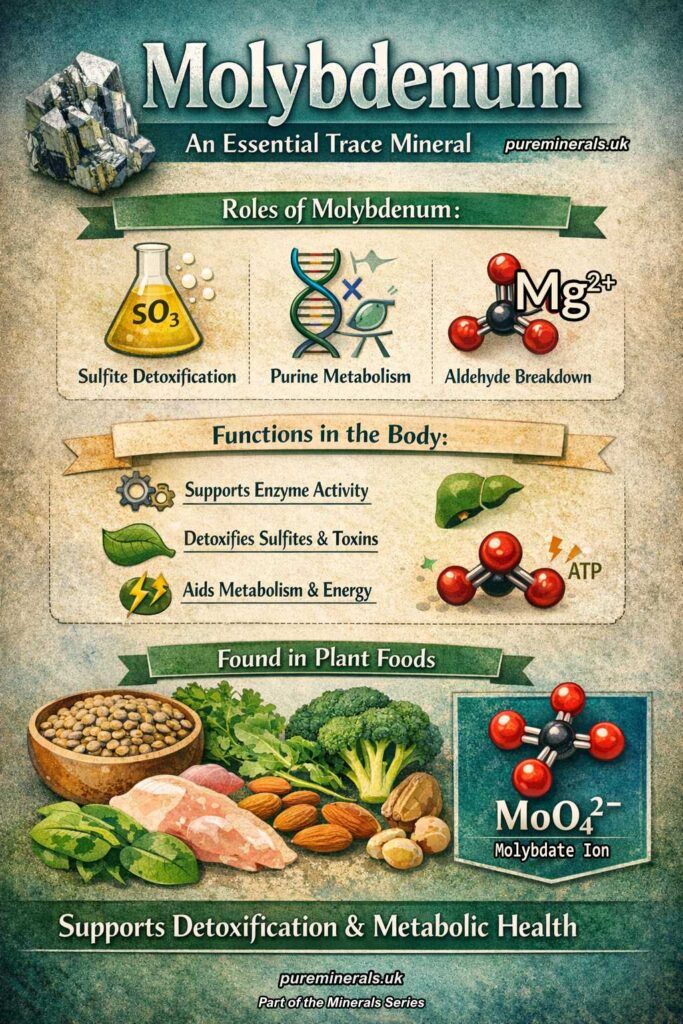
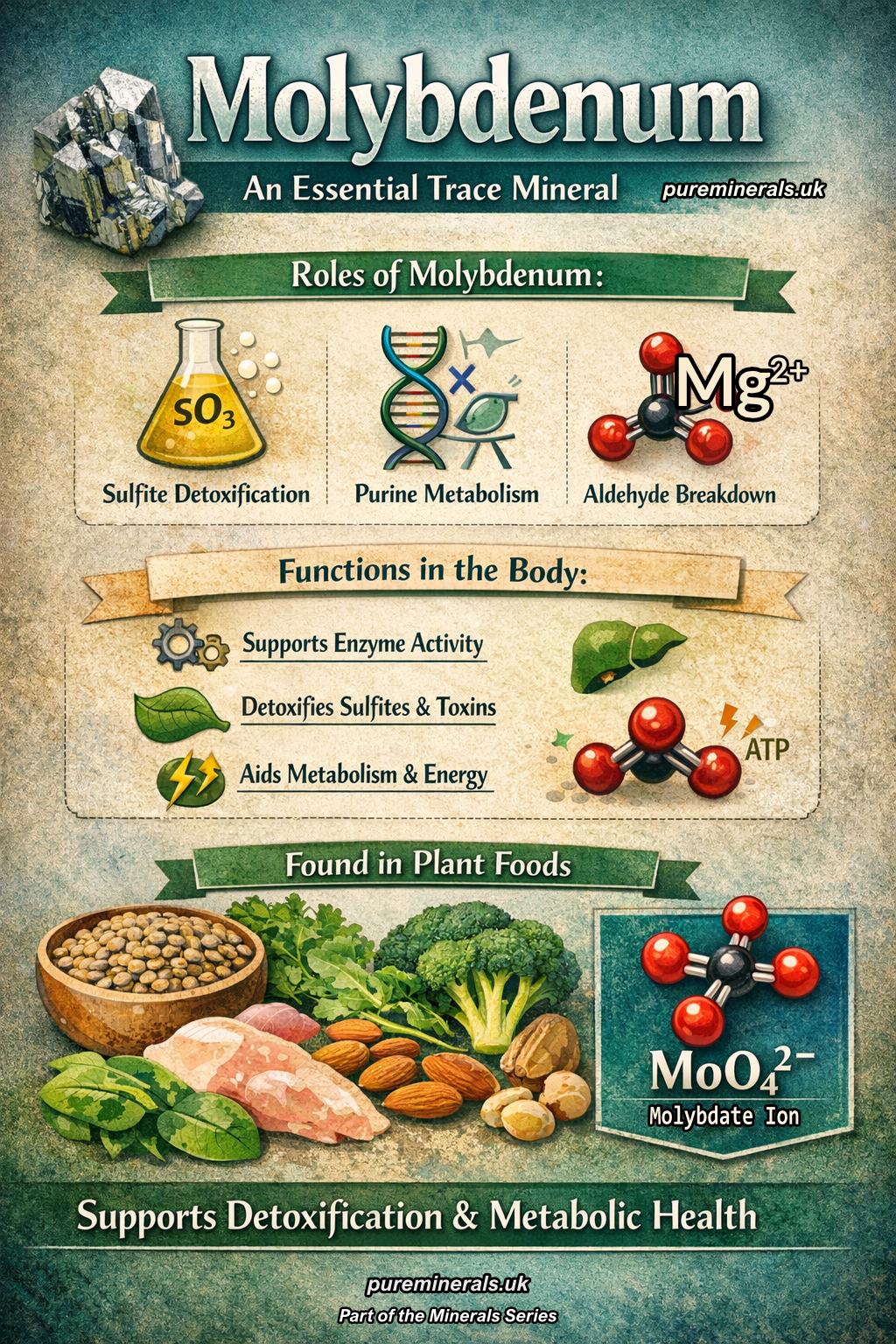
Download the full high-resolution Molybdenum infographic for offline reference.
Explore more minerals in the full Minerals Hub
Frequently Asked Questions
The complex relationship between molybdenum, detoxification enzymes, and overall health generates many questions about practical applications and specific situations. These common questions address the most frequent concerns regarding molybdenum supplementation and enzyme function.
Can molybdenum help with alcohol sensitivity?
Molybdenum may indirectly support alcohol metabolism by enhancing aldehyde oxidase function, potentially reducing sensitivity to acetaldehyde – a toxic intermediate produced during alcohol breakdown. However, alcohol metabolism primarily depends on alcohol dehydrogenase and aldehyde dehydrogenase enzymes, which don’t require molybdenum. While optimizing molybdenum status might support overall detoxification capacity, it typically doesn’t dramatically alter alcohol tolerance or prevent reactions in those with genetic variations in alcohol-metabolizing enzymes. For alcohol sensitivity, strategies focusing on NAD+ levels and aldehyde dehydrogenase support generally provide more targeted benefits than molybdenum alone.
Is molybdenum helpful for chemical sensitivities?
Many individuals with multiple chemical sensitivities report improvement when addressing molybdenum status, particularly regarding reactions to sulfites and aldehydes found in fragrances and industrial chemicals. The mechanism appears related to the enhanced function of sulfite oxidase and aldehyde oxidase enzymes, both molybdenum-dependent. These enzymes help neutralize compounds that typically trigger reactions in sensitive individuals. While not a complete solution for complex sensitivity conditions, ensuring optimal molybdenum intake represents a reasonable supportive strategy as part of a comprehensive approach to reducing reactivity to environmental triggers.
Will molybdenum supplements interact with medications?
Molybdenum supplementation may potentially affect medications metabolized by molybdenum-dependent enzymes, particularly aldehyde oxidase, which processes drugs including famciclovir, methotrexate, and certain antipsychotics. Enhanced enzyme function could theoretically accelerate the breakdown of these medications, potentially reducing their effectiveness. Conversely, medications containing sulfites might be better tolerated with adequate molybdenum status. Consult with a knowledgeable healthcare provider before combining molybdenum supplements with prescription medications, particularly those with narrow therapeutic windows where altered metabolism could significantly impact effectiveness or safety. For more information on how minerals interact with medications, you might want to explore copper nutrition and its effects.
How quickly can I notice benefits from increasing molybdenum intake?
The timeline for noticing benefits from improved molybdenum status varies considerably based on individual factors, including initial status, detoxification demands, and specific symptoms being addressed. Some individuals report reduced sulfite sensitivity within days of beginning supplementation, while others notice gradual improvements over several weeks as enzyme systems upregulate. Measurable changes in detoxification capacity typically require consistent support for at least 2-4 weeks, with some aspects of enzyme function continuing to optimize over several months of adequate intake. For most people, subtle improvements in energy, cognitive clarity, and tolerance to previously problematic foods emerge gradually rather than as dramatic overnight changes.
Should pregnant women pay special attention to molybdenum levels?
Pregnancy increases molybdenum requirements slightly, with recommended intake increasing to 50 mcg daily versus 45 mcg for non-pregnant women. This modest increase supports both maternal detoxification needs and proper development of the fetal enzyme systems. Adequate molybdenum status during pregnancy helps protect the developing child from potential effects of environmental toxins by supporting maternal detoxification pathways. Most prenatal vitamins contain appropriate amounts of this mineral, and a varied diet including legumes and whole grains typically provides sufficient amounts without the need for additional supplementation. As with all nutritional considerations during pregnancy, consult with your healthcare provider about individual needs based on your specific situation and dietary pattern.
Understanding the crucial role molybdenum plays in your body’s detoxification system gives you powerful tools for supporting cellular health and resilience against environmental challenges. By ensuring adequate intake through strategic food choices and addressing potential imbalances, you provide your enzyme systems with the foundation they need for optimal function.
For comprehensive support of your body’s natural detoxification systems, including molybdenum-dependent enzymes, visit Detox Support Center for specialized guidance on optimizing cellular protection.