

Published: 22 April 2026
This article is periodically reviewed and updated to reflect current scientific understanding by Vic George.
Fact-Checked: 3 other authoritative medical/scientific references. See our Editorial Policy.

What Are Cashew Nuts and Why Are They Widely Consumed?
Cashew nuts are edible seeds from the cashew tree (Anacardium occidentale), valued for their creamy texture, mild flavour, and versatility in both sweet and savoury foods. The nuts grow on trees in hot, lowland areas with a distinct dry season. The nuts extend from the bottom of a fruit called the cashew apple. Ivory Coast is the world’s leading producer of raw cashews, with many smallholder farmers.
Definition
Cashew nuts are the seeds of the cashew tree (Anacardium occidentale), located externally beneath the cashew apple and processed to remove naturally occurring irritants before consumption.
Extended Definition
The cashew tree (Anacardium occidentale) is native to northeastern Brazil but is now widely cultivated in tropical regions around the world. Unlike most nuts, the cashew seed develops outside the fruit, attached to the base of the cashew apple.
Cashew nuts are notable for their unique processing requirements. The raw shell contains caustic compounds, including anacardic acids, which can cause skin irritation. As a result, cashews are always heat-treated and shelled before reaching consumers, making commercially available “raw” cashews technically pre-processed.
Nutritionally, cashews are rich in fats—primarily monounsaturated fatty acids—along with moderate protein and carbohydrates. They are a source of essential minerals such as magnesium, copper, zinc, and iron, and contain small amounts of B vitamins. Cashew nuts also provide plant compounds, including phytosterols and phenolics.
Their smooth texture and mild taste make them highly adaptable in culinary applications. They are commonly eaten as snacks, used in confectionery, incorporated into savoury dishes, or blended into plant-based creams, sauces, and dairy alternatives.
Key Facts
- Botanical Name: Anacardium occidentale
- Plant Type: Tropical tree (seed)
- Edible Part: Seed (kernel attached to cashew apple)
- Macronutrient Profile: High in fats, moderate protein, and carbohydrates
- Notable Micronutrients: Magnesium, copper, zinc, iron
- Natural Compounds: Phytosterols, phenolics, unsaturated fatty acids
- Typical Preparation: Heat-treated, shelled, and sometimes roasted
- Common Uses: Snacks, confectionery, savoury dishes, plant-based products
- Taste Profile: Mild, creamy, slightly sweet
- Culinary Status: Widely consumed globally
Article At A Glance: Cashew Nuts Nutritional Profile
- Cashew nuts are approximately 48% fat by weight, but the majority of that fat is heart-healthy monounsaturated and polyunsaturated fatty acids — not the kind to worry about.
- A single 1-ounce serving of cashew nuts delivers 165 calories, 5 grams of protein, and key minerals like copper, magnesium, and zinc that most people don’t get enough of daily.
- Raw cashew kernels show a remarkably consistent nutritional composition across 11 different growing regions — from India to Brazil to Mozambique — meaning where they’re grown matters less than you might think.
- There’s a common misconception that “raw” cashew nuts from the store are completely unprocessed — keep reading to find out why that’s not quite true.
- Cashew nuts contain plant sterols and a complete profile of essential amino acids that are often overlooked in mainstream nutrition discussions, making them far more valuable than most snack foods.
Cashew Nuts Are More Than Just a Snack
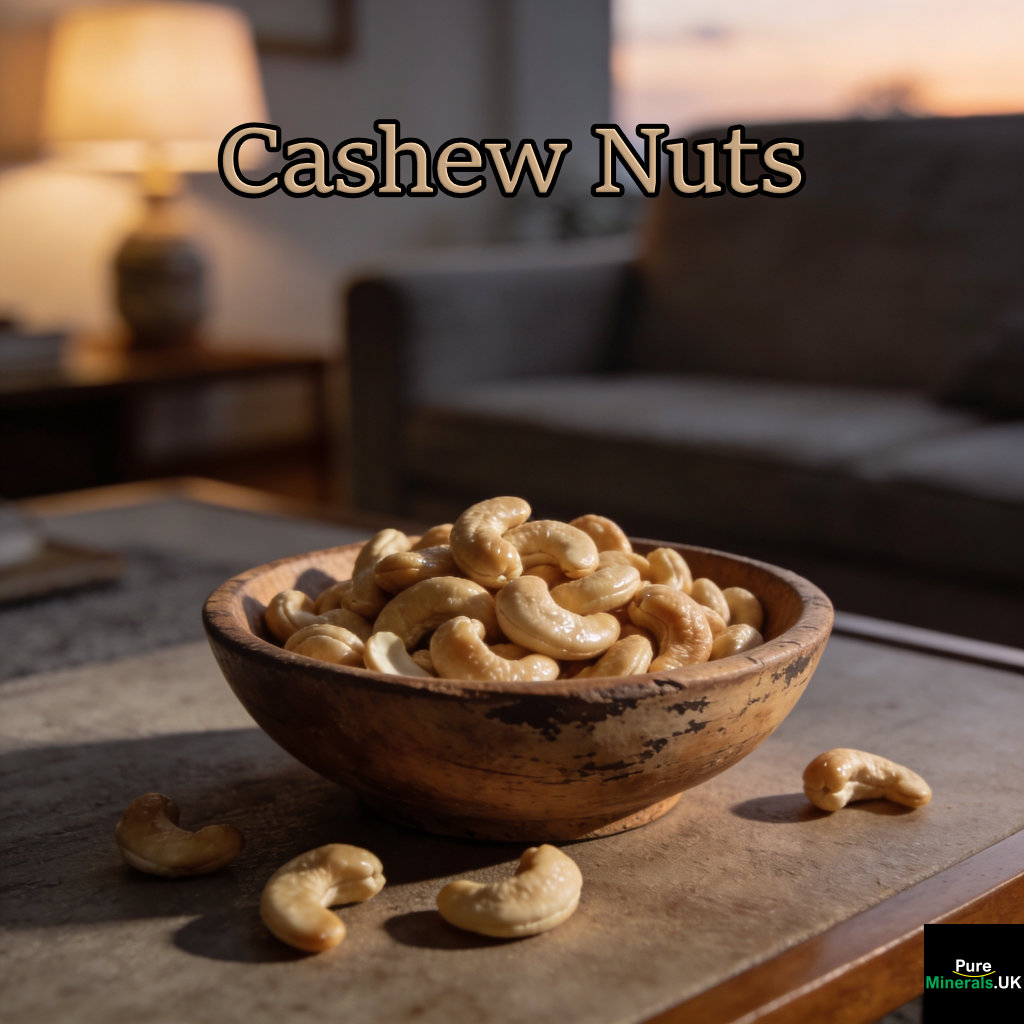
Most people reach for cashew nuts because they taste good — creamy, slightly sweet, and satisfying in a way that other nuts aren’t. But the nutritional story behind that handful is worth understanding, especially if you’re trying to build a diet around whole, nutrient-dense foods.
Cashew nuts (Anacardium occidentale L.) are technically not nuts at all — they’re the seeds of a tropical fruit called the cashew apple, grown on trees native to Brazil but now cultivated widely across India, Vietnam, and East and West Africa. Their unique growth structure means they’re harvested and processed very differently from true tree nuts, which directly affects their nutritional content by the time they reach your kitchen.
If you are looking to better understand the foods you eat, exploring detailed nutritional breakdowns can make a real difference in food choices. Cashews are a perfect case study — there’s far more going on inside that small kernel than the average nutrition label reveals.
Cashew Nutrition Facts: What’s Inside Every Kernel
The overall composition of a raw cashew kernel breaks down to roughly 21% protein, 46% fat, and 25% carbohydrates, with a portion of those carbohydrates coming from indigestible fiber. That balance makes cashews one of the more macronutrient-complete foods you can snack on — providing sustained energy from fats, muscle support from protein, and digestive benefit from fiber, all in one compact package.
Cashew Nuts Macronutrient Breakdown: Fat, Protein, and Carbohydrates
Per 1-ounce (28g) serving, here’s what cashews deliver:
Nutrient | Amount per 1 oz (28g) |
|---|---|
Calories | 165 |
Total Fat | 11g |
Protein | 5g |
Carbohydrates | 10g |
Dietary Fiber | <1g |
Sugar | ~2g |
That 11 grams of fat is doing a lot of nutritional heavy lifting. Total fat is the dominant macronutrient in cashews by weight, accounting for approximately 48.3% of dry weight across raw kernel samples studied in multiple growing regions. But as you’ll see in the next section, not all fat is created equal — and cashew fat leans heavily toward the beneficial end of the spectrum.
The Fatty Acid Profile: Why Cashew Fat Is the Good Kind
Of all the fats in a cashew kernel, roughly 62% are monounsaturated fatty acids (MUFAs), primarily in the form of oleic acid — the same type of fat celebrated in olive oil. Another 18% are polyunsaturated fats, with the remainder being saturated fats. That ratio places cashews firmly in the category of heart-supportive foods, with a lipid profile that aligns well with research on cardiovascular health.
MUFAs like oleic acid are associated with reduced LDL cholesterol levels and better overall lipid balance, which is part of why nutrition experts consistently rank nuts among the most beneficial additions to a whole-food diet.
Vitamins and Minerals Packed Into Every Handful
Beyond macronutrients, cashews are a meaningful source of several micronutrients that many people fall short on. Copper stands out as one of the most notable — a single serving covers a significant portion of daily needs, supporting energy metabolism and immune function. Magnesium, phosphorus, zinc, and manganese are also present in useful quantities, similar to other nuts like Brazil nuts.
Cashews also provide vitamin B6, which plays a direct role in protein metabolism and neurological function. For vegans and vegetarians relying on plant-based protein sources, this combination of minerals and B vitamins makes cashews particularly valuable in the daily diet.
How Cashew Nutrition Varies by Growing Region
A peer-reviewed study by Ricard Rico analyzed raw cashew kernels from 11 different origins — including multiple regions of India, Brazil, Ivory Coast, Kenya, Mozambique, and Vietnam. The finding was striking in its consistency: despite growing in dramatically different climates and soils, the nutritional composition of raw cashew kernels remained remarkably stable across all samples.
Ivory Coast is the world’s largest producer of cashew nuts, often referred to as the cashew crown, producing over 1 million tonnes annually. The main cashew growing regions are in the north of the country, such as Boundiali and Korhogo.
This means that whether your cashews come from a Vietnamese farm or a West African coast, you’re getting essentially the same nutritional profile. The variability that does exist is minor and unlikely to affect dietary outcomes in any meaningful way. What affects nutrition more significantly is how the cashews are processed after harvest, which brings us to one of the most misunderstood aspects of cashew production.
The Sterols and Amino Acids Most People Miss
The mainstream conversation about cashew nutrition almost always stops at fats, protein, and minerals. But there are two more layers worth understanding — plant sterols and amino acids — that elevate cashews well beyond a simple snack food.
β-Sitosterol: The Dominant Sterol in Cashew Fat
Plant sterols are naturally occurring compounds found in the fat fraction of many nuts and seeds. In cashew nuts, β-sitosterol is the dominant sterol, and it’s been the subject of considerable research for its role in reducing cholesterol absorption in the gut. Because β-sitosterol is structurally similar to cholesterol, it competes for the same absorption pathways — effectively lowering the amount of dietary cholesterol that makes it into your bloodstream.
This is one of the reasons that diets rich in nuts, including cashew nuts, are consistently associated with improved cardiovascular markers. The sterol content isn’t listed on standard nutrition labels, which is why most people eating cashews daily have no idea they’re benefiting from it.
Essential Amino Acids Found in Raw Cashew Nuts
Cashew nuts contain a broad profile of essential amino acids — the ones your body can’t produce on its own and must obtain from food. While cashew nuts aren’t a complete protein in the same way animal products are, they contribute meaningfully to daily amino acid intake, particularly for plant-based eaters.
Key amino acids present in raw cashew kernels include arginine, which supports blood vessel health, along with leucine, lysine, and phenylalanine. When combined with complementary plant proteins like legumes or whole grains throughout the day, cashews contribute to a complete amino acid intake without any need for animal-based foods.
How Cashew Nuts Are Processed From Tree to Bag
The journey from cashew tree to your snack bowl is more involved than most people realize, and understanding it changes how you think about what “raw” or “natural” actually means on a cashew package.
Why Raw Cashew Nuts Are Never Truly Raw
Here’s the part that surprises most people: the cashews sold as “raw” in grocery stores have almost certainly been heat-treated at least once. The cashew shell contains a caustic resin called cashew nutshell liquid (CSNL), which includes urushiol — the same irritating compound found in poison ivy. To safely remove the shell without contaminating the kernel, the nuts must be steamed or roasted during processing.
This means that by the time a cashew is shelled, cleaned, and packaged as “raw,” it has already undergone a heat process. True raw cashews — still inside their shell — are not safe to handle or eat without processing. The “raw” label in commercial contexts means no additional roasting or flavoring has been applied after shelling, similar to how Brazil nuts are often labeled.
How Processing Affects the Nutritional Content of Cashew Nuts
The initial heat treatment required for safe shelling has a relatively minimal impact on cashew nutrition overall. However, there are some nuances worth knowing as you decide which type to buy:
- Healthy fats — MUFAs and PUFAs remain largely intact through standard processing temperatures used in commercial shelling.
- Minerals — Copper, magnesium, zinc, and phosphorus are heat-stable and are not meaningfully reduced by standard processing.
- B vitamins — Some heat-sensitive B vitamins, including B6, can experience modest losses during prolonged or high-heat roasting.
- Plant sterols — Generally stable through normal processing, though excessive heat over long periods can affect sterol oxidation.
- Sodium and additives — Salted or flavored roasted cashews add sodium and sometimes sugar, which significantly changes the nutritional profile.
The bottom line is that lightly processed or “raw” cashews preserve the most complete nutritional profile. If you’re buying roasted cashews, opt for dry-roasted with no added oils or excessive salt to stay closest to the natural nutrient composition.
It’s also worth noting that cashews contain a fair amount of naturally occurring starch — more than most other nuts. This starch is part of why soaking cashews before blending produces such a remarkably smooth, creamy result, and it’s entirely unaffected by standard processing methods.
Roasted vs. Raw Cashew Nuts: Which Is Better for You?
For most people, the nutritional difference between lightly roasted and commercially “raw” cashews is small enough that personal preference should guide the choice. The more important distinction is between dry-roasted with no additives versus oil-roasted with added salt, sugar, or flavorings. Oil-roasted cashews add unnecessary calories and can introduce lower-quality fats depending on the oil used. If nutrition is the priority, dry-roasted or minimally processed cashews are the smarter pick — and the flavor difference is negligible.
How to Use Cashew Nuts in the Kitchen
Cashews are one of the most flexible culinary nuts available. Their naturally high starch and fat content give them a creaminess that other nuts simply can’t replicate, making them useful far beyond trail mix or snacking.
Why Cashew Nuts Work as a Dairy Alternative
Soaked and blended cashews produce a smooth, neutral-tasting cream that substitutes seamlessly for heavy cream, sour cream, or soft cheeses in a wide range of recipes. The starch in cashews helps emulsify the mixture, creating a stable, thick texture without any added gums or stabilizers. This is why cashew cream has become a staple in plant-based cooking — it performs more like dairy than almost any other plant ingredient. For those interested in exploring other nut alternatives, candlenuts offer another unique option in culinary applications.
To make a basic cashew cream, soak 1 cup of raw cashews in cold water for at least 4 hours (or in hot water for 30 minutes), drain, and blend with ¼ to ½ cup of fresh water until completely smooth. The result is a rich, versatile base that works in pasta sauces, dressings, desserts, and more.
Cashew Nuts as a Thickener in Sauces and Soups
Beyond cream substitutes, blended cashews are one of the most effective natural thickeners for soups and stews. Adding a small amount of soaked, blended cashews to a soup base thickens it without the starchiness of flour or the heaviness of cream. It also adds subtle richness and a small but meaningful boost of protein and minerals to the dish.
This technique works particularly well in tomato-based sauces, curries, and pureed vegetable soups. Start with 2 tablespoons of blended cashew paste per cup of liquid and adjust from there based on your preferred consistency.
Sweet and Savory Dishes That Benefit From Cashew Nuts
Whole cashews add texture and a mild, buttery flavor to stir-fries, grain bowls, and salads. In sweet applications, cashew butter works as a direct substitute for peanut butter with a slightly milder flavor profile, and raw cashews can be blended into energy balls, raw dessert bases, and smoothies for added creaminess and nutritional density.
How to Buy and Store Cashews to Preserve Freshness
Because cashews have a high fat content, they’re more susceptible to going rancid than lower-fat foods. Buying from a store with high product turnover is the first line of defense — fresher stock means less oxidation has already occurred before the cashews even reach your kitchen. Look for cashews that are uniform in color, cream to light yellow, with no dark spots or shriveling, and always check for any off or sour smell before purchasing from bulk bins.
Once home, storage is straightforward but important:
- Room temperature — Store in an airtight container away from heat and light for up to 1 month.
- Refrigerator — Keeps cashews fresh for up to 6 months; best option for moderate-sized quantities.
- Freezer — Extends shelf life up to 1 year with no meaningful loss of nutritional value; thaw only what you need.
- Avoid storing near strong-smelling foods — cashews absorb surrounding odors easily due to their high fat content.
Glass jars or vacuum-sealed containers outperform standard zip-lock bags for long-term storage because they limit oxygen exposure, which is the primary driver of fat oxidation and rancidity.
Add Cashew Nuts to Your Diet Without Overthinking It
With all the nutritional depth covered above, it’s easy to overcomplicate something that’s actually very simple — eat a small handful of cashews regularly as part of a varied, whole-food diet, and you’ll benefit from everything they offer. A standard serving of about 18 cashews gives you a practical dose of healthy fats, protein, magnesium, copper, and plant sterols without going overboard on calories.
Important note: Cashew Nuts
Cashew shells contain irritant compounds and should not be handled or consumed raw. Commercial cashews are safely processed before sale. Individuals with tree nut allergies should avoid cashews. As with all energy-dense foods, intake should be moderate. This information is provided for educational purposes and is not intended as medical advice.
Frequently Asked Questions
Here are the most common questions people have about cashew nutrition, answered directly and without the fluff.
Are cashews actually nuts or seeds?
Cashews are technically seeds, not true nuts. They grow at the base of the cashew apple — a tropical fruit produced by the Anacardium occidentale tree — and are botanically classified as the seed of a drupe. However, in culinary and commercial contexts, they are universally referred to as nuts and grouped with tree nuts for allergy and dietary purposes.
How many cashew nuts should you eat per day?
A standard serving is approximately 1 ounce, or about 18 whole cashews. This delivers 165 calories along with meaningful amounts of healthy fats, protein, and key minerals. Most nutrition guidance supports one serving per day as a beneficial addition to the diet, though individuals with specific caloric targets should factor cashews into their overall daily intake rather than treating them as a free food.
Do cashew nuts cause weight gain?
Cashews are calorie-dense, but research on nut consumption consistently shows that moderate intake is not associated with weight gain and may actually support weight management. The combination of protein, fat, and fiber creates a satisfying effect that can reduce overall calorie intake at subsequent meals.
Key context: The composition of the cashew kernel — approximately 21% protein, 46% fat, and 25% carbohydrates — makes it a filling, high-satiety food. The key word is moderation. Treating cashews as a measured serving rather than eating from the bag without portioning is what separates a nutritional benefit from a caloric overshoot.
If weight management is a goal, pre-portioning cashews into 1-ounce servings is the simplest and most effective strategy. Their satiety value generally offsets the calorie density when consumed mindfully.
Are cashew nuts safe for people with tree nut allergies?
No — despite being botanically classified as seeds rather than true nuts, cashews are grouped with tree nuts for allergy purposes and are one of the more common tree nut allergens. People with diagnosed tree nut allergies should treat cashews with the same caution as almonds, walnuts, or pistachios, and should consult an allergist before introducing them. Cashew nuts and pistachio nuts also share proteins that can trigger cross-reactive allergies, meaning sensitivity to one may indicate sensitivity to the other.
What is the difference between raw and roasted cashew nuts nutritionally?
The term “raw” on cashew packaging is somewhat misleading — as discussed earlier, all commercially sold cashews have been heat-treated at least once during the shelling process to neutralize the caustic cashew nutshell liquid. So the comparison is really between minimally processed cashew nuts and additionally roasted cashews.
In terms of macronutrients — fat, protein, and carbohydrates — the difference between minimally processed and dry-roasted cashews is negligible. The fat profile and mineral content remain largely intact through standard roasting temperatures.
Where the differences become more meaningful is in three areas:
- Heat-sensitive B vitamins — Prolonged or high-heat roasting can reduce vitamin B6 content modestly.
- Added sodium — Salted roasted cashews can contain anywhere from 85 to over 200mg of sodium per ounce, compared to near zero in unsalted varieties.
- Added oils and sugars — Oil-roasted or flavored cashew nuts introduce additional calories, lower-quality fats, and sometimes significant sugar content that shifts the nutritional profile considerably.
The practical recommendation is simple: if you’re choosing roasted cashew nuts, go dry-roasted and unsalted. You’ll retain virtually all the nutritional benefits of minimally processed cashews while still getting the slightly deeper, nuttier flavor that roasting provides. Either way, you’re working with one of the most nutritionally complete and culinarily versatile foods available in the whole-food category.