

Published: 21 April 2026
This article is periodically reviewed and updated to reflect current scientific understanding by Vic George.
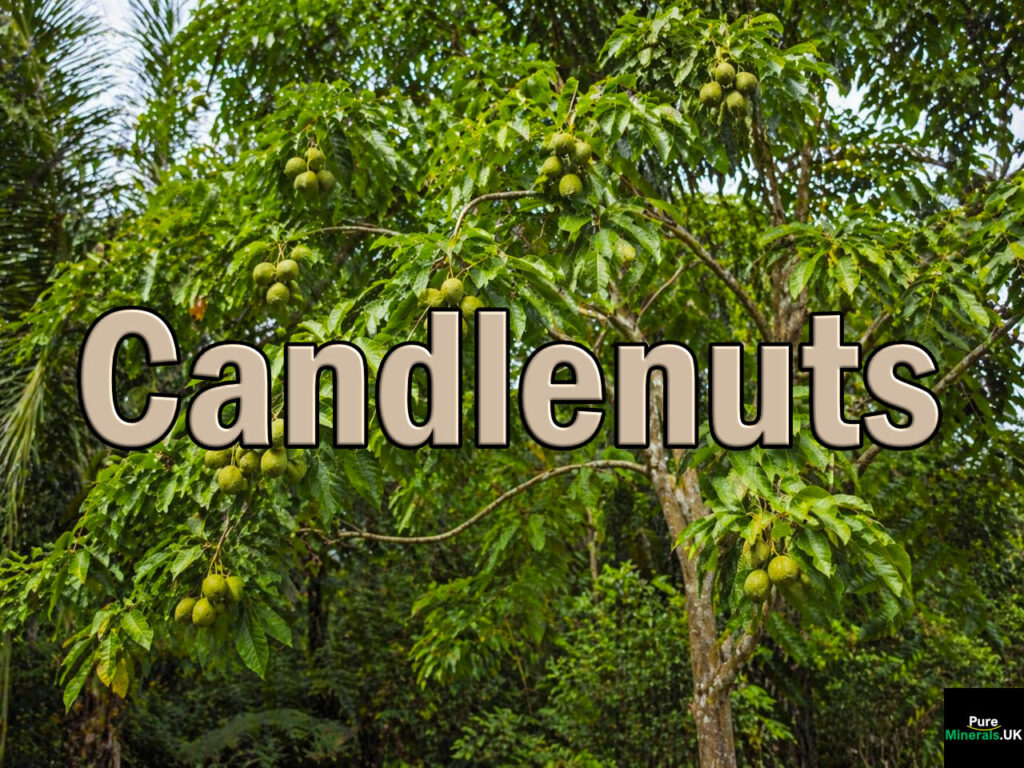
What Are Candlenuts and Why Are They Used in Cooking?
Candlenuts are the oily seeds of the candlenut tree (Aleurites moluccanus), widely used in Southeast Asian cuisine as a thickening and flavouring ingredient in dishes such as curries, sambals, and sauces.
Definition
Candlenuts are the seeds of Aleurites moluccanus, a tropical tree, containing oil-rich kernels that are used in cooking after proper heat treatment.
Extended Definition
The candlenut tree (Aleurites moluccanus) is native to Southeast Asia and the Pacific Islands, where it has long been cultivated for its versatile seeds. The nuts are enclosed in a hard shell and contain a soft, pale kernel with a high oil content.
Nutritionally, candlenuts are rich in fats, particularly unsaturated fatty acids, and contain small amounts of protein and minerals such as magnesium and potassium. Their high lipid content contributes to their primary culinary function as a natural thickener, helping to enrich texture and mouthfeel in cooked dishes.
Candlenuts are not typically eaten raw. In traditional cuisines, they are ground into a paste and cooked with other ingredients, where their oils emulsify and thicken sauces. Their flavour is mild and slightly creamy, allowing them to blend into a wide range of savoury dishes without overpowering other ingredients.
Historically, candlenuts have also been used outside of food preparation, including as a source of oil for lighting, which contributes to their common name.
Key Facts
- Botanical Name: Aleurites moluccanus
- Plant Type: Tropical tree (seed)
- Edible Part: Kernel (inside the shell)
- Macronutrient Profile: High in fats, low in protein and carbohydrates
- Notable Micronutrients: Magnesium, potassium (modest levels)
- Natural Compounds: Unsaturated fatty acids, saponins, phorbol esters
- Typical Preparation: Ground and cooked as part of sauces or pastes
- Common Uses: Curries, sambals, sauces, thickening agent
- Taste Profile: Mild, creamy, slightly nutty
- Culinary Status: Widely used in Southeast Asian cuisine
Article at a Glance
- Candlenuts (Aleurites moluccanus) are nutritional powerhouses — packed with healthy fats, essential minerals, and fat-soluble vitamins that support brain, heart, and immune health.
- They must never be eaten raw — candlenuts contain toxic compounds that are only neutralized through cooking, making proper preparation non-negotiable.
- Their high oil content is their culinary superpower — it creates the rich, creamy texture in Southeast Asian sauces and curries without dominating the flavor profile.
- Macadamia nuts are the closest substitute — but there are important differences in flavor and fat composition you should know before swapping them in a recipe.
- The health benefits go deeper than you might expect — keep reading to discover how the fatty acid profile of candlenuts connects to real anti-inflammatory and cardiovascular outcomes.
Candlenuts are one of the most quietly essential ingredients in Southeast Asian cooking — and one of the most misunderstood when it comes to nutrition and safety.
Known scientifically as Aleurites moluccanus, the candlenut tree is native to tropical regions across Southeast Asia and the Pacific Islands. The nut itself has been used for centuries — not just in cooking, but also in traditional medicine and even as a primitive light source, which is where it gets its name. Its high oil content made it literally combustible enough to burn as a candle in parts of Hawaii and Indonesia. Today, culinary enthusiasts and nutrition researchers alike are taking a closer look at what’s actually inside this small, waxy nut.
What makes candlenuts worth understanding isn’t just their cultural significance — it’s the combination of dense nutrition, functional culinary properties, and the very real safety considerations that come with using them. This article breaks it all down clearly.
Candlenuts Are More Powerful Than You Think
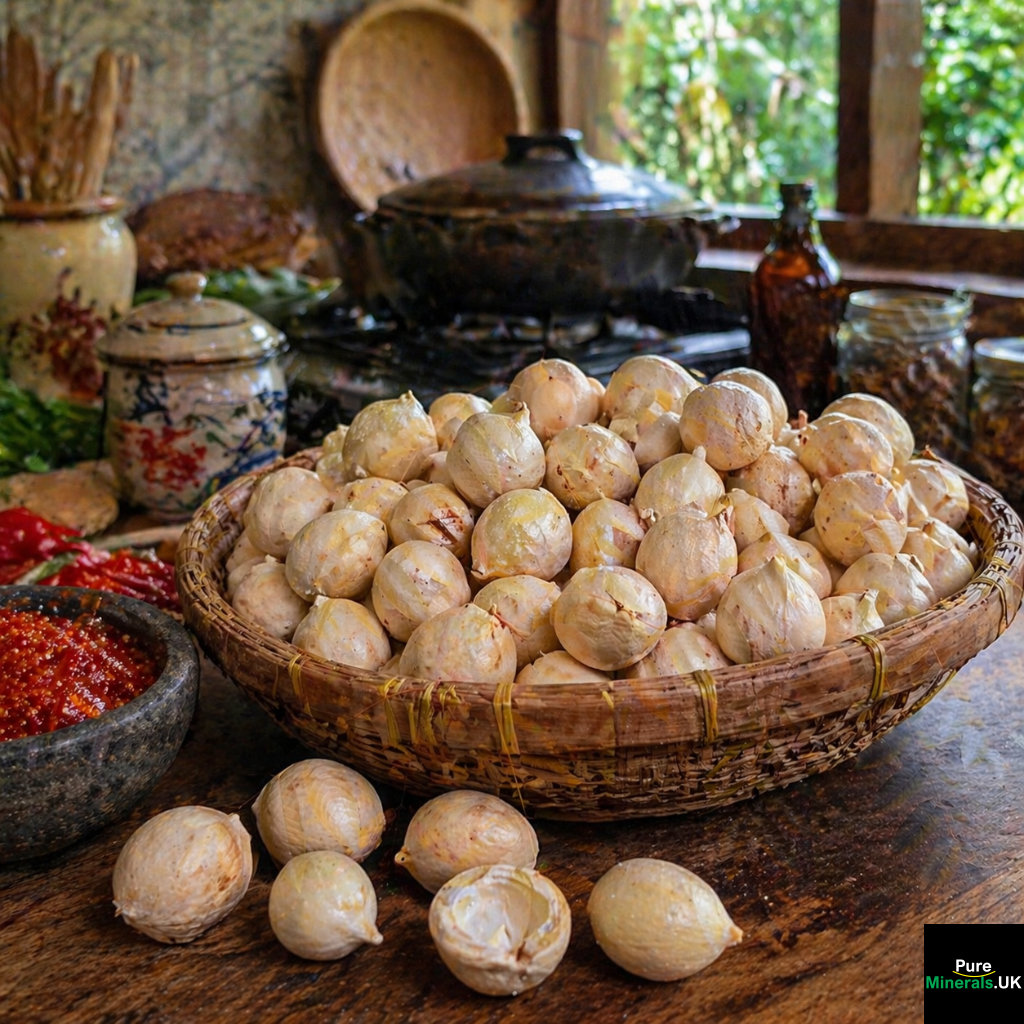
Most people who encounter candlenuts do so as a supporting character in a recipe — a few nuts ground into a spice paste, doing invisible work in the background. But when you examine the nutritional composition and functional chemistry of this nut, the picture becomes far more interesting. Candlenuts are approximately 65–70% fat by weight, making them one of the most oil-dense nuts in the world. That fat content isn’t just a culinary tool — it carries meaningful nutritional implications.
Beyond fat, candlenuts contain protein, carbohydrates, and a notable lineup of micronutrients including magnesium, potassium, zinc, and vitamins E and B-complex. They’re calorie-dense and rich in bioactive compounds that researchers have linked to anti-inflammatory and antioxidant activity. The challenge is that raw candlenuts also contain saponins and phorbol esters — compounds that are toxic until heat destroys them. That dual nature — nutritionally rich but conditionally safe — is what makes understanding candlenuts so important for anyone cooking with them seriously.
Nutritional Composition of Candlenuts
Candlenuts sit in a unique nutritional category. They’re not a snacking nut the way almonds or cashews are. They’re a culinary ingredient with a concentrated nutritional profile that gets delivered in small amounts through cooked dishes.
Macronutrient Breakdown: Fats, Protein, and Carbohydrates
The dominant macronutrient in candlenuts is fat, accounting for roughly 65 to 70 grams per 100g of raw nut. This places them above macadamia nuts (approximately 76g fat per 100g) in terms of caloric density comparison, though the two nuts share a similar fatty acid structure. The fat in candlenuts is primarily composed of polyunsaturated fatty acids (PUFAs), with linoleic acid being the most abundant, followed by oleic acid (a monounsaturated fat also found in olive oil). Protein content sits at approximately 7–8 grams per 100g, and carbohydrates account for roughly 8–10 grams, with minimal fiber compared to other nuts.
Nutrient | Amount per 100g (approx.) |
|---|---|
Total Fat | 65–70g |
Protein | 7–8g |
Carbohydrates | 8–10g |
Calories | ~630–670 kcal |
Fiber | ~3g |
Key Vitamins and Minerals Found in Candlenuts
Candlenuts are a meaningful source of vitamin E (tocopherols), which acts as a fat-soluble antioxidant — particularly relevant given the nut’s high fat content, as vitamin E helps protect those fats from oxidative damage both in the nut and in the body. They also provide B-complex vitamins, particularly thiamine (B1) and folate, which support energy metabolism and cellular repair. On the mineral side, candlenuts deliver magnesium, potassium, phosphorus, and zinc in notable quantities.
- Magnesium — supports muscle function, nerve transmission, and over 300 enzymatic reactions
- Potassium — essential for blood pressure regulation and cardiovascular function
- Zinc — critical for immune defense and wound healing
- Phosphorus — plays a structural role in bones and cell membranes
- Vitamin E — protects cell membranes from oxidative stress
High Oil Content and Its Nutritional Significance
The exceptionally high oil content in candlenuts isn’t just a cooking convenience — it has real nutritional implications. The predominant fatty acid, linoleic acid, is an omega-6 polyunsaturated fat that the human body cannot synthesize on its own, making it an essential dietary fat. Oleic acid, the second most present fatty acid, is the same monounsaturated fat that gives extra-virgin olive oil its heart-health reputation. When candlenuts are used in cooking, these fatty acids are transferred into the dish, meaning the oil released during preparation actually contributes to the nutritional value of the final meal.
Health Benefits Backed by Nutritional Science
The nutritional profile of candlenuts translates into tangible health outcomes — particularly when they’re consumed as part of a balanced diet through cooked dishes. The combination of essential fatty acids, antioxidant vitamins, and anti-inflammatory compounds makes them more than just a textural ingredient.
Anti-Inflammatory Properties of Candlenut Oils
Research into Aleurites moluccanus has identified bioactive compounds in candlenut oil — including flavonoids and phenolic acids — that demonstrate antioxidant and anti-inflammatory activity. The linoleic acid content, while an omega-6 fat, plays a role in the body’s inflammatory signaling pathways when consumed in appropriate ratios. Traditional medicine systems across Indonesia, Malaysia, and Hawaii have long used candlenut oil topically for skin inflammation and wound care, and modern phytochemical analysis has begun validating these applications. The bark and leaves of the candlenut tree have also been studied for antimicrobial properties, pointing to a broader bioactive profile beyond just the nut itself.
Role of Healthy Fats in Brain and Heart Health
The oleic acid in candlenuts mirrors the fatty acid profile associated with the Mediterranean diet — one of the most studied dietary patterns for cardiovascular protection. Monounsaturated fats like oleic acid have been associated with reduced LDL cholesterol levels and improved endothelial function. Meanwhile, the essential omega-6 linoleic acid contributes to cell membrane integrity throughout the body, including in brain tissue, where fatty acids are structural components of neurons.
It’s worth noting that candlenuts are not typically consumed in large quantities — a recipe might call for 3 to 6 nuts in a dish serving four people. The health contribution is therefore cumulative and consistent rather than dramatic. But when candlenuts are a regular part of a diet rich in whole ingredients — as they are in traditional Malay, Indonesian, and Peranakan cooking — the steady supply of essential fats, vitamin E, and minerals adds up meaningfully over time.
How Candlenuts Are Used in Cooking
Candlenuts are rarely eaten on their own. Their role in the kitchen is functional — they’re a tool for building texture, body, and depth in spice-based dishes. Understanding how they work mechanically in cooking explains why they’re so difficult to replace with a one-to-one substitute.
Why Candlenuts Thicken Sauces Without Changing the Flavor
When candlenuts are ground and added to a spice paste or curry base, the high oil content emulsifies into the cooking liquid as heat is applied. This creates a naturally thickened, creamy consistency without the need for cream, coconut milk reduction, or starch thickeners. The flavor contribution is intentionally subtle — mildly nutty with a slightly waxy, almost neutral taste that amplifies the surrounding spices rather than competing with them. This is why Peranakan cooks describe candlenut as an “invisible” ingredient: you feel it more than you taste it. The mouthfeel it creates in a well-made rendang or laksa is unmistakably rich, yet no single bite announces the candlenut’s presence.
Traditional Dishes That Rely on Candlenuts
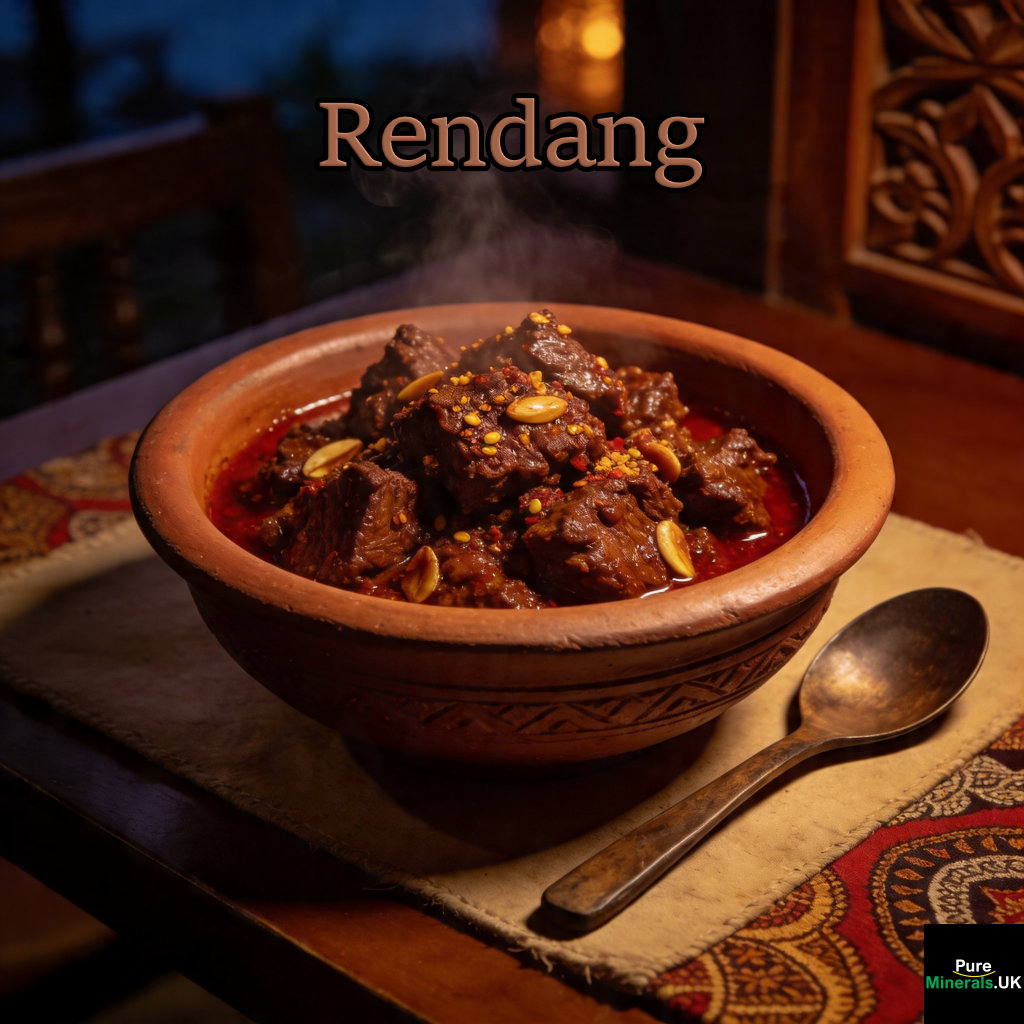
Candlenuts are foundational to some of the most iconic dishes in Southeast Asian cuisine. In Indonesian cooking, they appear in rendang — the slow-cooked dry beef curry — where they’re ground into the base spice paste to provide body and help bind the caramelized coconut milk coating to the meat.
In Malaysian and Peranakan cuisine, they’re essential in laksa spice paste and ayam buah keluak, where they balance the earthy bitterness of the black nut with their creamy, neutral richness.
In Hawaiian cuisine, candlenut — known locally as kukui — appears in a traditional condiment called inamona, made from roasted and ground candlenuts mixed with salt. It’s served alongside raw fish dishes like poke, where the roasted oil and mineral saltiness of the nut paste cuts through the richness of the fish. This cross-cultural use of candlenuts across the Pacific and Southeast Asia speaks to how independently different food traditions arrived at the same functional conclusion: this nut does something no other ingredient quite replicates.
How to Substitute Candlenuts in Recipes
If candlenuts aren’t available, macadamia nuts are the most widely recommended substitute due to their similar fat content, creamy texture when ground, and mild flavor. Raw macadamia nuts can be used in a 1:1 ratio in most spice paste recipes. Alternatively, raw cashew nuts work reasonably well in wetter curry applications — they don’t carry the same oil density, but their starchy-creamy texture approximates the thickening effect. Bunya nuts are occasionally suggested, but their stronger, more distinctive flavor alters the final dish noticeably. It’s important to understand that no substitute is perfect — the specific fatty acid composition and oil-release behavior of candlenuts during cooking is genuinely unique.
Are Raw Candlenuts Safe to Eat?
This is one of the most important practical questions about candlenuts, and the answer is unambiguous: raw candlenuts are not safe to eat. This isn’t a precautionary overstatement — it’s a factual food safety point that every cook handling this ingredient needs to understand before using them.
Toxicity of Raw Candlenuts and Why They Must Be Cooked
Raw candlenuts contain toxic compounds — primarily saponins and phorbol esters — that cause gastrointestinal distress, including nausea, vomiting, and diarrhea when ingested. Phorbol esters are a class of diterpene compounds found in plants of the Euphorbiaceae family, to which the candlenut tree belongs. These compounds are biologically active and irritating to mucous membranes. Eating even a small number of raw candlenuts can cause significant discomfort, and consuming larger quantities of raw candlenuts poses more serious health risks. This is not a theoretical concern — it’s a well-documented property of the raw nut that has been recognized across traditional food cultures that use them.
Safe Preparation Methods to Neutralize Harmful Compounds
The good news is that heat effectively neutralizes the toxic compounds in candlenuts, which is why they’ve been safely used in cooked dishes for centuries without incident. The standard preparation method is to dry-roast the nuts in a pan over medium heat for several minutes until they turn golden brown, or to include them raw in a spice paste that will be cooked thoroughly in a curry or stew base. The key requirement is that they reach sufficient cooking temperature for an adequate duration — simmering in a curry for 20 or more minutes is considered sufficient. They should never be added to cold preparations, used as a raw garnish, or consumed directly from the bag without cooking first.
Recommended Serving Sizes to Avoid Overconsumption
Because candlenuts are calorie-dense and consumed as a cooking ingredient rather than a snack, portion context matters. A typical recipe uses between 3 and 8 candlenuts per dish that serves 4, translating to less than 2 nuts per person per serving. At that quantity, the calorie and fat contribution is modest and well within a balanced dietary framework. The nutritional benefits are delivered without the risk of overconsumption precisely because the culinary tradition around candlenuts already self-limits the quantity used.
If you’re roasting candlenuts for use in a preparation like Hawaiian inamona, where they’re consumed more directly, keeping the serving to 2 to 3 cooked nuts at a time is a reasonable guideline. Their high fat density means a little goes a long way both nutritionally and calorically. People with tree nut allergies should also exercise caution, as candlenuts share allergenic potential with other members of the nut family and should be introduced carefully if you have a history of nut sensitivities.
Candlenuts Deliver Real Nutritional Value When Used Correctly
Candlenuts occupy a genuinely unique space in both culinary and nutritional terms. They are calorie-dense, fat-rich, and packed with essential fatty acids, fat-soluble vitamins, and key minerals — but they deliver all of that through a cooking medium rather than direct consumption. When used as intended, within cooked spice pastes, curries, and stews, they contribute meaningfully to the nutritional quality of a meal without requiring any special handling beyond the non-negotiable step of cooking them thoroughly. The toxicity of raw candlenuts is real, but it is completely manageable with basic kitchen practice.
What makes candlenuts worth incorporating into your cooking repertoire isn’t just their nutritional profile — it’s the irreplaceable culinary function they perform. No other ingredient combines oil-rich thickening power, subtle flavor amplification, and essential fatty acid delivery in quite the same way. Whether you’re making an authentic Peranakan rendang or experimenting with Southeast Asian-inspired sauces, understanding how candlenuts work — and why they work — gives you a meaningful edge in the kitchen.
Important note: Candlenuts
Candlenuts must be properly cooked before consumption, as raw or undercooked kernels contain compounds that can cause gastrointestinal irritation. Only small quantities are typically used in cooking. Individuals should avoid consuming them raw and ensure correct identification and preparation. This information is provided for educational purposes and is not intended as medical advice.
Frequently Asked Questions
Here are direct answers to the most common questions about candlenuts, covering safety, substitutions, and health considerations.
Can You Eat Candlenuts Raw?
No. Raw candlenuts are toxic and should never be consumed without cooking. They contain saponins and phorbol esters — naturally occurring compounds in the Euphorbiaceae plant family — that cause gastrointestinal irritation, nausea, and vomiting when ingested in their uncooked state.
Cooking thoroughly neutralizes these compounds, which is why candlenuts have been safely used in Southeast Asian and Pacific cuisine for centuries. The standard safe preparation methods include:
- Dry-roast in a pan over medium heat until golden brown before grinding
- Adding raw to a spice paste that will be cooked in a curry or stew for at least 20 minutes at a sustained simmer
- Grinding into a paste and cooking directly in oil as part of a rempah (spice base)
The one consistent rule: candlenuts must reach and sustain cooking temperature before consumption. There are no safe raw applications for this nut.
What Nuts Can Replace Candlenuts in Recipes?
Macadamia nuts are the best substitute for candlenuts in most recipes, offering a similar fat content, creamy texture when ground, and a comparably mild flavor that won’t overpower a spice paste. Use them in a 1:1 ratio. Raw cashews work as a secondary option in wetter curry applications where the thickening role is primary. Brazil nuts can be used in a pinch, but their stronger flavor will be noticeable in the finished dish. No substitute perfectly replicates the specific oil-release behavior of candlenuts during cooking, but macadamia nuts come closest in both function and flavor profile.
How Many Candlenuts Is It Safe to Eat Per Day?
There is no formally established daily recommended intake for candlenuts, but traditional culinary use gives a practical guide. Most recipes use 3 to 8 cooked candlenuts per dish serving 4 people — roughly 1 to 2 nuts per person per serving. Staying within this range as part of a cooked dish is considered safe and nutritionally appropriate. Consuming significantly larger quantities, even when cooked, is unnecessary given their calorie density and may cause digestive discomfort due to their high fat content. Treat them as a culinary ingredient rather than a snack nut and portion sizing takes care of itself, similar to other nuts like butternuts.
Do Candlenuts Have Any Proven Health Benefits?
Candlenuts contain several nutritionally significant compounds with documented biological activity. Their high linoleic acid content provides an essential omega-6 fatty acid that the body cannot synthesize independently. Oleic acid — also present in meaningful quantities — is the same monounsaturated fat associated with cardiovascular benefits in research on olive oil and the Mediterranean diet. Vitamin E content provides antioxidant protection, and the mineral profile, including magnesium, potassium, and zinc, supports a range of physiological functions from blood pressure regulation to immune response.
Phytochemical research on Aleurites moluccanus has also identified flavonoids and phenolic compounds in candlenut oil with antioxidant and anti-inflammatory activity. Traditional medicine systems in Indonesia, Malaysia, and Hawaii have used candlenut preparations for skin care, wound healing, and digestive support — applications that modern phytochemical analysis has begun to investigate. While candlenuts are not a therapeutic food in a clinical sense, their contribution to a nutrient-dense, whole-ingredient diet is genuine and well-supported by their compositional profile.
Are Candlenuts the Same as Macadamia Nuts?
No — candlenuts and macadamia nuts are entirely different species. Candlenuts are Aleurites moluccanus, belonging to the Euphorbiaceae family, while macadamia nuts (Macadamia integrifolia and Macadamia tetraphylla) belong to the Proteaceae family. They share some surface similarities — both are round, cream-colored, and high in fat — but they are botanically unrelated.
The most important practical difference is safety: raw macadamia nuts are safe to eat, while raw candlenuts are toxic. This distinction matters enormously if you’re using one as a substitute for the other, because the preparation requirements are fundamentally different.
In terms of flavor, macadamia nuts have a richer, more buttery, and more pronounced taste compared to the milder, more neutral profile of candlenuts. When macadamia nuts are used as a substitute in spice pastes, experienced cooks often reduce the quantity slightly to prevent the stronger macadamia flavor from dominating the dish.
Their fat profiles are also different in composition. Macadamia nuts are predominantly monounsaturated (oleic and palmitoleic acids), while candlenuts have a higher proportion of polyunsaturated linoleic acid. This means the nutritional contribution of each nut differs, even when used in similar culinary contexts.
The confusion between the two nuts likely stems from the fact that macadamia nuts are the most widely recommended substitute for candlenuts in Western recipe adaptations — leading some readers to assume they are interchangeable or equivalent. They are functionally similar enough for culinary substitution, but nutritionally and botanically, they are distinct ingredients with their own unique profiles.