

Published: 10 May 2026
This article is periodically reviewed and updated to reflect current scientific understanding by Vic George.
Fact-Checked: 2 other authoritative medical/scientific references. See our Editorial Policy.
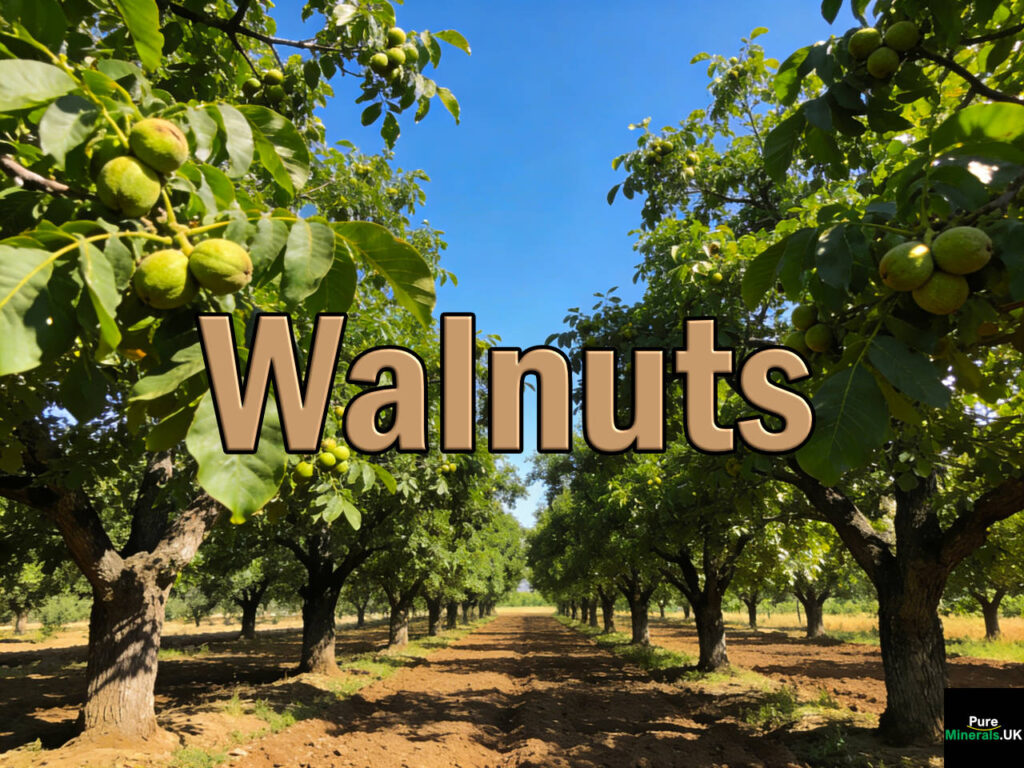
What Are Walnuts and Why Are They Nutritionally Significant?
Walnuts are edible seeds from trees in the genus Juglans, valued for their rich flavour, nutrient density, and notable content of plant-derived omega-3 fatty acids.
Definition
Walnuts are the seeds of walnut trees (Juglans spp.), enclosed within a hard shell surrounded by a green outer husk.
Extended Definition
Walnut trees belong to the genus Juglans, with the English or Persian walnut (Juglans regia) being the most widely cultivated species for food. The nuts develop inside a green husk that splits open upon maturity, revealing the familiar ridged shell containing the edible kernel.
Nutritionally, walnuts are rich in fats, particularly polyunsaturated fatty acids, including alpha-linolenic acid (ALA), a plant-derived omega-3 fatty acid. They also provide moderate protein, dietary fibre, and low carbohydrate content.
Walnuts contain several micronutrients, including copper, manganese, magnesium, and small amounts of B vitamins. They also provide polyphenols and phytosterols, particularly within the thin papery skin surrounding the kernel.
Their slightly earthy, mildly bitter flavour distinguishes them from many other nuts and makes them suitable for both sweet and savoury dishes. Walnuts are commonly consumed raw or roasted and are widely used in baking, salads, sauces, and confectionery. Walnut oil is also produced for culinary use.
Key Facts
- Botanical Name: Juglans spp.
- Plant Type: Deciduous tree (seed/nut)
- Edible Part: Seed (kernel inside the shell)
- Macronutrient Profile: High fat, moderate protein, low carbohydrates
- Notable Micronutrients: Copper, manganese, magnesium, B vitamins
- Natural Compounds: Omega-3 fatty acids (ALA), polyphenols, phytosterols
- Typical Preparation: Consumed raw, roasted, or processed into oil
- Common Uses: Snacks, baking, salads, sauces, confectionery
- Taste Profile: Rich, earthy, slightly bitter
- Culinary Status: Widely consumed globally
Key Takeaways — What You Should Know About Sacramento Walnuts
- California produces over 99% of the U.S. walnut supply, with the Sacramento Valley sitting at the heart of that production.
- One ounce of English walnuts (about 14 halves) delivers the highest amount of plant-based omega-3 ALA of any nut.
- The difference between English and black walnuts goes beyond flavor — their nutritional profiles and culinary applications are surprisingly distinct.
- Proper storage is the most overlooked factor in preserving walnut nutrition and flavor — and most people get it wrong.
- From baked goods to plant-forward savory dishes, walnuts are one of the most versatile ingredients a home cook or chef can keep on hand.
Sacramento doesn’t just grow walnuts — it fuels a global industry that feeds millions and anchors California’s agricultural identity.
The Sacramento Valley has been synonymous with walnut farming for well over a century. What began as small orchard plantings in the late 1800s has evolved into one of the most productive and strategically important nut-growing regions on the planet. California as a whole accounts for more than 99% of U.S. commercial walnut production, and the Sacramento Valley is a primary driver of that output. For culinary enthusiasts, understanding where walnuts come from and how they’re grown adds a deeper layer of appreciation to every dish they appear in. The California Walnut Commission has documented this rich agricultural history and continues to champion the industry’s global reach.
California Grows Over 99% of U.S. Walnuts — Here’s Why Sacramento Leads

The numbers tell a compelling story. California’s walnut industry is not just dominant — it’s virtually unchallenged within the United States. The state produces the overwhelming majority of domestic walnuts, and a significant portion of that harvest flows from orchards clustered in and around the Sacramento Valley. This region has become the backbone of American walnut supply, and its influence extends well beyond U.S. borders into global export markets across Asia, Europe, and the Middle East.
Sacramento’s Role in U.S. Walnut Production
Sacramento sits within California’s Central Valley, a 450-mile agricultural corridor that produces an extraordinary range of crops. Within this region, the Sacramento Valley — the northern portion — has proven especially well-suited to walnut cultivation. The combination of deep, well-drained soils, long warm summers, and cool winters creates a growing environment that walnut trees thrive in. Local growers have refined their practices over generations, building an industry infrastructure that includes not just farming, but hulling, drying, processing, and global distribution.
Why California’s Central Valley Is Ideal for Walnut Farming
Walnut trees are particular about where they grow well. They need deep, fertile, well-drained soils and a climate that delivers hot, dry summers alongside enough winter chill hours to properly break dormancy. The Sacramento Valley checks every box. Winter temperatures routinely dip low enough to satisfy the trees’ chilling requirements, while the long frost-free growing season allows the nuts to fully develop before the fall harvest window opens. The region’s low humidity also reduces disease pressure — a critical advantage when managing large-scale orchards.
English Walnuts vs. Black Walnuts: What Sacramento Grows
Despite the name, the English walnut (Juglans regia) is the variety California grows commercially — and it actually originated in Persia, not England. It earned its “English” label because British merchant ships were responsible for spreading it globally. The black walnut (Juglans nigra), native to North America, grows primarily in the Midwest and is a different species entirely. Sacramento’s commercial orchards focus almost exclusively on English walnut varieties, which produce the familiar light-colored, mild-flavored kernels found in grocery stores. Black walnuts carry a much bolder, earthier flavor and contain higher levels of certain antioxidants and polyunsaturated fatty acids, though they are far less commercially available.
How Walnuts Are Harvested and Processed in the Region
Harvest season in the Sacramento Valley typically runs from September through November. The process is efficient and mechanized at a commercial scale. Large mechanical tree shakers grip the trunk of each tree and vibrate it forcefully, sending walnuts raining to the ground within seconds. Sweepers then gather the fallen nuts into rows, and harvesters vacuum them up for transport. Once collected, walnuts go through hulling — where the green outer hull is removed — followed by controlled drying to reduce moisture content to safe storage levels. This careful post-harvest handling is what preserves quality and extends shelf life for global distribution.
The Nutritional Profile of Walnuts
Few whole foods pack the nutritional density that walnuts do in a single one-ounce serving. They deliver a meaningful combination of healthy fats, plant protein, fiber, vitamins, and minerals — all wrapped in a crunchy, satisfying package. What makes them particularly interesting from a nutritional standpoint is not just what they contain, but how those nutrients interact to support multiple body systems simultaneously.
Macronutrients: Fat, Protein, and Carbohydrates Per Serving
According to USDA FoodData Central, one ounce (approximately 28 grams, or about 14 halves) of English walnuts contains roughly 185 calories, 18 grams of total fat, 4 grams of protein, and 4 grams of carbohydrates with 2 grams of dietary fiber. The fat content, while high, is predominantly polyunsaturated — the type associated with cardiovascular and metabolic health benefits. The protein content makes walnuts a useful plant-based protein contributor, though not a complete protein source on their own.
Key Vitamins and Minerals in Walnuts
Walnuts are a solid source of several important micronutrients. A single one-ounce serving provides notable amounts of:
- Manganese — supports bone formation and metabolic function
- Copper — essential for energy production and connective tissue health
- Magnesium — plays a role in muscle function and blood sugar regulation
- Phosphorus — important for bone health and cellular repair
- Vitamin B6 — supports brain health and immune function
- Folate — critical for cell growth and DNA synthesis
These micronutrients make walnuts a genuinely functional food — not just a calorie source, but a contributor to daily nutritional needs in a meaningful way.
Omega-3 Fatty Acids: The Standout Nutrient
Walnuts hold a unique position among tree nuts — they are the only ones with a significant amount of alpha-linolenic acid (ALA), the plant-based form of omega-3 fatty acid. One ounce provides approximately 2.5 grams of ALA, which exceeds the recommended daily adequate intake for most adults. ALA is an essential fatty acid, meaning the body cannot produce it on its own. It must come from food, making walnuts one of the most practical and delicious ways to meet that need consistently.
Antioxidants and Polyphenols Found in Walnut Skin
The thin, papery skin surrounding the walnut kernel is where much of the fruit’s antioxidant power is concentrated. That slightly bitter taste you notice when eating walnuts with their skin intact? That’s the polyphenols at work. These compounds — including ellagic acid, catechins, and melatonin — help neutralize free radicals in the body, reducing oxidative stress that contributes to aging and chronic disease.
Peeling or blanching walnuts removes a meaningful portion of these beneficial compounds. From a culinary standpoint, keeping the skin on is the smarter move nutritionally, even if the flavor is slightly more assertive. For most baked goods and savory dishes, the bitterness softens considerably during cooking, making it a non-issue in practice.
Proven Health Benefits of Eating Walnuts
The research behind walnut consumption is more robust than most people realize. Multiple peer-reviewed studies and institutional health bodies have drawn consistent connections between regular walnut intake and measurable improvements in several key health markers. This is not a superfood trend — it is decades of documented evidence pointing in the same direction.
Heart Health: What the Research Shows
Walnuts have one of the strongest evidence bases for cardiovascular benefit among all nuts. The combination of ALA omega-3s, polyunsaturated fats, fiber, and antioxidants works together to support heart health through multiple pathways. Regular consumption has been associated with reductions in LDL cholesterol, improvements in blood vessel flexibility, and decreases in inflammatory markers — all meaningful risk factors for heart disease. For more detailed insights, you can explore the nutritional profile of walnuts.
A report on walnuts published in the American Journal of Nutrition highlighted the nut’s impressive composition of heart-supportive compounds. The case for including walnuts in a heart-conscious diet is well-supported, and their versatility in the kitchen makes doing so genuinely enjoyable rather than medicinal.
Blood Sugar and Type 2 Diabetes Risk Reduction
Despite their calorie density, walnuts have a low glycemic impact. The fat and fiber content slows digestion and blunts blood sugar spikes, making them a smart snacking choice for people managing blood sugar levels. Research has pointed to regular nut consumption — walnuts in particular — as a factor associated with reduced risk of developing type 2 diabetes, likely due to their anti-inflammatory properties and positive effect on insulin sensitivity.
This makes walnuts particularly valuable in plant-forward and Mediterranean-style diets, where they frequently appear as a primary fat and protein source. Their ability to satisfy hunger without spiking blood sugar is a quality that both nutritionists and chefs have learned to lean into.
Brain and Cognitive Health Support
Something is fitting about the fact that a walnut kernel looks remarkably like a human brain, because the evidence suggests it genuinely supports one. The high concentration of DHA-precursor ALA, vitamin E, folate, and polyphenols in walnuts has been linked to improved cognitive function and a potential reduction in age-related cognitive decline. Researchers have pointed to walnuts’ anti-inflammatory and antioxidant properties as the likely mechanisms behind these effects. Learn more about other nuts with similar benefits.
How to Store Walnuts Without Losing Nutritional Value
Walnuts are high in polyunsaturated fats, which makes them more susceptible to rancidity than other nuts. Exposure to heat, light, and air degrades both flavor and nutritional quality quickly. Michigan State University Extension recommends storing shelled walnuts in an airtight container in the refrigerator, where they will stay fresh for up to one year, or in the freezer for up to two years without significant quality loss. At room temperature, they should be used within a month. Always taste a walnut before cooking with it — a bitter, paint-like flavor is the telltale sign of oxidation, and rancid walnuts will ruin a dish.
Culinary Uses of Walnuts
Walk through any well-stocked kitchen, and you will almost certainly find walnuts somewhere — and for good reason. Their flavor is earthy, mildly bitter, and richly satisfying, with a texture that adds substance to both sweet and savory applications. Few ingredients cross the line between pastry and main course as naturally as the walnut does, and that versatility is what keeps them a staple in professional and home kitchens alike. Here is a snapshot of where walnuts shine:
- Baked goods — brownies, banana bread, muffins, and coffee cake
- Salads — paired with blue cheese, pears, or roasted beets
- Pasta and grain dishes — crushed into pesto or stirred into farro bowls
- Meat alternatives — ground walnuts as a base for tacos or Bolognese-style sauces
- Cheese boards and charcuterie — whole or candied alongside aged cheeses
- Breakfast — stirred into oatmeal, yogurt parfaits, or granola
- Walnut oil — drizzled over finished dishes or used in vinaigrettes
Walnuts in Baked Goods and Snacks
In baking, walnuts earn their place through texture as much as flavor. A classic walnut brownie relies on that contrast between the fudgy, dense crumb and the firm, slightly crunchy nut pieces to create a more satisfying bite. The same principle applies to banana walnut bread — one of the most enduring quick bread recipes precisely because the walnuts interrupt the soft, moist crumb most satisfyingly. Toasting walnuts before folding them into batters deepens their flavor significantly, drawing out nuttiness and reducing any residual bitterness from the skin. For those interested in exploring other nuts, pine nuts can also add a unique texture and flavor to baked goods.
Savory Walnut Dishes and Plant-Forward Cooking
Ground walnuts have quietly become one of the most reliable meat substitutes in plant-forward cooking — and once you try them in a taco filling or a slow-simmered Bolognese-style sauce, it is hard to argue with the results. Their fat content gives them a satisfying richness that mimics the mouthfeel of ground meat, while their slightly earthy flavor absorbs spices and aromatics beautifully. Pulse raw walnuts in a food processor until crumbly, then sauté with cumin, smoked paprika, garlic, and a splash of tamari for a taco filling that genuinely holds its own. For more on nuts, explore the unique mongongo nuts and their culinary uses.
Beyond meat alternatives, walnuts add depth to grain bowls, risottos, and roasted vegetable dishes. A handful of roughly chopped toasted walnuts scattered over a roasted beet and arugula salad with shaved pecorino elevates the dish from simple to restaurant-worthy. Walnut and herb pesto — swapping pine nuts for walnuts — is richer and more complex, pairing beautifully with wide pasta shapes like pappardelle or trofie. The key in savory applications is always toasting first. Three to five minutes in a dry skillet over medium heat transforms their flavor completely.
Walnut Oil: Culinary and Health Applications
Walnut oil is one of the most underused finishing oils in the home kitchen. Cold-pressed walnut oil carries a delicate, nutty aroma and a flavor that is noticeably more refined than the raw nut itself. It has a relatively low smoke point — around 320°F (160°C) — which makes it unsuitable for high-heat cooking. Where it truly excels is as a finishing oil: drizzled over roasted vegetables just before serving, whisked into a Dijon vinaigrette, or used to dress a warm lentil salad.
From a nutritional standpoint, walnut oil retains much of the ALA omega-3 content of whole walnuts, making it one of the few culinary oils with meaningful plant-based omega-3 levels. Store it in the refrigerator after opening and use it within three to six months — its high polyunsaturated fat content makes it prone to the same rancidity issues as the whole nut. A small bottle goes a long way, and the flavor payoff on finished dishes is significant enough to justify keeping it stocked.
Walnuts Are Worth Adding to Your Daily Diet
Whether you are approaching walnuts from a health angle or a culinary one, the case for eating them regularly is genuinely compelling. They are one of the few foods that deliver meaningful nutritional benefits — omega-3s, antioxidants, fiber, and key minerals — while also being genuinely delicious and endlessly versatile in the kitchen. From a simple handful as an afternoon snack to a walnut pesto that anchors a weeknight dinner, the barrier to entry is low, and the rewards are real.
Start small if you are not already eating them regularly. A one-ounce serving — about 14 halves — a day is all it takes to begin seeing the benefits that researchers have consistently documented. Toast a batch at the start of the week and keep them on the counter for easy access. Once they become a kitchen staple, you will find yourself reaching for them constantly, just like pecan nuts.
Important note: Walnuts
Walnuts are generally safe for consumption but may trigger allergic reactions in individuals with tree nut allergies. Due to their high unsaturated fat content, proper storage is important to reduce the risk of rancidity. As with other nuts, they are energy-dense and should be consumed in moderation. This information is provided for educational purposes and is not intended as medical advice.
Frequently Asked Questions
Walnuts generate a surprising number of questions — from how many to eat to whether the skin is worth tolerating. Here are the most common ones, answered directly.
How Many Walnuts Should You Eat Per Day?
One ounce per day — roughly 14 walnut halves — is the serving size most commonly referenced in nutritional research and aligns with what studies have used to demonstrate health benefits. This amount delivers approximately 2.5 grams of ALA omega-3s, 4 grams of protein, and 2 grams of fiber without pushing calorie intake to a problematic level.
That said, walnuts are calorie-dense, and portion awareness matters if you are managing overall energy intake. A practical daily approach might look like this:
- Add 14 walnut halves to your morning oatmeal or yogurt
- Toss a small handful into a lunchtime salad
- Use a tablespoon of walnut oil as a finishing drizzle at dinner
- Keep a small pre-measured bag of walnuts at your desk for afternoon snacking
These habits make hitting your daily serving almost effortless, and the nutritional return is well worth the small amount of planning involved.
Are Walnuts Safe for People With Nut Allergies?
Walnuts are classified as a tree nut, and tree nut allergies are among the most common and potentially severe food allergies in adults and children. According to allergy research from the University of Manchester, walnut (Juglans regia) is a recognized allergen that can trigger reactions ranging from mild oral allergy symptoms to anaphylaxis. Anyone with a known tree nut allergy should consult an allergist before consuming walnuts, and those with a walnut-specific allergy must avoid them entirely — including walnut oil, which can retain allergenic proteins even in refined form.
What Is the Difference Between English and Black Walnuts Nutritionally?
Black walnuts (Juglans nigra) contain higher levels of certain antioxidants, polyunsaturated fatty acids, and other health-promoting compounds compared to English walnuts (Juglans regia). Their polyphenol content is notably higher, which contributes to their significantly bolder, more astringent flavor. English walnuts, however, remain the commercially dominant variety and are the type studied most extensively in nutritional research. For most culinary and health purposes, English walnuts are the practical choice — widely available, milder in flavor, and backed by the largest body of clinical evidence.
Do Walnuts Help With Weight Management?
Despite being calorie-dense, walnuts have shown a consistent ability to support weight management rather than undermine it. The combination of protein, fiber, and healthy fat promotes satiety — the feeling of fullness — which can reduce overall calorie consumption throughout the day. Research has suggested that the body does not fully absorb all the calories in walnuts due to their cellular structure, meaning the effective caloric impact may be lower than label numbers suggest.
Practically speaking, swapping a processed snack for a one-ounce serving of walnuts is an upgrade in virtually every nutritional dimension. They satisfy hunger more effectively, deliver functional nutrients, and do not trigger the blood sugar spike-and-crash cycle that drives mindless overeating. Used strategically in meals and snacks, walnuts are an asset in any weight-conscious eating plan.
Can You Eat Walnut Skin, and Is It Good for You?
Yes — and you absolutely should. The thin, papery skin that clings to the walnut kernel is where the highest concentration of polyphenols and antioxidants resides. That slightly bitter edge is the flavor signature of those beneficial compounds, including ellagic acid and catechins, which have demonstrated antioxidant and anti-inflammatory properties in research settings.
Some recipes call for blanching and peeling walnuts to achieve a cleaner, milder flavor — particularly in delicate desserts or when appearance matters. This is a legitimate culinary choice, but it comes at a nutritional cost. Whenever the dish allows, keeping the skin on is the smarter option. The bitterness softens dramatically when walnuts are toasted, baked into goods, or incorporated into savory sauces, making it easy to retain the skin without any noticeable compromise to the final dish.
The bottom line: eat the skin. It is where much of the walnut’s health value lives, and with the right preparation techniques, the flavor difference is minimal. Train your palate to appreciate that slight bitterness the same way you would with dark chocolate or good coffee — it is the mark of something genuinely nutritious.
Walnuts are a staple crop in Sacramento, renowned for their rich nutritional profile and versatility in culinary uses. The region’s climate is ideal for growing these nuts, which are packed with omega-3 fatty acids, antioxidants, and other essential nutrients. Whether eaten raw, roasted, or as part of a dish, walnuts offer a delicious and healthy addition to any diet.