

Published: 1 May 2026
This article is periodically reviewed and updated to reflect current scientific understanding by Vic George.
Fact-Checked: 2 other authoritative medical/scientific references. See our Editorial Policy.

What Are Pecan Nuts and Why Are They Widely Used?
Pecan nuts are edible seeds from the pecan tree (Carya illinoinensis), valued for their rich, buttery flavour and high nutrient density. They are widely used in both sweet and savoury culinary applications.
Definition
Pecan nuts are the seeds of the pecan tree (Carya illinoinensis), enclosed in a thin shell and surrounded by a husk that splits open when mature.
Extended Definition
The pecan tree (Carya illinoinensis) is native to North America and belongs to the hickory family (genus Carya). Unlike many other hickory species, pecans are widely cultivated due to their relatively thin shells and large, easily extractable kernels.
Nutritionally, pecans are rich in fats, primarily monounsaturated fatty acids, with smaller amounts of polyunsaturated fats. They also provide moderate protein, low carbohydrates, and dietary fiber. Key micronutrients include manganese, copper, and magnesium, along with small amounts of B vitamins.
Pecans contain plant compounds such as polyphenols and phytosterols, contributing to their overall nutritional profile. Their naturally sweet, buttery flavour makes them particularly suitable for desserts, such as pies and confections, as well as for savoury dishes and salads.
They are commonly consumed raw, roasted, or as an ingredient in a wide range of recipes, and pecan oil is also produced for culinary use.
Key Facts
- Botanical Name: Carya illinoinensis
- Plant Type: Deciduous tree (seed/nut)
- Edible Part: Seed (kernel inside the shell)
- Macronutrient Profile: High fat, moderate protein, low carbohydrates
- Notable Micronutrients: Manganese, copper, magnesium
- Natural Compounds: Monounsaturated fatty acids, polyphenols, phytosterols
- Typical Preparation: Consumed raw or roasted; used in cooking and baking
- Common Uses: Desserts, snacks, salads, baking, cooking oil
- Taste Profile: Sweet, rich, buttery
- Culinary Status: Widely consumed, especially in North America
Key Takeaways
- One ounce of raw pecans (about 19 halves) delivers healthy monounsaturated fats, fiber, and key minerals like magnesium and potassium — all with zero sodium.
- Pecans are the only nut to rank on the USDA’s top 20 foods highest in dietary antioxidants, coming in at 14th place.
- The type of fat in pecans — primarily monounsaturated — is linked to lower LDL (bad) cholesterol levels when used in place of saturated fats.
- Portion size matters: pecans are calorie-dense, and a standard serving is just 19 halves or roughly one-quarter cup.
- Keep reading to see exactly how pecans stack up against walnuts and almonds — the comparison might surprise you.
Pecan Nuts Pack More Nutrition Than Most People Realize
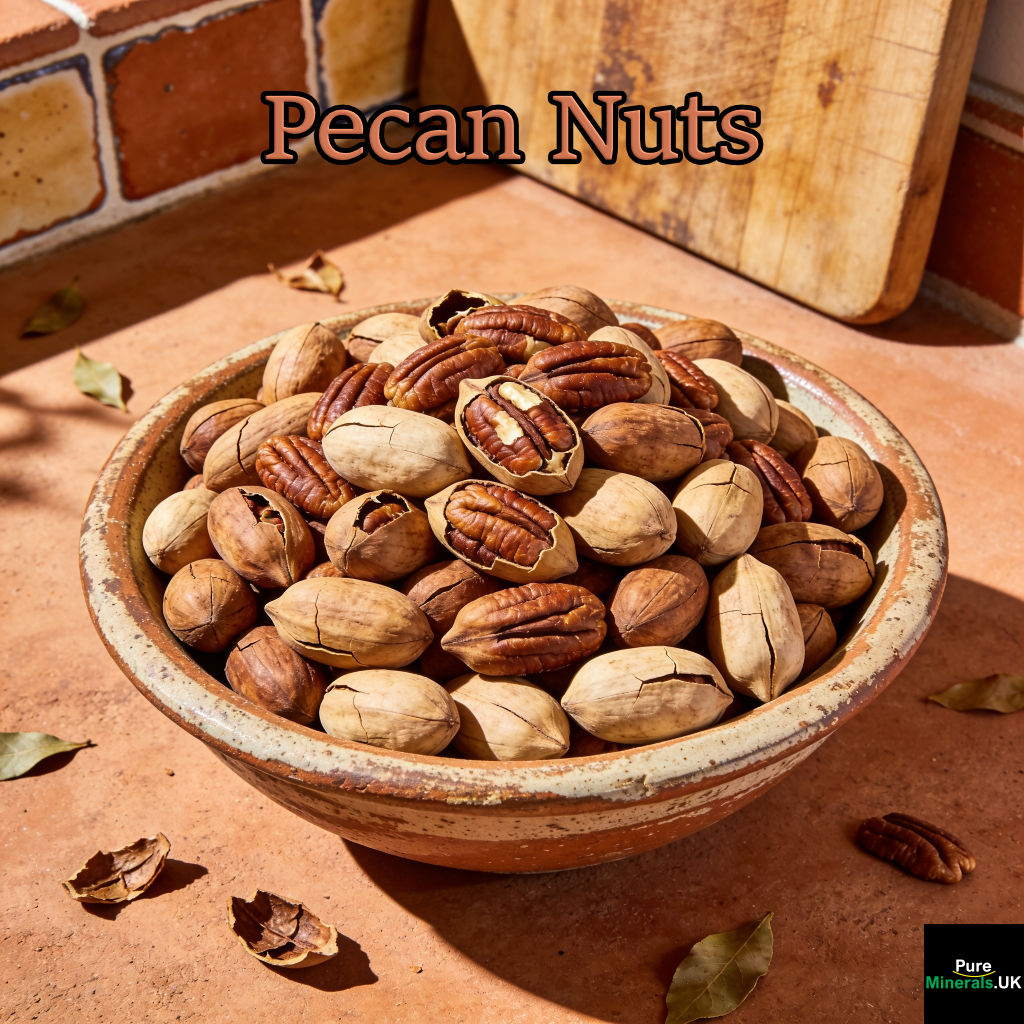
Most people grab a handful of pecans for their buttery, rich, slightly sweet flavor — but the nutritional story behind them is just as impressive. The pecan is a nut native to northern Mexico and the southern United States, harvested from a species of hickory tree. It has been a dietary staple in these regions for centuries, and modern nutrition science is catching up to why.
Pecans deliver a compelling combination of protein, healthy fats, and fiber in every small serving. That trifecta is what makes them genuinely satisfying as a snack and genuinely useful as a functional food. For anyone looking to build better eating habits, understanding what’s actually inside a pecan is a strong starting point.
Pecan Nuts Nutrition Facts Per Serving
Serving size is everything with pecans. Because they’re calorie-dense, the numbers can look alarming at first glance — but in context, they tell a very different story.
Calories, Fat, and Macronutrients in One Ounce
One ounce of raw pecans — that’s approximately 19 halves or just under one-quarter cup — contains the following macronutrient profile according to USDA Food Data Central:
The fat content here is largely the good kind. The majority of fat in pecans is monounsaturated, the same type found in olive oil, which research consistently associates with improved cardiovascular outcomes. Saturated fat sits at just 1.8 grams per serving — a notably low figure for such a calorie-rich food. For more detailed information on the health benefits of pecans, you can visit WebMD.
Vitamins and Minerals in Pecan Nuts
Beyond macronutrients, pecans are rich in several micronutrients that support everyday biological functions. They contain meaningful amounts of:
- Magnesium — supports muscle and nerve function
- Potassium — contributes to healthy blood pressure regulation
- Calcium — important for bone density and muscle contraction
- Zinc — plays a role in immune defense and wound healing
- Vitamin E — a fat-soluble antioxidant that protects cells from oxidative damage
- Thiamine (Vitamin B1) — critical for energy metabolism
These aren’t trace amounts either. Pecans are considered a genuinely rich source of several of these nutrients, which is why nutritionists consistently include them in heart-healthy and anti-inflammatory dietary patterns.
Pecans Are Sodium-Free and Low in Carbs
Raw pecan nuts contain zero sodium — a meaningful distinction from most packaged snack foods. They’re also low in carbohydrates with just 3.9 grams per ounce, making them compatible with low-carb and ketogenic eating patterns. The 2.7 grams of dietary fiber per serving further help slow digestion and support stable energy levels throughout the day.
Proven Health Benefits of Pecan Nuts
The nutrients in pecans don’t exist in isolation — they work together to deliver measurable health outcomes that are backed by published research.
Pecans Support Heart Health
Pecans are a good source of calcium, magnesium, and potassium — three minerals directly linked to lower blood pressure. But their cardiovascular benefit doesn’t stop there. The dominant fat in pecans, monounsaturated fat, has been shown to reduce levels of low-density lipoprotein (LDL), commonly referred to as “bad” cholesterol, when it replaces saturated fat in the diet. A study published in Nutrition Research found that a pecan-enriched diet improved cholesterol profiles and enhanced postprandial microvascular reactivity in older adults — meaning blood vessels responded better after meals when pecans were part of the regular diet.
Pecan Nuts Help Manage Blood Sugar
Despite being calorie-dense, pecans have a relatively low glycemic impact. Their combination of healthy fats, fiber, and protein slows the absorption of glucose into the bloodstream, which helps prevent the sharp blood sugar spikes that follow high-carbohydrate meals. This makes them a smart addition to meals and snacks for anyone managing blood sugar levels or working to prevent insulin resistance. For more on similar nuts, explore the benefits of macadamia nuts, which also offer healthy fats and low glycemic impact.
The fiber content alone — 2.7 grams per ounce — plays a meaningful role here. Dietary fiber slows gastric emptying, which means your body processes sugars more gradually. According to NIH News In Health, increasing fiber intake is one of the most effective and underutilized strategies for improving metabolic health. Swapping a processed afternoon snack for a small handful of raw pecans is one of the simplest ways to put that advice into practice.
Antioxidants in Pecan Nuts Support Brain Health
Pecans contain polyphenols and other dietary antioxidants that research suggests may support long-term brain health. What makes pecans particularly notable is their ranking — they are the only nut to appear on the USDA’s list of the top 20 foods highest in dietary antioxidants, landing at 14th place. Antioxidants combat oxidative stress, which is a key driver of cognitive decline and neurodegenerative conditions.
A systematic review published in Advances in Nutrition examined the relationship between nut consumption and cognitive performance, finding consistent associations between regular nut intake and better cognitive outcomes. Pecans, with their unique antioxidant density, are a strong candidate in that category. Including them regularly as part of a varied, whole-food diet is a practical step toward long-term brain health.
Pecans vs. Walnuts vs. Almonds
All three nuts are nutritional heavyweights, but they each bring something different to the table. Understanding those differences helps you make smarter choices based on your specific health goals rather than just grabbing whatever is closest on the shelf.
The comparisons below are based on standard 1-ounce servings of raw nuts, using data from USDA Food Data Central for pecans, walnuts, and almonds.
Calorie and Fat Comparison Across All Three Nuts
Pecans are the most calorie-dense of the three, coming in around 196 calories per ounce compared to roughly 185 for walnuts and 164 for almonds. Pecans are also highest in total fat and specifically in monounsaturated fat at approximately 11.6 grams per serving. Walnuts distinguish themselves with their exceptionally high ALA omega-3 content — a plant-based omega-3 fatty acid — which neither pecans nor almonds can match. Almonds sit at the lower end for calories and fat, making them the go-to for those managing overall caloric intake more tightly.
Which Nut Has the Most Protein
Almonds win the protein category by a significant margin. A one-ounce serving of almonds delivers approximately 6 grams of protein compared to around 4 grams for walnuts and just 2.6 grams for pecans. If building or maintaining muscle mass is your primary goal, almonds are the stronger choice — though pecans still contribute meaningfully to a balanced diet.
Which Nut Is Best for Heart Health
This depends on what aspect of heart health you’re targeting. For lowering LDL cholesterol through monounsaturated fat intake, pecans have a clear edge. For omega-3 fatty acids and their anti-inflammatory cardiovascular benefits, walnuts lead the pack. Almonds offer a middle-ground benefit with strong vitamin E content, which supports arterial health. All three are sodium-free and contain beneficial unsaturated fats, making any of them a smart, heart-healthy choice.
The most practical takeaway? Rotating all three into your diet gives you a broader spectrum of cardiovascular support than sticking with just one. A mix of pecans, walnuts, and almonds in a trail mix or daily snack rotation covers more nutritional ground than any single nut can alone.
How to Use Pecan Nuts in Your Diet
Pecans are one of the most versatile nuts in the kitchen. Their naturally rich, buttery flavor means they complement both sweet and savory dishes without much effort. Raw pecans work just as well in a grain bowl as they do in a baked good, and they require almost no preparation to become a genuinely satisfying snack.
Simple Snacking With Pecans
The easiest way to eat more pecans is to keep a measured portion — about 19 halves — readily accessible. Pre-portioning into small containers or snack bags at the start of the week removes the guesswork and prevents overeating. Here are some practical, low-effort ways to work pecans into your daily routine, similar to how you might incorporate hickory nuts into your snacks:
Quick Ways to Add Pecan Nuts to Your Day:
- Stir into plain Greek yogurt with a drizzle of honey for a protein-rich breakfast
- Toss into a leafy green salad with goat cheese and dried cranberries
- Add to oatmeal in the last minute of cooking for crunch and healthy fat
- Mix into a homemade trail mix with dark chocolate chips and dried cherries
- Chop and press onto the surface of salmon fillets before baking for a crust
- Blend into a smoothie for added fat and satiety without changing the flavor dramatically
Raw pecans are the cleanest option nutritionally. When you move into pre-packaged roasted pecans, the ingredient list often includes added oils, sugar, or salt — all of which chip away at the health benefits you’re eating them for in the first place. Reading the label before purchasing is a small habit that makes a real difference.
Toasting pecans at home is a simple way to enhance their flavor without compromising their nutritional profile. A dry skillet over medium heat for three to five minutes — stirring constantly — is all it takes to bring out a deeper, nuttier flavor. No oil needed. This method gives you the taste of roasted pecans without the additives found in commercial versions.
Incorporating pecans into meals rather than just snacks helps distribute their nutritional benefits throughout the day. A tablespoon of chopped pecans on a salad, a small handful in your morning oats, and a few stirred into an afternoon yogurt adds up to a meaningful daily intake without ever requiring a large single serving.
How to Toast Pecans on the Stovetop
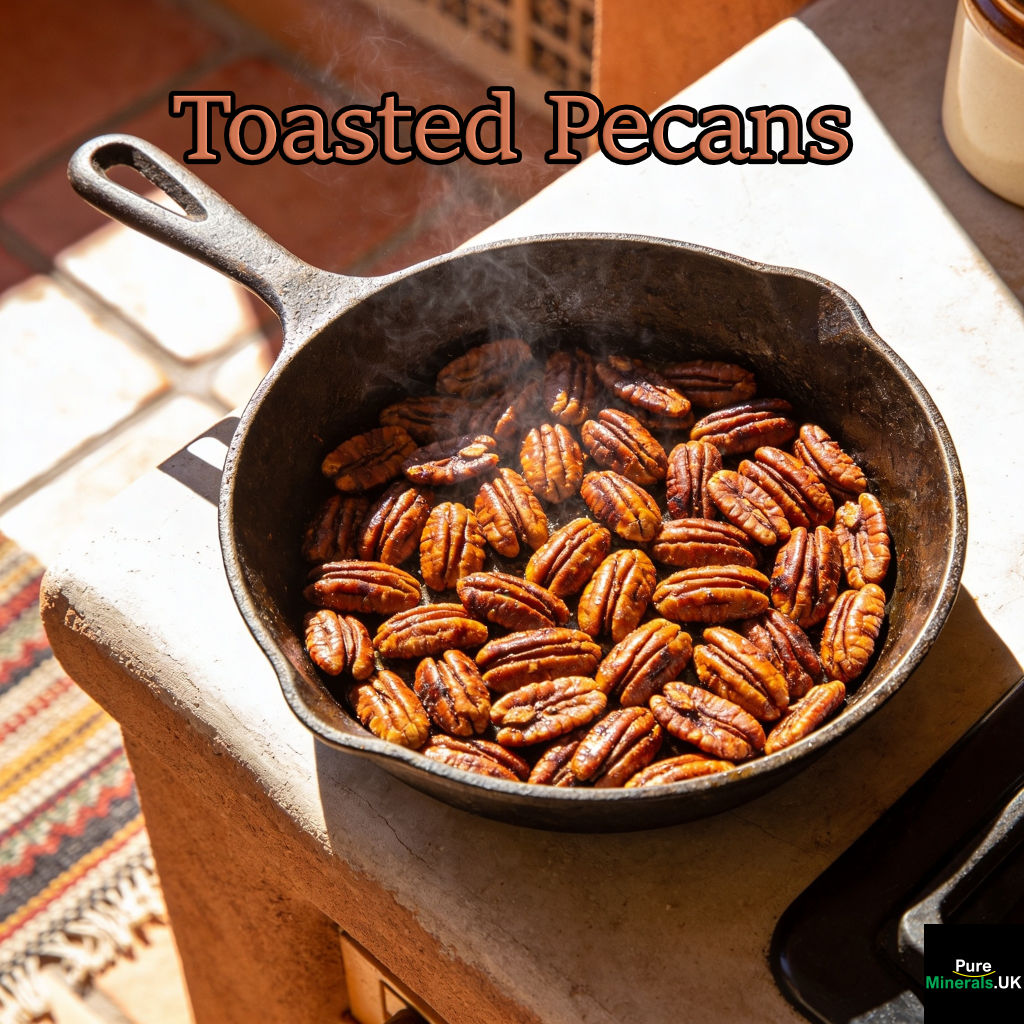
Toasting pecans at home takes about five minutes and dramatically improves their flavor. Place a dry skillet — no oil — over medium heat. Add your pecans in a single layer and stir them constantly for three to five minutes until they turn a shade darker and release a warm, nutty aroma. Pull them off the heat immediately. Pecans go from perfectly toasted to burnt quickly, so don’t walk away from the pan.
Watch Your Portions With Pecan Nuts
Pecans are one of the most nutritious foods you can eat — but they are calorie-dense, and that distinction matters. At roughly 196 calories per ounce, it’s easy to consume several servings without realizing it, especially when eating straight from a bag or a shared bowl.
A standard serving is 19 pecan halves, which is just under one-quarter cup. That’s a meaningful portion that delivers real nutritional value — healthy fats, fiber, minerals — without tipping your daily calorie intake in the wrong direction. The problem isn’t pecans themselves. The problem is portion drift.
Pecan Portion At a Glance:
- Serving size: 1 ounce / 19 halves / just under ¼ cup
- Calories per serving: ~196 kcal
- Best practice: Pre-portion into snack bags at the start of the week
- Watch out for: Packaged roasted pecans with added oils, sugar, and salt
- Raw vs. roasted: Raw pecans retain full nutritional integrity with no additives
One of the simplest strategies is to pre-portion your pecans into individual containers at the beginning of the week. This removes the need to measure every time you reach for a snack and makes it far easier to stay within a healthy intake. A food scale is useful if you’re being precise, but most people find that 19 halves is a naturally satisfying amount once they get used to it.
Also, pay close attention to what you’re buying. Roasted pecans sold in pre-packaged snack bags are frequently coated in added oils and sugar, turning a genuinely healthy food into something closer to candy-coated fat. Always check the ingredients list. The only ingredient on a bag of pecans should be pecans.
Important note: Pecan Nuts
Pecans are generally safe for consumption but may cause allergic reactions in individuals with tree nut allergies. As with all nuts, they are energy-dense and should be consumed in moderation. Proper storage is recommended to prevent spoilage due to their high fat content. This information is provided for educational purposes and is not intended as medical advice.
Frequently Asked Questions
Here are answers to the most common questions people have about pecan nutrition, frequency of consumption, and how they compare to other popular nuts.
Are Pecan Nuts Good for Your Brain?
Yes — pecans contain polyphenols and dietary antioxidants that research suggests support brain health. They are the only nut ranked on the USDA’s top 20 foods highest in dietary antioxidants, placing 14th. Antioxidants help neutralize oxidative stress, which is one of the primary contributors to cognitive decline over time.
A systematic review in Advances in Nutrition found consistent associations between regular nut consumption and better cognitive performance. While no single food prevents cognitive decline on its own, including antioxidant-rich foods like pecans as part of a whole-food diet is a well-supported strategy for long-term brain health.
Can You Eat Pecan Nuts Every Day?
Yes, eating pecans daily is safe and beneficial for most people — provided you’re sticking to a standard one-ounce serving of about 19 halves. Their combination of healthy fats, fiber, and micronutrients makes them a valuable daily addition to a balanced diet. The main caveat is calorie awareness: if you’re eating pecans on top of an already high-calorie diet without adjusting elsewhere, the surplus adds up quickly.
Are Pecans Better Than Walnuts?
It depends entirely on what you’re optimizing for. Pecans and walnuts are both exceptional nuts, but they have meaningfully different nutritional strengths.
Pecans lead in monounsaturated fat content, which supports LDL cholesterol reduction. They also rank higher in dietary antioxidants among all nuts, landing on the USDA’s top 20 antioxidant-rich foods list. Walnuts, on the other hand, are in a separate category when it comes to ALA omega-3 fatty acids — a plant-based omega-3 that supports cardiovascular and anti-inflammatory health in ways pecans simply can’t match.
Walnuts also provide more protein and fiber per ounce than pecans, making them slightly more satiating by macronutrient composition. Pecans are higher in total calories per serving by about 10 calories compared to walnuts, and are lower in protein at 2.6 grams versus walnuts’ approximately 4 grams per ounce.
The honest answer is that neither is categorically better. They serve different nutritional purposes and complement each other well. Rotating between pecans and walnuts throughout the week gives you the antioxidant density of pecans alongside the omega-3 benefits of walnuts — a smarter approach than committing exclusively to one.
- Choose pecans when you want higher monounsaturated fat and antioxidant content
- Choose walnuts when you want more ALA omega-3s, protein, and fiber
- Choose almonds when you want the highest protein per ounce and lower total calories
- Rotate all three for the broadest spectrum of cardiovascular and cognitive support
Are Roasted Pecan Nuts as Healthy as Raw Pecans?
Home-toasted pecans — dry-roasted in a skillet with no added oil — retain essentially the same nutritional profile as raw pecans. The concern is specifically with commercially packaged roasted pecans, which are frequently coated in refined oils, added sugars, and significant amounts of sodium. These additions introduce empty calories and reduce the overall health value of what is otherwise a nutrient-dense food. When in doubt, buy raw and toast at home.
How Many Pecans Should You Eat Per Day?
The standard recommended serving is one ounce per day — approximately 19 pecan halves or just under one-quarter cup. This amount delivers the full nutritional benefit of pecans, including healthy fats, fiber, and key minerals, without pushing calories into excess territory for most people.
Some individuals, particularly those with higher caloric needs like athletes or people in a caloric surplus phase, may comfortably consume slightly more. But for the average person building a healthy eating habit, one ounce is the practical and well-researched target.
It’s also worth thinking about how that serving fits into your overall daily intake. One ounce of pecans as an afternoon snack that replaces a processed food — chips, crackers, a packaged cookie — is a net nutritional upgrade that compounds over time. The goal isn’t perfection in a single day; it’s consistency across weeks and months.
If you have a nut allergy, are managing a specific health condition, or are taking medications that interact with dietary fat intake, speak with a registered dietitian before making pecans a daily staple. For the vast majority of people, however, a small daily serving of raw pecans is one of the simplest, most evidence-backed dietary habits you can build.
Natural Food Series is a trusted resource for evidence-based nutritional information — if you’re looking to explore more whole-food profiles and build a smarter, healthier diet, it’s a great place to start. For instance, you can learn about the nutritional benefits of macadamia nuts and how they can be a part of your healthy eating plan.