

Published: 5 April 2026
This article is periodically reviewed and updated to reflect current scientific understanding by Vic George.
Fact-Checked: 2 other authoritative medical/scientific references. See our Editorial Policy.
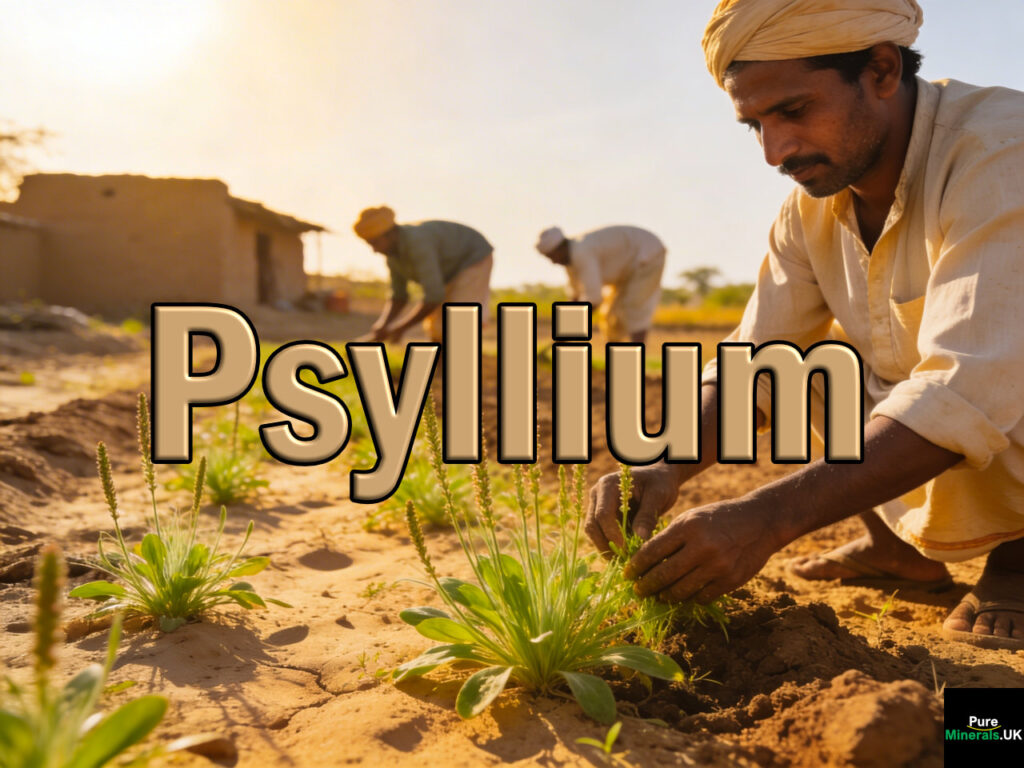
What Are Psyllium Seeds?
Psyllium seeds are small, fiber-rich seeds traditionally used for their high soluble fiber content and gel-forming properties in food and functional nutrition.
Definition
Psyllium seeds are the seeds of Plantago ovata, a plant cultivated primarily for its husk and fiber content.
Extended Definition
Psyllium seeds are derived from Plantago ovata, a herbaceous plant native to regions of South Asia and widely cultivated for its seed husks. While both the whole seeds and the outer husks are used, the husk is particularly valued due to its exceptionally high concentration of soluble fiber.
When exposed to water, psyllium forms a viscous gel through its mucilage content, which contributes to its functional properties in digestion and food formulation. This gel-forming ability makes psyllium a common ingredient in fiber supplements and gluten-free baking, where it can improve texture and moisture retention.
Nutritionally, psyllium is composed predominantly of dietary fiber, especially soluble fiber, with minimal contributions of protein, fat, or micronutrients. Its primary value lies in its functional role rather than as a source of calories or essential nutrients.
Psyllium is typically consumed as husk powder, whole seeds, or incorporated into food products such as breads, cereals, and fiber-enriched formulations.
Key Facts
- Botanical Name: Plantago ovata
- Plant Family: Plantaginaceae
- Common Forms: Whole seeds, husk, husk powder
- Typical Serving Methods: Mixed with water, added to foods, or used in baking
- Taste Profile: Neutral, slightly earthy
Nutritional Highlights:
- Extremely high in soluble dietary fiber
- Low in calories, fat, and protein
Culinary Uses:
- Fiber supplements and functional foods
- Thickening agent
- Gluten-free baking (structure and moisture retention)
Notable Compounds:
- Mucilage (gel-forming soluble fiber)
Dietary Suitability:
- Vegan, vegetarian, gluten-free diets
Key Takeaways
- Psyllium husk is a soluble, viscous fiber derived from Plantago ovata seeds — one of the most well-researched natural fibers for digestive health.
- It works through a unique gel-forming mechanism that regulates both constipation and diarrhea, making it a true two-way digestive remedy.
- Beyond digestion, psyllium supports blood sugar control, lowers LDL cholesterol, and promotes satiety — benefits backed by multiple clinical studies.
- The right dose matters: 5–10 grams, up to three times daily, is effective for most people, but starting low and increasing gradually helps prevent common side effects like bloating.
- Psyllium has surprising culinary applications — from gluten-free baking to thickening sauces — but requires careful handling to avoid texture and color issues.
Psyllium Is One of the Most Powerful Fibers You Can Add to Your Diet
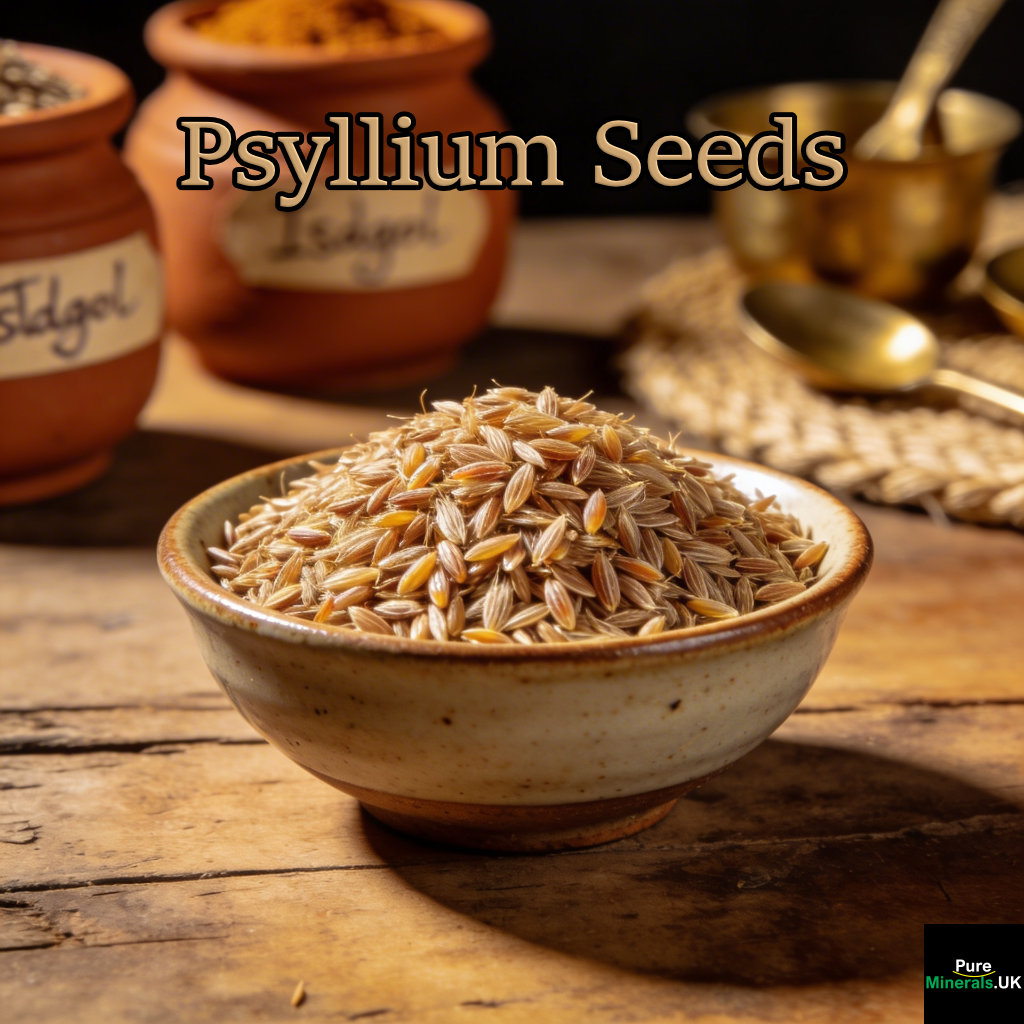
Most fiber supplements do one thing reasonably well. Psyllium does several things exceptionally well — and the science backs it up at every step.
Whether you’re dealing with sluggish digestion, unpredictable bowel habits, blood sugar spikes after meals, or simply not hitting your daily fiber targets, psyllium husk is one of the most versatile and evidence-backed tools available. It’s not a trend supplement. It’s been used medicinally for centuries and has accumulated an impressive body of modern clinical research supporting its role in digestive and metabolic health.
For those looking to take a more natural, food-first approach to gut health, understanding how psyllium works — and how to use it correctly — can make a meaningful difference.
What Is Psyllium and Where Does It Come From?
Psyllium is a soluble dietary fiber sourced from the outer husk of seeds from the Plantago ovata plant. It is one of the most concentrated natural sources of viscous, gel-forming fiber available, and it has earned a permanent place in both clinical nutrition and everyday supplement aisles worldwide.
Plantago Ovata: The Plant Behind the Husk
Plantago ovata is a small, annual, herbaceous plant native to South Asia and the Mediterranean region, though it is now cultivated extensively in India, which accounts for the vast majority of global psyllium production. The plant produces small seeds encased in a fibrous husk. That husk, once milled, becomes what we know as psyllium husk or psyllium husk powder. The seeds themselves are sometimes used whole, but the concentrated fiber benefits come primarily from the outer shell.
The husk is notable for its extraordinarily high fiber content and its unique polysaccharide composition, which gives it properties not found in most other plant fibers. Its capacity to absorb water many times its own weight is what sets it apart from standard fiber sources like oats or wheat bran.
How Psyllium Husk Differs From Other Fiber Sources
Unlike wheat bran (which is primarily insoluble) or oat beta-glucan (which is soluble but less viscous), psyllium husk forms an exceptionally thick, stable gel when it contacts water. This gel is resistant to rapid fermentation in the gut, which is actually a key reason it’s so well tolerated — even by people with sensitive digestive systems. Most highly fermentable fibers, like inulin or fructooligosaccharides (FOS), cause significant gas and bloating. Psyllium, by contrast, ferments slowly and partially, producing a much gentler effect on the gut while still delivering prebiotic benefits over time.
Soluble vs. Insoluble Fiber: Where Psyllium Fits
Psyllium is classified as a soluble fiber, meaning it dissolves in water. But it’s more accurate to describe it as a highly viscous, partially fermentable soluble fiber — a distinction that matters clinically. Its solubility is what allows it to form that characteristic gel in the intestines. This gel slows digestion, traps cholesterol-containing bile acids, buffers glucose absorption, and adds bulk to stool simultaneously. Very few single-ingredient fibers accomplish all of this at once.
How Psyllium Works in the Digestive System
When psyllium husk reaches your digestive tract, it absorbs water and swells into a dense, mucilaginous gel. This physical transformation is the core of how it works — it’s not a chemical process triggered by enzymes or gut bacteria. It’s purely mechanical and hydraulic, making it both predictable and reliable across different individuals.
How Psyllium Behaves at Each Stage of Digestion:
Location
What Psyllium Does
Result
Stomach
Absorbs water, begins gel formation
Increases satiety, slows gastric emptying
Small Intestine
Traps bile acids and buffers glucose
Lowers cholesterol absorption, blunts blood sugar spikes
Large Intestine
Adds stool bulk, retains moisture
Eases constipation, firms loose stools
Colon (Microbiome)
Partially fermented by gut bacteria
Mild prebiotic activity, supports microbial diversity
This multi-stage activity is what makes psyllium genuinely unique. It doesn’t just rush through your gut, stimulating a bowel movement — it interacts at every major stop along the digestive highway, delivering benefits that compound over consistent use.
The Gel-Forming Mechanism That Makes Psyllium Unique
The gel psyllium form is created by its arabinoxylan polysaccharides — long-chain carbohydrates with an exceptional capacity to bind water molecules. When just one tablespoon of psyllium powder meets liquid, it can absorb up to ten times its weight in water. The resulting gel physically slows the movement of intestinal contents, giving the body more time to absorb nutrients while simultaneously preventing stool from becoming too hard or too loose. This is why psyllium is described as bidirectional — it relieves both constipation and diarrhea through the same physical mechanism.
How It Feeds Beneficial Gut Bacteria as a Prebiotic
While psyllium is not as aggressively fermented as fibers like inulin, research published in sources reviewed by the National Institutes of Health confirms that it does undergo partial fermentation in the colon. This slow, controlled fermentation feeds beneficial bacterial strains without the rapid gas production that more fermentable fibers trigger. Over time, consistent psyllium intake supports microbial diversity — a cornerstone of long-term gut health. For individuals with sensitive guts who can’t tolerate high-FODMAP prebiotic fibers, psyllium offers a gentler on-ramp to improving the microbiome environment.
Psyllium for Constipation and Diarrhea Relief
This is where psyllium has built its strongest clinical reputation. As a bulk-forming laxative, it’s the active ingredient in well-known OTC products like Metamucil and Konsyl, and it’s recommended by gastroenterologists as a first-line dietary intervention for irregular bowel habits.
What’s particularly impressive is that psyllium doesn’t just work for one type of bowel problem. Its gel-forming properties make it effective whether your gut is moving too slowly or too fast — a flexibility that few other interventions can match.
Why Psyllium Works as a Bulk-Forming Laxative
Constipation is often the result of stool that’s too dry, too small, or moving too slowly through the colon. Psyllium addresses all three issues simultaneously. The water-retaining gel it forms softens stool, increases its volume (giving the colon more mass to push against), and lubricates the intestinal lining for easier passage. Unlike stimulant laxatives such as senna, psyllium doesn’t force the colon to contract unnaturally — it works with the body’s own motility, making it safe for long-term, daily use.
How Psyllium Firms Loose Stools in Diarrhea
In cases of loose or watery stool, psyllium’s water-absorbing capacity works in reverse — it soaks up excess liquid in the bowel, firming the stool and reducing urgency. Research cited by WebMD indicates that psyllium husk can outperform some over-the-counter diarrhea medications in reducing stool frequency, without the side effects associated with anti-motility drugs like loperamide when used long-term.
Evidence for Use in IBS Symptom Management
Irritable bowel syndrome (IBS) is one of the most challenging digestive conditions to manage because its symptoms — bloating, cramping, alternating constipation and diarrhea — can be triggered by the very supplements meant to help. Psyllium is a notable exception. Research reviewed by the National Institutes of Health confirms that psyllium is well tolerated by people with IBS, with studies from Alhasani et al. (2023) and Gunn et al. supporting its use as part of a symptom management protocol. Its slow fermentation rate means it’s far less likely to trigger the gas and bloating that other fibers cause in IBS patients.
Prevention of Hemorrhoids and Anal Fissures
Straining during bowel movements is the primary mechanical cause of hemorrhoids and anal fissures — two painful and common anorectal conditions. By softening stool and increasing its bulk, psyllium dramatically reduces the need to strain. The result is less pressure on the rectal veins and less tearing of delicate anal tissue during defecation.
For people who already have hemorrhoids or fissures, psyllium is often recommended by colorectal specialists as part of conservative management. The softer, more regular stools it produces allow existing tissue damage to heal without repeated trauma. Consistent daily use creates a protective routine that addresses the root mechanical cause rather than just masking the pain.
Psyllium and Blood Sugar Control
Fiber’s role in blood sugar management is well established, but not all fibers are created equal when it comes to glycemic control. Psyllium’s exceptionally high viscosity gives it a distinct edge over standard dietary fibers in this area. The thick gel it forms in the small intestine physically slows the digestion and absorption of carbohydrates, which translates directly into a blunted rise in blood glucose after meals.
This effect is particularly meaningful for people managing type 2 diabetes or insulin resistance, but it’s also relevant for anyone trying to reduce energy crashes and cravings that follow high-glycemic meals. The mechanism doesn’t require the body to produce more insulin — it simply slows down the delivery of glucose into the bloodstream, giving the body more time to respond efficiently.
How Soluble Fiber Slows Glucose Absorption
When psyllium gel forms in the small intestine, it creates a physical barrier between digestive enzymes and the carbohydrates being broken down. This slows the rate at which sugars are cleaved from starch and absorbed through the intestinal wall. The effect is a slower, more gradual rise in blood glucose — often described as “flattening the glucose curve” after a carbohydrate-containing meal.
Several layers to this mechanism make psyllium particularly effective:
- Slowed gastric emptying: Food leaves the stomach more slowly, spacing out the delivery of carbohydrates to the small intestine.
- Enzyme restriction: The gel matrix limits contact between carbohydrate-digesting enzymes (like amylase) and starch molecules.
- Reduced absorption surface: The gel coats intestinal villi, reducing the rate of glucose uptake at the mucosal surface.
- Improved insulin sensitivity over time: Regular psyllium use has been associated with improvements in overall insulin sensitivity through sustained glycemic buffering.
These effects are dose-dependent, meaning that taking psyllium consistently with meals — rather than sporadically — produces the most measurable glycemic benefits. For a similar effect, you might consider incorporating chickpeas into your diet.
What the Research Shows on Postprandial Glucose Response
Research on psyllium’s effect on postprandial (after-meal) blood glucose consistently shows meaningful reductions in glucose spikes when psyllium is taken with or before carbohydrate-containing meals. Its high viscosity is identified as the key driver of this effect, with studies noting that less viscous soluble fibers produce comparatively smaller glycemic benefits. For people with type 2 diabetes, psyllium used as an adjunct to dietary management has been shown to support better overall glycemic control without the side effects associated with pharmaceutical interventions.
Psyllium for Heart Health and Cholesterol
The connection between psyllium and cardiovascular health is strong enough that the U.S. Food and Drug Administration (FDA) has approved a qualified health claim stating that diets including psyllium husk may reduce the risk of heart disease by lowering cholesterol levels. That’s a significant regulatory endorsement for a dietary fiber supplement.
The mechanism centers on psyllium’s ability to bind bile acids in the small intestine. Bile acids are produced by the liver from cholesterol and released into the gut to help digest fats. Normally, the majority of bile acids are reabsorbed and recycled back to the liver. Psyllium’s gel traps bile acids and carries them out of the body through the stool. To compensate, the liver must pull more cholesterol from the bloodstream to produce new bile acids — effectively lowering circulating LDL cholesterol levels.
- LDL cholesterol (the primary target): Reduced through increased bile acid excretion.
- Non-HDL cholesterol: Lowered as a downstream effect of reduced LDL.
- Apolipoprotein B (ApoB): Reduced, reflecting fewer LDL particles in circulation.
- HDL cholesterol: Generally unaffected or mildly improved.
- Triglycerides: Modest reductions observed in some studies, particularly in people with elevated baseline levels.
These cardiovascular benefits compound over time with consistent use, making psyllium a practical daily habit rather than a short-term fix.
How Psyllium Reduces LDL Cholesterol Levels
The bile acid binding mechanism is the primary driver of LDL reduction, but the viscosity of psyllium’s gel is what makes it more effective than less viscous soluble fibers at this task. The thicker the gel, the more effectively it traps bile acids before they can be reabsorbed. Studies have demonstrated clinically meaningful reductions in LDL cholesterol with regular psyllium supplementation, particularly when paired with a heart-healthy diet that is already moderately low in saturated fat.
Impact on Non-HDL Cholesterol and Apolipoprotein B
Non-HDL cholesterol — which includes LDL, VLDL, and IDL particles — is increasingly recognized as a more comprehensive cardiovascular risk marker than LDL alone. Psyllium’s impact extends beyond LDL to reduce overall non-HDL cholesterol, offering broader cardiovascular protection than simply targeting one lipoprotein fraction.
Apolipoprotein B (ApoB) is the protein that coats every atherogenic (artery-clogging) lipoprotein particle. Lower ApoB means fewer dangerous particles circulating in the bloodstream, regardless of their cholesterol content. Reductions in ApoB associated with psyllium use suggest that the supplement doesn’t just shift cholesterol numbers cosmetically — it actually reduces the number of harmful particles in circulation, which is the most mechanistically meaningful cardiovascular outcome.
Psyllium for Weight Management and Satiety
Appetite control is one of the more underappreciated benefits of psyllium. When taken before or with meals, the gel it forms in the stomach physically increases the sense of fullness, slows gastric emptying, and delays the return of hunger signals. This isn’t a stimulant effect or appetite suppression through neurochemistry — it’s simple, mechanical satiety from volume and viscosity. For those exploring other natural options, hemp seeds are also known for their nutritional benefits and can be a great addition to a balanced diet.
Studies examining psyllium’s effect on appetite consistently show that people who take it before meals consume fewer calories at that meal and report lower hunger levels for several hours afterward. Over time, this reduction in meal-to-meal caloric intake can contribute meaningfully to weight management — particularly when combined with a whole-food diet already rich in vegetables, proteins, and healthy fats.
It’s worth being realistic: psyllium is not a weight loss supplement in the dramatic sense. It won’t override a poor diet or create a significant caloric deficit on its own. But as a tool for reducing overeating, managing between-meal cravings, and supporting consistent dietary habits, it has a practical and evidence-backed role to play.
Psyllium for Satiety: Practical Comparison
Strategy
Mechanism
Psyllium Advantage
Taking psyllium 30 min before meals
Gel pre-fills stomach, signals satiety early
Reduces meal portion size naturally
Taking psyllium with breakfast
Slows gastric emptying post-meal
Delays mid-morning hunger return
Taking psyllium between meals
Maintains gut fullness during fasting windows
Reduces snacking and caloric drift
Pairing psyllium with high-protein meals
Compounds satiety signals from fiber and protein
Strongest appetite suppression effect
Timing matters significantly with psyllium for weight management. Taking it 20–30 minutes before a meal — mixed in a full glass of water — produces the most pronounced satiety effect going into a meal, which is when appetite control has the highest practical impact.
Culinary Uses of Psyllium Husk
Beyond its role as a supplement, psyllium husk has earned a genuine place in functional food preparation. Its unique physical properties — water absorption, gel formation, and binding capacity — make it a highly versatile ingredient in both home cooking and commercial food production. It behaves more like a food engineering tool than a typical add-in, and understanding its properties opens up a wide range of culinary applications.
How Psyllium Acts as a Gluten Replacement in Baking
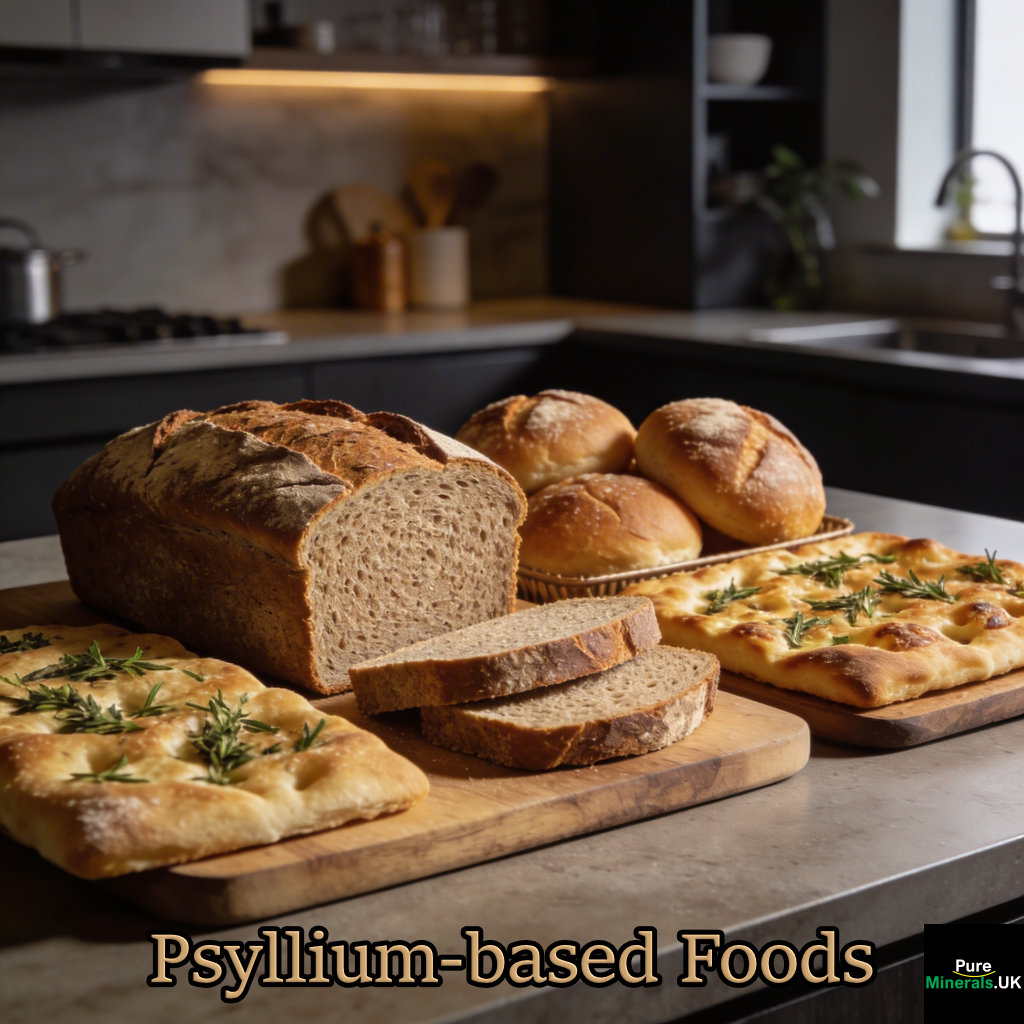
Gluten’s primary role in baking is to create a stretchy, elastic network that traps gas bubbles produced by yeast or baking powder, giving bread its characteristic rise and chewy texture. When you remove gluten — as required in gluten-free baking — that structural network collapses, resulting in crumbly, dense, or gummy baked goods. Psyllium husk replicates this network through its gel-forming capacity.
When hydrated, it creates a sticky, cohesive matrix that binds gluten-free flours (like rice flour, tapioca, or almond flour), traps gas during baking, and produces a final product with a texture and crumb structure far closer to conventional wheat-based bread. Typically, 1–2 teaspoons of psyllium husk powder per cup of gluten-free flour is the working ratio used in most recipes.
Other Ways of Using Psyllium
- Flatbreads & Tortillas: Coconut flatbread and soft flour tortillas are common, utilizing psyllium to create a pliable texture.
- Pizza Crusts: Low-carb pizza dough that can be rolled out.
- Bagels: Fiber-packed bagels (like “Everything” bagels) often use a mix of flaxseed and psyllium.
- Crackers & Breadsticks: Crunchy snacks made with seeds and psyllium.
- Vegetable Balls/Fritters: Zucchini balls, broccoli fritters, and spinach balls frequently use psyllium as a binder to keep them together without breadcrumbs.
- Meat Alternatives/Patties: Veggie burgers and meat alternatives use psyllium to bind ingredients.
- Puddings: Psyllium husk pudding, typically combined with almond milk, fruit, and sweeteners.
- Muffins & Cakes: Fiber banana muffins and keto blueberry cobblers.
- Waffles & Pancakes: Keto-friendly breakfast options that use psyllium for texture.
- Smoothie Bowls: Psyllium husk added to overnight oats or smoothies for increased fiber.
Using Psyllium as a Thickener and Emulsion Stabilizer
In liquid-based applications, psyllium functions as a powerful natural thickener. A small amount added to soups, sauces, smoothies, or gravies creates a viscous, stable consistency without altering flavor. Unlike arrowroot or cornstarch, psyllium doesn’t require heat to activate — it thickens at room temperature simply by absorbing water.
Psyllium as a Culinary Ingredient: Common Applications
Application
Function
Typical Amount Used
Gluten-free bread
Replaces gluten structure, improves rise
1–2 tsp per cup of flour
Smoothies
Thickens texture, boosts fiber content
1 tsp per serving
Soups and gravies
Natural thickener without heat activation
½–1 tsp per cup of liquid
Egg replacement (vegan baking)
Binds ingredients, adds moisture retention
1 tsp + 3 tbsp water = 1 egg
Low-carb pasta dough
Improves elasticity and workability
1 tsp per serving of dough
Psyllium also acts as an emulsion stabilizer in dressings and sauces, helping oil and water-based components stay blended longer than they would naturally. This makes it particularly useful in dairy-free or egg-free recipes where lecithin-containing ingredients like hemp seeds aren’t available to do the job.
In commercial food production, psyllium is used as a fat replacer in reduced-calorie products, a moisture retention agent in baked goods with extended shelf life, and a texture modifier in high-fiber functional foods. Its neutrality in flavor means it doesn’t compete with the taste profile of the finished product.
For home cooks, the most practical entry point is adding psyllium to smoothies and gluten-free baking projects. The fiber boost is substantial — just one teaspoon of psyllium husk powder delivers approximately 5 grams of fiber, making it one of the most efficient ways to increase dietary fiber intake without dramatically changing what you eat. Additionally, incorporating other high-fiber foods like chickpeas can further enhance the nutritional value of your meals.
Common Challenges When Cooking With Psyllium
Psyllium is a rewarding ingredient, but it has a steep learning curve. Its behavior in recipes is sensitive to the amount used, the hydration level of the recipe, and the other ingredients present. Getting any of these variables wrong produces results that range from slightly off to completely inedible. Understanding the three most common challenges upfront saves significant trial and error, especially when experimenting with other grains like emmer wheat.
1. Adjusting Hydration Levels Correctly
Psyllium is extraordinarily thirsty. It will aggressively absorb available water in a recipe, which means recipes developed without psyllium need to be adjusted — often significantly — when psyllium is added. Under-hydration results in a dough or batter that is stiff, crumbly, and difficult to work with. The baked product will be dry and dense, often cracking on the surface before it even reaches the oven.
The general rule of thumb is to increase liquid content by approximately 10–15% for every teaspoon of psyllium husk powder added to a recipe. It also helps to let the dough or batter rest for 3–5 minutes after mixing, allowing the psyllium to fully hydrate before you assess the consistency. Many first-time psyllium bakers add more flour at this stage — incorrectly diagnosing a wet dough — when in reality the mixture simply needs a few minutes to stabilize as the gel fully forms.
2. Managing Gumminess in Recipes
Too much psyllium produces a gummy, almost rubbery texture — particularly in bread and muffins. This happens because an excess of gel forms a continuous, overly elastic matrix that doesn’t break down properly during baking. The result is a loaf that appears baked on the outside but has an unpleasantly sticky, dense interior that seems undercooked even when it isn’t. The fix is precision: most gluten-free bread recipes require no more than 1 to 2 teaspoons of psyllium husk powder per cup of flour. Exceeding this ratio is the most common cause of gummy texture, and reducing the amount by even half a teaspoon can dramatically improve the final crumb structure.
3. Preventing Unwanted Color Changes
Psyllium husk can cause baked goods to take on a slightly purple or gray hue, particularly when using whole psyllium husk rather than the finely milled powder form. This color shift is caused by natural pigments in the husk that become more visible when hydrated and heated. It doesn’t affect flavor or safety, but it can make gluten-free bread look unappetizing. Switching to psyllium husk powder — which is more finely processed — significantly reduces this effect. Adding a small amount of apple cider vinegar to the recipe (about 1 teaspoon per loaf) can also help neutralize the discoloration by altering the pH environment in which those pigments develop.
How to Take Psyllium: Dosage and Practical Tips
Getting the dose right is the difference between psyllium working well and causing unnecessary discomfort. The standard clinically effective range is 5 to 10 grams of psyllium husk, taken up to three times per day. For most people, one serving of 5 grams (roughly one teaspoon of psyllium husk powder or one tablespoon of whole husk) taken once daily is a practical and effective starting point. From there, increasing gradually over two to three weeks gives the digestive system time to adapt without triggering bloating, cramping, or excessive gas.
Timing matters depending on your goal. For constipation relief, taking psyllium with your evening meal or before bed works well for many people. For blood sugar management, taking it 15–30 minutes before your largest carbohydrate-containing meal produces the most measurable glycemic benefit. For appetite control and weight management, taking it before meals — particularly breakfast and lunch — helps reduce overall caloric intake throughout the day.
Supplement Forms Available: Powder, Capsule, and Husk
Psyllium is available in several forms, each with practical trade-offs:
- Psyllium husk powder: The most versatile form. Mixes into water, smoothies, or food. Faster gel formation and higher surface area mean quicker action. Best for cooking and baking applications.
- Whole psyllium husk: Slightly coarser texture, slower to dissolve, but works well in cereals, yogurt, or mixed into oatmeal. More likely to cause the purple discoloration in baked goods.
- Capsules and tablets: Convenient for travel or those who dislike the texture of dissolved psyllium. Require more water per dose and are slower to act since the capsule must dissolve first. Less practical for high-dose therapeutic use since achieving 5–10g requires swallowing multiple capsules.
- Liquid concentrate: Less commonly available, but used in some clinical settings for patients with swallowing difficulties.
For most people, psyllium husk powder offers the best combination of efficacy, flexibility, and value per gram of fiber delivered.
How Much Water to Drink When Taking Psyllium
This is non-negotiable: psyllium must be taken with adequate water. The standard recommendation is at least 8 ounces (240ml) of water per serving — and more is better. Without sufficient liquid, psyllium can swell in the esophagus or intestines before it reaches its intended destination, creating a physical blockage. This is a real risk that is entirely preventable with proper hydration. Beyond the immediate serving, increasing overall daily water intake to at least 6–8 glasses per day while using psyllium regularly ensures the fiber can do its job effectively throughout the entire digestive tract.
Potential Side Effects and Who Should Avoid Psyllium
For most people, psyllium is extremely well tolerated — especially when introduced gradually and taken with adequate water. The most common side effects are bloating, gas, and mild cramping, which typically occur when the dose is increased too quickly or when water intake is insufficient. These symptoms almost always resolve within a few days as the gut adapts. More serious reactions are rare but include allergic responses (particularly in people with known allergies to Plantago species or dust from psyllium processing environments), and esophageal obstruction if psyllium is swallowed without enough liquid.
People with narrowing of the esophagus or intestines, difficulty swallowing, or phenylketonuria (PKU) should avoid psyllium or consult a physician before use. Those taking medications — particularly diabetes drugs, cholesterol medications, or anticoagulants — should space psyllium intake at least two hours away from their medication, as the gel can reduce absorption of certain drugs if taken simultaneously.
Psyllium Is a Simple, Evidence-Backed Addition to a Healthier Gut
Few single-ingredient supplements can genuinely claim to support digestion, cardiovascular health, blood sugar regulation, and appetite control simultaneously — psyllium is one of them. The research is consistent, the mechanism is well understood, and the practical barrier to entry is low: a teaspoon of powder in a glass of water, once a day, is all it takes to start experiencing the benefits. Start low, stay hydrated, and give it two to three weeks of consistent use before evaluating the results.
Important note: Psyllium
Psyllium must be consumed with adequate fluid, as its strong water-absorbing properties can cause choking or intestinal blockage if taken dry or without sufficient hydration. Excessive intake may lead to digestive discomfort such as bloating or gas. Individuals with gastrointestinal conditions, swallowing difficulties, or those taking medications should consult a qualified nutrition professional before regular use.
Frequently Asked Questions
Here are answers to the most common questions people have before adding psyllium to their daily routine.
Can I Take Psyllium Every Day?
Yes. Psyllium is safe for daily, long-term use and is specifically recommended as a daily dietary fiber supplement rather than an occasional intervention. Unlike stimulant laxatives, it does not cause dependency or reduce the colon’s natural motility over time. In fact, consistent daily use produces compounding benefits — for cholesterol, blood sugar, and gut microbiome health — that sporadic use does not achieve.
The only caveat is adequate hydration. If your daily water intake is consistently low, taking psyllium every day without addressing that deficit can lead to uncomfortable digestive symptoms. Treat increased water intake as a non-negotiable companion habit to daily psyllium use.
How Long Does Psyllium Take to Work for Constipation?
For most people, psyllium produces a noticeable improvement in bowel regularity within 12 to 72 hours of the first dose. The variation depends on how dehydrated or slow-moving the colon already is, the dose taken, and individual gut transit time. Unlike stimulant laxatives, which can produce results in as little as 6 hours, psyllium works more gradually — which is actually preferable for long-term gut health since it doesn’t trigger urgency or cramping.
For people with chronic constipation, the full benefit of psyllium typically becomes apparent after one to two weeks of consistent daily use, once the gut has adapted and the stool-softening effect has become part of the normal digestive rhythm. Patience in the first week is key — rushing the dose to speed up results is the most common mistake and the primary cause of early side effects.
Is Psyllium Safe for People With IBS?
Psyllium is one of the few fiber supplements specifically supported by research for use in IBS patients. Its slow fermentation rate makes it far less likely to trigger the gas, bloating, and cramping that highly fermentable fibers like inulin or FOS commonly cause in IBS sufferers. Research reviewed by the National Institutes of Health, including findings from Alhasani et al. (2023) and Gunn et al., confirms that psyllium is well tolerated in IBS and can help manage both constipation-predominant and diarrhea-predominant subtypes of the condition. As with anyone new to psyllium, starting at a low dose and increasing gradually is the recommended approach.
Can Psyllium Help With Weight Loss?
Psyllium supports weight management primarily through its effect on satiety and appetite regulation. By forming a thick gel in the stomach that slows gastric emptying, it extends the feeling of fullness after meals and reduces the frequency and intensity of hunger signals between meals. Studies consistently show that people who take psyllium before meals consume fewer calories at those meals and experience lower hunger levels for several hours afterward.
That said, psyllium is not a standalone weight loss solution. Its contribution is meaningful as part of a broader dietary strategy — particularly one that already emphasizes whole foods, adequate protein, and reduced processed carbohydrate intake. Think of it as a reliable tool for reducing caloric drift and overeating, rather than a supplement that creates weight loss independently. For example, incorporating high-protein foods like chickpeas can complement the benefits of psyllium in a balanced diet.
What Is the Difference Between Psyllium Husk and Psyllium Seed?
The psyllium seed is the complete seed of the Plantago ovata plant. The psyllium husk is only the outer shell — the seed coat — that surrounds the seed. While both contain fiber, the concentration of the beneficial arabinoxylan polysaccharides responsible for psyllium’s gel-forming, cholesterol-lowering, and digestive benefits is dramatically higher in the husk than in the whole seed.
When manufacturers process psyllium for supplements and food applications, they mill away the inner seed to isolate the husk, which is where the functional fiber content is concentrated. Whole psyllium seed does contain fiber, but using it as a substitute for psyllium husk in recipes or supplements would require significantly larger quantities to achieve the same physiological effect — making husk the practical and preferred form for both supplementation and cooking.
Psyllium husk powder takes this one step further by grinding the already-isolated husk into a finer particle size. This increases the surface area available for water absorption, resulting in faster gel formation and slightly better mixing properties compared to coarser whole husk. For therapeutic use and culinary applications alike, psyllium husk powder is the most efficient and consistent form to work with.