

Published: 25 November 2025
Last Updated: 18 April 2026
This article is periodically reviewed and updated to reflect current scientific understanding by Vic George.

What Is Nickel and Why Is This Trace Mineral Involved in Enzyme Activation, Hormone Balance, and Overall Metabolic Function?
Nickel is a trace mineral present in small amounts in plant foods, where it contributes to enzyme activation, hormone metabolism, and overall metabolic balance. Although required only in minute quantities, nickel influences iron absorption, glucose control, and certain enzymatic reactions. Plant-derived ionic nickel is safely and naturally integrated into normal physiological processes.
Definition:
Nickel is a nutritionally relevant trace element found in nuts, legumes, grains, and some fruits and vegetables. It participates in biochemical pathways related to enzyme function, hormonal activity, and nutrient utilisation. In foods, nickel appears primarily as Ni²⁺ ions in organic complexes, which the body regulates tightly.
Nickel supports several metabolic functions by acting as a cofactor or modulator for enzymes involved in carbohydrate utilisation, lipid metabolism, and the breakdown of certain amino acids. It also influences iron absorption and may support overall endocrine balance. Dietary nickel is absorbed in very small amounts, and the body prevents excess accumulation through regulated excretion. While industrial exposure to nickel can be harmful, naturally occurring nickel in plant foods is present in trace, safe, and nutritionally appropriate quantities.
Key Facts:
- Chemical symbol: Ni
- Mineral class: Trace mineral
- Typical ionic form in food: Ni²⁺
- Key physiological roles: Enzyme activation, iron metabolism, hormone regulation
- Systems supported: Endocrine, metabolic, enzymatic pathways
- Preferred sources: Nuts, legumes, whole grains, cocoa, some fruits and vegetables
- Deficiency considerations: Not well defined; may affect enzyme efficiency or nutrient utilisation
- Interactions: Linked with iron, vitamin B6, and certain amino acids in metabolic processes
Key Takeaways
- Nickel plays a crucial role in enzymatic processes, particularly in stabilizing DNA and RNA structures, though it’s required in very small amounts (25-100 μg/day).
- Plant-based foods like legumes, nuts, and dark chocolate are much richer sources of nickel than animal products.
- While not officially designated as essential, nickel deficiency in experimental animals shows impacts on growth, reproduction, and metabolic processes.
- The tolerable daily intake for nickel is below 100 μg/day, with most people easily reaching this through typical diets containing 70-400 μg/day.
- Those with nickel allergies need to be mindful of their dietary choices, as high nickel foods can trigger reactions in sensitive individuals.
The fascinating world of trace minerals often overlooks nickel, yet this micronutrient serves several important enzymatic functions in the human body. While not as widely studied as iron or zinc, nickel’s biochemical significance is becoming increasingly clear to nutrition scientists.
Your body contains only about 10 mg of nickel, primarily concentrated in the ribs, spine, and sacrum. Despite this tiny amount, research suggests nickel is involved in multiple physiological processes that support overall health. Our nutrition experts at Nutrition Sciences Institute have been studying trace mineral impacts on enzymatic function, revealing how even these minute quantities can significantly affect your wellbeing.
Let’s explore how this trace element functions within your body, where to find it in your diet, and what happens when you get too little—or too much—of this often overlooked nutrient.
Nickel’s Essential Role in Human Enzymatic Functions
While nickel’s exact role in human nutrition remains somewhat elusive compared to other minerals, research has identified several key enzymatic functions where this trace element appears to be involved. The biological activity of nickel primarily revolves around its interaction with proteins and its ability to influence various metabolic pathways.
How Nickel Stabilizes DNA and RNA Structure
One of nickel’s most significant contributions to human biochemistry is its role in nucleic acid metabolism. Nickel ions help stabilize the three-dimensional structure of DNA and RNA molecules, which is crucial for proper genetic function. This stabilization occurs through nickel’s interaction with the phosphate backbone of these nucleic acids, helping maintain their integrity during replication and transcription processes. For more insights into essential trace metals, you can explore manganese nutrition and its role in human health.
The metal demonstrates a particular affinity for guanine-rich regions in DNA, potentially influencing gene expression in ways that remain under investigation. Some research suggests that adequate nickel levels help prevent abnormal DNA conformations that could lead to transcription errors or genomic instability. While these mechanisms aren’t fully understood, they highlight nickel’s potentially important role in maintaining genetic integrity.
Nickel’s Involvement in Metabolic Processes
Beyond nucleic acid stabilization, nickel participates in several metabolic pathways that regulate energy production and utilization. The most well-documented nickel-containing enzyme in biological systems is urease, which catalyzes the hydrolysis of urea into ammonia and carbon dioxide. Though urease is more prominently found in plants and microorganisms, similar nickel-dependent enzymatic activities may exist in human metabolism.
Nickel also appears to influence glucose metabolism through its effects on insulin sensitivity and signaling pathways. Animal studies suggest it may help regulate blood glucose levels, potentially offering benefits for metabolic health. Additionally, nickel has been shown to interact with calcium signaling mechanisms, which play critical roles in numerous cellular processes, including muscle contraction, hormone secretion, and neurotransmission.
- Participates in hydrogenase activity in certain microorganisms in the gut microbiome
- Potentially influences iron absorption and metabolism
- May play a role in vitamin B12 synthesis and utilization
- Could support immune function through effects on enzyme systems
- Has been implicated in lipid metabolism regulation
Research indicates that nickel might serve as a cofactor for several metalloenzymes, enhancing their catalytic activity. These enzymes are involved in processes ranging from antioxidant defense to energy production, suggesting that adequate nickel status may support overall metabolic efficiency. Experimental evidence shows that animals deprived of dietary nickel often exhibit impaired growth and altered hormone function, further supporting its metabolic importance.
Plant vs. Animal Sources of Dietary Nickel
The distribution of nickel in our food supply follows a distinct pattern, with plant-based foods generally providing significantly higher amounts than animal products. This disparity stems from differences in how plants and animals interact with this mineral in their respective biological systems.
Top 5 Plant-Based Foods Rich in Nickel

Plant foods dominate the list of dietary nickel sources, with several plant categories containing particularly high concentrations. Legumes stand out as exceptional sources of nickel, with a single cup of lentils or chickpeas delivering approximately 70-80 μg of nickel. This high content results from plants’ tendency to absorb nickel from soil and incorporate it into their cellular structures.
Top 5 Nickel-Rich Plant Foods
1. Legumes (lentils, chickpeas, beans): 70-80 μg per cup
2. Tree nuts (almonds, hazelnuts): 40-60 μg per ounce
3. Dark chocolate: 30-70 μg per ounce
4. Whole grains (oats, buckwheat): 20-30 μg per cup cooked
5. Leafy greens (spinach, kale): 15-25 μg per cup raw
Other significant plant sources include soy products, seeds (especially sunflower and pumpkin), and certain fruits like pears and figs:

The nickel content in plants can vary significantly based on growing conditions, soil composition, and agricultural practices. Plants grown in nickel-rich soils typically contain higher concentrations of this mineral, creating regional variations in dietary nickel intake. Additionally, understanding the role of other minerals, like magnesium, can provide a broader perspective on plant nutrition.
Why Animal Products Contain Less Nickel
Animal-based foods generally contain significantly lower nickel concentrations compared to their plant counterparts. This pattern emerges from fundamental differences in metabolic processing. Animals, including livestock, have biological systems that efficiently regulate nickel levels, preventing excessive accumulation in tissues. Additionally, nickel doesn’t play as prominent a role in animal physiology as other minerals like iron or zinc, resulting in minimal tissue retention.
Most animal products contain less than 5 μg of nickel per serving, making them suitable options for those with nickel allergies. Fish and seafood typically contain the lowest amounts, while organ meats may have slightly higher concentrations due to their metabolic functions. The processing and preparation of animal foods rarely introduce significant additional nickel, unlike some plant foods that may be processed with nickel-containing equipment.
Typical Daily Intake Amounts
Most people consume between 70-400 μg of nickel daily through their regular diet, with the average intake in Western countries hovering around 150 μg per day. Plant-based or vegetarian diets typically provide higher nickel intakes, sometimes exceeding 900 μg daily when rich in legumes, nuts, and whole grains. Geographic variations also influence intake levels, with populations in areas with nickel-rich soil potentially consuming higher amounts through locally grown produce. For more insights, explore nickel’s role and health impacts.
Your dietary preferences and food choices significantly impact your nickel consumption. Someone following a diet centered around animal products and refined grains might consume as little as 70-100 μg daily, while a whole-food plant-based eater could easily reach 300-400 μg or more. These variations rarely cause health concerns for most individuals, as the body has mechanisms to regulate nickel absorption and excretion based on need.
Health Benefits of Adequate Nickel Consumption
While nickel doesn’t receive the same attention as other nutrients, research suggests that maintaining adequate levels supports several physiological functions. Experimental studies with animals have demonstrated that nickel plays subtle but potentially important roles in overall health maintenance, particularly in reproductive and metabolic processes.
Impact on Sperm Production and Motility
Animal studies indicate that nickel influences reproductive health, particularly in males. Adequate nickel status appears to support optimal testosterone production and proper sperm development. Research shows that experimental nickel deficiency in animals leads to reduced sperm count and motility, potentially impacting fertility. The mineral seems to influence hormonal pathways that regulate reproductive function, though the exact mechanisms remain under investigation.
Human studies in this area remain limited, but the consistency of animal findings suggests a potential role for nickel in reproductive health. Nickel may contribute to the integrity of sperm cell membranes and influence energy metabolism within these cells, supporting their motility and viability. More research is needed to fully understand these connections in human reproduction, but maintaining adequate nickel intake appears prudent for reproductive health. For those interested in related nutrients, understanding the importance of cobalt nutrition can also be beneficial.
Bone Strength and Composition Improvements
Nickel’s contribution to skeletal health represents another area of emerging interest among nutrition researchers. This trace element appears to influence bone mineralization processes and may help maintain proper calcium utilization. Studies have found that animals with experimental nickel deficiency often develop altered bone structure and reduced bone density, suggesting a role in skeletal development and maintenance.
The mineral likely works in concert with other bone-supporting nutrients like calcium, phosphorus, and vitamin D. Nickel may enhance the activity of enzymes involved in collagen synthesis, which forms the organic matrix of bone. Additionally, it might influence calcium metabolism and deposition in bone tissue, contributing to overall skeletal integrity. These effects highlight the importance of adequate nickel intake for long-term bone health, similar to the role of manganese in nutrition.
Blood Glucose Regulation Benefits
Nickel appears to play a subtle but potentially significant role in glucose metabolism and insulin function. Animal research indicates that adequate nickel status supports proper insulin sensitivity and glucose utilization by cells. This trace mineral may influence glucose transport mechanisms and the cellular pathways that respond to insulin signaling, helping maintain stable blood sugar levels. Some studies have observed altered glucose tolerance in animals deprived of dietary nickel, suggesting its importance in metabolic health.
Special Senses Enhancement (Vision, Taste, Smell)
Emerging research suggests nickel may contribute to the proper functioning of special sensory systems, including vision, taste, and smell. These sensory processes rely on complex enzymatic and neurological pathways, some of which appear to function optimally in the presence of adequate nickel. Animal studies have noted alterations in sensory perception and response when nickel is deficient in the diet, though human research in this area remains preliminary.
Nickel Deficiency: Rare but Significant
True nickel deficiency is rarely documented in humans, largely due to its widespread presence in the food supply and the tiny amounts required by the body. However, experimental nickel deficiency in animals produces consistent and recognizable effects that suggest its biological importance. These animals typically display reduced growth rates, altered metabolism, and impaired reproductive function when deprived of dietary nickel over extended periods. For more insights on this topic, you can explore nickel’s role and health impacts.
The scarcity of documented human cases makes it challenging to establish definitive symptoms of nickel deficiency. Nevertheless, the animal research provides valuable insights into the potential effects of suboptimal nickel status. Most nutrition experts believe that severe nickel deficiency in humans is unlikely outside of highly controlled experimental conditions, as even minimal dietary intake typically provides sufficient amounts of this trace element.
Signs Your Body May Need More Nickel
While definitive nickel deficiency symptoms remain elusive in humans, certain signs might indicate suboptimal status based on animal research. Reduced growth and development, particularly in children, could potentially relate to insufficient nickel intake when other nutritional factors have been ruled out. Unexplained changes in glucose metabolism or insulin sensitivity might also have connections to nickel status, though these would typically manifest alongside other metabolic disturbances.
Reproductive issues, including reduced fertility or hormonal imbalances, represent another area where nickel adequacy might play a role. Some researchers have suggested that persistent anemia resistant to iron supplementation could potentially involve nickel deficiency, as this mineral appears to influence iron metabolism in some experimental models. Impaired immune function and increased susceptibility to infections have also been observed in nickel-deprived animals, suggesting potential immunological roles.
It’s important to note that these potential signs are non-specific and could result from numerous other nutritional or health factors. Any concerning symptoms should be evaluated by healthcare professionals rather than self-diagnosed as nickel deficiency, which remains extremely rare in real-world settings.
Risk Factors for Nickel Deficiency
While true nickel deficiency remains exceptionally rare, certain populations might face higher theoretical risks of suboptimal status. Individuals with severe malnutrition or those receiving long-term total parenteral nutrition (TPN) without appropriate trace mineral supplementation could potentially develop nickel insufficiency. Those with malabsorptive digestive conditions affecting the small intestine might also have impaired nickel absorption, potentially affecting overall status over time.
People living in areas with unusually low soil nickel content might consume foods with reduced nickel levels, though global food distribution typically mitigates this risk. Extremely restrictive diets, particularly those eliminating most plant foods, could potentially provide suboptimal nickel intake, though clinical significance remains questionable given the small amounts required. Certain medications that alter mineral absorption or metabolism might theoretically influence nickel status, though specific drug interactions remain poorly documented.
Dietary Recommendations and Safe Intake Levels
Unlike many other nutrients, nickel lacks official Recommended Dietary Allowances (RDAs) or Adequate Intake (AI) levels established by major health authorities. This absence reflects the still-evolving understanding of nickel’s specific roles in human nutrition and the difficulty in establishing clear deficiency criteria. Instead, researchers have proposed estimated beneficial intake ranges based primarily on animal studies and observational human data.
Why No Official RDA Exists for Nickel
The absence of an official RDA for nickel stems from several factors related to its nutritional status. First, definitive human nickel deficiency states have not been clearly documented or characterized, making it difficult to establish minimum requirements based on prevention of deficiency symptoms. Additionally, the precise biochemical functions of nickel in human metabolism remain incompletely understood compared to minerals like iron or zinc, where specific enzyme systems and pathways are well-defined.
Regulatory bodies typically require substantial evidence demonstrating specific biological functions and clear deficiency states before establishing official intake recommendations. For nickel, the research still falls short of these thresholds, though evidence continues to accumulate suggesting its biological importance. The ubiquitous nature of nickel in the food supply and the apparently small amounts required further complicate the establishment of precise intake guidelines.
Tolerable Upper Intake Levels by Age Group
While minimum requirements remain undefined, health authorities have established upper limits for nickel consumption to prevent potential adverse effects from excessive intake. These Tolerable Upper Intake Levels (ULs) vary by age group, reflecting differences in body size, metabolism, and potential sensitivity to nickel. For adults, the UL is typically set at 1.0 mg (1,000 μg) per day, well above typical dietary intake but below levels associated with toxicity concerns. To understand more about how different minerals impact health, you can explore manganese nutrition and its guidelines.
For children, the established ULs are appropriately lower: infants up to 12 months have no established UL due to insufficient data; children aged 1-3 years have a UL of 0.2 mg (200 μg) daily; those aged 4-8 years have a UL of 0.3 mg (300 μg); and children 9-13 years have a UL of 0.6 mg (600 μg). These conservative limits provide substantial safety margins between typical dietary intake and potentially harmful exposure levels, particularly for developing systems.
Beneficial Intake Range (25-100 μg/day)
Based on experimental animal studies and human observational data, nutrition researchers have suggested that a beneficial intake range for nickel in human nutrition likely falls between 25-100 μg per day. This range represents amounts that appear to support optimal biological function while remaining well below upper limits. Most individuals consuming varied diets easily achieve this intake range without special dietary planning, as typical daily nickel consumption averages 70-400 μg in most populations.
This suggested range provides useful context for nutritional adequacy while acknowledging the lack of definitive requirements. For most healthy adults, focusing on consuming a balanced diet with diverse plant and animal foods naturally provides appropriate nickel intake within this beneficial range. Specific targeting of nickel intake is generally unnecessary except in cases of diagnosed nickel-related conditions, particularly nickel allergy, where restriction rather than supplementation becomes the priority.
When Nickel Becomes Harmful: Toxicity Concerns
While adequate nickel intake supports various physiological functions, excessive exposure can trigger adverse effects ranging from mild to severe. Nickel toxicity typically occurs through non-dietary routes, particularly occupational or environmental exposure, though extremely high dietary intake could potentially cause problems. Understanding these toxicity concerns helps contextualize the importance of staying within recommended intake ranges.
Industrial Exposure Risks
The most significant nickel toxicity risks come from industrial and occupational exposures rather than dietary sources. Workers in metal refining, welding, electroplating, and battery manufacturing face potential exposure to nickel dust, fumes, or soluble compounds that can enter the body through inhalation or skin contact. These exposure routes can deliver much higher nickel doses than possible through food, potentially leading to both acute and chronic health effects.
Acute high-dose nickel exposure can cause respiratory irritation, pneumonitis, headaches, nausea, and vertigo. Chronic occupational exposure has been associated with increased risk of lung and nasal cancers, particularly with certain nickel compounds. Industrial workers handling nickel should follow appropriate safety protocols, including proper ventilation, protective equipment, and regular monitoring to minimize exposure risks and prevent associated health complications.
Nickel Allergy and Dietary Triggers
Nickel allergy represents one of the most common contact allergies worldwide, affecting approximately 10-20% of the population to varying degrees. While traditionally associated with skin reactions to nickel-containing jewelry, watches, or other metal items, research has established that dietary nickel can trigger systemic reactions in highly sensitive individuals. For those with confirmed nickel allergy, dietary management may become an important component of their overall treatment strategy.
Balancing Nickel with Other Trace Minerals
Optimal nutrition rarely focuses on single nutrients in isolation, and nickel exemplifies this principle through its interactions with other minerals in the body. Understanding these relationships helps contextualize nickel’s role within the broader mineral balance required for health. Several specific mineral interactions warrant attention when considering nickel’s overall nutritional impact.
The complex interplay between trace minerals often involves competition for absorption pathways, shared transport mechanisms, or complementary enzymatic functions. Nickel participates in these intricate relationships, potentially influencing the status and function of other minerals even as they affect nickel metabolism. These interactions highlight the importance of comprehensive nutritional approaches rather than a single-nutrient focus.
How Nickel Affects Iron and Copper Absorption
Research suggests nickel may influence iron metabolism through several mechanisms, potentially affecting overall iron status. Some studies indicate that nickel might compete with iron for absorption in the intestinal tract, utilizing similar transport pathways. This competitive relationship appears dose-dependent, with significant effects only at higher nickel concentrations rarely achieved through normal diets.
Similar interactions have been observed between nickel and copper, with potential competition for binding sites on transport proteins. These interactions rarely cause clinical concerns at typical dietary intake levels but highlight the integrated nature of mineral metabolism. Maintaining an appropriate balance across all essential minerals, rather than maximizing any single one, remains the optimal approach for nutritional health.
Your Practical Guide to Healthy Nickel Consumption
For most individuals, achieving an appropriate nickel intake requires no special dietary planning or supplementation. A varied diet containing both plant and animal foods naturally provides sufficient nickel to support physiological needs while remaining well below upper limits. Focus on consuming a balanced diet rich in whole foods, including moderate amounts of nickel-containing plant foods like legumes, nuts, and whole grains alongside animal-based protein sources.
Those with diagnosed nickel allergy represent the primary exception to this general approach, often benefiting from specialized low-nickel dietary strategies developed with healthcare providers. For everyone else, nickel supplementation is unnecessary and potentially counterproductive given the narrow window between beneficial intake and potential toxicity. Let natural food sources provide your nickel needs within the context of an overall nutrient-dense dietary pattern.
Nickel Infographic
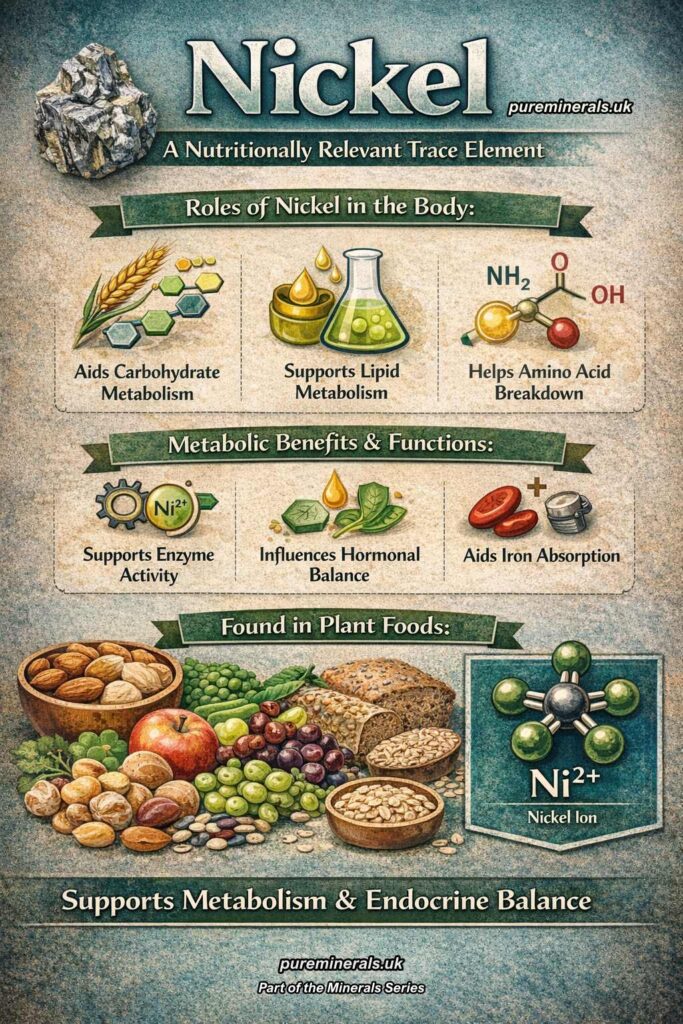
Download the full high-resolution Nickel infographic for offline reference.
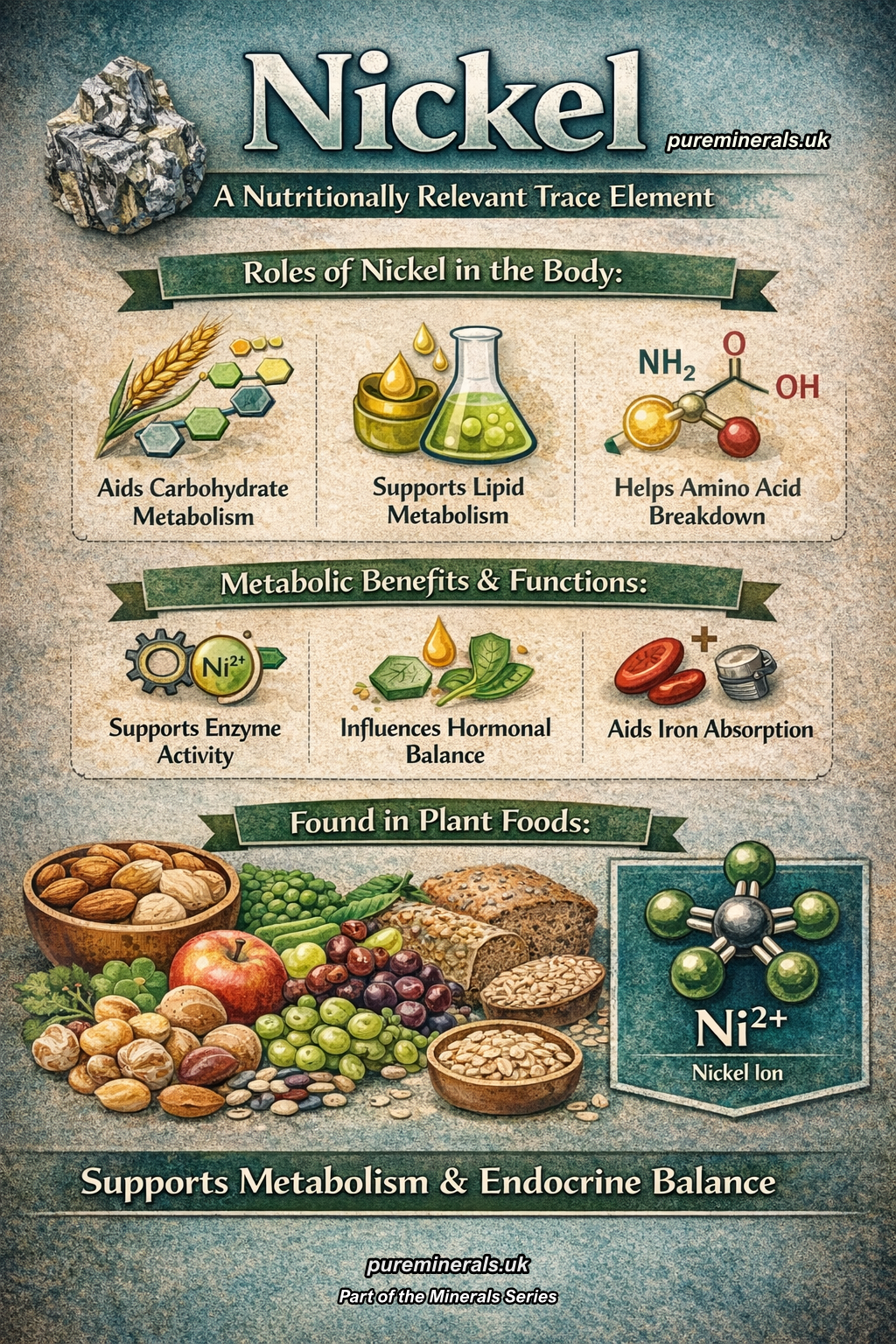
Explore more minerals in the full Minerals Hub
Frequently Asked Questions
Understanding nickel’s role in nutrition often raises specific questions about dietary sources, preparation methods, and health implications. These common questions reflect the practical concerns many people have when learning about this trace mineral’s role in their diet and health. While nickel rarely requires specific targeting in healthy diets, awareness of these factors can help inform overall nutritional choices.
The following questions address common concerns about nickel in everyday nutrition scenarios. These practical insights help translate scientific understanding into actionable knowledge for daily food choices and preparation methods. For specific health concerns or diagnosed nickel-related conditions, always consult with healthcare providers for personalized guidance.
Many nutrition enthusiasts wonder about specific lifestyle choices that might influence their nickel exposure or requirements. These questions reflect growing interest in optimizing mineral balance as part of comprehensive nutritional health strategies. The answers provide evidence-based information while acknowledging areas where research remains ongoing.
Dietary Nickel Content Comparison
|
Food Category |
Typical Nickel Content |
Notes |
|---|---|---|
Plant Foods |
20-100+ μg per serving |
Varies widely by specific food |
Animal Foods |
1-10 μg per serving |
Generally, much lower than plants |
Beverages |
0.5-5 μg per serving |
Tap water varies by source |
Supplements |
Variable |
Rarely added intentionally |
Cookware Leaching |
1-30 μg per meal |
Depends on acidity and cooking time |
Can cooking in stainless steel pots increase my nickel intake?
Yes, cooking in stainless steel cookware can modestly increase the nickel content of your meals, particularly when preparing acidic foods like tomato-based sauces or citrus dishes. Research shows that new stainless steel pots may leach more nickel initially, with leaching decreasing as the cookware develops a patina with use. The amount transferred typically ranges from 1-30 μg per meal, depending on acidity, cooking time, and the specific composition of the cookware, representing a relatively small contribution to total daily intake for most people but potentially significant for those with severe nickel allergy.
Does nickel supplementation improve fertility in men?
Current scientific evidence doesn’t support nickel supplementation for improving male fertility. While animal studies suggest nickel deficiency may impair reproductive function, human research hasn’t established clear benefits of supplementation above typical dietary intake. The potential reproductive effects observed in experimental animal models likely only apply to severe deficiency states, which are exceedingly rare in human populations consuming varied diets.
Additionally, the safety margin between beneficial and potentially harmful nickel intake is relatively narrow compared to many nutrients, making supplementation risky without a clear clinical need. Men concerned about fertility should focus on comprehensive reproductive health strategies, including maintaining a healthy weight, limiting alcohol, avoiding tobacco, managing stress, and consuming adequate zinc, selenium, and antioxidants rather than targeting nickel specifically.
If fertility concerns persist, consultation with reproductive health specialists can identify specific factors affecting individual cases, with targeted interventions based on clinical assessment rather than self-supplementation approaches.
How can I reduce nickel in my diet if I have a nickel allergy?
Managing dietary nickel with a confirmed nickel allergy involves strategic food choices and preparation methods. Focus on lower-nickel options like dairy products, eggs, meat, fish, refined grains, and most fruits while limiting high-nickel foods such as beans, lentils, nuts, chocolate, and oats. Consider peeling fruits and vegetables when possible, as nickel concentrates in the outer layers. Avoid canned foods and beverages, as nickel can leach from cans into the contents, and use glass, ceramic, or high-quality plastic cookware instead of stainless steel when preparing meals.
Is organic produce lower in nickel content than conventional?
Organic production methods don’t consistently result in lower nickel content in produce compared to conventional farming. Nickel levels in plants primarily depend on the natural nickel content of the soil where they’re grown rather than farming practices. Some studies have found slightly lower heavy metal concentrations in certain organic crops, but these findings aren’t consistent across all studies or all minerals, including nickel.
Regional soil variations typically influence nickel content more significantly than organic versus conventional growing methods. Plants naturally absorb nickel from soil regardless of farming approach, making geographical origin potentially more relevant than production method for those concerned about nickel content.
What medical conditions might affect nickel metabolism in the body?
Several medical conditions can potentially alter nickel metabolism, affecting absorption, utilization, or excretion of this trace mineral. Digestive disorders like Crohn’s disease, celiac disease, or inflammatory bowel conditions may impair nickel absorption in the small intestine, potentially affecting overall nickel status. Kidney dysfunction can alter nickel excretion rates, as the kidneys represent the primary elimination route for this mineral.
Certain liver conditions might affect metallothionein production, a protein involved in binding and transporting various metals, including nickel. Hormonal disorders could potentially influence mineral metabolism broadly, including nickel handling, though specific mechanisms remain poorly characterized. Genetic variations in metal transport proteins or enzymes might also contribute to individual differences in nickel metabolism, though research in this area remains limited.
Medications that alter stomach acidity, such as proton pump inhibitors or H2 blockers, might theoretically affect mineral absorption, including nickel, though clinical significance appears minimal for most patients. Chelating agents used to treat heavy metal toxicity would likely bind and remove nickel along with targeted metals. Those with these conditions should focus on overall nutritional status rather than specifically targeting nickel unless directed by healthcare providers. For more information on how minerals like manganese play a role in nutrition, consult additional resources.
Systemic inflammatory conditions might alter mineral transport and utilization broadly, potentially including nickel metabolism, through effects on carrier proteins and cellular uptake mechanisms. These complex interactions highlight the integrated nature of nutritional physiology and the importance of comprehensive medical management rather than isolated nutrient approaches.
At Nutrition Sciences Institute, we continue to explore the fascinating interactions between trace minerals and human health, helping you understand how even the smallest nutrient components contribute to your overall well-being.
Nickel is a trace metal that plays a crucial role in the function of various enzymes in the human body. While it is essential in small amounts, excessive intake can lead to adverse health effects. It is important to maintain a balanced diet to ensure adequate intake of trace metals. For instance, cobalt nutrition is another important aspect of trace metal balance in the body.