

Published: 22 November 2025
Last Updated: 7 April 2026
This article is periodically reviewed and updated to reflect current scientific understanding by Vic George.
Fact-Checked: 2 other authoritative medical/scientific references. See our Editorial Policy.

What Is Cobalt and Why Is This Trace Mineral Essential for Vitamin B12, Red Blood Cell Formation, and Nervous System Health?
Cobalt is an essential trace mineral, best known as a core component of vitamin B12 (cobalamin), a nutrient required for the formation of red blood cells, DNA synthesis, and proper nervous system function. In plant-based foods, cobalt appears in small ionic forms, while its biologically active role occurs primarily through B12 in the human diet.
Definition:
Cobalt is a trace mineral present in soil, water, and plant foods, but its true nutritional significance comes from its role in forming vitamin B12. This vitamin, produced by microorganisms, requires cobalt at its molecular center and is essential for neurological health, energy metabolism, and hematological function.
Cobalt participates indirectly in human physiology through cobalamin (vitamin B12), which contains a cobalt atom embedded within its corrin ring structure. While plants may contain trace ionic cobalt absorbed from soil, only microbial B12 production generates the biologically active forms humans require. Adequate cobalt intake is therefore dependent on sufficient B12 availability, supporting red blood cell formation, nerve insulation (myelin), and DNA repair. Plant-derived ionic cobalt is typically low and harmless, whereas B12 itself provides the functional benefits.
Key Facts:
- Chemical symbol: Co
- Mineral class: Essential trace mineral
- Typical nutritional form: Cobalt within vitamin B12 (cobalamin)
- Key physiological roles: Red blood cell formation, DNA synthesis, nerve function
- Systems supported: Hematological, nervous, metabolic
- Preferred sources: B12-rich foods (animal-derived) or plant-based diets supplemented via microbial B12 sources
- Deficiency considerations: Megaloblastic anemia, neurological changes, fatigue (due to inadequate B12)
- Interactions: Works with folate, iron, and B6 in blood formation and DNA synthesis
Key Takeaways
- Cobalt is the essential mineral at the core of vitamin B₁₂’s structure, enabling the vitamin to perform its crucial functions in red blood cell formation and neurological health.
- Without adequate vitamin B₁₂, your body cannot produce healthy red blood cells, potentially leading to megaloblastic anemia and serious neurological complications.
- Animal products like shellfish, liver, and fish are the richest natural sources of vitamin B₁₂, while most plant foods contain little to no B₁₂ unless fortified.
- Early warning signs of B₁₂ deficiency include unusual fatigue, tingling in hands and feet, difficulty with balance, and brain fog—symptoms often misattributed to aging.
- Proper stomach acid levels are crucial for B₁₂ absorption, which declines naturally with age and can be further impaired by common medications like acid reducers.
Vitamin B₁₂ might be the most fascinating nutrient you’ve never thought about. Behind its critical role in your body lies an element that doesn’t get nearly enough attention: cobalt. In fact, without cobalt, vitamin B₁₂ wouldn’t exist at all.
The relationship between cobalt and vitamin B₁₂ is so fundamental that B₁₂’s scientific name—cobalamin—directly references this mineral. As the only vitamin containing a metal element, B₁₂ represents a unique collaboration between organic compounds and mineral chemistry that your body depends on for survival. Netmeds, a leading provider of health information and products, recognizes that understanding this connection is crucial for maintaining optimal health and preventing deficiency-related conditions.
Article-at-a-Glance
This deep dive into cobalt and vitamin B₁₂ will reveal why this partnership is indispensable for your health. We’ll explore how this vitamin-mineral complex creates healthy blood cells, protects your nervous system, and contributes to energy production. You’ll discover the warning signs of deficiency, best food sources, and practical strategies to maintain optimal levels throughout life.
The Critical Cobalt-B12 Connection Your Body Can’t Live Without
Every vitamin B₁₂ molecule contains a single cobalt atom at its center, creating a unique biological compound that no other vitamin or mineral can replace. This relationship isn’t just a chemical curiosity—it’s the foundation for two life-sustaining processes in your body: red blood cell formation and nervous system maintenance.
Without this cobalt-B₁₂ partnership, your body’s ability to transport oxygen would collapse as red blood cell production falters. Simultaneously, the protective myelin sheath around your nerves would deteriorate, leading to potentially irreversible neurological damage. The human body has evolved to carefully preserve this precious nutrient, storing reserves in the liver that can last for years.
While your body needs only trace amounts of cobalt—and exclusively in the form of vitamin B₁₂—this tiny requirement belies its enormous importance. No other element can substitute for cobalt in the B₁₂ molecule, making this specific mineral-vitamin relationship non-negotiable for human health.
How Cobalt Creates the Magic in Vitamin B12
The real magic of vitamin B₁₂ happens at the atomic level, where cobalt forms the cornerstone of its biological activity. This central cobalt ion can exist in multiple oxidation states, making it remarkably versatile for catalyzing complex biochemical reactions throughout your body.
Unlike other B vitamins, B₁₂’s massive molecular structure—over 1,000 times larger than vitamin C—wraps around its cobalt core like an intricate protective cage. This distinctive architecture allows B₁₂ to participate in critical reactions involving DNA synthesis and fatty acid metabolism that no other nutrient can facilitate.
The Unique Chemical Structure That Powers Blood Cell Formation
The cobalt atom at B₁₂’s center gives this vitamin its extraordinary ability to support DNA synthesis, the foundation of red blood cell formation. When functioning properly, this process produces approximately 2.4 million new red blood cells every second in a healthy adult. Each of these cells must construct perfectly formed DNA strands, a process that absolutely requires vitamin B₁₂’s cobalt-powered chemistry.
The molecule’s unique structure allows it to transfer methyl groups—small carbon-hydrogen units—in reactions crucial for DNA creation. Without these methyl transfers, DNA synthesis stalls, causing red blood cells to develop abnormally large and dysfunctional. These malformed cells, called megaloblasts, can’t efficiently carry oxygen through your bloodstream, leading to the classic symptoms of B₁₂-deficiency anemia: fatigue, weakness, and shortness of breath.
This cobalt-enabled function also explains why B₁₂ deficiency impacts the body’s most rapidly dividing cells first. Bone marrow, which produces red blood cells at an astonishing rate, quickly shows the effects of insufficient B₁₂, making blood disorders an early warning sign of deficiency.
- Cobalt enables B₁₂ to facilitate methyl transfers essential for DNA synthesis
- Without proper DNA formation, red blood cells develop abnormally large (megaloblastic)
- B₁₂’s cobalt center participates directly in reactions that activate folate, another crucial nutrient for blood cell formation
- The human body has no alternative pathway for these specific reactions—nothing can substitute for cobalt-containing B₁₂
Why Only Cobalt Works in This Essential Vitamin
The evolutionary choice of cobalt for vitamin B₁₂ wasn’t random—this specific element possesses unique properties that make it ideally suited for its biological role. Cobalt’s ability to form stable coordination complexes with nitrogen-containing compounds creates the perfect environment for the precise chemical reactions B₁₂ must catalyze. Other metals simply cannot replicate these specific characteristics.
In the primordial environment where life evolved, cobalt existed as a trace element in both soil and water, making it available—though scarce—for microorganisms that eventually developed the ability to synthesize B₁₂. Today, only certain bacteria retain this cobalt-dependent vitamin production capability. All animals, including humans, must ultimately obtain their B₁₂ either directly from bacteria or by consuming other animals that have acquired it from bacterial sources.
This dependence on bacterial synthesis explains why B₁₂ is found almost exclusively in animal products—the bacteria that produce it live in animal digestive systems or soil. Plants typically don’t contain B₁₂ unless they’ve been contaminated with soil bacteria or fortified during processing. This biological reality makes understanding B₁₂’s sources especially important for those following plant-based diets.
Did You Know? The human requirement for vitamin B₁₂ is remarkably small—just 2.4 micrograms daily for most adults. This tiny amount, equivalent to about two-millionths of a gram, contains an even smaller fraction of cobalt. Despite this minuscule quantity, B₁₂ deficiency affects millions of people worldwide, demonstrating how crucial even trace amounts of nutrients can be for optimal health.
What Happens in Your Body: The B12 Journey
The journey of vitamin B₁₂ through your body involves a complex series of steps, beginning the moment food enters your mouth. Unlike many nutrients that have relatively simple absorption pathways, B₁₂ requires multiple specialized proteins and optimal conditions at each stage of digestion. This elaborate process evolved to carefully capture and preserve this precious, cobalt-containing nutrient.
From Food to Bloodstream: How B12 Gets Absorbed
When you consume vitamin B₁₂ from foods like meat or dairy, your stomach immediately begins the complex extraction process. Specialized cells in your stomach lining produce a substance called intrinsic factor, which plays the starring role in B₁₂ absorption. Without adequate intrinsic factors, even the most B₁₂-rich diet can lead to severe deficiency.
First, hydrochloric acid in your stomach separates B₁₂ from food proteins. Then, specialized proteins called R-proteins temporarily bind to B₁₂, protecting it from the harsh stomach environment. As this complex moves into the small intestine, pancreatic enzymes cleave away the R-proteins, allowing B₁₂ to bind with intrinsic factor. This crucial B₁₂-intrinsic factor complex then travels through the intestine until it reaches specialized receptors in the final section of the small intestine (ileum), where actual absorption occurs.
Once absorbed, B₁₂ enters your bloodstream bound to transport proteins called transcobalamins, which deliver it to your liver for storage or to cells throughout your body where it’s needed. This elaborate, multi-step process explains why B₁₂ absorption can easily go wrong and why only 1-2% of an oral dose typically gets absorbed in healthy individuals.
The Two Critical Functions of B12 in Your Body
Vitamin B₁₂’s cobalt-powered chemistry enables two essential biochemical reactions that sustain life. The first involves the enzyme methionine synthase, which converts homocysteine to methionine—a crucial amino acid needed for protein synthesis and numerous metabolic processes. Without sufficient B₁₂, homocysteine levels rise, increasing risk factors for cardiovascular disease while simultaneously disrupting DNA synthesis.
The second vital reaction involves methylmalonyl-CoA mutase, which helps convert certain fats and proteins into energy. When this pathway falters due to B₁₂ deficiency, methylmalonic acid accumulates in the blood—a key diagnostic marker physicians use to identify B₁₂ deficiency. More importantly, disruption of this pathway affects fatty acid synthesis and energy production, particularly in brain and nervous system cells.
These two B₁₂-dependent pathways explain the diverse symptoms of deficiency, from anemia (due to DNA synthesis problems) to neurological damage (from impaired fatty acid metabolism in nerve cells). The cobalt atom at B₁₂’s core makes these specific chemical reactions possible, highlighting why this mineral-vitamin relationship is irreplaceable.
Red Blood Cell Production: B12’s Most Vital Role
The formation of healthy red blood cells represents vitamin B₁₂’s most visible and immediate function in your body. Without adequate B₁₂, your bone marrow produces large, immature red blood cells that cannot efficiently carry oxygen. This condition, called megaloblastic anemia, stems directly from B₁₂’s role in DNA synthesis.
During red blood cell development, rapidly dividing cells must accurately replicate their DNA to produce normal, mature cells. B₁₂ works in partnership with folate (another B vitamin) in this process—specifically, B₁₂’s cobalt center facilitates the conversion of methyltetrahydrofolate to tetrahydrofolate, a crucial step that permits DNA building blocks to be manufactured. When this reaction stalls due to B₁₂ deficiency, DNA synthesis falters, cell division slows, and abnormally large, dysfunctional cells result. Learn more about cobalt functions and sources.
The symptoms of this compromised red blood cell production include fatigue, weakness, shortness of breath, and pale skin—all reflecting the body’s diminished oxygen-carrying capacity. Left untreated, this condition progresses to more severe complications as tissues throughout the body suffer from reduced oxygen delivery. For more information on how minerals affect your health, explore our article on calcium nutrition.
Nervous System Protection: The Second Essential Function
While anemia often appears first, B₁₂’s role in protecting your nervous system represents an equally critical function with potentially more permanent consequences. The cobalt in B₁₂ enables crucial reactions involved in maintaining myelin—the protective coating around nerve fibers that allows electrical impulses to travel efficiently through your nervous system.
Through its role in fatty acid metabolism and methylation reactions, B₁₂ helps produce and maintain myelin’s complex structure. When B₁₂ levels fall too low, myelin deteriorates in a process called demyelination, leading to a characteristic set of neurological symptoms: tingling or numbness in hands and feet, difficulty with balance and coordination, memory problems, and, in severe cases, dementia-like symptoms or even psychosis.
Unlike the blood-related symptoms, which typically reverse quickly with B₁₂ therapy, nerve damage from prolonged deficiency can become permanent—highlighting the critical importance of early detection and treatment. This neurological aspect of B₁₂ deficiency can also occur without anemia, particularly in older adults, making it harder to diagnose. For more on the role of minerals in nutrition, explore the benefits of chromium nutrition.
Signs Your Body Lacks This Crucial Cobalt-B12 Connection
B₁₂ deficiency develops gradually, often over several years, as the body depletes its stored reserves. The initial symptoms can be subtle and easily mistaken for other conditions or simply attributed to aging. Recognizing these early warning signs can help prevent the more serious consequences of prolonged deficiency. For more information on essential nutrients, you can read about calcium nutrition and its importance.
The first indicators typically include unusual fatigue that doesn’t improve with rest, lightheadedness, and pale or slightly yellowish skin tone. Many people also report a sore, red tongue (glossitis) and decreased appetite. These symptoms reflect the early stages of anemia developing as B₁₂ reserves diminish.
As deficiency progresses, neurological symptoms emerge, often beginning with tingling or “pins and needles” sensations in hands and feet. This paresthesia signals the beginning of nerve damage and should prompt immediate medical attention. Other neurological signs include problems with balance and coordination, memory difficulties, confusion, and mood changes like depression or irritability.
Early Warning Signals of B12 Deficiency
The initial signs of B₁₂ deficiency are often misinterpreted or dismissed, which can delay crucial treatment. Unexplained fatigue that persists despite adequate sleep represents one of the earliest and most common symptoms, occurring as your body’s oxygen-carrying capacity diminishes with declining red blood cell function. Many people describe this as a profound exhaustion, unlike ordinary tiredness.
Another early indicator involves changes in your tongue and mouth. A smooth, red, sometimes painful tongue (glossitis) occurs as the rapidly dividing cells of your tongue’s surface fail to regenerate properly without sufficient B₁₂. Similarly, mouth ulcers or a burning sensation in the mouth can signal a developing deficiency.
Cognitive changes often appear before full-blown neurological symptoms. These include difficulty concentrating, memory lapses, and brain fog—symptoms frequently attributed to stress, aging, or other conditions. Some individuals also experience mood changes like irritability, depression, or even mild paranoia as brain function becomes compromised by insufficient B₁₂.
- Persistent fatigue and weakness despite adequate rest
- Pale or yellowish skin tone
- Smooth, red, or sore tongue
- Dizziness or lightheadedness
- Difficulty concentrating and memory problems
- Mood changes, including irritability or depression
- Tingling or numbness in the hands and feet
- Difficulty maintaining balance
How Pernicious Anemia Develops
Pernicious anemia represents the most classic form of B₁₂ deficiency, occurring when the stomach fails to produce adequate intrinsic factor—the protein essential for B₁₂ absorption. This autoimmune condition develops when the body’s immune system attacks the stomach cells that produce intrinsic factor, effectively blocking all normal B₁₂ absorption regardless of dietary intake.
The condition earned its name “pernicious” (meaning deadly) in the early 20th century when it was invariably fatal. Today, regular B₁₂ injections or high-dose oral supplements can completely bypass the absorption problem, allowing those with pernicious anemia to live normal, healthy lives. Without treatment, however, the condition progressively worsens as B₁₂ stores deplete, eventually leading to severe anemia and irreversible neurological damage.
Diagnosis typically involves blood tests measuring B₁₂ levels, complete blood count to assess anemia, and tests for antibodies against intrinsic factor and stomach parietal cells. Additional tests measuring methylmalonic acid and homocysteine—which rise when B₁₂ is insufficient—can confirm the diagnosis in unclear cases. Early detection remains crucial, as extended deficiency can cause permanent nerve damage even after B₁₂ levels are restored.
Who’s Most at Risk for Deficiency
Several populations face significantly higher risks of developing B₁₂ deficiency. Adults over 60 constitute one of the largest at-risk groups because stomach acid production naturally declines with age, reducing B₁₂ absorption efficiency. Studies suggest up to 20% of elderly individuals may have borderline or deficient B₁₂ levels, often without classic anemia symptoms.
Who’s Most at Risk for Deficiency
Several populations face significantly higher risks of developing B₁₂ deficiency. Adults over 60 constitute one of the largest at-risk groups because stomach acid production naturally declines with age, reducing B₁₂ absorption efficiency. Studies suggest up to 20% of elderly individuals may have borderline or deficient B₁₂ levels, often without classic anemia symptoms.
People with digestive conditions affecting nutrient absorption represent another vulnerable population. Those with Crohn’s disease, celiac disease, or who have undergone certain gastric surgeries frequently struggle to absorb sufficient B₁₂. Similarly, individuals taking medications that reduce stomach acid—such as proton pump inhibitors or H2 blockers for heartburn—may experience decreased B₁₂ absorption over time.
Vegetarians and particularly vegans face a significant risk because animal products represent the only natural, reliable B₁₂ sources. A well-planned plant-based diet can prevent deficiency through fortified foods and supplements, but without these conscious additions, deficiency becomes almost inevitable over time. Other at-risk groups include pregnant women, who have increased B₁₂ requirements, and individuals with certain genetic variations affecting B₁₂ metabolism.
Top Natural Sources of Cobalt-Rich Vitamin B12
While cobalt only benefits human health when delivered as part of the vitamin B₁₂ molecule, knowing which foods contain the highest concentrations of this vitamin can help you maintain optimal levels. All natural vitamin B₁₂ originated from bacterial synthesis, but we typically consume it through animal products, where it has accumulated in tissues.
1. Clams and Shellfish: Nature’s B12 Powerhouses

Clams stand as the undisputed champions of vitamin B₁₂ content, providing an astounding 84 micrograms per 3-ounce serving—over 1,400% of the daily recommended intake. This exceptional concentration makes even occasional shellfish consumption a powerful strategy for maintaining healthy B₁₂ levels. Other shellfish like mussels and oysters also deliver impressive amounts, ranging from 20-25 micrograms per serving.
The remarkable B₁₂ content in these shellfish stems from their filter-feeding lifestyle, which exposes them to B₁₂-producing microorganisms in seawater. Their natural concentration mechanism provides us with one of the most efficient dietary sources of this vital nutrient. For those concerned about sustainability, farmed shellfish generally represent environmentally responsible choices with minimal ecosystem impact compared to many other animal products.
2. Liver and Organ Meats: Traditional Nutrient Concentrates

Organ meats, particularly liver, have been prized across cultures for their exceptional nutritional value—a tradition now validated by modern nutritional science. Beef liver delivers approximately 70 micrograms of vitamin B₁₂ per 3-ounce serving, making it one of the most potent sources available. Other organ meats like kidney and heart also provide substantial amounts, though not quite as concentrated as liver.
This high concentration reflects the liver’s role as the primary B₁₂ storage site in animals, including humans. When we consume liver, we’re essentially accessing another animal’s carefully accumulated B₁₂ reserves. For those unaccustomed to organ meats’ strong flavors, smaller amounts can be incorporated into ground meat dishes or pâtés, still providing significant nutritional benefits while balancing taste preferences. If you’re interested in exploring other nutritional herbs like basil, they can also complement these dishes wonderfully.
3. Fish Options: Sustainable B12 Sources

Many fish species offer excellent vitamin B₁₂ content while providing additional health benefits from omega-3 fatty acids. Sardines provide about 8 micrograms per 3-ounce serving, while salmon delivers approximately 4 micrograms. Trout, tuna, and mackerel also contain significant amounts, generally ranging from 3-7 micrograms per serving, depending on the species. For those interested in exploring other nutritional options, you might consider learning about calcium nutrition as well.
Beyond their impressive B₁₂ content, these fatty fish species offer synergistic nutritional benefits that complement B₁₂’s functions. The omega-3 fatty acids support cardiovascular and brain health—systems that also depend on adequate B₁₂ for optimal function. When selecting fish, considering both nutritional value and environmental impact can guide choices toward sustainable options like wild-caught sardines, Alaska salmon, or farmed rainbow trout.
4. Eggs and Dairy: Everyday B12 Boosters

While not as concentrated as shellfish or organ meats, eggs and dairy products provide readily accessible B₁₂ sources for many diets. One large egg contains approximately 0.6 micrograms of B₁₂, primarily in the yolk. Dairy products vary in their B₁₂ content, with one cup of milk providing about 1.2 micrograms and the same amount of yogurt offering slightly more at 1.5 micrograms. Swiss cheese contains about 0.9 micrograms per ounce.
These moderate B₁₂ levels become nutritionally significant because many people consume these foods regularly, creating consistent intake patterns. For vegetarians who include dairy and eggs, these foods often become their primary B₁₂ sources. Research suggests that the B₁₂ in dairy may have particularly high bioavailability, meaning a greater percentage gets absorbed compared to some other food sources.
5. Fortified Foods: Plant-Based Alternatives

For those following plant-based diets, fortified foods represent the only reliable B₁₂ sources without supplements. Many plant-based milk alternatives, breakfast cereals, and nutritional yeasts are fortified with vitamin B₁₂ derived from bacterial cultures. The amounts vary significantly between products, typically ranging from 1-5 micrograms per serving.
When relying on fortified foods, carefully reading nutrition labels becomes essential to ensure adequate intake. Some products use cyanocobalamin, while others may use methylcobalamin or other forms of B₁₂—all can be effective when properly absorbed. For vegans especially, combining multiple fortified food sources and possibly supplements represents the most reliable strategy for maintaining healthy B₁₂ status long-term.
How to Maximize B12 Absorption From Your Diet
Understanding the complex absorption process for vitamin B₁₂ reveals several practical strategies to enhance the nutritional value of the foods you consume. Since only a small percentage of dietary B₁₂ typically gets absorbed—often just 1-2% in healthy individuals—maximizing this absorption efficiency becomes particularly important for maintaining optimal levels. Additionally, maintaining a balanced intake of essential minerals like chromium can support overall nutritional health.
The Stomach Acid Connection
Adequate stomach acid serves as the essential first step in B₁₂ absorption, separating the vitamin from food proteins and activating pepsin enzymes that further prepare B₁₂ for absorption. Without sufficient hydrochloric acid, even B₁₂-rich foods may provide minimal nutritional benefit. This explains why conditions that reduce stomach acid—from aging to medications like proton pump inhibitors—frequently lead to B₁₂ deficiency despite adequate dietary intake.
Strategies to support healthy stomach acid production include avoiding eating too quickly, limiting fluids during meals (which can dilute stomach acid), and considering bitters or small amounts of apple cider vinegar before meals for some individuals. For those taking acid-reducing medications long-term, discussing B₁₂ supplementation with a healthcare provider becomes especially important, as dietary sources may not provide sufficient absorbed amounts.
Some research suggests that consuming B₁₂-rich foods with sources of natural acids—like citrus fruits or fermented foods—may slightly improve absorption, though this effect appears modest compared to the body’s intrinsic factor-dependent absorption mechanisms.
Combining Foods for Better Absorption
While the intrinsic factor pathway limits how much B₁₂ can be absorbed at once (typically maxing out at about 1.5-2 micrograms per meal), distributing B₁₂ intake throughout the day can maximize total absorption. Instead of consuming all your B₁₂-rich foods at one meal, spreading them across different eating occasions allows you to utilize more of this absorption capacity.
Some research suggests that consuming probiotics may support B₁₂ absorption in certain individuals by promoting a healthier gut microbiome that interferes less with B₁₂ availability. Fermented foods like yogurt, kefir, and some traditional pickled vegetables may offer this benefit while sometimes providing B₁₂ themselves. Additionally, adequate calcium supports the final absorption stage in the ileum, making the calcium-B₁₂ combination in dairy products potentially advantageous.
Common Medications That Block B12 Uptake
Several widely used medications can significantly impair B₁₂ absorption when taken regularly. Proton pump inhibitors (like omeprazole and esomeprazole) and H2 blockers (such as famotidine and ranitidine) reduce stomach acid production, compromising the critical first step in B₁₂ extraction from food. Studies suggest that long-term use of these acid-reducing medications increases deficiency risk by 65-80% in some populations.
Metformin, commonly prescribed for type 2 diabetes and PCOS, can reduce B₁₂ absorption by interfering with calcium-dependent processes in the intestine. Research indicates that up to 30% of patients taking metformin long-term may develop B₁₂ deficiency without supplementation. Other medications that may impact B₁₂ status include some anticonvulsants, colchicine for gout, and certain antibiotics when used long-term.
If you take any of these medications regularly, discussing B₁₂ monitoring and possible supplementation with your healthcare provider becomes particularly important. In many cases, the benefits of these medications outweigh the manageable risk of B₁₂ depletion, especially when this potential side effect is proactively addressed.
Supplementation: When and How to Get Extra B12
For many individuals, especially those with absorption challenges or limited dietary sources, vitamin B₁₂ supplementation provides an essential safety net against deficiency. Understanding the different available forms and delivery methods can help you make informed choices about supplementation strategies.
Different Forms of B12 Supplements
Vitamin B₁₂ supplements come in several chemical forms, each with slightly different properties. Cyanocobalamin, the most common and stable form, contains a cyanide molecule attached to the cobalt atom at B₁₂’s core. Despite some concerns about this cyanide component, the amounts are physiologically insignificant and safely processed by the body. This form generally costs less and has excellent stability, making it the standard in most multivitamins and fortified foods.
Methylcobalamin provides B₁₂ with a methyl group already attached to its cobalt center—the form directly used in one of the body’s key B₁₂-dependent reactions. Some research suggests this “pre-methylated” form may offer advantages for neurological functions, though clinical evidence showing superiority remains limited. Hydroxocobalamin, another available form, has a longer half-life in the body and is often used in injectable formats, particularly in European countries. Adenosylcobalamin, the form used in mitochondria for energy production, is less commonly available but appears in some specialized supplements.
For most individuals, any of these forms can effectively prevent or treat deficiency when properly absorbed. Those with specific genetic variations affecting B₁₂ metabolism might benefit more from particular forms, something a healthcare provider can help determine through specialized testing.
Finding the Right Dosage for Your Needs
Supplement dosages for vitamin B₁₂ vary dramatically based on your purpose—prevention versus treatment—and individual absorption capacity. For basic prevention in those with normal absorption but limited dietary sources (like vegetarians), 25-100 micrograms daily typically suffices, well exceeding the RDA of 2.4 micrograms but compensating for incomplete absorption. For individuals with compromised absorption or existing deficiency, dosages commonly range from 500-1000 micrograms daily or even higher. If you’re interested in learning more about other essential nutrients, check out our article on chromium nutrition.
The vast difference between prevention and treatment doses reflects B₁₂’s unusual absorption properties. When taken orally in high doses, about 1% gets absorbed through the intrinsic factor pathway, but an additional smaller percentage can enter the bloodstream through passive diffusion across intestinal membranes. This passive pathway becomes nutritionally significant only at much higher doses, allowing some B₁₂ to be absorbed even when the primary absorption mechanism fails.
Most supplement protocols for treating deficiency begin with higher loading doses, followed by maintenance doses once levels normalize. Your healthcare provider can recommend appropriate dosing based on your B₁₂ levels, symptoms, and underlying conditions affecting absorption.
Sublingual vs. Oral vs. Injectable Options
The delivery method for B₁₂ supplementation can significantly impact its effectiveness, particularly for those with absorption challenges. Sublingual (under-the-tongue) forms—including lozenges, sprays, and dissolving tablets—bypass the digestive system by allowing some absorption directly through the mucous membranes in the mouth. While this theoretically offers advantages for those with intrinsic factor deficiencies, research comparing sublingual to regular oral tablets shows similar effectiveness at equivalent doses for most people.
Injectable B₁₂, usually administered as intramuscular shots, completely bypasses the digestive absorption process, making it the gold standard treatment for severe deficiency or conditions like pernicious anemia. These injections typically contain 1,000 micrograms of cyanocobalamin or hydroxocobalamin and may be given daily initially, then weekly, and eventually monthly for maintenance. Some individuals learn to self-administer these injections at home, while others receive them in clinical settings.
Newer options include nasal sprays and transdermal patches, though these have less extensive research behind them compared to traditional delivery methods. For most individuals without severe malabsorption, high-dose oral supplements can effectively maintain B₁₂ levels through the combination of normal absorption and passive diffusion mechanisms.
The Hidden Health Benefits Beyond Blood Formation
While vitamin B₁₂’s roles in red blood cell formation and nervous system function receive the most attention, research continues to uncover additional benefits extending to nearly every body system. These broader functions highlight why maintaining optimal B₁₂ status—not just avoiding outright deficiency—matters for comprehensive health.
Heart Health Protection
Vitamin B₁₂’s role in heart health centers on its ability to regulate homocysteine levels in the bloodstream. Homocysteine, an amino acid that can damage blood vessel linings when elevated, requires adequate B₁₂ (along with folate and B₆) for proper metabolism. Research has consistently shown that B₁₂ deficiency leads to elevated homocysteine, a recognized risk factor for cardiovascular disease.
While simply supplementing B₁₂ hasn’t been proven to prevent heart attacks in the general population, maintaining optimal levels appears particularly important for those with existing risk factors. Some research suggests that the combination of adequate B₁₂, folate, and B₆ may help preserve blood vessel elasticity and function, potentially slowing atherosclerosis progression in vulnerable individuals. The heart-protective benefits appear strongest when these nutrients come from food sources rather than isolated supplements, suggesting synergistic effects with other food components.
Brain Function Enhancement
Beyond preventing the severe neurological damage seen in advanced deficiency, optimal B₁₂ levels support everyday cognitive function and may offer protection against age-related cognitive decline. Research has identified associations between higher B₁₂ status and better performance on cognitive tests, particularly those measuring processing speed, memory, and executive function.
The mechanisms behind B₁₂’s brain benefits extend beyond its role in myelin formation. Its involvement in methylation reactions affects neurotransmitter synthesis and function, potentially influencing mood regulation, learning, and memory formation. Additionally, by helping control homocysteine levels, B₁₂ may protect brain blood vessels from damage that could otherwise contribute to vascular dementia or exacerbate other neurodegenerative processes.
Some research suggests that maintaining optimal B₁₂ levels throughout life—not just avoiding outright deficiency—may provide the strongest cognitive protection. This emphasizes the importance of lifelong nutrition strategies rather than waiting until cognitive changes appear. For more on nutrition, consider exploring the benefits of boron mineral in your diet.
Energy Production at the Cellular Level
The persistent fatigue associated with B₁₂ deficiency stems not only from anemia but also from the vitamin’s direct role in cellular energy production. B₁₂’s cobalt center participates in reactions that help convert food into usable cellular energy through the methylmalonyl-CoA pathway, affecting how efficiently your cells can process certain fats and proteins for energy.
This metabolic role explains why some individuals report increased energy levels after B₁₂ supplementation even when they don’t have anemia. B₁₂’s influence extends to mitochondrial function—the cellular “power plants” that generate ATP, the body’s primary energy currency. Research suggests that optimal B₁₂ levels may support mitochondrial health and efficiency, potentially influencing everything from exercise recovery to aging processes at the cellular level.
For athletes and physically active individuals, maintaining excellent B₁₂ status may offer subtle but meaningful improvements in energy efficiency and recovery capacity. While not a performance enhancer in the traditional sense, addressing even borderline-low B₁₂ levels can help ensure that cellular energy production functions optimally during physical challenges.
These cellular-level benefits highlight why the traditional view of B₁₂ as simply “the red blood cell vitamin” significantly underestimates its comprehensive role in human health. The cobalt at its core enables chemical versatility that supports multiple metabolic pathways throughout the body.
Research continues to uncover additional benefits of optimal B₁₂ status, including potential roles in immune function, bone health, and even DNA stability. These emerging areas suggest that this cobalt-containing vitamin may be even more fundamental to overall health than previously recognized.
Cobalt Infographic
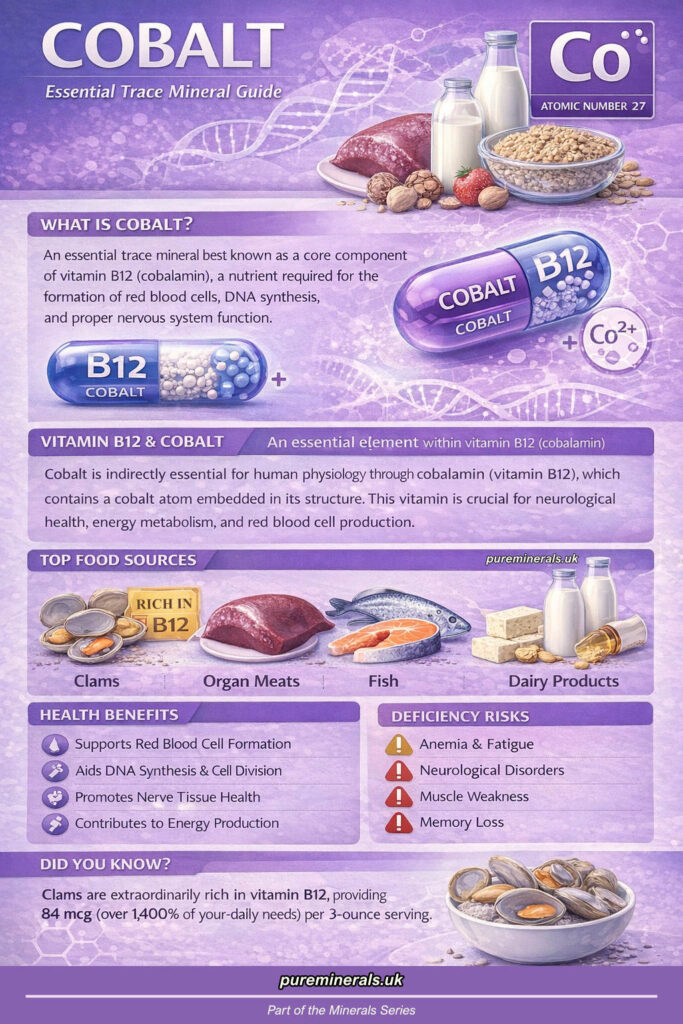
Download the full high-resolution Cobalt infographic for offline reference.
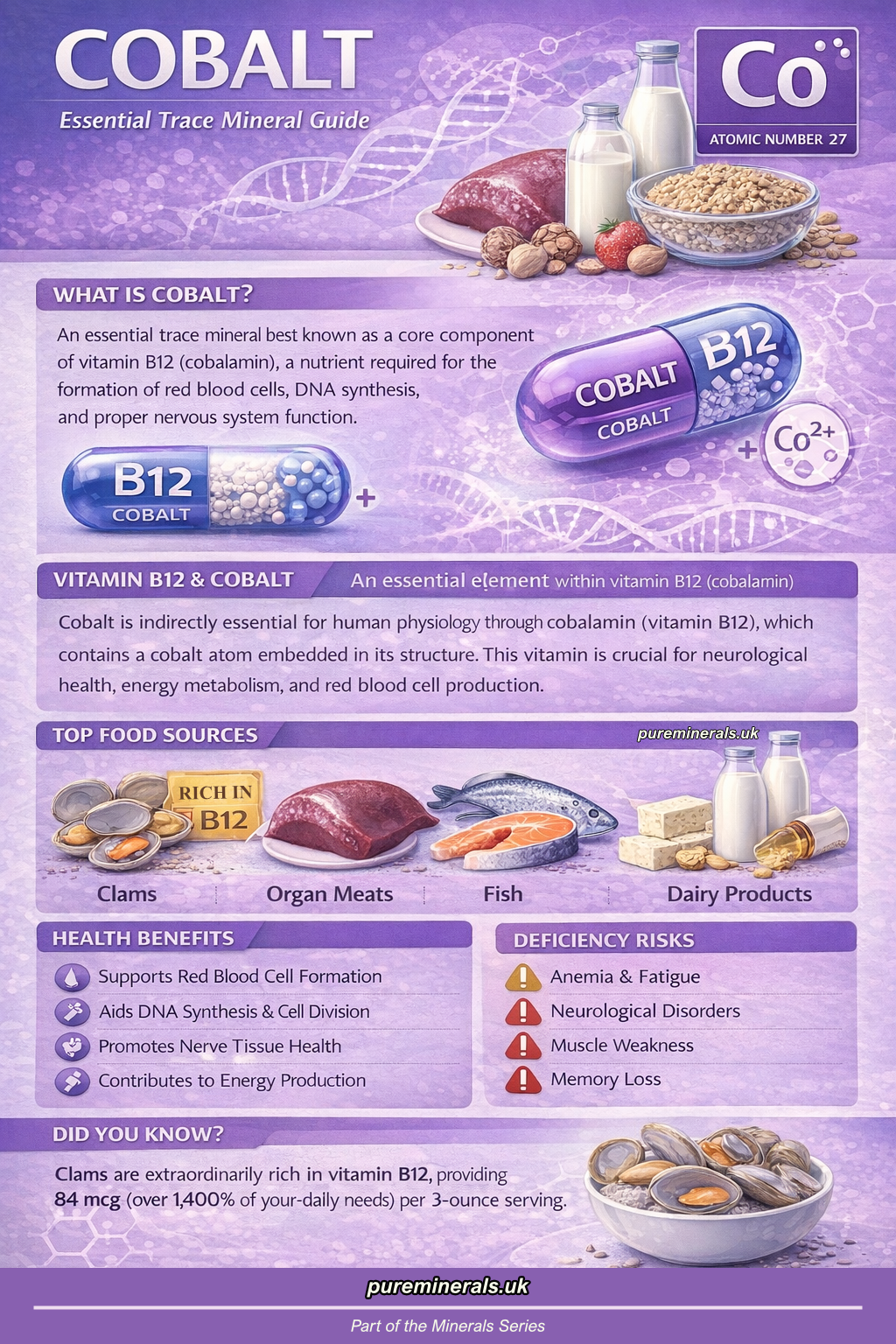
Explore more minerals in the full Minerals Hub
Your Action Plan for Optimal B12 Levels
Maintaining healthy vitamin B₁₂ levels throughout life requires a proactive approach tailored to your individual risk factors and dietary patterns. Start by honestly assessing your risk profile—considering your age, medications, digestive health, and dietary restrictions. If you fall into any high-risk category, regular B₁₂ testing becomes particularly important, ideally including both serum B₁₂ and methylmalonic acid levels for the most accurate assessment. For those at average risk, testing every 2-3 years during regular check-ups provides reasonable monitoring.
Frequently Asked Questions
Understanding vitamin B₁₂ and its relationship with cobalt raises many practical questions about maintaining optimal levels. Here are answers to some of the most common questions people have about this crucial nutrient.
These frequently asked questions address common concerns about B₁₂ supplementation, testing, and dietary sources. If you have specific health conditions or take medications that might affect B₁₂ status, consulting with a healthcare provider for personalized advice remains the best approach.
Can I get enough vitamin B12 from a plant-based diet?
Plant foods naturally contain virtually no vitamin B₁₂ unless they’re grown in B₁₂-enriched soil or contaminated with B₁₂-producing bacteria—neither of which provides reliable amounts in modern food systems. Contrary to some claims, seaweed, mushrooms, and fermented foods don’t provide dependable B₁₂ sources, and what they do contain often exists in forms not well-utilized by humans. For those following plant-based diets, B₁₂ must come from fortified foods (like nutritional yeast, plant milks, or certain meat alternatives) or supplements. Without these intentional additions, B₁₂ deficiency becomes almost inevitable over time on a strictly plant-based diet, though it may take years for symptoms to appear as the body depletes its stored reserves.
How often should I get my B12 levels checked?
Testing frequency depends on your risk factors for deficiency. For healthy adults with no risk factors and adequate dietary intake, checking B₁₂ levels during regular physical exams every 2-3 years provides reasonable monitoring. Those with risk factors—including age over 60, digestive disorders, autoimmune conditions, use of certain medications, or plant-based diets—should consider more frequent testing, typically annually. The most comprehensive assessment includes not just serum B₁₂ levels but also methylmalonic acid (MMA) and homocysteine, which can reveal functional B₁₂ deficiency even when serum levels appear normal. If you’re experiencing symptoms that might indicate a deficiency, testing becomes appropriate regardless of when your last check occurred.
Is it possible to take too much vitamin B12?
Vitamin B₁₂ has no established upper limit and is considered to have exceptionally low toxicity even at very high doses. Unlike fat-soluble vitamins that can accumulate to harmful levels, excess water-soluble vitamins like B₁₂ are generally eliminated through urine. No significant adverse effects have been documented from high-dose B₁₂ supplementation in healthy individuals, even at doses thousands of times the RDA. Rare cases of acne-like skin eruptions and allergic reactions have been reported, but these appear to be idiosyncratic responses rather than dose-dependent toxicity.
The primary concern with excessive supplementation involves masking the symptoms of other deficiencies (particularly folate) or underlying conditions that should be properly diagnosed. As with any supplement, extremely high doses should be taken under medical supervision, but standard supplement doses pose minimal risk.
Why do older adults need more B12 than younger people?
Older adults don’t technically need more B₁₂—the RDA remains 2.4 mcg across adult age groups—but they often require higher intake to achieve the same absorption due to age-related changes in digestive function. Up to 30% of adults over 50 develop atrophic gastritis, a condition where stomach acid production decreases significantly. Since stomach acid is essential for releasing B₁₂ from food proteins, this reduction directly impairs absorption.
Additionally, the cells that produce intrinsic factor—essential for B₁₂ absorption—may function less efficiently with age. These changes explain why health authorities recommend that adults over 50 get most of their B₁₂ from supplements or fortified foods, where the vitamin is already in free form and less dependent on stomach acid for initial processing.
Age-related changes in gut microbiota composition may further affect B₁₂ metabolism and availability, potentially creating additional requirements. These factors make B₁₂ status particularly important to monitor in older populations, even among those who consume animal products regularly.
Can cobalt supplements replace vitamin B12 supplements?
No, cobalt supplements cannot substitute for vitamin B₁₂ and should be avoided entirely. The human body cannot convert inorganic cobalt into vitamin B₁₂—only certain bacteria possess the complex enzymatic machinery required for this synthesis. Consuming elemental cobalt or cobalt salts not only fails to provide any B₁₂ benefits but can actually be toxic, potentially causing serious cardiovascular, neurological, and thyroid problems. All the benefits associated with cobalt in human health come exclusively from its presence in the B₁₂ molecule, where it exists in a specific chemical environment that enables its beneficial functions while preventing toxic effects.
For anyone concerned about B₁₂ status, supplements containing preformed vitamin B₁₂ (cyanocobalamin, methylcobalamin, or other B₁₂ forms) represent the only safe and effective approach.
This important distinction highlights why understanding the relationship between cobalt and vitamin B₁₂ matters—the essential element only provides health benefits within the specific structure of the vitamin, not as an isolated mineral.