

Published: 6 April 2026
This article is periodically reviewed and updated to reflect current scientific understanding by Vic George.
Fact-Checked: 1 other authoritative medical/scientific reference. See our Editorial Policy.
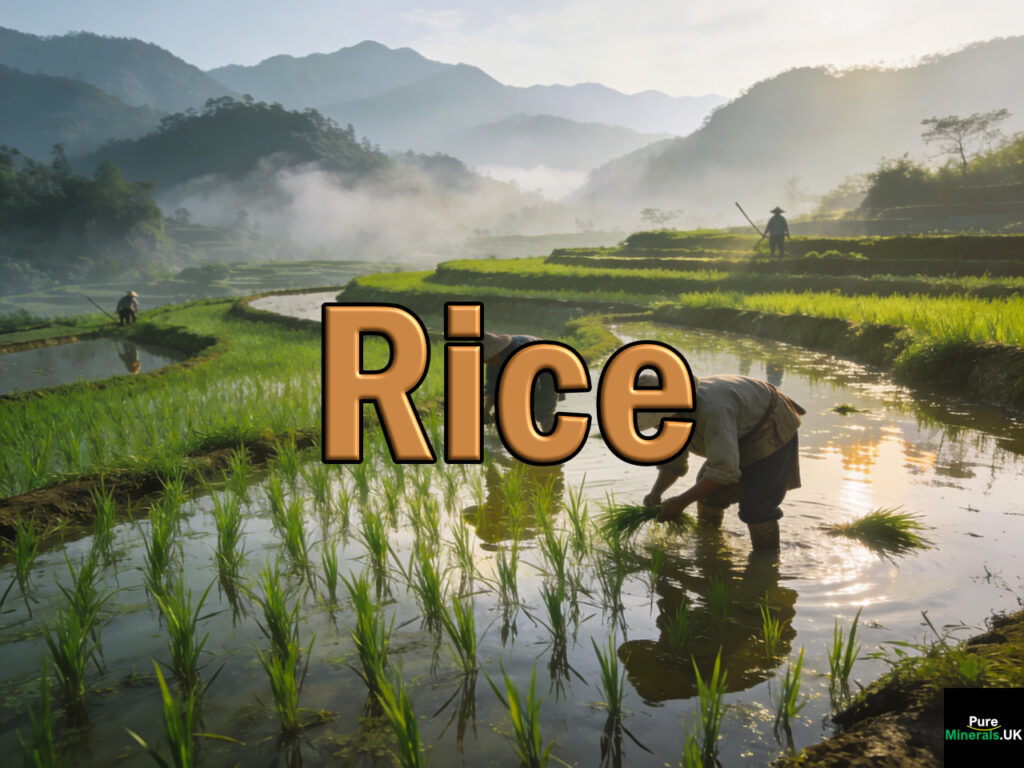
What Is Rice?
Rice refers to the edible seeds of the rice plant, a staple cereal grain consumed worldwide in multiple forms, including brown, red, and white varieties that differ in processing and nutritional composition.
Definition
Rice is a cereal grain derived from Oryza sativa (and less commonly Oryza glaberrima), cultivated for its starchy edible seeds.
Extended Definition
Rice is one of the most widely consumed staple foods globally, forming the dietary foundation for large populations across Asia, Africa, and Latin America. The grain consists of several layers: the outer husk, bran layer, germ, and endosperm. Differences between rice types arise primarily from how much of these layers is retained during processing.
- Brown rice retains the bran and germ, making it a whole grain with higher fiber and micronutrient content.
- Red rice is a whole-grain variety with a pigmented bran layer rich in polyphenols, particularly anthocyanins.
- White rice is milled to remove the bran and germ, resulting in a softer texture and longer shelf life but reduced fiber and micronutrients.
Nutritionally, rice is primarily a source of complex carbohydrates, providing energy. Whole-grain forms (brown and red rice) also contribute dietary fiber, B vitamins, and minerals such as magnesium and phosphorus. In some regions, white rice is often enriched or fortified to restore certain nutrients lost during milling.
Rice is highly versatile and is used in a wide range of culinary traditions, from steamed grains and porridges to flours, noodles, and fermented foods.
Key Facts
- Botanical Name: Oryza sativa (primary species)
- Plant Family: Poaceae
- Common Forms: Brown rice, red rice, white rice, flour, noodles
- Typical Serving Methods: Steamed, boiled, ground into flour, or processed into various products
- Taste Profile: Mild, slightly sweet; nuttier in whole-grain forms
Nutritional Highlights:
- Rich in complex carbohydrates
- Whole-grain forms provide dietary fiber
- Contains B vitamins and minerals (higher in brown/red rice)
Culinary Uses:
- Staple grain dishes
- Porridges and congee
- Rice flour and noodles
Notable Compounds:
- Starch (amylose and amylopectin)
- Polyphenols (higher in red rice)
Dietary Suitability:
- Gluten-free, vegan, vegetarian diets
Key Takeaways
- Brown rice is a whole grain that retains its bran and germ, giving it more fiber, antioxidants, and key minerals than white rice.
- Red rice gets its distinctive color from anthocyanins — the same antioxidant compounds found in blueberries and red cabbage — making it one of the most nutrient-dense rice varieties available.
- White rice is not nutritionally empty — in countries like the United States, it is fortified with iron and B vitamins after milling, and it remains a reliable energy source for billions of people worldwide.
- The glycemic index of rice varies significantly by type: white rice averages a GI of about 73, while brown rice averages about 65 — a difference that matters for blood sugar management.
- Choosing the right rice depends on your goals — whether that’s maximizing fiber intake, managing weight, supporting athletic performance, or simply fitting into a cultural dietary tradition.
More than half the world’s population eats rice every single day — but not all rice is created equal, and understanding those differences can meaningfully change how you fuel your body.
Rice comes in thousands of varieties, but the three types most people encounter are brown, red, and white. Each one has a distinct nutritional profile shaped largely by how much of the original grain remains after processing. The Global Rice Science Partnership tracks over 7,000 documented rice varieties worldwide, yet the nutritional conversation almost always comes down to these three. This article breaks down exactly what each type offers, where they fall short, and how to make the best choice for your health.
Long and Short Grain Rice
Both long-grain and short-grain rice are varieties of the same plant species, Oryza sativa (Asian cultivated rice). While they are the same species, they are classified into two major subspecies (or eco-geographical races) that have evolved different characteristics based on where they were historically cultivated and the environmental conditions they prefer.
The Two Main Subspecies
Oryza sativa indica, referred to as Indica, is typically associated with long-grain rice. It is grown in tropical and subtropical regions in India, Pakistan, Southeast Asia, and southern China. It is adapted to warmer climates and produces grains that are generally longer, slender, and stay separate when cooked.
Oryza sativa japonica, referred to as Japonica, encompasses most short-grain rice. It is grown in more temperate regions or at higher altitudes in Japan, Korea, northern China, and parts of Europe and the USA. It is adapted to cooler environments and produces grains that are rounder, plumper, and have a stickier texture due to higher amylopectin content.
The divergent evolution of these two subspecies—driven by thousands of years of human selection and local climate adaptation—has resulted in the following structural differences:
- Starch Chemistry: The genetic difference in how these subspecies produce starches (amylose vs. amylopectin) is the primary driver of the textural differences (fluffy vs. sticky).
- Morphology: Over centuries, farmers selected for traits that suited their specific culinary needs and agricultural environments, leading to the distinct physical shapes of the kernels.
Think of them like different “breeds” of the same dog species—they have distinct physical traits and temperaments, but are genetically part of the same underlying family.
Rice Is Feeding the World — Here’s What You Need to Know
Rice is the primary calorie source for more than 3.5 billion people, particularly across Asia, parts of Africa, and Latin America. Countries like China, India, Indonesia, Bangladesh, and South Korea depend on rice not just as a food preference but as a dietary foundation. That makes understanding its nutritional value far more than a wellness trend — it’s a matter of global public health.
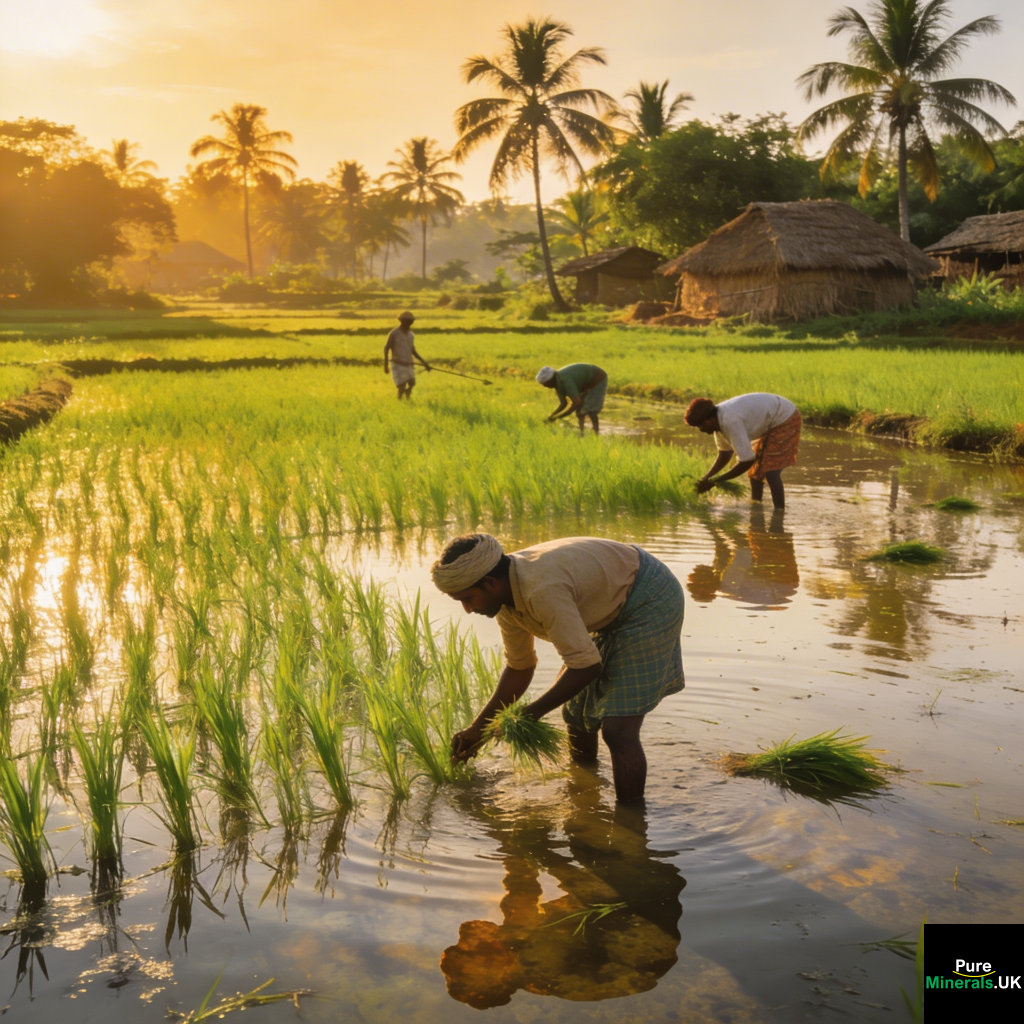
Brown rice is grown in paddy fields (flooded fields). The fields are kept flooded throughout the growing cycle to manage weeds and maintain a healthy environment for the crop. The rice is harvested from these fields as rough rice or paddy rice, which still has its inedible hull (or husk). 90% of brown rice is grown in China, India, Bangladesh, Vietnam, and Thailand. Major exporters include Thailand, India, and Vietnam. Arkansas, California, and Brazil are also significant producers. It is cultivated in climates similar to those of white rice.
Pic Bhutan Red Rice field
Red rice is grown by small-scale farmers and indigenous communities in Bhutan, India (Kerala and Assam), the Philippines, Madagascar, and West Africa. It is a drought-resistant crop often cultivated in high-altitude or deep-water environments.
What Makes Brown, Red, and White Rice Different
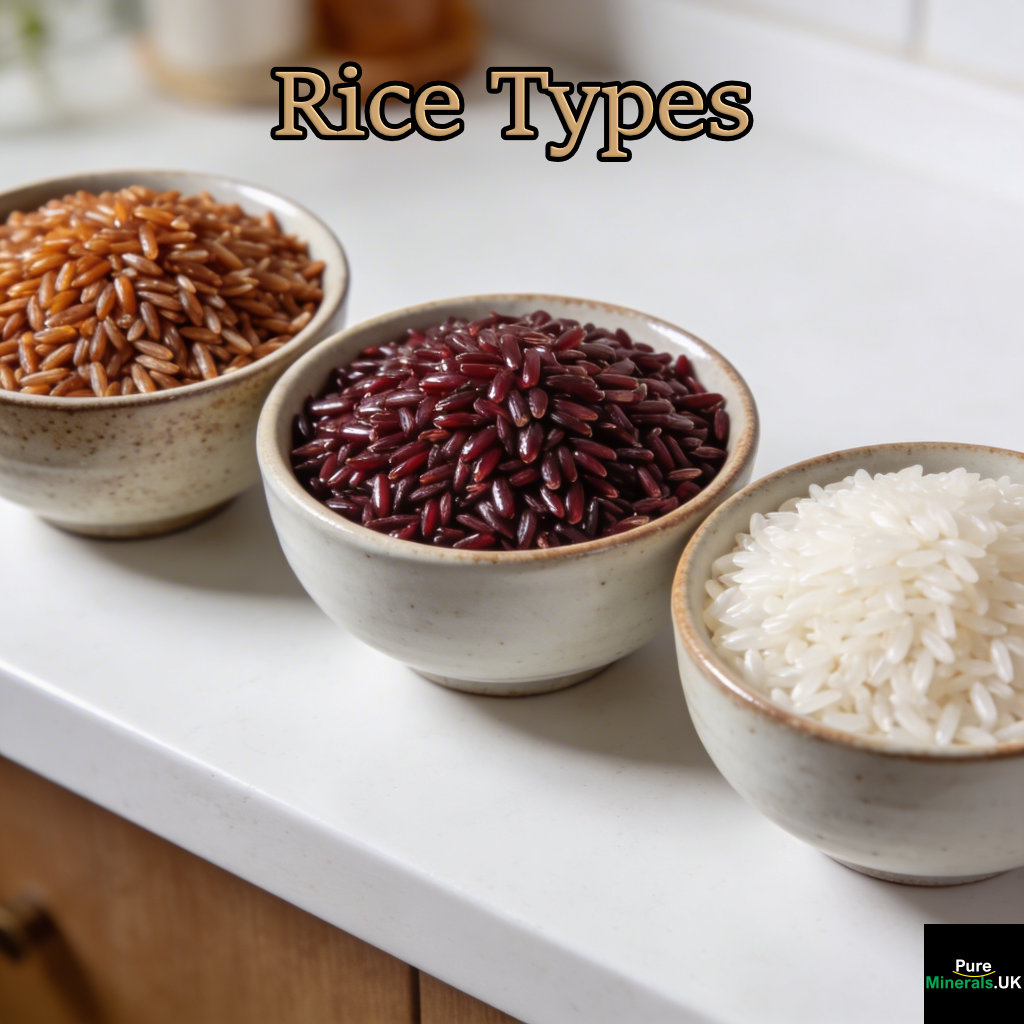
All three types of rice start from the same plant — Oryza sativa. What separates them is what happens after harvest.
How Milling Changes the Grain
Milling is the process of removing the outer layers of a rice kernel after the inedible hull is stripped away. Brown rice undergoes minimal milling — the bran and germ remain intact. White rice is milled further, removing those layers entirely and leaving only the starchy endosperm. Red rice, like brown rice, is a whole grain, but it belongs to specific pigmented varieties where the bran layer contains anthocyanin pigments that give it a deep reddish-purple color.
The degree of milling directly determines the nutrient density of the final product. Every layer removed strips away fiber, vitamins, minerals, and antioxidants. This is why the milling process is the single most important factor in distinguishing these three rice types nutritionally.
White rice cooks faster and has a softer texture because the tough bran exterior is gone. Brown and red rice take longer — typically 40 to 50 minutes compared to 15 to 20 minutes for white — because the bran layer slows water absorption during cooking.
Quick Reference: Milling and What’s Lost
Brown Rice: Hull removed only — bran and germ intact → highest fiber and micronutrient retention
Red Rice: Hull removed only — pigmented bran intact → high in anthocyanins and fiber
White Rice: Hull, bran, and germ removed → primarily starch remains; often fortified to restore some nutrients
Bran, Germ, and Endosperm: What Gets Kept and What Gets Lost

The rice grain has three main components. The bran is the outer layer and is loaded with dietary fiber, B vitamins, and antioxidants. The germ is the embryo of the seed — it contains healthy fats, vitamin E, and additional B vitamins. The endosperm makes up the bulk of the grain and is almost entirely composed of starch with minimal nutrients. When white rice is milled, the bran and germ are discarded, leaving only the endosperm behind.
This is why 100 grams of cooked brown rice delivers approximately 1.6 grams of fiber while the same amount of white rice provides only 0.4 grams, according to USDA nutrient data. That gap compounds over a lifetime of daily rice consumption.
Color, Texture, and Cooking Time Differences
Brown rice is tan-colored with a slightly chewy texture and a nutty flavor. Red rice has a deeper reddish-brown hue and a similarly chewy bite with an earthier taste. White rice is bright white, soft, and neutral in flavor, which is a key reason it dominates global cuisine. Cooking time, texture preference, and cultural familiarity all play roles in which type of people choose, often independently of nutritional value.
Brown Rice: The Whole Grain Powerhouse
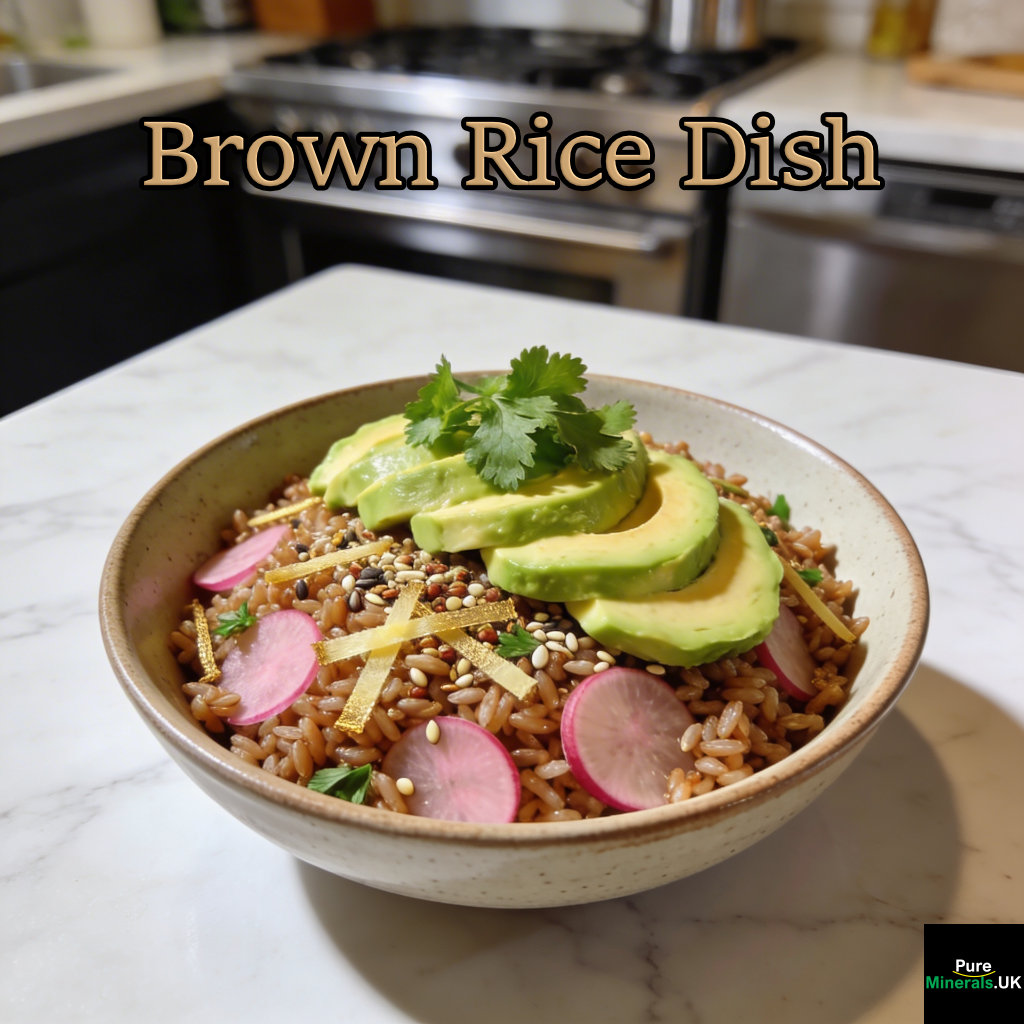
Brown rice is exactly what white rice used to be before industrial milling stripped it down. It is a true whole grain, and its nutritional advantages over white rice are well-documented across multiple clinical studies.
A 2022 systematic review and meta-analysis published in nutrition research literature found that brown rice consumption, compared to white rice, was associated with reductions in weight, BMI, and waist circumference across randomized controlled trials. Those aren’t small findings — they point to brown rice as a meaningful dietary tool for metabolic health.
Fiber Content and Blood Sugar Control
The fiber in brown rice does two important things: it slows digestion and blunts the blood sugar spike that follows a meal. Brown rice has an average glycemic index of about 65, compared to white rice’s average of about 73. For people managing type 2 diabetes or insulin resistance, that difference is clinically relevant. The fiber also feeds beneficial gut bacteria, supporting digestive health in ways that refined grains simply cannot.
Key Vitamins and Minerals in Brown Rice
Brown rice is a meaningful source of magnesium, phosphorus, manganese, and several B vitamins, including thiamine (B1), niacin (B3), and vitamin B6. These nutrients support energy metabolism, nerve function, and bone health. Because the germ and bran are intact, these nutrients are delivered in their natural food matrix, which research consistently shows is more bioavailable than the synthetic forms added back to fortified white rice.
Brown Rice and Weight Management
Several mechanisms explain why brown rice supports weight management better than white rice:
- Higher fiber content increases satiety, helping you feel full longer after meals
- Lower glycemic index reduces insulin spikes, which are linked to increased fat storage
- Slower digestion means steadier energy release rather than a quick surge and crash
- Greater chewing is required due to the bran layer, which research suggests may contribute to reduced overall calorie intake
One study cited in nutrition literature found that white rice — but not brown rice — was associated with an increased risk of weight gain, even when total calorie intake was similar between groups. That finding highlights how food quality, not just calorie quantity, shapes body composition over time.
It’s worth noting that brown rice also contains antinutrients like phytic acid, which can reduce the absorption of certain minerals such as zinc and iron. Soaking brown rice before cooking can help reduce phytic acid levels and improve mineral bioavailability — a small step that makes a real nutritional difference.
Overall, for anyone focused on long-term metabolic health, blood sugar regulation, or gradual weight management, brown rice is a straightforward upgrade over white rice that doesn’t require dramatic dietary changes.
Who Benefits Most From Brown Rice
Brown rice is particularly well-suited for people managing or at risk for type 2 diabetes, those with elevated cholesterol, individuals focused on digestive health, and anyone looking to increase whole grain intake without giving up rice entirely. It’s also a strong choice for people in caloric surplus who want to maintain stable energy without refined carbohydrate spikes. Athletes doing sustained endurance training, however, may actually benefit more from white rice’s faster-digesting carbohydrates in specific pre- or post-workout windows.
Red Rice: The Antioxidant-Rich Grain Most People Overlook

Red rice doesn’t get nearly enough attention in mainstream nutrition conversations, but its nutritional profile rivals — and in some areas surpasses — that of brown rice.
What Gives Red Rice Its Color
The deep reddish-purple hue of red rice comes from anthocyanins — a class of flavonoid antioxidants also found in blueberries, blackberries, and red cabbage. These pigments are concentrated in the bran layer of the grain, which is why red rice must remain unmilled (or minimally milled) to retain its color and its nutritional benefits. The moment the bran is removed, the color — and the antioxidants with it — disappears entirely. This is one reason red rice is inherently a whole grain product; you simply cannot have red rice in refined form and still call it red rice.
Nutritional Profile of Red Rice vs. Brown and White
Red rice delivers comparable fiber and mineral content to brown rice, but its anthocyanin concentration gives it a distinct antioxidant advantage. Studies show that whole grains rich in anthocyanins, like emmer wheat, may help reduce oxidative stress and inflammation — both of which are underlying drivers of chronic diseases, including heart disease, type 2 diabetes, and certain cancers. Research published in peer-reviewed nutrition journals confirms that antioxidant-rich whole grains like red rice may help prevent these chronic conditions.
- Fiber: Comparable to brown rice — significantly higher than white rice
- Anthocyanins: Uniquely high — not present in brown or white rice
- Magnesium and phosphorus: Present in meaningful amounts, supporting bone and muscle function
- Iron: Naturally occurring in the bran layer, without the need for fortification
- Glycemic index: Generally lower than white rice, though slightly variable depending on the specific red rice variety
Red rice varieties like Bhutanese red rice and Thai red cargo rice are among the most well-known. Bhutanese red rice, grown at high altitude in the Himalayan Kingdom of Bhutan, has a particularly soft texture for a whole grain — making it more accessible to people who find brown rice too chewy. The raw grains are a deep russet or brick red; once cooked, they turn an elegant pale pink. It has a soft, tender, and slightly sticky (clingy) texture similar to Japanese rice, with a distinct earthy and nutty flavour. It is primarily grown for subsistence on small family farms without pesticides or fertilisers.
The practical barrier to red rice is mostly availability and cost. It’s less commonly stocked in mainstream grocery stores and tends to be priced higher than both brown and white rice. However, for those who can access it, red rice is one of the most nutritionally complete rice options available — delivering whole grain benefits with a meaningful antioxidant advantage that neither brown nor white rice can match.
Because it retains its bran and germ, Bhutanese red rice is a nutritional powerhouse compared to white rice. It is rich in anthocyanins (the same pigments in blueberries), which help combat oxidative stress and support heart health. It has a low Glycemic Index of around 55–68, making it a better choice for blood sugar management as it digests more slowly than white rice. The rice is a source of iron, zinc, magnesium, potassium, and B vitamins. And, it is naturally free of gluten and wheat.
You can find authentic Bhutanese red rice from specialized retailers and health food stores.
Bhutanese Red Rice
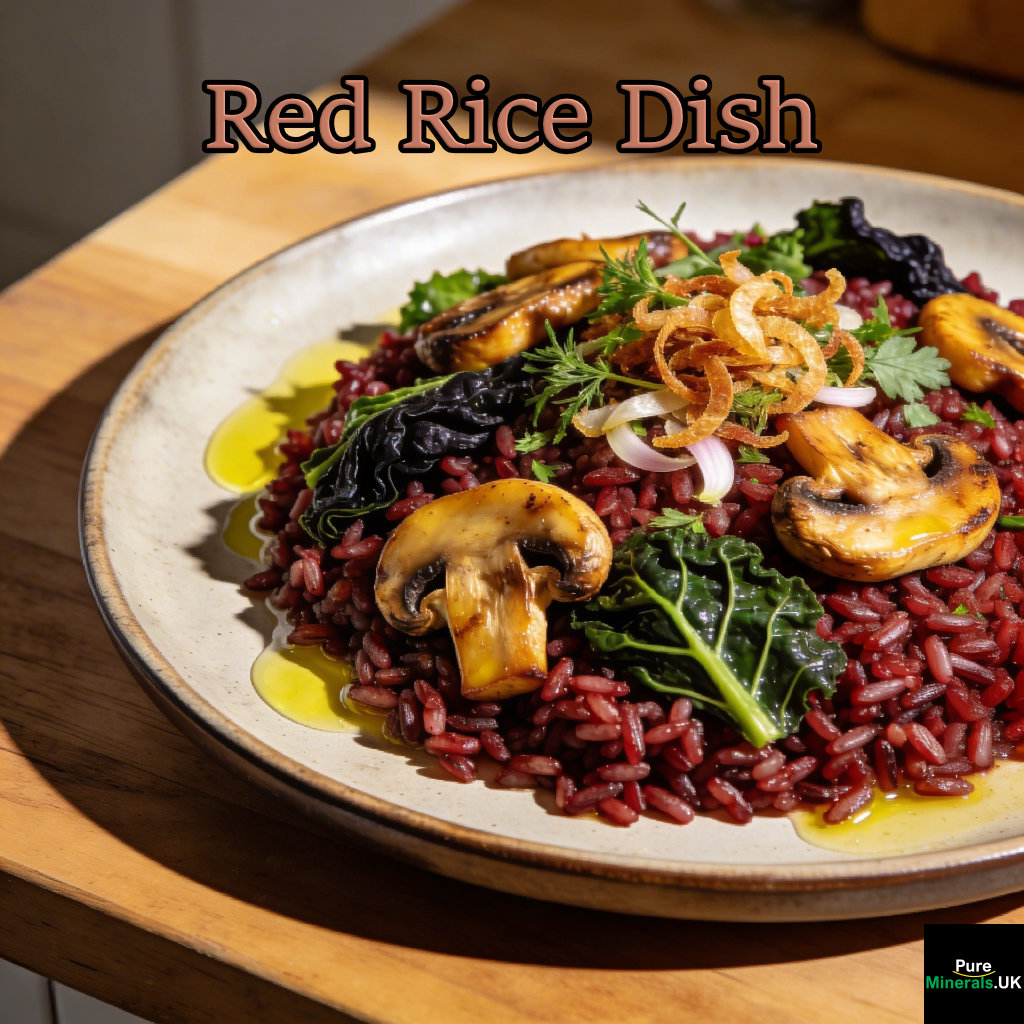
Unlike brown rice, which can take 45+ minutes, Bhutanese red rice cooks in 20–25 minutes because it is semi-milled.
- Rinse: Wash the rice thoroughly in cold water until the water runs clear.
- Water Ratio: Use a rice to water ratio of 1 cup of rice to 1.5 cups of water.
- Simmer: Bring to a boil, then cover and simmer on low heat for 20 minutes.
- Rest: Turn off the heat and let it stand, covered, for 10 minutes to allow the steam to finish the cooking process.
White Rice: Why the World’s Most Eaten Grain Still Has a Place in a Healthy Diet
White rice has been unfairly vilified in many Western nutrition circles. The reality is more nuanced — white rice has been a cornerstone of some of the world’s healthiest and longest-lived populations for centuries, including in Japan and South Korea, where rates of obesity and metabolic disease have historically been far lower than in the West.
The key is context. White rice consumed as part of a diet rich in vegetables, lean proteins, fermented foods, and fish — as in traditional Japanese cuisine — behaves very differently from white rice eaten alongside processed foods and sugary beverages. Food patterns matter as much as individual food choices.
What Remains After Milling
After the bran and germ are removed, white rice is primarily composed of starch in the form of amylose and amylopectin. While this does mean a significant reduction in fiber and micronutrients, white rice is not entirely without nutritional value in its natural state. It still provides:
- Rapidly available carbohydrates for immediate energy — particularly useful for athletes
- Small amounts of protein — approximately 2.7 grams per 100 grams cooked
- Minimal fat — making it easy to digest and unlikely to cause gastrointestinal distress
- Some naturally occurring B vitamins — though at much lower levels than brown rice
White rice is also naturally gluten-free, making it a safe staple for people with celiac disease or non-celiac gluten sensitivity. Its bland flavor and soft texture make it one of the most universally tolerated foods across age groups — from infants transitioning to solid foods to elderly individuals with chewing difficulties or sensitive digestive systems. For those interested in exploring other gluten-free grains, consider trying millet as a nutritious alternative.
It is worth emphasizing that white rice’s digestibility is one of its genuine strengths, not just a neutral trait. For people recovering from illness, dealing with irritable bowel syndrome flare-ups, or managing acute gastrointestinal symptoms, white rice is frequently the recommended dietary staple precisely because it is easy on the gut.
Fortification: How White Rice Gets Nutrients Added Back
In the United States and at least five other countries, white rice is required by law to be fortified with iron and B vitamins — including thiamine, niacin, and folic acid — following the milling process. This mandatory fortification program exists specifically to compensate for the nutrient losses caused by milling and to protect public health in populations that rely heavily on white rice as a dietary staple. Folic acid fortification in particular has been credited with meaningful reductions in neural tube defects in countries where rice is a primary food source.
Fortification doesn’t fully replicate the nutritional complexity of a whole grain — synthetic nutrients added back after processing are not identical to nutrients in their natural food matrix. But it does meaningfully close the gap, particularly for iron and B vitamin intake in populations that might otherwise fall short of daily requirements.
Digestibility and Energy Release
White rice digests quickly because there is no bran layer to slow the breakdown of starch. This produces a faster rise in blood glucose compared to brown or red rice, which is why white rice has a higher glycemic index of approximately 73. For most sedentary individuals eating large portions of white rice regularly, this rapid glucose release can contribute to blood sugar instability over time. However, this same quality makes white rice strategically useful in specific situations:
- Pre-workout fuel: Fast-digesting carbohydrates provide readily available energy without sitting heavily in the stomach
- Post-workout recovery: Rapid glucose delivery helps replenish muscle glycogen stores after intense exercise
- Illness recovery: Easy digestibility reduces the burden on a compromised digestive system
- Infant and toddler feeding: Soft texture and neutral flavor make it one of the most appropriate early solid foods
Combining white rice with fiber-rich vegetables, legumes, or proteins can significantly blunt the glycemic response. A 2014 randomized controlled trial published in Nutrition Research found that adding legumes to white rice reduced blood glucose and insulin responses in overweight Asian adults — demonstrating that how you eat white rice matters just as much as whether you eat it.
Cooling cooked white rice and eating it at room temperature or reheating also increases its resistant starch content — a form of starch that behaves more like fiber in the digestive system, slowing glucose absorption and feeding beneficial gut bacteria. This simple technique meaningfully changes the metabolic impact of white rice without changing its taste or accessibility. For those interested in exploring other grains, fonio is another nutritious option to consider.
White rice is not the nutritional villain it is often portrayed to be. Used thoughtfully — paired with nutrient-dense foods, managed in portion size, or prepared using resistant starch-forming methods — it remains a legitimate component of a healthy, balanced diet.
Comparing the Nutritional Value of Brown, Red, and White Rice
Putting all three rice types side by side reveals just how much processing affects nutritional density. The differences in fiber, glycemic index, and micronutrient content aren’t trivial — they accumulate meaningfully over a lifetime of daily consumption. For those interested in exploring other grains, Kamut offers a unique nutritional profile worth considering.
Per 100 grams of cooked rice, the nutritional landscape shifts considerably depending on which type you choose. Brown and red rice consistently outperform white rice on fiber, antioxidants, and naturally occurring minerals, while white rice leads on digestibility and, in fortified markets, iron content.
The table below summarizes key nutritional differences based on available data from the USDA nutrient database and peer-reviewed rice nutrition literature, including information on lesser-known grains like fonio:
Nutrient (per 100g cooked) | Brown Rice | Red Rice | White Rice |
|---|---|---|---|
Calories | ~111 kcal | ~110 kcal | ~130 kcal |
Carbohydrates | ~23g | ~23g | ~28g |
Dietary Fiber | 1.6g | ~2.0g | 0.4g |
Protein | ~2.6g | ~2.5g | ~2.7g |
Fat | ~0.9g | ~0.8g | ~0.3g |
Glycemic Index | ~65 | ~55–60 (est.) | ~73 |
Anthocyanins | None | High | None |
Magnesium | Higher | Higher | Lower |
Iron (fortified markets) | Moderate | Moderate | Higher (fortified) |
These figures make the nutritional hierarchy clear: red and brown rice lead in fiber, antioxidants, and naturally occurring minerals, while white rice offers faster energy and — in countries with fortification requirements — a reliable source of iron and B vitamins.
Fiber Content Side by Side
Fiber is where the gap between whole grain and refined rice is most stark. Brown rice delivers 1.6 grams of dietary fiber per 100 grams cooked, while white rice provides just 0.4 grams — a 75% reduction caused entirely by the removal of the bran layer. Red rice edges slightly ahead of brown rice with approximately 2 grams of fiber per 100 grams, though this can vary by specific variety.
Over the course of a day where rice is eaten at multiple meals — as it is in many Asian countries — this fiber difference becomes substantial. Someone eating 300 grams of cooked brown rice daily would consume approximately 4.8 grams of fiber from rice alone, compared to just 1.2 grams from the same quantity of white rice. That gap contributes directly to differences in satiety, gut microbiome health, and long-term cardiovascular and metabolic outcomes.
Dietary fiber recommendations from major health organizations typically sit at 25 grams per day for women and 38 grams per day for men. Choosing brown or red rice over white is one of the simplest single-food swaps available to meaningfully close the gap between actual and recommended fiber intake.
Glycemic Index Differences
The glycemic index measures how quickly a food raises blood glucose compared to pure glucose. Brown rice averages a GI of about 65, placing it in the medium GI range. White rice averages approximately 73 — also medium, but meaningfully higher. Red rice is estimated to fall between 55 and 60, though published GI data for specific red rice varieties is less comprehensive than for brown and white rice.
A lower GI means a slower, more gradual rise in blood sugar — which translates to sustained energy, reduced insulin demand, and better appetite regulation. For people with type 2 diabetes or prediabetes, choosing lower GI grains like brown or red rice over white rice is a straightforward and evidence-supported dietary adjustment. That said, GI values are not fixed — cooking method, cooling, portion size, and what you eat alongside rice all influence the actual glycemic response in the body.
Vitamin and Mineral Comparison
Brown and red rice retain their naturally occurring B vitamins — thiamine, niacin, vitamin B6, and pantothenic acid — in the intact bran and germ layers. They also provide magnesium, phosphorus, zinc, and manganese in meaningful amounts. White rice loses the majority of these micronutrients during milling. In countries where fortification is mandatory, white rice has iron and select B vitamins added back — but zinc, magnesium, and manganese are not typically replaced through fortification, leaving a persistent micronutrient gap compared to whole grain options.
Rice as a Global Nutrition Staple
Rice doesn’t just feed people — it sustains entire civilizations. No other single food crop provides calories to as many people across as many cultures as rice does, and that reality shapes how we need to think about its nutritional value. When billions of people depend on one grain for the majority of their daily energy, the difference between a refined version and a whole grain version of that food has enormous public health consequences.
Countries Most Dependent on Rice for Daily Calories
Across Asia, rice isn’t simply a side dish — it is the dietary foundation around which every other food is built. In countries like Bangladesh, Cambodia, Laos, Myanmar, and Vietnam, rice can account for 50 to 80 percent of total daily calorie intake for large portions of the population. Understanding where rice dependency is highest helps explain why rice nutrition policy — including fortification programs and whole grain promotion — is treated as a public health priority in these regions, not just a dietary preference.
- China and India — Together account for more than half of global rice production and consumption, with rice forming the caloric backbone of meals across hundreds of regional cuisines
- Bangladesh — One of the highest per capita rice consumption rates in the world, with rice providing the majority of daily caloric intake for much of the population
- Indonesia and the Philippines — Rice is eaten at virtually every meal, and national food security is directly tied to rice production stability
- Japan and South Korea — High rice consumption paired with vegetable and protein-rich diets, contributing to some of the highest life expectancies globally
- West Africa — Countries like Sierra Leone, Guinea, and Liberia have among the highest rice dependency rates outside Asia, with rice serving as the primary staple grain
What’s striking about Japan and South Korea is that their populations consume significant quantities of white rice — yet metabolic disease rates have historically been far lower than in many Western countries. These points directly relate to the importance of the overall dietary pattern. Rice eaten alongside fermented vegetables, fish, legumes, and minimal processed food behaves very differently metabolically than rice consumed in a diet dominated by ultra-processed foods and added sugars.
This context matters enormously when evaluating claims that white rice is harmful. The grain itself is not the problem — the dietary environment surrounding it is what determines its health impact. Populations that eat white rice within nutrient-dense, fiber-rich food patterns consistently show better health outcomes than those eating white rice as part of a low-fiber, high-processed-food diet.
For lower-income populations in rice-dependent countries, access to brown or red rice is not always straightforward. White rice is cheaper to produce, easier to store, and has a longer shelf life — practical realities that explain why it dominates global consumption despite the nutritional advantages of whole grain varieties. Any honest conversation about rice nutrition must account for these socioeconomic factors rather than simply prescribing whole grain rice as a universal solution.
Rice Fortification Programs and Public Health
Because white rice is the dominant form consumed globally, fortification programs represent one of the most scalable public health interventions available for populations that depend on it. In the United States and at least five other countries, white rice is required to be enriched with iron, thiamine, niacin, and folic acid following milling.
Folic acid fortification of staple grains has been directly associated with reductions in neural tube defects — one of the clearest documented successes of grain fortification as a public health strategy. The World Food Programme and other international nutrition organizations have expanded rice fortification efforts in high-dependency regions across Asia and sub-Saharan Africa, recognizing that shifting entire populations to brown rice is not a realistic short-term goal, but improving the nutrient density of the white rice already being consumed is.
Fortification does not make white rice nutritionally equivalent to brown or red rice — the fiber, antioxidants, and full spectrum of naturally occurring minerals in the bran and germ cannot be replicated through post-milling nutrient addition. But for populations where white rice is the primary caloric staple and dietary diversity is limited, fortification meaningfully reduces the risk of micronutrient deficiencies, including iron deficiency anemia and B vitamin shortfalls. It is a pragmatic bridge — not a perfect solution, but a genuinely impactful one at scale.
How to Choose the Right Rice for Your Diet
The best rice for your diet depends on what you’re trying to achieve. If blood sugar management, weight control, or maximizing fiber and antioxidant intake are your priorities, brown rice or red rice are the clear evidence-based choices — both deliver whole grain nutrition with meaningfully more fiber, vitamins, minerals, and, in red rice’s case, a unique anthocyanin antioxidant advantage.
If digestibility, rapid energy delivery, or cultural preference drives your decision — or if you’re an athlete fueling around training — white rice is a completely legitimate option, especially when paired with vegetables, legumes, and quality proteins that restore the dietary fiber and micronutrients that milling removes. The single most impactful upgrade most people can make is not eliminating white rice, but deliberately adding fiber-rich foods alongside it — a move that meaningfully changes its metabolic impact without requiring a complete dietary overhaul.
Important note: Rice
Rice is generally well-tolerated and suitable for a wide range of dietary patterns. However, rice can accumulate inorganic arsenic from soil and water, particularly in certain growing regions. Rinsing and cooking rice in excess water (and draining) may help reduce arsenic levels. Whole-grain varieties contain more nutrients but may also contain higher levels of naturally occurring compounds such as phytates. Individuals with specific dietary concerns should consult a qualified nutrition professional before making significant dietary changes.
Frequently Asked Questions
Here are straightforward answers to the most common questions about brown, red, and white rice nutrition.
Is white rice bad for you compared to brown rice?
White rice is not inherently bad for you, but it is nutritionally inferior to brown rice when evaluated in isolation. White rice loses the majority of its fiber, antioxidants, and naturally occurring micronutrients during the milling process, leaving primarily starch. However, in the context of a balanced diet rich in vegetables, proteins, and legumes, white rice can be part of a perfectly healthy eating pattern — as demonstrated by the long-term health outcomes of populations in Japan and South Korea who have consumed white rice as a staple for centuries.
What is the glycemic index of brown, red, and white rice?
Brown rice has an average glycemic index of approximately 65, placing it in the medium GI range. White rice averages approximately 73, also medium GI, but noticeably higher. Red rice is estimated to fall between 55 and 60, making it the lowest GI option among the three, though published data for specific red rice varieties is less extensive. Cooking method, cooling, portion size, and what you eat alongside rice all influence the actual glycemic response in the body, so these figures represent averages rather than fixed values.
Does red rice have more antioxidants than brown rice?
Yes. Red rice contains anthocyanins — a class of flavonoid antioxidants responsible for its deep reddish-purple color — that are absent in both brown and white rice. Anthocyanins are the same powerful antioxidant compounds found in blueberries, red cabbage, and blackberries, and they have been studied for their role in reducing oxidative stress and inflammation, which are underlying drivers of chronic diseases, including heart disease and type 2 diabetes.
Brown rice does contain antioxidants in its bran layer — including phenolic acids and tocopherols — but it lacks the anthocyanin advantage that makes red rice uniquely valuable from an antioxidant standpoint. If maximizing antioxidant intake from your rice is a priority, red rice is the strongest choice among the three varieties discussed here.
Can eating brown rice help with weight loss?
Brown rice can support weight management, though it is not a standalone weight loss food. A 2022 meta-analysis of randomized controlled trials found that brown rice consumption was associated with reductions in weight, BMI, and waist circumference compared to white rice. The mechanisms behind this include higher fiber content increasing satiety, a lower glycemic index reducing insulin spikes linked to fat storage, and slower digestion providing more stable energy without the sharp hunger rebound that follows refined carbohydrate consumption. Brown rice works best as part of a calorie-conscious diet rather than as an isolated dietary change.
Is rice gluten-free?
Yes. All natural forms of rice — brown, red, and white — are completely gluten-free. Rice contains no gluten proteins whatsoever, making it one of the safest grain options for people with celiac disease or non-celiac gluten sensitivity. This is one of the key reasons rice has become such a universal dietary staple across cultures and medical dietary frameworks alike.
The only exception to watch for is cross-contamination. Rice processed in facilities that also handle wheat, barley, or rye may carry trace gluten contamination. For people with celiac disease who react to even trace amounts, choosing rice products labeled as certified gluten-free ensures processing in a dedicated gluten-free facility.
Rice-based products like rice flour, rice cakes, and rice pasta are also naturally gluten-free and serve as widely used alternatives to wheat-based products in gluten-free cooking and baking. The neutral flavor of white rice flour in particular makes it one of the most versatile gluten-free baking ingredients available.
Rice is a staple food for more than half of the world’s population. It is a versatile grain that comes in various types, including brown, red, and white rice. Each type of rice has its unique nutritional profile, providing essential nutrients such as carbohydrates, fiber, and vitamins. In addition to rice, other grains like millet are also gaining popularity for their health benefits and versatility in cooking. These grains play a crucial role in global nutrition, offering energy and sustenance to millions of people worldwide.