

Published: 3 May 2026
This article is periodically reviewed and updated to reflect current scientific understanding by Vic George.
Fact-Checked: 1 other authoritative medical/scientific reference. See our Editorial Policy.
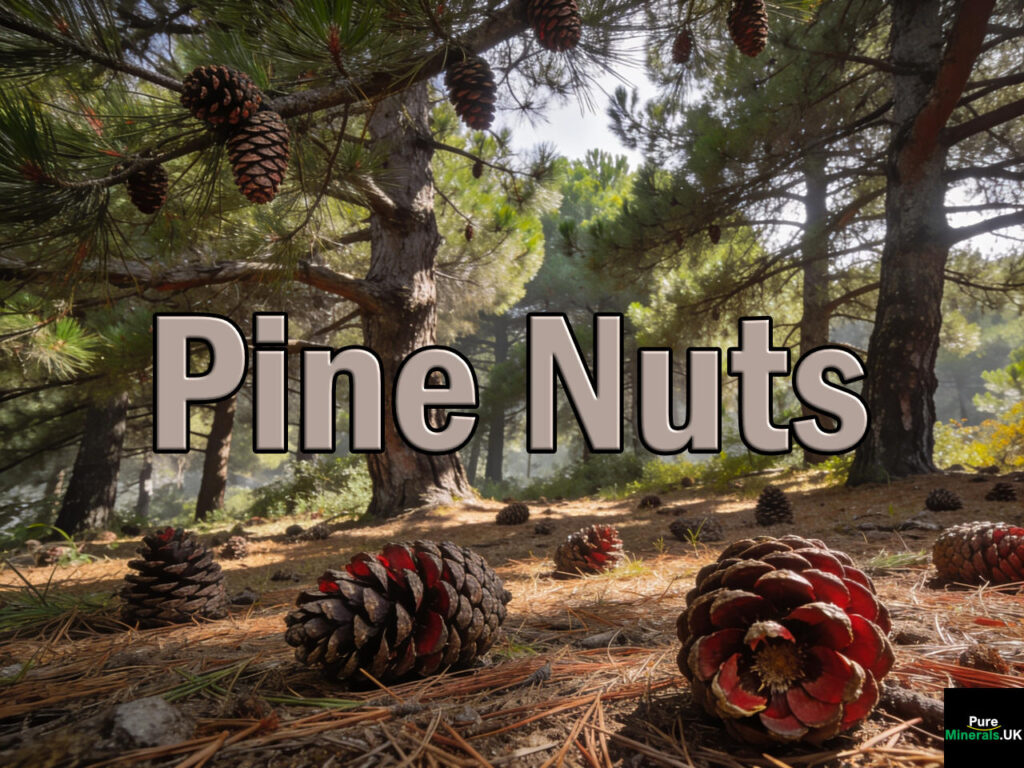
What Are Pine Nuts and Why Are They Widely Used?
Pine nuts are the edible seeds of certain pine tree species (Pinus spp.), valued for their delicate flavour, soft texture, and versatility in a wide range of culinary applications.
Definition
Pine nuts are the seeds found within the cones of specific pine trees (Pinus spp.), harvested and consumed after shell removal.
Extended Definition
Pine nuts are produced by several species of pine trees, including Pinus pinea (stone pine) and other edible-seed varieties. The seeds develop inside pine cones and are protected by a hard outer shell, which must be removed before consumption.
The nuts are grown and harvested in Afghanistan, China, Italy, Korea, Pakistan, Russia, Spain, and Turkey. China is the largest producer and exporter of Korean pine nuts, while Mediterranean regions produce the stone pine nuts.
Nutritionally, pine nuts are rich in fats, primarily unsaturated fatty acids, along with moderate protein and low carbohydrate content. They also provide dietary fiber and micronutrients such as magnesium, manganese, zinc, and vitamin E.
Pine nuts contain plant compounds, including polyphenols and phytosterols, contributing to their overall nutritional characteristics. Due to their relatively high oil content, they have a soft, slightly oily texture and a mild, buttery flavour.
They are widely used in Mediterranean and Middle Eastern cuisines, notably in dishes such as pesto, as well as in salads, baked goods, and savoury recipes. Pine nuts are typically eaten raw or lightly toasted to enhance their flavour.
Key Facts
- Botanical Name: Pinus spp.
- Plant Type: Coniferous tree (seed)
- Edible Part: Seed (kernel from pine cones)
- Macronutrient Profile: High fat, moderate protein, low carbohydrates
- Notable Micronutrients: Magnesium, zinc, vitamin E
- Natural Compounds: Unsaturated fatty acids, polyphenols, phytosterols
- Typical Preparation: Raw or lightly toasted
- Common Uses: Pesto, salads, baked goods, savoury dishes
- Taste Profile: Mild, buttery, slightly sweet
- Culinary Status: Widely used in global cuisines
Key Takeaways
- Pine nuts are nutritionally dense seeds — not true nuts — harvested from pine tree cones, delivering 673 calories, 14g of protein, and 68% healthy fats per 100g serving.
- They contain key nutrients including vitamin E, vitamin K, copper, manganese, magnesium, and iron, supporting everything from heart health to brain function.
- Four evidence-based benefits include heart health support, blood sugar regulation, weight management, and cognitive protection through omega-3 fatty acids.
- Pine nuts come with real risks — including pine mouth syndrome and potential allergic reactions — that are worth understanding before making them a daily staple.
- Despite their small size, pine nuts punch well above their weight nutritionally, and the way you eat them (raw vs. roasted) actually changes their nutritional impact.
Pine nuts are one of the most nutritionally underestimated foods you can add to your plate.
Most people know pine nuts as that pricey ingredient in pesto. But the real story is in what these tiny seeds actually do for your body — and why nutritionists consistently rank them among the most nutrient-dense tree-sourced foods available.
Pine Nuts Pack More Nutrition Than Most People Realize
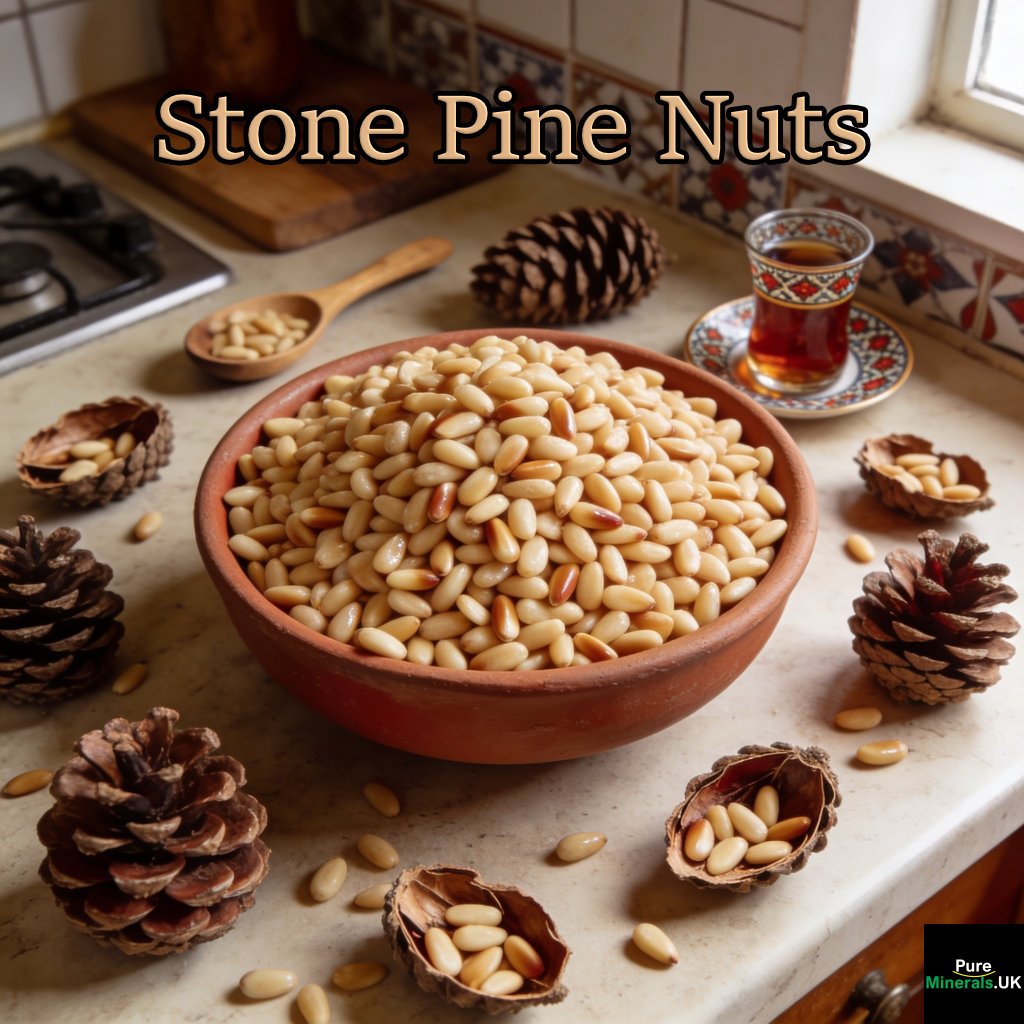
It’s easy to overlook pine nuts when you’re reaching for almonds or walnuts. They’re small, expensive, and often used in tiny quantities as a garnish. But even a single ounce delivers a meaningful combination of healthy fats, plant-based protein, and micronutrients that most snacks can’t match.
What Pine Nuts Actually Are
Pine nuts are the edible seeds extracted from the cones of pine trees. Technically, they’re seeds — not nuts — which is an important distinction for people navigating food allergies. They grow inside the scales of certain pine cones and must be harvested by hand, which is a large part of why they’re so expensive.
There are two main varieties you’ll encounter: Mediterranean pine nuts and Asian pine nuts. Mediterranean pine nuts come from the stone pine (Pinus pinea) and are recognized by their torpedo-like shape and creamy, uniform texture. Asian pine nuts — most commonly from Chinese white pine or Siberian pine species — are shorter, more triangular, and often used in budget-friendly commercial preparations. The flavor profile between the two is noticeably different, with Mediterranean varieties typically delivering a richer, butterier taste.
- Mediterranean pine nuts: Slender, elongated shape; rich buttery flavor; higher price point
- Asian pine nuts: Shorter, triangular shape; milder taste; more widely available in mass-market products
- Both varieties are nutritionally similar in their macronutrient composition
- Primary producers include China, Russia, Afghanistan, Italy, and Spain
- The Korean pine, Pinus koraiensis, is produced in China and Korea.
- Russia and Mongolia produce the Siberian pine, Pinus sibirica.
- Italy, Spain, and Turkey produce high-quality Stone pines, Pinus pinea.
- Afghanistan, India, and Pakistan produce the Chilgoza pine, Pinus gerardiana.
- The Pinyon pines (P. edulis, P. monophylla) are produced in the North American Southwest.
Why Pine Nuts Cost More Than Other Nuts
The price tag on pine nuts isn’t arbitrary. Harvesting them is extraordinarily labor-intensive — pine cones must be collected, dried, and then mechanically or manually cracked to release the seeds. A single pine tree may take 15 to 25 years to produce a harvestable cone crop. That timeline alone makes pine nuts a fundamentally different agricultural product compared to almonds or cashews.
Climate sensitivity adds another layer of cost. Pine nut yields are heavily affected by weather patterns, and drought or disease in key growing regions can significantly reduce global supply. When you pay a premium for pine nuts, you’re essentially paying for a slow, labor-dependent, weather-vulnerable harvest process that hasn’t been successfully industrialized at scale.
Pine Nuts Nutritional Profile Per 100g
When dried for eating, pine nuts break down as approximately 2% water, 13% carbohydrates, 14% protein, and 68% fat. That fat percentage sounds high, but the type of fat matters enormously — and in pine nuts, it’s predominantly unsaturated fat, the kind associated with cardiovascular benefit.
In a 100-gram reference serving, dried pine nuts supply 2,815 kilojoules (673 kilocalories) of food energy. They’re also a rich source of several essential vitamins and minerals, which makes them calorie-dense in a genuinely useful way rather than just an empty-calorie food.
Pine Nuts Nutritional Snapshot (per 100g, dried):
Calories: 673 kcal | Protein: 13.7g | Total Fat: 68.4g | Carbohydrates: 13.1g | Fiber: 3.7g | Water: 2.3g
Macronutrient Breakdown: Fat, Protein, and Carbohydrates
The dominant macronutrient in pine nuts is fat — but it’s the composition of that fat that makes pine nuts stand out. The majority is unsaturated, split between monounsaturated and polyunsaturated fatty acids. Pine nuts also contain pinolenic acid, a polyunsaturated fatty acid unique to pine nuts that has been studied for its potential role in appetite suppression by stimulating the release of hunger-suppressing hormones. For those interested in exploring more about different types of nuts, you might want to learn about macadamia nuts and their nutritional benefits.
With 13.7g of protein per 100g, pine nuts offer a solid plant-based protein contribution — particularly useful for vegetarians and vegans building diverse protein sources into their diet. Their carbohydrate content sits at 13.1g per 100g, with 3.7g coming from dietary fiber, making their net carb impact relatively modest for a food of this caloric density.
Macronutrient | Per 100g | Per 1 oz (28g) |
|---|---|---|
Calories | 673 kcal | 188 kcal |
Total Fat | 68.4g | 19.1g |
Protein | 13.7g | 3.8g |
Carbohydrates | 13.1g | 3.7g |
Dietary Fiber | 3.7g | 1.0g |
Key Vitamins in Pine Nuts
Pine nuts are a meaningful source of vitamin K and vitamin E. Vitamin K plays a critical role in blood clotting and bone metabolism, while vitamin E functions as a fat-soluble antioxidant that protects cell membranes from oxidative damage. Given that pine nuts are high in fat, the presence of vitamin E is particularly fitting — it helps protect those fats from going rancid both in the food itself and in your body after consumption. These nuts contain more than the daily requirement of copper and manganese.
Here is the complete breakdown of the vitamins and minerals in pine nuts:
- Thiamine (vitamin B1): 0.4 mg; 33% DV
- Riboflavin (vitamin B2): 0.2 mg; 15% DV
- Niacin (vitamin B3): 4.4 mg; 28% DV
- Pantothenic acid (vitamin B5); 0.3 mg; 6% DV
- Vitamin B6; 0.1 mg; 6% DV
- Folate (vitamin B9); 34 μg; 9% DV
- Choline; 55.8 mg; 10% DV
- Vitamin C: 0.8 mg; 1% DV
- Vitamin E: 9.3 mg; 62% DV
- Vitamin K: 53.9 μg; 45% DV
- Calcium: 16 mg; 1% DV
- Copper: 1.3 mg; 144% DV
- Iron: 5.5 mg; 31% DV
- Magnesium: 251 mg; 60% DV
- Manganese: 8.8 mg; 383% DV
- Phosphorus: 575 mg; 46% DV
- Potassium: 597 mg; 20% DV
- Selenium: 0.7 μg; 1% DV
- Zinc: 6.4 mg; 58% DV
Key Minerals in Pine Nuts
The mineral content of pine nuts is what really distinguish themselves. Copper and manganese are both present in substantial amounts. Manganese supports bone formation and metabolic function, while copper plays an essential role in iron absorption and the formation of red blood cells.
Pine nuts also deliver notable levels of magnesium, iron, and phosphorus. Magnesium is involved in over 300 enzymatic reactions in the body — including protein synthesis, muscle function, and blood glucose control. Iron supports oxygen transport via hemoglobin, and phosphorus is critical for bone health and energy production at the cellular level. For comparison, you might also want to explore the nutritional benefits of hazelnuts.
Together, this mineral profile makes pine nuts one of the more micronutrient-complete whole food options available in the nut and seed category, particularly for people managing plant-based diets where mineral deficiencies are a common concern.
4 Evidence-Based Health Benefits of Pine Nuts
Pine nuts aren’t a superfood in the marketing sense of the word — but the research behind their specific compounds does support several meaningful health outcomes. The combination of healthy fats, polyphenols, plant protein, fiber, and minerals creates a nutritional synergy that isolated supplements rarely replicate.
Pine nuts deliver polyphenols — phenolic compounds with antioxidant activity — alongside the macronutrients and micronutrients already described. These polyphenols contribute to anti-inflammatory and other health-promoting mechanisms that go beyond simple calorie and nutrient counting.
1. Heart Health Support Through Unsaturated Fats
The unsaturated fatty acids in pine nuts are the primary driver of their cardiovascular benefit. Studies on tree nuts broadly — including research that covers the nut category as a whole rather than pine nuts in isolation — consistently link regular consumption of unsaturated fat-rich nuts with improved lipid profiles, including reductions in LDL cholesterol.
Pine nuts fit that same nutritional category. Their high unsaturated fat content, combined with the presence of vitamin E and polyphenols, supports vascular health through multiple pathways — not just fat composition alone. While direct pine nut-specific cardiovascular trials are limited, the nutritional mechanisms are well-established in the broader tree nut literature.
2. Blood Sugar Regulation
- Healthy fats slow glucose absorption into the bloodstream, blunting post-meal blood sugar spikes
- Manganese plays a direct role in carbohydrate metabolism and insulin function
- Phenolic compounds in pine nuts have demonstrated antioxidant activity that may support pancreatic health
- Fiber content at 3.7g per 100g contributes to slower digestion and a more stable glucose response
Several mechanisms work together in pine nuts to support blood sugar stability. The combination of fiber, healthy fats, and protein all slows the rate at which carbohydrates are digested and converted to glucose. This means eating pine nuts alongside other foods can actually moderate the glycemic impact of an entire meal, not just the pine nuts themselves.
Manganese is worth highlighting specifically here. This mineral plays a direct enzymatic role in glucose metabolism, and pine nuts are among the richest whole food sources of manganese available. Low manganese status has been associated with impaired glucose tolerance in nutritional research, which makes pine nuts a particularly relevant food for people managing blood sugar levels.
The phenolic compounds present in pine nuts add another layer. These antioxidant compounds may help reduce oxidative stress in pancreatic beta cells — the cells responsible for producing insulin. While most of the research examining these specific mechanisms has focused on nut consumption broadly, the nutritional profile of pine nuts is consistent with the foods studied.
3. Weight Management
It seems counterintuitive that a food delivering 673 calories per 100g could support weight management — but the research on tree nuts consistently shows that calorie density alone doesn’t determine satiety or body weight outcomes. Pine nuts are a good example of why.
Pinolenic acid, the unique polyunsaturated fatty acid found almost exclusively in pine nuts, has been studied for its ability to stimulate the release of cholecystokinin (CCK) and glucagon-like peptide-1 (GLP-1) — two gut hormones that signal fullness to the brain. When these hormones are elevated, appetite decreases, and food intake is naturally reduced. This isn’t appetite suppression through willpower; it’s a direct physiological response to pine nut consumption.
The protein and fiber combination compounds this effect. Protein is the most satiating macronutrient per calorie, and fiber slows gastric emptying, meaning your stomach stays full longer after eating pine nuts than after eating a similar calorie amount of refined carbohydrates. The fatty acids found in pine nuts have also been directly associated with weight management outcomes in nutritional research.
- Pinolenic acid stimulates CCK and GLP-1 release — hunger-suppressing hormones
- Protein at 13.7g per 100g supports satiety and lean muscle maintenance
- Fiber slows gastric emptying, extending the feeling of fullness
- Unsaturated fats are linked to improved body composition outcomes in tree nut research
The practical implication is that adding a small handful of pine nuts to a meal or snack — rather than replacing something with them — can reduce overall calorie intake across the day by managing hunger more effectively between meals.
4. Brain Health
Pine nuts are a source of omega-3 fatty acids, providing 31.4mg per ounce (28g). While that amount is modest compared to fatty fish like salmon, it contributes to cumulative omega-3 intake alongside other dietary sources. According to the National Institutes of Health, the recommended daily intake for adults is 1.1g for females and 1.6g for males, and pine nuts offer a meaningful plant-based contribution toward that target.
Omega-3 fatty acids have been associated with slowed cognitive decline, reduced risk of dementia, and lower rates of depressive symptoms in large-scale nutritional research. The vitamin E content in pine nuts adds complementary neuroprotective benefit, as this antioxidant vitamin plays a documented role in protecting brain cells from oxidative damage over time.
How Pine Nuts Are Used in Cooking Around the World
Pine nuts have been a culinary staple across multiple cultures for thousands of years, long before their nutritional profile was formally documented. Their buttery flavor, delicate texture, and ability to take on both raw and toasted applications make them one of the most versatile seeds in global cooking. Understanding how different cuisines use pine nuts can also help you find practical, delicious ways to increase your own intake.
Pine Nuts in Mediterranean and Levantine Cuisine
In Mediterranean and Middle Eastern kitchens, pine nuts appear in everything from classic Italian basil pesto — where they’re blended with olive oil, parmesan, and garlic — to Lebanese rice dishes, Sicilian pasta preparations like pasta con le sarde, and stuffed grape leaves across Levantine cooking. In many of these applications, pine nuts are lightly toasted first to deepen their nutty, caramelized flavor before being incorporated.
They’re also a traditional ingredient in baklava variations and savory meat stuffings across Turkish and Syrian cuisine, where their richness balances spiced ground lamb or beef. For more about their uses and benefits, you can explore this detailed article on pine nut benefits.
Pine Nuts in Asian Cuisine
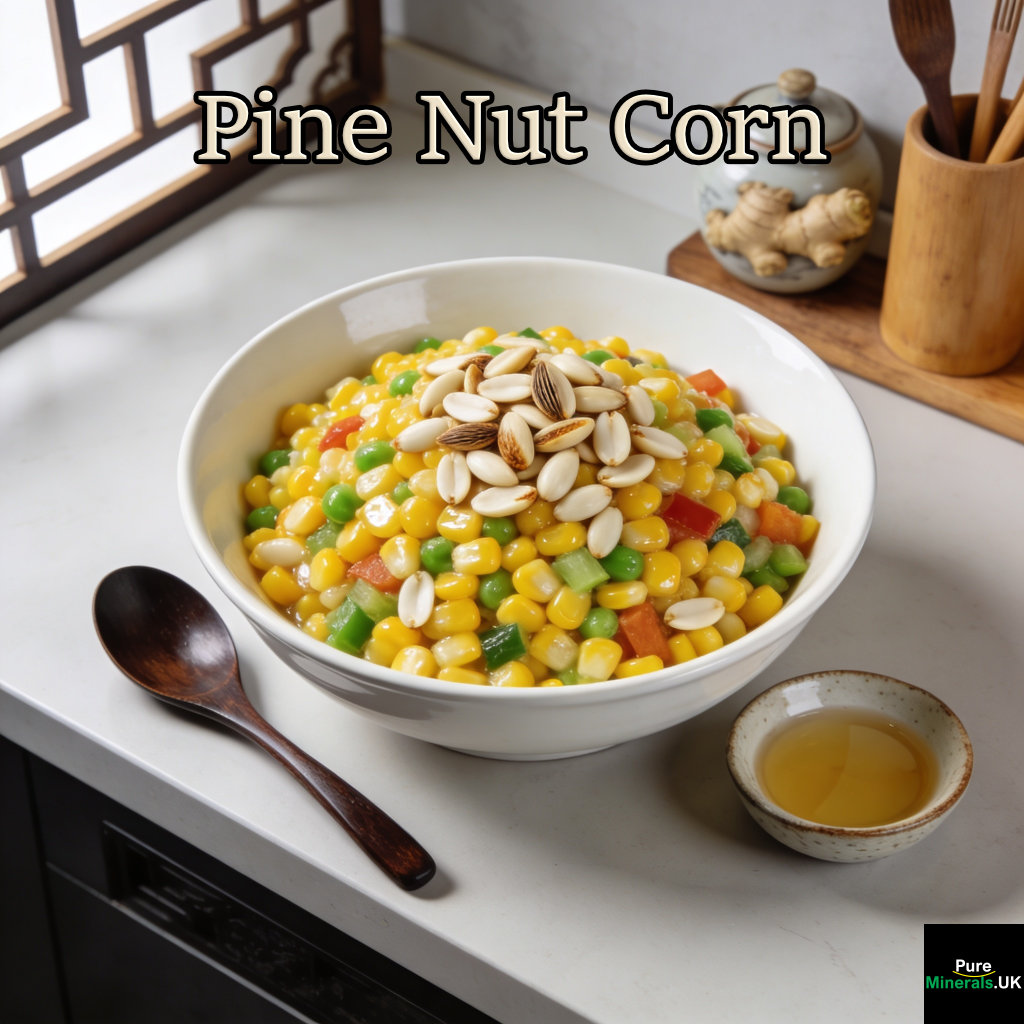
Asian pine nuts — primarily harvested from species in China, Russia, and Korea — have a distinct place in East Asian cooking traditions. In Chinese cuisine, pine nuts are used in stir-fries, most notably in the dish pine nut corn (松仁玉米), where they’re combined with sweet corn and vegetables for a light, texturally interesting side. They also appear in Korean and Japanese cooking as garnishes for both sweet and savory preparations, similar to how macadamia nuts are used in other cuisines.
The Asian variety’s slightly milder, less buttery flavor profile compared to Mediterranean pine nuts makes them well-suited to dishes where the nut plays a supporting textural role rather than a dominant flavor note. In both culinary traditions, lightly toasting the pine nuts before use is standard practice to release their aromatic oils and heighten their flavor contribution.
Raw vs. Roasted Pine Nuts: What Changes
Eating pine nuts raw preserves their full complement of heat-sensitive nutrients, particularly vitamin E and certain phenolic antioxidants that can degrade with prolonged heat exposure. Toasting pine nuts — typically done dry in a skillet over medium heat for 3 to 5 minutes — significantly enhances their flavor through the Maillard reaction, producing deeper nutty, caramelized notes that raw pine nuts simply don’t have. For everyday nutritional use, raw pine nuts are the better choice. For cooking applications where flavor impact matters most, a light toast strikes the right balance between preserving nutritional value and maximizing taste.
Easy Ways to Add Pine Nuts to Your Daily Diet
You don’t need to overhaul your meals to benefit from pine nuts. A standard serving is around one ounce (28g), which delivers approximately 188 calories, 3.8g of protein, and 19g of healthy fats — a compact nutritional package that integrates easily into almost any eating pattern. Sprinkle them over salads, stir them into oatmeal, blend them into homemade pesto, add them to roasted vegetable trays, or simply eat a small handful as a standalone snack between meals. If you’re interested in exploring other nut varieties, consider learning more about macadamia nuts for their unique health benefits.
For cooking applications, keep a small dry skillet on hand and toast pine nuts fresh before use rather than buying pre-toasted versions, which often have accelerated oxidation and diminished flavor. Store your pine nuts in an airtight container in the refrigerator or freezer — their high fat content makes them prone to rancidity at room temperature, especially once opened. Refrigerated pine nuts stay fresh for one to two months; frozen, they can last up to six months without meaningful flavor or nutritional loss.
Risks and Considerations Before Eating Pine Nuts
Pine nuts are safe for the vast majority of people, but there are two specific risks worth knowing before making them a regular part of your diet. Neither is common, but both are well-documented enough that they deserve a clear explanation rather than a footnote mention.
Pine Nut Allergy Symptoms
Pine nuts can trigger allergic reactions in sensitive individuals, ranging from mild oral irritation to more serious systemic responses. Symptoms typically include itching or tingling in the mouth and throat, hives, swelling, digestive discomfort, and, in rare cases, anaphylaxis. If you’ve experienced reactions to other tree nuts, it’s worth consulting an allergist before adding pine nuts to your diet regularly, even though pine nuts are technically seeds rather than true nuts.
Pine Mouth Syndrome
Pine mouth syndrome is a temporary but genuinely unpleasant phenomenon where eating pine nuts triggers a persistent bitter or metallic taste that can last anywhere from a few days to two weeks after consumption. It doesn’t occur with every pine nut variety — it’s been most frequently associated with certain Asian pine nut species, particularly Pinus armandii. The cause isn’t fully understood, and it doesn’t appear to signal toxicity or long-term harm. However, it can be disruptive enough to put some people off pine nuts entirely. If you’re sourcing pine nuts and want to reduce this risk, look for Mediterranean varieties sourced from Pinus pinea, which have a much lower reported association with pine mouth syndrome.
Pine Nuts Are Small But Worth the Attention
From their unusual macronutrient profile to their unique fatty acids, brain-supportive omega-3s, and rich mineral content, pine nuts deliver genuine nutritional value in a compact, versatile format. They’re not the cheapest item in the nut aisle, but the density of what you get per ounce — protein, healthy fats, manganese, copper, magnesium, vitamin E, and vitamin K — makes them one of the more efficient whole foods you can incorporate into a balanced diet. Use them raw for maximum nutrient retention, toast them lightly when flavor matters most, and store them cold to protect their delicate fats. A small handful goes a long way.
Important note: Pine Nuts
Pine nuts are generally safe for consumption but may cause allergic reactions in individuals with nut sensitivities. Some individuals may experience a temporary taste disturbance (“pine mouth”) after consumption of certain species. As with other nuts, they are energy-dense and should be consumed in moderation. This information is provided for educational purposes and is not intended as medical advice.
Frequently Asked Questions
Pine nuts generate a lot of questions — partly because they sit in an unusual category (seeds sold as nuts), partly because of their high price point, and partly because of less-discussed phenomena like pine mouth syndrome. Below are the most common questions answered directly.
These answers are based on the nutritional profile of dried, shelled pine nuts — the form most commonly available for purchase. Raw and dry-roasted varieties share essentially the same nutritional values, with minor differences in heat-sensitive antioxidants.
Quick Reference: Pine Nuts at a Glance
Botanical classification: Seeds (not true nuts)
Calories per oz (28g): ~188 kcal
Unique compound: Pinolenic acid (appetite-suppressing fatty acid)
Known risk: Pine mouth syndrome (primarily from Asian varieties)
Best storage: Airtight container, refrigerated or frozen
Top culinary uses: Pesto, salads, grain dishes, roasted vegetables, stir-fries
One ounce of pine nuts per day is a practical and nutritionally meaningful amount for most adults. This serving size keeps calorie intake manageable while still delivering the healthy fats, protein, minerals, and antioxidants that make pine nuts worth including in a regular diet.
Pine nuts pair well with foods that complement their buttery richness — leafy greens, roasted root vegetables, whole grains, and aged cheeses are all natural matches. Adding them to an already balanced meal is more effective than treating them as a standalone health food in isolation.
Are Pine Nuts Actually Nuts?
No — pine nuts are technically seeds, not botanical nuts. They are the edible seeds extracted from the cones of pine trees, specifically from species like Pinus pinea (Mediterranean stone pine) and various Asian pine species. True botanical nuts are hard-shelled fruits that don’t open at maturity, like chestnuts or hazelnuts. Pine nuts are seeds enclosed within pine cone scales, which places them in an entirely different botanical category.
This distinction matters practically for people with food allergies, as the proteins in pine nuts are different from those in true tree nuts. However, regulatory bodies in many countries still classify pine nuts within the tree nut allergen group for food labeling purposes, so always check with an allergist if cross-reactivity is a concern for you.
How Many Pine Nuts Should You Eat Per Day?
A standard serving of one ounce (28g) per day is a reasonable daily amount for most healthy adults. This delivers approximately 188 calories, 19g of healthy fats, 3.8g of protein, and meaningful amounts of manganese, copper, magnesium, and vitamin K — without pushing total daily fat or calorie intake into excess. If you’re eating pine nuts as part of a mixed diet that already includes other nuts and seeds, adjusting your portion down slightly to around half an ounce is a sensible approach to avoid caloric overlap.
Are Pine Nuts Safe for People With Tree Nut Allergies?
This depends on the individual’s specific allergy profile. Because pine nuts are seeds rather than true tree nuts, some people with tree nut allergies tolerate them without issue. However, cross-reactivity between pine nuts and other tree nuts has been documented, and pine nuts are included in the tree nut allergen category for food labeling purposes in many countries.
The only reliable way to know whether pine nuts are safe for a specific tree nut allergy is through professional allergen testing. Do not assume safety based on the botanical seed classification alone — consult a qualified allergist before introducing pine nuts if you have a diagnosed tree nut allergy or a history of anaphylactic reactions to any nut or seed.
Do Pine Nuts Cause Weight Gain?
Despite their high calorie density, pine nuts are not inherently fattening when consumed in reasonable portions. The combination of protein, fiber, and pinolenic acid — a unique fatty acid that stimulates the release of hunger hormones CCK and GLP-1 — means pine nuts actively support satiety rather than encouraging overconsumption.
Research on tree nuts broadly shows that regular nut consumption is associated with healthy weight maintenance rather than weight gain, even though nuts are calorie-dense foods. The key variable is portion size. Eating one ounce of pine nuts as part of a structured diet is unlikely to cause weight gain. Eating pine nuts mindlessly in large quantities on top of an already calorie-surplus diet is a different situation entirely.
The practical approach is to substitute pine nuts for less nutritious snack options rather than simply adding them on top of your existing calorie intake. Used this way, they’re more likely to support weight management goals than undermine them.
What Is the Best Way to Store Pine Nuts?
Pine nuts have a high polyunsaturated fat content that makes them significantly more vulnerable to oxidation and rancidity than lower-fat nuts like almonds or cashews. At room temperature, particularly in warm or humid environments, shelled pine nuts can turn rancid within a few weeks of opening — sometimes faster. Rancid pine nuts have a noticeably sour, paint-like odor and flavor and should be discarded rather than consumed.
The best storage method is an airtight container kept in the refrigerator, where pine nuts will stay fresh for one to two months after opening. For longer storage, the freezer is the superior option — properly sealed pine nuts can be frozen for up to six months without significant flavor or nutritional degradation. There’s no need to thaw them before use in most recipes; they can go straight from freezer to skillet or salad.
If you’re buying pine nuts in bulk, divide them into smaller portions before freezing so you’re not repeatedly exposing the full batch to air and temperature fluctuation every time you open the container. Vacuum-sealed bags are the gold standard for frozen pine nut storage.
When buying pine nuts, check the packaging date carefully. Pine nuts sold in clear bags exposed to light on store shelves are at higher oxidation risk than those in sealed, opaque, or refrigerated packaging. Smell before purchasing if possible — fresh pine nuts have a clean, mildly sweet, faintly resinous scent. Any hint of bitterness or chemical odor is a sign that the fats have already begun to oxidize.