

Published: 25 April 2026
This article is periodically reviewed and updated to reflect current scientific understanding by Vic George.
Fact-Checked: 2 other authoritative medical/scientific references. See our Editorial Policy.

What Are Hazelnuts and Why Are They Widely Consumed?
Hazelnuts, also known as filberts, are the edible seeds of trees in the genus Corylus. They are widely consumed for their rich flavour, high nutrient density, and versatility in both sweet and savoury foods.
Definition
Hazelnuts are the seeds of hazel trees (Corylus spp.), enclosed in a hard shell and commonly used as a food ingredient or consumed as a snack.
Extended Definition
Hazelnut trees belong to the genus Corylus, with Corylus avellana (European hazel) being the most widely cultivated species. The nuts develop within a leafy husk and mature into round or oval seeds with a smooth, hard shell.
Nutritionally, hazelnuts are rich in fats, primarily monounsaturated fatty acids, and provide moderate amounts of protein and dietary fibre. They are also a notable source of vitamin E, along with minerals such as magnesium, copper, and manganese.
Hazelnuts contain various plant compounds, including polyphenols and phytosterols, which contribute to their overall nutritional profile. They are often consumed raw or roasted, with roasting enhancing their flavour and aroma.
In culinary applications, hazelnuts are widely used in confectionery, chocolate products, baked goods, and spreads. They are also incorporated into savoury dishes and plant-based products due to their rich, slightly sweet taste.
Key Facts
- Botanical Name: Corylus spp.
- Plant Type: Deciduous tree or shrub (seed/nut)
- Edible Part: Seed (kernel inside the shell)
- Macronutrient Profile: High in fats, moderate protein, low carbohydrates
- Notable Micronutrients: Vitamin E, magnesium, copper, manganese
- Natural Compounds: Polyphenols, phytosterols, unsaturated fatty acids
- Typical Preparation: Consumed raw or roasted
- Common Uses: Snacks, confectionery, spreads, baked goods
- Taste Profile: Rich, nutty, slightly sweet
- Culinary Status: Widely consumed globally
Article-At-A-Glance: What Makes Hazelnuts a Nutritional Powerhouse
- A single one-ounce serving of hazelnuts delivers 87% of your daily manganese needs and significant amounts of vitamin E, copper, and healthy monounsaturated fats.
- Hazelnuts contain the highest concentration of proanthocyanidins among common nuts, making them a standout source of antioxidants that fight inflammation and oxidative stress.
- The oleic acid in hazelnuts has been directly linked to improved insulin sensitivity and heart-protective cholesterol changes — details covered further in this article.
- Eating hazelnuts with the skin on maximizes antioxidant intake, while roasting can reduce certain phenolic compounds.
- Despite being calorie-dense, research suggests hazelnuts do not contribute to weight gain when consumed in appropriate portions as part of a balanced diet.
Hazelnuts quietly outperform most nuts when it comes to nutrient density — and most people have no idea.
Also called filberts, hazelnuts come from the Corylus avellana tree and have been consumed for thousands of years across Europe and Asia. Today, they’re best known as the star ingredient in Nutella, but their real value goes far beyond chocolate spreads. For health-conscious eaters looking to get more from every calorie, hazelnuts deserve a serious look.
One Ounce of Hazelnuts Packs More Than You Think
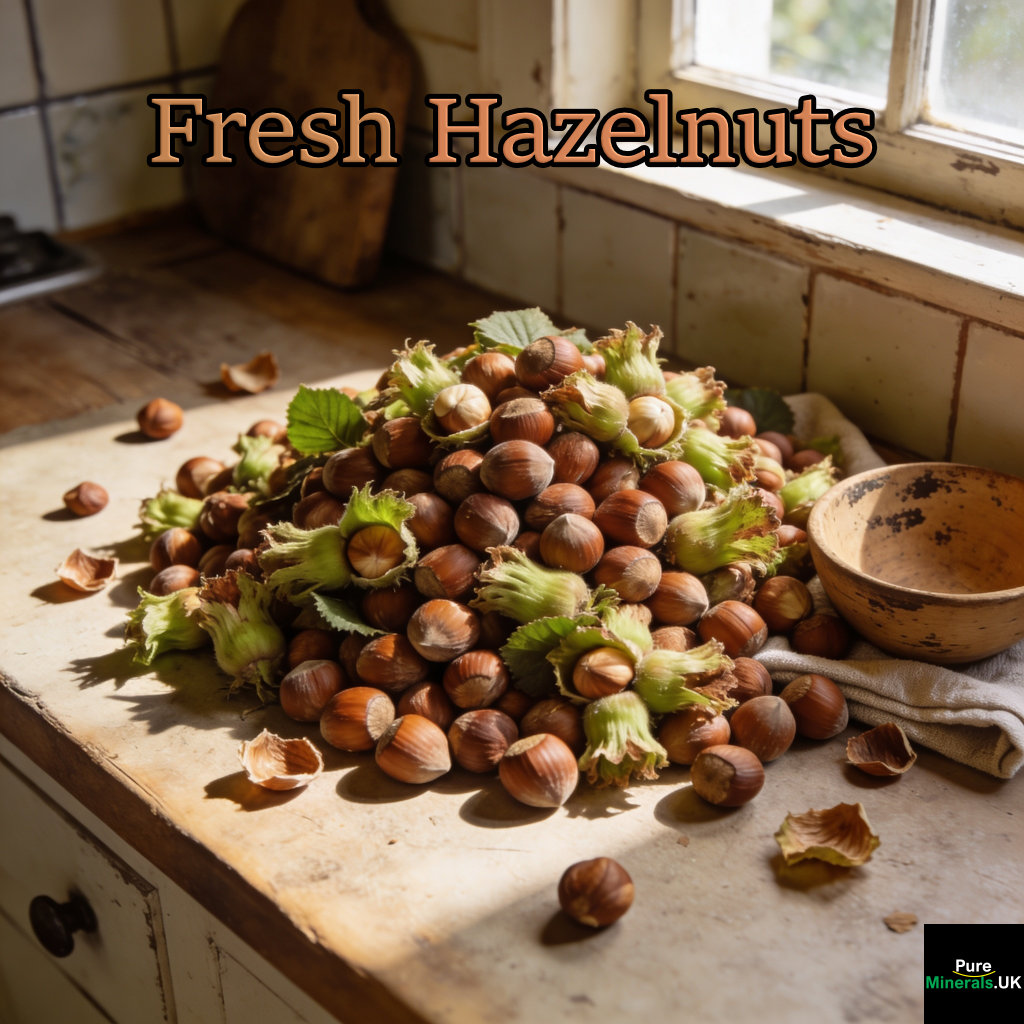
Most people underestimate what a single serving of hazelnuts actually contains. One ounce — roughly 21 whole kernels or 28 grams — is enough to deliver a meaningful portion of several essential nutrients that many diets fall short on.
Macronutrient Breakdown Per 28-Gram Serving
That one-ounce serving contains approximately 178 calories, 17 grams of fat, 4.7 grams of carbohydrates, 2.7 grams of dietary fiber, and 4.2 grams of protein. The fat content might look high at first glance, but the vast majority of it is monounsaturated — the same heart-friendly fat found in olive oil. The fiber content also makes hazelnuts more filling than many snack options at a similar calorie count.
|
Nutrient |
Amount Per 1 oz (28g) |
% Daily Value |
|---|---|---|
|
Calories |
178 kcal |
— |
|
Total Fat |
17g |
22% |
|
Protein |
4.2g |
8% |
|
Dietary Fiber |
2.7g |
10% |
Vitamin E |
4.3mg |
21% |
Manganese |
1.8mg |
87% |
Copper |
0.5mg |
24% |
Magnesium |
46mg |
12% |
Why 87% of Your Daily Manganese Is a Big Deal
Manganese doesn’t get the same headlines as calcium or iron, but it’s essential for bone formation, blood clotting, and reducing inflammation. It also plays a key role in metabolizing carbohydrates and amino acids. Getting 87% of your daily requirement from a single handful of hazelnuts is genuinely impressive — most foods provide 10–20% at best.
The Role of Phytic Acid in Mineral Absorption
There’s one nuance worth knowing. Hazelnuts contain phytic acid, an antinutrient that can bind to minerals like iron and zinc and reduce how much your body actually absorbs. This doesn’t make hazelnuts unhealthy, but it does mean they shouldn’t be your sole source of those particular minerals.
The impact of phytic acid is most relevant for people eating very large quantities of nuts daily or those already managing iron-deficiency concerns. For the average person eating a varied diet, the phytic acid in a normal serving of hazelnuts is unlikely to cause any meaningful mineral deficiency.
Vitamins and Minerals in Hazelnuts
Beyond manganese, hazelnuts offer a surprisingly broad spectrum of micronutrients. They also contain decent amounts of vitamin B6, folate, phosphorus, potassium, and zinc — nutrients that support everything from immune function to red blood cell production.
Vitamin E: Skin, Immunity, and Cell Protection
Vitamin E is a fat-soluble antioxidant, and hazelnuts are one of the better whole-food sources of it. A one-ounce serving provides around 21% of the daily recommended intake. Vitamin E protects cell membranes from oxidative damage, supports immune function, and has been studied for its potential role in reducing the risk of certain cancers by neutralizing free radicals before they can damage DNA.
Copper and Magnesium: Often Overlooked but Essential
Copper supports the production of red blood cells, maintains healthy nerve function, and helps your body absorb iron more efficiently. Hazelnuts deliver about 24% of the daily value in a single ounce. Magnesium, at 12% per serving, contributes to muscle and nerve function, blood sugar regulation, and maintaining normal blood pressure — making hazelnuts quietly useful for cardiovascular support.
Quick Nutrient Highlight: Hazelnuts also contain thiamin (vitamin B1), which supports energy metabolism, and folate, which is critical for DNA synthesis and particularly important during pregnancy.
Together, copper and magnesium make hazelnuts more than just a snack. They function as a compact mineral delivery system that supports several body systems at once, similar to the nutritional benefits found in Brazil nuts.
B Vitamins: Thiamin, B6, and Folate Content
The B vitamin profile in hazelnuts is modest but meaningful. Thiamin helps convert food into usable energy. Vitamin B6 supports neurotransmitter production and immune health. Folate plays a direct role in cell division and is especially important for pregnant women to prevent neural tube defects.
None of these are present in enormous quantities per serving, but hazelnuts contribute to overall B vitamin intake in a way that adds up — particularly when eaten regularly as part of a whole-food diet.
The Healthy Fats in Hazelnuts
Fat is the dominant macronutrient in hazelnuts, making up about 86% of total calories per serving. But not all fats are equal, and the fat composition of hazelnuts is one of the strongest arguments for including them in a health-focused diet.
Monounsaturated vs. Polyunsaturated Fat Composition
Of the 17 grams of fat in a one-ounce serving, the majority is monounsaturated fat (MUFA), primarily in the form of oleic acid. A smaller portion consists of polyunsaturated fats, including both omega-6 and omega-9 fatty acids. Saturated fat content is low, sitting well below what you’d find in coconut-based snacks at the same calorie count.
Oleic Acid and Its Link to Heart Health
Oleic acid — the same fatty acid that makes olive oil heart-healthy — is the dominant fat in hazelnuts. Research has shown that oleic acid has direct beneficial effects on insulin sensitivity, meaning it may help cells respond more effectively to insulin and regulate blood sugar levels more efficiently.
Beyond insulin, the high oleic acid content in hazelnuts has been associated with reductions in LDL (bad) cholesterol and improvements in overall blood lipid profiles. These effects, combined with the fiber and antioxidant content in hazelnuts, make them a genuinely functional food for cardiovascular health — not just a calorie-dense snack to be eaten in moderation out of guilt.
Antioxidants That Set Hazelnuts Apart From Other Nuts
When it comes to antioxidant content, hazelnuts don’t just compete with other nuts — they lead in specific categories that matter most for long-term health. The combination of vitamin E, phenolic compounds, and proanthocyanidins creates a layered antioxidant defense that few other whole foods can match gram for gram.
Antioxidants work by neutralizing free radicals — unstable molecules that damage cells, accelerate aging, and contribute to chronic disease development. The more varied your antioxidant intake, the better protected your cells tend to be. Hazelnuts deliver that variety in a compact, calorie-efficient package.
It’s also worth noting that how you eat hazelnuts directly affects how many antioxidants you actually get. Keeping the skin on is key — a significant portion of hazelnut antioxidants are concentrated in the papery outer layer, not just the nut itself. If you’re interested in exploring other nuts with unique benefits, check out cashew nuts for their own nutritional profile.
Phenolic Compounds and Their Anti-Inflammatory Effects
Phenolic compounds are the most abundant antioxidants in hazelnuts. These plant-based molecules have been shown to decrease blood cholesterol, reduce inflammation at the cellular level, and offer protective effects against both heart disease and cancer. Chronic low-grade inflammation is increasingly recognized as a root driver of modern disease — from type 2 diabetes to cardiovascular conditions — making phenolic-rich foods like hazelnuts a genuinely useful dietary tool.
Proanthocyanidins: Hazelnuts Lead Among Common Nuts
Among commonly consumed nuts — including pecans, pistachios, almonds, and walnuts — hazelnuts have the highest concentration of proanthocyanidins. These are a specific class of phenolic antioxidants also found in grape seeds, dark chocolate, and cranberries. They’re particularly valued for their ability to protect blood vessels, reduce inflammation, and support immune function.
Proanthocyanidins in hazelnuts aren’t just present in trace amounts. Their concentration is high enough to be biologically relevant, meaning regular consumption can contribute meaningfully to antioxidant status — not just theoretically, but in measurable ways.
What an 8-Week Study Revealed About Oxidative Stress
Research on hazelnuts and oxidative stress points to real, measurable improvements in antioxidant capacity from regular consumption. An 8-week study found that participants who incorporated hazelnuts into their daily diet showed increased antioxidant activity and reduced markers of oxidative damage in the blood.
Key Finding: After 8 weeks of regular hazelnut consumption, study participants showed measurable increases in antioxidant protection and reductions in oxidative stress markers — suggesting that the benefits of hazelnut antioxidants accumulate over time with consistent intake, rather than acting as a one-time boost.
This is significant because oxidative stress is cumulative. It builds up over years of poor diet, environmental exposure, and lifestyle factors. The fact that a dietary change as simple as adding hazelnuts showed measurable impact within two months suggests these aren’t marginal benefits.
The study also reinforced the importance of eating hazelnuts with their skins intact. Roasted, skinned hazelnuts — common in commercial products — deliver less antioxidant value than whole, unprocessed nuts. If maximum antioxidant benefit is the goal, raw hazelnuts with the skin on are the format to prioritize.
Evidence-Based Health Benefits of Eating Hazelnuts
The nutrient and antioxidant profile of hazelnuts translates into a set of health benefits that are increasingly supported by clinical research. These aren’t vague wellness claims — they’re specific, documented effects on cholesterol, blood pressure, inflammation, and cancer risk markers.
How Hazelnuts Affect LDL, HDL, and Total Cholesterol
Studies examining hazelnut consumption and blood lipids have shown that regular intake can reduce LDL (bad) cholesterol and total cholesterol levels while maintaining or improving HDL (good) cholesterol. The oleic acid content drives much of this effect, but the phenolic compounds and dietary fiber contribute as well. The combined action of these components makes hazelnuts more effective at improving lipid profiles than simply consuming isolated healthy fats alone.
Blood Pressure Normalization From Key Minerals
The magnesium, potassium, and fiber content in hazelnuts work together to support healthy blood pressure. Potassium helps counteract the blood-pressure-raising effects of sodium, while magnesium supports the relaxation of blood vessel walls. Fiber contributes by improving overall cardiovascular function and reducing arterial stiffness over time.
This combination of minerals doesn’t just help people with diagnosed hypertension — it supports healthy blood pressure maintenance in people who are still in the normal range but at risk of developing high blood pressure due to diet or lifestyle factors.
Research on nut consumption and cardiovascular outcomes consistently includes blood pressure normalization as a documented benefit, and hazelnuts specifically have been highlighted for their high content of the three key minerals most directly involved in blood pressure regulation.
Anti-Cancer Properties Linked to Antioxidant Concentration
The anti-cancer potential of hazelnuts is primarily driven by two things: their high vitamin E content and their dense concentration of phenolic antioxidants. Vitamin E has been shown in research to offer possible protection against cell damage that could initiate or accelerate cancer development. The phenolic compounds add another layer by reducing the chronic inflammation that creates an environment where cancer cells are more likely to thrive.
It’s important to be precise here — hazelnuts are not a cancer treatment, and no single food prevents cancer in isolation. But the antioxidant compounds in hazelnuts address several of the biological mechanisms that contribute to cancer risk, particularly oxidative cell damage and systemic inflammation. Including them as part of a diverse, plant-rich diet is a reasonable and evidence-supported strategy for long-term disease prevention.
Raw, Roasted, or Ground: The Best Ways to Eat Hazelnuts
Hazelnuts are versatile enough to fit into almost any eating style. Whether you prefer them straight from the bag, ground into a paste, or pressed into an oil, each format has distinct advantages — and a few trade-offs worth knowing about.
How Roasting Changes Flavor and Nutrient Density
Roasting dramatically improves the flavor of hazelnuts — it deepens the nuttiness, reduces bitterness, and makes the skin easier to remove. But there’s a cost. The roasting process, particularly at high temperatures, reduces the concentration of certain phenolic antioxidants. For people eating hazelnuts primarily for flavor and texture — in baked goods, granolas, or as a topping — roasted works perfectly. For those prioritizing maximum antioxidant intake, raw with the skin on remains the better choice.
Hazelnut Butter and Paste as Everyday Alternatives
Pure hazelnut butter — not to be confused with chocolate-hazelnut spreads like Nutella — is an increasingly available product that delivers most of the nutritional benefits of whole hazelnuts in a spreadable form. It can be used on toast, stirred into oatmeal, blended into smoothies, or used as a base for sauces.
Hazelnut paste, which is more finely ground and often used in professional baking, has a similar nutritional profile. Both options retain the healthy fats, protein, and mineral content of whole hazelnuts, though some processing methods may reduce fiber content slightly, depending on whether the skins are included.
Label Check: When buying hazelnut butter or paste, look for products with hazelnuts as the only ingredient. Many commercial products add palm oil, sugar, or emulsifiers that reduce the overall nutritional quality of the product significantly.
Used correctly, hazelnut butter is one of the more nutrient-dense nut butters available — comparable to almond butter but with a distinct flavor profile that works particularly well in both sweet and savory applications.
Hazelnut Oil in Cooking and Salad Dressings
Cold-pressed hazelnut oil retains the characteristic flavor of the nut and is rich in the same monounsaturated fats that make whole hazelnuts heart-healthy. It has a relatively low smoke point compared to oils like argan oil or refined coconut oil, which makes it better suited for finishing dishes, drizzling over salads, or light sautéing rather than high-heat cooking.
As a salad dressing base, hazelnut oil pairs exceptionally well with apple cider vinegar, Dijon mustard, and fresh herbs. A small amount goes a long way — both in terms of flavor intensity and fat content — making it an easy way to add nutritional value and depth to an otherwise simple dish.
How to Select, Store, and Prepare Hazelnuts at Home
Buying the right hazelnuts makes a bigger difference than most people expect. Quality varies significantly depending on the form you buy — shell-on, pre-shelled, raw, or roasted — and each comes with its own indicators of freshness and shelf stability.
Preparation is simple, but a few small steps separate a mediocre hazelnut experience from a great one. Knowing how to remove the skin, toast them correctly, and store what you don’t use immediately will keep your hazelnuts tasting their best and preserve as much of their nutritional value as possible.
The good news is that hazelnuts are one of the more forgiving nuts to work with at home. They don’t require soaking like cashews, they toast quickly, and they pair well with both sweet and savory flavors — making them one of the most versatile nuts you can keep in your kitchen.
- Raw whole hazelnuts: Best for maximum antioxidant content; eat with skins on for the highest phenolic concentration
- Dry-roasted hazelnuts: Better flavor and easier skin removal; slight reduction in certain antioxidants
- Hazelnut flour/meal: Great for gluten-free baking; check for added oils or fillers on the label
- Hazelnut butter (pure): Convenient and nutrient-dense; look for single-ingredient products only
- Hazelnut oil (cold-pressed): Rich in oleic acid; best used cold or for light cooking, not high-heat applications
Shell-On vs. Pre-Shelled: What to Look For
Shell-on hazelnuts have a longer shelf life because the shell acts as a natural barrier against moisture, air, and oxidation. When buying shell-on, look for shells that are intact with no cracks, holes, or mold. Give them a shake — a rattle inside the shell can indicate the nut has dried out and shrunk away from the shell, which is a sign of age.
Pre-shelled hazelnuts are more convenient but more vulnerable to going rancid quickly. When buying pre-shelled, smell them before purchasing if possible. Fresh hazelnuts have a mild, sweet, nutty scent. A sharp, bitter, or paint-like smell means the fats have oxidized — those nuts are rancid and should be avoided entirely, as oxidized fats provide no health benefit and may actually be harmful.
If you’re buying in bulk, choose stores with high product turnover. Pre-packaged hazelnuts should have a clearly printed best-by date, and vacuum-sealed packaging is a strong indicator of better freshness preservation compared to open bins or loosely sealed bags.
Storage Conditions That Preserve Freshness and Fats
The monounsaturated fats that make hazelnuts so nutritious are also what make them susceptible to going rancid if stored incorrectly. Heat, light, and oxygen are the three main enemies of nut freshness. Storing hazelnuts in an airtight container away from direct sunlight is the minimum standard — but temperature matters just as much.
At room temperature in a cool pantry, pre-shelled hazelnuts will stay fresh for about one month. In the refrigerator, it extends to three to four months. For long-term storage, hazelnuts freeze exceptionally well — sealed in an airtight freezer bag, they can last up to one year without meaningful loss of flavor or nutritional quality. There’s no need to thaw them before eating or using them in most recipes. For more nut storage tips, you can also explore how to store cashew nuts effectively.
Shell-on hazelnuts stored in a cool, dry location can remain fresh for up to a year without refrigeration. Once shelled, however, the clock starts ticking — refrigerate or freeze promptly and always keep them in a sealed container to prevent them from absorbing odors from other foods, which hazelnuts are particularly prone to doing due to their high fat content.
Who Should Watch Their Hazelnut Intake
Hazelnuts are safe and beneficial for most people, but two groups need to pay close attention. First, anyone with a tree nut allergy should treat hazelnuts with the same caution as almonds, walnuts, or cashews — hazelnut allergies can cause reactions ranging from mild oral itching to severe anaphylaxis, and cross-contamination in manufacturing facilities is common.
Second, people managing iron-deficiency anemia should be aware that the phytic acid in hazelnuts can reduce iron absorption — this doesn’t mean avoiding hazelnuts entirely, but spacing them away from iron-rich meals is a practical workaround. Beyond these two considerations, the calorie density of hazelnuts is worth acknowledging for anyone tracking intake closely — at 178 calories per ounce, portions add up quickly, though research consistently shows that nut consumption does not lead to weight gain when eaten mindfully within a balanced diet.
Hazelnuts Deliver Rare Nutrients in a Small Daily Serving
Few foods deliver 87% of your daily manganese, meaningful amounts of vitamin E, copper, and magnesium, plus the highest proanthocyanidin concentration among common nuts — all in a single ounce. Hazelnuts aren’t a superfood in the marketing sense of the word, but the clinical evidence behind their antioxidant content, heart health effects, and anti-inflammatory properties is genuinely strong. Eating them raw with the skin on, storing them properly, and choosing single-ingredient products when buying processed formats gives you the most nutritional value from every serving.
Important note: Hazelnuts
Hazelnuts are generally safe for consumption but may cause allergic reactions in individuals with tree nut allergies. As with other energy-dense foods, intake should be moderate. Proper storage is recommended to prevent rancidity due to high fat content. This information is provided for educational purposes and is not intended as medical advice.
Frequently Asked Questions
Hazelnuts come up in a lot of nutrition conversations, but a few specific questions get asked more than others. Most of them center on portion size, allergy concerns, and whether the form you eat them in changes their health value.
The answers are more nuanced than a simple yes or no — and getting them right can help you make better decisions about how to incorporate hazelnuts into your diet in a way that actually works for your health goals.
How Many Hazelnuts Should You Eat Per Day?
Most nutrition research on hazelnuts uses a one-ounce serving as the standard dose — that’s approximately 21 whole hazelnuts or 28 grams. This amount is enough to deliver measurable health benefits based on clinical studies without pushing calorie intake to a problematic level for most people.
For general health maintenance, one ounce per day is a practical and evidence-backed target. People with higher caloric needs — athletes, those in a muscle-building phase, or those using hazelnuts as a primary snack — can reasonably consume up to two ounces daily, though it’s worth factoring in the roughly 356 total calories that comes with that amount.
Are Hazelnuts and Filberts the Same Thing?
Yes — hazelnuts and filberts refer to the same nut. The term “filbert” is more commonly used in the Pacific Northwest of the United States, particularly in Oregon, which is the largest hazelnut-producing region in North America. The name filbert is thought to derive from Saint Philibert, a French monk whose feast day falls during the traditional hazelnut harvest season in late August.
Botanically, both names describe the fruit of the Corylus avellana tree. There is no meaningful nutritional difference between a hazelnut labeled “filbert” versus one labeled “hazelnut” — the distinction is purely regional and historical, not biological.
Do Hazelnuts Cause Weight Gain Despite Being High in Fat?
Research consistently shows that regular nut consumption, including hazelnuts, does not cause weight gain in most people when eaten in reasonable portions. Several factors explain this: the combination of healthy fats, protein, and fiber in hazelnuts promotes satiety, meaning people tend to eat less overall after consuming them.
Additionally, not all calories from nuts are fully absorbed — the physical structure of the nut cell walls means some fat passes through the digestive system without being metabolized. The key variable is portion control — mindlessly eating hazelnuts straight from a large bag while distracted is where the calorie math can start to work against you. For more information on other types of nuts, you can read about Brazil nuts and their nutritional benefits.
Can People With Tree Nut Allergies Eat Hazelnuts?
Hazelnuts are a tree nut, which means anyone diagnosed with a tree nut allergy should approach them with significant caution. Tree nut allergies do not always extend to every tree nut — some people are allergic to one or two specific varieties and tolerate others without issue, but this should only be assessed under the guidance of an allergist using formal testing, not through self-experimentation at home. For example, those with allergies to certain nuts might find they can tolerate cashew nuts without any issues.
People with birch pollen allergies are at higher risk of experiencing oral allergy syndrome (OAS) with hazelnuts specifically — this causes itching or tingling in the mouth and throat shortly after eating raw hazelnuts. Cooking or roasting the nuts often deactivates the proteins responsible for this reaction, making roasted hazelnuts better tolerated by people with birch pollen sensitivity. Anyone who has experienced any allergic reaction to tree nuts should consult an allergist before consuming hazelnuts in any form.
Are Raw or Roasted Hazelnuts More Nutritious?
Raw hazelnuts with the skin on are the most nutritionally complete form. The skin contains a concentrated layer of antioxidants — particularly phenolic compounds — that are partially degraded during the roasting process. If antioxidant intake is your primary goal, raw and unpeeled is the format to choose.
That said, roasted hazelnuts still retain their healthy fat profile, mineral content, protein, and fiber. The nutritional loss from roasting is real but not dramatic enough to make roasted hazelnuts a poor choice — they’re simply slightly less optimal from a pure antioxidant standpoint. For cooking, baking, or situations where flavor is the priority, roasted hazelnuts deliver excellent taste with the majority of the nutritional benefits intact.
The format that matters most to avoid is heavily processed hazelnut products with added sugars, hydrogenated oils, or artificial flavors — these additions can counteract the natural health benefits of the nut entirely. Whether raw or roasted, choosing minimally processed hazelnuts is the decision that makes the biggest difference in actual nutritional outcome.