

Published: 25 March 2026
Last Updated: 26 March 2026
This article is periodically reviewed and updated to reflect current scientific understanding by Vic George.
Fact-Checked: 1 other authoritative medical/scientific reference. See our Editorial Policy.
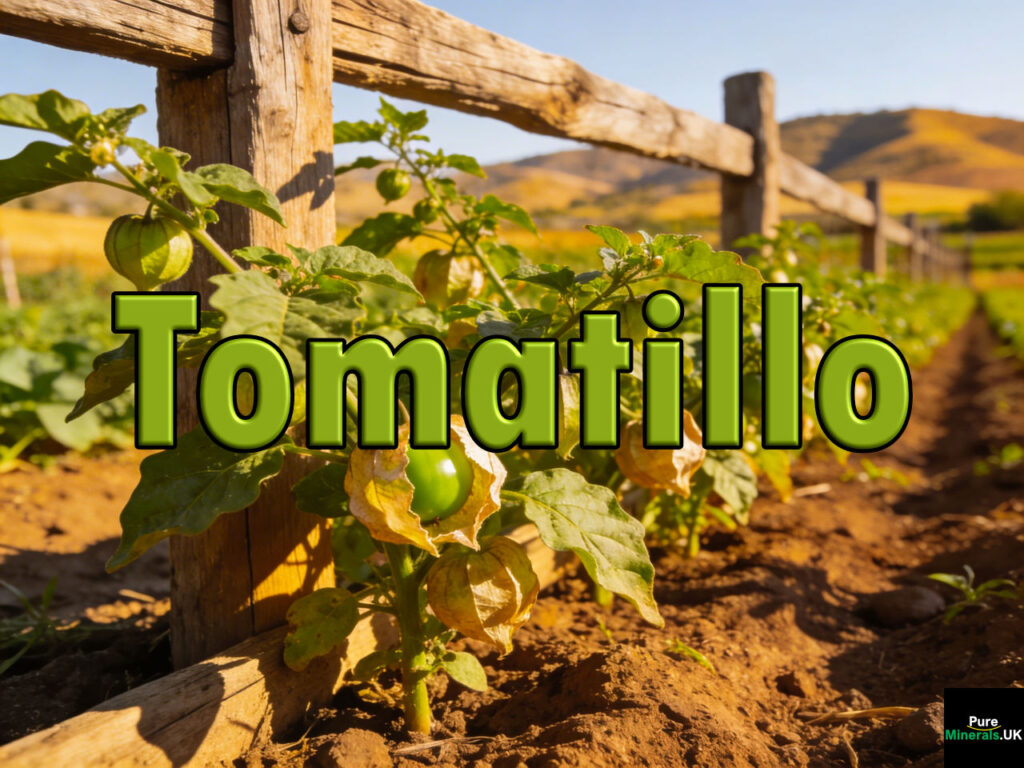
What Are Tomatillos?
Tomatillos are the edible fruits of Physalis philadelphica (also known as Physalis ixocarpa), a plant in the Solanaceae family. They are characterized by their small, green fruits enclosed in a papery husk and are widely used in Mexican and Central American cuisines.
Definition
Tomatillos are the edible fruits of Physalis philadelphica, a cultivated member of the Solanaceae family consumed as a vegetable. The plan is native to Mexico and Central America, and a key ingredient in salsa verde.
Extended Definition
Tomatillos belong to the Solanaceae family, which includes tomatoes, peppers, potatoes, and eggplants. The plant produces small, round fruits that develop within a protective, lantern-like husk formed by the calyx.
The fruit is typically harvested while still green, although some varieties may ripen to yellow or purple. The flesh has a firm texture and a tart, slightly citrus-like flavor, which distinguishes it from common tomatoes.
Nutritionally, tomatillos provide vitamin C, vitamin K, potassium, and dietary fiber. Vitamin C contributes to antioxidant processes and normal immune function, while potassium supports fluid balance and nerve signaling.
Tomatillos also contain polyphenols, flavonoids, and carotenoids that contribute to plant defense mechanisms and biochemical stability. As members of the nightshade family, they contain naturally occurring compounds such as small amounts of glycoalkaloids, which serve as protective agents in the plant.
The husk surrounding the fruit is not edible and is removed before consumption. The fruit itself is commonly used raw or cooked in sauces, particularly in green salsas.
Tomatillos are an essential ingredient in traditional dishes such as salsa verde and are also used in soups, stews, and roasted preparations.
Key Facts
Botanical name: Physalis philadelphica (also Physalis ixocarpa)
Plant family: Solanaceae
Common classification: Fruit vegetable
Origin: Mexico and Central America
Edible part: Fruit (without husk)
Typical color: Green (most common), also yellow or purple varieties
Primary nutrients: Vitamin C, vitamin K, potassium, fiber
Key phytonutrients: Polyphenols, flavonoids, carotenoids
Energy density: Low
Notable compounds: Glycoalkaloids (present at low levels), plant antioxidants
Culinary uses: Salsas, sauces, soups, stews, roasted dishes
Article-At-A-Glance
- Tomatillos are packed with withanolides — a rare group of phytochemicals with antitumor, anti-inflammatory, and antioxidant properties not found in regular tomatoes.
- A 100-gram serving of tomatillos contains just 32 calories, making them one of the most nutrient-dense, low-calorie foods you can add to your diet.
- The flavonoids lutein, zeaxanthin, and beta-carotene in tomatillos actively protect eye health and may slow macular degeneration over time.
- Tomatillos belong to the nightshade family and can cause allergic reactions in rare cases — even in people with no prior tomato allergy history.
- There’s a specific harvesting window for tomatillos that dramatically affects their flavor and nutritional quality — and most people miss it.
Tomatillos Are More Nutritious Than Most People Realize
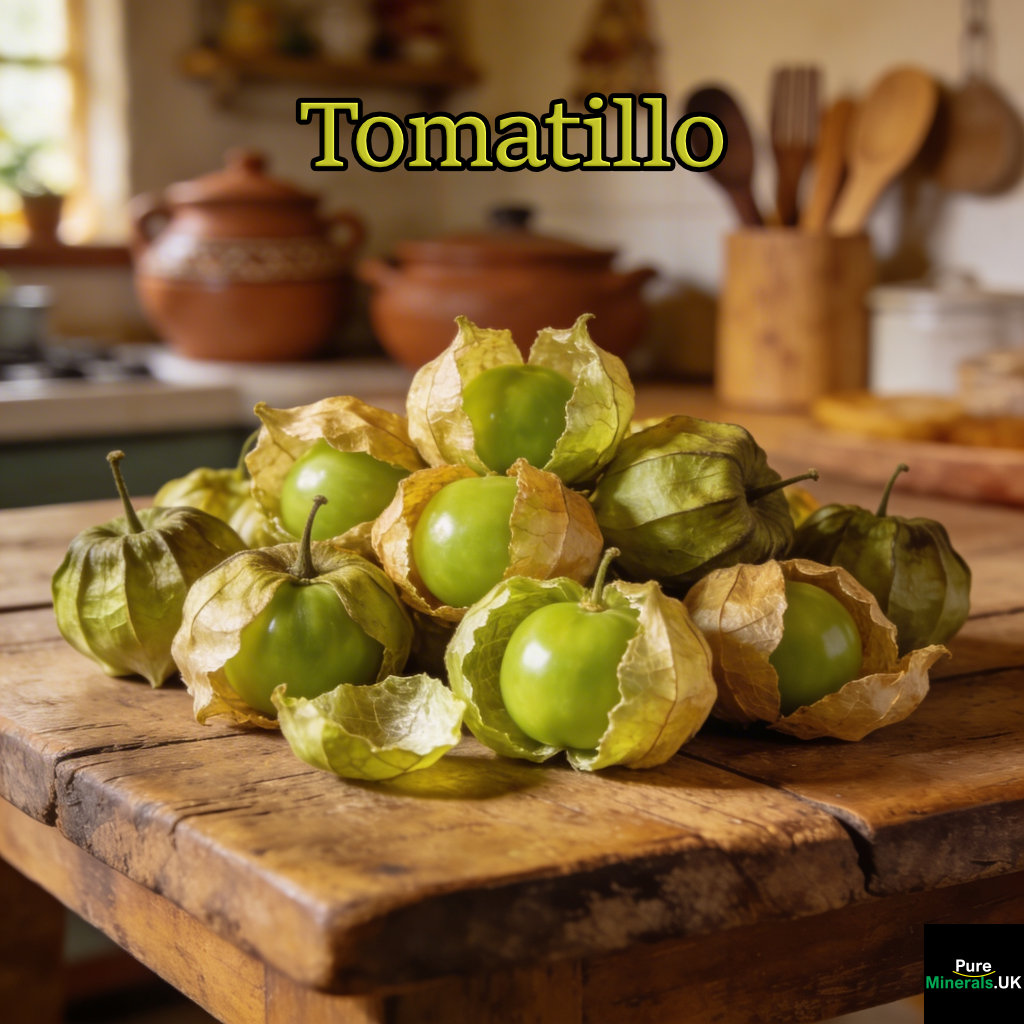
Most people walk past tomatillos at the grocery store without a second glance — and that’s a serious missed opportunity for anyone focused on eating well. These small, papery-husked fruits are nutritional powerhouses that go far beyond their role as a salsa ingredient. They carry a unique set of plant compounds that you simply won’t find in tomatoes or most other common produce.
Tomatillos (Physalis philadelphica) belong to the nightshade family alongside tomatoes, eggplant, and peppers, but they have a distinct nutritional identity. Also called Mexican husk tomatoes or husk cherries, they’ve been a staple in Latin American cooking for centuries — and food health researchers are now catching up to what traditional cooks have always known. For those looking to deepen their understanding of functional foods, exploring resources from nutrition-focused organizations can be a great starting point.
Tomatillo Nutrition Facts: What’s Inside This Small Green Fruit
Tomatillos are low in fat, high in water, and deliver a surprising range of vitamins, minerals, and phytochemicals per serving. Their taste ranges from tart and citrusy to mild and slightly sweet, depending on ripeness — but regardless of flavor profile, the nutritional content stays consistently impressive.
Macronutrient Breakdown Per 100 Grams
Per 100 grams of raw tomatillo, according to the U.S. Department of Agriculture, here is what you’re getting:
Nutrient | Amount per 100g |
|---|---|
|
Calories |
32 kcal |
|
Water |
~91g |
|
Carbohydrates |
5.84g |
|
Dietary Fiber |
1.9g |
|
Protein |
0.96g |
|
Fat |
1.02g |
|
Sugar |
3.93g |
That fiber-to-calorie ratio is worth paying attention to. Nearly 2 grams of dietary fiber in a 32-calorie food means tomatillos deliver significant digestive and glycemic benefits without loading you up with energy you don’t need. For more fiber-rich vegetables, consider exploring rutabaga as a nutritious option.
Vitamins and Minerals That Matter
Tomatillos are a solid source of several key micronutrients. They provide meaningful amounts of vitamin C, vitamin A, and vitamin K — three vitamins that support immune function, vision, and blood clotting, respectively. The mineral profile is also well-rounded, with contributions from zinc, copper, manganese, and selenium.
Here’s a closer look at the micronutrient breakdown per 100 grams:
- Niacin (B3): 1.85 milligrams — supports energy metabolism and skin health
- Thiamin (B1): 0.044 milligrams — essential for nerve function
- Riboflavin (B2): 0.035 milligrams — supports cellular energy production
- Choline: 7.6 milligrams — important for brain health and fat metabolism
- Copper: 0.079 milligrams — involved in iron absorption and connective tissue formation
- Manganese: 0.153 milligrams — a key cofactor for antioxidant enzymes
- Zinc: 0.22 milligrams — critical for immune defense and wound healing
- Selenium: 0.5 micrograms — supports thyroid function and antioxidant activity
How Tomatillos Compare to Regular Tomatoes
While tomatillos and tomatoes share a family tree and a similar appearance, tomatillos pull ahead nutritionally in a few key areas. Most notably, tomatillos contain withanolides — bioactive compounds that tomatoes simply don’t have. They also tend to be slightly higher in niacin and deliver more dietary fiber per serving. Both fruits are low in calories and high in water content, but if you’re choosing between the two for maximum phytochemical diversity, tomatillos win.
Withanolides: The Powerful Compounds Unique to Tomatillos
This is where tomatillos truly separate themselves from the rest of the produce aisle.
What Withanolides Are and Why They Matter
Withanolides are naturally occurring steroidal lactones — a class of compounds found primarily in plants of the nightshade family. In tomatillos, these compounds have been studied for their antioxidant, antitumor, anti-neurodegeneration, and apoptotic properties. The term “apoptotic” refers to the ability to trigger programmed cell death, which is particularly relevant in the context of cancer research.
What makes withanolides especially interesting is their multi-target activity. Rather than acting on a single biological pathway, they appear to influence several simultaneously, affecting inflammation, oxidative stress, and abnormal cell growth all at once. This broad-spectrum activity is rare in single plant compounds and is a major reason why tomatillos are gaining attention in functional food research.
Antitumor and Apoptotic Activity
Research has shown that withanolides found in tomatillos can lead to the death of cancer-causing cells through apoptosis — a natural process where damaged or dangerous cells self-destruct before they can multiply. This doesn’t mean tomatillos cure cancer, but incorporating them into a high-antioxidant diet creates an internal environment that is less hospitable to tumor development.
The antitumor activity of withanolides has been an active area of scientific interest, with studies pointing to their ability to disrupt the growth cycles of abnormal cells. Adding tomatillos regularly to your meals is a practical, food-first strategy for supporting the body’s natural defenses against oxidative damage and cellular mutation.
Anti-Inflammatory Properties and Arthritis Relief
- Withanolides have demonstrated measurable anti-inflammatory effects in research settings
- Tomatillos may help manage symptoms associated with arthritis due to their withanolide content
- Chronic inflammation is a root driver of conditions like joint pain, cardiovascular disease, and cognitive decline
- More human clinical research is still needed to confirm the specific dosage and frequency for therapeutic benefit
That said, the existing evidence is promising enough that including tomatillos as part of an anti-inflammatory eating pattern — alongside foods like leafy greens, fatty fish, and berries — makes clear nutritional sense. They’re not a replacement for medical treatment, but they’re a smart dietary addition for anyone managing inflammatory conditions.
The fact that withanolides also show anti-neurodegeneration properties adds another compelling reason to keep tomatillos on your radar. Protecting nerve cells from oxidative damage is one of the foundational strategies in long-term brain health, and tomatillos contribute to that through a completely natural, food-based route.
It’s also worth noting that the concentration of withanolides in tomatillos can vary depending on ripeness, growing conditions, and preparation method. Eating them fresh or lightly cooked tends to preserve more of these bioactive compounds compared to heavy processing or prolonged high-heat cooking.
Flavonoids in Tomatillos: Lutein, Zeaxanthin, and Beta-Carotene
Beyond withanolides, tomatillos deliver a meaningful dose of carotenoid flavonoids that directly target one of the most overlooked areas of preventive health: your eyes.
How These Antioxidants Protect Eye Health
Lutein and zeaxanthin are two carotenoids that concentrate specifically in the macula and lens of the human eye. Unlike many antioxidants that circulate broadly through the body, these two compounds have a targeted affinity for ocular tissue — meaning they go exactly where eye protection is needed most. Tomatillos provide both, along with beta-carotene, which the body converts to vitamin A, a nutrient directly linked to maintaining healthy vision and preventing night blindness.
What makes this trio particularly effective is how they work together. Beta-carotene supports the structural integrity of the eye’s light-sensitive cells, while lutein and zeaxanthin act as internal sunglasses — filtering out harmful blue light and neutralizing free radicals before they can damage the retina. For anyone spending long hours in front of screens or exposed to bright sunlight regularly, getting consistent dietary sources of these compounds is a practical and evidence-backed protective strategy.
Role in Slowing Macular Degeneration
Age-related macular degeneration (AMD) is one of the leading causes of vision loss in adults over 50, and dietary carotenoids are among the most studied nutritional interventions for slowing its progression. The National Institutes of Health Office of Dietary Supplements recognizes the role of vitamin A and carotenoids in supporting long-term eye health. Regularly consuming foods rich in lutein and zeaxanthin — like tomatillos — builds up pigment density in the macula, which acts as a buffer against the oxidative damage that drives AMD progression.
Health Benefits of Eating Tomatillos
The nutritional profile of tomatillos translates into a wide range of real, measurable health benefits. From digestive support to cancer risk reduction, these small green fruits punch well above their weight in terms of functional health value. Understanding each benefit separately helps make the case for why tomatillos deserve a permanent place in a health-conscious diet — not just as an occasional salsa ingredient.
What’s particularly useful is that many of these benefits work synergistically. The fiber supports blood sugar control, the high water content aids weight management, and the antioxidants tackle oxidative stress from multiple angles simultaneously. You’re not just getting one benefit per serving — you’re getting several at once.
Blood Sugar Control Through Dietary Fiber
The 1.9 grams of dietary fiber in every 100-gram serving of tomatillos plays a direct role in slowing the release of carbohydrates into the bloodstream. This blunting effect on blood sugar spikes is especially important for people managing insulin sensitivity or trying to maintain steady energy levels throughout the day. Fiber also feeds beneficial gut bacteria, which has its own downstream effect on metabolic health, immune function, and even mood regulation through the gut-brain axis.
Weight Management at Only 32 Calories Per 100 Grams
At just 32 calories per 100 grams — and roughly 21 calories in a half-cup serving — tomatillos are one of the most volume-efficient foods you can eat. Their water content sits at approximately 91%, which means they physically fill your stomach and trigger satiety signals without delivering a significant caloric load.
Fresh tomatillo-based sauces and salsas also offer a major advantage over processed condiments: they contain very little added sugar and minimal fat. Replacing store-bought sauces with homemade salsa verde made from fresh tomatillos is a simple swap that can meaningfully reduce daily calorie and sugar intake without sacrificing flavor or satisfaction. For those interested in exploring other fresh produce options, consider trying snap peas as a nutritious addition to your meals.
Cancer Risk Reduction via Antioxidant Activity
Tomatillos bring together withanolides, carotenoids, and vitamin C in one food — three distinct categories of antioxidants that each combat oxidative stress through different mechanisms. Oxidative stress is a well-established driver of DNA damage and cancer cell proliferation, so regularly consuming foods that neutralize free radicals from multiple angles is a sound preventive strategy. Tomatillos aren’t a cure, but they are a legitimate and evidence-supported component of a high-antioxidant, cancer-risk-reducing diet.
How to Use Tomatillos in Cooking
Tomatillos are incredibly versatile in the kitchen, and their naturally tart flavor profile makes them a powerful base ingredient in everything from traditional Mexican staples to contemporary fusion dishes. Their acidity brightens other flavors, and their texture holds up well to both raw preparations and high-heat cooking methods.
Traditional Mexican Uses: Salsa Verde and Green Chili Sauces
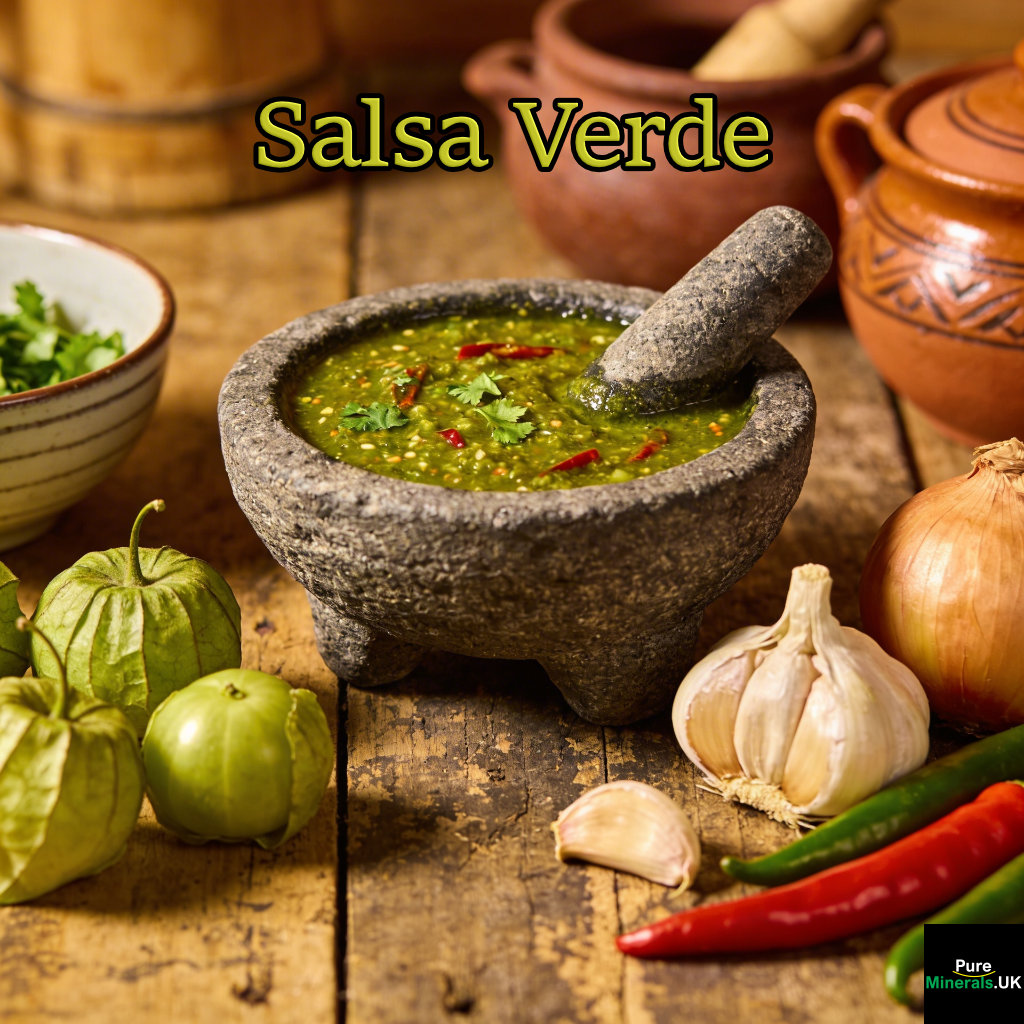
Salsa verde is the most iconic application — raw or lightly cooked tomatillos blended with garlic, onion, chili peppers, and cilantro to create a bright, tangy sauce that pairs with everything from grilled meats to scrambled eggs. Green chili sauces made with tomatillos are the backbone of Mexican cooking, used as cooking liquids for braised chicken, pork, and enchiladas. The tart, complex flavor tomatillos bring to these dishes is irreplaceable — no other ingredient quite replicates it.
Roasting, Stewing, and Mole Preparation
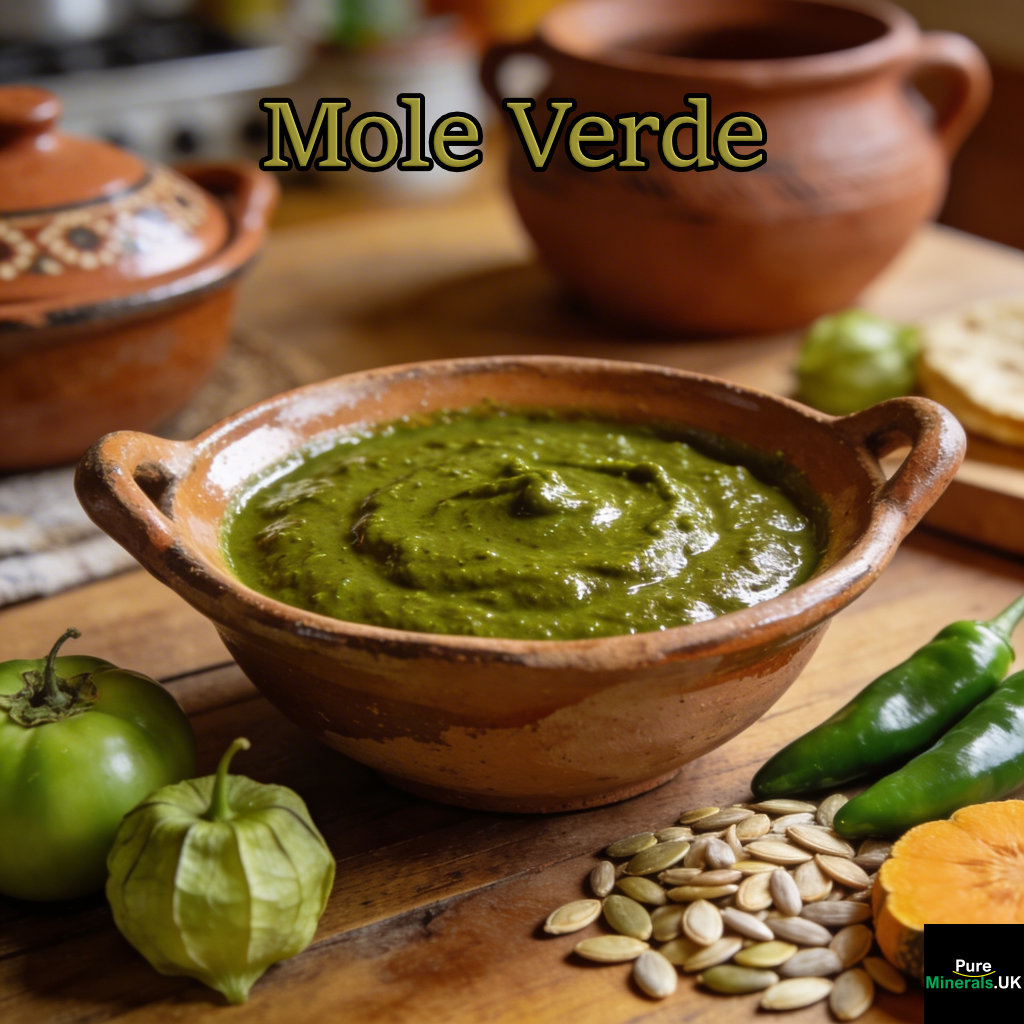
Roasting tomatillos under a broiler or directly on a dry skillet transforms their flavor dramatically — the sharp acidity mellows, a subtle smokiness develops, and the natural sugars caramelize slightly. This roasted version forms the base of many traditional moles and stews, where depth of flavor matters as much as heat. In mole verde, tomatillos combine with pumpkin seeds, herbs, and green chiles to create one of Mexico’s most complex and nutritionally rich sauces.
Modern Fusion Recipes Beyond Mexican Cuisine
Tomatillos are increasingly appearing in North American and global fusion cooking as chefs recognize their unique flavor contribution. They work beautifully in grain bowls, as a tangy braising liquid for slow-cooked proteins, blended into salad dressings, or even roasted and served alongside eggs at brunch. Their ability to add brightness and acidity without relying on vinegar or citrus makes them a chef’s tool as much as a health food.
How to Pick, Store, and Prepare Tomatillos
Getting the most out of tomatillos starts before you even bring them home. Selecting them at the right stage of ripeness is critical — both for flavor and for maximizing their nutritional content. According to the University of Minnesota Extension, tomatillos should be picked when they’re green and firm but have fully filled out their papery husk. If they’re left on the plant too long, they continue to ripen, soften, and lose some of their characteristic tartness.
- Choose tomatillos where the husk fits snugly around the fruit — not split open or shriveled
- The skin beneath the husk should be bright green and firm, with no soft spots or blemishes
- Avoid any that feel mushy or have husks that are already pulling away and drying out unevenly
- Store unwashed tomatillos in their husks in the refrigerator for up to two weeks
- For longer storage, remove the husks, wash the fruit, dry thoroughly, and freeze in a single layer before transferring to a bag
Before using tomatillos in any recipe, remove the papery husk and rinse the fruit under warm water. The skin has a naturally sticky, slightly waxy coating that washes off easily — this is normal and not a sign of spoilage. Unlike husk tomatoes, which are comparatively sweeter and better suited for jams and preserves, tomatillos lean savory and are best used in sauces, stews, and cooked applications where their acidity adds complexity.
If you’re new to working with tomatillos, the simplest starting point is a raw blender salsa verde. Combine six to eight husked and washed tomatillos with half an onion, one garlic clove, one serrano pepper, and a handful of cilantro — blend until smooth, season with salt, and you have a fresh, nutrient-dense condiment ready in under five minutes. No cooking required, and the withanolides and vitamin C stay fully intact since there’s no heat involved.
Possible Side Effects and Allergy Risks
Tomatillos are generally safe for most people, but there are a few important considerations worth knowing before you start adding them to every meal. Like all members of the nightshade family, they contain natural compounds that can trigger reactions in sensitive individuals — and those reactions range from mild digestive discomfort to more serious allergic responses.
The most documented concern is cross-reactivity with tomato allergies. Because tomatillos and tomatoes share similar proteins, someone who reacts to tomatoes has a meaningful chance of reacting to tomatillos as well. However, what makes tomatillo allergies particularly tricky is that reactions have been reported even in people with no prior history of tomato or nightshade sensitivity. This unpredictability is rare, but it’s not something to dismiss.
Nightshade Sensitivity and Cross-Reactivity
Nightshade sensitivity is a broader issue that affects a subset of people who experience inflammation, joint pain, or digestive upset when consuming plants from the Solanaceae family — which includes tomatillos, tomatoes, eggplant, peppers, and potatoes. The natural compounds thought to contribute to this sensitivity include alkaloids and lectins present in varying degrees across nightshade species. If you’ve noticed that eating tomatoes or peppers consistently causes bloating, skin reactions, or joint flares, tomatillos may produce similar effects and are worth introducing cautiously.
When to Consult a Doctor Before Eating Tomatillos
If you have a confirmed tomato or nightshade allergy, speak with an allergist before incorporating tomatillos into your regular diet. Cross-reactivity doesn’t affect everyone with these allergies, but the possibility is real enough to warrant a conversation rather than a trial-and-error approach at home. An allergist can conduct specific testing to determine whether tomatillos are safe for your individual immune profile.
For people on blood-thinning medications like warfarin, the vitamin K content in tomatillos is also worth discussing with a healthcare provider. Vitamin K plays a direct role in blood clotting, and large or sudden increases in vitamin K intake can interfere with anticoagulant therapy. This doesn’t mean avoiding tomatillos — it just means keeping your intake consistent and your doctor informed.
Add Tomatillos to Your Diet for a Measurable Nutritional Boost
Tomatillos offer something genuinely rare in the world of everyday produce: a combination of low calories, high water content, meaningful fiber, and a class of bioactive compounds — withanolides — that you simply can’t get from tomatoes or most other common fruits and vegetables. Whether your goal is better blood sugar control, eye health, weight management, or reducing long-term cancer risk, tomatillos deliver across all of those fronts in a single, versatile ingredient.
Start simple — a fresh salsa verde, a roasted tomatillo sauce over grilled chicken, or a handful blended into a green stew. The barrier to entry is low, the flavor payoff is high, and the nutritional return is exceptional for a food that costs very little and takes minutes to prepare. Once you start cooking with tomatillos regularly, it quickly becomes hard to imagine the kitchen without them.
Important Note: Tomatillos
Tomatillos are widely recognized as safe when consumed as a food. The outer husk is not edible and should be removed before preparation. This article is provided for educational purposes only and does not constitute medical advice. Individuals with sensitivities to nightshade vegetables should consult a qualified healthcare professional before making significant dietary changes.
Frequently Asked Questions
Tomatillos raise a lot of questions for people encountering them for the first time — especially since they look like small green tomatoes wrapped in a papery husk, which is unlike anything else in the produce aisle. Most of the confusion comes down to what they are, how they taste, and whether they’re safe to eat without cooking. If you’re curious about other unique vegetables, you might want to learn more about radicchio, another intriguing option in the produce section.
The answers are straightforward once you understand what tomatillos actually are and how they behave nutritionally and culinarily. Here are the most common questions food health enthusiasts ask about this underappreciated ingredient.
Are Tomatillos Safe to Eat Raw?
Yes, tomatillos are safe to eat raw. Remove the papery husk, rinse off the natural sticky coating under warm water, and they’re ready to eat. Raw tomatillos have a sharper, more acidic flavor compared to their cooked counterpart — they’re bright, tangy, and slightly crunchy.
Eating them raw also preserves the full spectrum of heat-sensitive nutrients, particularly vitamin C and the withanolide compounds, which can degrade somewhat under prolonged high heat. A raw blender salsa verde is one of the best ways to get maximum nutritional value from tomatillos with minimal preparation effort.
Do Tomatillos Have More Vitamin C Than Tomatoes?
Tomatillos and tomatoes have comparable vitamin C levels per 100 grams, with both delivering a meaningful contribution toward daily requirements. However, tomatillos pull significantly ahead in terms of niacin content and, most importantly, withanolides — bioactive compounds that tomatoes do not contain at all. So while the vitamin C comparison is roughly even, the overall phytochemical advantage clearly belongs to tomatillos.
Can Tomatillos Help With Weight Loss?
Absolutely. At 32 calories per 100 grams and roughly 91% water content, tomatillos are one of the most volume-efficient foods available for anyone managing their weight. Their fiber content also slows digestion and helps maintain satiety between meals, reducing the likelihood of overeating. Replacing calorie-dense condiments and sauces with fresh tomatillo-based preparations is a practical, sustainable strategy for reducing daily calorie intake without sacrificing flavor.
What Do Tomatillos Taste Like?
Tomatillos have a distinctly tart, citrusy flavor with subtle herbal undertones — think of a flavor profile somewhere between a green tomato and a lime, with its own unique identity that neither one fully captures. The tartness comes from their naturally higher acid content compared to ripe red tomatoes.
Ripeness and preparation method both significantly affect the flavor. Green, firm tomatillos are at their most acidic and bright. As they ripen further and the husk begins to pull back, they develop a slightly sweeter, milder profile. Roasting or charring tomatillos introduces a smoky, caramelized depth that balances the acidity and makes them ideal for richer sauces and moles.
The flavor versatility of tomatillos is one of their most underappreciated culinary qualities. They can anchor a sauce, brighten a braise, or add complexity to a dressing in a way that few other single ingredients can match, similar to the unique taste of radicchio.
Tomatillo Flavor at a Glance:
Preparation Method
Flavor Profile
Best Used For
Raw
Tart, bright, acidic, slightly crunchy
Fresh salsa verde, dressings, garnishes
Roasted / Charred
Smoky, mellow, slightly sweet
Moles, enchilada sauces, stews
Simmered / Stewed
Soft, tangy, savory, complex
Braised meats, chili verde, soups
Blended Raw
Vibrant, zesty, herbal
Salsas, marinades, cold sauces
Are Tomatillos and Green Tomatoes the Same Thing?
No — tomatillos and green tomatoes are entirely different plants despite their visual similarity. Green tomatoes are simply unripe red tomatoes from the Solanum lycopersicum species, while tomatillos are a completely separate species: Physalis philadelphica. The papery husk encasing the tomatillo is the most obvious visual distinction — green tomatoes have no such covering.
The nutritional and phytochemical differences are equally significant. Tomatillos contain withanolides, which green tomatoes do not. Tomatillos also have a different flavor profile — far more acidic and herbal than an unripe tomato, which tends to taste starchy and astringent. They behave differently in cooking as well: tomatillos break down smoothly into sauces, while green tomatoes hold their texture better and are more commonly used in fried or pickled preparations.
Husk tomatoes — a related but distinct variety also within the Physalis genus — are sometimes confused with tomatillos as well. The key difference is that husk tomatoes are noticeably sweeter and smaller, making them better suited for desserts, jams, and fresh eating rather than the savory, acidic applications where tomatillos excel.
If a recipe specifically calls for tomatillos, substituting green tomatoes will produce a noticeably different result — both in flavor and in the functional health benefits delivered by the dish. They are not interchangeable, and understanding that distinction is the first step to using both ingredients to their full potential. For example, while tomatillos are unique, other vegetables like rhubarb also have distinct culinary uses and health benefits.
For those serious about functional nutrition and whole-food wellness strategies, organizations focused on food-as-medicine education can provide deeper guidance on incorporating ingredients like tomatillos into a targeted health protocol.