

Published: 21 March 2026
This article is periodically reviewed and updated to reflect current scientific understanding by Vic George.
Fact-Checked: 1 other authoritative medical/scientific reference. See our Editorial Policy.
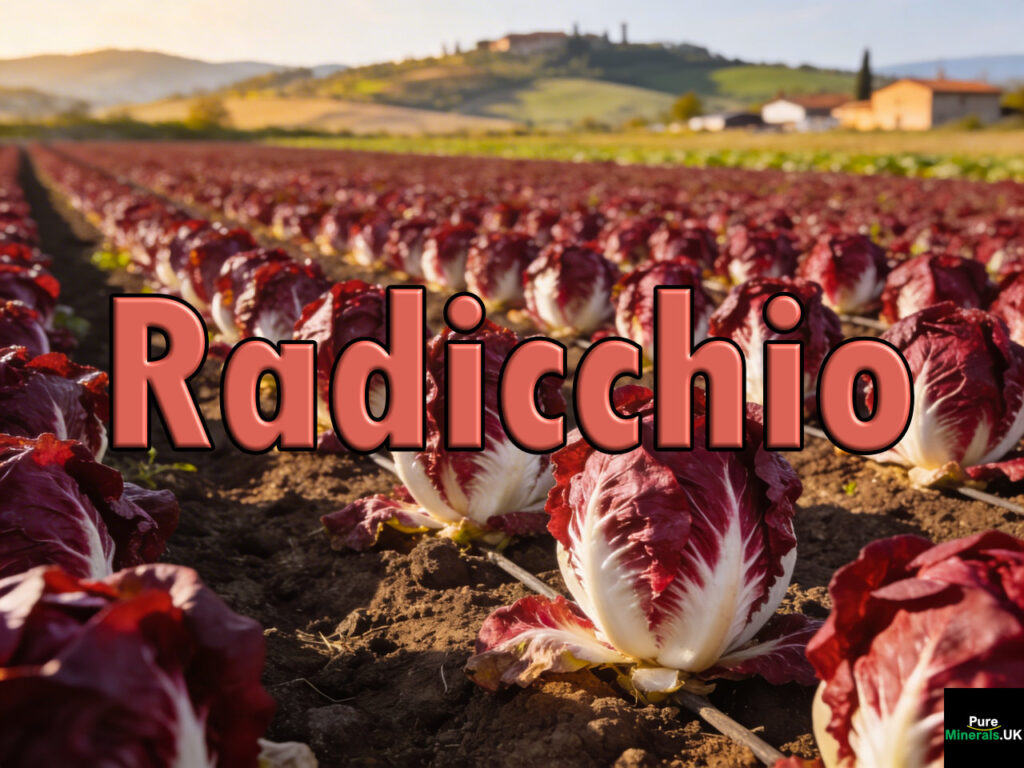
What Is Radicchio?
Radicchio is a leafy vegetable belonging to Cichorium intybus, valued for its deep red coloration, firm texture, and characteristic bitter flavor. It is commonly used in Mediterranean cuisine and provides dietary fiber, vitamins, and plant-derived compounds, including anthocyanins.
Definition
Radicchio is the edible leaf of Cichorium intybus, a cultivated member of the Asteraceae family consumed as a leafy vegetable.
Extended Definition
Radicchio belongs to the Asteraceae family, which includes lettuce, endive, escarole, and chicory. It is a cultivated form of chicory specifically bred for its compact heads and distinctive coloration.
The leaves are typically deep red or purple with contrasting white veins. This coloration is due to anthocyanins, a class of flavonoid pigments that contribute to plant protection against environmental stress and light exposure.
Radicchio has a pronounced bitter flavor, which results from naturally occurring compounds such as sesquiterpene lactones. These compounds serve as defense mechanisms in the plant by deterring herbivores.
Nutritionally, radicchio provides dietary fiber, vitamin K, folate, and small amounts of vitamin C and potassium. Vitamin K supports normal blood clotting and bone metabolism, while folate contributes to cellular function.
Radicchio also contains polyphenols and other flavonoids that are part of the plant’s biochemical defense systems.
It can be consumed raw in salads, where its bitterness adds contrast, or cooked by grilling, roasting, or sautéing, which can reduce its bitter intensity and enhance its sweetness.
Key Facts
Botanical name: Cichorium intybus
Plant family: Asteraceae
Common classification: Leafy vegetable
Origin: Italy, particularly the Veneto region
Edible part: Leaves forming compact heads
Typical color: Deep red or purple with white veins
Primary nutrients: Fiber, vitamin K, folate, vitamin C, potassium
Key phytonutrients: Anthocyanins, flavonoids, sesquiterpene lactones, polyphenols
Energy density: Very low
Notable compounds: Bitter compounds characteristic of chicory plants
Culinary uses: Salads, grilling, roasting, sautéing, and garnishes
Key Takeaways
- Radicchio delivers 128% of the daily recommended value of Vitamin K in a single serving — making it one of the most Vitamin K-dense vegetables you can eat.
- The deep red-purple color of radicchio isn’t just visual — it signals a high concentration of anthocyanins, antioxidants linked to heart health, gut health, and reduced oxidative stress.
- Radicchio contains twice as much zinc and copper per serving as red cabbage, despite being lower in calories and overall micronutrient volume.
- This vegetable has been a staple of the Mediterranean diet for centuries, and modern research is starting to confirm what Italian cooks have long known about its health value.
- Keep reading to find out exactly how much radicchio you need, how to use it in everyday meals, and whether cooking it strips away its key nutrients.
Radicchio might look like a small red cabbage, but nutritionally, it’s in a different league.
This bitter, leafy Italian vegetable — technically a variety of chicory — has quietly built a reputation among nutritionists and Mediterranean diet advocates for its dense micronutrient content and potent antioxidant profile. While it’s been a fixture in Italian kitchens for centuries, it’s only gained traction in the U.S. over the last four decades. And once you look at what’s actually inside a radicchio leaf, it’s easy to understand why the nutrition world is paying closer attention.
Radicchio Nutritional Profile at a Glance
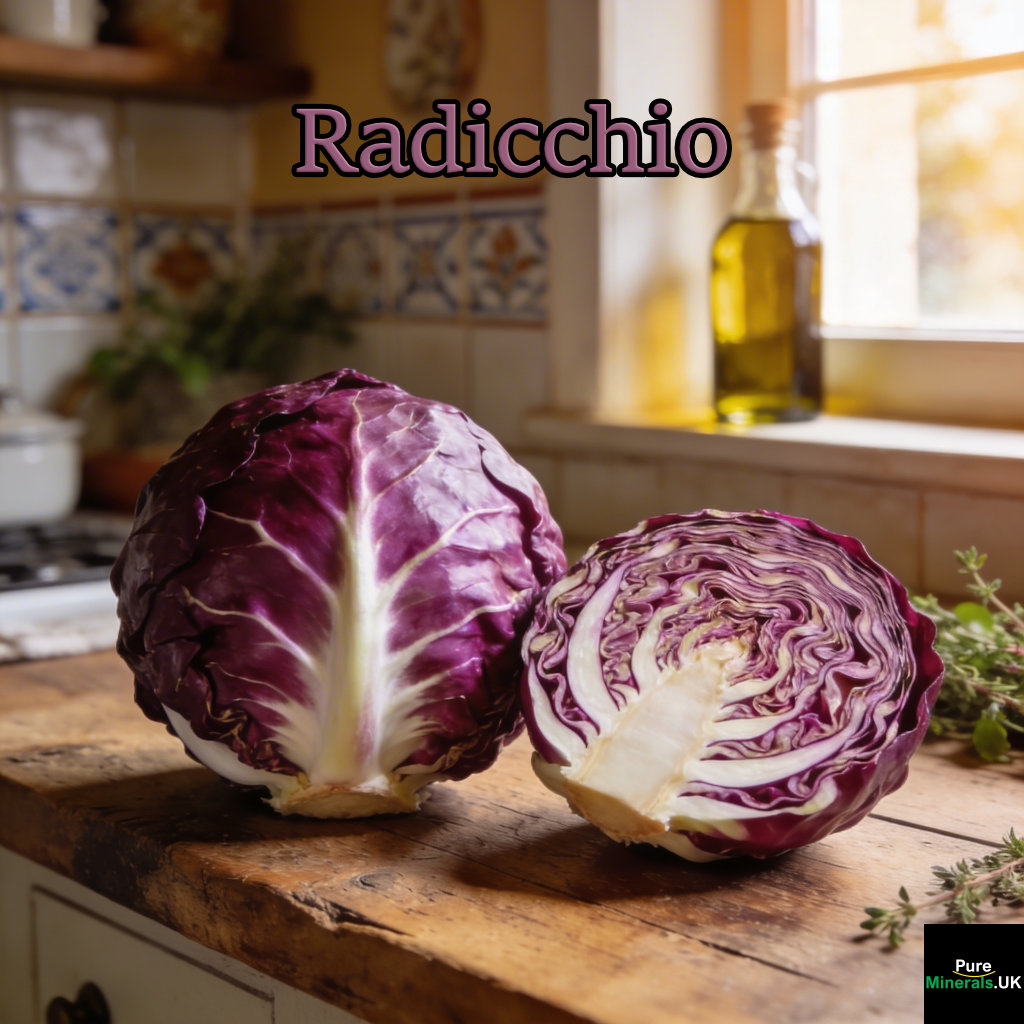
A single serving of raw radicchio — roughly one cup or about 40 grams — is low in calories, fat-free, cholesterol-free, and low in sodium. But what makes it stand out isn’t what it lacks. It’s what it delivers in that small package.
Nutrient | Amount per 1 Cup (40g) Raw | % Daily Value |
|---|---|---|
Calories | 9 kcal | — |
Carbohydrates | 1.8g | 1% |
Dietary Fiber | 0.4g | 2% |
Protein | 0.6g | — |
Fat | 0.1g | — |
102mcg | 128% | |
0.3mg | ~3% | |
0.1mg | ~11% | |
8.8mg | — |
It belongs to the Asteraceae family, alongside dandelions and Belgian endive, which explains the characteristic bitterness that sets it apart from milder greens like romaine or butterhead lettuce.
Calories, Macros, and Fiber Content
At just 9 calories per cup, radicchio is one of the lowest-calorie vegetables you can add to a plate. The macronutrient breakdown is minimal — less than 2 grams of carbohydrates, under a gram of protein, and virtually no fat. Dietary fiber content is modest at around 0.4 grams per cup, but when consumed in typical recipe quantities alongside other vegetables, it contributes meaningfully to daily fiber targets. Its low caloric density makes it especially useful for anyone looking to increase food volume without increasing calorie load.
Vitamin K: Radicchio’s Most Abundant Micronutrient
Vitamin K is where radicchio genuinely earns its place on a nutrition shortlist. One serving covers approximately 128% of the daily recommended intake — compared to red cabbage’s 42%. Vitamin K plays a direct role in blood clotting and bone mineralization and has been studied in relation to reduced risk of prostate, colon, stomach, nasal, and oral cancers. For a vegetable that barely registers on a calorie counter, that’s a meaningful contribution.
Zinc and Copper: Where Radicchio Beats Red Cabbage
Despite containing smaller overall amounts of many vitamins and minerals compared to red cabbage, radicchio contains roughly twice as much zinc and copper per serving. Both minerals support immune function, cellular repair, and enzyme activity. Radicchio also contains sodium in trace amounts — a nutrient notably absent from red cabbage — rounding out a mineral profile that’s more varied than most people expect from a leafy green.
Anthocyanins: The Pigment Behind Radicchio’s Power
That deep wine-red color isn’t accidental. It’s a direct signal of one of radicchio’s most clinically interesting compounds, similar to the vibrant hues found in lettuce.
Anthocyanins are a class of flavonoid antioxidants responsible for the red, purple, and blue pigmentation found in plants. In radicchio specifically, they are concentrated throughout the leaves, which is why the color is so intense and uniform. These aren’t just pigments — they’re biologically active compounds with measurable effects on human health, and radicchio ranks among the highest-anthocyanin vegetables available in most grocery stores, similar to mustard greens.
What Anthocyanins Are and Why They Matter
Anthocyanins neutralize free radicals — unstable molecules that cause cellular damage when they accumulate. Free radical buildup, known as oxidative stress, is linked to aging, inflammation, and the development of chronic disease. Research published in peer-reviewed literature indicates that dietary anthocyanin intake is associated with reduced inflammatory markers and improved cellular resilience. In the context of radicchio, consuming the whole leaf delivers these compounds directly, as opposed to the chicory root extracts more commonly used in clinical studies.
How Anthocyanins Protect Cells From Oxidative Stress
When free radicals outnumber the body’s natural antioxidant defenses, oxidative stress occurs — and sustained oxidative stress is a known contributing factor to cardiovascular disease, type 2 diabetes, and certain cancers. Anthocyanins from food sources like radicchio donate electrons to neutralize these free radicals before they cause lasting cellular damage. This mechanism is well-documented in nutritional biochemistry, and it’s the primary reason high-anthocyanin foods are consistently flagged as protective in large-scale dietary studies.
It’s worth noting that most of the research on chicory-derived compounds has used concentrated root extracts rather than whole leaf consumption. The health implications for whole radicchio are supported but still being fully characterized by ongoing research.
Anthocyanins and Gut Health
Beyond cellular protection, anthocyanins have shown specific benefits for intestinal health. They appear to support the integrity of the gut lining and positively influence the composition of gut microbiota — the community of bacteria that plays a central role in digestion, immunity, and even mood regulation. Radicchio’s combination of anthocyanins and dietary fiber creates a dual-action benefit for the digestive system that neither nutrient alone fully replicates.
Evidence-Based Health Benefits of Radicchio
The research behind radicchio’s health benefits is still growing, but what’s already established is compelling enough to take seriously. For those interested in exploring other leafy greens, mustard greens also offer a range of nutritional benefits worth considering.
Most studies examining chicory-related compounds have focused on root extracts rather than whole leaf consumption, which means the full picture for radicchio specifically is still developing. That said, the nutrients and plant compounds found in radicchio have individually strong evidence bases, and the combination found in a single serving makes it a genuinely functional food rather than just a garnish.
Heart Health Support
Anthocyanins in radicchio have been linked to improved cardiovascular markers in dietary research. They appear to support healthy blood vessel function, reduce LDL oxidation — the process that contributes to arterial plaque buildup — and lower systemic inflammation, all of which are risk factors for heart disease. Radicchio’s role in the Mediterranean diet, which is one of the most well-studied dietary patterns for cardiovascular protection, further reinforces this connection.
The fiber content in radicchio, while modest per serving, also contributes to cholesterol management over time when radicchio is consumed regularly alongside other high-fiber plant foods. The overall effect is cumulative rather than dramatic from a single serving, but consistent inclusion matters.
Blood Sugar Regulation
Radicchio contains compounds — particularly from its chicory lineage — that may support healthy blood sugar levels. Chicory-derived inulin and related compounds have demonstrated an ability to slow glucose absorption and improve insulin sensitivity in research settings. While the whole radicchio leaf contains these compounds in smaller concentrations than chicory root extract, its very low glycemic impact, combined with its fiber and antioxidant content, makes it a smart choice for anyone managing blood sugar through diet.
Bone Strength and Vitamin K’s Role
Vitamin K is essential for activating osteocalcin — a protein that binds calcium to bone tissue and is critical for maintaining bone density. With radicchio delivering 128% of the daily recommended Vitamin K intake in a single serving, it stands as one of the most efficient dietary sources of this bone-protective nutrient. Consistent Vitamin K intake through whole food sources like radicchio is particularly relevant for aging populations where bone density loss accelerates.
Anti-Infection Properties
Radicchio has traditionally been valued for its potential to fight parasites and microbial infections — a use that predates modern nutritional science by centuries in Italian folk medicine. Contemporary research on chicory-family plants supports antimicrobial activity from specific plant compounds found within the leaves. While radicchio shouldn’t replace medical treatment for infections, its regular consumption as part of a varied diet contributes to an immune-supportive nutritional environment.
How Radicchio Fits Into a Healthy Diet
Radicchio isn’t a supplement or a superfood trend — it’s a whole vegetable with a legitimate place in everyday eating, particularly within dietary patterns that already emphasize plant diversity.
Its Role in the Mediterranean Diet
Radicchio has been a traditional component of Mediterranean cuisine — particularly in northern Italy — for centuries. The Mediterranean diet consistently ranks as one of the most evidence-backed dietary patterns for long-term health, emphasizing whole grains, legumes, olive oil, fish, and a wide variety of vegetables. Radicchio fits naturally into this framework as a bitter leaf that adds both nutritional density and flavor contrast to meals.
Its bitterness, often considered a drawback by those unfamiliar with it, is actually a marker of the same plant compounds that make it nutritionally valuable. Bitter vegetables have long been prized in traditional food cultures for their digestive and liver-supportive properties — a perspective that modern nutritional science is increasingly validating.
Radicchio in the Mediterranean Diet at a Glance:
- Used raw in mixed green salads with olive oil and lemon dressing
- Grilled alongside fish or chicken as a traditional Italian side
- Incorporated into risotto, pasta, and flatbreads in northern Italian cooking
- Paired with aged cheeses and walnuts for balance against bitterness
- Combined with other chicory varieties like Belgian endive and escarole
For health-conscious individuals already following or transitioning to a Mediterranean-style diet, radicchio is one of the easiest high-impact vegetables to add without requiring major recipe overhauls.
How Much Radicchio You Actually Need
There is no specific clinical dosage for radicchio consumption, the way there might be for a supplement, but context from its nutritional profile offers a practical guide. A single cup of raw radicchio covers your full daily Vitamin K requirement, provides a meaningful dose of anthocyanins, and contributes zinc and copper to your mineral intake, all for under 10 calories.
For most people, incorporating one to two cups of radicchio several times per week is a realistic and nutritionally impactful target. This can be split across raw uses like salads and wraps, and cooked applications like pasta or grilled side dishes, depending on personal taste preference.
Those on blood-thinning medications like warfarin should be mindful of sudden large increases in Vitamin K intake through any source, including radicchio. In that specific case, consistency of intake matters more than quantity — keeping consumption steady rather than sporadic is the key principle.
How to Use Radicchio in the Kitchen
One of radicchio’s most underappreciated qualities is its culinary flexibility. It works raw, grilled, roasted, or braised — and each preparation method changes its flavor profile significantly enough to feel like a different ingredient. For a similar versatile ingredient, consider experimenting with napa cabbage in your recipes.
Raw radicchio delivers the sharpest bitterness and the most satisfying crunch. Cooked radicchio — particularly when grilled or roasted at high heat — mellows considerably, developing a slightly sweet, almost caramelized quality that surprises most first-time users. This versatility means even those who find raw radicchio too intense can enjoy it in a prepared form that suits their palate.
Raw vs. Cooked: How Heat Changes the Flavor
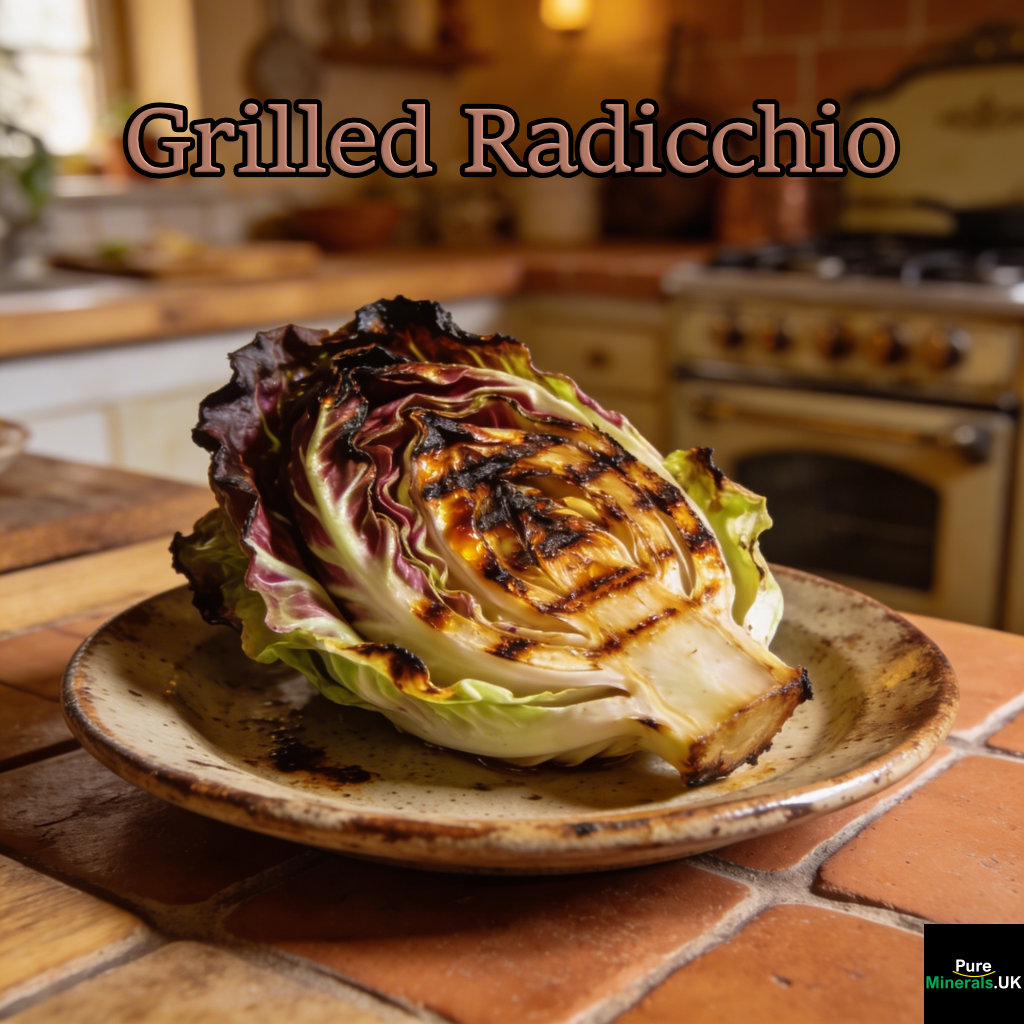
Heat breaks down some of the bitter compounds in radicchio while simultaneously concentrating its natural sugars, which is why a grilled radicchio half tastes dramatically different from a raw radicchio leaf. Grilling over high heat for three to five minutes per side is the most common Italian preparation — it softens the leaves, reduces bitterness by roughly half, and creates charred edges that add complexity. Some anthocyanin content may reduce slightly with prolonged cooking, which is why a mix of raw and cooked preparations across the week gives you both the flavor flexibility and the full nutritional range.
Best Pairings for Radicchio’s Bitter Taste
Bitterness in food is best balanced with fat, acid, or sweetness — and radicchio responds well to all three. A drizzle of good olive oil and a squeeze of lemon is the simplest starting point. Aged balsamic vinegar, which carries both acidity and natural sweetness, is a classic Italian pairing that softens radicchio’s edge without masking its character. Walnuts, gorgonzola, pears, and orange segments are all traditional companions in salads for exactly this reason — each one brings a counterbalancing flavor element that makes the bitterness feel intentional rather than harsh.
Simple Ways to Add Radicchio to Everyday Meals
Radicchio doesn’t require specialized recipes or Italian culinary training to use well. The easiest entry point is replacing or supplementing romaine or mixed greens with radicchio in any salad — start with a 50/50 ratio if the bitterness is new to you, and adjust from there as your palate adapts. Shredded radicchio also works well tucked into tacos, grain bowls, or sandwiches where other bold flavors provide the balance.
For cooked applications, radicchio can be:
- Halved and grilled with olive oil, salt, and cracked pepper as a side dish
- Stirred into risotto during the last few minutes of cooking for color and depth
- Tossed through pasta with pancetta, garlic, and a splash of white wine — a classic Venetian preparation
- Scattered over pizza before baking, paired with gorgonzola and walnuts
- Braised slowly in broth until tender and served alongside roasted meats
Radicchio Is a Small Vegetable With a Strong Nutritional Punch
For something that barely registers on a calorie scale, radicchio delivers a genuinely impressive range of nutritional value. One cup covers your full daily Vitamin K requirement, provides twice the zinc and copper of red cabbage, and delivers a concentrated hit of anthocyanins that support everything from cardiovascular health to gut integrity. It fits seamlessly into the Mediterranean diet, holds up in both raw and cooked preparations, and has centuries of traditional use backing its role as a health-supporting food.
If you’ve been overlooking radicchio because of its bitterness or unfamiliarity, the nutritional case for adding it to your weekly rotation is clear. Start with a grilled preparation to soften the learning curve, pair it with ingredients you already enjoy, and let its flavor — and its benefits — grow on you. For personalized guidance on building a vegetable-forward diet that includes nutrient-dense options like radicchio, working with a qualified nutrition professional can help you put it all together in a way that’s practical and sustainable.
Important note: Radicchio
Radicchio is widely recognized as safe to eat. However, individuals with sensitivities to bitter compounds or allergies to plants in the Asteraceae family should exercise caution. This article is provided for educational purposes only and does not constitute medical advice. Individuals with specific dietary concerns should consult a qualified healthcare professional before making significant dietary changes.
Frequently Asked Questions
Here are answers to the most common questions about radicchio’s nutritional benefits, flavor, and daily use.
Is radicchio the same as red cabbage?
Radicchio is not the same as red cabbage. Radicchio is a variety of chicory belonging to the Asteraceae family, while red cabbage belongs to the Brassica family alongside broccoli and kale. They share a similar deep reddish-purple color, which is why they’re frequently confused, but the resemblance is mostly visual.
Nutritionally, they differ in several meaningful ways. Red cabbage contains higher overall amounts of protein, Vitamin A, Vitamin B6, thiamine, riboflavin, calcium, iron, and magnesium per serving. Radicchio, however, contains roughly twice the zinc and copper, significantly more Vitamin K — 128% of the daily value versus red cabbage’s 42% — and a distinctly higher concentration of anthocyanins. Taste-wise, red cabbage is mild and slightly sweet, while radicchio carries a pronounced bitterness that is characteristic of chicory-family vegetables.
Can you eat radicchio every day?
For most healthy adults, eating radicchio daily is perfectly safe and nutritionally beneficial. The main consideration is Vitamin K — at 128% of the daily recommended value per cup, consistent daily consumption will meaningfully elevate your Vitamin K intake. This is not a concern for most people, but individuals taking warfarin or other Vitamin K-sensitive blood-thinning medications should keep their radicchio intake consistent rather than variable, and discuss any significant dietary changes with their prescribing physician. Otherwise, radicchio is a low-calorie, nutrient-dense vegetable with no known adverse effects at typical dietary consumption levels.
Does cooking radicchio destroy its nutrients?
Cooking radicchio affects its nutrient content, but the impact depends on the method and duration. High-heat, short-duration cooking — like grilling for three to five minutes — has a relatively modest effect on total nutrient retention compared to prolonged boiling or slow braising, which leaches more water-soluble compounds into the cooking liquid.
Radicchio: Raw vs. Cooked Nutrient Retention Overview
Cooking Method
Effect on Anthocyanins
Effect on Vitamin K
Flavor Change
Raw
Fully retained
Fully retained
Sharpest bitterness
Grilled (3–5 min)
Slight reduction
Mostly retained
Mellowed, slightly sweet
Roasted (high heat)
Moderate reduction
Mostly retained
Caramelized, mild
Braised / Boiled
Higher reduction
Partially leached
Soft, significantly milder
Vitamin K is fat-soluble, meaning it is not lost to water the way water-soluble vitamins like Vitamin C are, but prolonged wet cooking can still reduce its bioavailability in the cooked leaf. Grilling or roasting with a small amount of olive oil is actually a nutritionally advantageous preparation because the fat enhances absorption of fat-soluble nutrients like Vitamin K simultaneously.
The practical takeaway is to use a mix of raw and cooked preparations throughout the week. Raw radicchio in salads maximizes anthocyanin and Vitamin K retention, while grilled or roasted versions offer a more palatable entry point for those still adjusting to the bitterness, with most of the nutritional value still intact. For those interested in exploring similar vegetables, consider adding napa cabbage to your culinary repertoire.
Is radicchio good for people with diabetes?
Radicchio is a strong dietary choice for people managing blood sugar. It has an extremely low glycemic impact — under 10 calories per cup with minimal carbohydrates — meaning it adds virtually no glucose load to a meal. Beyond its macronutrient profile, radicchio belongs to the chicory family, whose compounds have been studied for their ability to slow glucose absorption and support insulin sensitivity. Its anthocyanin content also contributes to reduced inflammatory markers, which are closely linked to insulin resistance. While whole radicchio leaf research is still developing compared to chicory root extract studies, the existing evidence and nutritional profile support its inclusion in a diabetes-conscious diet.
What does radicchio taste like, and how do you reduce its bitterness?
Radicchio has a sharp, distinctly bitter taste with a crisp, slightly chewy texture — more intense than most leafy greens and quite different from the mild, watery quality of iceberg or romaine lettuce. The bitterness comes from naturally occurring compounds called lactucopicrin and related sesquiterpene lactones, which are characteristic of the chicory family and are also part of what gives radicchio its health properties.
If the bitterness is too intense, raw, there are several reliable ways to dial it back without losing radicchio’s nutritional value. The most effective method is heat — grilling or roasting, which converts some of the bitter compounds and brings out natural sweetness that isn’t detectable in the raw leaf. Even a quick sauté in olive oil with garlic softens the flavor dramatically.
For raw preparations, the standard techniques used in Italian cooking work well:
- Salt and rest: Toss shredded radicchio with a pinch of salt and let it sit for 10 minutes before dressing — this draws out some of the bitter liquid
- Acid: Lemon juice or a quality red wine vinegar in the dressing counteracts bitterness on the palate
- Fat: Olive oil coats the leaf and softens the perception of bitterness
- Sweetness: Pairing with fruits like pear, orange, or fig, or ingredients like honey and aged balsamic, provides a direct counterbalance
- Dilution: Mixing radicchio with milder greens like arugula, spinach, or butter lettuce reduces the overall bitterness of the dish
Most people find that repeated exposure to radicchio’s bitterness gradually shifts their palate toward enjoying it — a process well-documented in food preference research. Starting with cooked preparations and slowly introducing raw versions is the most reliable path to making radicchio a regular and genuinely enjoyable part of your diet.