

Published: 16 March 2026
This article is periodically reviewed and updated to reflect current scientific understanding by Vic George.
Fact-Checked: 1 other authoritative medical/scientific reference. See our Editorial Policy.
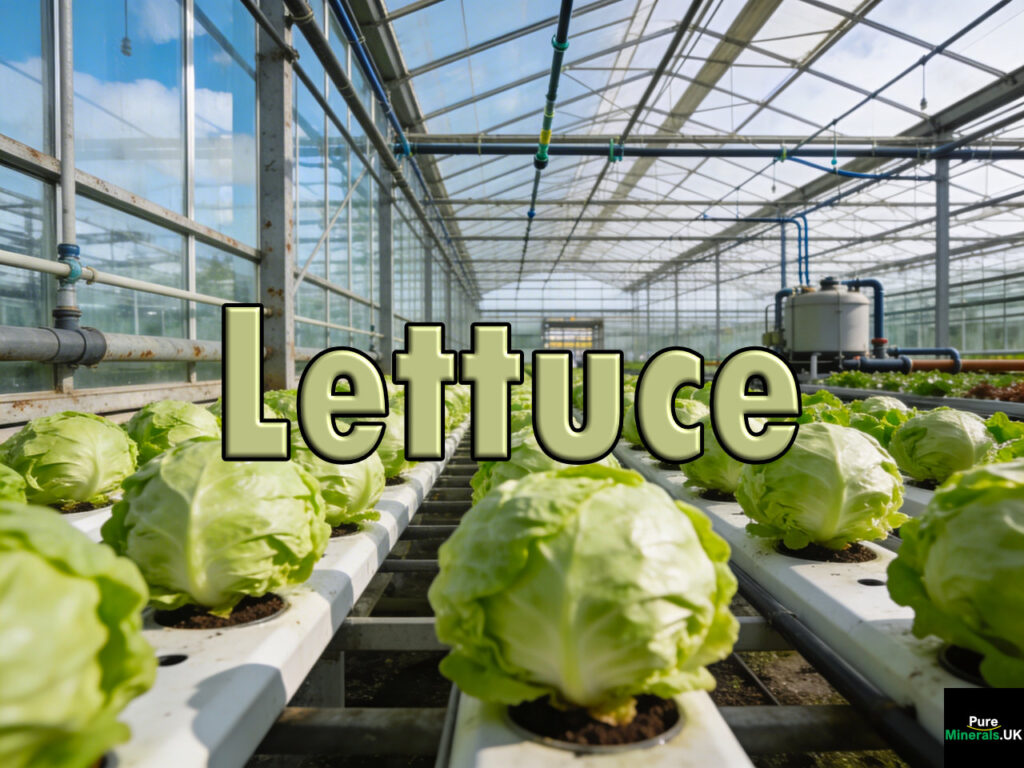
What Is Lettuce?
Lettuce is a leafy vegetable derived from Lactuca sativa, cultivated for its tender leaves that are widely consumed raw in salads and other fresh dishes. Several common varieties exist, including iceberg, romaine, and butter lettuce, each differing in leaf structure, texture, and nutritional profile.
Definition
Lettuce is the edible leaf of Lactuca sativa, a cultivated plant in the Asteraceae family, consumed as a leafy vegetable.
Extended Definition
Lettuce belongs to the Asteraceae family, which includes related plants such as chicory, endive, and artichoke. It is cultivated primarily for its leaves, which are harvested at various stages of maturity depending on the variety.
Iceberg lettuce forms compact, round heads composed of crisp, pale leaves with a high water content and mild flavor. Romaine lettuce produces elongated heads with darker green leaves and a firm central rib. Butter lettuce varieties, such as Bibb and Boston lettuce, form soft, loosely structured heads with tender leaves.
China is the world’s largest producer of lettuce, accounting for over 50% of global production with an annual output of roughly 13.5 to 15 million tonnes. This massive production is largely driven by domestic demand, with China far exceeding other major producers like the United States and Spain. Spain is a major European producer and exporter of lettuce, cultivating all three types—Iceberg, Romaine, and Butterhead, Little Gem, and other specialties. Most production occurs in Murcia and Almeria from November to April. Iceberg is the most prevalent, accounting for about 70–82% of Spanish production.
Iceberg is called lechuga iceberg in Spain; it is heavily grown for its long shelf life and ease of transport. Romaine Lettuce is cultivated extensively, particularly for export to Northern Europe. It is often referred to as Cos. Butter Lettuce is grown in Spain, including types such as Trocadero and various red/green butterheads. Spain’s winter climate allows it to supply these lettuce varieties to the rest of Europe when other regions cannot.
Nutritionally, lettuce provides dietary fiber, vitamin K, folate, and small amounts of vitamin C and potassium. Darker green varieties, such as romaine, generally contain higher concentrations of micronutrients compared with lighter varieties like iceberg.
Lettuce leaves also contain carotenoids such as beta-carotene and lutein, along with flavonoids and phenolic compounds that contribute to plant protection and pigmentation.
Due to its high water content and low energy density, lettuce is commonly used as a base for salads and fresh vegetable dishes. Its crisp texture and mild flavor allow it to complement a wide range of ingredients.
Lettuce is typically consumed raw, although certain varieties can also be lightly cooked in soups and sautéed dishes.
Key Facts
Botanical name: Lactuca sativa
Plant family: Asteraceae
Common classification: Leafy vegetable
Origin: Mediterranean region and Western Asia
Edible part: Leaves
Typical color: Pale green to dark green, depending on variety
Primary nutrients: Fiber, vitamin K, folate, vitamin C, potassium
Key phytonutrients: Carotenoids (beta-carotene, lutein), flavonoids, phenolic compounds
Energy density: Very low
Notable compounds: Plant pigments associated with leaf coloration
Culinary uses: Salads, wraps, sandwiches, and fresh vegetable dishes
Key Takeaways
- Not all lettuce is created equal — romaine delivers 82% of your daily vitamin A in a single cup, while iceberg offers just 7%.
- The deeper the leaf color, the higher the nutrient density — a simple visual cue that can upgrade your salad game instantly.
- Lettuce is over 95% water, making it one of the most hydrating foods you can eat.
- The Vitamin K found in lettuce plays a direct role in bone strength and reducing fracture risk — a benefit most people overlook.
- Certain lettuce extracts have been shown in studies to promote sleep — keep reading to find out which varieties and what the science actually says.
Lettuce is one of the most underestimated vegetables in your kitchen — and once you understand what’s actually inside each leaf, you’ll never reach for the same bag on autopilot again.
Most people treat all lettuce as interchangeable, but the nutritional gap between a bowl of iceberg and a bowl of romaine is surprisingly wide. Whether you’re building meals around better nutrition or simply trying to eat more whole foods, knowing which variety delivers the most value is the starting point.
Lettuce Is More Nutritious Than You Think
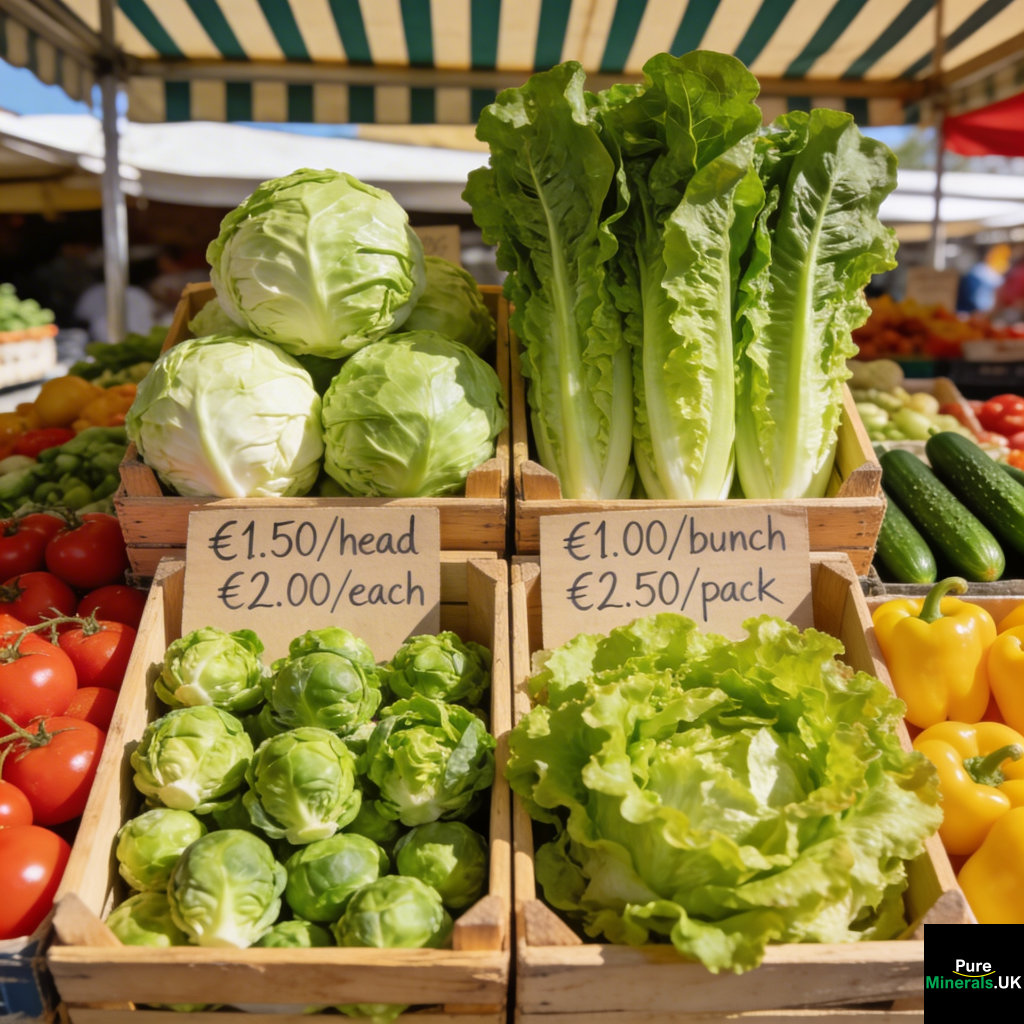
Lettuce belongs to the species Lactuca sativa and falls into four main categories: head lettuce (capitata), leaf lettuce (crispa), romaine (longifolia), and celtuce (augustana). Each type carries a different nutritional fingerprint, and the differences aren’t minor.
Darker Leaves Mean More Nutrients
Color is one of the most reliable indicators of nutritional value in lettuce. Darker, more pigmented leaves contain higher concentrations of beta-carotene, vitamin K, and antioxidants. Iceberg, which is pale and tightly packed, sits at the bottom of the nutrient spectrum. Romaine and red leaf varieties, with their deeper green and reddish hues, sit firmly at the top.
This isn’t just aesthetic — the pigmentation comes from the same plant compounds that support eye health, immune function, and bone density. Choosing darker lettuce is one of the simplest, lowest-effort nutrition upgrades available.
Over 95% Water Content Aids Hydration
Raw lettuce is composed of more than 95% water, making it one of the most hydrating whole foods you can eat. While drinking fluids is essential, research published in the journal Nutrients confirms that water from food sources contributes meaningfully to total daily hydration — and lettuce is among the highest-water-content vegetables available.
Vitamin A and K Are the Standout Nutrients
Across all lettuce varieties, vitamin A and vitamin K consistently appear as the most significant micronutrients. Vitamin A supports vision, immune defense, and cellular health. Vitamin K plays a critical role in blood clotting and bone mineralization. Together, they form the nutritional backbone of what makes lettuce genuinely worth eating — not just as filler, but as a functional food.
Iceberg Lettuce Nutritional Profile
Iceberg gets a bad reputation, and nutritionally speaking, some of it is deserved. It’s the palest, most water-dense lettuce variety with the lowest concentration of vitamins and minerals. That said, it’s not without value — it’s just the baseline, not the benchmark.
Macronutrients Per Cup (Chopped)
A one-cup serving of chopped iceberg lettuce is extremely low in calories, which makes it a useful base for high-volume, low-calorie meals. Its macronutrient profile is minimal but clean.
Nutrient | Amount Per Cup (Chopped) |
|---|---|
Calories | ~10 kcal |
Carbohydrates | ~1.6g |
Protein | ~0.6g |
Fat | ~0.1g |
Fiber | ~0.7g |
Water | >95% |
Vitamin and Mineral Content
Iceberg contains 7% of the daily value of vitamin A per cup — the lowest of all common lettuce varieties. It also provides trace amounts of vitamin C, iron, and calcium, though none in amounts that would meaningfully contribute to your daily intake on their own.
What iceberg lacks in micronutrient density, it partially compensates for in hydration and digestive bulk. It’s particularly useful for people who struggle with plain water intake or need easily digestible foods.
Why Iceberg Ranks Lowest in Nutrients
The tight, compact head structure of iceberg lettuce limits its exposure to sunlight during growth. Less light means less chlorophyll production, which directly correlates with lower concentrations of vitamins, antioxidants, and plant pigments. It’s the structural design of the plant — not just a coincidence — that makes it nutritionally lighter than its open-leaf counterparts.
Romaine Lettuce Nutritional Profile
Romaine is the nutritional overachiever of the common lettuce varieties. It’s the main green in a Caesar salad, and it earns its place far beyond just texture and crunch.
Its long, sturdy leaves and deep green color signal exactly what’s inside — a significantly higher concentration of vitamins and minerals compared to iceberg, and competitive numbers even against butterhead and red leaf varieties.
Macronutrients Per Cup (Chopped)
Like all lettuces, romaine is low in calories but provides a slightly more substantial macronutrient profile than iceberg, particularly in fiber and protein content. According to USDA data, a cup of chopped romaine contains approximately 8 calories, 1.5g of carbohydrates, 0.6g of protein, 1g of fiber, and negligible fat — with water content still exceeding 95%.
82% Daily Value of Vitamin A Per Serving
This is where romaine separates itself. A single cup of chopped romaine delivers 82% of the recommended daily value of vitamin A — compared to iceberg’s 7%. That’s not a marginal difference; it’s a completely different nutritional category.
The vitamin A in romaine comes primarily from beta-carotene, a carotenoid the body converts into retinol. Beta-carotene is fat-soluble, which means pairing romaine with a small amount of healthy fat — like olive oil or avocado — significantly increases how much your body actually absorbs.
Romaine also provides small but meaningful amounts of vitamin C, calcium, and iron — a more complete micronutrient offering than iceberg across the board.
Quick Comparison — Vitamin A Daily Value by Lettuce Type:
🟢 Romaine: 82% DV
🟢 Red Leaf: 42% DV
🟡 Butterhead: 36% DV
🔴 Iceberg: 7% DV
Source: U.S. Department of Agriculture, WebMD Dietary Reference
Why Romaine Outperforms Iceberg
Romaine’s open, elongated leaf structure allows far greater sun exposure during growth, driving higher chlorophyll and carotenoid production. The result is a lettuce that looks more nutritious and genuinely is. If you’re making one swap in your weekly grocery routine to improve your diet, replacing iceberg with romaine is one of the most effective and effortless changes you can make.
Butterhead Lettuce Nutritional Profile
Butterhead lettuce — which includes Boston and Bibb varieties — earns its name from the soft, almost velvety texture of its leaves. It forms a loose, open head with pale inner leaves and slightly darker outer ones, and nutritionally it lands comfortably in the middle of the lettuce spectrum.
It’s a genuinely underrated choice. Butterhead delivers a solid vitamin A punch at 36% of your daily value per cup, along with a more well-rounded mineral profile than iceberg. It also has a mild, slightly sweet flavor that makes it one of the most versatile lettuces in the kitchen.
For people who find romaine too firm or iceberg too bland, butterhead is often the variety that converts lettuce skeptics. Its tender leaves hold dressings well without wilting immediately, making every bite more satisfying.
- Vitamin A: 36% of the daily value per cup — nearly five times more than iceberg
- Vitamin C: Small but present, supporting immune function
- Iron: Trace amounts that contribute to the overall daily intake
- Calcium: Present in small amounts, supporting bone health alongside vitamin K
- Water content: Exceeds 95%, contributing meaningfully to daily hydration
Macronutrients Per Cup (Chopped)
A cup of chopped butterhead lettuce contains approximately 7 calories, 1.2g of carbohydrates, 0.7g of protein, 0.6g of fiber, and less than 0.1g of fat, according to USDA nutritional data. The caloric load is negligible, but the micronutrient return — particularly for vitamin A — makes it a far smarter base than iceberg for anyone prioritizing nutrition alongside low-calorie eating.
Vitamin A, C, Iron, and Calcium Breakdown
Butterhead’s 36% daily value of vitamin A per cup comes primarily from beta-carotene, the same fat-soluble carotenoid found in romaine. The vitamin C content, while not dramatic, adds a mild antioxidant contribution that supports connective tissue repair and immune defense. Iron and calcium appear in modest amounts — neither will replace a dedicated dietary source, but both add incremental value that stacks up when butterhead is eaten regularly. For a nutrient comparison, you might explore the benefits of edamame as an alternative source of protein and nutrients.
What makes butterhead’s nutritional profile particularly useful is its balance. It doesn’t dominate in any single nutrient the way romaine dominates in vitamin A, but it delivers a broader spread of micronutrients in one soft, easy-to-eat package. For families with picky eaters or children who resist strongly flavored greens, butterhead is often the easiest nutritional win on the plate, similar to escarole.
Little Gem Lettuce Nutritional Profile
Little Gem is essentially a compact hybrid between romaine and butterhead — and it inherits the best qualities of both. It grows in a small, tight head with firm outer leaves and a sweet, crunchy heart. Originally popular in the UK, it’s gained significant traction in North American markets over the past decade, and for good reason.
Nutritionally, Little Gem punches well above its size. Its leaves are dense, dark, and tightly packed, which translates to a higher concentration of chlorophyll, carotenoids, and fat-soluble vitamins relative to its weight. A small head of Little Gem delivers meaningful amounts of vitamin A and K, with a texture that holds up to both dressings and heat.
It’s one of the few lettuces that performs equally well raw and cooked — halved and grilled, it develops a slightly charred, nutty flavor while retaining enough structure to remain satisfying. That culinary flexibility makes it particularly valuable in a whole-foods kitchen.
Little Gem vs. Romaine vs. Butterhead — At a Glance
Nutrient (Per Cup)
Little Gem
Romaine
Butterhead
Vitamin A (% DV)
~70%
82%
36%
Vitamin C
Small amount
Small amount
Small amount
Iron
Trace
Trace
Trace
Calcium
Trace
Small amount
Small amount
Water Content
>95%
>95%
>95%
Texture
Firm & sweet
Crisp & sturdy
Soft & buttery
How Little Gem Compares to Romaine and Butterhead
Little Gem tracks closely to romaine in its vitamin A content, delivering roughly 70% of the daily value per cup — significantly higher than butterhead’s 36% and dramatically higher than iceberg’s 7%. Its compact leaf structure means you’re often eating more leaf per bite than you would with a loosely packed romaine heart, which adds up to a more nutrient-dense serving by volume.
Where Little Gem edges out romaine is in texture versatility and sweetness. Romaine has a slightly bitter edge that not everyone enjoys raw. Little Gem’s flavor profile is milder and more approachable, making it easier to incorporate into a wider range of meals without heavy dressings to mask the taste.
Key Vitamins and Minerals
Little Gem is a reliable source of vitamin A via beta-carotene and contributes vitamin K, which supports both bone density and healthy blood clotting. It also contains small amounts of folate, vitamin C, calcium, and iron — a well-rounded micronutrient profile that reflects its genetic lineage from two of the most nutritious common lettuce varieties.
Plant Compounds Across Lettuce Varieties
Beyond standard vitamins and minerals, lettuce contains a range of bioactive plant compounds — including carotenoids, flavonoids, and lactucin — that contribute to health in ways that go well beyond basic nutrition. The Journal of Food Composition and Analysis highlights these bioactive compounds as a key part of lettuce’s overall health value, particularly in darker-leaved varieties where concentrations are highest. If you’re interested in exploring other nutritious vegetables, you might want to learn about the healthy ways to cook broccoli.
Beta-Carotene and Eye Health
Beta-carotene is the plant pigment responsible for the orange and yellow hues in many vegetables, but in dark green lettuce, it’s masked by chlorophyll. The body converts beta-carotene into vitamin A, which is essential for maintaining the photoreceptors in the retina. Regular consumption of beta-carotene-rich foods like romaine and Little Gem has been associated with a reduced risk of cataracts and age-related vision decline, according to research cited by WebMD’s dietary review.
Vitamin K and Bone Strength
Vitamin K is one of lettuce’s most clinically significant nutrients, and it’s one that most people don’t think about when they reach for a salad. It plays a direct role in activating the proteins that bind calcium to bone tissue — a process called carboxylation — which is essential for maintaining bone mineral density over time.
Research published in The Open Orthopaedics Journal identifies vitamin K as an essential nutrient for bone health, noting that adequate intake is associated with a measurable reduction in fracture risk. Dark lettuces like romaine, Little Gem, and red leaf varieties are among the most accessible dietary sources of vitamin K available, making a daily salad habit more structurally valuable than most people realize.
Antioxidants and Age-Related Macular Degeneration
Lettuce — particularly red leaf and romaine — contains flavonoids and carotenoids, including lutein and zeaxanthin, two antioxidants that accumulate specifically in the macula of the eye. These compounds filter harmful blue light and neutralize oxidative stress in retinal tissue, which are two of the primary mechanisms driving age-related macular degeneration (AMD).
The protective effect isn’t immediate — it builds through consistent, long-term intake. But incorporating darker lettuce varieties into daily meals is one of the most practical dietary strategies for supporting long-term eye health, particularly for people with a family history of AMD or those spending significant time in front of screens.
Sleep-Promoting Compounds in Lettuce Extracts
Lettuce contains a milky sap called lactucarium, found in the stems and leaves, which contains the compound lactucin — a natural sedative that has shown sleep-promoting effects in laboratory studies. Research reviewed by WebMD found that extracts from multiple lettuce types promoted sleep in controlled conditions. It’s worth noting that these studies used concentrated extracts, and whether eating whole lettuce in normal serving sizes produces the same effect has not yet been confirmed by clinical research. Still, it’s a compelling area of study that adds another dimension to lettuce as a functional food.
Culinary Uses for Each Lettuce Variety
Lettuce is far more versatile than its reputation as a salad base suggests. Each variety has structural and flavor characteristics that make it better suited to certain applications — and knowing which to reach for makes a real difference in both taste and nutrition. For instance, some people enjoy adding a bit of escarole to their dishes for an extra kick.
Beyond salads, lettuce works as a wrap for tacos, a bed for grain bowls, a layer in spring rolls, and even a vehicle for stir-fry fillings when you want a low-carb alternative to tortillas or rice. Butterhead and Little Gem leaves, in particular, are sturdy enough to hold fillings without tearing, making them natural substitutes for bread in lighter meals.
Best Uses for Iceberg Lettuce

Iceberg’s crunch and high water content make it the go-to lettuce for applications where texture matters more than nutrition. It holds up exceptionally well in shredded form — think fish tacos, burger toppings, and the base layer of a wedge salad with blue cheese dressing. Its neutral flavor doesn’t compete with bold sauces or heavy proteins, which is exactly why it’s still a staple in fast food and casual dining.
It’s also one of the better lettuces for meal prep. Unlike softer varieties, shredded iceberg stays crisp in the refrigerator for several days without wilting, making it practical for households that don’t want to prep greens daily. Use it where crunch is the goal and nutritional density is being sourced elsewhere on the plate.
Best Uses for Romaine Lettuce
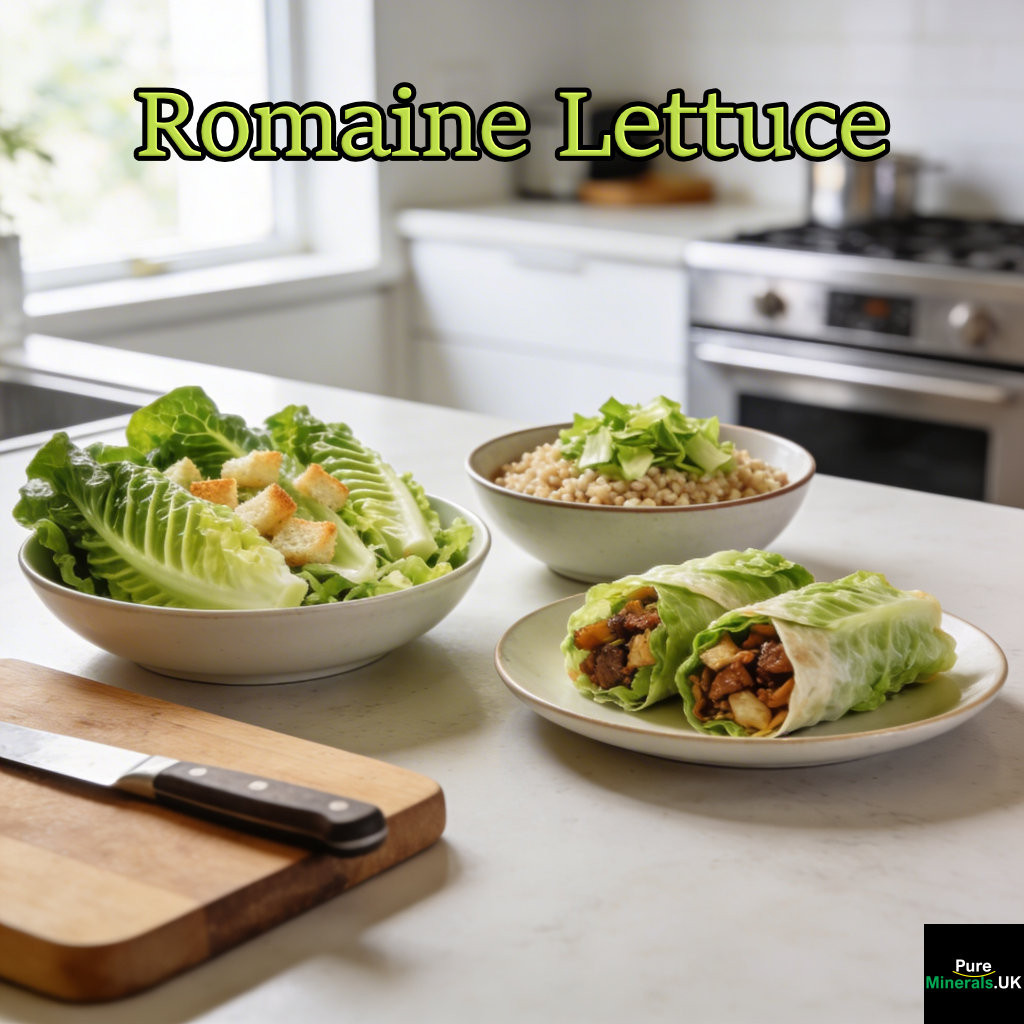
Romaine is the workhorse of the lettuce world. Its firm, ribbed leaves make it ideal for Caesar salads, grain bowls, and lettuce wraps that need to hold substantial fillings without collapsing. Romaine also handles heat surprisingly well — halved romaine hearts brushed with olive oil and grilled for two to three minutes develop a smoky, caramelized edge that transforms a simple side into something worth making intentionally. For maximum nutritional benefit, pair it with a fat-containing dressing or topping to enhance beta-carotene absorption.
Best Uses for Butterhead and Little Gem Lettuce
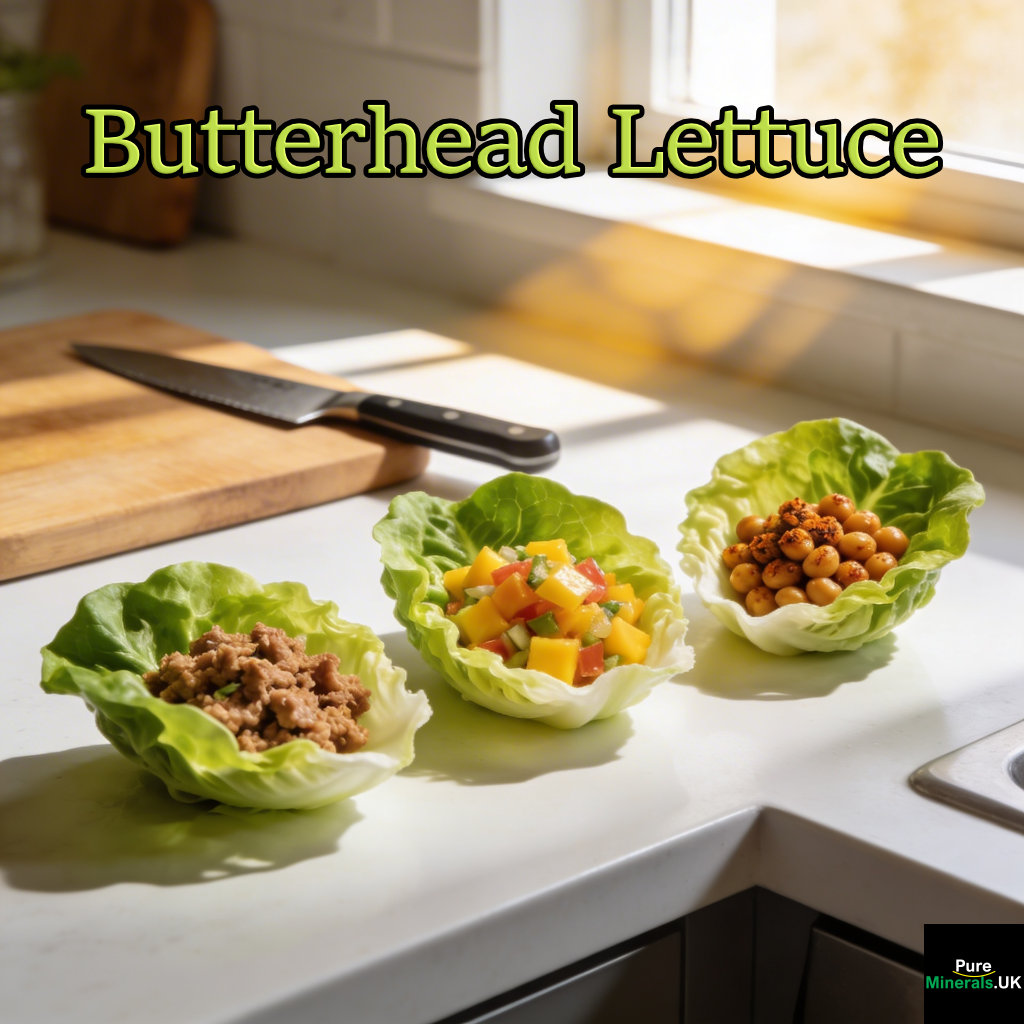
Butterhead’s soft, cup-shaped leaves are purpose-built for wraps. The natural bowl shape of a Boston or Bibb leaf holds fillings like ground turkey, diced mango salsa, or spiced chickpeas without needing any folding technique — it just works. The mild, slightly sweet flavor complements both Asian-inspired fillings and Mediterranean combinations equally well, which makes it one of the most culinarily flexible varieties available.

Little Gem brings the same cup-shaped versatility with added structural integrity. Its firmer leaves can hold heavier fillings and stand up to thicker dressings without immediately going limp. Little Gem also shines as an individual serving vessel for appetizers — fill each leaf with a small scoop of tuna tartare, hummus and roasted vegetables, or a simple herbed ricotta, and you have a nutritious, visually appealing dish that requires almost no preparation.
Using Lettuce as a Bread Substitute
Large, pliable leaves from butterhead, Little Gem, or romaine can replace bread, tortillas, and burger buns with virtually no compromise on satisfaction. The swap cuts refined carbohydrates and adds hydration and micronutrients in the same move — it’s one of the most straightforward low-effort dietary improvements available. Romaine spears work as chip alternatives for thick dips like guacamole or hummus, while butterhead leaves wrapped around a rice and protein filling create a complete meal with almost no prep time.
Food Safety: E. Coli Contamination Risks in Lettuce
Lettuce is generally safe for most people and is not a common allergen. However, in recent years, there have been multiple documented outbreaks of E. coli contamination linked to lettuce — particularly romaine. These contamination events are typically caused by agricultural runoff from nearby animal farming operations that introduces bacteria into irrigation water or soil. The U.S. Food and Drug Administration has issued several romaine recalls as a result.
To minimize risk, always check for active recalls before purchasing, wash all lettuce thoroughly under cold running water, even if the packaging says pre-washed, and avoid consuming lettuce from regions flagged in current outbreak advisories. People who are immunocompromised, pregnant, or elderly should be especially cautious with pre-packaged romaine during any active outbreak period.
The Healthiest Lettuce to Add to Your Diet
If you’re choosing a single variety to prioritize, romaine is the clear frontrunner — it delivers 82% of your daily vitamin A, meaningful vitamin K, calcium, and iron, all in a low-calorie, high-water package that works in dozens of meal formats. Little Gem is the closest competitor and the better choice when you want a milder flavor or a more versatile serving format.
Butterhead earns its place as the most approachable option for everyday use, particularly for families or anyone transitioning away from iceberg. The honest answer, though, is that rotating between varieties gives you the broadest nutritional coverage — each lettuce type contributes slightly different compounds, and dietary variety is one of the most consistently supported principles in nutritional science.
Important note: Lettuce
Lettuce is widely recognized as safe when consumed as a food. As with all raw leafy vegetables, proper washing and handling are recommended to reduce the risk of microbial contamination. This article is provided for educational purposes only and does not constitute medical advice. Individuals with specific dietary concerns should consult a qualified healthcare professional before making significant dietary changes.
Frequently Asked Questions
Here are the most common questions people ask about lettuce nutrition, answered directly using verified dietary data from the USDA, WebMD, and the Journal of Food Composition and Analysis.
Lettuce Nutrition Quick Reference
Lettuce Type
Vitamin A (% DV)
Best Use
Nutrient Rank
Romaine
82%
Salads, wraps, grilling
⭐⭐⭐⭐⭐
Red Leaf
42%
Salads, sandwiches
⭐⭐⭐⭐
Little Gem
~70%
Wraps, grilling, appetizers
⭐⭐⭐⭐⭐
Butterhead
36%
Wraps, salads, kids’ meals
⭐⭐⭐⭐
Iceberg
7%
Toppings, meal prep crunch
⭐⭐
One pattern that shows up clearly in the data is that the lettuces most people default to — iceberg, specifically — are the ones offering the least nutritional return. The varieties with the most to offer nutritionally, like romaine and Little Gem, are just as easy to find in most grocery stores and cost roughly the same per head.
Making the switch doesn’t require a diet overhaul. It starts with a single grocery decision — picking up romaine or butterhead instead of iceberg — and building from there as the flavors and formats become familiar.
Which Lettuce Has the Most Nutritional Value?
Romaine lettuce has the most nutritional value among the four common varieties. It delivers 82% of the daily value of vitamin A per cup, along with vitamin K, vitamin C, calcium, and iron — the most complete micronutrient profile of any widely available lettuce type.
Little Gem is the closest competitor, delivering roughly 70% of the daily value of vitamin A with a similarly dense carotenoid and vitamin K profile. If romaine isn’t available or preferred, Little Gem is an excellent nutritional substitute with the added advantage of a sweeter, milder flavor.
Red leaf lettuce ranks third at 42% daily value of vitamin A per cup, followed by butterhead at 36%. Iceberg ranks last across all measurable nutrient categories, though it still contributes hydration and negligible calories, which have value in specific dietary contexts.
Is Iceberg Lettuce Actually Bad for You?
Iceberg lettuce is not bad for you — it’s simply the least nutritious option among common lettuce varieties. It contributes hydration, minimal calories, and a small amount of vitamin A, vitamin C, and iron. The concern isn’t that eating iceberg is harmful; it’s that choosing iceberg over darker varieties means consistently missing out on significantly higher levels of vitamins, antioxidants, and bone-supporting compounds. It’s a missed opportunity rather than an active health risk.
How Does Lettuce Contribute to Daily Hydration?
All lettuce varieties are composed of more than 95% water by weight, making them one of the most hydrating solid foods available. Research published in the journal Nutrients confirms that water consumed through food sources counts meaningfully toward total daily fluid intake. Eating a large salad made from romaine or butterhead can contribute a measurable amount of water to your daily totals — particularly useful for people who struggle to meet hydration targets through beverages alone.
Can Eating Lettuce Improve Your Vision?
Lettuce — particularly romaine, Little Gem, and red leaf varieties — contains beta-carotene and other carotenoids, including lutein and zeaxanthin, all of which play documented roles in supporting eye health. The vitamin A derived from beta-carotene maintains the function of photoreceptors in the retina, while lutein and zeaxanthin accumulate in the macula and help protect against oxidative damage linked to age-related macular degeneration and cataracts. Regular, consistent consumption of these carotenoid-rich lettuces supports long-term eye health, though they work most effectively as part of a broader diet rich in colorful vegetables rather than as a standalone intervention.
What Is the Safest Way to Prepare and Store Lettuce?
Always rinse lettuce thoroughly under cold running water before eating, even if the package is labeled pre-washed. For head lettuces like iceberg and butterhead, remove the outer leaves first and rinse each inner leaf individually. For romaine and Little Gem, separate the leaves and rinse under running water, paying particular attention to the base of the leaf where soil and bacteria are most likely to collect.
To store lettuce, wrap dry leaves loosely in a clean paper towel and place them in an open or loosely sealed bag in the crisper drawer of your refrigerator. The paper towel absorbs excess moisture, which is the primary cause of premature wilting and bacterial growth. Romaine and iceberg keep well for up to seven to ten days stored this way. Butterhead and Little Gem are more delicate and are best used within five to seven days of purchase.
Check the USDA and FDA recall databases regularly if you purchase pre-packaged romaine, particularly during the late spring and fall months when contamination events have historically been more frequent. Buying whole heads rather than pre-cut or pre-washed bagged lettuce reduces exposure risk, as the outer leaves act as a natural protective barrier during transport and storage.
Lettuce, including varieties like Iceberg, Romaine, Butter, and Little Gem, is a staple in many diets due to its nutritional profile and versatility in culinary uses. This leafy green is rich in vitamins and minerals, making it a healthy addition to meals. Additionally, lettuce contains beneficial plant compounds that contribute to its health benefits. For those interested in exploring other leafy greens, endive is another nutritious option worth considering.