

Published: 17 March 2026
This article is periodically reviewed and updated to reflect current scientific understanding by Vic George.
Fact-Checked: 1 other authoritative medical/scientific reference. See our Editorial Policy.
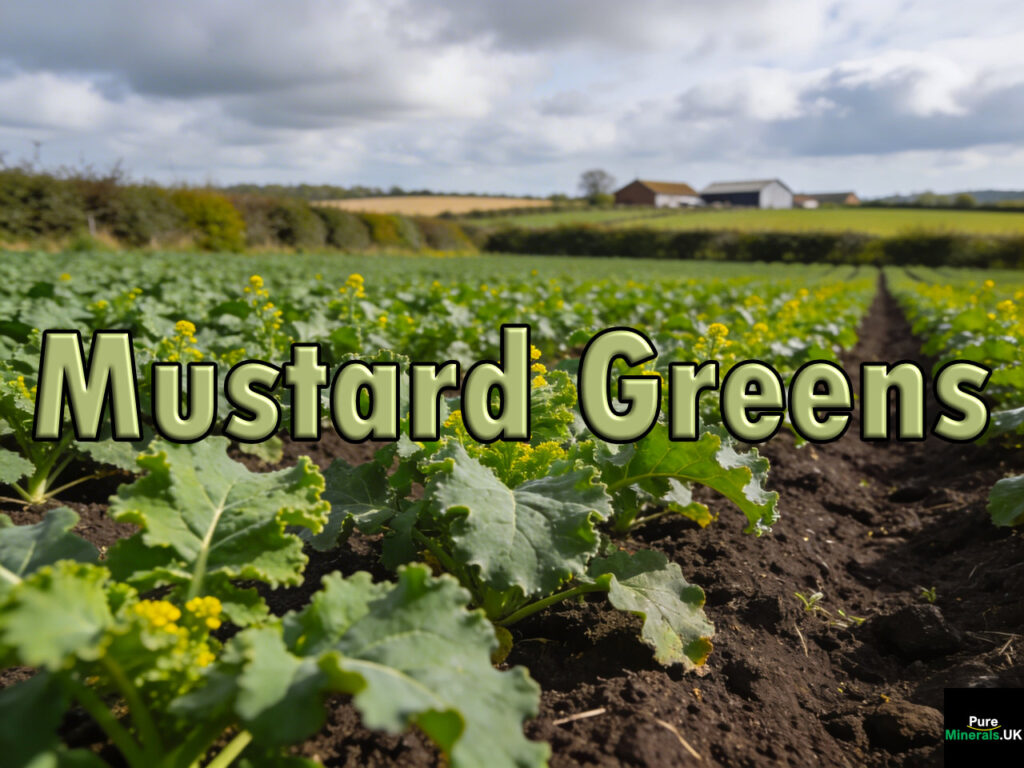
What Are Mustard Greens?
Mustard greens are the edible leaves of Brassica juncea and related species, valued for their peppery flavor and high concentration of vitamins, minerals, and glucosinolate compounds. They are widely consumed as a leafy green vegetable in many culinary traditions.
Definition
Mustard greens are the edible leaves of Brassica juncea, a cultivated member of the Brassicaceae family consumed as a leafy vegetable.
Extended Definition
Mustard greens belong to the Brassicaceae family, also known as the cruciferous vegetable family. This group includes cabbage, kale, broccoli, and bok choy, all characterized by their production of glucosinolates.
The leaves of mustard greens are broad and textured, often with serrated edges, and vary in color from light to dark green, sometimes with reddish or purple hues depending on the variety.
Nutritionally, mustard greens provide substantial amounts of vitamin K, vitamin A precursors (such as beta-carotene), vitamin C, folate, calcium, and potassium. Vitamin K supports normal blood clotting and bone metabolism, while vitamin C contributes to antioxidant processes and immune function.
The characteristic pungent flavor of mustard greens is due to glucosinolates, which are converted into isothiocyanates and related compounds when the plant tissue is cut or chewed. These compounds serve protective roles in the plant and contribute to its distinctive taste.
Mustard greens also contain flavonoids, carotenoids, and phenolic compounds that contribute to plant defense mechanisms and pigmentation.
They are commonly consumed both raw and cooked. Cooking can reduce bitterness and soften the fibrous leaf structure, making them suitable for sautéed dishes, soups, and stews.
Key Facts
Botanical name: Brassica juncea (and related species)
Plant family: Brassicaceae
Common classification: Leafy cruciferous vegetable
Origin: Asia, particularly the Himalayan region
Edible part: Leaves
Typical color: Green to dark green, sometimes with reddish tones
Primary nutrients: Vitamin K, vitamin A precursors, vitamin C, folate, calcium, potassium
Key phytonutrients: Glucosinolates, isothiocyanates, carotenoids, flavonoids
Energy density: Very low
Notable compounds: Sulfur-containing phytochemicals characteristic of cruciferous vegetables
Culinary uses: Salads, sautéed greens, soups, stews, and traditional dishes
Key Takeaways
- One cup of raw mustard greens delivers nearly a full day’s worth of vitamin K, plus significant amounts of vitamins C and A — often outperforming spinach and kale in several key nutrients.
- Glucosinolates, the compounds that give mustard greens their signature bitter kick, have been studied for their potential role in cancer prevention and immune support.
- How you cook mustard greens directly impacts which nutrients you get more of — and which ones you lose — so preparation method actually matters.
- Mustard greens are one of the few vegetables where steam cooking has been specifically shown to improve bile acid binding, which directly supports cholesterol management.
- Whether you eat them raw or cooked, mustard greens are one of the most nutrient-dense, low-calorie leafy greens you can add to your diet.
Mustard greens quietly outperform most leafy greens on the nutrition label — and most people have no idea.
They’ve been a staple in Southern American, African, Indian, and Asian cooking for centuries, yet they rarely get the spotlight that kale or spinach enjoys. That’s a missed opportunity. Modern nutritional research confirms what traditional food cultures figured out long ago: mustard greens are loaded with vitamins, antioxidants, and unique plant compounds that support everything from heart health to cancer prevention.
Mustard Greens Pack More Nutrients Than Most Greens You Already Eat
Mustard greens are grown globally by commercial farmers for seeds and leaves, and by home gardeners for culinary use, particularly in the UK, North America, and Asia. Major producers include Canada and Nepal. They are popular in Southern U.S. cooking, Asian cuisine (China/Japan), and as a quick-growing, cold-tolerant, or cover crop in Europe.
Gram for gram, mustard greens compete with — and in some cases beat — the most celebrated leafy greens on the market. They contain more vitamin A than spinach and more vitamin C than many common vegetables. They also deliver a broad spectrum of B vitamins, minerals, and phytonutrients that work together in ways that isolated supplements simply can’t replicate.
There are several varieties worth knowing about:
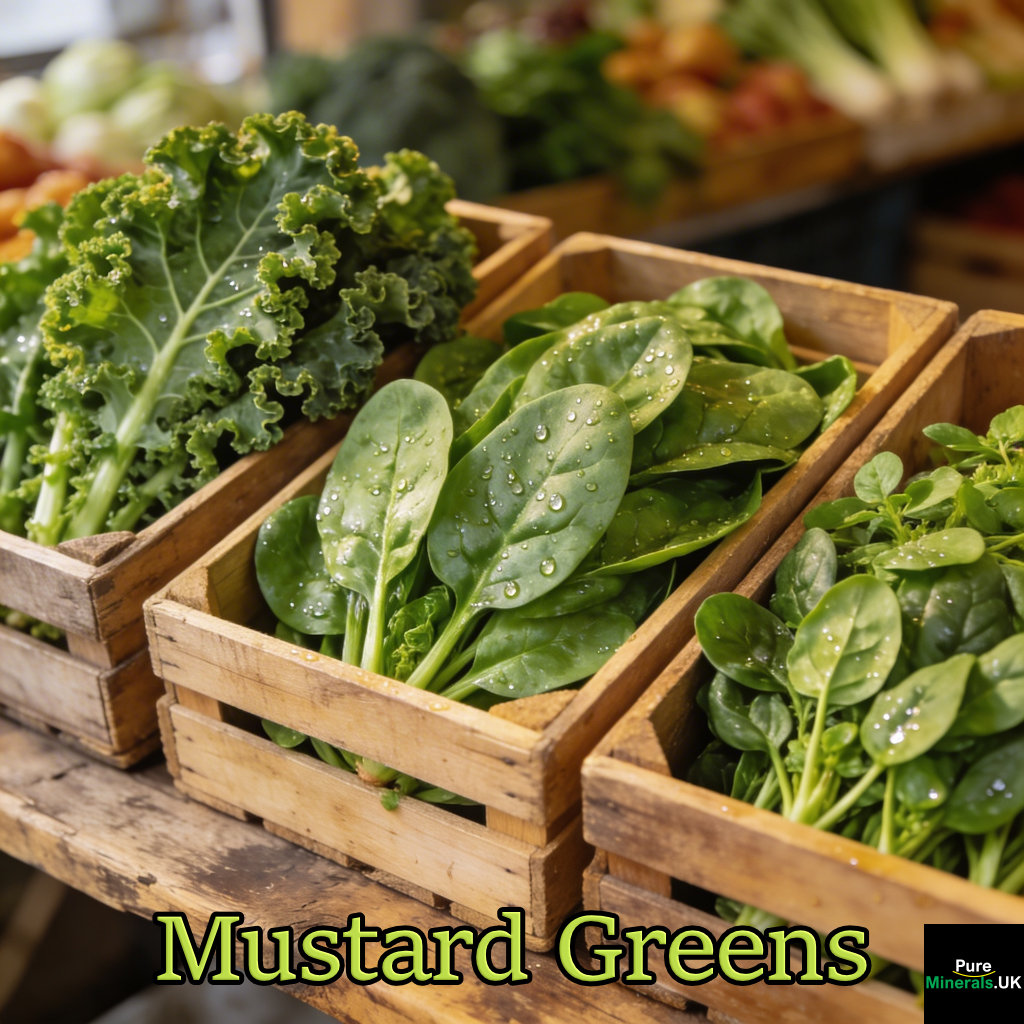
- Curly-leafed mustard greens — resemble kale in appearance and have a spicy, slightly peppery flavor
- Flat-leafed mustard greens — range from mild to zesty depending on maturity
- Mustard spinach — smoother texture with a bitter taste closer to traditional spinach
Each variety shares a similar nutritional base, though flavor intensity and glucosinolate concentration can vary between types and growing conditions.
Mustard Greens Nutrition Facts: What One Cup Actually Gives You
The numbers here are genuinely impressive for a vegetable that costs almost nothing and grows easily. Raw mustard greens are extremely low in calories while being unusually rich in micronutrients — a combination that makes them one of the best nutrient-density-per-calorie foods available.
Vitamins K, C, and A: The Three Heavy Hitters
Vitamin K is where mustard greens truly stand out. A single serving delivers roughly a full day’s worth of this nutrient, which plays a direct role in blood clotting and bone health. Research published in Clinical Cases in Mineral and Bone Metabolism has documented vitamin K’s essential contribution to bone metabolism — and mustard greens are one of the most accessible dietary sources available. For those looking to diversify their leafy greens, escarole can also be a good alternative.
Vitamin C content is equally notable. One cup of raw mustard greens covers approximately 39% of your daily vitamin C needs. This matters beyond immune function — vitamin C is critical for collagen synthesis, iron absorption, and reducing oxidative stress. Vitamin A, largely in the form of beta-carotene, is present in amounts that exceed what you’d find in a comparable serving of spinach, supporting vision, immune regulation, and cellular health.
B Vitamins, Beta Carotene, and Mineral Content
Beyond the headline vitamins, mustard greens contain folate, vitamin B6, and smaller amounts of riboflavin and thiamine. These B vitamins support energy metabolism and neurological function. The beta-carotene content, documented in the EXCLI Journal‘s review on carotene health benefits, contributes to both vitamin A activity and independent antioxidant function in the body.
On the mineral side, mustard greens provide meaningful amounts of calcium, potassium, magnesium, and copper — the last of which increases when the greens are cooked. Copper supports connective tissue formation and plays a role in iron metabolism, making mustard greens a quietly valuable source for people monitoring mineral intake.
Calorie Count and Macronutrient Breakdown
One cup of raw mustard greens comes in at just 15 calories, with minimal fat, a small amount of fiber, and very little carbohydrate. Cooked mustard greens are slightly more calorie-dense due to water loss during cooking, but remain extremely low-calorie by any measure. The macronutrient profile makes them an ideal high-volume, low-calorie base for meals focused on satiety and micronutrient density, similar to other leafy greens like endive.
Glucosinolates: The Bitter Compound With Serious Health Potential
If you’ve ever wondered why mustard greens taste sharp and slightly bitter, glucosinolates are the answer — and they’re also one of the most researched plant compounds in nutritional science.
What Glucosinolates Are and Why They Matter
Glucosinolates are sulfur-containing compounds found throughout the Brassica family — broccoli, kale, cabbage, and mustard greens all contain them. Structurally, they consist of three components: a β-thioglucose group, a sulfonated oxime, and a variable side chain that determines their specific biological activity. In mustard greens and seeds, researchers have isolated specific glucosinolate compounds, including gluconapin, glucoraphanin, glucobrassicin, sinigrin, and sinalbin, each with distinct properties and metabolic pathways.
These compounds don’t just give mustard greens their bite — they trigger biological responses in the body that have been linked to reduced inflammation, enhanced detoxification enzyme activity, and potential protection against certain chronic diseases, similar to the benefits of escarole.
Cancer-Fighting Properties and Current Research
The National Cancer Institute has specifically highlighted cruciferous vegetables — the family that includes mustard greens — in the context of cancer prevention research. Studies show that glucosinolates and their breakdown products (particularly isothiocyanates and indoles) may interfere with cancer cell development at multiple stages. Research published in Molecules examining health-promoting phytochemicals from 11 mustard cultivars found significant glucosinolate activity in both baby leaf and mature mustard greens, suggesting the protective compounds are present across growth stages. For a diverse diet, consider incorporating other vegetables like endive, which also offers health benefits.
It’s important to note that much of the direct cancer-prevention research is still ongoing. The current evidence is promising but not conclusive for specific cancer types in humans. What the science does consistently support is that regular consumption of glucosinolate-rich vegetables is associated with lower rates of certain cancers, and mustard greens are among the richest sources available.
How Cooking and Processing Affect Glucosinolate Levels
Heat degrades glucosinolates. Boiling mustard greens causes significant leaching of these compounds into the cooking water, which is then typically discarded. Steaming preserves more of the glucosinolate content compared to boiling, while stir-frying falls somewhere in between, depending on cooking time and temperature. Eating mustard greens raw maximizes glucosinolate intake, though the trade-off is that some other nutrients — particularly vitamin A and copper — are actually more bioavailable after cooking. The best approach depends on which nutritional benefit you’re prioritizing.
Health Benefits Backed by Research
Mustard greens aren’t just nutritionally dense — the specific compounds they contain have measurable effects on how the body functions, from cellular protection to cardiovascular health.
Antioxidants That Protect Cells From Free Radical Damage
Free radicals are unstable molecules that damage cells, accelerate aging, and contribute to chronic disease development. The International Journal of Biomedical Science has documented the direct relationship between free radical accumulation and disease progression, and antioxidants are the body’s primary defense. Mustard greens deliver a broad antioxidant profile that includes vitamin C, vitamin E, beta-carotene, and flavonoids, all working through different mechanisms to neutralize oxidative stress before it causes lasting damage.
Glucosinolates add another layer of antioxidant activity beyond what vitamins alone provide. Their breakdown products stimulate the body’s own antioxidant enzyme systems, essentially training cellular defense mechanisms to operate more efficiently. This dual action — direct antioxidant activity plus upregulation of internal defense pathways — is what makes cruciferous vegetables like mustard greens particularly valuable from a disease-prevention standpoint.
Heart Health: What the Evidence Shows
Daily intake of green leafy vegetables like mustard greens is associated with significantly reduced heart disease risk, according to research cited by the American Heart Association. Two mechanisms are particularly well-supported: cholesterol reduction and anti-inflammatory activity. Steam cooking specifically enhances mustard greens’ ability to bind bile acids in the digestive tract — a process documented in Nutrition Research that directly lowers LDL cholesterol by preventing bile acid reabsorption. When bile acids are bound and excreted, the liver must pull cholesterol from the bloodstream to produce more, effectively lowering circulating levels. For more information on other leafy greens, check out escarole.
Eye Health, Immune Support, and Chronic Disease Risk
Lutein and zeaxanthin — two carotenoids found in mustard greens — concentrate specifically in the retina and lens of the eye. Research highlighted by the University of Wisconsin’s nutrition and eye health program confirms these compounds help prevent age-related macular degeneration, one of the leading causes of vision loss in adults over 50. Unlike beta-carotene, lutein and zeaxanthin aren’t converted to vitamin A; they function as direct filters against high-energy blue light and oxidative damage in eye tissue.
On the immune side, the vitamin C content in mustard greens supports white blood cell production and function, as outlined in research published in Nutrients. Vitamin K contributes to regulating inflammatory pathways, and the combined effect of multiple antioxidants working simultaneously creates a broader protective effect against the low-grade chronic inflammation linked to diabetes, metabolic syndrome, and cardiovascular disease.
How Mustard Greens Fit Into Your Daily Diet
Getting mustard greens into your regular rotation doesn’t require major dietary changes — but understanding how preparation affects nutrition helps you get the most out of them.
Raw vs. Cooked: Which Delivers More Nutrition
The answer depends entirely on what you’re trying to optimize. Raw mustard greens preserve higher levels of vitamin C, vitamin E, and glucosinolates — all heat-sensitive compounds. Cooked mustard greens, on the other hand, deliver higher concentrations of vitamin K, vitamin A, and copper. Cooking also breaks down the cell walls, making certain nutrients more bioavailable even as it reduces others. The American Heart Association recommends one cup of cooked leafy greens or two cups of raw as a standard serving size, so portion equivalence is worth keeping in mind when you’re tracking intake. For more on leafy greens, check out escarole as a nutritious option.
Steam Cooking and Bile Acid Binding Benefits
Steam cooking stands out as the most nutritionally efficient cooking method for mustard greens. Unlike boiling — which leaches water-soluble vitamins and glucosinolates into discarded cooking water — steaming preserves more of the active compounds while also significantly improving bile acid binding capacity. The Nutrition Research study that examined this effect found mustard greens among the top performers alongside collard greens and kale, with steam-cooked mustard greens showing substantially improved in vitro bile acid binding compared to raw or boiled preparations.
This matters practically because improved bile acid binding translates directly to better cholesterol management without requiring medication or supplements. For anyone monitoring cardiovascular risk markers, swapping boiled for steamed mustard greens is a simple, evidence-backed adjustment that costs nothing extra.
Culinary Uses: How to Prepare and Eat Mustard Greens
Mustard greens are more versatile than most people realize. Their bold, peppery flavor — which mellows significantly with heat — makes them useful across a wide range of cooking styles and cuisines.
Before cooking, rinse leaves thoroughly under cold water and remove any thick stems, which take longer to cook and have a tougher texture. Young leaves are more tender and less bitter, making them better candidates for raw use. Mature leaves hold up well to longer cooking and develop a richer, earthier flavor as bitterness softens.
Raw Applications: Salads and Fresh Uses
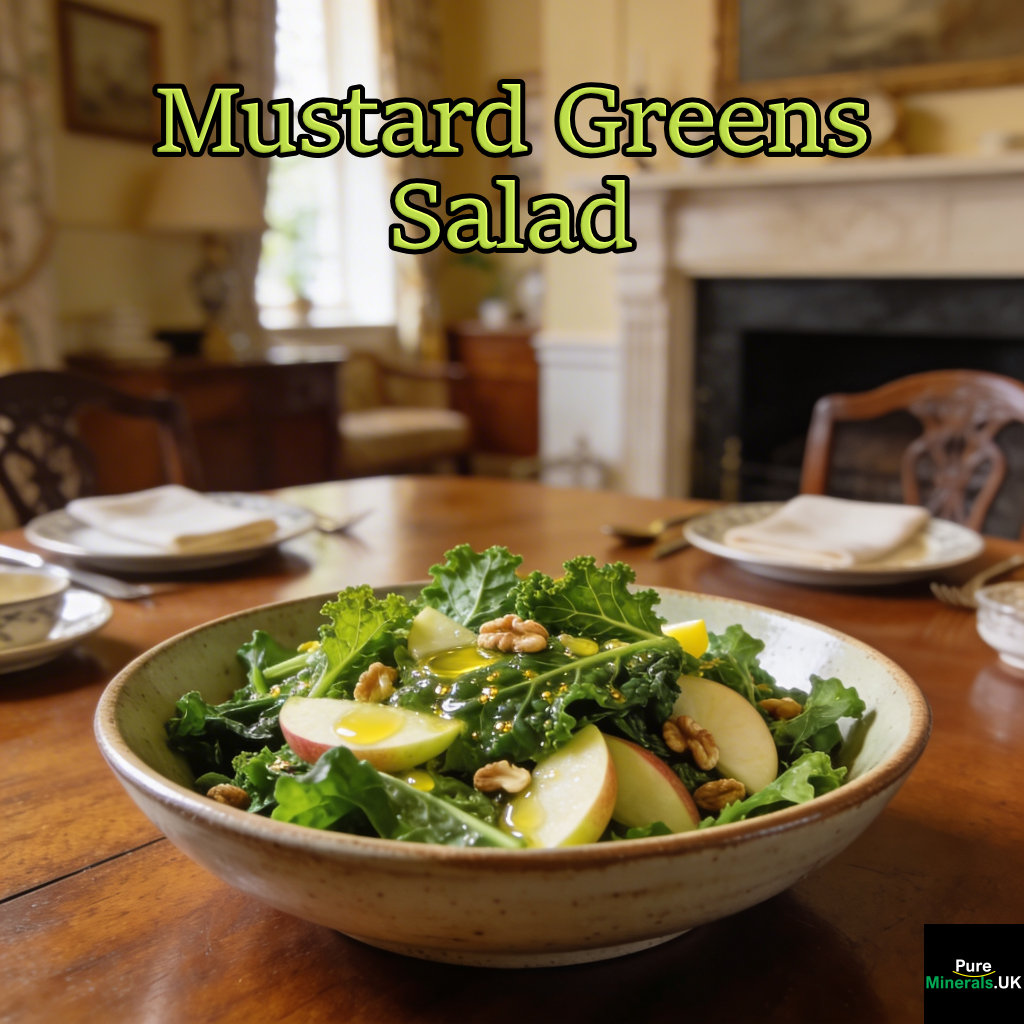
Young mustard greens work well as a salad base or mixed into green blends where you want a peppery bite. They pair naturally with acidic dressings — lemon juice or apple cider vinegar cuts through the bitterness and brings balance. Adding a small amount of healthy fat like olive oil alongside the greens also improves absorption of fat-soluble nutrients, including vitamins A and K, making the dressing functional as well as flavorful.
Raw mustard greens also work well blended into smoothies in small amounts, layered into sandwiches as a peppery substitute for arugula, or used as a wrap base for grain bowls and proteins. The key with raw applications is balancing the intensity — a little goes a long way if you’re new to the flavor.
Cooked Methods: Stir-Fry, Steamed, and Boiled
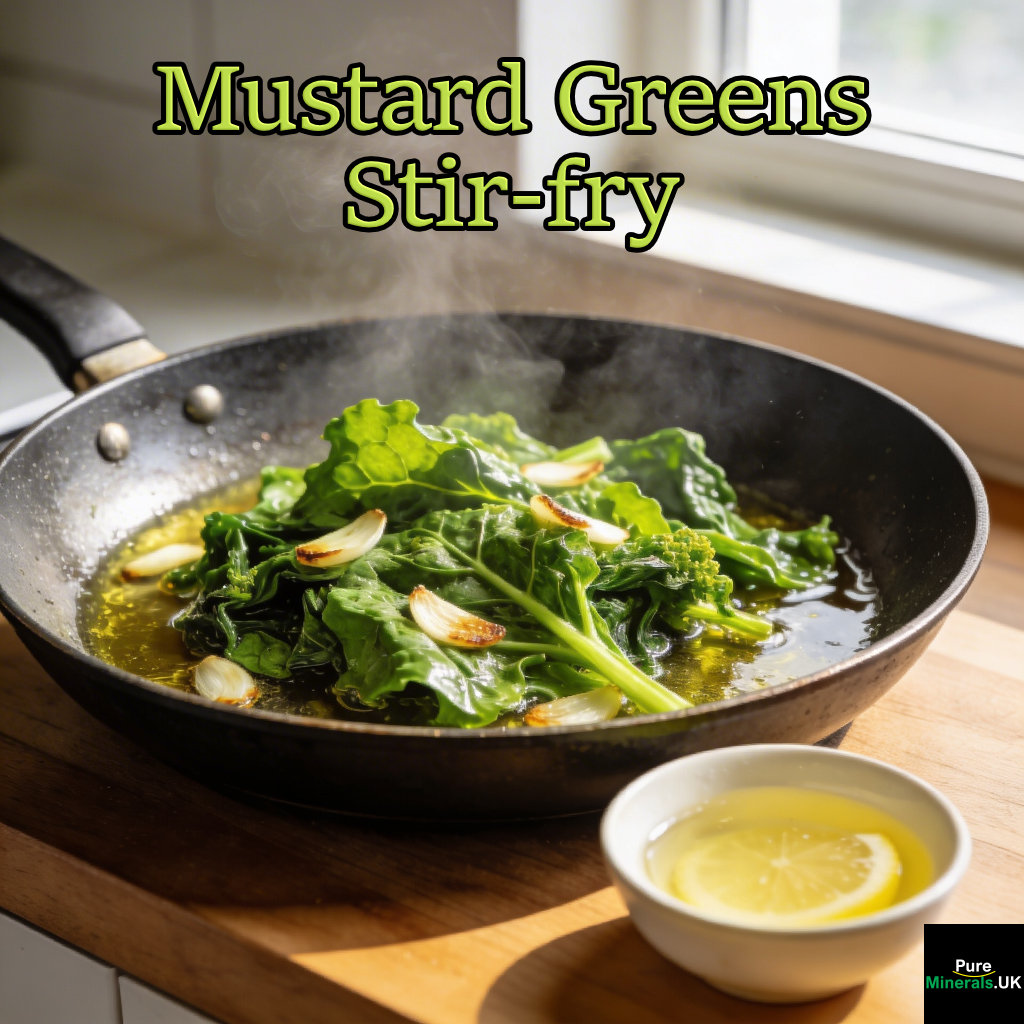
Stir-frying mustard greens in a hot pan with a small amount of oil, garlic, and a splash of lemon juice or rice vinegar is one of the fastest and most flavorful ways to prepare them. High heat wilts the leaves quickly — usually two to three minutes — while the acid balances the bitterness. For a more mellow result, steaming over boiling water for four to five minutes softens the texture without sacrificing the nutritional advantages discussed earlier. Boiling is the least recommended method if nutrition is the priority, since water-soluble vitamins and glucosinolates leach out into the cooking liquid.
Global and Cultural Uses Across Cuisines
Mustard greens have deep roots in cuisines across the world. In the American South, they’re traditionally slow-cooked with smoked pork or ham hocks until tender and deeply savory. In Indian cooking, sarson ka saag — a slow-cooked mustard green dish blended with spices and served with flatbread — has been a winter staple for generations. Chinese and Japanese cuisines use pickled mustard greens as condiments and fermented side dishes, while in Filipino cooking, mustard greens are commonly added to sour tamarind-based soups. The global breadth of mustard green use across completely different food cultures is itself a testament to how naturally adaptable and nutritionally valuable this vegetable is.
Mustard Greens Deserve a Regular Spot on Your Plate
Few vegetables deliver this much nutritional value at this low a cost — in calories, money, or cooking effort. Mustard greens bring vitamins K, C, and A in amounts that rival or exceed the most popular leafy greens, alongside glucosinolates that support detoxification and cancer-prevention pathways, antioxidants that fight cellular damage, and specific bile acid binding properties that actively improve cholesterol levels. That’s a comprehensive nutritional contribution from a single, widely available vegetable.
The variety of preparation methods — raw in salads, steamed for maximum bile acid binding, stir-fried for speed and flavor, or slow-cooked for depth — means there’s no barrier to incorporating them regardless of cooking style or preference. Start with young leaves if the bitter flavor is new to you, and build from there. The nutritional payoff makes the learning curve worth it.
Important note: Mustard Greens
Mustard greens are widely recognized as safe for consumption. Individuals taking anticoagulant medications should be aware that foods high in vitamin K may influence medication management. This article is provided for educational purposes only and does not constitute medical advice. Individuals with specific dietary concerns should consult a qualified healthcare professional before making significant dietary changes.
Frequently Asked Questions
Mustard greens raise a lot of practical questions for people who are new to them or are trying to get specific nutritional benefits. Here are the most common ones, answered directly.
Are Mustard Greens Healthier Than Spinach or Kale?
It depends on which nutrients you’re comparing, but mustard greens hold their own — and win outright in several categories. Modern research confirms mustard greens contain more vitamin A than spinach and stronger glucosinolate activity than many other leafy greens. Here’s how they stack up on key nutrients per one-cup raw serving:
- Vitamin K: Mustard greens deliver close to a full daily requirement — comparable to kale and significantly higher than spinach per raw cup
- Vitamin C: Mustard greens provide approximately 39% of daily needs, outperforming both kale and spinach in some comparisons
- Vitamin A: Higher than spinach in raw form, with strong beta-carotene content
- Glucosinolates: Higher concentration than spinach (which contains none) and comparable to kale
- Calories: All three are extremely low-calorie; mustard greens sit at roughly 15 calories per raw cup
The honest answer is that rotating between mustard greens, kale, and spinach gives you the broadest possible range of phytonutrients, since each has a slightly different antioxidant and mineral profile. No single green wins across every category.
What Do Mustard Greens Taste Like?
Raw mustard greens have a sharp, peppery, slightly bitter flavor — noticeably bolder than spinach or romaine. The heat and bitterness come directly from their glucosinolate content. Cooking mellows the flavor significantly, moving from sharp and spicy toward a more earthy, savory taste. Young leaves are considerably milder than mature ones, making them the better starting point if you’re not yet accustomed to the flavor profile.
Can You Eat Mustard Greens Every Day?
For most healthy adults, yes — daily consumption of mustard greens is safe and nutritionally beneficial. They’re low in calories, rich in essential nutrients, and their glucosinolate and antioxidant content provide consistent protective benefits with regular intake. The research on green leafy vegetables consistently shows that daily consumption is associated with reduced chronic disease risk, not increased risk.
Two groups should pay attention to portion size and frequency: people taking blood-thinning medications (due to the high vitamin K content — discussed below) and people with thyroid conditions. Raw cruciferous vegetables in very large amounts can interfere with iodine uptake, potentially affecting thyroid function in people who are already iodine-deficient. Cooking deactivates most of the goitrogenic compounds, so cooked mustard greens pose minimal thyroid risk for the majority of people.
For everyone else, a daily serving is well within a safe and beneficial range. Vary your preparation method to capture different nutrient profiles throughout the week:
- Raw in salads two to three times per week to maximize vitamin C and glucosinolate intake
- Steamed once or twice per week for optimal bile acid binding and cholesterol support
- Stir-fried or sautéed when you want speed and flavor without sacrificing most of the key nutrients
Do Mustard Greens Lose Nutrients When Cooked?
Nutrient
Raw
Steamed
Boiled
Stir-Fried
Vitamin C
Highest
Moderate loss
Significant loss
Moderate loss
Vitamin K
High
Higher (more bioavailable)
Higher (more bioavailable)
High
Vitamin A
Good
Increased bioavailability
Increased bioavailability
Increased bioavailability
Glucosinolates
Highest
Moderate retention
Significant loss
Moderate retention
Present
Increased
Increased
Increased
Bile Acid Binding
Baseline
Significantly improved
Minimal improvement
Moderate improvement
Cooking mustard greens is a trade-off, not a loss. Some nutrients decrease while others become more concentrated or more bioavailable. Vitamin C and glucosinolates are heat-sensitive and decline with cooking, but fat-soluble vitamins like K and A actually become easier for the body to absorb once cell walls break down during heating.
Steaming is consistently the best cooking method when you want to preserve the most nutritional value overall. It retains more glucosinolates than boiling, significantly improves bile acid binding capacity according to Nutrition Research, and enhances fat-soluble vitamin bioavailability — all without the nutrient loss that comes from submerging greens in boiling water.
Boiling is the method to avoid if nutrition is your primary goal. The water-soluble vitamins and glucosinolates leach directly into the cooking water, and unless you’re using that liquid in a soup or sauce, those nutrients are poured down the drain. If boiling is your preferred method for texture reasons, consider using the cooking liquid as a base for soups or broths to recover some of what’s lost.
Are Mustard Greens Safe for People on Blood Thinners?
This is one of the most important practical considerations for mustard greens, and it deserves a direct answer: people taking warfarin (Coumadin) or other vitamin K-dependent anticoagulants need to be consistent — not absent — in their leafy green consumption.
Vitamin K plays a central role in the blood clotting cascade, and warfarin works by blocking vitamin K activity. Large fluctuations in vitamin K intake — eating very few leafy greens one week and a large amount the next — can make anticoagulant dosing unpredictable and potentially dangerous. The issue isn’t the amount of vitamin K; it’s the inconsistency.
Most healthcare providers and registered dietitians advise patients on blood thinners to maintain a steady, consistent intake of vitamin K-rich foods rather than avoiding them entirely. If you currently eat mustard greens regularly, continue doing so and inform your prescribing physician so dosing can be calibrated to your actual diet.
If you’re new to mustard greens and on anticoagulant therapy, introduce them gradually and at consistent amounts, and flag the change with your doctor before significantly increasing your intake. This allows for medication adjustments if needed without disrupting your clotting stability.