

Published: 17 March 2026
This article is periodically reviewed and updated to reflect current scientific understanding by Vic George.
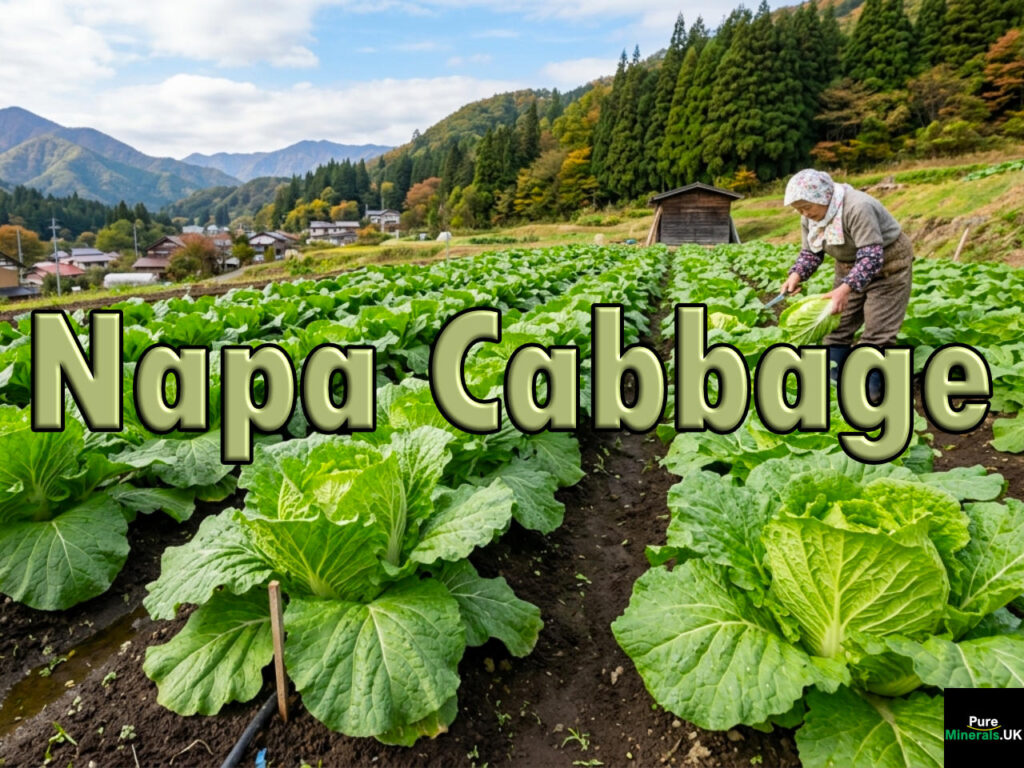
What Is Napa Cabbage?
Napa cabbage is a leafy vegetable belonging to Brassica rapa subsp. Pekinensis. It is valued for its tender leaves, mild flavor, and nutritional content. It is widely used in East Asian cuisine and provides vitamins, minerals, fiber, and glucosinolate compounds characteristic of cruciferous vegetables.
Definition
Napa cabbage is the elongated, leafy head of Brassica rapa subsp. Pekinensis, a member of the Brassicaceae family consumed as a leafy vegetable. The cabbage is widely cultivated by commercial farmers in East Asia (specifically China, Korea, and Japan) and by specialized growers in the United States—particularly California and Oregon—as well as Europe. It is also commonly grown by home gardeners and organic farms.
Extended Definition
Napa cabbage belongs to the Brassicaceae family, which includes cabbage, broccoli, kale, and mustard greens. Unlike the round, tightly packed heads of traditional cabbage (Brassica oleracea), Napa cabbage forms elongated, loosely packed heads with pale green to yellowish leaves and thick white ribs.
The leaves are more tender and have a milder flavor compared with other cabbage varieties, making Napa cabbage suitable for both raw and cooked applications.
Nutritionally, Napa cabbage provides vitamin C, vitamin K, folate, potassium, and dietary fiber. Vitamin C contributes to antioxidant processes and immune function, while vitamin K supports normal blood clotting and bone metabolism.
Like other cruciferous vegetables, Napa cabbage contains glucosinolates, sulfur-containing compounds involved in plant defense. When the plant tissue is cut or chewed, these compounds are converted by the enzyme myrosinase into biologically active compounds such as isothiocyanates.
The vegetable also contains flavonoids and phenolic compounds that contribute to plant protection and biochemical stability.
Napa cabbage is commonly used in stir-fries, soups, salads, and fermented foods such as kimchi, where microbial fermentation alters its biochemical composition and texture.
Key Facts
Botanical name: Brassica rapa subsp. pekinensis
Plant family: Brassicaceae
Common classification: Leafy cruciferous vegetable
Origin: China and East Asia
Edible part: Leaves and thick ribs
Typical color: Pale green to yellow-green with white stems
Primary nutrients: Vitamin C, vitamin K, folate, potassium, fiber
Key phytonutrients: Glucosinolates, isothiocyanates, flavonoids, phenolic compounds
Energy density: Very low
Notable compounds: Sulfur-containing phytochemicals typical of cruciferous vegetables
Culinary uses: Stir-fries, soups, salads, fermented foods such as kimchi
Key Takeaways
- Napa cabbage delivers 26% DV of vitamin A, 16% DV of vitamin C, and 8% DV of calcium per raw cup — all for just 20 calories with zero cholesterol.
- It contains powerful phytochemicals, including glucosinolates, isothiocyanates, and carotenoids like lutein and zeaxanthin that support long-term disease prevention.
- Cooked napa cabbage retains meaningful nutrition, but raw preparation preserves the highest concentration of heat-sensitive vitamins like C and B9.
- Napa cabbage has been cultivated for over 1,600 years and remains a nutritional cornerstone of Asian cuisines, especially in fermented kimchi, where bioactive compounds are preserved and enhanced.
- Keep reading to see exactly how napa cabbage compares to regular cabbage — the differences in vitamins A, B3, iron, and copper may surprise you.
Napa cabbage quietly outperforms most vegetables on the nutritional scorecard, and most people have no idea.
Scientifically known as Brassica rapa L., napa cabbage is a variety of Chinese cabbage recognized for its rich content of bioactive compounds and health-promoting properties. Hitchcock Farms, a resource dedicated to premium produce education, highlights that despite its mild, sweet flavor and delicate texture, this leafy vegetable is a nutritional powerhouse hiding in plain sight. Whether you eat it raw in a salad, simmered in soup, or fermented into kimchi, every serving puts a serious lineup of vitamins, minerals, and phytochemicals to work in your body.
What makes napa cabbage particularly compelling is the breadth of its nutritional contribution — it does not just excel in one area. It supports your immune system, bones, brain, digestive tract, and cardiovascular system simultaneously, all while remaining one of the lowest-calorie vegetables available.
Napa Cabbage Is More Nutritious Than Most People Realize
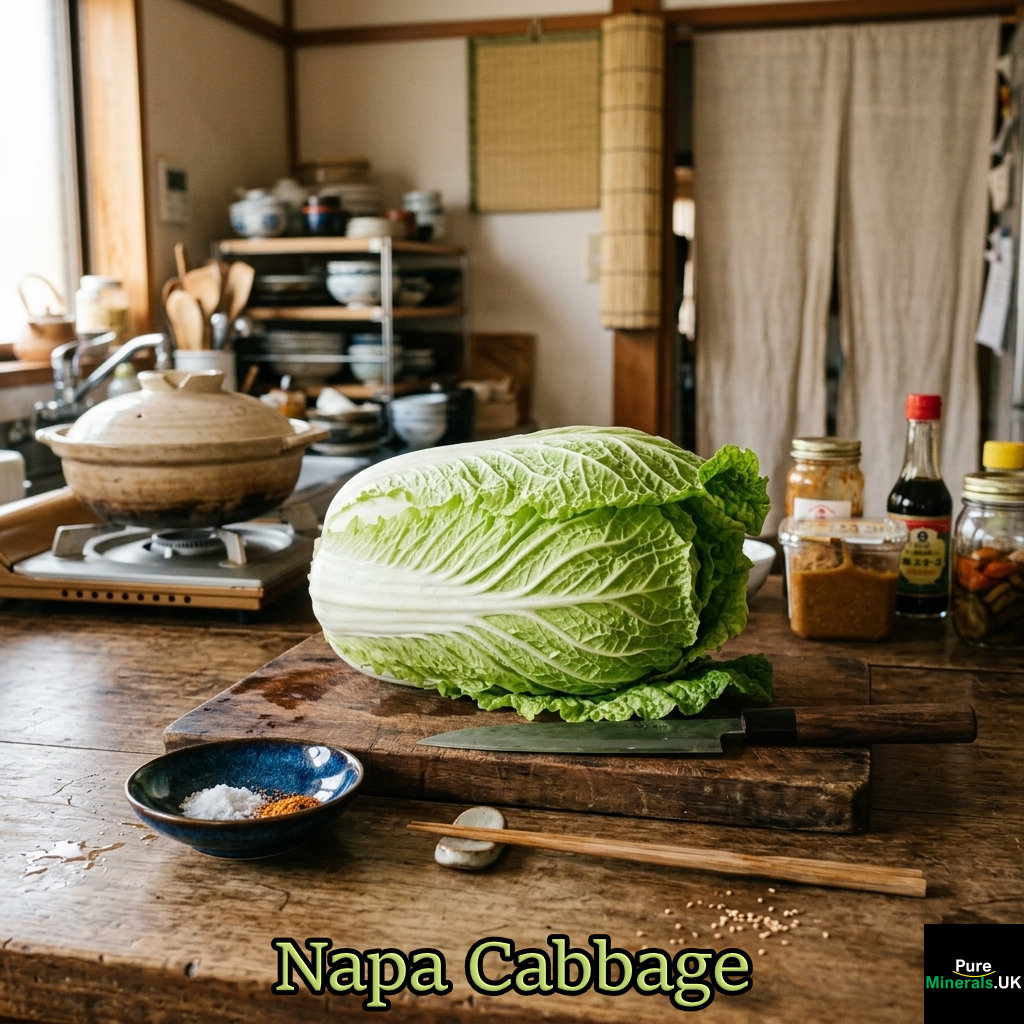
A single cup of raw napa cabbage contains just 20 calories and zero cholesterol, yet it manages to deliver a meaningful percentage of your daily requirements across more than a dozen essential nutrients. That calorie-to-nutrient ratio is difficult to match in almost any other food category. For anyone focused on nutrient density — getting maximum nutrition per calorie consumed — napa cabbage belongs at the top of the list.
The vegetable’s mild flavor also means it integrates into nearly any cuisine without overpowering other ingredients. That culinary flexibility is part of why it has remained a dietary staple across Asian cultures for centuries and is now gaining wider recognition in Western nutrition circles.
Napa Cabbage Nutritional Profile: Vitamins and Minerals Per Cup
Here is what one cup of raw napa cabbage actually delivers, based on data from the USDA and nutritional analysis sources:
Nutrient | Amount Per Cup (Raw) | % Daily Value |
|---|---|---|
Calories |
20 kcal |
— |
Cholesterol |
0 mg |
0% |
|
— |
26% | |
|
— |
16% | |
|
— |
11.75% | |
|
50 mg |
8% | |
|
— |
9.61% | |
|
— |
11.67% |
Beyond these headline numbers, napa cabbage also contributes riboflavin, pantothenic acid, and thiamin — three B vitamins that support energy metabolism at the cellular level. This breadth of micronutrient coverage is what separates napa cabbage from more narrowly nutritious vegetables.
Vitamin C and Immune System Support
Napa cabbage delivers 16% DV of vitamin C per raw cup, making it a solid source of this critical antioxidant. Vitamin C directly stimulates white blood cell production, which is your immune system’s primary defense mechanism. It also significantly improves iron absorption in the digestive tract — a particularly important benefit since plant-based iron (non-heme iron) is inherently less bioavailable than animal-sourced iron. Regular consumption of napa cabbage can meaningfully reduce the risk of iron deficiency, especially in plant-forward diets.
Vitamin K and Bone Metabolism
Vitamin K plays a central and often underappreciated role in bone metabolism. It activates the proteins responsible for binding calcium into bone tissue, meaning that without adequate vitamin K, calcium cannot do its job effectively regardless of how much you consume. Napa cabbage contains meaningful levels of vitamin K, making it a smart pairing with its own calcium content — both nutrients working together toward the same skeletal outcome.
Copper, Iron, and Brain Health
One cup of napa cabbage provides 11.67% DV of copper, a mineral critical for neurological function. Copper supports the synthesis of neurotransmitters and helps maintain the myelin sheath that insulates nerve fibers — essentially protecting the brain’s communication infrastructure. Combined with its iron content, napa cabbage also supports healthy red blood cell production, which ensures oxygen is efficiently delivered throughout the body including to brain tissue.
Manganese and Antioxidant Defense
A single cup of napa cabbage replenishes 9.61% DV of manganese. This trace mineral is a core component of superoxide dismutase (SOD), one of the body’s primary antioxidant enzymes. SOD neutralizes superoxide radicals — highly reactive molecules that cause oxidative stress and cellular damage when left unchecked. Consistent manganese intake through foods like napa cabbage supports this internal antioxidant defense system and reduces cumulative cellular wear over time.
Phytochemicals in Napa Cabbage
Beyond vitamins and minerals, napa cabbage contains a rich array of bioactive plant compounds that operate at a molecular level to protect against chronic disease. These phytochemicals are increasingly the focus of nutritional research, and Brassica rapa L. varieties like napa cabbage consistently appear in studies examining cancer-preventive and anti-inflammatory food compounds.
Glucosinolates: Types Found in Napa Cabbage
Glucosinolates are sulfur-containing compounds found specifically in cruciferous vegetables, and napa cabbage is a meaningful source. When napa cabbage is chewed or chopped, an enzyme called myrosinase converts glucosinolates into biologically active compounds — most notably isothiocyanates and indoles. These breakdown products are what drive much of the vegetable’s disease-preventive potential. Research published in journals indexed by the National Institutes of Health has identified these plant compounds as agents that reduce levels of LDL cholesterol and demonstrate protective activity against certain cancers. If you’re interested in exploring more about cruciferous vegetables, you might want to read about mustard greens.
Carotenoids: Lutein, Zeaxanthin, and Eye Health
Napa cabbage’s 26% DV of vitamin A per raw cup comes largely through carotenoid precursors, including lutein and zeaxanthin. These two carotenoids are the only ones that accumulate in the macula of the human eye, where they act as a natural filter against high-energy blue light and oxidative damage. Diets consistently high in lutein and zeaxanthin are associated with reduced risk of age-related macular degeneration (AMD) and cataracts — two of the leading causes of vision loss in aging adults.
Isothiocyanates and Sulforaphane: Cancer-Fighting Potential
When glucosinolates in napa cabbage break down through enzymatic activity, they produce isothiocyanates — a class of compounds that have demonstrated meaningful cancer-preventive properties in research settings. Sulforaphane, one of the most studied isothiocyanates, works by activating detoxification enzymes in the liver that neutralize carcinogens before they can damage DNA. Studies indexed through the National Center for Biotechnology Information (NCBI) indicate these plant compounds reduce levels of bad cholesterol and show protective activity against cancer, reinforcing napa cabbage’s role as more than just a low-calorie vegetable.
Dietary Role: How Napa Cabbage Supports Overall Health
Napa cabbage functions as a genuinely multi-system food — it is not just supporting one organ or one health outcome. A single weekly serving contributes to cardiovascular health, digestive regularity, blood sugar management, bone density, immune response, and oxidative stress reduction simultaneously. That kind of broad dietary impact is rare in a single whole food, especially one with only 20 calories per cup.
The combination of dietary fiber, antioxidants, vitamins, and minerals in napa cabbage creates compounding health benefits over time. Each nutrient interacts with and amplifies others — vitamin C improves iron absorption, vitamin K activates calcium, manganese powering antioxidant enzymes — making the whole nutritional package greater than the sum of its parts.
Soluble vs. Insoluble Fiber: Digestive and Cholesterol Benefits
Napa cabbage contains both soluble and insoluble dietary fiber, and the distinction matters because each type performs a different function in the body. Soluble fiber dissolves in water to form a gel-like substance in the digestive tract. This gel binds to cholesterol particles and bile acids, pulling them out of circulation before they can be reabsorbed — a direct mechanism for lowering LDL cholesterol levels.
Insoluble fiber, on the other hand, adds bulk to stool and accelerates transit time through the intestines. This reduces the amount of time that potentially harmful substances spend in contact with the intestinal lining, supporting long-term colon health. Regular insoluble fiber intake is consistently associated with reduced risk of constipation, diverticular disease, and colorectal cancer.
Together, these two fiber types make napa cabbage a standout choice for digestive health. Cooked napa cabbage delivers approximately 10% DV of fiber per cup, making it easy to hit your daily fiber targets when incorporated consistently into meals.
Blood Sugar Stabilization
The fiber content in napa cabbage also plays a direct role in blood sugar management. Dietary fiber slows the rate at which glucose enters the bloodstream after a meal, preventing the sharp insulin spikes associated with refined carbohydrate consumption. Combined with manganese — a trace mineral known to support insulin function and glucose metabolism — napa cabbage provides a two-pronged nutritional approach to stabilizing blood sugar levels over time.
Low Calorie, Zero Cholesterol Density
At just 20 calories per raw cup with absolutely zero cholesterol and negligible fat, napa cabbage delivers an extraordinarily high nutrient-to-calorie ratio. For anyone managing weight, cardiovascular health, or simply trying to maximize nutritional quality without increasing caloric load, this density profile is hard to beat. You can eat a generous portion and still consume fewer calories than a single cracker, while simultaneously loading up on vitamins, minerals, and protective phytochemicals.
Raw vs. Cooked Napa Cabbage: Does Nutrition Change?
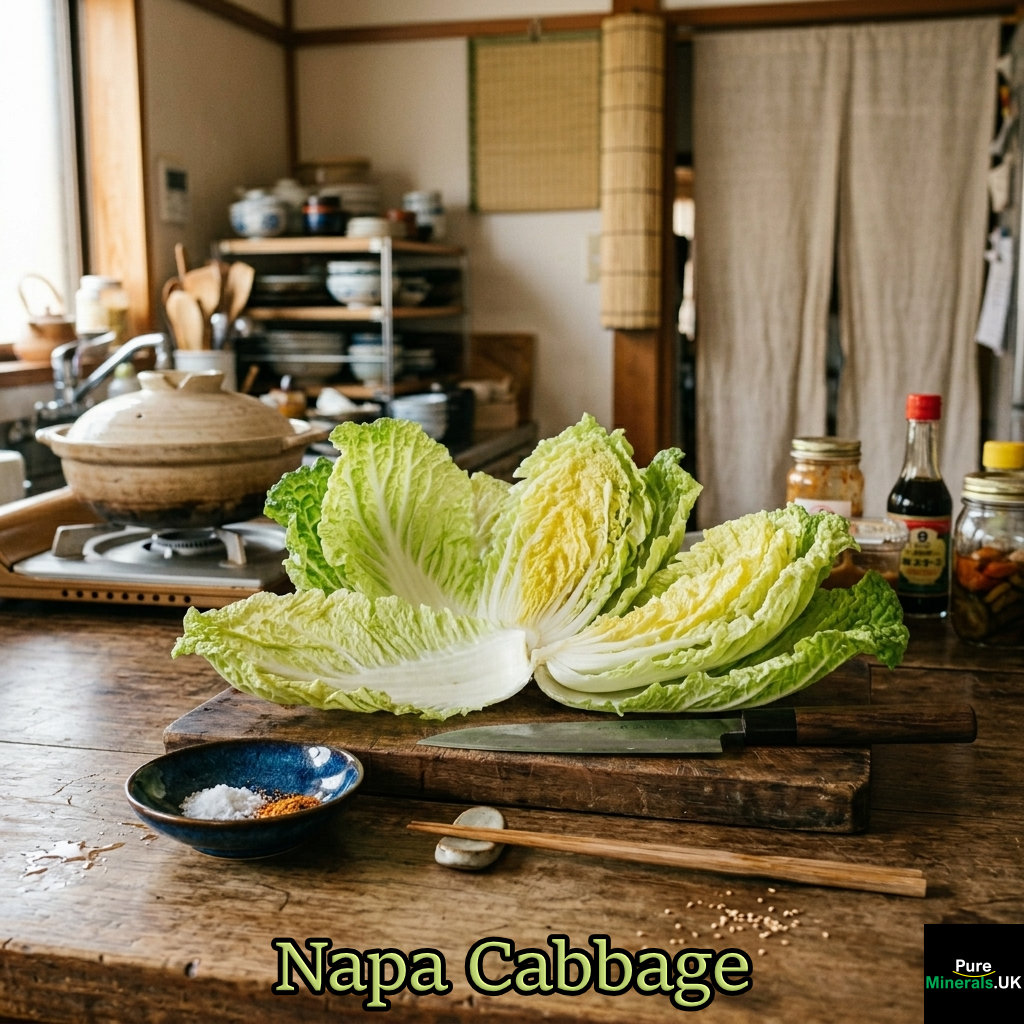
Raw napa cabbage preserves the highest concentrations of heat-sensitive nutrients. Vitamin C and folate (B9) are particularly vulnerable to heat degradation — cooking reduces their bioavailable amounts, which is why one cup of raw napa cabbage delivers 16% DV of vitamin C while the cooked version provides less. If immune support and folate intake are your primary goals, raw preparation is the better choice.
That said, cooked napa cabbage still holds its nutritional ground impressively well. One cup of cooked napa cabbage delivers approximately 4% DV of protein, 10% DV of fiber, and 32 mg of calcium. Certain cooking methods — particularly light steaming or quick stir-frying — minimize nutrient loss while improving the digestibility of some compounds. Prolonged boiling causes the greatest nutrient leaching, particularly of water-soluble vitamins, so keeping cook times short preserves the most nutritional value. For similar cooking methods, you might explore how mustard greens are prepared to retain nutrients.
How To Grow Napa Cabbage
Napa Cabbage in Asian Cuisine
Napa cabbage has been cultivated in China and Korea for over 1,600 years, and its central role in Asian cooking is not accidental — it is a reflection of how well the vegetable performs both nutritionally and culinarily. Its mild sweetness, tender leaves, and high water content make it exceptionally versatile across cooking methods that range from raw pickling to high-heat stir-frying.
In Chinese cuisine, napa cabbage appears in hot pots, braised dishes, and as a filling in dumplings such as jiaozi. Its soft texture, when cooked, absorbs broths and sauces effectively, making it a preferred base ingredient in recipes where flavor layering matters. In Korean cuisine, it is most prominently the foundation of kimchi — the fermented dish that has become globally recognized not just for its bold flavor but for its probiotic and bioactive compound content.
The vegetable’s culinary reach across Asian food traditions reflects a long-standing intuitive understanding of its benefits — communities built generational dietary habits around it long before modern nutritional science confirmed why it was so valuable. Today, it appears across multiple cuisine categories, much like mustard greens do in various dishes.
- Korean cuisine: Kimchi, doenjang jjigae (soybean paste stew), and napa cabbage wraps (ssam)
- Chinese cuisine: Hot pot, braised napa cabbage with garlic, and dumpling fillings
- Japanese cuisine: Nabemono (hot pot dishes) and gyoza wrappers
- Vietnamese cuisine: Pickled napa cabbage in canh chua (sour soup) variations
- Modern Western fusion: Napa cabbage slaws, grain bowls, and Asian-inspired wraps
This cross-cultural presence is a testament to how naturally the vegetable integrates into diverse cooking traditions without losing its core nutritional integrity, regardless of preparation method.
Kimchi: Fermentation and Bioactive Compound Preservation
Kimchi is arguably the most nutritionally significant preparation of napa cabbage. During lacto-fermentation, beneficial bacteria — primarily Lactobacillus species — convert sugars in the cabbage into lactic acid, creating the tangy flavor kimchi is known for. Crucially, this fermentation process does not destroy the bioactive compounds in napa cabbage; research suggests it may actually enhance the bioavailability of certain glucosinolate breakdown products. The result is a food that combines the original phytochemical profile of raw napa cabbage with an additional probiotic layer that supports gut microbiome diversity.
Stir-Fries, Soups, and Dumplings
Outside of fermentation, napa cabbage performs best nutritionally in quick, high-heat cooking applications like stir-frying, where contact time with heat is minimized. In soups and broths, water-soluble vitamins leach into the liquid, which is not necessarily a loss if you consume the broth as part of the dish, as is common in Asian hot pot and jjigae preparations. Dumpling fillings typically use raw or lightly blanched napa cabbage, preserving a strong portion of the original vitamin and mineral content while benefiting from the cabbage’s natural moisture to create the characteristic tender texture.
Over 1,600 Years of Cultivation in China and Korea
Napa cabbage has one of the longest cultivation histories of any leafy vegetable still widely consumed today. Records of its cultivation in China date back over 1,600 years, with the vegetable gradually spreading to Korea and Japan, where it became equally embedded in culinary and cultural identity. This is not a vegetable that survived centuries by accident — its combination of reliable growth, long shelf life, nutritional density, and culinary flexibility made it indispensable to agricultural communities across East Asia.
In Korea, the annual tradition of kimjang — the communal preparation of kimchi before winter — was built entirely around napa cabbage. The practice became so culturally significant that UNESCO inscribed kimjang on its Representative List of the Intangible Cultural Heritage of Humanity in 2013. The vegetable at the center of that tradition was napa cabbage, underscoring how deeply it is woven into the fabric of Korean society beyond just its role as food.
Today, napa cabbage is grown commercially across Asia, North America, and Europe, with China remaining the world’s largest producer. Its journey from ancient Chinese farmland to modern global supermarkets reflects a vegetable whose value has been consistently recognized across cultures, centuries, and now nutritional science.
Napa Cabbage vs. Regular Cabbage: Key Nutritional Differences
Both napa cabbage and regular green cabbage belong to the Brassica family and share a broadly similar nutritional foundation, but the differences between them are meaningful depending on your dietary priorities. Regular cabbage contains more calcium, zinc, and potassium than napa cabbage. If bone mineral density and electrolyte balance are your primary concerns, regular cabbage has a slight edge in those specific categories. For those exploring other members of the Brassica family, you might be interested in learning about kohlrabi and its nutritional benefits.
However, napa cabbage outperforms regular cabbage in several other areas that matter just as much. Napa cabbage contains higher levels of vitamins A and B3, as well as more iron and copper — nutrients critical for neurological function, red blood cell production, and energy metabolism. Napa cabbage is also lower in sodium than regular cabbage, making it a better option for anyone managing blood pressure or cardiovascular health. The choice between the two comes down to which micronutrients your diet needs most, but napa cabbage’s broader phytochemical profile and lower sodium content give it a meaningful overall nutritional advantage for most people.
Napa Cabbage Belongs in Your Diet Every Week
Twenty calories. Zero cholesterol. Vitamins A, C, K, B9, and B3. Copper, iron, manganese, calcium. Glucosinolates, isothiocyanates, lutein, zeaxanthin. All of that in a single cup of a vegetable that costs very little, stores well, and works in virtually any cuisine. The case for eating napa cabbage regularly is not complicated — it is one of the most efficient nutritional investments you can make through food.
Whether you add it raw to slaws, quick-stir-fry it with garlic, simmer it in broth, or ferment it into kimchi, you are consistently delivering a broad-spectrum nutritional package to your body with every serving. Few vegetables offer this combination of depth, versatility, and accessibility. Making napa cabbage a weekly staple is one of the simplest, most evidence-backed upgrades you can make to your overall diet quality.
Important note: Napa cabbage
Napa cabbage is widely recognized as safe for consumption as a food. Individuals taking anticoagulant medications should be aware that foods high in vitamin K may influence medication management. This article is provided for educational purposes only and does not constitute medical advice. Individuals with specific dietary concerns should consult a qualified healthcare professional before making significant dietary changes.
Frequently Asked Questions
Below are answers to the most common questions about napa cabbage nutrition, covering everything from how it compares to regular cabbage to why it is the foundation of kimchi.
Quick Reference: Napa Cabbage Key Nutritional Facts
• 20 calories per raw cup | Zero cholesterol
• 26% DV Vitamin A | 16% DV Vitamin C | 11.75% DV Folate
• 11.67% DV Copper | 9.61% DV Manganese | 8% DV Calcium
• Contains glucosinolates, isothiocyanates, lutein, and zeaxanthin
• Higher in vitamins A, B3, iron, and copper than regular green cabbage
• Lower in sodium than regular cabbage
Understanding these specifics helps you make more intentional choices about how and when to include napa cabbage in your meals — and which nutritional gaps it can most effectively fill in your existing diet.
Is napa cabbage healthier than regular cabbage?
Napa cabbage is healthier than regular cabbage in several key areas. It contains higher levels of vitamins A and B3, more iron and copper, and is lower in sodium. Regular cabbage edges ahead on calcium, zinc, and potassium, but napa cabbage’s superior phytochemical profile — including its glucosinolate and carotenoid content — gives it a stronger overall disease-prevention advantage for most people.
The most accurate answer is that both cabbages are nutritionally valuable and ideally complement each other in a varied diet. But if you are choosing one to prioritize, napa cabbage’s combination of lower sodium, higher antioxidant diversity, and broader micronutrient coverage makes it the stronger choice for daily nutritional support.
What are the main phytochemicals in napa cabbage?
Napa cabbage contains four primary categories of health-promoting phytochemicals, each operating through distinct biological mechanisms:
Phytochemical | Function | Primary Health Benefit |
|---|---|---|
Glucosinolates |
Convert to isothiocyanates via myrosinase enzyme |
Cancer-preventive activity, LDL cholesterol reduction |
Isothiocyanates / Sulforaphane |
Activate liver detoxification enzymes |
Carcinogen neutralization, DNA protection |
Lutein & Zeaxanthin |
Accumulate in the macular region of the eye |
Protection against AMD and cataracts |
Additional Antioxidants |
Neutralize free radicals and reactive oxygen species |
Reduced oxidative stress, cellular protection |
These compounds work synergistically alongside napa cabbage’s vitamin and mineral content, creating a nutritional profile that operates on multiple protective pathways at once rather than targeting a single health outcome.
Does cooking napa cabbage destroy its nutrients?
Cooking napa cabbage reduces certain heat-sensitive nutrients — particularly vitamin C and folate — but does not eliminate its nutritional value. Light steaming and quick stir-frying preserve the most nutrients while improving the digestibility of some fiber compounds. Prolonged boiling causes the greatest nutrient loss, especially for water-soluble B vitamins and vitamin C. However, even cooked napa cabbage still delivers approximately 10% DV of fiber, 32 mg of calcium, and meaningful amounts of protein and minerals per cup.
The practical approach is to vary your preparation methods. Use raw napa cabbage in slaws and wraps when you want maximum vitamin C and folate. Use lightly cooked preparations — quick stir-fries, brief steaming, or short-simmered soups where you consume the broth — when you want the benefits of warmth and digestibility without sacrificing too much micronutrient content.
How does napa cabbage support digestive health?
Napa cabbage supports digestive health through its dual dietary fiber content. Soluble fiber binds to cholesterol and bile acids in the digestive tract, reducing LDL cholesterol reabsorption. Insoluble fiber adds bulk to stool and accelerates intestinal transit time, reducing the exposure of the intestinal lining to potentially harmful substances. Together, these two fiber types promote regularity, support colon health, and contribute to a balanced gut environment — particularly when napa cabbage is consumed as fermented kimchi, which adds a probiotic dimension to its already strong fiber-based digestive benefits.
Why is napa cabbage used in kimchi?
Napa cabbage is used in kimchi primarily because of its structural and chemical properties. Its high water content and large, pliable leaves make it ideal for the salting and fermentation process — the leaves absorb salt efficiently, drawing out moisture and creating the brine environment that Lactobacillus bacteria require to initiate lacto-fermentation. No other commonly available cabbage variety replicates this combination of leaf texture, water content, and mild flavor that allows the fermentation spices and seasonings to dominate without the vegetable itself overpowering the final product.
From a nutritional standpoint, the fermentation process preserves and potentially enhances napa cabbage’s bioactive compound content while adding live probiotic cultures that support gut microbiome diversity. The result is a food that layers the original phytochemical benefits of napa cabbage — glucosinolates, carotenoids, vitamins, and minerals — with the additional immune and digestive benefits of live fermentation cultures.