

Published: 25 March 2026
This article is periodically reviewed and updated to reflect current scientific understanding by Vic George.
Fact-Checked: 3 other authoritative medical/scientific references. See our Editorial Policy.
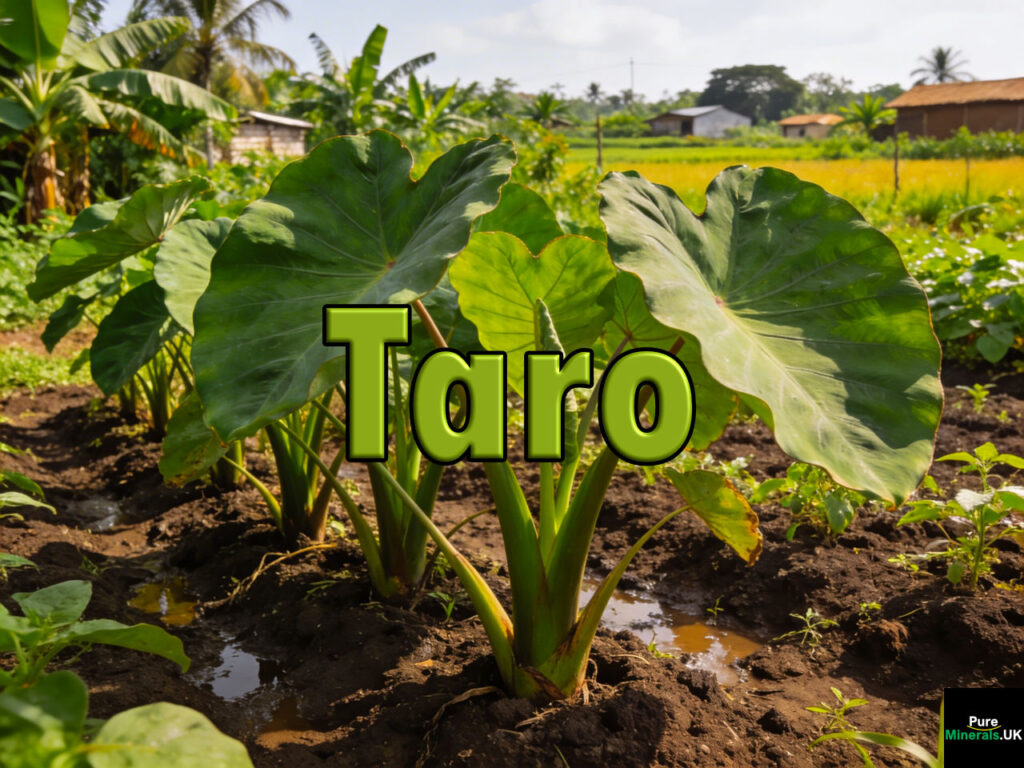
What Is Taro?
Taro is the edible corm of Colocasia esculenta, a tropical plant cultivated for its starchy underground storage organ. It is widely consumed as a staple food in many regions and provides complex carbohydrates, dietary fiber, minerals, and plant-derived compounds.
Definition
Taro is the edible corm of Colocasia esculenta, a member of the Araceae family, consumed as a starchy root vegetable. The vegetable is cultivated across tropical and subtropical regions, with Nigeria being the largest producer, with 46% of global taro production. Other commercial producers are China, Cameroon, and several countries in Southeast Asia and the Pacific Islands. It needs wet, swampy areas, paddy fields, often cultivated in flooded, waterlogged conditions.
Extended Definition
Taro belongs to the Araceae family, which includes plants such as yams (in a culinary sense), although botanically distinct, and ornamental species like philodendrons. The edible portion is a corm, a modified underground stem that stores nutrients for plant growth.
It is one of the world’s oldest cultivated crops, with evidence of its use and cultivation dating back over 10,000 years. Indeed, archaeological studies have recovered taro starch residues from tools in Papua New Guinea (Kuk Swamp) dated between 8250 BC and 7960 BC. Other sites, such as the Niah Caves in Borneo, provide evidence of taro usage around 10,000 years ago.
The root tuber (a corm, actually) is rich in starch, providing a significant source of complex carbohydrates. It also contains dietary fiber, potassium, magnesium, and small amounts of vitamin C and B vitamins.
Taro starch granules are relatively small compared with those of other root crops, which influences its texture when cooked, often resulting in a smooth, cohesive consistency.
The plant also contains naturally occurring calcium oxalate crystals, which can irritate if consumed raw or improperly prepared. These crystals are reduced through proper cooking methods.
Taro also contains polyphenols and other phytochemicals that contribute to plant defense mechanisms and biochemical stability.
In addition to the corm, the leaves of taro are consumed in some culinary traditions after thorough cooking, as they also contain calcium oxalate.
Taro is widely used in global cuisines, including those of Asia, Africa, and the Pacific Islands. It is typically boiled, steamed, roasted, or mashed.
Key Facts
Botanical name: Colocasia esculenta
Plant family: Araceae
Common classification: Starchy root vegetable (corm)
Origin: Southeast Asia and the Indian subcontinent
Edible part: Corm (and leaves when properly cooked)
Typical color: Brown outer skin with white, cream, or purple-speckled interior
Primary nutrients: Carbohydrates (starch), fiber, potassium, magnesium
Key phytonutrients: Polyphenols, phenolic compounds
Energy density: Moderate to high
Notable compounds: Calcium oxalate crystals (reduced by cooking)
Culinary uses: Boiling, steaming, roasting, mashing, and preparing traditional dishes
Key Takeaways
- Taro root is one of the most nutrient-dense starchy vegetables available, packed with fiber, potassium, magnesium, and vitamins C and E — often outperforming potatoes in key nutritional categories.
- The resistant starch in taro digests slowly, making it a smart carbohydrate choice for blood sugar management and gut health.
- Taro starch granules are uniquely small — among the smallest of any starch source — making them exceptionally easy to digest and a strong candidate for allergy-friendly and infant foods.
- You should never eat taro raw — it contains calcium oxalate crystals that can cause serious irritation; cooking neutralizes this compound completely.
- From Hawaiian poi to Asian bubble tea, taro has been a dietary staple across cultures for thousands of years — and modern nutrition science is now confirming why.
Taro has been feeding populations around the world for over 10,000 years, and the nutritional science behind it is finally catching up to what traditional cultures have always known.
This root vegetable — known scientifically as Colocasia esculenta — is far more than a purple-hued ingredient in trendy bubble tea. It’s a nutritional powerhouse with a unique starch profile, an impressive micronutrient lineup, and legitimate health benefits backed by research. Whether you’re exploring it for blood sugar control, digestive health, or simply a more diverse diet, taro delivers on multiple fronts. For those looking to make smarter food choices and understand the science behind what they eat, taro is a compelling case study in functional nutrition.
Taro Is One of the Most Nutrient-Dense Root Vegetables You Can Eat
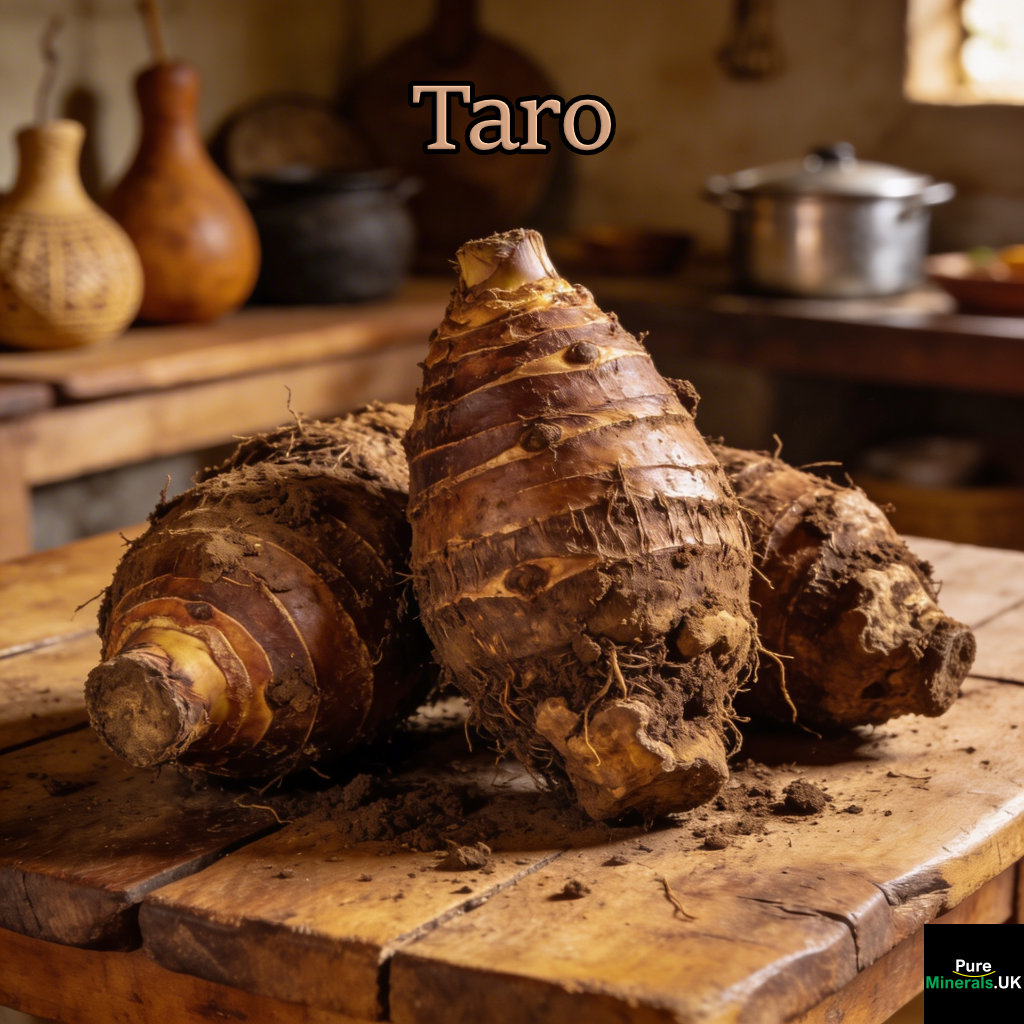
Most people reach for potatoes or sweet potatoes without a second thought. But taro quietly outperforms both in several key nutritional areas — particularly fiber content. One cup (132 grams) of cooked taro contains more than 6 grams of fiber, which is more than double the fiber found in a comparable serving of potatoes. That alone makes it worth a closer look.
Beyond fiber, taro brings a broad spectrum of vitamins and minerals to the table. It’s an economical source of dietary energy, starch, potassium, vitamin C, and protein — particularly relevant for populations in tropical and subtropical regions where taro is a dietary staple crop. Its nutritional density relative to its calorie count makes it one of the most efficient root vegetables.
Taro’s Nutritional Profile
Understanding exactly what’s inside taro helps explain why it’s earned its reputation as a functional food. The corm (the underground stem you typically eat) is where most of the nutritional action happens, though the leaves are also edible and nutrient-rich. If you’re interested in exploring similar root vegetables, consider learning more about rutabaga, which also offers a rich nutritional profile.
Calories, Carbohydrates, and Macronutrients
Taro’s macronutrient profile is dominated by carbohydrates, with starch accounting for 70%-80% of dry weight. One cup of cooked taro contains approximately 187 calories, making it a moderate-calorie, high-energy food. It also provides a small but notable amount of protein — and uniquely, taro contains a distinctive polypeptide protein composition that hasn’t been found in other root crops.
Fiber Content and Resistant Starch
Raw taro corms contain approximately 13.5% fiber, dropping to around 3.21% after cooking — still a meaningful contribution to your daily intake. What makes taro especially interesting from a nutritional standpoint is its resistant starch content. Resistant starch bypasses digestion in the small intestine and ferments in the large intestine, acting as a prebiotic that feeds beneficial gut bacteria. This slower digestion also means a more gradual rise in blood sugar compared to rapidly digestible starches.
Vitamins in Taro: C, E, and B Vitamins
Taro corms and leaves contain significant amounts of vitamins C and B complexes, both of which are essential for human health. Vitamin C supports immune function and collagen synthesis, while B vitamins are critical for energy metabolism and neurological function. Taro also contains vitamin E, a fat-soluble antioxidant that protects cells from oxidative damage — a nutrient many people consistently fall short on.
Minerals: Potassium, Magnesium, and Manganese
On the mineral side, taro is a strong source of potassium, magnesium, and manganese. Potassium is critical for heart function and blood pressure regulation. Magnesium plays a role in over 300 enzymatic reactions in the body. These are exactly the minerals that large portions of the population don’t consume in adequate amounts — and taro delivers them in a single, whole-food package.
Nutrient | Amount per 1 Cup Cooked Taro (132g) |
|---|---|
Calories | ~187 kcal |
Carbohydrates | ~46g |
Dietary Fiber | >6g |
Protein | ~0.5g |
~615mg | |
~35mg | |
~5mg | |
~2.4mg |
The Science Behind Taro Starch
Taro starch is genuinely unlike most other starches, and the differences aren’t trivial — they have real implications for digestion, food manufacturing, and health outcomes.
The starch granules in taro are exceptionally small — among the smallest of any known starch source. This small granule size is one of the primary reasons taro starch is so easy to digest. The large surface area relative to granule size allows digestive enzymes to work more efficiently, which is why taro has historically been recommended as a food for infants and people with digestive sensitivities.
Why Taro Starch Is Easier to Digest Than Other Root Crops
In comparison to other root crops, taro has been found to possess the highest levels of dietary fiber, and its starch structure further supports digestive health. The combination of small starch granules, high fiber, and a meaningful resistant starch fraction means taro moves through the digestive system in a way that supports both energy availability and gut microbiome health. It’s a rare combination in a single food source.
The digestibility of taro starch also makes it particularly valuable for people recovering from illness or those with compromised digestive systems. Traditional medicine systems across the Pacific and Asia have used taro as a restorative food for this exact reason — and modern food science is now providing the mechanistic explanation for why it works.
Taro as a Gluten-Free Starch Alternative
Taro starch is naturally gluten-free, making it a viable alternative for people with celiac disease or non-celiac gluten sensitivity. It can be used as a thickening agent, a flour substitute, or a base starch in gluten-free product formulation. Its neutral, mildly sweet flavor profile also means it doesn’t significantly alter the taste of finished products — a practical advantage over some other gluten-free starch alternatives.
Industrial and Food Applications of Taro Starch
Beyond the home kitchen, taro starch is gaining traction in food manufacturing. It can be used in its original form or serve as a raw material for various downstream processes, including modified starch production for thickeners, stabilizers, and encapsulation materials. Its functional properties — including water absorption, gel-forming ability, and digestibility profile — make it an attractive ingredient for developing novel food products, particularly in the health food and infant nutrition categories.
Health Benefits of Eating Taro
Blood Sugar Regulation Through Resistant Starch
Taro’s impact on blood sugar is one of its most clinically relevant benefits. Although taro has a high carbohydrate content, its resistant starch and fiber slow the rate at which glucose enters the bloodstream. This blunted glycemic response makes taro a smarter carbohydrate choice compared to refined starches or even regular white potatoes, which can cause sharp blood sugar spikes.
The fiber in taro also slows gastric emptying — meaning food moves more slowly from your stomach to your small intestine. This extends satiety and further flattens the blood sugar curve after a meal. For people managing type 2 diabetes or trying to prevent it, incorporating taro as a primary starch source is a practical, food-first strategy worth considering.
Heart Health and Potassium
Taro’s potassium content directly supports cardiovascular health by helping to regulate blood pressure. Potassium counteracts the blood-pressure-raising effects of sodium, and most people consume far too little of it. The fiber and resistant starch in taro add another layer of cardiovascular protection — research consistently links higher dietary fiber intake with reduced LDL cholesterol levels and lower overall heart disease risk.
Gut Health and Dietary Fiber
The resistant starch in taro functions as a prebiotic — it ferments in the large intestine and selectively feeds beneficial bacteria like Bifidobacterium and Lactobacillus. This fermentation process produces short-chain fatty acids (SCFAs), particularly butyrate, which serves as the primary energy source for colon cells and plays a key role in maintaining gut barrier integrity. A healthy gut lining reduces systemic inflammation and supports immune function — two outcomes that extend far beyond digestive comfort.
Antioxidants and Polyphenols in Taro
Taro contains a range of polyphenolic compounds and antioxidants that help neutralize free radicals in the body. Free radical damage is a key driver of chronic disease, accelerated aging, and cellular inflammation — so foods that actively counter this process have real long-term value. For more information on the benefits of taro, see this NIH article.
The purple or violet pigment you sometimes see in taro dishes comes from anthocyanins, a class of polyphenols with particularly strong antioxidant activity. These same compounds are found in blueberries and purple cabbage and are associated with reduced inflammation and improved cognitive function. Learn more about other vegetables with similar compounds like radicchio.
Taro leaves are actually even richer in antioxidants than the corm itself. When cooked properly, they provide a concentrated source of vitamins C and E alongside these polyphenolic compounds — making them worth incorporating into the diet rather than discarding. Additionally, similar root vegetables like potatoes also offer a good source of nutrients when prepared correctly.
Key Health Benefits of Taro at a Glance:
- Blood Sugar: Resistant starch slows glucose absorption, blunting post-meal blood sugar spikes
- Heart Health: High potassium content supports healthy blood pressure; fiber helps reduce LDL cholesterol
- Gut Health: Prebiotic resistant starch feeds beneficial gut bacteria and stimulates butyrate production
- Antioxidant Protection: Polyphenols and anthocyanins combat oxidative stress and inflammation
- Digestive Ease: Uniquely small starch granules make taro one of the most digestible starchy foods available
Taro’s Role in a Healthy Diet
Taro fits naturally into a wide range of dietary patterns — from whole-food plant-based diets to traditional Pacific Islander eating styles to modern gluten-free lifestyles. Its combination of slow-digesting carbohydrates, meaningful fiber, and a broad micronutrient profile means it functions as both an energy source and a health-supporting food simultaneously.
Given its high carbohydrate content, taro works best when paired with protein and healthy fat sources — this further slows digestion and creates a nutritionally complete meal. Think taro paired with grilled fish and leafy greens, or incorporated into a coconut-based curry with legumes. These combinations are not coincidental — they’re the backbone of traditional diets in regions where taro has been a staple for millennia.
How Taro Compares to Potatoes and Sweet Potatoes
Taro consistently edges out regular potatoes in several key nutritional categories. It contains more than twice the fiber of a comparable potato serving, more potassium, and a more favorable resistant starch profile. Unlike potatoes, which can cause rapid blood sugar spikes when mashed or baked at high temperatures, taro’s starch structure provides a more stable glycemic response.
Compared to sweet potatoes, the comparison is closer. Sweet potatoes win on beta-carotene (vitamin A precursor) content, but taro holds its own with superior fiber and a distinct resistant starch advantage. Both are excellent whole-food carbohydrate sources, and rotating between them is a practical way to diversify your micronutrient intake.
Taro as an Infant Food and Allergy-Friendly Option
Taro has a long history as an infant weaning food across Pacific Island and Asian cultures — and for good reason. Its exceptionally small starch granules make it one of the most digestible starchy foods for developing digestive systems. It’s also naturally free from the top common allergens: gluten, dairy, eggs, soy, and tree nuts. For parents navigating food allergies or seeking a nutrient-dense first food, properly cooked and pureed taro is a well-validated option with centuries of traditional use behind it.
Where to Buy Taro
Taro is widely available in shops, particularly in specialty, Asian, Indian, and Caribbean supermarkets. It is often sold as a fresh root vegetable or in frozen, pre-sliced, or pre-boiled formats. The vegetable is also available through online platforms. The root is often sold in 500g to 1kg bags, and frozen, with conveniently pre-peeled or sliced options.
Taro products include frozen taro buns, mochi, and taro snacks. You may come across alternative taro names, such as Arbi or Arvi, used in Indian cuisine; Dasheen and Eddoe, as commonly used in Caribbean cuisine; and Satoimo, as used in Japanese cuisine.
How to Cook Taro Safely
Cooking taro correctly is non-negotiable — not just for taste and texture, but for safety. Raw taro contains calcium oxalate crystals that cause intense burning and irritation of the mouth, throat, and digestive tract. The good news is that thorough cooking completely neutralizes these crystals, making taro perfectly safe and enjoyable to eat.
Why You Must Always Cook Taro Before Eating
Calcium oxalate crystals in raw taro act like microscopic needles — they physically irritate mucous membranes on contact. Even brief exposure to raw taro can cause itching, burning, and swelling of the lips, tongue, and throat. This is why taro should never be consumed raw in any form, including in smoothies or raw preparations.
When handling raw taro, some people also experience skin irritation from the oxalate crystals. Wearing gloves while peeling taro is a practical precaution, particularly for those with sensitive skin. Once peeled and cooked through — whether boiled, steamed, or roasted — the oxalates are broken down, and the irritation risk is eliminated.
The key is ensuring taro is cooked all the way through. A fork or knife should slide in easily with no resistance, similar to how you’d test a cooked potato. Undercooked taro may still retain enough oxalate crystals to cause discomfort, so erring on the side of slightly longer cooking time is always the safer choice.
- Always peel taro before cooking — the skin contains higher concentrations of calcium oxalate
- Wear gloves when handling large quantities of raw taro to avoid skin irritation
- Boil or steam until completely fork-tender before consuming or processing further
- Never add raw taro to smoothies, salads, or any uncooked preparation
- Store peeled raw taro submerged in cold water to prevent browning and reduce surface oxalate exposure
Boiling, Steaming, and Roasting: Best Cooking Methods
Boiling is the most straightforward method: cube taro into even pieces and simmer in salted water for 15 to 20 minutes until fork-tender. This method works well when you plan to mash taro, add it to soups, or use it as a base for curries. Steaming preserves slightly more of the water-soluble vitamins (particularly vitamin C) compared to boiling and produces a firmer texture that holds up well in stir-fries and grain bowls.
Roasting taro at around 400°F (200°C) after parboiling creates a crispy exterior with a fluffy, creamy interior — arguably the most satisfying texture taro can achieve. Tossed with olive oil, salt, and herbs, roasted taro functions as a direct potato substitute in virtually any recipe that calls for roasted potatoes. It develops a mildly nutty, subtly sweet flavor that becomes more pronounced with dry heat.
Popular Taro Dishes and Recipes
Taro’s culinary range is genuinely impressive. It appears in savory stews, deep-fried snacks, steamed dumplings, sweet desserts, and fermented pastes — often within the same regional cuisine. Its mild, slightly sweet flavor and naturally creamy texture make it one of the most versatile root vegetables in the world.
What makes taro particularly interesting from a culinary perspective is how dramatically its flavor and texture shift depending on preparation method. Boiled taro is soft and starchy. Roasted taro is nutty and caramelized. Fermented taro becomes tangy and smooth. Fried taro develops a crisp crust with a dense, chewy interior. Few root vegetables offer this kind of range.
Global Taro Dishes Worth Knowing:
Dish
Origin
Preparation
Poi
Hawaii
Fermented, pounded taro paste
Taro Bubble Tea
Taiwan
Taro powder or paste blended with milk and tapioca pearls
Wu Gok
China (Cantonese)
Deep-fried taro dumpling with honeycomb crust
Laing
Philippines
Taro leaves cooked in coconut milk with chili
Taro Chips
Global
Thinly sliced and fried or baked taro corm
Arbi Masala
India
Spiced taro curry with mustard seeds and turmeric
Each of these dishes represents centuries of culinary refinement around a single ingredient. The fact that taro has been independently embraced across such geographically and culturally diverse regions — from Hawaii to the Philippines to India — is a testament to both its adaptability and its nutritional value as a dietary staple.
For everyday cooking, taro integrates easily into familiar recipes. Use it in place of potatoes in soups and stews, swap it for sweet potato in a grain bowl, or blend cooked taro into a smoothie for a creamy, fiber-rich base. Once you have a supply of properly cooked taro on hand, incorporating it into your weekly rotation becomes second nature.
Poi: Hawaii’s Traditional Fermented Taro Dish
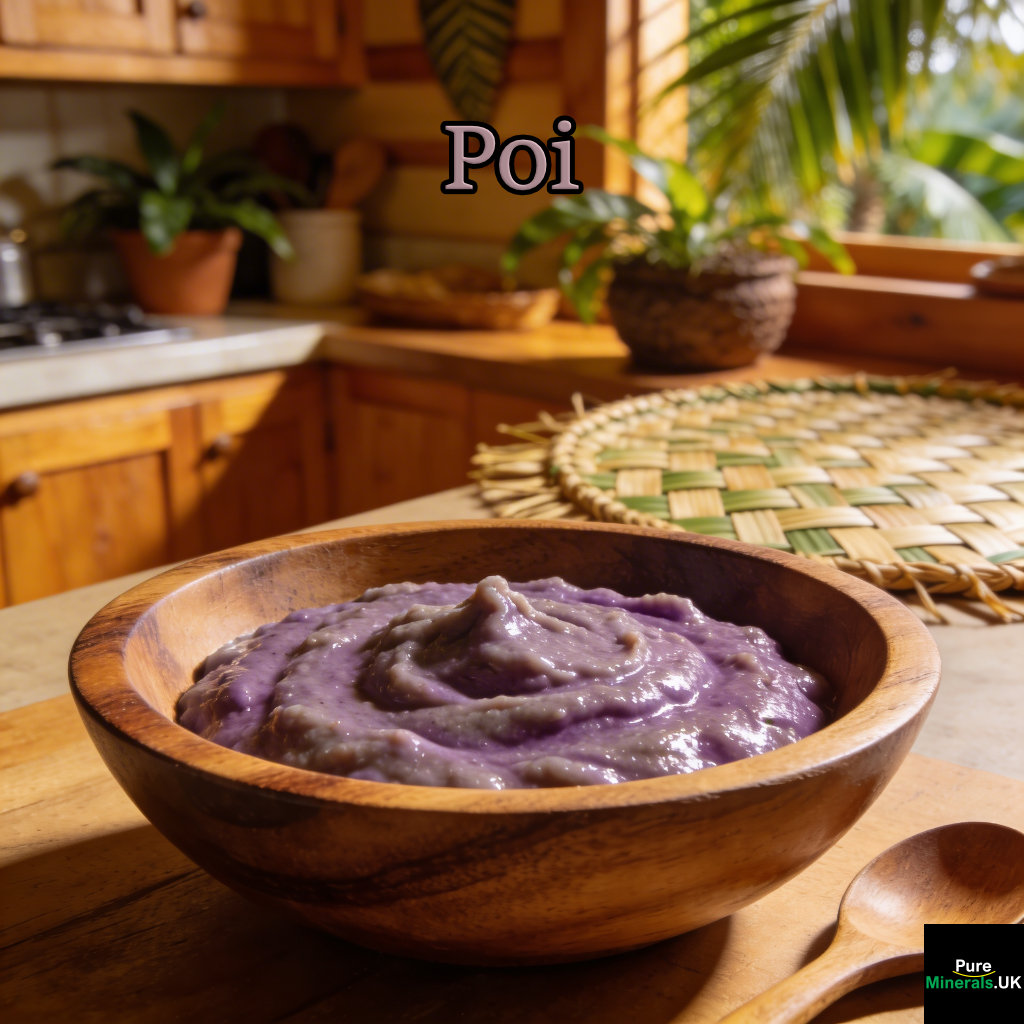
- Poi is made by pounding cooked taro corm into a smooth, sticky paste
- It can be eaten immediately as “fresh poi” or left to ferment for 1–3 days, developing a tangy, slightly sour flavor
- Fermented poi is considered a probiotic food, supporting gut health alongside its already impressive fiber content
- It has been a dietary cornerstone of Native Hawaiian culture for centuries and remains a staple at traditional Hawaiian feasts called lūʿau
Poi is arguably the most historically significant taro preparation in the world. In Native Hawaiian culture, the taro plant — called kalo — is considered sacred, and poi made from it was viewed as a living food that connected people to their ancestors. Beyond the cultural significance, poi is genuinely nutritious: it’s low in fat, easy to digest, and when fermented, contains beneficial lactic acid bacteria that support gut microbiome diversity.
The consistency of poi is described in degrees — “one-finger,” “two-finger,” or “three-finger” — referring to how many fingers are needed to scoop it up and eat it. Thicker poi requires only one finger; thinner poi requires three. Fresh poi has a mild, starchy taste similar to plain cooked taro. Fermented poi develops increasing sourness over time, which traditionally made it more digestible and extended its shelf life without refrigeration.
From a nutritional standpoint, fermented poi adds a layer of benefit that fresh poi doesn’t provide. The fermentation process increases the bioavailability of certain nutrients and introduces live cultures into the food — a meaningful advantage in a diet before the era of probiotic supplements. It’s one of the oldest functional foods in recorded dietary history.
Taro in Asian Cuisine: Bubble Tea, Dumplings, and Desserts
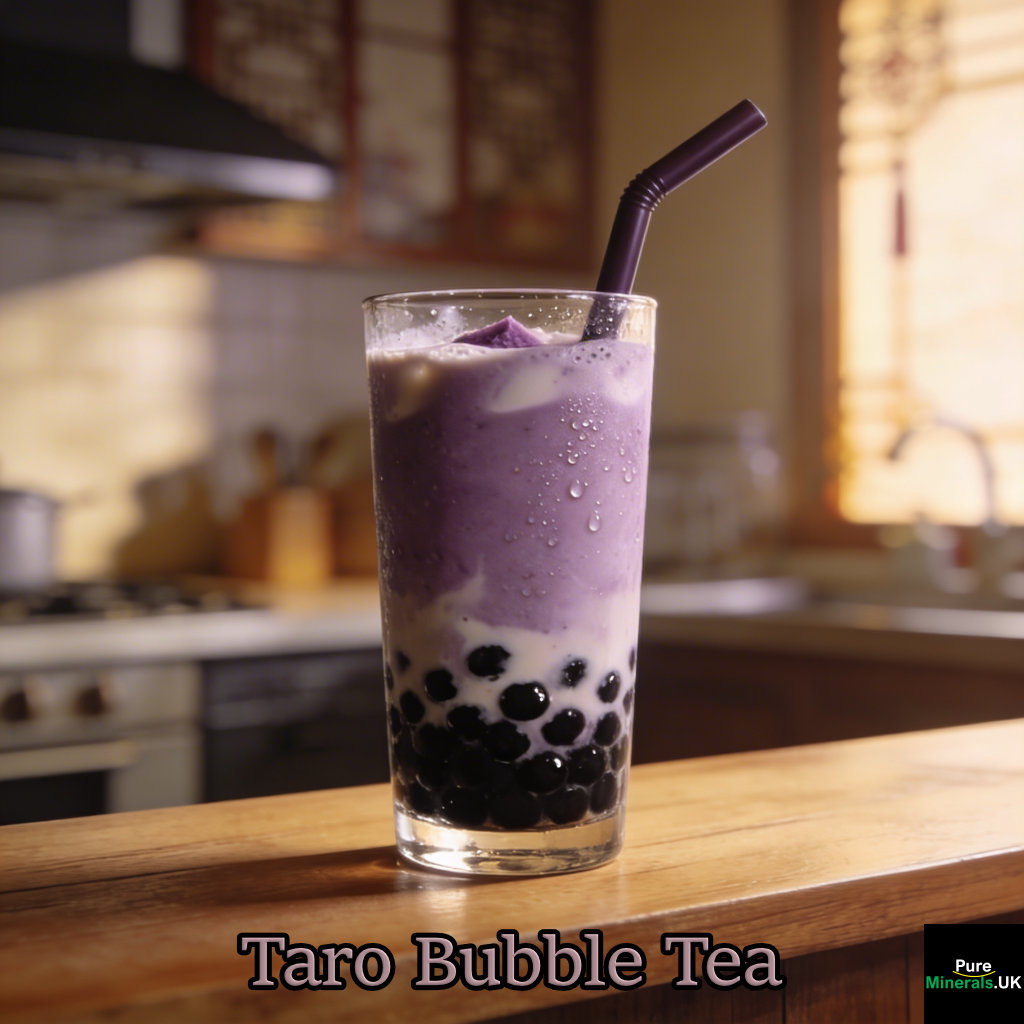
Across East and Southeast Asia, taro appears in an extraordinary range of preparations. In Taiwan, taro is the flavor behind one of the most recognizable bubble tea varieties in the world — a blend of taro paste or powder with milk, sugar, and chewy tapioca pearls.
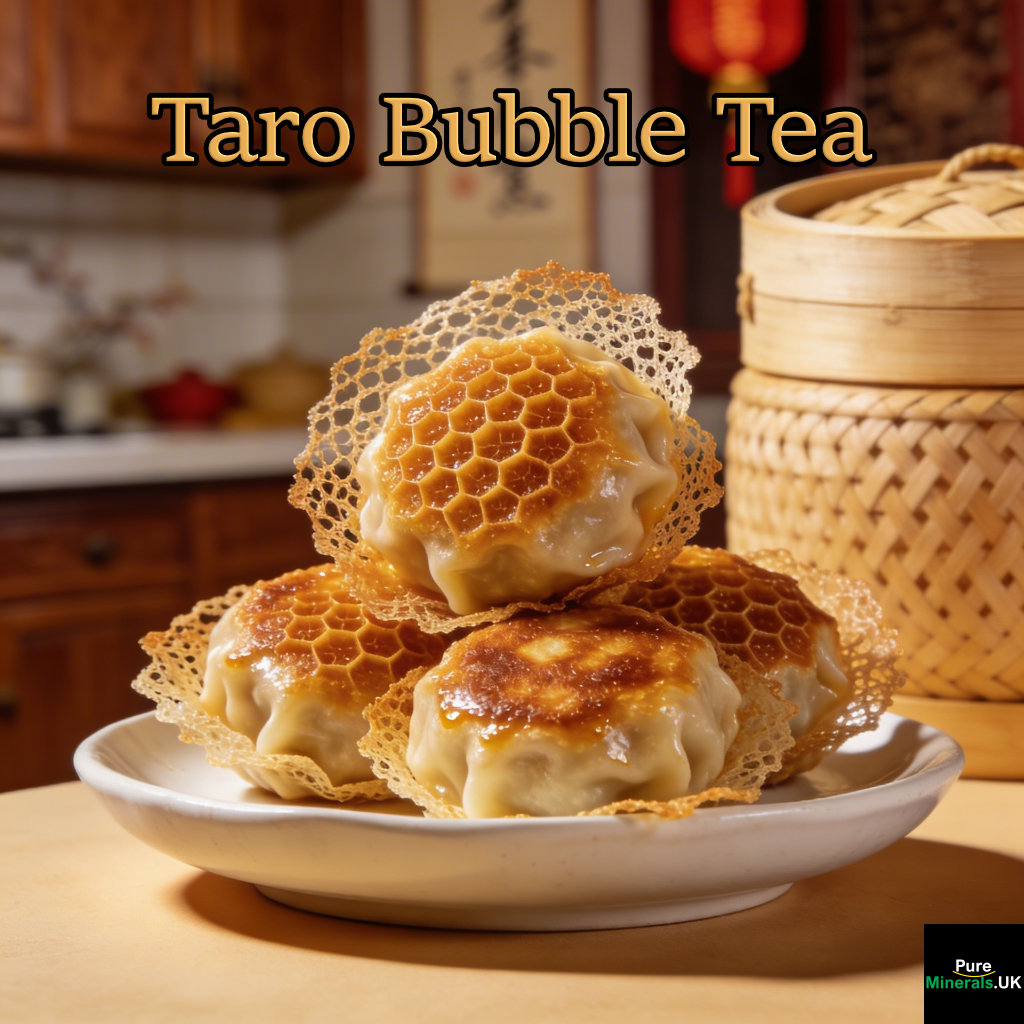
In Cantonese dim sum cuisine, wu gok is a deep-fried taro dumpling with a signature honeycomb-patterned crust and a savory pork filling — one of the most technically demanding dim sum items to prepare, requiring a precise taro paste dough that puffs into its lacy exterior during frying.
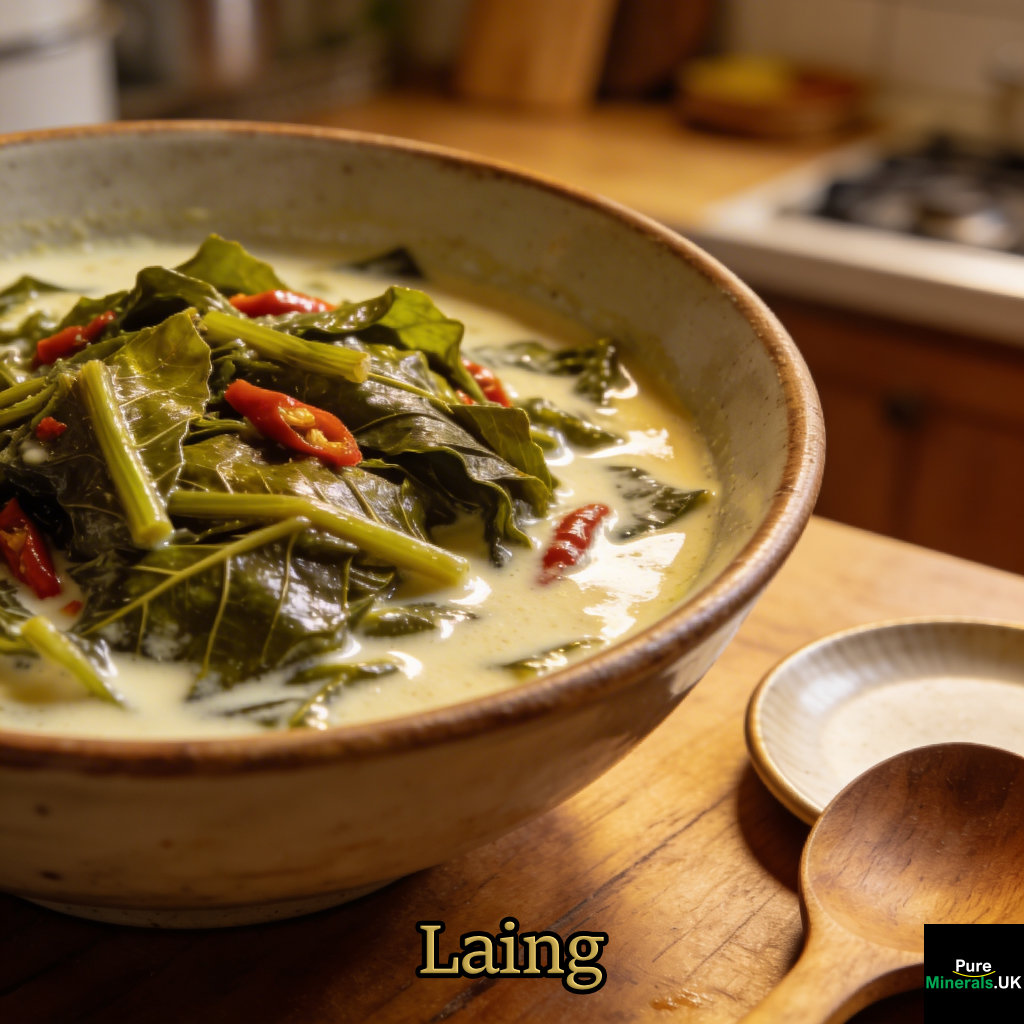
In the Philippines, taro leaves are the star of laing, simmered low and slow in coconut milk with chili and fermented shrimp paste until the leaves become silky and deeply flavored.
Across Vietnam, Thailand, and Indonesia, taro appears in sweet coconut soups, sticky rice cakes, and steamed puddings — demonstrating just how seamlessly it bridges savory and sweet applications in Asian culinary traditions.
Using Taro as a Potato Substitute in Everyday Meals
For anyone looking to diversify their carbohydrate sources, taro is the most nutritionally compelling direct swap for potatoes. It has a comparable texture when cooked, a naturally mild flavor that adapts to virtually any seasoning, and — as covered earlier — a superior fiber and resistant starch profile that makes it a smarter choice for blood sugar management.
The substitution is nearly one-to-one in most recipes. Anywhere a recipe calls for diced potatoes — in soups, stews, curries, roasted vegetable medleys, or hash — taro can step in directly. The main practical difference is that taro takes slightly longer to cook through than potatoes of the same size, so cutting it into smaller cubes or adding it to the pot a few minutes earlier than you would potatoes accounts for this easily.
Mashed taro is a particularly satisfying preparation. When boiled until completely tender and mashed with butter, olive oil, or coconut cream, it becomes a smooth, slightly sweet alternative to mashed potatoes with a naturally creamier consistency. It holds up well as a side dish and pairs especially well with braised meats, roasted fish, and any preparation that benefits from a rich, starchy base.
Taro fries — either baked or deep-fried after parboiling — are another straightforward substitution. They develop a crispier exterior than potato fries and have a denser, chewier interior, which many people find more satisfying. Season with smoked paprika, garlic powder, and sea salt for a simple preparation that highlights taro’s natural nuttiness.
- Soups and stews: Replace diced potatoes with equal amounts of cubed taro — add 3 to 5 minutes to cooking time
- Mash: Boil taro until completely tender, mash with butter or coconut cream, season to taste
- Roasted vegetables: Parboil taro cubes for 8 minutes, toss with oil and seasoning, and roast at 200°C (400°F) for 25 to 30 minutes
- Fries: Parboil sliced taro, dry thoroughly, then bake or fry until crispy
- Curries: Add cubed taro in place of potatoes — it absorbs spiced sauces exceptionally well
- Grain bowls: Roasted taro cubes work as a hearty, fiber-rich base alongside grains and proteins
Taro in Plant-Based Products: Milk, Yogurt, and Frozen Desserts
The food industry is increasingly recognizing taro as a functional ingredient in plant-based product development. Taro milk — made from blended cooked taro with water and a small amount of sweetener — provides a naturally creamy, slightly sweet base that performs well as a dairy milk alternative in both hot and cold beverages. Its neutral-sweet flavor profile and natural thickening properties make it particularly well-suited for use in coffee drinks, smoothies, and plant-based lattes without the need for added gums or stabilizers that many other plant milks require.
In the frozen dessert category, taro is establishing itself as a standout flavor and functional ingredient. Taro ice cream and taro-flavored frozen yogurt have moved well beyond niche Asian grocery stores into mainstream markets — driven largely by the popularity of taro bubble tea, introducing the flavor to a global audience. Beyond flavor, taro’s starchy composition contributes to a smooth, dense texture in frozen applications that reduces ice crystal formation, improving the mouthfeel of finished products. As plant-based food innovation continues to accelerate, taro’s combination of flavor, functional starch properties, and clean nutritional profile positions it as one of the more promising root crop ingredients in the space.
Taro Deserves a Place on Your Plate
Taro isn’t a trend — it’s a 10,000-year-old dietary staple that modern nutrition science is now fully validating. From its uniquely digestible resistant starch and exceptional fiber content to its broad micronutrient profile and culinary versatility, taro delivers on every front that matters for a health-supporting diet. If you’ve been eating the same rotation of root vegetables without much thought, taro is the most nutritionally compelling reason to expand it.
Important note: Taro
Taro must be thoroughly cooked before consumption to reduce naturally occurring calcium oxalate crystals that can irritate. This article is provided for educational purposes only and does not constitute medical advice. Individuals with specific dietary concerns should consult a qualified healthcare professional before making significant dietary changes.
Frequently Asked Questions
- Is taro healthier than a regular potato?
- Can you eat taro raw?
- Is taro good for people with diabetes?
- Is taro gluten-free?
- What does taro taste like?
Is Taro Healthier Than a Regular Potato?
Yes, taro is nutritionally superior to regular white potatoes in several key areas. It contains more than double the dietary fiber of a comparable potato serving, a higher resistant starch content that produces a more stable blood sugar response, and a broader mineral profile including more potassium and magnesium per serving. White potatoes are not a poor food choice, but taro consistently outperforms them in the categories that matter most for long-term metabolic and cardiovascular health.
Can You Eat Taro Raw?
No — taro should never be eaten raw. Raw taro contains calcium oxalate crystals that cause intense burning, itching, and irritation of the mouth, throat, and digestive tract on contact. This is not a mild sensitivity issue; the physical irritation from oxalate crystals can be severe enough to cause swelling of oral tissues.
Complete cooking — whether boiling, steaming, or roasting until fully fork-tender — breaks down the calcium oxalate crystals entirely, making taro completely safe to eat. There is no raw preparation method that adequately neutralizes these compounds, so taro should always be cooked through before consumption in any form.
Is Taro Good for People With Diabetes?
Taro is one of the better starchy carbohydrate choices for people managing blood sugar. Its fiber and resistant starch content slow the rate of glucose absorption into the bloodstream, producing a more gradual post-meal blood sugar rise compared to refined starches or regular potatoes. The fiber also slows gastric emptying, extending satiety and further moderating the glycemic response. As with any carbohydrate-containing food, portion size matters — but taro’s structural properties make it a genuinely smarter carbohydrate choice for people with type 2 diabetes or insulin resistance.
Is Taro Gluten-Free?
Yes, taro is naturally and completely gluten-free. It contains no wheat, barley, rye, or any gluten-containing grain and is safe for people with celiac disease or non-celiac gluten sensitivity. Taro flour and taro starch are increasingly used as gluten-free alternatives in baking and food manufacturing for exactly this reason.
The one caveat worth noting is cross-contamination risk in processed taro products — taro chips, taro powder, or packaged taro preparations produced in facilities that also handle wheat may carry cross-contamination risk. For people with celiac disease, checking for certified gluten-free labeling on packaged taro products is the appropriate precaution, even though taro itself is inherently gluten-free. Additionally, exploring other gluten-free root vegetables like salsify can be a great alternative.
Taro vs. Common Gluten-Free Starches
Starch Source
Gluten-Free
Digestibility
Fiber Content
Flavor Profile
Taro
✓ Yes
Very High
High
Mildly sweet, nutty
Rice
✓ Yes
High
Low
Neutral
Potato
✓ Yes
Moderate
Low-Moderate
Neutral, earthy
Cassava
✓ Yes
Moderate
Low
Mild, slightly sweet
Corn Starch
✓ Yes
High
Very Low
Neutral
When evaluated against other common gluten-free starches, taro stands out for its combination of high digestibility and high fiber content — a pairing that most gluten-free starch alternatives don’t offer. For people building a gluten-free diet that doesn’t sacrifice nutritional quality, taro is one of the most complete options available.
What Does Taro Taste Like?
- Mildly sweet with a subtle nuttiness, especially when roasted or fried
- Starchy and dense in texture, similar to a dry, fluffy potato
- More flavorful than white potatoes, and less sweet than sweet potatoes
- Absorbs surrounding flavors readily — takes on the character of whatever it’s cooked with
- Slightly floral or vanilla-adjacent notes when used in sweet preparations like bubble tea or desserts
Taro’s flavor is genuinely difficult to describe without tasting it, but the closest reference point is somewhere between a white potato and a sweet potato, with its own distinct personality. It’s mild enough to disappear into a savory dish while being flavorful enough to anchor a dessert.
The texture is a significant part of the eating experience. When boiled, taro is dense and slightly grainy — satisfying in a way that feels more substantial than potatoes. When roasted, it develops a nutty depth that becomes almost addictive. In sweet applications, taro has a natural creaminess that explains why it works so well in bubble tea, ice cream, and puddings without needing much added fat or thickener.
If you’ve had taro bubble tea, you already know the flavor — that distinctly purple-hued, subtly sweet, faintly earthy taste is pure taro. The powders and pastes used in commercial bubble tea are often sweetened and flavored versions of the real thing, but they capture the essence accurately enough to serve as a useful flavor reference point for the uninitiated.
Cooking method dramatically affects the final flavor. The same piece of raw taro can taste subtly sweet and starchy when steamed, rich and nutty when roasted, tangy and complex when fermented into poi, and creamy and floral when blended into a dessert base. This flavor versatility is a large part of why taro has found its way into so many distinct culinary traditions around the world.
The bottom line on flavor: taro is approachable, mildly interesting on its own, and genuinely excellent when given the right preparation. If you’ve been hesitant to try it because the flavor seems unfamiliar or difficult to place, start with roasted taro seasoned simply with olive oil and salt — it’s the most straightforward introduction to what this root vegetable can do.