

Published: 20 March 2026
Last Updated: 21 March 2026
This article is periodically reviewed and updated to reflect current scientific understanding by Vic George.
Fact-Checked: 1 other authoritative medical/scientific reference. See our Editorial Policy.
What Are Potatoes?
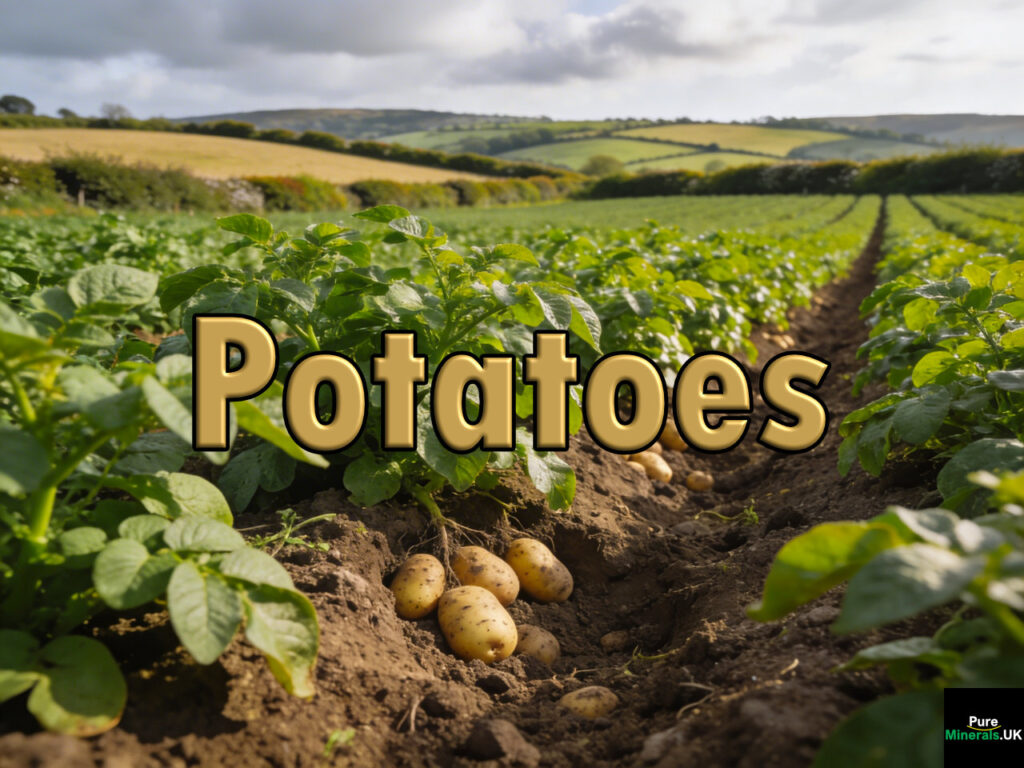
Potatoes are the edible tubers of Solanum tuberosum, a plant cultivated globally for its energy-rich storage organs. They are valued as a staple root vegetable due to their high starch content, dietary fiber, and supply of vitamins and minerals.
Definition
Potatoes are the edible underground tubers of Solanum tuberosum, a member of the Solanaceae family, consumed as a starchy root vegetable.
Extended Definition
Potatoes belong to the Solanaceae family, also known as the nightshade family, which includes tomatoes, peppers, and eggplants. The edible portion of the plant is a tuber, a modified underground stem that stores nutrients for plant growth and reproduction.
The tuber consists primarily of starch, a complex carbohydrate that serves as the plant’s primary energy reserve. This starch provides a significant source of dietary energy in human nutrition.
Potatoes also provide dietary fiber, particularly when consumed with the skin, as well as vitamin C, vitamin B6, potassium, and small amounts of other micronutrients. Potassium plays a key role in maintaining fluid balance and normal nerve function, while vitamin C contributes to antioxidant processes.
In addition to macronutrients, potatoes contain various phytochemicals, including phenolic compounds and carotenoids. The specific composition varies depending on the potato variety, with colored potatoes (such as purple and red varieties) containing anthocyanins and other pigments.
Potatoes naturally contain glycoalkaloids such as solanine and chaconine, which function as defense compounds in the plant. These compounds are typically present at low levels in properly stored and prepared potatoes, but may increase in potatoes that are green or sprouted.
Potatoes are one of the most widely consumed staple foods worldwide and are prepared using numerous cooking methods, including boiling, baking, roasting, and frying.
Key Facts
Botanical name: Solanum tuberosum
Plant family: Solanaceae
Common classification: Starchy tuber (root vegetable)
Origin: South America, particularly the Andes region
Edible part: Tuber (underground stem)
Typical color: Brown, yellow, red, or purple skin with white, yellow, or purple flesh
Primary nutrients: Starch (carbohydrates), fiber, vitamin C, vitamin B6, potassium
Key phytonutrients: Phenolic compounds, carotenoids, anthocyanins (in colored varieties)
Energy density: Moderate to high
Notable compounds: Glycoalkaloids (solanine, chaconine)
Culinary uses: Boiling, baking, roasting, frying, mashing
Article At A Glance
- Potatoes are nutrient-dense: A medium baked potato (200g) provides nearly half your daily vitamin C and vitamin B6, plus meaningful amounts of potassium, folate, and thiamin.
- Cooking method matters more than most people realize — baking or microwaving with the skin on preserves the most nutrients, while boiling can leach water-soluble vitamins into the cooking water.
- Resistant starch is one of potatoes’ most underrated benefits — cooling a cooked potato increases resistant starch content, which feeds beneficial gut bacteria and supports digestive health.
- Not all potatoes are created equal: Yellow-fleshed varieties contain the carotenoids lutein and zeaxanthin, while antioxidant content and protein levels vary significantly across varieties.
- The evidence supports potatoes in a healthy diet — despite their reputation as a “bad carb,” research shows they contribute valuable micronutrients and fiber when prepared and consumed thoughtfully.
Potatoes have spent decades unfairly cast as the villain of healthy eating — but the nutritional reality tells a very different story.
They are one of the most widely consumed vegetables on the planet, and for good reason. Potatoes are underground tubers that grow on the roots of Solanum tuberosum, a plant native to South America that has since become a dietary staple across nearly every culture. Whether you’re tracking micronutrients or simply trying to eat well, understanding what’s actually inside a potato changes how you think about this humble food.
Potatoes Are More Nutritious Than You Think
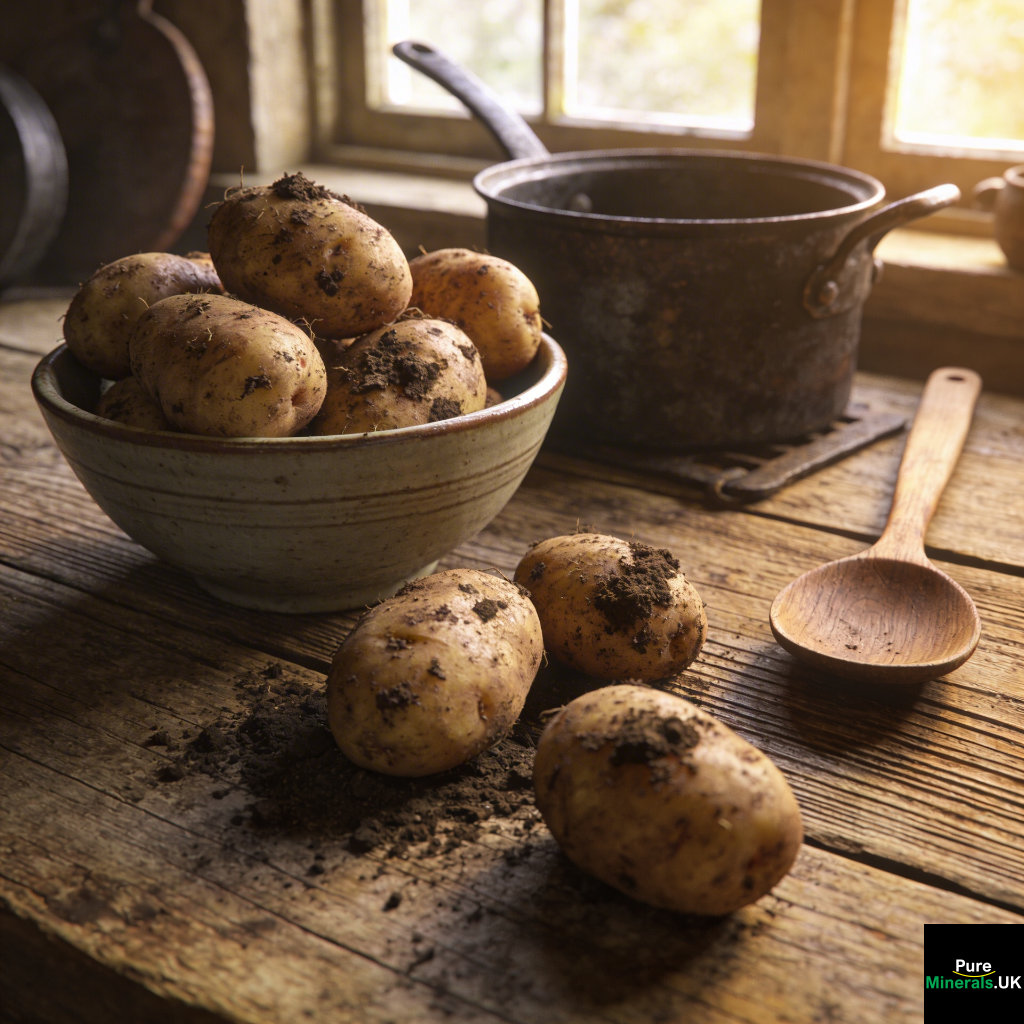
The potato’s reputation took a hit during the low-carb diet era, but the science never really supported the backlash. Potatoes are a genuinely valuable source of micronutrients — particularly vitamin C, vitamin B6, potassium, folate, thiamin, and iron. They also contribute meaningful fiber to the diet, especially when the skin is left on. The key is context: how a potato is prepared and what it’s eaten with determines much of its dietary impact.
The Nutritional Profile of a Potato
A medium-sized baked potato weighing approximately 200g punches well above its weight nutritionally. It can deliver close to half the UK daily Reference Nutrient Intake (RNI) for both vitamin C and vitamin B6 in a single serving, along with roughly 30% of the recommended potassium intake. That’s significant from a single whole food.
Macronutrients: Carbs, Protein, and Fat
Carbohydrates are the dominant macronutrient in potatoes, which is where most of the nutritional debate begins and ends for many people. But the full macronutrient picture is more nuanced. Potatoes are naturally very low in fat and contain a modest but noteworthy amount of protein.
Protein content varies considerably depending on the variety, ranging from 1g to 4.2g per 100g of raw potato. That’s a wider range than most people expect. While potatoes aren’t a primary protein source, the protein they do contain is considered relatively high quality for a plant food, with a digestibility rate reported in excess of 80%.
Vitamins and Minerals in Potatoes
Potatoes are particularly rich in the following micronutrients:
- Potassium — supports healthy blood pressure and muscle function
- Vitamin C — an antioxidant critical for immune function and collagen synthesis
- Vitamin B6 — involved in protein metabolism and neurotransmitter production
- Folate — essential for DNA synthesis and particularly important during pregnancy
- Thiamin (B1) — plays a key role in energy metabolism
- Iron — contributes to oxygen transport in the blood
- Magnesium — supports bone health, nerve function, and hundreds of enzymatic reactions
The concentration of these nutrients can shift depending on storage time, preparation method, and the specific variety being consumed — all factors worth understanding before dismissing or over-praising the potato’s nutritional value.
How Potato Variety Affects Nutrient Content
Flesh color is one of the most reliable visual indicators of nutrient content in potatoes. Yellow-fleshed varieties, for example, contain the carotenoids lutein and zeaxanthin — compounds associated with eye health. Purple and blue-fleshed potatoes tend to have higher antioxidant content, particularly anthocyanins, which are the same pigments found in blueberries and red cabbage.
Antioxidant levels in potatoes are most concentrated in the skin, regardless of variety. This makes the case for eating potatoes skin-on wherever possible — not just for fiber, but for the full spectrum of bioactive compounds the potato has to offer. For more insights into nutrient-rich vegetables, explore the benefits of napa cabbage.
Starch Composition of Potatoes
Starch is the main structural carbohydrate in potatoes, and its composition has a direct impact on how the body digests and responds to potato-based foods. Understanding starch at this level explains a lot about why preparation method matters so much nutritionally.
Amylose vs. Amylopectin: What Is the Difference?
Potato starch is made up of two distinct molecular structures: amylose and amylopectin. These aren’t interchangeable — they behave very differently in the body and during cooking. To explore other vegetables with unique starch compositions, you might want to learn about parsnips.
Amylose is a linear chain of glucose molecules that is more resistant to digestion. It takes longer to break down, which means a slower release of glucose into the bloodstream. Amylopectin, by contrast, is a highly branched structure that enzymes can attack from multiple points simultaneously — making it digest quickly and causing faster blood sugar responses.
The ratio of these two starches varies between potato varieties, which partly explains why different types of potatoes can have different glycemic responses even when prepared the same way.
- High-amylose potatoes tend to have a lower glycemic impact and produce more resistant starch when cooked and cooled
- High-amylopectin potatoes are more easily digested and tend to have a higher glycemic index
- Waxy potato varieties (like new potatoes) generally have a different starch profile than floury varieties (like Russets)
- Starch granule structure breaks down during cooking, which is why raw and cooked potatoes behave so differently in the digestive tract
What Is Resistant Starch and Why Does It Matter?
Resistant starch is exactly what it sounds like — starch that resists digestion in the small intestine and instead travels to the large intestine, where it acts as a prebiotic. It feeds beneficial gut bacteria, supporting a healthier microbiome, and has been associated with improved insulin sensitivity, better colon health, and increased feelings of fullness.
How Cooking and Cooling Affect Starch Structure
Here’s where potato preparation becomes genuinely interesting from a nutritional standpoint. When a raw potato is cooked, the starch granules absorb water and swell in a process called gelatinization — this makes the starch highly digestible. But when a cooked potato is then cooled, some of that gelatinized starch undergoes retrogradation, reforming into a more crystalline structure that resists digestion. For more on the nutritional aspects of potatoes, check out this article.
In practical terms, this means a cold boiled potato or a potato salad made from cooled potatoes contains significantly more resistant starch than the same potato served hot. Reheating a cooled potato only partially reverses this process, meaning some of the resistant starch benefit can be retained even after reheating.
How Cooking Methods Change Potato Nutrition

The way you cook a potato can be just as important as the potato itself. The same vegetable can go from a nutrient-dense whole food to a significantly less nutritious option depending entirely on how heat and water interact with its structure.
Boiling and Nutrient Leaching
Boiling is one of the most common ways to prepare potatoes, but it comes with a real nutritional trade-off. Water-soluble nutrients — particularly vitamin C, vitamin B6, and potassium — leach out of the potato and into the cooking water during boiling. The longer the boil and the smaller the potato pieces, the greater the nutrient loss.
One practical way to minimize this loss is to boil potatoes whole and with the skin on, which acts as a barrier and slows the leaching process. Using the cooking water in soups or sauces is another smart strategy to recover some of those lost nutrients rather than pouring them down the drain.
Frying and Resistant Starch
Frying does something interesting to potato starch — it can actually increase resistant starch content compared to boiling. However, this benefit is largely offset by the significant addition of fat and calories, and the formation of potentially harmful compounds like acrylamide, which develops when starchy foods are cooked at high temperatures. For everyday nutrition purposes, frying is the least favorable preparation method despite any starch-related upside. If you’re interested in exploring other vegetables, consider learning more about parsnips and their nutritional benefits.
Baking: The Nutritional Sweet Spot
Baking, roasting, or microwaving a potato — especially with the skin intact — preserves the greatest proportion of its vitamins and minerals. No cooking water means no leaching, and the skin acts as a natural seal that locks in nutrients. A baked potato eaten skin-on delivers fiber, potassium, vitamin C, and B6 in meaningful amounts, making it one of the most nutritionally efficient ways to prepare this vegetable.
The Role of Potatoes in a Balanced Diet
Despite being consistently underestimated, potatoes fit well within a balanced diet when prepared thoughtfully. They are a whole food, relatively affordable, widely available, and capable of delivering a broad spectrum of micronutrients in a single serving. The evidence reviewed in nutritional research supports their inclusion in line with current dietary guidelines — not as an indulgence to be managed, but as a legitimate dietary staple. For those interested in exploring other nutritious vegetables, consider adding leeks to your meals as well.
Potatoes as a Source of Fibre
Fiber content in potatoes is closely tied to whether the skin is consumed. The skin is where a significant portion of the potato’s fiber is concentrated, and eating it whole makes a meaningful difference to your daily fiber intake. For those interested in exploring other fiber-rich foods, consider adding mustard greens to your diet.
Preparation Method
Fiber Content (per 200g serving)
Skin Included?
Baked with skin
~4.4g
Yes
Boiled, skin on
~3.8g
Yes
Boiled, peeled
~1.8g
No
Mashed (with milk)
~1.6g
No
French fries
~2.8g
Partial
Fiber from potatoes contributes to digestive health, helps regulate bowel function, and supports the growth of beneficial gut bacteria — particularly when resistant starch is also present. It’s worth noting that the fiber in potatoes is a combination of soluble and insoluble types, each offering distinct benefits.
For anyone trying to increase daily fiber intake without relying on processed fiber supplements or expensive specialty foods, a skin-on baked or roasted potato is one of the simplest and most cost-effective solutions available.
Potatoes and Satiety: Do They Keep You Full?
Potatoes consistently rank among the most satiating foods per calorie — a fact that surprises many people given their carbohydrate-heavy reputation. The satiety response from potatoes is driven by a combination of factors: their high water content, the presence of resistant starch, and their fiber — all of which slow gastric emptying and reduce the urge to eat again quickly. When eaten as part of a mixed meal rather than as a replacement for other vegetables, potatoes can be a genuinely effective tool for appetite management.
Potatoes and Non-Communicable Diseases: What the Evidence Says
Epidemiological studies have explored associations between potato intake and conditions including obesity, type 2 diabetes, and cardiovascular disease. The findings are nuanced. Rather than potatoes themselves being a driver of disease risk, the evidence points more strongly to preparation method and overall dietary pattern as the key variables. Fried potato consumption shows stronger associations with negative health outcomes than boiled or baked potato consumption — suggesting the issue is often the cooking method, not the potato.
Culinary Uses of Potatoes
Few vegetables are as culinarily versatile as the potato. From crispy roasted wedges to silky mashed preparations, hearty stews to delicate potato salads, this tuber adapts to an extraordinary range of cooking techniques and flavor profiles. That versatility is a large part of why potatoes have become embedded in food cultures across nearly every continent — and why they remain one of the most consumed vegetables in the world.
Boiled, Baked, Roasted, and Fried: How Preparation Changes the Experience
Each cooking method brings out a completely different side of the potato. Boiling produces a soft, moist texture ideal for mashing or potato salads — particularly when cooled, which increases resistant starch content. Roasting at high heat creates crispy exteriors and fluffy interiors through the Maillard reaction, developing deep, complex flavor. Baking whole produces a thick, fiber-rich skin encasing a starchy, satisfying center. Frying delivers the most indulgent result but also the most nutritional compromise, adding significant fat while introducing acrylamide at high cooking temperatures. Understanding these differences helps you choose preparation methods that align with both your taste preferences and your nutritional goals.
Potatoes in Global Cuisine
Potatoes appear in an astonishing variety of culinary traditions worldwide. In Peru — the birthplace of the cultivated potato — there are over 3,000 documented native varieties, many still used in traditional dishes like causa and papa a la huancaína. In India, the potato is the backbone of dishes like aloo gobi and samosas. In Ireland, it became so central to the national diet that a crop failure in the 1840s triggered one of history’s most devastating famines. French cuisine gave the world pommes dauphinoise and the humble but iconic French fry. Spanish tortilla, German kartoffelsalat, and American hash browns all demonstrate how one vegetable can be interpreted so differently across cultures — and why it remains a cornerstone of global food systems.
The Bottom Line on Potatoes and Your Health
Potatoes are a genuinely nutritious whole food that deserves far more credit than popular diet culture has given them. A medium baked potato with skin delivers close to half your daily vitamin C and B6, meaningful potassium, iron, folate, and fiber — all for a relatively modest calorie count. The protein they contain is more digestible than most people expect, and their resistant starch content can be actively increased through smart preparation choices like cooling after cooking.
The evidence is clear: potatoes belong in a healthy, balanced diet. The variables that matter most are preparation method, portion size, and what they’re eaten alongside. Swap the deep fryer for the oven, keep the skin on, and consider a potato salad made from cooled boiled potatoes — and you’ll be getting one of the most nutrient-efficient, satiating, and affordable foods available.
Important note: Potatoes
Potatoes are widely recognized as safe when consumed as a food. Potatoes that are green or sprouted may contain elevated levels of naturally occurring glycoalkaloids and should not be consumed. This article is provided for educational purposes only and does not constitute medical advice. Individuals with specific dietary concerns should consult a qualified healthcare professional before making significant dietary changes.
Frequently Asked Questions
Potatoes generate a lot of nutritional confusion, largely because they’ve been lumped in with processed carbohydrates in popular diet conversations. The questions below address the most common points of misunderstanding with straightforward, evidence-based answers.
Are potatoes healthy to eat every day?
Yes, potatoes can be part of a healthy daily diet when prepared without excessive fat or sodium. They provide a consistent supply of potassium, vitamin C, B6, and fiber — nutrients many people don’t consume in sufficient amounts. The key qualifier is the preparation method. A daily baked or boiled potato with the skin on is a very different nutritional proposition than daily French fries.
Nutrient
Amount per 200g Baked Potato (with skin)
% of Daily Reference Intake (approximate)
Calories
~173 kcal
~9%
Carbohydrates
~40g
~15%
Protein
~4.3g
~9%
Fibre
~4.4g
~15%
Potassium
~926mg
~30%
Vitamin C
~28mg
~47%
Vitamin B6
~0.54mg
~45%
Folate
~48mcg
~24%
~1.9mg
~14%
Variety also plays a role in daily consumption — rotating between different potato types (white, yellow-fleshed, purple) broadens the range of antioxidants and phytonutrients you’re getting. Yellow-fleshed varieties bring in lutein and zeaxanthin; purple varieties add anthocyanins with anti-inflammatory properties.
Do potatoes cause weight gain?
Potatoes themselves are not inherently fattening. In fact, they rank among the most satiating foods per calorie available, meaning they tend to reduce overall food intake rather than contribute to overeating. The weight gain association comes almost entirely from how potatoes are most commonly prepared and served — fried, loaded with butter, sour cream, or cheese, or consumed as ultra-processed chips and crisps. For a healthier alternative, consider incorporating lettuce into your meals.
A plain baked potato is a high-volume, relatively low-calorie food with strong satiety properties. The problem isn’t the potato — it’s what’s added to it. Studies examining potato consumption in the context of overall dietary patterns consistently show that preparation method is the primary variable when it comes to weight-related outcomes.
Are sweet potatoes more nutritious than regular potatoes?
Sweet potatoes and regular potatoes have different but complementary nutritional profiles — neither is definitively superior. Sweet potatoes are richer in beta-carotene (the precursor to vitamin A) and have a slightly different fiber composition, while regular white or yellow potatoes tend to provide more potassium, vitamin C, and vitamin B6 per serving. Both are nutrient-dense whole foods, and including both in your diet gives you access to a wider range of beneficial compounds than relying on one type alone. For instance, adding parsnips to your meals can further diversify your nutrient intake.
What is the healthiest way to cook a potato?
Baking or microwaving a potato whole with the skin on is consistently the best method for preserving nutrient content. No cooking water means no leaching of water-soluble vitamins, and the intact skin locks in both fiber and antioxidants. Roasting is also an excellent option nutritionally, though higher temperatures for extended periods can cause some vitamin C degradation.
If you prefer boiled potatoes, cook them whole and skin-on, then cool them before eating. This not only reduces nutrient loss but also significantly increases resistant starch content — a genuine nutritional bonus that makes cold potato preparations like potato salad a surprisingly smart dietary choice.
Do potatoes count toward your five-a-day fruit and vegetable intake?
In the United Kingdom — and in many other countries with similar dietary guidelines — potatoes do not count toward the recommended five daily portions of fruit and vegetables. This is because potatoes are classified as a starchy food rather than a vegetable for dietary guidance, given their significant carbohydrate contribution to the diet. They are considered more nutritionally similar to bread, rice, or pasta in the context of meal planning.
This classification doesn’t diminish their nutritional value — it simply reflects how dietary guidelines categorize foods based on their primary macronutrient contribution. Potatoes still deliver a wide range of micronutrients and should be considered a valuable part of the diet, regardless of which category they fall into for guideline purposes.