

Published: 22 March 2026
This article is periodically reviewed and updated to reflect current scientific understanding by Vic George.
Fact-Checked: 1 other authoritative medical/scientific reference. See our Editorial Policy.
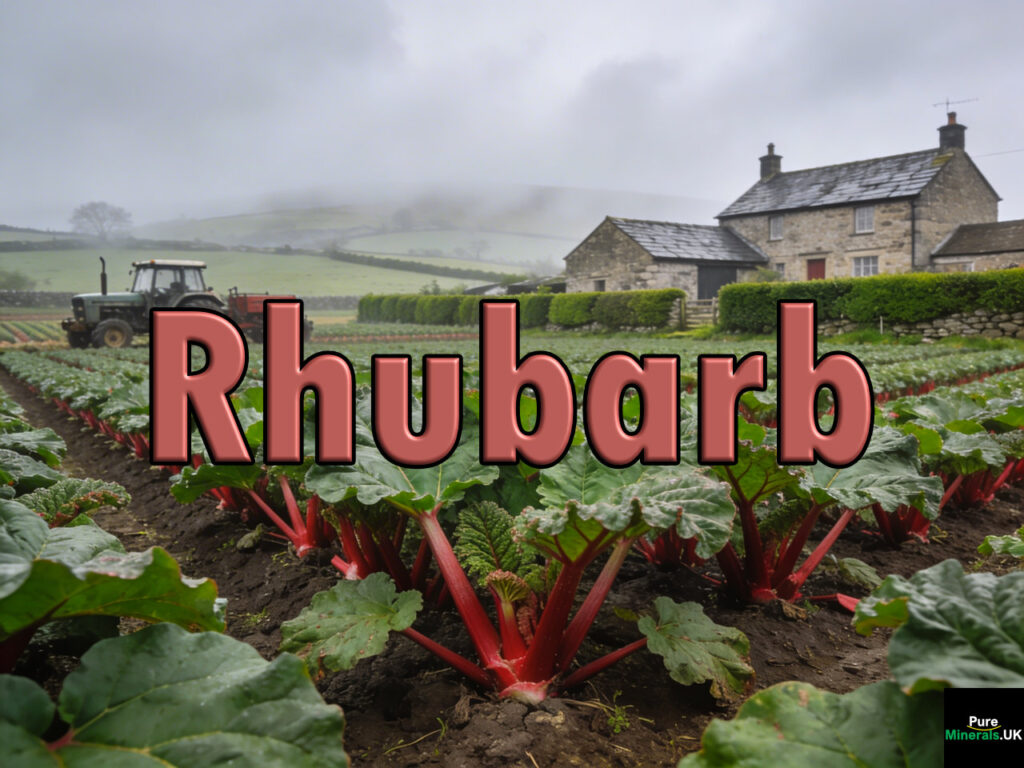
What Is Rhubarb?
Rhubarb is the edible stalk (petiole) of plants in the genus Rheum, most commonly Rheum rhabarbarum. It is valued for its tart flavor, high water content, and presence of organic acids, fiber, and plant-derived compounds. Although often used in sweet dishes, it is botanically and nutritionally classified as a vegetable.
Rhubarb is an exceptionally popular and staple perennial vegetable (technically a petiole) on UK allotments. As a hardy perennial, it requires little maintenance, thrives in sunny spots, and provides reliable, early-season harvests for years, often producing pulling-ready stalks between April and June. It lasts for years and is typically divided every 5 years, providing free plants.
Definition
Rhubarb is the edible leaf stalk of Rheum rhabarbarum, a perennial plant in the Polygonaceae family, consumed as a vegetable.
Extended Definition
Rhubarb belongs to the Polygonaceae family, which also includes plants such as buckwheat and sorrel. The plant produces large leaves and thick stalks, with only the stalks considered edible.
The stalks are typically red, pink, or green, depending on the variety, and are characterized by a distinctly tart flavor. This acidity is primarily due to the presence of organic acids, including oxalic acid and malic acid, which contribute to the plant’s taste and biochemical profile.
Nutritionally, rhubarb provides dietary fiber, vitamin K, vitamin C, calcium, and potassium. Vitamin K supports normal blood clotting and bone metabolism, while fiber contributes to digestive function.
Rhubarb also contains polyphenols and anthocyanins, particularly in red varieties, which contribute to its coloration and serve protective roles within the plant.
The leaves of the rhubarb plant contain high levels of oxalic acid and other compounds and are not suitable for consumption. Only the stalks are used in culinary applications.
Rhubarb is commonly cooked with sweeteners due to its tartness and is used in pies, compotes, sauces, and preserves.
Key Facts
Botanical name: Rheum rhabarbarum
Plant family: Polygonaceae
Common classification: Stalk vegetable
Origin: Asia, particularly Siberia and surrounding regions
Edible part: Leaf stalks (petioles)
Typical color: Red, pink, or green
Primary nutrients: Fiber, vitamin K, vitamin C, calcium, potassium
Key phytonutrients: Polyphenols, anthocyanins (in red varieties)
Energy density: Very low
Notable compounds: Oxalic acid, malic acid
Culinary uses: Pies, compotes, sauces, preserves
Key Takeaways
- Rhubarb is a vegetable, not a fruit — though the USDA officially classifies it as a fruit due to its culinary uses in pies, jams, and desserts.
- Its most impressive nutrient is vitamin K1, which plays a critical role in bone formation and blood clotting.
- Rhubarb contains calcium oxalate, an antinutrient that blocks calcium absorption — something people prone to kidney stones should take seriously.
- The leaves are toxic and should never be eaten under any circumstances — only the stalks are safe for consumption.
- Keep reading to discover how rhubarb’s unique organic acids affect your health, plus simple recipes that make this tart vegetable genuinely enjoyable to eat.
Rhubarb Is More Than Just a Pie Filling
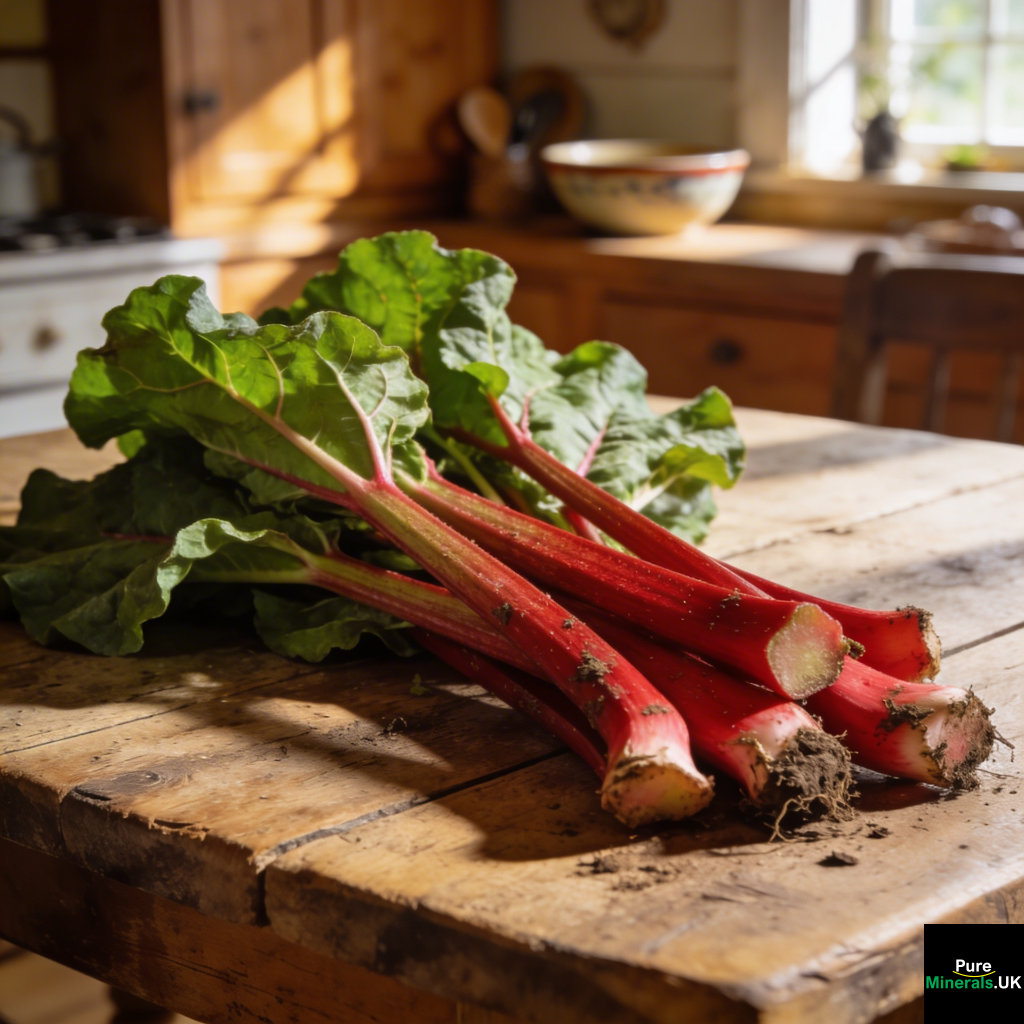
Most people only know rhubarb as that sharp, sour ingredient buried under sugar in a springtime pie — but there’s a lot more going on with this plant than dessert fillings.
Rhubarb has a history stretching back thousands of years. Ancient Chinese, Arab, Greek, and Roman civilizations used it medicinally long before anyone thought to bake it into a crust. In Asia, the roots have traditionally been used in herbal medicine, while in Europe and North America, the stalks became a kitchen staple — particularly in the United Kingdom, where it earned the nickname “pie plant.” Today, rhubarb shows up in jams, compotes, drinks, and even savory sauces, though most people still reach for it when strawberry season hits.
For those focused on building healthier eating habits, rhubarb is worth understanding beyond the recipe card. While rhubarb isn’t nutrient-dense in the traditional sense, it brings a specific set of compounds — fiber, antioxidants, and vitamin K1 — that make it a functional addition to a balanced diet. Its low calorie count and unique phytochemical profile give it a place at the table that goes well beyond sweetened pies.
Quick Fact: Rhubarb is officially classified as a fruit by the U.S. Department of Agriculture (USDA) — not because of its biology, but because of how it’s used in cooking. Botanically, it is a vegetable.
What makes rhubarb genuinely interesting is the tension between its benefits and its risks. It’s high in antioxidants, offers meaningful fiber, and contributes vitamin K1 to the diet — but it’s also one of the richest dietary sources of oxalic acid. This compound can be problematic for certain people. Understanding both sides is what separates informed eating from guesswork.
Rhubarb Nutritional Profile
Rhubarb won’t top any list of nutrient-dense superfoods, but what it does offer is clean, low-calorie nutrition with a few standout compounds worth knowing about.
Calories, Carbs, and Fiber Content
A 3.5-ounce (100-gram) serving of raw rhubarb contains roughly 21 calories, making it one of the lower-calorie vegetables available. Most of those calories come from carbohydrates, with about 4.5 grams of carbs per 100-gram serving. Of that, approximately 1.8 grams comes from dietary fiber — a modest but meaningful contribution toward your daily fiber goals, especially when you consider how little you’re eating calorically.
The fiber in rhubarb is where some of its more interesting health effects come into play. Research has looked specifically at rhubarb fiber’s interaction with cholesterol levels, which we’ll cover in more detail in the health benefits section.
Vitamin K1: Rhubarb’s Most Notable Nutrient
Rhubarb is an excellent source of vitamin K1, also known as phylloquinone. A 100-gram serving provides around 29 micrograms of vitamin K1 — roughly 24% of the Daily Value. Vitamin K1 is essential for blood clotting and plays a direct role in bone metabolism. According to research published in Nutrition in Clinical Practice, vitamin K is important for bone formation and may help prevent osteoporosis, particularly in aging populations.
Calcium, Vitamin C, and Other Micronutrients
Rhubarb contains a notable amount of calcium — around 86 milligrams per 100-gram serving — and provides approximately 4% of the Daily Value for vitamin C in the same serving size. It also contains small amounts of potassium, folate, and vitamin A. The overall micronutrient picture is moderate rather than exceptional, which is why understanding how these nutrients actually behave in your body matters.
Other nutrients found in rhubarb include:
- Potassium — supports heart function and fluid balance
- Folate — essential for cell division and DNA synthesis
- Vitamin A — supports vision and immune function
- Manganese — involved in bone development and metabolism
Why Rhubarb’s Calcium Is Hard for Your Body to Use
Here’s the catch with rhubarb’s calcium: most of it exists as calcium oxalate, an antinutrient form that your body struggles to absorb efficiently. Antinutrients are compounds that interfere with the absorption of other nutrients, and calcium oxalate is one of the more well-documented examples. So while the raw calcium number on a nutrition label looks decent, the bioavailable calcium you actually get from rhubarb is significantly lower than what you’d absorb from dairy or fortified foods.
Organic Acids in Rhubarb
The organic acids in rhubarb are what define both its flavor and its health implications — and they’re worth understanding clearly before you start eating it regularly.
What Gives Rhubarb Its Sour Taste
That sharp, mouth-puckering sourness you get from rhubarb comes directly from its organic acid content. Rhubarb contains several naturally occurring acids, with malic acid and oxalic acid being the most prominent. These acids are what make eating raw rhubarb feel almost aggressively tart — and why virtually every traditional recipe pairs it with sugar or sweet fruits like strawberries to create balance.
- Oxalic acid — the dominant acid in rhubarb, found in both stalks and leaves
- Malic acid — contributes to the tart flavor and is found in many fruits and vegetables
- Citric acid — present in smaller amounts, adds brightness to the flavor profile
These acids aren’t just flavor compounds — they interact with minerals in your gut, bind to nutrients, and in the case of oxalic acid, can form crystals in the body under certain conditions. That’s not a reason to avoid rhubarb entirely, but it is a reason to understand how much you’re consuming and whether your health profile makes high-oxalate foods a concern.
The concentration of these acids is also what separates the stalks from the leaves. Rhubarb leaves contain oxalic acid in concentrations high enough to cause serious toxicity in humans — this is not a gray area. The stalks, while still containing oxalates, are safe for consumption in normal dietary amounts, much like other vegetables such as mustard greens.
Oxalic Acid: Benefits and Risks
Oxalic acid, also called oxalate, gets a lot of attention in nutrition discussions — and for good reason. On one hand, it’s a naturally occurring compound found in many healthy foods, including spinach, beets, and nuts. On the other hand, it’s the primary culprit behind calcium oxalate kidney stones, the most common type of kidney stone in the general population. Rhubarb is among the richest dietary sources of calcium oxalate of any commonly eaten plant.
For most healthy people, eating rhubarb in reasonable amounts, this isn’t a crisis-level concern. The issue arises with high, frequent consumption — or in individuals who already have a predisposition to forming kidney stones or who have conditions like hyperoxaluria, a disorder involving excess oxalate in the urine. Research published in Expert Opinion on Pharmacotherapy highlights hyperoxaluria management as a genuine clinical challenge, with dietary oxalate reduction being a key part of treatment.
Who Should Avoid High Oxalate Foods
People with a history of calcium oxalate kidney stones should approach rhubarb with real caution — not necessarily eliminate it, but discuss quantity and frequency with a healthcare provider. The same applies to individuals with chronic kidney disease, inflammatory bowel conditions that affect oxalate absorption, or those taking medications that interact with vitamin K, since rhubarb’s high K1 content can affect anticoagulant therapy.
If none of those conditions apply to you, enjoying rhubarb regularly in normal culinary amounts is unlikely to cause harm and can genuinely contribute to a varied, plant-rich diet.
Potential Health Benefits of Rhubarb
The research on rhubarb’s health benefits is still developing, but what exists points to a few specific areas where this tart vegetable earns its place in a health-conscious diet.
Rhubarb Fiber and Cholesterol
The fiber in rhubarb has been studied for its effect on cholesterol levels, specifically LDL cholesterol — the kind most closely associated with cardiovascular risk. Dietary fiber, particularly soluble fiber, works by binding to cholesterol in the digestive tract and helping to carry it out of the body before it can be absorbed. While rhubarb isn’t a high-fiber food in the way that oats or legumes are, its fiber content still contributes to your daily intake, and regular consumption as part of a varied diet can support healthy cholesterol management over time.
Antioxidants in Rhubarb Stalks
Rhubarb is genuinely rich in antioxidants, and this is one of its more compelling nutritional arguments. The red color of rhubarb stalks comes from anthocyanins — the same class of antioxidant pigments found in blueberries, cherries, and red cabbage. Rhubarb is also high in proanthocyanidins, also known as condensed tannins, which are associated with anti-inflammatory activity. Additionally, it contains meaningful amounts of vitamin C, which acts as a water-soluble antioxidant in the body. Together, these compounds help neutralize free radicals — unstable molecules that contribute to cellular aging and chronic disease when left unchecked.
Rhubarb’s Role in Traditional Medicine
Long before it appeared in pie recipes, rhubarb had an established role in traditional medicine systems across multiple cultures. In traditional Chinese medicine, rhubarb root has been used for centuries as a digestive aid and mild laxative, with documented use stretching back thousands of years. Ancient Arab, Greek, and Roman physicians also referenced rhubarb in medical texts, primarily for its purgative effects. While modern nutrition science focuses more on the stalks than the root, the historical pattern of use reflects a real pharmacological activity — rhubarb’s compounds do interact meaningfully with the digestive system, which is why it remains studied in herbal medicine research today.
Rhubarb’s Culinary Role
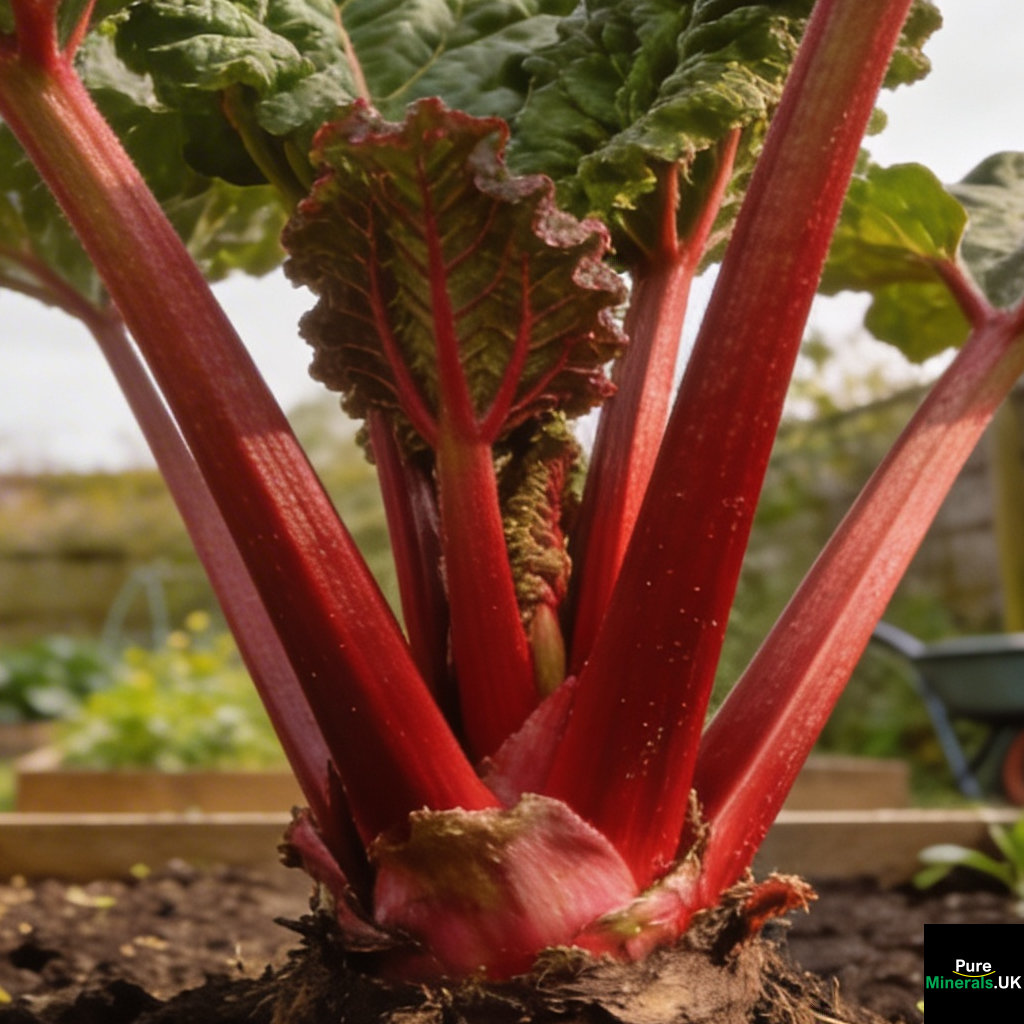
Rhubarb occupies a unique position in the kitchen — it’s technically a vegetable that gets treated almost exclusively like a fruit, and its aggressive sourness means it almost always requires a co-star to shine.
In the United Kingdom and North America, rhubarb became a springtime kitchen staple largely because it was one of the first crops ready to harvest after winter — and it kept well when cooked down with sugar. That historical context explains a lot about why most rhubarb recipes lean heavily toward being sweet. Today, creative cooks are pushing rhubarb beyond the dessert course, using its acidity in ways that parallel how lemon juice or vinegar functions in savory cooking.
Why Rhubarb Almost Always Needs Sugar
Raw rhubarb is intensely sour — more so than most people expect the first time they try it. The organic acid content, particularly oxalic and malic acid, creates a sharpness that’s difficult to eat without balance. Sugar doesn’t just sweeten rhubarb; it chemically interacts with the acids during cooking, softening the tartness and drawing out the plant’s natural pectin, which helps jams and compotes set properly. This is why virtually every traditional rhubarb recipe calls for a significant amount of added sugar, and why reducing that sugar too aggressively tends to produce results that are hard to eat.
Rhubarb in Jams, Pies, and Compotes
The most classic applications for rhubarb are jams, pies, and compotes — and for good reason. These preparations all take advantage of rhubarb’s high natural pectin content and its ability to break down into a smooth, intensely flavored base when cooked. Strawberry rhubarb pie is arguably the most famous pairing, where the sweetness of ripe strawberries balances rhubarb’s sharpness without needing excessive added sugar. Rhubarb compote, which is simply rhubarb cooked down with sugar and sometimes spices, is one of the more versatile preparations — it works over yogurt, oatmeal, ice cream, or as a filling for pastries.
Rhubarb jam follows a similar principle but cooks longer to reach a spreadable consistency. The natural pectin in rhubarb means you can often get a good set without adding commercial pectin, though pairing with high-pectin fruits like strawberries or apples helps ensure a reliable result.
Savory Uses Most People Overlook
Rhubarb’s tartness makes it a surprisingly effective ingredient in savory cooking — functioning in much the same way that tamarind, pomegranate molasses, or sumac do in other culinary traditions. Its acidity cuts through richness and adds brightness to dishes that might otherwise taste flat.
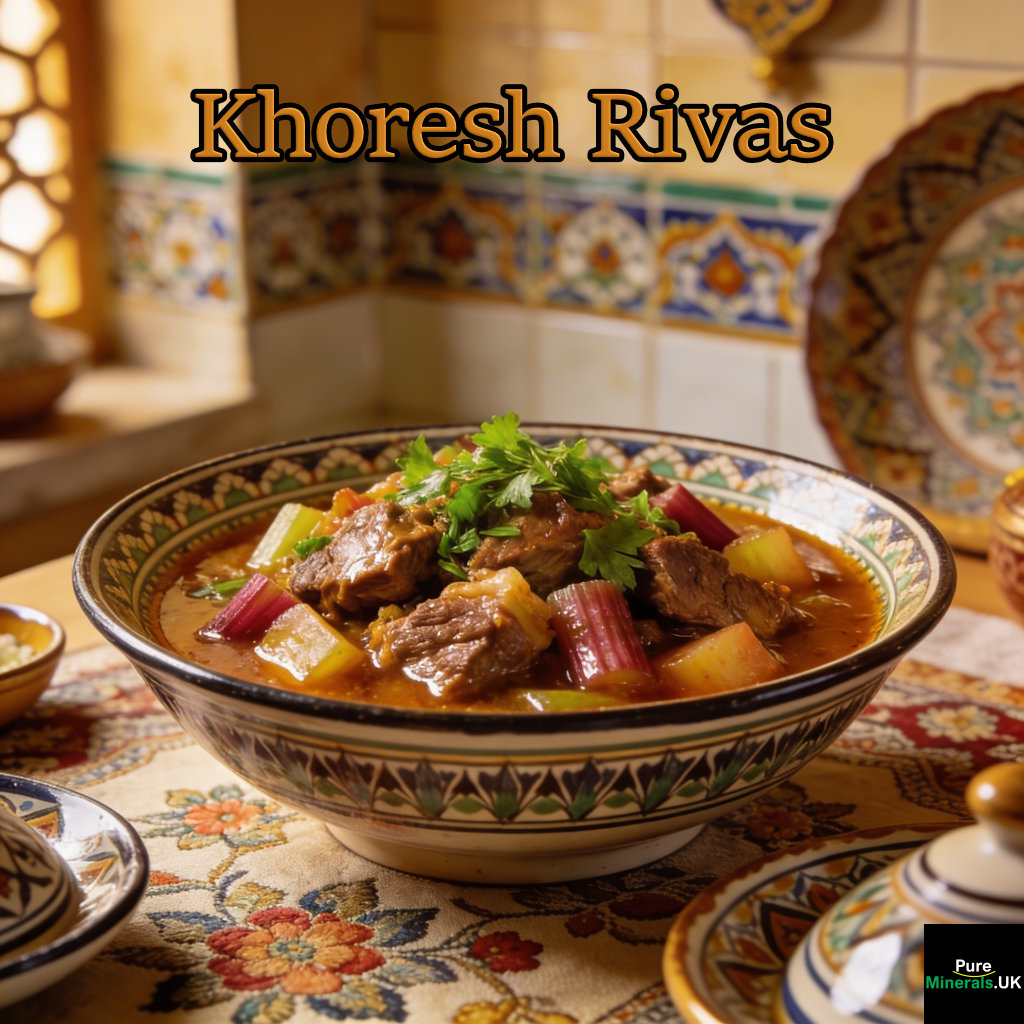
In Persian cuisine, rhubarb has long appeared in savory stews and rice dishes, often paired with lamb or chicken. The dish Khoresh Rivas — a Persian lamb and rhubarb stew — is a well-known example of rhubarb used as a souring agent rather than a sweet ingredient. This tradition reflects a much older understanding of rhubarb’s culinary range than the Western reputation of the pie plant suggests.
Outside of Persian cooking, rhubarb works well in chutneys paired with ginger, mustard seed, and apple — a natural companion to roasted pork or game meats. It can also be reduced into a savory glaze for duck or salmon, where its natural acidity helps balance the fat in the protein. Even simply roasted with olive oil and a pinch of salt, rhubarb develops a depth that surprises most people used to encountering it only in sweetened form.
The key to using rhubarb in savory applications is restraint — less sugar, more aromatics, and cooking it just long enough to soften without turning it into mush. It breaks down quickly, so savory rhubarb preparations typically need no more than 10 to 15 minutes of cooking time over medium heat. For similar vegetables that offer unique flavors in savory dishes, consider exploring radicchio as well.
- Rhubarb chutney — paired with ginger, mustard seed, apple, and a touch of brown sugar; excellent with pork or cheese boards
- Rhubarb glaze — reduced with honey and balsamic vinegar for duck breast or salmon fillets
- Persian Khoresh Rivas — slow-cooked lamb stew with rhubarb and fresh herbs
- Rhubarb vinaigrette — blended with olive oil, shallot, and Dijon mustard for a sharp salad dressing
- Roasted rhubarb — tossed with olive oil, salt, and thyme; served alongside roasted chicken
How to Select, Store, and Prepare Rhubarb
Getting the most out of rhubarb starts before you ever turn on the stove — choosing the right stalks and handling them properly makes a significant difference in both flavor and safety.
How to Pick the Best Rhubarb Stalks
Look for stalks that are firm, crisp, and glossy — similar to how you’d assess a fresh celery stalk. Rhubarb should snap cleanly when bent, not bend limply. Limp or rubbery stalks are past their prime and will have less flavor and a mushier texture when cooked.
Color is less of a quality indicator than most people assume. While the deep red stalks are visually striking and tend to produce a more vibrant color in finished dishes, green-stalked varieties are equally flavorful and nutritious. The color difference comes down to variety and growing conditions, not ripeness or quality. Field-grown rhubarb tends to be more tart and deeply colored, while forced rhubarb — grown in heated sheds in the dark, a traditional Yorkshire technique — produces paler pink stalks with a milder, sweeter flavor.
Rhubarb stalks keep well in the refrigerator for up to two weeks when stored unwashed in a loose plastic bag or wrapped in a damp paper towel. For longer storage, rhubarb freezes exceptionally well — simply chop it into pieces, spread on a baking sheet to freeze individually, then transfer to a freezer bag. Frozen rhubarb works perfectly in cooked applications like jams, compotes, and pies, though the texture softens too much for raw use after thawing.
Why You Should Never Eat Rhubarb Leaves
Rhubarb leaves contain oxalic acid in concentrations high enough to be genuinely toxic to humans — this is not a precautionary exaggeration. The leaves have been documented as a cause of serious poisoning, with symptoms including burning in the mouth and throat, nausea, vomiting, seizures, and in severe cases, kidney failure. During World War I, rhubarb leaves were briefly promoted in the UK as a food substitute due to wartime shortages, which resulted in reported poisonings and deaths. Always remove and discard the leaves immediately when preparing rhubarb, and keep them away from children and pets — they are toxic to animals as well.
Simple Rhubarb Recipes to Try at Home
Cooking with rhubarb doesn’t require culinary school — it requires understanding one principle: balance the acid. Once you grasp that, the recipes practically write themselves.
The three recipes below represent the most reliable, accessible starting points for working with rhubarb at home. They range from a five-ingredient weeknight compote to a classic pie that’s worth the extra effort on a weekend. Each one is designed to let rhubarb’s unique flavor come through without drowning it in sugar or masking it with too many competing ingredients.
Before you start any of these, remember to trim the ends of each stalk, discard the leaves completely, and rinse the stalks under cold water. Chop into roughly half-inch to one-inch pieces for even cooking — rhubarb breaks down fast, so uniform sizing matters more than it might seem.
Rhubarb Cooking Cheat Sheet
Compote: Cook 10–15 minutes over medium-low heat
Jam: Cook 20–30 minutes, stirring frequently until set
Pie filling: Pre-cook or bake 45–55 minutes at 375°F (190°C)
Rhubarb-to-sugar ratio (general): 4:1 by weight for most cooked applications
Freezer storage: Up to 12 months, chopped and pre-frozen on a tray
Classic Rhubarb Compote
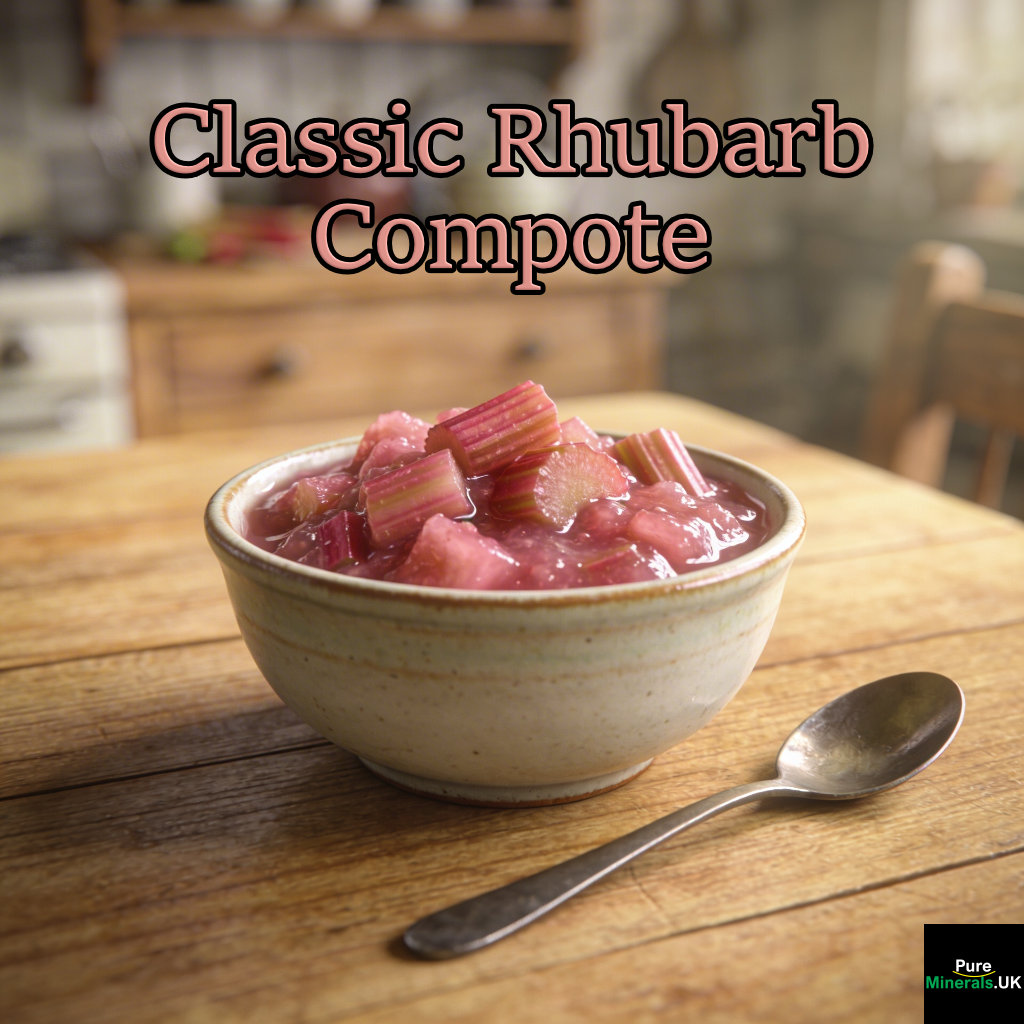
A rhubarb compote is the fastest, most versatile thing you can make with a handful of stalks. Combine 400 grams of chopped rhubarb with 100 grams of sugar and 2 tablespoons of water in a medium saucepan over medium-low heat. Stir occasionally and cook for 10 to 15 minutes until the rhubarb has broken down into a loose, jammy consistency. That’s genuinely it. You can add a split vanilla pod, a strip of orange zest, or a pinch of ground ginger during cooking to add depth — but the base recipe needs nothing else.
Use it spooned over plain Greek yogurt in the morning, stirred into oatmeal, layered in a parfait, or served warm over vanilla ice cream. It keeps refrigerated in a sealed jar for up to a week, and the flavor actually improves after a day as everything settles together.
Rhubarb Pie
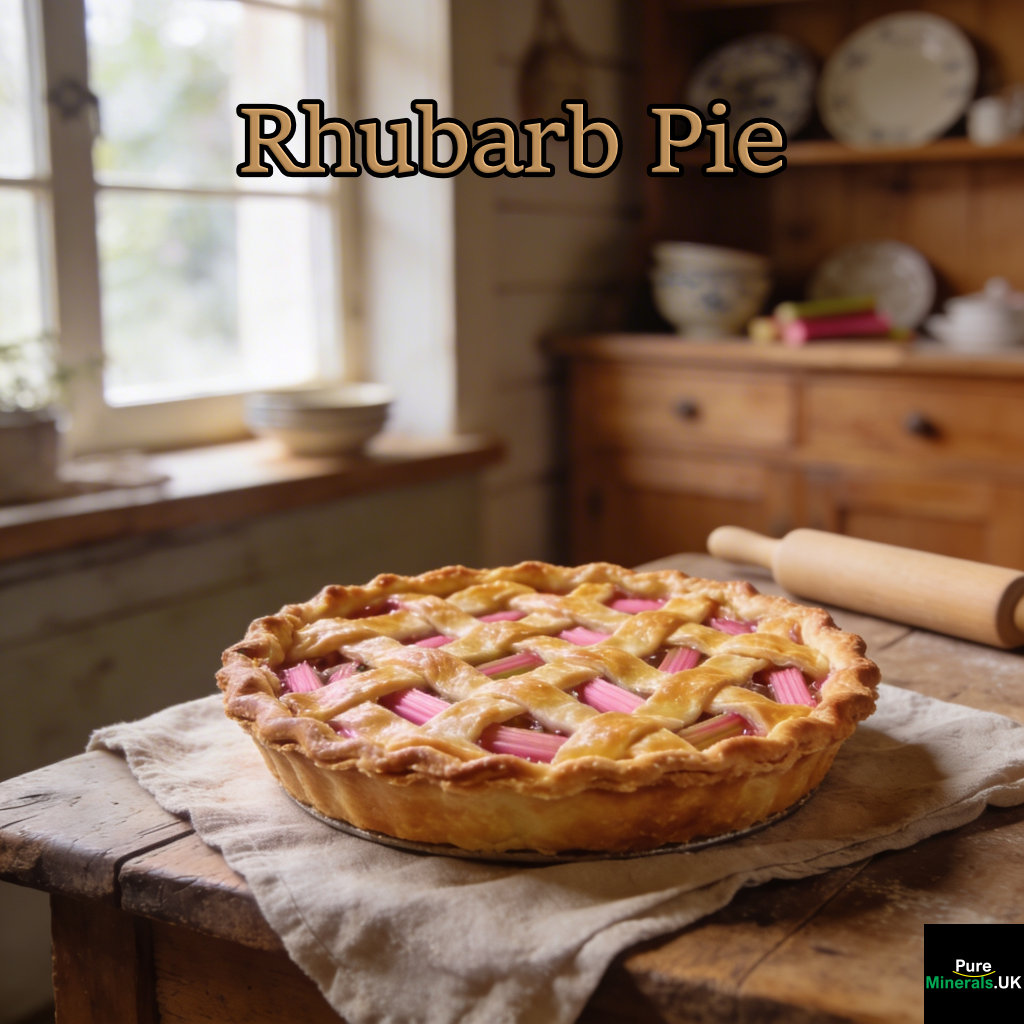
A classic rhubarb pie uses a simple filling of chopped rhubarb, sugar, cornstarch, and a touch of vanilla or orange zest, held between two layers of buttery shortcrust pastry. For a standard 9-inch pie, combine 600 grams of chopped rhubarb with 200 grams of sugar and 3 tablespoons of cornstarch — the cornstarch is critical for thickening the filling as it bakes, preventing a watery result.
Add the filling to your pastry-lined pie dish, top with a second pastry layer or a lattice, crimp the edges, brush with egg wash, and bake at 375°F (190°C) for 45 to 55 minutes until the crust is deep golden and the filling is visibly bubbling through the vents. If you’re interested in experimenting with other root vegetables, consider incorporating parsnips into your culinary creations.
Let the pie rest for at least 30 minutes before slicing — this is not optional. Rhubarb filling continues to thicken as it cools, and cutting into a hot pie will give you a liquid mess rather than clean slices. For a strawberry rhubarb variation, replace 200 grams of the rhubarb with fresh or frozen strawberries and reduce the sugar by 25 grams to account for the strawberries’ natural sweetness.
Strawberry Rhubarb Jam
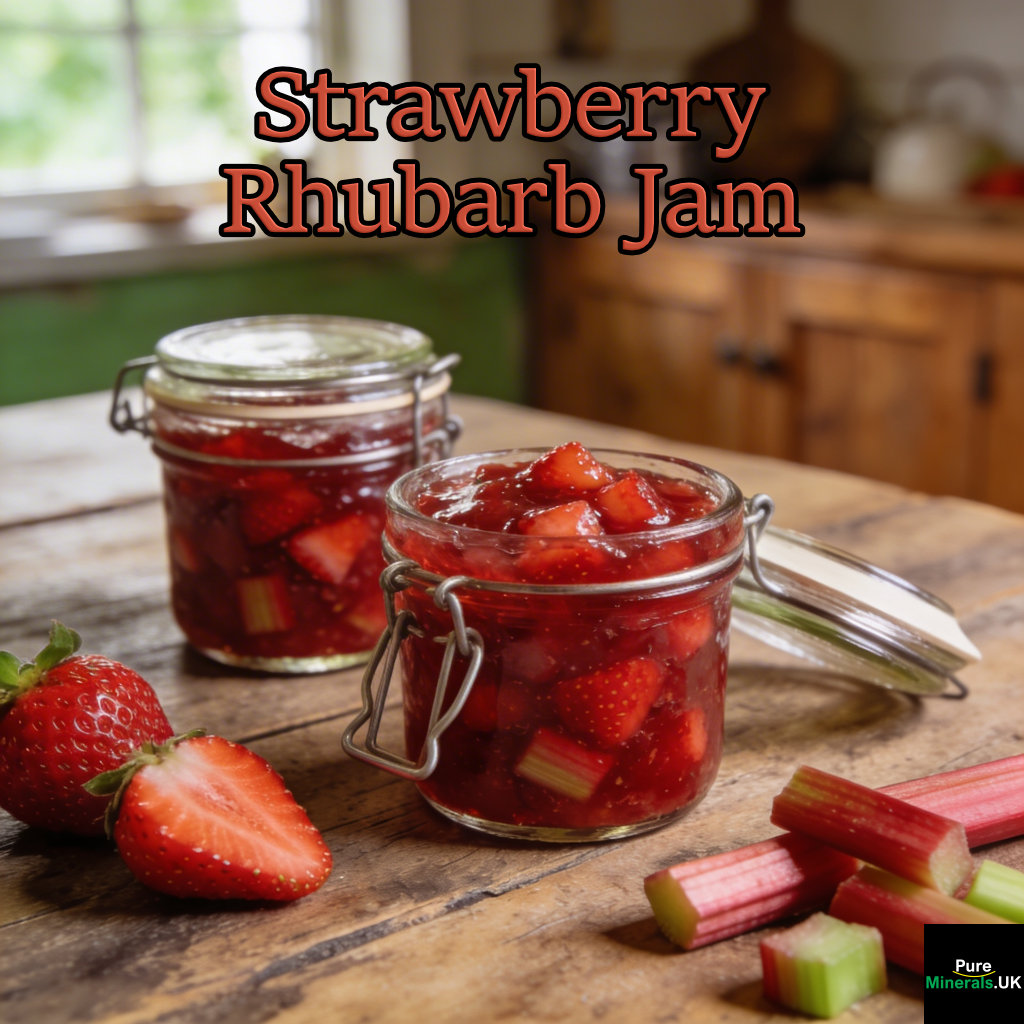
Combine 300 grams of chopped rhubarb, 300 grams of hulled strawberries, and 400 grams of sugar in a heavy-bottomed saucepan. Stir over medium heat until the sugar dissolves, then increase the heat and bring to a rolling boil. Cook for 20 to 25 minutes, stirring frequently and skimming any foam from the surface. Test for set by placing a small amount on a chilled plate — if it wrinkles when pushed with your finger, it’s ready. Pour into sterilized jars and seal immediately. This recipe yields approximately two standard 250ml jars and keeps for up to 12 months unopened, or 4 weeks in the refrigerator once open.
Rhubarb Is Worth Adding to Your Diet — With One Caution
Nutrient
Amount per 100g (raw)
% Daily Value
Calories
21 kcal
—
Carbohydrates
4.5g
—
Dietary Fiber
1.8g
~6%
Vitamin K1
29 mcg
~24%
86 mg
~7%
Vitamin C
~5 mg
~4%
Potassium
288 mg
~6%
Source: USDA Food Data Central — Rhubarb, Raw
Rhubarb is a low-calorie, fiber-containing vegetable with a genuine antioxidant profile — specifically anthocyanins and proanthocyanidins — and a standout vitamin K1 content that supports bone health and blood clotting. For most people eating it in normal culinary amounts, it’s a flavorful, functional addition to a varied diet that doesn’t require any special management.
The one real caution is its oxalate content. Rhubarb is one of the highest dietary sources of calcium oxalate of any commonly consumed plant, which means it can interfere with calcium absorption and, in individuals prone to kidney stones or with chronic kidney conditions, may contribute to stone formation with frequent high-quantity consumption. If that describes your health profile, talk to your doctor or a registered dietitian before making rhubarb a regular part of your diet.
For everyone else, the practical takeaway is straightforward: eat the stalks, discard the leaves without exception, balance the sourness thoughtfully, and enjoy one of the more underrated plants in the produce aisle.
Important note: Rhubarb
Only the stalks of rhubarb are suitable for consumption; the leaves contain high levels of oxalic acid and other compounds that may be harmful if ingested. This article is provided for educational purposes only and does not constitute medical advice. Individuals with specific dietary concerns, particularly related to oxalate intake, should consult a qualified healthcare professional before making significant dietary changes.
Frequently Asked Questions
Rhubarb raises a lot of questions — especially for people encountering it for the first time or trying to understand how it fits into a health-conscious eating pattern. Here are the most common ones, answered directly.
- Is rhubarb a fruit or a vegetable?
- Can you eat rhubarb raw?
- How much rhubarb is safe to eat per day?
- Does cooking rhubarb reduce its oxalic acid content?
- Is rhubarb safe for people with kidney stones?
These questions come up repeatedly because rhubarb sits in an unusual position — it’s biologically a vegetable but culinarily treated as a fruit, it has genuine nutritional value alongside a real safety consideration, and most people have limited experience cooking with it. The answers below cut through the confusion.
Is rhubarb a fruit or a vegetable?
Rhubarb is botanically a vegetable — it’s the stalk of a plant, not the seed-bearing structure that defines a fruit biologically. However, the USDA officially classifies rhubarb as a fruit based on its primary culinary use in sweet preparations like pies, jams, and compotes. So the answer depends on whether you’re asking a botanist or a customs official — biologically it’s a vegetable, legally and culinarily it’s treated as a fruit. Learn more about other vegetables, like radish, that are often used in culinary dishes.
Can you eat rhubarb raw?
Yes, you can eat rhubarb raw — but most people find it extremely unpleasant due to its intense sourness. The high organic acid content, particularly oxalic and malic acid, makes raw rhubarb taste aggressively tart in a way that’s difficult to appreciate without sweetening.
That said, some people do enjoy dipping raw rhubarb stalks in sugar and eating them like a snack — a tradition particularly common in the UK and parts of Northern Europe. If you want to try raw rhubarb, start with a small piece dipped in a little sugar or honey to temper the sharpness.
From a nutritional standpoint, raw rhubarb retains slightly more vitamin C than cooked rhubarb, since vitamin C degrades with heat. However, the difference is not dramatic enough to make raw consumption meaningfully superior from a health perspective — and most people will simply eat more rhubarb overall if it’s cooked into something enjoyable, which matters more for actual nutrient intake.
How much rhubarb is safe to eat per day?
There’s no universally established upper limit for rhubarb consumption in healthy adults, but moderation is the practical guideline — particularly because of its oxalate content. Eating a typical serving of 100 to 200 grams a few times per week is considered reasonable for most healthy people. Consuming large quantities daily over an extended period is not recommended, especially without adequate hydration, as high oxalate intake over time can contribute to kidney stone formation even in otherwise healthy individuals.
People on anticoagulant medications like warfarin should also be mindful of rhubarb’s high vitamin K1 content, since vitamin K directly affects how these medications work. If you’re on blood thinners, consistent — rather than wildly variable — vitamin K intake is what most clinicians recommend, so adding rhubarb regularly to your diet is something worth flagging with your healthcare provider.
Does cooking rhubarb reduce its oxalic acid content?
Cooking rhubarb does reduce its oxalic acid content to some degree. Heat breaks down oxalic acid, and boiling in particular — especially when the cooking water is discarded — can leach out a meaningful portion of the oxalates. One practical approach for people concerned about oxalate intake is to blanch chopped rhubarb in boiling water for a few minutes, discard the water, and then proceed with the recipe using the blanched rhubarb. For those interested in other vegetables with similar cooking methods, okra can also be blanched to reduce its nutrient content.
However, it’s important to be realistic about the scale of reduction. Cooking does not eliminate oxalates — it reduces them. Rhubarb remains a high-oxalate food even after cooking, particularly compared to most common vegetables. If oxalate reduction is a genuine medical concern for you, blanching helps, but it doesn’t transform rhubarb into a low-oxalate food.
Is rhubarb safe for people with kidney stones?
People with a history of calcium oxalate kidney stones — the most common type — are generally advised to limit high-oxalate foods, and rhubarb is near the top of that list. Rhubarb is among the richest dietary sources of calcium oxalate of any commonly eaten plant, which means it can contribute meaningfully to urinary oxalate levels when consumed in significant amounts.
That doesn’t necessarily mean a complete lifetime ban on rhubarb for everyone with a history of stones — but it does mean the conversation needs to happen with a urologist or dietitian who knows your specific stone history, urine chemistry results, and overall dietary oxalate load. Context matters enormously here.
People with other kidney conditions, including chronic kidney disease, should also approach rhubarb with caution due to both its oxalate and potassium content. Impaired kidneys are less able to clear excess oxalates and electrolytes from the bloodstream, which can create complications that wouldn’t affect someone with healthy kidney function.
For healthy individuals with no history of kidney stones or kidney disease, rhubarb in normal dietary amounts presents no documented safety concern — enjoy it freely as part of a varied, plant-forward diet.
Rhubarb is a versatile vegetable that plays a significant role in various culinary dishes. Known for its tart flavor, it is often paired with sweet ingredients to create delightful desserts. In addition to its culinary uses, rhubarb is rich in organic acids and provides numerous health benefits. If you’re interested in exploring similar vegetables, you might want to learn more about napa cabbage, which also offers a unique taste and nutritional benefits.