

Published: 22 March 2026
Last Updated: 26 March 2026
This article is periodically reviewed and updated to reflect current scientific understanding by Vic George.
Fact-Checked: 3 other authoritative medical/scientific references. See our Editorial Policy.
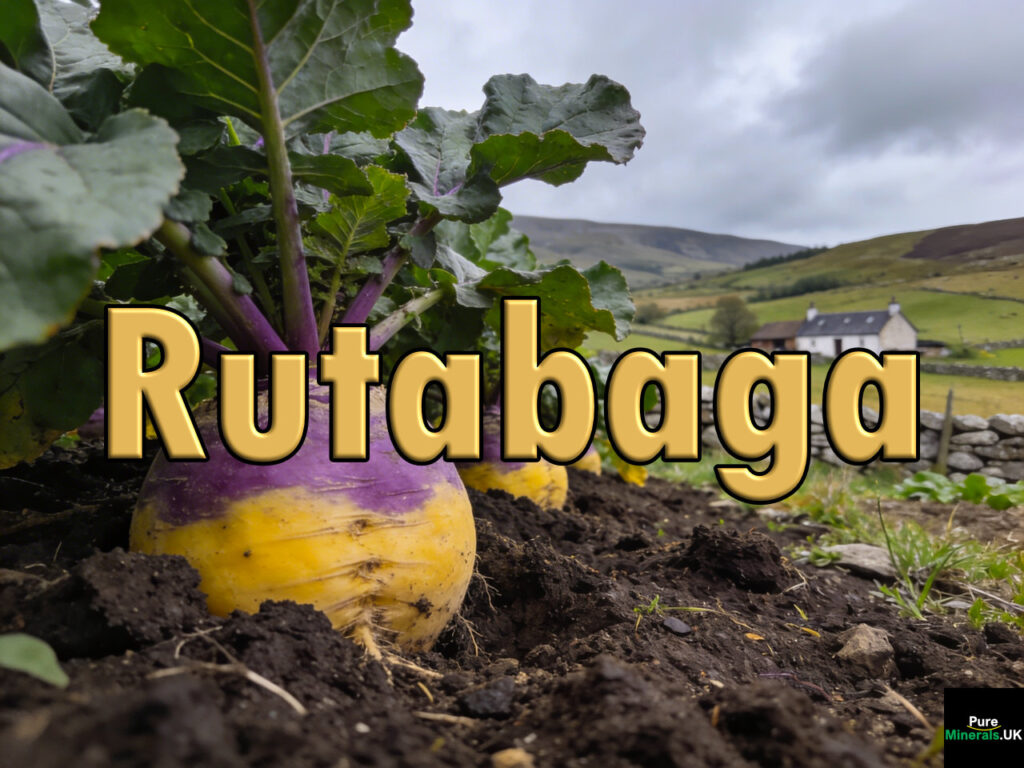
What Is Rutabaga?
Rutabaga (pronounced ruh-to-bay-guh), commonly known as swede and neeps in the UK, is a root vegetable derived from Brassica napus var. napobrassica. It is valued for its dense flesh, mild sweetness, and nutritional content, including fiber, vitamin C, potassium, and glucosinolate compounds.
Definition-
Rutabaga is the edible swollen root of Brassica napus var. napobrassica, a member of the Brassicaceae family, consumed as a root vegetable.
Extended Definition
Rutabaga belongs to the Brassicaceae family, which includes cabbage, kale, broccoli, and mustard greens. It is believed to be a hybrid between cabbage (Brassica oleracea) and turnip (Brassica rapa), combining characteristics of both plants.
The edible portion is a swollen root structure that develops underground, functioning as a storage organ for nutrients. The flesh is typically yellow or cream-colored, with a firm texture that softens upon cooking.
Nutritionally, rutabaga provides complex carbohydrates, dietary fiber, vitamin C, potassium, and small amounts of B vitamins. Vitamin C contributes to antioxidant processes and normal immune function, while potassium supports fluid balance and nerve signaling.
As a cruciferous vegetable, rutabaga contains glucosinolates, sulfur-containing compounds involved in plant defense. When the plant tissue is cut or chewed, these compounds are converted by the enzyme myrosinase into isothiocyanates and related compounds.
Rutabaga also contains polyphenols and other phytochemicals that contribute to plant resilience and biochemical stability.
Compared with non-starchy vegetables, rutabaga has a moderate energy density due to its carbohydrate content. It is commonly prepared by boiling, mashing, roasting, or adding to soups and stews.
Key Facts
Botanical name: Brassica napus var. napobrassica
Plant family: Brassicaceae
Common classification: Root vegetable (cruciferous)
Origin: Northern Europe
Edible part: Swollen root
Typical color: Purple and yellow exterior with yellow or cream interior
Primary nutrients: Carbohydrates, fiber, vitamin C, potassium
Key phytonutrients: Glucosinolates, isothiocyanates, polyphenols
Energy density: Moderate
Notable compounds: Sulfur-containing phytochemicals typical of cruciferous vegetables
Culinary uses: Boiling, mashing, roasting, soups, and stews
Article-At-A-Glance
- One medium rutabaga (386g) delivers significant amounts of vitamin C, potassium, fiber, and disease-fighting glucosinolates — all for under 150 calories.
- Glucosinolates, the sulfur-containing compounds in rutabaga, break down into isothiocyanates when chewed — compounds linked to reduced risk of colorectal, prostate, and breast cancer.
- Rutabaga is often confused with turnips, but the two are nutritionally and botanically distinct — keep reading to find out which one packs more of a nutritional punch.
- The antioxidants lutein, beta-carotene, and vitamins C and E found in rutabaga work together to combat oxidative stress and inflammation.
- Whether you roast, mash, or eat it raw, rutabaga is one of the most versatile and underrated root vegetables you can add to your plate.
This root vegetable has been quietly sitting in the produce aisle, wildly underestimated — and the nutrition data makes that hard to justify.
Rutabaga is a cruciferous root vegetable most commonly recognized as a staple of Northern European cooking. It goes by several names — “swede” in the UK, “Swedish turnip” across parts of Europe — but regardless of what you call it, the nutritional profile is impressive. For health-conscious eaters looking to diversify their vegetable intake beyond the usual suspects, rutabaga deserves a serious look. Nutrition-forward resources have increasingly spotlighted rutabaga as one of those underrated whole foods that consistently delivers across multiple health categories.
Rutabaga Is More Nutritious Than Most People Realize
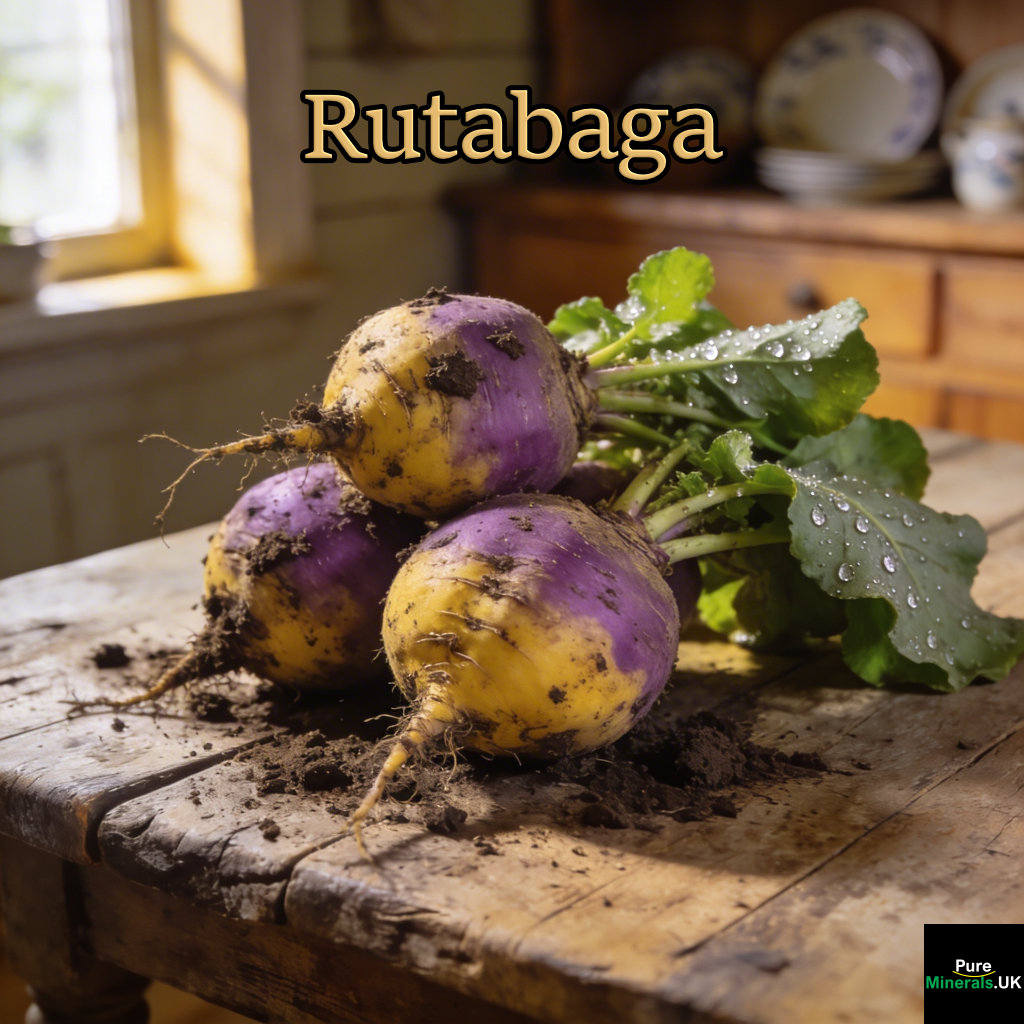
Most people walk past rutabaga without a second thought. It looks like an oversized, waxy turnip, and its unfamiliar appearance doesn’t help. But behind that rough exterior is a vegetable loaded with fiber, antioxidants, anti-inflammatory compounds, and a unique class of phytochemicals that few other vegetables can match.
Compare Rutabaga with Turnips.
What Exactly Is a Rutabaga?
Rutabaga is a root vegetable that most likely originated as a natural cross between a turnip and wild cabbage. This hybrid origin is actually key to understanding why it’s so nutritionally dense — it inherited beneficial traits from both parent plants, including the glucosinolate content typical of cruciferous vegetables like cabbage, broccoli, and kale.
The vegetable has a round shape, yellowish flesh, and a purplish-brown skin. Its flavor is earthy and slightly sweet with a peppery bite — noticeably stronger than a radish when raw, but mellow and almost buttery when cooked. It thrives in cool climates, which is why it became a dietary cornerstone in Scandinavia, Scotland, and Canada.
Quick Fact: The word “rutabaga” comes from the Swedish dialect word rotabagge, meaning “root bag.” In many parts of the UK and Australia, it is still exclusively called “swede.”
Rutabaga vs. Turnip: Key Differences
Rutabaga and turnip are frequently mixed up, but they are distinct vegetables. Rutabagas are larger, denser, and take longer to cook. They also have a higher natural sugar content, which is why they caramelize beautifully when roasted. Nutritionally, rutabaga edges out the turnip in several key areas — particularly in vitamin C, potassium, and overall caloric density for the nutrients provided. Turnips have a slightly sharper, more bitter flavor, while rutabaga tends to be sweeter and creamier once cooked.
Rutabaga Nutritional Profile: What One Medium Rutabaga Contains
The numbers speak for themselves. One medium rutabaga weighing approximately 386 grams provides a broad spectrum of macronutrients, vitamins, and minerals that make it a genuinely functional food — not just a filler vegetable.
Nutrient | Amount (per 386g rutabaga) |
|---|---|
Calories | ~143 kcal |
Carbohydrates | ~33g |
Dietary Fiber | ~9g |
Protein | ~4.5g |
Vitamin C | High — supports immune function |
Potassium | Significant — supports heart health |
Magnesium | Present — supports muscle and nerve function |
Calcium | Present — supports bone health |
Vitamin E | Present — antioxidant protection |
Folate | Good source — supports cell growth |
Macronutrients: Calories, Carbs, Fiber, and Protein
At roughly 143 calories for an entire medium-sized vegetable, rutabaga is an incredibly calorie-efficient food. Nearly a third of that comes from dietary fiber — around 9 grams — which is substantial for a root vegetable. The carbohydrate content is moderate, making it a better option than starchy vegetables like white potatoes for those managing blood sugar. It also provides a small but meaningful amount of plant-based protein at around 4.5 grams per medium vegetable.
Key Vitamins: Vitamin C and Vitamin E
Vitamin C is one of rutabaga’s headline nutrients. This water-soluble vitamin plays a critical role in immune defense, collagen synthesis, and neutralizing free radicals. Rutabaga also contains vitamin E, a fat-soluble antioxidant that works at the cellular membrane level to prevent oxidative damage. Together, these two vitamins create a complementary antioxidant system that helps protect tissues throughout the body. Rutabaga’s vitamin profile also includes folate, vitamin K, and B vitamins — rounding out its micronutrient value considerably.
Key Minerals: Potassium, Magnesium, and Calcium
Rutabaga is a reliable source of potassium, which supports healthy blood pressure and cardiovascular function. Magnesium is present in meaningful amounts, contributing to muscle contraction, nerve signaling, and energy metabolism. Calcium adds to bone health support, while trace amounts of selenium, copper, and iron further bolster its mineral credentials. This breadth of mineral content is part of what makes rutabaga genuinely useful as a dietary staple rather than just an occasional side dish. For more on vegetables rich in minerals, explore potatoes and their benefits.
Glucosinolates: The Most Powerful Compound in Rutabaga
If there is one reason to prioritize rutabaga above other root vegetables, it is the glucosinolate content. These sulfur-containing organic compounds are what set cruciferous vegetables apart from all other food groups in terms of their potential protective effects against chronic disease.
What Glucosinolates Are and How They Work
Glucosinolates are a class of secondary plant metabolites found almost exclusively in cruciferous vegetables. In rutabaga, they are present in significant concentrations and serve as the source of the vegetable’s characteristic pungent, slightly bitter flavor. On their own, glucosinolates are biologically inactive. Their power is unlocked through a very specific mechanism — one that begins the moment you start chewing.
How Chewing Activates Glucosinolates Into Isothiocyanates
When rutabaga is chewed or chopped, plant cells are ruptured, which triggers an enzymatic reaction. The enzyme myrosinase is released and comes into contact with glucosinolates, converting them into biologically active compounds called isothiocyanates. These isothiocyanates are the molecules responsible for the bulk of rutabaga’s documented health benefits — including its anti-inflammatory and anti-cancer properties.
This is an important detail for cooking. Heat can deactivate the myrosinase enzyme, which means heavily boiled or overcooked rutabaga may produce fewer isothiocyanates than raw or lightly cooked rutabaga. Light steaming or roasting is generally preferable to maximize glucosinolate activation while still making the vegetable palatable and digestible.
Glucosinolates and Cancer Risk Reduction
The research connecting glucosinolates to reduced cancer risk is one of the most compelling reasons to eat rutabaga regularly. The isothiocyanates produced from glucosinolate breakdown have been shown to interfere with cancer cell development at multiple stages — inhibiting tumor growth, triggering apoptosis (programmed cell death) in abnormal cells, and reducing the ability of carcinogens to damage DNA.
Rutabaga’s glucosinolate content has been specifically linked to reduced risk of colorectal, prostate, and breast cancer. These are not minor associations — cruciferous vegetables as a food group have been among the most consistently studied in cancer prevention research, and rutabaga sits firmly within that category. Eating rutabaga as part of a diet rich in varied cruciferous vegetables represents one of the most evidence-supported dietary strategies for long-term cancer risk reduction.
Anti-Inflammatory and Heart Disease Protection
Chronic inflammation is a root driver of cardiovascular disease, and rutabaga addresses this through two pathways simultaneously. First, its glucosinolates and their isothiocyanate derivatives actively suppress inflammatory signaling at the cellular level. Second, the potassium content in rutabaga supports healthy blood pressure by counterbalancing the effects of sodium, a direct mechanism for reducing cardiovascular strain.
The fiber in rutabaga adds another layer of heart protection. Soluble fiber binds to cholesterol in the digestive tract and helps remove it from the body before it can accumulate in arterial walls. Combined with the antioxidant activity of vitamins C and E, rutabaga delivers a multi-pronged approach to cardiovascular health that few single foods can match.
7 Health Benefits of Rutabaga
Rutabaga’s health benefits aren’t isolated to one system or function — they span digestion, immunity, cellular health, weight management, and chronic disease prevention. That kind of broad-spectrum impact is what separates genuinely functional foods from those that simply check one or two nutritional boxes. For example, radishes also offer similar health benefits, making them another excellent choice for a healthy diet.
What makes rutabaga particularly valuable is the synergy between its nutrients. Vitamin C enhances the antioxidant activity of other compounds. Fiber feeds the gut microbiome, which in turn regulates inflammation. Glucosinolates reduce oxidative stress while simultaneously supporting detoxification pathways in the liver. These aren’t isolated effects — they build on each other.
Below is a breakdown of the seven most well-supported health benefits of rutabaga, grounded in its documented nutritional and phytochemical profile.
Key Insight: Rutabaga’s benefits are most pronounced when it is consumed as part of a consistently varied, plant-rich diet. No single food is a silver bullet, but rutabaga is one of the most nutritionally efficient vegetables you can add to your regular rotation.
With that context established, here is what the evidence actually supports about other vegetables like radish.
1. May Reduce Risk of Colorectal, Prostate, and Breast Cancer
Rutabaga is particularly high in glucosinolates — sulfur-containing compounds that break down into isothiocyanates during digestion. These compounds have been shown to help fight cancer by interfering with the development and spread of cancer cells, making rutabaga one of the more compelling cancer-fighting foods available in the produce aisle.
The cancers most consistently associated with cruciferous vegetable consumption in research include colorectal, prostate, and breast cancer. The mechanisms are well-documented: isothiocyanates inhibit enzymes that activate carcinogens, induce detoxification enzymes in the liver, and promote apoptosis in pre-cancerous cells. The specific glucosinolates in rutabaga contribute meaningfully to each of these pathways.
- Glucosinolates break down into isothiocyanates when rutabaga is chewed or chopped
- Isothiocyanates inhibit carcinogen-activating enzymes in the body
- These compounds promote programmed cell death in abnormal or pre-cancerous cells
- Rutabaga’s sulfur compounds support liver detoxification pathways that neutralize harmful substances
- Regular cruciferous vegetable consumption — including rutabaga — is associated with reduced risk of colorectal, prostate, and breast cancer
To get the most from these compounds, aim for light cooking methods rather than heavy boiling, which can degrade the myrosinase enzyme needed to convert glucosinolates into their active form.
2. Fights Oxidative Stress With Antioxidants
Rutabaga contains a powerful combination of antioxidants — vitamins C and E, carotenoids including lutein and beta-carotene, and glucosinolate-derived compounds — that collectively neutralize free radicals and reduce oxidative damage throughout the body. Oxidative stress is a key driver of aging, inflammation, and chronic disease, and rutabaga’s antioxidant density makes it an effective dietary tool for keeping it in check. Vitamin C works in water-based environments within cells, while vitamin E operates at the fat-soluble membrane level — together, they provide complementary protection across different biological compartments.
3. Supports Healthy Digestion Through Dietary Fiber
With approximately 9 grams of dietary fiber in a single medium rutabaga, this vegetable is a meaningful contributor to gut health. Dietary fiber feeds beneficial bacteria in the gut microbiome, supports regular bowel movements, and helps reduce the risk of colorectal cancer by keeping the intestinal lining healthy and reducing transit time for potentially harmful compounds. Learn more about the benefits of dietary fiber from other vegetables like okra.
Both soluble and insoluble fiber are present in rutabaga. Soluble fiber slows digestion and helps stabilize blood sugar levels, while insoluble fiber adds bulk to stool and promotes efficient elimination. This combination makes rutabaga particularly useful for people managing digestive irregularity, blood sugar fluctuations, or elevated cholesterol.
4. May Help Prevent Premature Aging
The antioxidant activity of rutabaga — particularly from vitamins C and E — plays a direct role in slowing the cellular damage associated with premature aging. Vitamin C is essential for collagen synthesis, which maintains skin elasticity and structural integrity in connective tissue. Meanwhile, the carotenoids in rutabaga, including beta-carotene, contribute to skin health and help protect against UV-induced oxidative damage at the cellular level. Eating rutabaga regularly as part of an antioxidant-rich diet is one of the more practical strategies for supporting long-term cellular health from the inside out.
5. Supports Weight Management Due to Low Calorie Density
At roughly 143 calories for an entire medium-sized vegetable, rutabaga offers high volume, significant fiber, and genuine satiety at a very low caloric cost. The fiber content slows gastric emptying, which extends the feeling of fullness after a meal — a critical mechanism for reducing overall caloric intake without relying on willpower alone. For anyone replacing higher-calorie starchy vegetables like white potatoes with rutabaga, the calorie savings are meaningful while the nutritional gain is substantial.
6. Promotes Heart Health
Rutabaga supports cardiovascular health through several overlapping mechanisms. Its potassium content helps regulate blood pressure by opposing the vasoconstrictive effects of sodium. Its soluble fiber reduces LDL cholesterol absorption in the gut. And its glucosinolates reduce systemic inflammation — one of the primary drivers of arterial plaque buildup and cardiovascular disease progression. Learn more about other vegetables, like radish, that also support heart health.
Heart Health Snapshot: Rutabaga contributes to cardiovascular protection through potassium (blood pressure regulation), soluble fiber (LDL cholesterol reduction), and glucosinolate-derived anti-inflammatory compounds — three distinct but complementary mechanisms in a single food.
Folate, also present in rutabaga, plays a supporting role in heart health by helping regulate homocysteine levels in the blood. Elevated homocysteine is an independent risk factor for cardiovascular disease, and adequate folate intake is one of the key dietary strategies for keeping it within a healthy range.
Adding rutabaga to meals two to three times per week — whether roasted, mashed, or added to soups and stews — can contribute meaningfully to a heart-healthy dietary pattern without requiring any dramatic dietary overhaul.
7. Carotenoids Provide Additional Anti-Inflammatory Support
Beyond glucosinolates, rutabaga contains a meaningful concentration of carotenoids — plant pigments that function as both antioxidants and anti-inflammatory agents. The two most notable carotenoids in rutabaga are lutein and beta-carotene, both of which have well-established roles in reducing inflammatory markers and protecting against oxidative tissue damage.
Beta-carotene is a provitamin A carotenoid, meaning the body can convert it into vitamin A as needed. Vitamin A supports immune function, vision health, and skin integrity. Lutein has been specifically studied for its role in eye health, particularly in reducing the risk of age-related macular degeneration. Research published via the National Institutes of Health has highlighted lutein and similar carotenoids as compounds with known support for eye and cellular health.
- Lutein: Supports eye health and reduces the risk of age-related macular degeneration
- Beta-carotene: Converts to vitamin A in the body; supports immune function, vision, and skin health
- Combined antioxidant effect: Carotenoids work alongside vitamins C and E to reduce systemic oxidative stress
- Anti-inflammatory action: Carotenoids suppress inflammatory pathways that contribute to chronic disease development
The carotenoid content in rutabaga is another reason why lightly cooking rather than aggressively boiling this vegetable is the smarter preparation choice — carotenoids are fat-soluble, meaning they are better absorbed when rutabaga is prepared with a small amount of healthy fat, such as olive oil, during roasting.
How to Add Rutabaga to Your Diet
Getting rutabaga into your regular meal rotation is easier than most people expect. Once you get past peeling its waxy skin — a sharp chef’s knife works better than a vegetable peeler here — the flesh is straightforward to work with and adapts well to almost any cooking method you already use with potatoes or carrots.
Raw vs. Cooked: Does Cooking Affect Glucosinolate Content?
Glucosinolate Retention by Cooking Method:
Raw: Maximum glucosinolate retention — myrosinase enzyme fully active, highest isothiocyanate production when chewed.
Light steaming (5–7 minutes): Good retention — some enzyme loss but gut bacteria can partially compensate for conversion.
Roasting (400°F / 200°C): Moderate retention — carotenoid bioavailability increases with added fat; glucosinolate loss is partial.
Boiling (15+ minutes): Significant glucosinolate loss into cooking water — lowest retention of active compounds.
Microwaving (short duration): Comparable to light steaming — reasonable retention with minimal water contact.
Yes, cooking method matters — but not so dramatically that you need to eat rutabaga raw to benefit from it. The myrosinase enzyme that converts glucosinolates into their active isothiocyanate form is heat-sensitive, which means heavy boiling does reduce the potency of rutabaga’s most powerful compounds. However, research has shown that gut microbiota can partially compensate for this loss by performing their own conversion of glucosinolates — so even cooked rutabaga delivers meaningful benefits.
The practical takeaway is straightforward: roasting and steaming are your best everyday cooking methods. Roasting at around 400°F (200°C) with a drizzle of olive oil not only preserves more glucosinolates than boiling, but it also enhances the bioavailability of fat-soluble carotenoids like beta-carotene and lutein simultaneously. That combination — preserved glucosinolates plus enhanced carotenoid absorption — makes roasted rutabaga one of the most nutritionally efficient preparations.
If you do boil rutabaga, consider using the cooking water in soups or stews. A portion of the glucosinolates that leach into the water remain biologically active, meaning you can recover some of that nutritional value rather than pouring it down the drain.
Simple Ways to Prepare and Cook Rutabaga
Preparation Method | Best Used For | Notes |
|---|---|---|
Roasting (cubed, 400°F) | Side dishes, grain bowls | Toss with olive oil, salt, and herbs; caramelizes beautifully |
Mashing | Low-calorie potato substitute | Mix with butter, garlic, or cauliflower for a creamy texture |
Soups and stews | Hearty winter meals | Holds its shape well; absorbs broth flavors deeply |
Raw (grated or julienned) | Slaws, salads | Peppery bite; pairs well with apple, carrot, and citrus dressings |
Steamed | Quick side dish | 5–7 minutes; season simply with lemon and olive oil |
Fries (oven-baked) | Healthy snack or side | Cut into strips, coat lightly with oil and paprika, bake at 220°C (425°F) |
Mashed rutabaga is one of the most popular ways to use this vegetable, and for good reason — the cooked flesh becomes naturally creamy and slightly sweet, making it a genuinely satisfying lower-calorie alternative to mashed white potatoes. Add roasted garlic, a knob of butter, and a pinch of nutmeg, and you have a side dish that outperforms its potato counterpart nutritionally while holding its own at the table.
For something quicker, rutabaga fries are a weeknight staple worth adopting. Cut the peeled rutabaga into even strips, toss with olive oil, smoked paprika, and sea salt, and roast at 220°C for around 25 to 30 minutes, flipping halfway through. They crisp up on the outside while staying tender inside — and they deliver fiber, vitamins, and glucosinolates in a format that almost anyone will eat without complaint.
Raw rutabaga is genuinely underused. Grated into a winter slaw with shredded carrot, apple, and a lemon-tahini dressing, it adds crunch, nutrition, and a pleasant peppery flavor. This is also the preparation method that preserves the most glucosinolate activity, so it is worth incorporating into your routine even if cooked preparations are your go-to.
Burns Night and “Neeps”

There is something incredibly soul-warming about a plate of Haggis, Neeps, and Tatties. It’s the ultimate comfort food—salty, peppery, earthy, and buttery. While the haggis is the star of the show, the “Neeps” (rutabaga) provide a necessary sweetness to cut through the richness.
Here is how to prepare a traditional Burns Night supper.
Ingredients
This recipe serves 4 people.
Ingredient | Amount | Notes |
Haggis | 1 lb (approx. 500g) | High-quality, traditional or vegetarian. |
Rutabaga (Neeps) | 1 large | Peeled and chopped into chunks. |
Potatoes (Tatties) | 1.5 lbs (700g) | Use floury potatoes (like Maris Piper or Russet). |
Butter | 4 tbsp | Divided between the neeps and tatties. |
Milk or Cream | 1/4 cup | For the potatoes. |
Salt & Pepper | To taste | Don’t be shy with the black pepper. |
Nutmeg | A pinch | Optional, for the Neeps. |
Instructions
Prepare the Haggis
- Most store-bought haggis is pre-cooked and just needs thorough reheating.
- Wrap the haggis tightly in foil and simmer it in a pot of water (don’t let it boil vigorously or the casing might burst) for about 45–60 minutes.
You can also bake it in the oven at 180°C for the same amount of time.
Prepare the Tatties (mashed potatoes)
- Boil the peeled potato chunks in salted water until tender (about 15–20 minutes).
- Drain and let them steam-dry in the pot for a minute—this ensures your mash isn’t watery.
- Mash thoroughly with half the butter and the milk/cream until smooth. Season well.
Prepare the Neeps (mashed rutabaga)
- Boil the rutabaga chunks in salted water. Note that rutabaga is denser than potatoes and may take 20–25 minutes to become soft enough to mash.
- Drain well. Unlike potatoes, neeps can be quite “wet,” so mashing them with a bit of extra butter and plenty of black pepper is key.
- Add a pinch of nutmeg to enhance the earthy sweetness.
Serve
Traditionally, the three components are served side-by-side or stacked using a food ring for a more modern presentation.
The Finishing Touch: Whisky Sauce
No Burns Night is complete without a “dram” of Scotch whisky, but many prefer to pour a creamy whisky sauce over the dish. Simmer heavy cream, a splash of Scotch, a teaspoon of Dijon mustard, and a squeeze of lemon until thickened.
Rutabaga’s Role Across Global Cuisines
Rutabaga has been a culinary fixture in Northern Europe for centuries, and the way different cultures use it reveals just how versatile this vegetable actually is. In Scotland, it is a foundational ingredient in neeps and tatties — mashed rutabaga and potato served alongside haggis, particularly on Burns Night every January 25th. The dish is so culturally embedded that “neeps” is simply the everyday Scottish word for rutabaga.
In Scandinavia, rutabaga appears in rotmos, a traditional Swedish mashed root vegetable dish, and in Finnish cuisine, it stars in lanttulaatikko — a baked rutabaga casserole seasoned with cream, eggs, and nutmeg that is a staple of the Christmas table. These traditional preparations reflect how well rutabaga pairs with warming spices and dairy, and they have remained largely unchanged for generations because they simply work.
In North America, rutabaga features prominently in Canadian cooking — particularly in Atlantic Canada, where it has been a dietary staple since the 18th century. It appears in pot pies, stews, and as a standard side vegetable in traditional Maritime cooking. More recently, rutabaga has found its way into modern plant-based and low-carb cuisines as a potato alternative, extending its culinary reach well beyond its Northern European roots and into the mainstream health food space.
The Bottom Line on Rutabaga’s Nutritional Value
Rutabaga is one of the most nutritionally complete root vegetables available, delivering dietary fiber, vitamins C and E, potassium, magnesium, folate, carotenoids, and — most importantly — glucosinolates that convert into disease-fighting isothiocyanates. All of this comes packaged in a low-calorie, high-volume food that is versatile, affordable, and available year-round in most grocery stores.
The case for eating rutabaga more regularly is not built on hype — it is built on a convergence of fiber, antioxidants, anti-inflammatory compounds, and cancer-protective phytochemicals that work together in ways that few individual foods can replicate. Whether your priority is gut health, heart health, weight management, or long-term cancer risk reduction, rutabaga consistently addresses all of these areas in a single, underrated vegetable.
If you are already eating broccoli, kale, or Brussels sprouts for their cruciferous vegetable benefits, rutabaga belongs in that same rotation. And if you are not yet eating cruciferous vegetables regularly, rutabaga — with its mild sweetness when cooked and extraordinary nutritional density — is one of the most accessible entry points into this category of functionally powerful foods, much like napa cabbage.
Important note: Rutabaga
Rutabaga is widely recognized as safe to eat. As with other cruciferous vegetables, it contains naturally occurring compounds that may interact with certain metabolic conditions when consumed in unusually large quantities. This article is provided for educational purposes only and does not constitute medical advice. Individuals with specific dietary concerns should consult a qualified healthcare professional before making significant dietary changes.
Frequently Asked Questions
Rutabaga generates a lot of questions from people who are either new to the vegetable or curious about how it compares to more familiar options. The answers below address the most common points of confusion directly and practically.
These questions also reflect a broader shift in how health-conscious eaters are thinking about root vegetables — moving away from blanket avoidance of carbohydrates toward a more nuanced, nutrient-density-focused approach that recognizes the meaningful differences between a rutabaga and a white potato.
Is Rutabaga Healthier Than a Turnip?
Rutabaga is generally considered more nutritionally dense than a turnip. It contains more calories, but also significantly more fiber, vitamin C, potassium, and natural sugars — making it more satiating and nutritionally comprehensive. Both are cruciferous vegetables with glucosinolate content, but rutabaga edges out the turnip in overall micronutrient breadth. If you are choosing between the two purely on nutritional value, rutabaga is the stronger option in most dietary contexts.
Can You Eat Rutabaga Raw?
Yes — raw rutabaga is completely safe to eat and nutritionally superior in terms of glucosinolate activity. The myrosinase enzyme responsible for converting glucosinolates into active isothiocyanates remains fully intact in raw rutabaga, maximizing the production of cancer-protective compounds when you chew it. Raw rutabaga has a firm, crunchy texture and a peppery, mildly bitter flavor that works well grated into slaws, thinly sliced into salads, or cut into sticks for dipping. The flavor mellows significantly with cooking, so if raw rutabaga feels too sharp, light steaming for 5 to 7 minutes softens both the texture and the taste while preserving most of its nutritional value.
How Much Rutabaga Should You Eat Per Day?
There is no established single daily serving requirement for rutabaga specifically, but general guidance for cruciferous vegetables from nutrition research suggests aiming for at least two to three servings of cruciferous vegetables per week to meaningfully benefit from their glucosinolate content. A standard serving of rutabaga is approximately one cup of cubed raw vegetable, which weighs around 140 grams.
For most healthy adults, eating rutabaga two to four times per week as part of a varied diet is a practical and beneficial target. If you are rotating it alongside other cruciferous vegetables like broccoli, cabbage, and kale, even one to two servings of rutabaga weekly contributes meaningfully to your overall intake of fiber, antioxidants, and anti-inflammatory compounds.
One consideration worth noting: rutabaga contains goitrogens — compounds that can interfere with thyroid hormone synthesis in very large quantities. This is generally only a concern for individuals with pre-existing thyroid conditions who are consuming extremely large amounts of raw cruciferous vegetables daily. For the vast majority of people, eating rutabaga in normal dietary quantities poses no thyroid-related risk, especially when it is cooked, which substantially reduces goitrogenic activity.
- Aim for 1 cup (approximately 140g) as a standard serving
- Target 2–4 servings per week for consistent glucosinolate and fiber benefits
- Rotate with other cruciferous vegetables — broccoli, kale, cabbage — for maximum phytochemical diversity
- If you have a thyroid condition, consult your healthcare provider about raw cruciferous vegetable intake
- Cooking rutabaga significantly reduces goitrogenic compounds while preserving most other nutritional benefits
Ultimately, the right amount of rutabaga is simply whatever amount you will consistently eat. Nutritional benefits compound over time with regular consumption — a modest serving twice a week sustained over months outperforms a large serving eaten once and forgotten. If you’re interested in exploring other root vegetables, consider adding parsnips to your diet for variety.
Is Rutabaga Good for Weight Loss?
Rutabaga is an excellent choice for weight management. Its combination of high fiber content, significant water content, and low caloric density creates genuine satiety at a low caloric cost — the fundamental equation that makes any food supportive of weight loss. At around 143 calories for an entire medium-sized vegetable, it is one of the most filling foods per calorie available in the produce section.
Used as a substitute for white potatoes — in mashes, roasted dishes, or soups — rutabaga can reduce the caloric load of a meal meaningfully without sacrificing volume, texture, or satisfaction. This is a practical, sustainable dietary adjustment that does not require calorie counting or portion restriction in the traditional sense. Eating more rutabaga naturally displaces higher-calorie options.
The fiber in rutabaga also plays a direct role in weight regulation beyond simple satiety. It slows gastric emptying, stabilizes post-meal blood sugar levels, and feeds a healthy gut microbiome — all of which are factors that influence appetite regulation, energy metabolism, and fat storage over time. Rutabaga is not a weight loss shortcut, but as a regular dietary component, it supports the biological conditions that make sustainable weight management possible.
Rutabagas are a versatile root vegetable that can be used in a variety of dishes. They are often compared to turnips, but have a sweeter flavor and a more robust texture. Rutabagas are rich in nutrients, including vitamin C, potassium, and fiber. They can be roasted, mashed, or added to stews and soups for a hearty meal.