

Published: 18 March 2026
This article is periodically reviewed and updated to reflect current scientific understanding by Vic George.
Fact-Checked: 1 other authoritative medical/scientific reference. See our Editorial Policy.
What Are Olives?
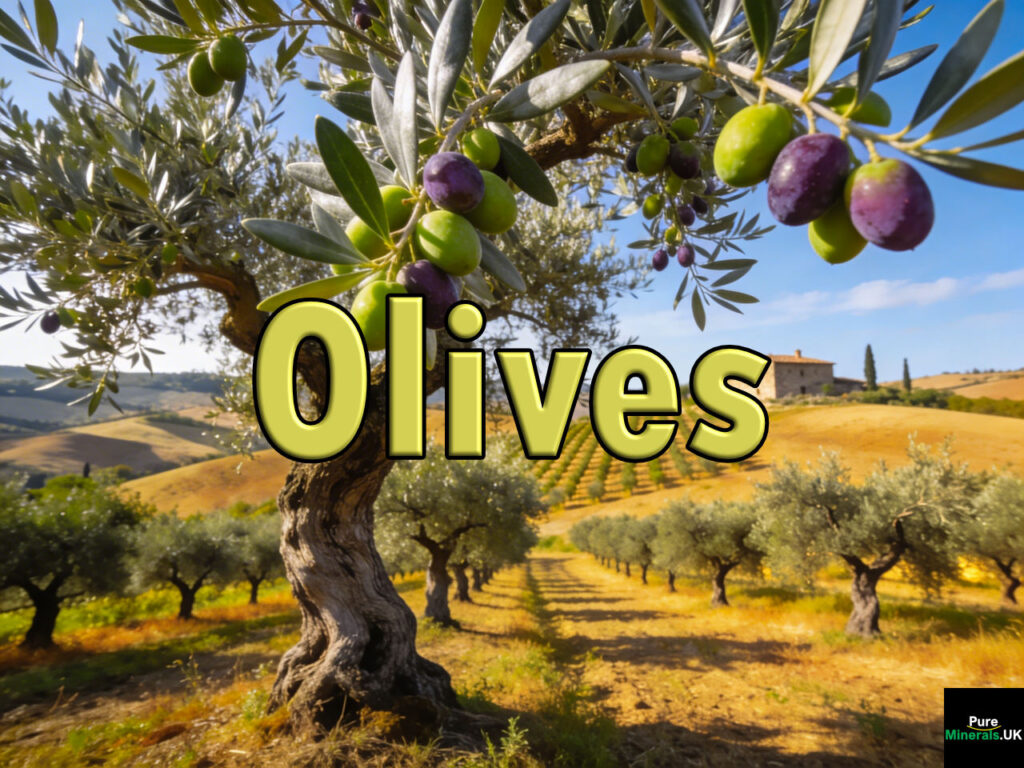
Olives are the edible fruits of Olea europaea, a tree cultivated for its lipid-rich drupes. Although botanically classified as fruits, olives are commonly consumed as a vegetable due to their savory flavor and culinary applications. They are valued for their monounsaturated fats, vitamin E, and polyphenolic compounds.
Definition
Olives are the edible drupes of Olea europaea, a member of the Oleaceae family, typically processed and consumed as a savory fruit or vegetable.
Extended Definition
Olives belong to the Oleaceae family and are classified botanically as drupes, meaning they consist of a fleshy outer layer surrounding a single hard pit (seed). The olive tree is native to the Mediterranean region and has been cultivated for thousands of years.
Fresh olives are naturally bitter due to the presence of oleuropein and related phenolic compounds. As a result, they are rarely consumed raw and typically undergo curing processes such as brining, fermenting, or dry curing to reduce bitterness and improve palatability.
Nutritionally, olives are notable for their high content of monounsaturated fatty acids, particularly oleic acid. These lipids serve as an energy source and are a defining feature of the fruit’s composition.
Olives also provide vitamin E, iron, copper, and small amounts of dietary fiber. Vitamin E functions as an antioxidant within plant tissues, while trace minerals contribute to various metabolic processes.
The fruit contains a range of polyphenols, including oleuropein, hydroxytyrosol, and other phenolic compounds. These compounds contribute to the olive’s flavor profile and serve protective roles within the plant.
The color of olives varies depending on the stage of ripeness and processing method, ranging from green (unripe) to black or purple (fully ripe or processed).
Olives are consumed whole, sliced, or incorporated into a variety of dishes, including salads, sauces, and Mediterranean-style preparations.
Key Facts
Botanical name: Olea europaea
Plant family: Oleaceae
Common classification: Fruit vegetable (drupe)
Origin: Mediterranean region
Edible part: Fruit (fleshy drupe)
Typical color: Green (unripe), black or purple (ripe or processed)
Primary nutrients: Monounsaturated fats (oleic acid), vitamin E, fiber
Key phytonutrients: Polyphenols (oleuropein, hydroxytyrosol), flavonoids
Energy density: Moderate to high
Notable compounds: Oleuropein, phenolic antioxidants
Culinary uses: Salads, tapenades, garnishes, cooked dishes
Key Takeaways
- Olives are packed with powerful antioxidants, healthy monounsaturated fats, and unique compounds like oleuropein and hydroxytyrosol that support heart health, reduce inflammation, and may help fight cancer.
- Five green olives stuffed with pimientos contain meaningful amounts of vitamin E, vitamin A, copper, calcium, and iron — all in a small, low-calorie serving.
- Black olives contain higher oil content but lower phenolic levels than green olives, making each variety uniquely suited for different health goals and culinary uses.
- The Mediterranean diet — one of the most studied diets in the world — puts olives and olive oil at its core, and the science behind why is worth understanding.
- Not all olives are equal: how they’re cured, their color, and their variety dramatically change their sodium content, antioxidant levels, and flavor profile.
See our Olive Oil Superfood page for info about Olive Oil.
Olives Are More Than Just a Pizza Topping

Most people know olives as a garnish or a pizza topping — but these small fruits are nutritional powerhouses with a history stretching back thousands of years. Native to the Mediterranean regions of Europe, Asia, and Africa, olives have been a dietary cornerstone for civilizations that understood, long before modern science confirmed it, that this little drupe was something special.
Olives are the foundation of the Mediterranean diet, one of the most researched and praised dietary patterns in nutritional science.
Whether eaten whole, blended into tapenade, or pressed into oil, olives deliver a dense nutritional profile in a surprisingly small package. Understanding exactly what’s inside them — and why it matters — changes how you think about adding them to your plate.
Olives Nutrition Facts
Olives sit at about 25% fat by composition, which sounds high until you realize that fat is predominantly heart-healthy monounsaturated fat — the same type found in avocados. They’re also naturally higher in sodium due to the curing and pickling process, which is worth keeping in mind for anyone monitoring salt intake.
Calories, Fat, and Carbohydrates
Five green olives stuffed with pimientos — a standard serving — offer a low-calorie snack with a satisfying fat content that helps promote satiety. Here’s what that serving typically contains, similar to other vegetables like okra:
- Calories: Approximately 20–25 calories
- Total Fat: 2–2.5g, primarily monounsaturated
- Carbohydrates: Under 1g
- Fiber: Around 0.5g
- Sodium: 150–250mg depending on curing method
- Protein: Less than 0.5g
Because olives are cured or pickled in salt brine, sodium is one of the most important variables to watch. Different curing styles — water-cured, brine-cured, dry-cured, and lye-cured — all result in different sodium levels. When sodium content is listed on the label, it’s worth checking.
Vitamins and Minerals in Olives
Beyond fat, olives deliver a solid range of micronutrients. Vitamin E is the headline act — a fat-soluble antioxidant that protects cells from oxidative damage. Alongside it, olives provide vitamin A for immune and eye health, copper for connective tissue and energy metabolism, calcium for bone density, and iron for oxygen transport in the blood. It’s a well-rounded micronutrient profile for something most people treat as an afterthought on a charcuterie board.
Olives vs. Olive Oil: Key Nutritional Differences
Pressing olives into oil concentrates the fat content dramatically while stripping away fiber and reducing some water-soluble nutrients. Whole olives retain their fiber, provide a lower caloric density per gram, and deliver the full matrix of phytonutrients in their natural form. Olive oil, on the other hand, delivers a far higher concentration of monounsaturated fats per serving and is easier to use as a primary cooking fat. Both are valuable — they just serve different nutritional roles.
Powerful Compounds Found in Olives
The real nutritional story of olives isn’t just vitamins and fat — it’s the unique bioactive compounds that set them apart from almost every other food. These phytonutrients are responsible for the bitterness of raw olives, the deep golden color of quality olive oil, and a growing body of research into their health-protective properties.
Oleuropein
Oleuropein is the dominant phenolic compound in olives and is largely responsible for their characteristic bitter taste. It’s found in the highest concentrations in unripe green olives, which is why green varieties tend to be more bitter than their black counterparts. The curing process reduces oleuropein levels, which is what makes commercially prepared olives palatable.
Research has linked oleuropein to cardiovascular protection, antioxidant activity, and anti-inflammatory effects. It’s one of the primary reasons olives are considered a functional food — meaning they provide benefits that go well beyond basic nutrition.
Hydroxytyrosol
Hydroxytyrosol is a metabolite of oleuropein and is considered one of the most potent antioxidants found in any food source. Studies have examined its role in protecting LDL cholesterol from oxidation — a key step in the development of arterial plaque and cardiovascular disease. It’s present in both olives and olive oil, though concentrations vary by variety and processing method.
What makes hydroxytyrosol particularly interesting is its bioavailability. Unlike many plant-based antioxidants that are poorly absorbed, okra is readily taken up by the body, meaning you actually get to use what you consume.
Polyphenols and Antioxidants
Compound
Primary Benefit
Found In
Oleuropein
Anti-inflammatory, cardiovascular protection
Green olives, olive leaves
Hydroxytyrosol
Antioxidant, LDL protection
Olives, olive oil
Vitamin E (Tocopherol)
Cell protection, immune support
All olive varieties
Quercetin
Anti-inflammatory, blood pressure support
Black and green olives
Luteolin
Antioxidant, potential anti-cancer activity
Olive fruit and oil
Both green and black olives are rich in phenolic compounds, but studies indicate that the antioxidants in black olives tend to be stronger in activity than those found in green olives. This is somewhat counterintuitive given that green olives have higher oleuropein levels — but antioxidant activity depends on the full polyphenol profile, not just one compound.
The polyphenol content of any olive also varies significantly based on the variety, growing region, harvest time, and how it was processed. Olives harvested earlier in the season generally contain higher phenolic concentrations. Varieties used primarily for oil production — such as Koroneiki, Coratina, Moraiolo, and Cornicabra — tend to have notably high polyphenol levels compared to table olive varieties.
For everyday eating purposes, the practical takeaway is straightforward: eating a variety of olives — green, black, and Kalamata — exposes you to a broader spectrum of these beneficial compounds than sticking to just one type.
Health Benefits of Eating Olives
With such a dense concentration of antioxidants, healthy fats, and bioactive compounds, it’s no surprise that olives are associated with a wide range of health benefits. From cardiovascular protection to potential cancer-fighting properties, the research on olives continues to expand — and the findings consistently point in the same direction.
Heart Health and Cholesterol
Olives are one of the few whole foods that directly support cardiovascular health through multiple mechanisms simultaneously. The monounsaturated fats — primarily oleic acid — help maintain healthy LDL and HDL cholesterol ratios. Meanwhile, hydroxytyrosol and other polyphenols actively prevent LDL cholesterol from oxidizing, which is the specific process that leads to arterial plaque buildup. Eating olives as part of a Mediterranean-style diet has been consistently associated with reduced risk of stroke and heart disease.
Anti-Inflammatory and Pain Relief Properties
Oleocanthal, a phenolic compound found in olives and extra-virgin olive oil, has been shown to inhibit the same inflammatory enzymes — COX-1 and COX-2 — that are targeted by ibuprofen. This isn’t a coincidence or loose comparison; researchers first identified oleocanthal specifically because the throat sensation it produces mimics that of liquid ibuprofen. While the concentration in a serving of olives isn’t equivalent to a pain reliever, regular consumption contributes to measurably lower systemic inflammation over time — which matters enormously for long-term health outcomes.
Cancer-Fighting Potential
The antioxidant compounds in olives — particularly oleuropein, hydroxytyrosol, and luteolin — have been studied for their potential to inhibit the growth of cancer cells. These compounds work by neutralizing free radicals that can damage DNA, disrupting signaling pathways that promote tumor growth, and triggering apoptosis (programmed cell death) in abnormal cells. Lab-based studies have shown promising results across multiple cancer types, including breast, colon, and stomach cancers.
It’s important to keep context here: most direct cancer research has been conducted in laboratory settings rather than large-scale human clinical trials. However, population studies consistently show that people following Mediterranean diets — with olives and olive oil as central components — have lower rates of certain cancers. The evidence is strong enough to make olives a smart addition to any cancer-prevention-focused diet.
Blood Sugar and Diabetes Risk Reduction
Olives have a negligible impact on blood sugar due to their very low carbohydrate content, making them an ideal snack for people managing or at risk of type 2 diabetes. But their benefit goes beyond simply being low-carb.
The oleic acid and polyphenols in olives have been shown to improve insulin sensitivity and reduce markers of oxidative stress — both of which are central to the development and progression of type 2 diabetes. Incorporating olives into meals that include higher-glycemic foods may help blunt post-meal blood sugar spikes.
Olives also pair naturally with foods that are already blood-sugar-friendly — leafy greens, legumes, lean proteins, and whole grains — making them an easy addition to a diabetes-conscious eating pattern. Here’s a quick summary of how olives support blood sugar regulation:
- Low glycemic impact: Minimal carbohydrates mean virtually no blood sugar spike
- Oleic acid: Supports insulin sensitivity at the cellular level
- Polyphenols: Reduce oxidative stress linked to insulin resistance
- Healthy fat content: Slows gastric emptying, reducing post-meal glucose surges
- Anti-inflammatory compounds: Help address chronic low-grade inflammation associated with metabolic syndrome
For anyone managing blood sugar through diet, olives are one of the most practical and flavorful tools available — and they require zero preparation to enjoy.
Bone and Gut Health
Studies suggest that the polyphenols found in olives may help protect against osteoporosis by supporting bone mineral density and reducing the markers of bone loss. Oleuropein in particular has shown the ability to stimulate osteoblast activity — the cells responsible for building new bone tissue. Olives also contain calcium and copper, both of which play direct roles in maintaining bone integrity. On the gut health side, olives provide dietary fiber that feeds beneficial gut bacteria, supporting a healthy microbiome and regular digestion.
Culinary Uses of Olives
Olives are one of the most versatile ingredients in the kitchen. They bring a briny, rich, umami depth to dishes that’s hard to replicate with anything else — and they work across a remarkable range of culinary applications, from raw snacking to slow-cooked stews.
Mediterranean Cooking Staples
In Mediterranean cuisine, olives are rarely an afterthought. They anchor dishes, build flavor bases, and serve as both ingredient and garnish. The following table outlines some of the most common Mediterranean uses for different olive varieties:
Olive Variety
Flavor Profile
Best Culinary Use
Kalamata
Rich, fruity, tangy
Greek salads, tapenades, grain bowls
Castelvetrano
Mild, buttery, slightly sweet
Snacking, antipasto boards, pasta
Niçoise
Earthy, nutty, slightly bitter
Salade Niçoise, roasted fish dishes
Cerignola
Crisp, mild, clean
Stuffed olives, cheese boards
Manzanilla
Firm, slightly bitter, briny
Pizza topping, cocktails, tapas
Spain, Italy, Greece, Turkey, and Morocco are the world’s dominant olive-producing nations, and each has developed distinct culinary traditions around the olive varieties native to their regions. Greek cuisine leans heavily on Kalamata olives in everything from salads to braised lamb dishes, while Spanish tapas culture has made Manzanilla olives — often stuffed with pimiento — an iconic bar snack.
The versatility of olives in Mediterranean cooking comes partly from how well their fat content carries flavor. When you add olives to a hot pan or slow braise, their oils meld into the surrounding sauce or base, distributing that distinctive briny, savory note throughout the entire dish rather than just appearing as isolated bites.
Olive Spreads, Tapenades, and Condiments
Tapenade — a Provençal spread made from blended olives, capers, anchovies, and olive oil — is one of the most flavor-efficient condiments you can keep in your kitchen. A small amount delivers enormous depth on crusty bread, grilled vegetables, roasted chicken, or as a base layer under a piece of seared fish. Traditional recipes use black olives, but green olive tapenade has a sharper, more herbaceous character that works particularly well with white meats and cheese.
Beyond tapenade, olives can be blended into salad dressings, folded into compound butters, or chopped finely and mixed into herb-forward relishes. Whole marinated olives — packed in olive oil with garlic, rosemary, lemon zest, and chili flakes — are one of the simplest and most impressive things you can set out as an appetizer, and they store well in the refrigerator for up to two weeks.
How to Buy and Store Olives
Quality varies significantly between olive products, and the choices you make at the store directly impact both flavor and nutritional value. Olives sold in jars or at an olive bar tend to be less processed than canned varieties, often retaining more of their natural polyphenol content. When buying jarred or brined olives, look for products with minimal ingredients — olives, water, salt, and perhaps a natural acidifier like lactic acid or citric acid is all you need on that label.
Once opened, jarred olives should be kept refrigerated and submerged in their brine to prevent oxidation and spoilage. Olives stored properly in their brine will typically keep for several weeks after opening. Avoid storing olives in warm or humid conditions, as this accelerates deterioration and can compromise both texture and flavor. If you buy fresh olives from an olive bar, plan to use them within a week.
Green vs. Black vs. Kalamata: Which to Choose
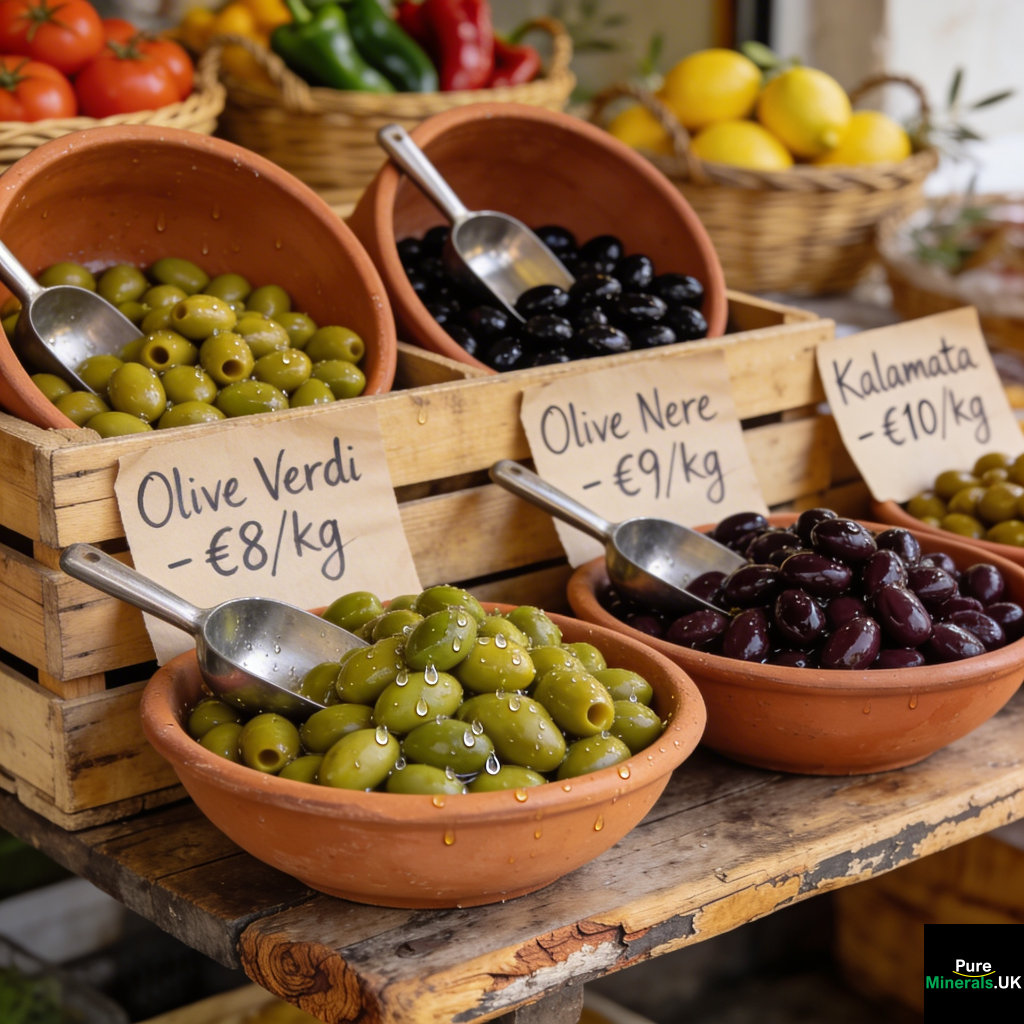
The color of an olive isn’t just a visual difference — it reflects the stage of ripeness at harvest. Green olives are picked before they fully ripen, giving them a firmer texture, higher oleuropein content, and a more bitter, assertive flavor. Black olives are left on the tree longer, developing a softer texture, higher oil content, and a milder taste. Canned black olives sold in the U.S. are often processed with ferrous gluconate to stabilize their dark color, which is worth knowing if you’re choosing based on natural ripeness.
Kalamata olives occupy their own category — they’re a specific Greek variety harvested when dark purple-black and cured in red wine vinegar brine, giving them a distinctly tangy, fruity flavor that neither standard green nor canned black olives can replicate. For nutritional density and flavor complexity, Kalamata olives are generally the strongest all-around choice for everyday eating.
How to Reduce Sodium in Canned Olives
If sodium is a concern, a simple rinse under cold water can reduce the sodium content of canned or brined olives by a meaningful amount without significantly affecting their flavor. For a more thorough reduction, soak rinsed olives in fresh water for 30 minutes before serving. This won’t strip the olive of its nutritional value or its characteristic taste — it simply pulls some of the surface and absorbed salt out of the flesh, making them a more sodium-conscious option without requiring you to switch products entirely.
3 Simple Olive Recipes to Try Today
You don’t need a culinary degree to cook well with olives — you just need to understand how their briny, rich flavor interacts with other ingredients. These three recipes range from a no-cook salad to a full baked pasta dish, and each one showcases a different way olives can elevate a meal.
Each recipe below uses olives as a core ingredient rather than a garnish, which means you’re getting a meaningful amount of their nutritional benefits in every serving — not just a decorative scattering on top.
1. Raw Veggie and Olive Salad
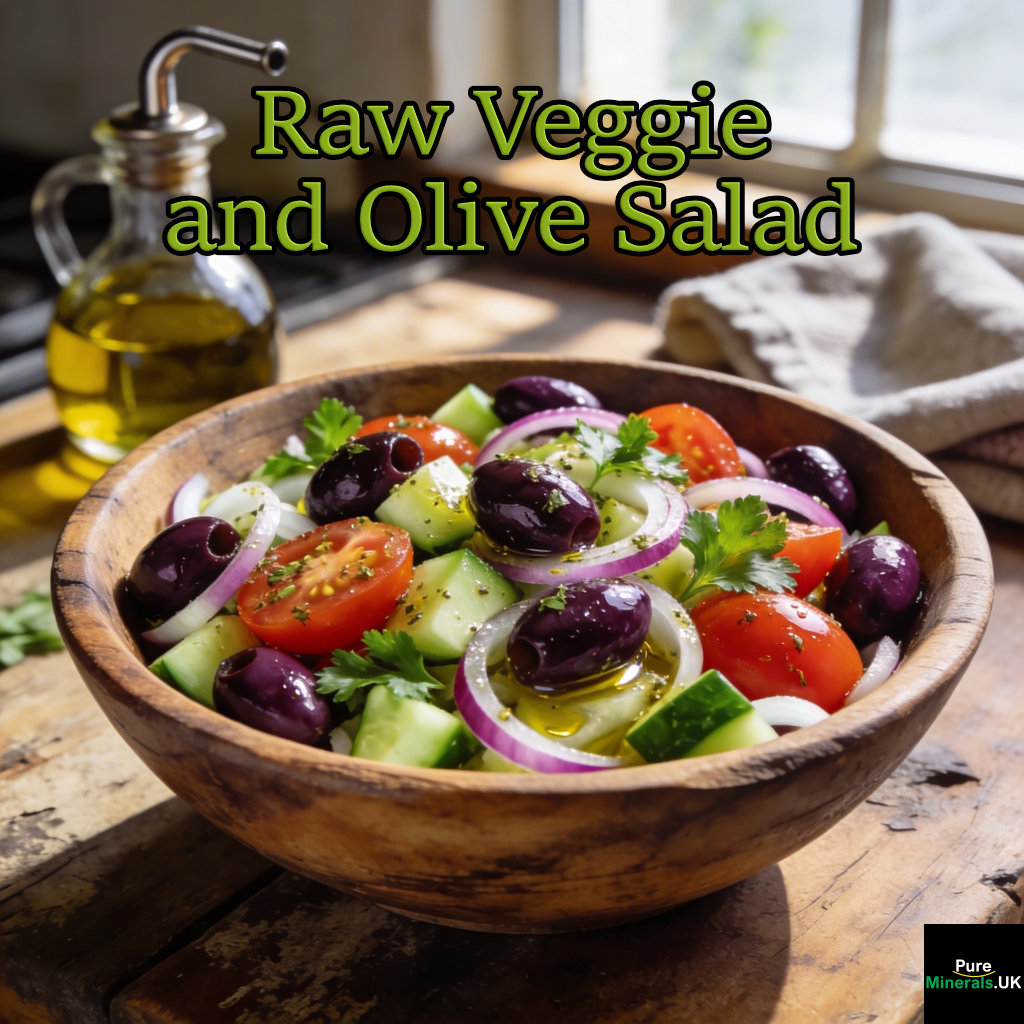
This is the kind of salad that comes together in under ten minutes and tastes like you planned it. Combine sliced Kalamata olives, halved cherry tomatoes, thinly sliced cucumber, red onion, and chopped fresh parsley in a large bowl. Dress with extra-virgin olive oil, red wine vinegar, a pinch of dried oregano, and cracked black pepper. The Kalamatas bring enough salt that you likely won’t need to add any — taste before you season.
What makes this salad nutritionally compelling is the combination of polyphenols from both the olives and the raw vegetables, with oleic acid from the olive oil helping your body absorb the fat-soluble carotenoids present in the tomatoes and cucumber skin. It’s a textbook example of whole foods working synergistically — and it tastes great. Serve it alongside grilled fish, roasted chicken, or simply with crusty sourdough bread.
2. Zucchini Skillet with Olives
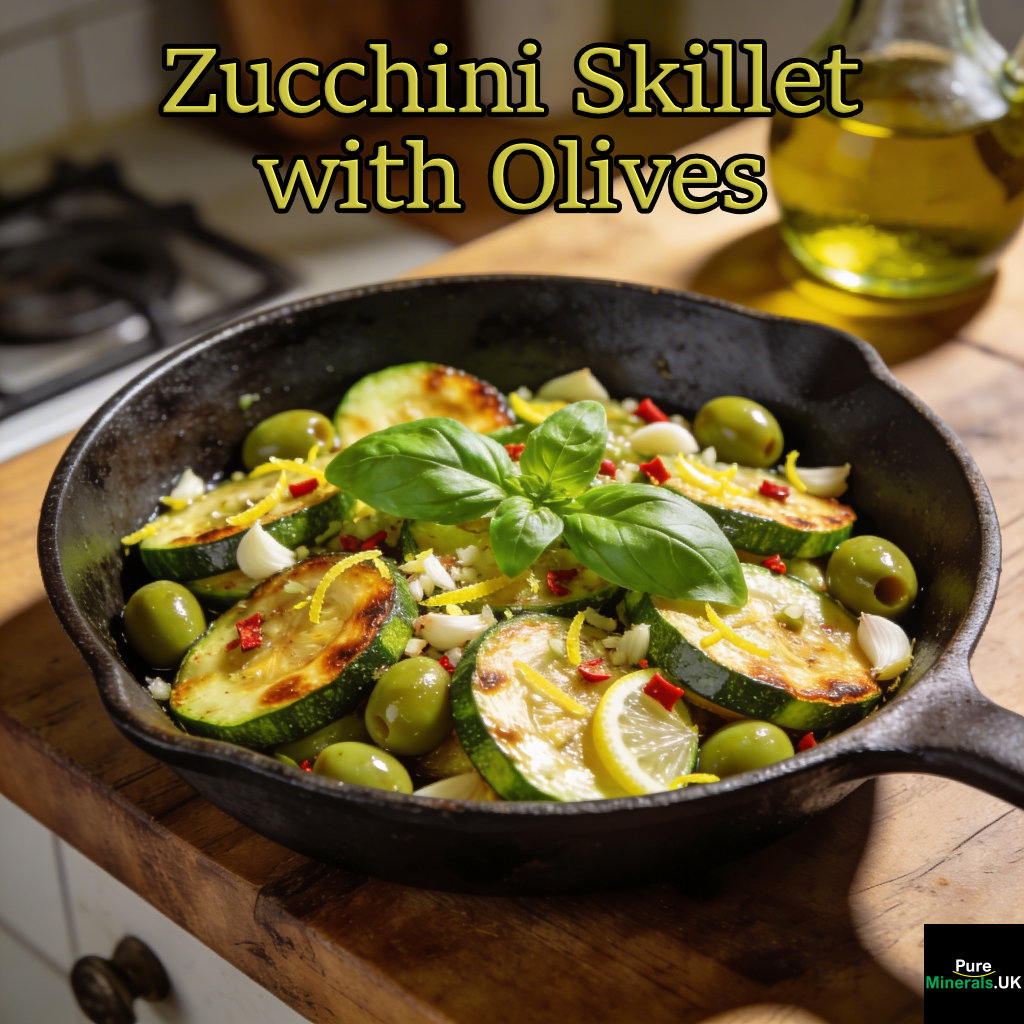
Heat a wide skillet over medium-high heat with two tablespoons of extra-virgin olive oil. Add two medium zucchinis sliced into half-moons, season lightly with salt, and cook undisturbed for two to three minutes until golden on one side. Toss in a handful of halved Castelvetrano or Manzanilla olives, two minced garlic cloves, a pinch of red pepper flakes, and the zest of half a lemon. Cook for another two minutes, finish with fresh basil or flat-leaf parsley, and serve immediately.
The Castelvetranos hold their shape well under heat and contribute a buttery richness that complements the natural sweetness of the zucchini without overpowering it. This works beautifully as a side dish or as a light main served over polenta or farro.
3. Olive and Vegetable Lasagna
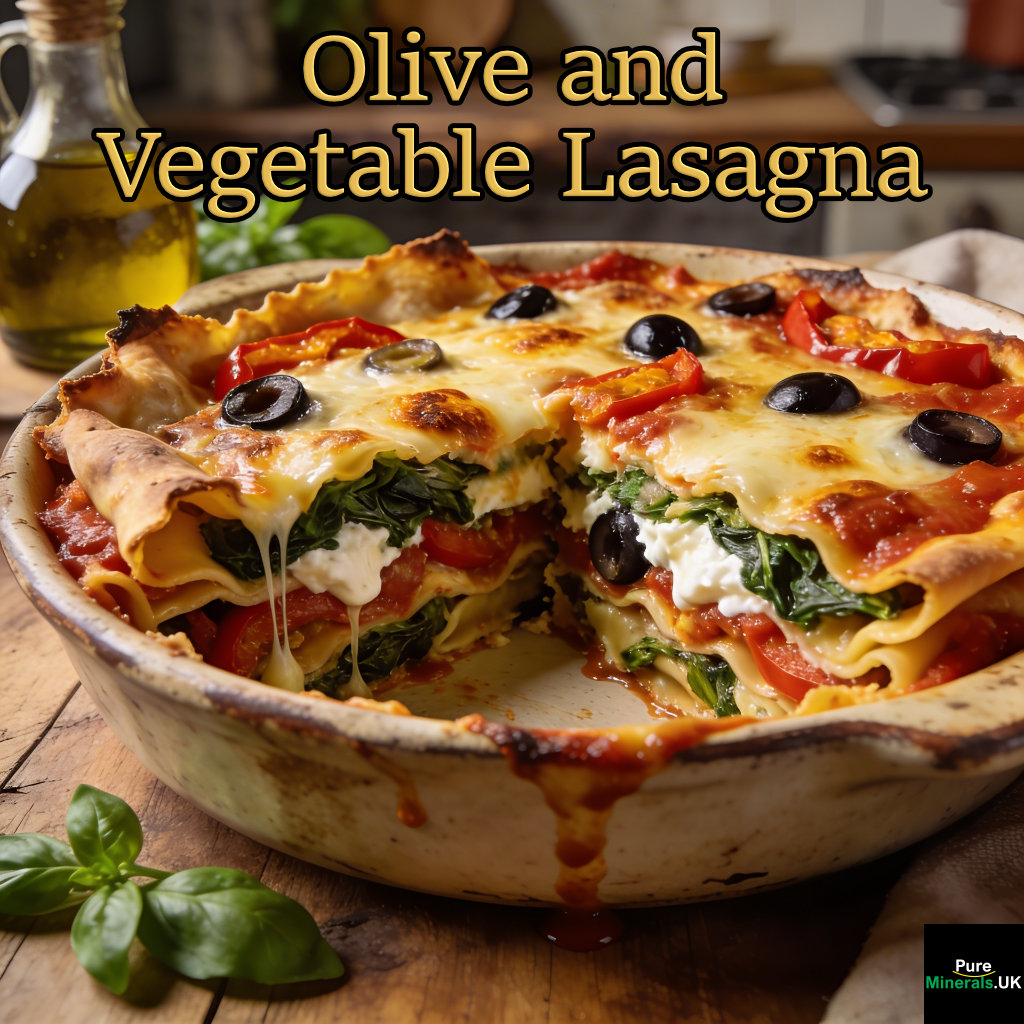
This recipe takes more time but delivers a deeply satisfying result. Build your lasagna with a base of sautéed spinach, roasted red peppers, sliced black olives, and a ricotta-Parmesan mixture seasoned with garlic, lemon zest, and fresh thyme. Layer these between standard lasagna noodles with a simple tomato sauce built from crushed San Marzano tomatoes, olive oil, and fresh basil. Finish the top layer with torn fresh mozzarella and a drizzle of extra-virgin olive oil before baking at 375°F covered in foil for 35 minutes, then uncovered for a final 15 minutes until bubbling and golden.
The black olives in this dish do something clever in a baked pasta context — they retain just enough texture to provide contrast against the soft noodles and creamy ricotta, while their salt content reduces how much additional seasoning the dish needs overall. Use a good quality canned black olive here, rinsed well before slicing, or upgrade to Niçoise olives if you want a more complex, earthy flavor running through every layer.
For best results, let the lasagna rest for at least 15 minutes after pulling it from the oven. This allows the layers to set, making it far easier to slice cleanly — and the flavor actually deepens slightly as it rests, a carry-over effect that applies to baked pasta dishes just as it does to roasted meats.
Olives Are Small But Worth Adding to Your Diet
Few ingredients deliver the combination that olives do — nutritional density, culinary versatility, deep flavor, and accessibility. Whether you’re eating five as a snack, building a Mediterranean salad, or folding them into a slow-cooked braise, olives consistently contribute more than most people expect from something so small. The research on their cardiovascular, anti-inflammatory, and antioxidant properties is compelling, and their place in one of the world’s healthiest dietary patterns is well earned.
Start simple: add a handful of Kalamata olives to your next salad, keep a jar of Castelvetranos on the counter for snacking, or try the zucchini skillet recipe this week. Once you start cooking with olives intentionally rather than reaching for them as an afterthought, you’ll quickly understand why Mediterranean cuisines have centered on them for thousands of years.
Important note: Olives
Olives are widely recognized as safe for consumption. Many commercially prepared olives are cured in brine and may contain significant amounts of sodium. This article is provided for educational purposes only and does not constitute medical advice. Individuals with specific dietary concerns should consult a qualified healthcare professional before making significant dietary changes.
Frequently Asked Questions
Here are answers to the most common questions people have about olives, their nutrition, and how to use them effectively. If you’re interested in learning about other nutritious vegetables, check out our guide on lettuce.
Are olives a fruit or a vegetable?
Olives are a fruit — specifically a drupe, which is a type of stone fruit in the same botanical category as peaches, cherries, and mangoes. They contain a pit (the olive stone), are produced by the flowering olive tree Olea europaea, and develop from the tree’s blossoms. The culinary world treats them more like a vegetable or condiment due to their savory flavor profile, but botanically, they are unambiguously a fruit, much like mangetout.
How many olives should you eat per day?
A standard serving of olives is around five to ten olives, depending on their size. This amount delivers meaningful nutritional benefits — healthy fats, antioxidants, vitamin E — while keeping sodium intake manageable. Most nutrition guidelines support enjoying olives daily as part of a balanced diet, provided the rest of your sodium intake is within a reasonable range. If you’re eating a higher-sodium diet overall, rinsing your olives before eating can help offset the cumulative salt load.
Are olives good for weight loss?
Olives can absolutely support a weight loss diet. Their fat content promotes satiety, meaning a small serving helps you feel full and satisfied between meals — which reduces overall calorie consumption without requiring willpower-intensive restriction. They’re also low in carbohydrates and have virtually no impact on blood sugar, making them compatible with low-carb, keto, and Mediterranean-style eating patterns.
The key, as with any calorie-containing food, is portion awareness. Ten olives contain roughly 40 to 50 calories, making them a smart, nutrient-dense snack that delivers far more nutritional value per calorie than most packaged snack options. Their combination of fat, fiber, and flavor makes them one of the more satisfying low-calorie foods you can keep on hand, similar to other nutrient-rich vegetables like mustard greens.
What is the difference between green and black olives?
Green olives are harvested before they fully ripen, making them firmer, more bitter, and higher in oleuropein — the compound most associated with olive’s anti-inflammatory benefits. Black olives are harvested at full ripeness, giving them a softer texture, higher oil content, and milder flavor. Studies show that black olives tend to have stronger overall antioxidant activity despite lower oleuropein levels, due to their broader polyphenol profile at full maturity. Both are nutritionally valuable — the choice between them largely comes down to flavor preference and culinary application.
Are olives safe to eat every day?
Consideration
Daily Olive Eating
Recommendation
Sodium Intake
Olives are high in sodium due to curing
Rinse before eating; monitor total daily sodium
Caloric Load
Moderate calories from healthy fat
Stick to 5–10 olives per serving
Antioxidant Benefit
Daily polyphenol intake supports long-term health
Vary olive types for broader compound coverage
Heart Health
Consistent oleic acid and polyphenol intake
Incorporate into Mediterranean-style meals
Digestive Tolerance
Generally well tolerated
Introduce gradually if gut-sensitive
For most healthy adults, eating olives every day is not only safe — it’s genuinely beneficial. The primary variable to manage is sodium, particularly for individuals with hypertension or kidney concerns. Beyond that, daily olive consumption aligns perfectly with the kind of long-term dietary patterns associated with cardiovascular health, reduced inflammation, and healthy aging.
The Mediterranean populations that have eaten olives daily for generations consistently show some of the best cardiovascular health outcomes in global research. That track record, combined with the growing body of clinical and observational evidence, makes olives one of the most confidently recommended daily foods in evidence-based nutrition.
Variety matters too. Rotating between green, black, and Kalamata olives ensures you’re drawing from a wider spectrum of bioactive compounds rather than narrowing your intake to just one phenolic profile. Pair them with other whole foods — leafy greens, legumes, quality proteins, and whole grains — and you have a dietary foundation that both tastes exceptional and holds up to the science.