

Published: 16 March 2026
This article is periodically reviewed and updated to reflect current scientific understanding by Vic George.
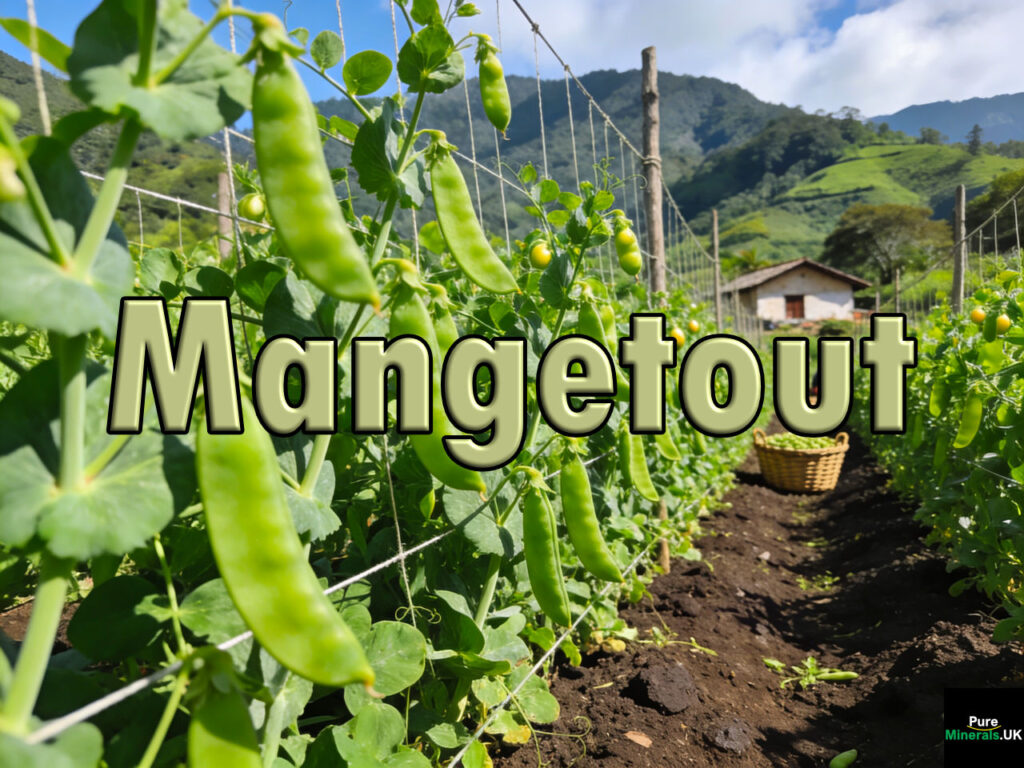
What Is Mangetout?
Mangetout, commonly known as snow peas, are the edible immature pods of Pisum sativum harvested before the seeds fully develop. Unlike garden peas, both the pod and the undeveloped seeds are consumed, giving the vegetable a crisp texture and mild sweetness.
Definition
Mangetout are the edible immature pods of Pisum sativum, a member of the Fabaceae family, consumed as a pod vegetable.
Extended Definition
Mangetout belongs to the Fabaceae family, which includes legumes such as beans, lentils, chickpeas, and soybeans. The plant produces slender pods that contain small developing seeds.
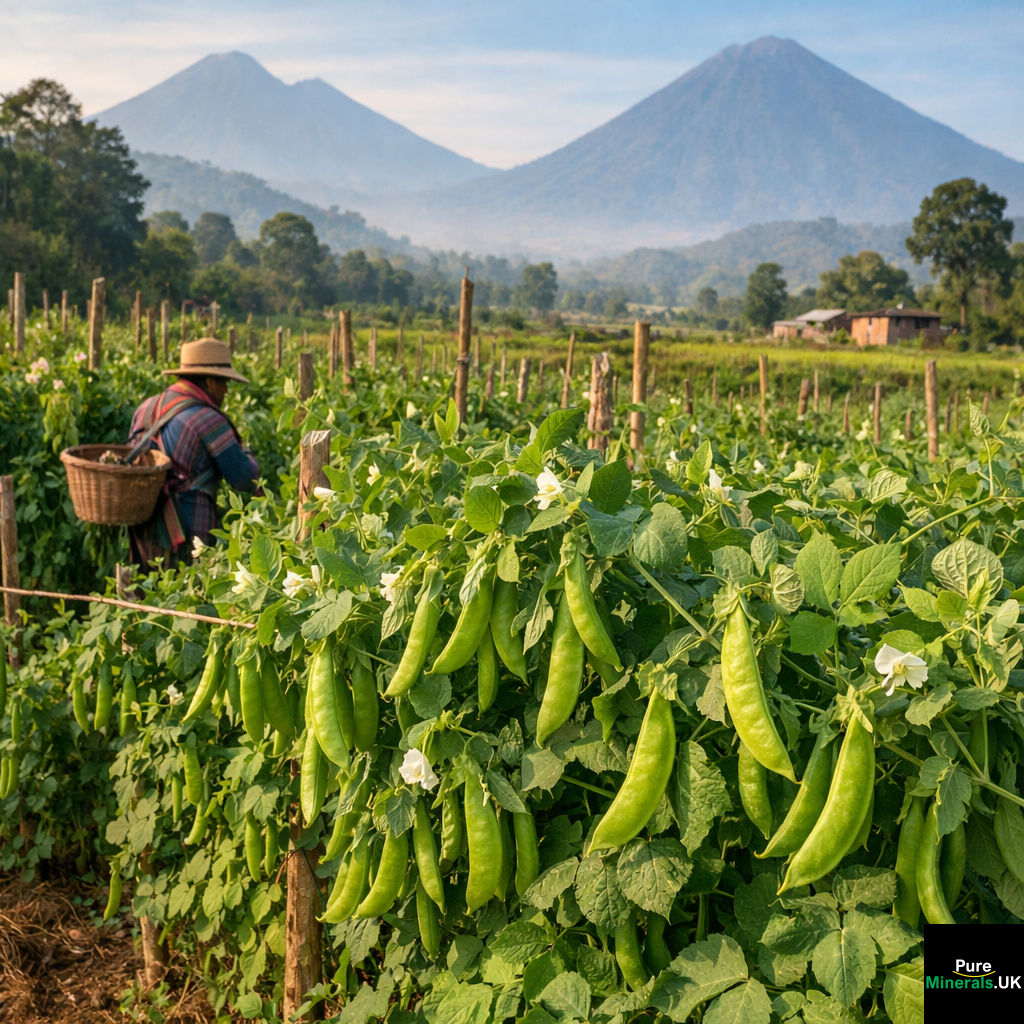
The vegetable is grown commercially by large-scale agricultural companies in Guatemala, Peru, and Zimbabwe to ensure a year-round supply. It is also widely cultivated by home gardeners in the UK and Europe during the growing season. Popular varieties include Carouby de Maussanne and Oregon Sugar Pod.
The term “mangetout” originates from the French phrase meaning “eat all,” referring to the fact that the entire pod is consumed rather than just the seeds. This distinguishes mangetout from garden peas, where the seeds are removed from the pod before eating.
The pods are harvested while still flat and tender, before the seeds enlarge and the pod walls become fibrous. This early harvest stage results in a crisp texture and delicate flavor.
Nutritionally, mangetout provides dietary fiber, vitamin C, vitamin K, folate, and potassium. Vitamin C contributes to antioxidant processes and immune function, while fiber supports digestive health.
Mangetout also contains plant-derived phytochemicals such as flavonoids and carotenoids that contribute to plant protection and pigmentation.
Due to their high water content and low energy density, mangetout are frequently used in light culinary preparations. They are commonly eaten raw, lightly steamed, or quickly stir-fried to preserve their texture and nutritional qualities.
Key Facts
Botanical name: Pisum sativum
Plant family: Fabaceae
Common classification: Edible pod vegetable (legume)
Origin: Mediterranean region and Western Asia
Edible part: Immature pods and undeveloped seeds
Typical color: Bright green
Primary nutrients: Fiber, vitamin C, vitamin K, folate, potassium
Key phytonutrients: Flavonoids, carotenoids, phenolic compounds
Energy density: Very low
Notable compounds: Plant antioxidants common to legume vegetables
Culinary uses: Stir-fries, salads, steamed dishes, and vegetable sides
What’s Inside
- Mangetout (snow peas) deliver vitamins C, K, and A, plus iron, potassium, and fiber — all in a 42-calorie per 100g package.
- Eating the whole pod is the key to getting the full nutritional benefit, including fiber and plant compounds found in the outer casing.
- Mangetout contains lutein and beta-carotene, two carotenoids linked to eye and skin health that most people don’t get enough of.
- Quick cooking methods like stir-frying or blanching preserve far more nutrients than boiling — timing matters more than most people think.
- There’s an important nutritional difference between snow peas and sugar snap peas worth knowing before you shop.
Mangetout is one of those vegetables that quietly outperforms its reputation — small, flat, and often overlooked on the plate, but genuinely packed with nutrition.
The name comes from the French manger tout, meaning “eat all,” which tells you everything about how it’s consumed: pod, peas, and all. This isn’t just a culinary convenience — it’s also what makes mangetout nutritionally distinct from shelled peas.
Mangetout Packs More Nutrition Than Most People Realize
At just 42 calories per 100g, mangetout delivers a surprisingly broad spectrum of nutrients. It’s low in fat (roughly 1g per 100g), moderate in natural sugars, and provides a meaningful amount of both protein and dietary fiber for a non-legume vegetable. That caloric density — low calories relative to nutrient content — makes it one of the better vegetables for people managing their intake without sacrificing nutrition.
Calories, Macros, and Fiber at a Glance
Per 100g serving of raw mangetout (snow peas), here’s what you’re working with:
- Calories: 42 kcal
- Fat: 1g (of which saturated fat: 1g)
- Sodium: 4mg
- Carbohydrates: Moderate, with natural sugars contributing to the mild sweetness
- Dietary Fiber: Supports digestive regularity and blood sugar balance
- Protein: Higher than most non-legume vegetables
Why Eating the Whole Pod Matters
Most of the fiber and a significant portion of the antioxidants in mangetout are concentrated in the pod itself, not the tiny immature peas inside. When you shell peas, you lose that outer layer entirely. With mangetout, you consume the whole structure, which is why the fiber content is proportionally higher than you’d expect from something so light and crisp.
Mangetout pods are eaten because they are specially bred to be tender and stringless, whereas garden pea pods (shelling peas) are not typically eaten because they develop a tough, fibrous lining as they mature. The vegetable is grown commercially in high-altitude, cool regions like Guatemala, Peru, and Zimbabwe to ensure a year-round supply, while many UK farmers grow it for summer harvests. It is also a popular, easy-to-grow crop for home gardeners in pots, raised beds, or allotments.
The pod is also harvested before the peas inside fully mature. That early harvest window is what keeps the pod tender, the flavor mild and sweet, and the nutrient profile intact. Once the peas inside develop fully, the pod toughens, and the sugar-to-starch conversion shifts the nutritional character of the whole vegetable, similar to how the nutritional profile of daikon changes as it matures.
Garden peas possess an inner lining called a “parchment layer” (the sclerenchymatous membrane). This lining is tough, fibrous, and indigestible. Mangetout and sugar snap peas have been bred to lack this layer. This fibrous layer, which acts as a protective membrane for the developing seeds, is composed of highly lignified sclerified cells. This inner parchment layer is what makes garden pea pods so tough and chewy.
Mangetout/snow peas have a unique genetic makeup (homozygous recessive genes) that makes them “parchment-free,” resulting in tender, edible pod walls. Mangetout is picked very young and tender, before the peas inside have fully developed, which prevents the parchment layer from maturing.
Full Nutritional Profile of Mangetout (Per 100g)
Mangetout is not a single-nutrient food. Its value comes from the combination of vitamins, minerals, fiber, and plant compounds working together — what nutritionists sometimes call a synergistic effect. Below is a breakdown of what a 100g raw serving provides.
Nutrient | Amount (per 100g) | Role in the Body |
|---|---|---|
Calories | 42 kcal | Energy |
Fat | ~1g | Minimal; trace essential fatty acids |
4mg | Very low; suitable for low-sodium diets | |
Vitamin C | High | Immune function, collagen synthesis |
High | Blood clotting, bone metabolism | |
Vitamin A (as carotenoids) | Moderate | Eye health, skin integrity |
Present | Oxygen transport in red blood cells | |
Present | Heart and muscle function | |
Present | Bone formation, enzyme function | |
Dietary Fiber | Meaningful amount | Digestion, blood sugar regulation |
Protein | Higher than most vegetables | Tissue repair, satiety |
Vitamins: C, K, and A
Vitamin C is arguably mangetout’s headline nutrient. It’s a water-soluble antioxidant that supports immune defense, helps the body absorb non-heme iron from plant foods, and plays a central role in collagen production, which affects skin, connective tissue, and wound healing. The catch with vitamin C is that it’s heat-sensitive, meaning how you cook mangetout directly affects how much you actually absorb.
Vitamin K is present in meaningful quantities and is often underappreciated in dietary conversations. It’s essential for proper blood clotting and plays an important supporting role in bone metabolism. Green vegetables are consistently among the best dietary sources of vitamin K, and mangetout is no exception.
Vitamin A in mangetout comes in the form of carotenoids — specifically beta-carotene — which the body converts to retinol as needed. This form is considered safer than preformed vitamin A (found in animal products) because the conversion rate adjusts based on what your body actually requires. For more information on vegetables rich in carotenoids, you might be interested in learning about endive.
Minerals: Manganese, Iron, and Potassium
Manganese is a trace mineral that most people don’t track, but it’s involved in bone formation, carbohydrate metabolism, and antioxidant enzyme activity. Mangetout contains a useful amount relative to its calorie count. Iron in mangetout is non-heme iron — the plant-based form — which is less readily absorbed than heme iron from meat, but pairing mangetout with a vitamin C source (which it already provides itself) naturally improves absorption.
Potassium supports heart rhythm, muscle contractions, and fluid balance. With only 4mg of sodium per 100g, mangetout has a favorable potassium-to-sodium ratio, which is relevant for anyone managing blood pressure through diet.
Protein and Fiber Content
For a vegetable, mangetout holds its own in protein. It won’t replace a chicken breast, but relative to other vegetables in the same caloric range, the protein content is notably higher. Combined with dietary fiber, this contributes to satiety — the feeling of fullness — which is why mangetout works well as a snack or side dish for people watching their overall calorie intake. For another protein-rich vegetable option, consider edamame, which also offers a healthy dose of fiber.
Plant Compounds in Mangetout
Beyond the standard vitamin and mineral profile, mangetout contains a range of biologically active plant compounds — phytonutrients — that don’t appear on a standard nutrition label but contribute significantly to its health value.
Flavonoids and Their Role in Reducing Inflammation
Flavonoids are a broad class of polyphenol compounds found in plant foods, and mangetout contains several. These compounds act as antioxidants — they neutralize free radicals, which are unstable molecules linked to cellular damage, chronic inflammation, and accelerated aging. The flavonoid content in green pea varieties is one reason consistent consumption of legumes and their pods is associated with reduced markers of inflammation in population-level research.
What makes flavonoids particularly interesting is that they work across multiple biological pathways simultaneously. They’re not single-target compounds. In mangetout specifically, the flavonoid activity is supported by the presence of other antioxidants like carotenoids and vitamin C, which can enhance the overall protective effect.
- Quercetin — Anti-inflammatory, found in the pod tissue
- Kaempferol — Linked to reduced oxidative stress
- Catechins — Also found in green tea; support cardiovascular health
- Myricetin — Antioxidant activity, present in green pea varieties
These compounds are most concentrated in raw or minimally cooked mangetout. Extended heat exposure degrades polyphenols, which is one more reason to keep cooking times short. For a similar nutritional profile, you might also consider trying edamame.
Carotenoids: Beta-Carotene and Lutein
Carotenoids are the pigment compounds responsible for yellow, orange, and red colors in many fruits and vegetables — but they’re also present in green vegetables, masked by chlorophyll. In mangetout, the key carotenoids are beta-carotene and lutein, both of which serve distinct functions in the body.
Beta-carotene converts to vitamin A as needed and supports skin health, immune function, and cell growth regulation. Lutein, on the other hand, is specifically concentrated in the macula of the eye and acts as a natural filter against high-energy blue light. Diets higher in lutein are associated with a reduced risk of age-related macular degeneration — one of the leading causes of vision loss in older adults. Pea shoots from the same plant are cited as being particularly high in both beta-carotene and vitamin A, making even the leaves of the mangetout plant nutritionally valuable.
Chlorophyll and Antioxidant Activity
- Chlorophyll — The pigment that gives mangetout its vivid green color; acts as a natural antioxidant and may support detoxification pathways in the body
- Free radical neutralization — Chlorophyll molecules can bind to and neutralize certain carcinogenic compounds before they cause cellular damage
- Anti-inflammatory properties — Chlorophyll derivatives have been studied for their ability to reduce inflammation markers at the cellular level
- Alkalizing effect — Green plant foods rich in chlorophyll are often associated with a more alkaline internal environment, which some research links to reduced chronic disease risk
The antioxidant activity in mangetout isn’t driven by a single compound — it’s the result of chlorophyll, flavonoids, carotenoids, and vitamin C working in combination. This is sometimes referred to as the “matrix effect” in nutritional science: the whole food delivers more protective activity than any isolated nutrient would on its own.
What this means practically is that getting mangetout’s antioxidant benefits requires eating the whole pod rather than relying on a supplement. No capsule replicates the full compound profile of the fresh vegetable. The synergy between chlorophyll and vitamin C, for example, is only present when you eat the pod as nature packaged it.
Preserving that antioxidant profile comes down to preparation. Raw mangetout retains the highest levels of all heat-sensitive compounds. Lightly blanched or quickly stir-fried mangetout comes in second. Boiled or overcooked pods lose a measurable portion of both water-soluble vitamins and polyphenols into the cooking water — water that most people pour straight down the drain.
Health Benefits Backed by Mangetout’s Nutrients
The nutrients in mangetout don’t exist in isolation — they translate into real, documented health functions. Understanding what each compound actually does in the body makes it easier to appreciate why a vegetable this simple earns its place in a genuinely healthy diet.
Across immune defense, bone health, digestion, and vision, mangetout covers more ground than its modest calorie count suggests. Here’s how each key nutrient connects to a specific health outcome.
Immune System Support From Vitamin C
Vitamin C in mangetout directly supports the production and function of white blood cells, which are the body’s primary defense against infection. It also acts as a potent antioxidant within immune cells themselves, protecting them from oxidative damage during an immune response. Because vitamin C is water-soluble and not stored in large quantities by the body, regular dietary intake from whole foods like mangetout is the most reliable way to maintain adequate levels. Eating mangetout raw or lightly cooked preserves the most vitamin C per serving.
Bone Health and Blood Clotting From Vitamin K
Vitamin K activates proteins involved in both blood clotting and bone mineralization. Specifically, it activates osteocalcin — a protein that anchors calcium into bone tissue — which makes adequate vitamin K intake directly relevant to bone density over time. For people who don’t eat large quantities of leafy greens, mangetout represents a practical and easily accessible source of this often-overlooked vitamin. It’s worth noting that people taking blood-thinning medications like warfarin should keep their vitamin K intake consistent rather than dramatically increasing it.
Digestive Health and Blood Sugar Regulation From Fiber
The dietary fiber in mangetout feeds beneficial gut bacteria and adds bulk to digestion, which supports regular bowel movements and a healthy gut microbiome. Fiber also slows the absorption of glucose into the bloodstream, which helps prevent sharp blood sugar spikes after meals. This makes mangetout a smart inclusion for people managing blood sugar levels or following a lower glycemic diet. The fact that it’s naturally low in calories and sugar while still providing fiber makes it particularly useful as a high-volume, low-impact food.
Eye Health From Lutein and Beta-Carotene
Lutein accumulates specifically in the retina and lens of the eye, where it acts as a biological filter against damaging high-energy light. Consistent intake of lutein-rich foods like mangetout is associated with a lower risk of age-related macular degeneration and cataracts — two of the most common causes of vision deterioration in adults over 50.
Beta-carotene complements this by supporting the regeneration of rhodopsin, the pigment in the eye responsible for low-light vision. Together, lutein and beta-carotene form a meaningful nutritional package for long-term eye health — one that’s easy to overlook in a vegetable as unassuming as a flat green pod.
Snow Peas vs. Sugar Snap Peas: Key Differences
Feature | Snow Peas (Mangetout) | Sugar Snap Peas |
|---|---|---|
Pod shape | Flat, thin | Round, plump |
Texture | Crisp, tender | Crunchy, juicy |
Sweetness | Mild, subtle | Noticeably sweeter |
Pea development | Immature, tiny peas inside | More developed peas |
Fiber content | Higher (thinner pod wall, but whole-pod eating) | Slightly lower per gram |
Calorie count | ~42 kcal per 100g | Slightly higher due to sugar content |
Best uses | Stir-fries, salads, raw snacking | Snacking, roasting, salads |
String removal needed | Usually minimal | More commonly needed |
Both snow peas and sugar snap peas fall under the broader “mangetout” umbrella, and both are eaten whole — pod and all. The French term mangetout technically applies to either variety, though in most UK and European contexts it refers specifically to the flat snow pea variety.
Nutritionally, the two are close but not identical. Sugar snap peas carry slightly more natural sugar and calories due to their more developed peas, while snow peas edge ahead on fiber relative to their calorie content. For cooking, the distinction matters more texturally than nutritionally — snow peas stay flat and absorb sauces readily, while sugar snap peas hold their crunch even under moderate heat.
If you’re choosing between the two for a specific health goal, snow peas are marginally better for lower-calorie, higher-fiber eating, while sugar snap peas offer a more satisfying crunch for snacking. For most practical purposes, both are excellent choices and genuinely interchangeable in the majority of recipes.
How to Use Mangetout in the Kitchen
One of mangetout’s biggest advantages is how little preparation it requires. There’s no shelling, no peeling, and no lengthy cooking time. Rinse, trim the stem end if needed, and the pod is ready to eat or cook. That simplicity is part of why it fits so easily into weekday meals.
Cooking method matters significantly here — not just for texture and flavor, but for nutritional retention. The goal with mangetout is almost always to apply as little heat as possible for as short a time as possible. It’s a vegetable that suffers from overcooking more than most.
Raw: Salads, Snacking, and Dips
Raw mangetout is the best format for maximum nutrient retention, particularly for vitamin C and heat-sensitive flavonoids. The pods have a clean, mild sweetness that pairs well with hummus, tzatziki, or any dip-based appetizer. In salads, they add crunch and color without overpowering other flavors. Sliced diagonally, they also work as a visually appealing element in grain bowls or Asian-style slaws dressed with sesame oil and rice vinegar.
Stir-Fries and Asian-Inspired Dishes
Mangetout is a foundational ingredient in Chinese and Southeast Asian cooking, where it’s typically added to a wok at high heat for 60 to 90 seconds maximum. That brief contact with heat softens the pod slightly while preserving its bright green color and crisp bite. It works particularly well with garlic, ginger, soy sauce, and oyster sauce — the classic stir-fry flavor base. Adding mangetout in the final 60 seconds of cooking, rather than at the start, is the single most important technique for keeping both texture and nutrition intact. For a similar crisp and refreshing addition, consider incorporating jicama into your stir-fries.
Steamed, Roasted, or Blanched as a Side
Quick Cooking Guide for Mangetout
Blanching: Drop into boiling salted water for 60–90 seconds, then immediately transfer to ice water. Preserves color and crunch. Best for meal prep and salads.
Steaming: Steam for 2–3 minutes maximum. Retains more water-soluble nutrients than boiling. Season with lemon juice, sea salt, or a light dressing.
Roasting: Toss with olive oil, salt, and pepper at 200°C (400°F) for 5–7 minutes. Develops a slightly caramelized edge. Best for side dishes where a deeper flavor is wanted.
Boiling: Least recommended. Leaches vitamin C and polyphenols into water. If used, keep to under 2 minutes and serve immediately.
Blanching is arguably the most versatile technique for mangetout as a side dish. It sets the vivid green color through brief heat exposure followed by a cold shock, and the result is a pod that looks professionally prepared with almost no effort. From there, a drizzle of good olive oil and flaky sea salt is genuinely all it needs.
Roasting is the most underused method for mangetout. While it won’t preserve vitamin C as effectively as raw or steamed preparation, it develops a slightly sweet, caramelized character that makes mangetout appealing to people who normally find it too mild. Roasted mangetout tossed with chili flakes and lemon zest makes a compelling side dish that most people wouldn’t guess starts with a 42-calorie vegetable.
Regardless of method, the rule is consistent: less time, less heat, more nutrition. Mangetout cooked for two minutes or less retains the majority of its vitamin content, green color, and crisp texture. Every additional minute of heat works against all three, similar to how edamame should be cooked briefly to preserve its nutrients.
How to Select, Prepare, and Store Mangetout
Fresh mangetout is widely available year-round in most supermarkets, but quality varies significantly depending on the season and source. Spring and autumn are the peak seasons, when pods tend to be at their sweetest and most tender. Buying in season from a farmers’ market or greengrocer will almost always yield a better pod than pre-packaged supermarket options that have been in cold storage for days.
Preparation is minimal by design — that’s the whole point of a mangetout. But a few small habits make a meaningful difference in both the eating experience and how much nutrition you actually get from the pod.
What to Look for When Buying Fresh Pods
The best mangetout pods are flat, firm, and intensely green with no yellowing, soft spots, or wrinkling along the edges. The pod should snap crisply when bent — a limp pod is a sign of age and moisture loss. Avoid any pods with visible browning at the seams or a dried-out stem end. Smaller pods are generally more tender and sweeter; larger pods can become fibrous and develop a slightly bitter edge as the peas inside begin to mature.
String Removal and Prep Tips
Most fresh mangetout has a thin fibrous string running along the top seam of the pod, similar to a runner bean. To remove it, pinch the stem end between your fingers and pull downward along the straight edge of the pod — the string comes away cleanly in one motion. Not all pods have a prominent string, particularly younger, smaller specimens, so check before bothering. Beyond that, a quick rinse under cold water is all the preparation required before eating raw or cooking.
Best Storage Methods to Keep Them Fresh
Mangetout is best consumed within two to three days of purchase for optimal texture and nutrient content. Vitamin C degrades gradually after harvest, so the fresher the pod, the more nutritional value it retains. Store unwashed pods in a loose or perforated bag in the crisper drawer of your refrigerator — washing before storage introduces moisture that accelerates deterioration.
If you need to extend shelf life slightly, wrapping the pods loosely in a dry paper towel before placing in a bag helps absorb excess moisture without drying the pods out. Avoid storing mangetout near ethylene-producing fruits like apples or bananas, which accelerate ripening and cause premature yellowing.
- Refrigerator (crisper drawer): Store unwashed in a loose or perforated bag — lasts 2 to 3 days at peak quality
- Paper towel method: Wrap loosely in a dry paper towel inside a bag to control moisture and extend freshness slightly
- Avoid ethylene sources: Keep away from apples, pears, and bananas in the fridge
- Freezing: Blanch for 60 seconds, cool in ice water, dry thoroughly, then freeze in a single layer before transferring to a freezer bag — frozen mangetout keeps for up to 12 months but loses some crispness upon thawing
- Do not wash before storing: Rinse only immediately before use
For meal prep, blanched and immediately chilled mangetout can be stored in an airtight container in the fridge for up to three days without significant texture or nutrient loss — making it a practical component for weekday salads, grain bowls, or quick stir-fry prep.
Mangetout Is One of the Easiest Vegetables to Add to Your Diet
Very few vegetables require this little effort for this much nutritional return. No peeling, no shelling, minimal cooking, and the pods are genuinely enjoyable raw, straight from the bag. For people who find eating enough vegetables difficult purely from a convenience standpoint, mangetout removes almost every barrier. It takes seconds to prepare, keeps well for a few days, and works in enough different culinary contexts — raw, stir-fried, steamed, roasted — that it doesn’t become monotonous.
Including mangetout three to four times per week as part of a varied, plant-rich diet gives you a consistent source of vitamin C, vitamin K, lutein, and dietary fiber without adding meaningful calories. Toss them into a weekday stir-fry, add a handful raw to a lunchtime salad, or serve them blanched alongside fish or chicken as a side. The nutritional benefit is the same regardless of format — the only variable that matters is keeping the cooking time short.
Important note: Mangetout / Snow Peas
Mangetout is widely recognized as safe when eaten. As with other raw vegetables, proper washing and handling are recommended to reduce the risk of microbial contamination. This article is provided for educational purposes only and does not constitute medical advice. Individuals with specific dietary concerns should consult a qualified healthcare professional before making significant dietary changes.
Frequently Asked Questions
Here are answers to the most common questions about mangetout, its nutritional profile, and how best to eat it.
Are mangetout and snow peas the same thing?
Yes, in most contexts, they are the same vegetable. Mangetout is the French term meaning “eat all,” used widely in the UK and Europe to refer to the flat-podded snow pea (Pisum sativum var. saccharatum). In North America, the same vegetable is almost universally called a snow pea. Technically, the term mangetout can also apply to sugar snap peas since both are eaten whole, but in everyday usage — particularly on UK supermarket shelves — mangetout refers specifically to the flat snow pea variety.
Are mangetout good for weight loss?
Mangetout and Weight Management: At a Glance
For those looking to incorporate low-calorie vegetables into their diet, mangetout can be a great choice. Similar to other low-calorie vegetables like lettuce, mangetout is high in fiber and water content, which can help promote a feeling of fullness and reduce overall calorie intake.
Calories per 100g: 42 kcal — exceptionally low for the volume and satiety provided
Fiber content: Supports fullness and slows digestion, reducing overall calorie intake
Sodium: Only 4mg per 100g — minimal water retention impact. For more information on the nutritional profile of snow peas, visit Diversivore’s guide to snow peas.
Fat: ~1g per 100g — negligible contribution to caloric load
Volume eating: High water content in foods like lettuce means a large portion adds significant plate volume with minimal calories
Mangetout is genuinely well-suited to weight management eating strategies. At 42 calories per 100g, you can eat a substantial portion without making a meaningful dent in a daily calorie target. The dietary fiber it contains slows gastric emptying — meaning food leaves your stomach more slowly — which extends the feeling of fullness after a meal and reduces the likelihood of overeating later.
It also has a high water content, which contributes to volume without adding calories. This is the principle behind “volumetric eating” — prioritizing foods that take up more space in the stomach per calorie consumed. Mangetout fits this model well, particularly as a raw snack or bulking agent in salads and stir-fries where it adds crunch, color, and nutrient density without significantly increasing the calorie count of the dish.
For practical weight loss application, swapping higher-calorie snack options for raw mangetout pods with hummus, or adding a large handful of mangetout to a stir-fry in place of noodles or rice, are simple substitutions that reduce overall caloric density while maintaining meal satisfaction.
Can you eat mangetout raw?
Raw vs. Cooked Mangetout: Nutrient Retention Comparison
Raw: Maximum vitamin C, flavonoids, and chlorophyll retained. Best for nutritional value and crunch.
Blanched (60–90 seconds): Minor nutrient loss; color and texture well preserved. Good balance of safety and nutrition.
Stir-fried (60–90 seconds at high heat): Some vitamin C loss but fat-soluble carotenoids become more bioavailable with added oil, similar to how edamame benefits from quick cooking methods.
Steamed (2–3 minutes): Moderate vitamin C loss; minerals and fiber fully intact.
Boiled (2+ minutes): Highest nutrient loss, particularly vitamin C and polyphenols into cooking water. For more on maintaining nutrients, explore the benefits of daikon in your diet.
Yes, mangetout is completely safe and genuinely enjoyable eaten raw. The pods are harvested young and tender specifically because the pod itself — not the immature peas inside — is the primary edible component. Raw mangetout has a clean, mild sweetness and a satisfying snap that makes it one of the more pleasant raw vegetables to eat without any preparation beyond rinsing.
From a nutritional standpoint, raw is actually the optimal format. Vitamin C is highly heat-sensitive and begins degrading the moment heat is applied. Flavonoids and other polyphenols are similarly affected by prolonged cooking. Eating mangetout raw ensures you get the full spectrum of these compounds as the plant produced them, without any cooking-related losses.
The practical applications are broad — raw mangetout works as a standalone snack, a crudité alongside dips, a crunchy element in green salads, or thinly sliced into Asian-inspired slaws. There’s no food safety concern with eating the raw pod, making it one of the simplest vegetables to incorporate into a diet without any cooking required at all.
How do mangetout compare to regular peas nutritionally?
The key difference is that mangetout is eaten whole — pod and all — while regular garden peas are shelled, meaning the pod is discarded. That outer pod is where a significant portion of the fiber and plant compounds are concentrated. As a result, mangetout delivers more dietary fiber per serving than an equivalent weight of shelled peas, despite being lower in calories overall.
Shelled garden peas are higher in starch and natural sugars because the peas themselves are more developed at harvest. This gives them a higher caloric density and a slightly higher protein content than mangetout. However, mangetout edges ahead on vitamin C content relative to calories, and its lower glycemic impact makes it the better choice for blood sugar management. Both are nutritious — the choice between them is largely context-dependent, based on how they’re being used and what nutritional priority is most relevant.
How long should you cook mangetout to preserve nutrients?
Maximum Recommended Cook Times for Mangetout
Cooking mangetout properly is essential to maintain its nutritional value. Like other vegetables such as daikon, overcooking can lead to a loss of vital nutrients. To preserve its crisp texture and nutritional benefits, it is recommended to steam or stir-fry mangetout for just a few minutes.
Stir-frying: 60 to 90 seconds in a hot wok — add at the very end of cooking
Blanching: 60 to 90 seconds in boiling salted water, followed immediately by ice water bath
Steaming: 2 to 3 minutes maximum over boiling water
Roasting: 5 to 7 minutes at 200°C (400°F) — some vitamin C loss, but caramelization adds flavor
Boiling: Under 2 minutes if used at all — not recommended as a primary method
The single most important rule for cooking mangetout is to keep it brief. The pod is thin, delicate, and requires very little heat to become tender. Overcooking doesn’t just damage the texture — it actively degrades the nutritional content, particularly vitamin C and heat-sensitive flavonoids.
For stir-fries, the most common application, the best approach is to add mangetout in the final 60 to 90 seconds before serving. Everything else in the wok — protein, harder vegetables, sauce — should already be cooked before the mangetout goes in. This keeps the pod crisp, green, and nutritionally intact while ensuring it’s warmed through and lightly seasoned by the sauce.
Blanching followed by an immediate ice bath is the method of choice when preparing mangetout for cold dishes, salads, or meal prep. The cold water stops the cooking process instantly at the point of optimal texture and color. This method preserves more water-soluble nutrients than any other heated approach because the exposure time is controlled precisely and terminated abruptly.
Steaming for two to three minutes produces a softer result than blanching and is well-suited to side dishes where a more yielding texture is preferred. It retains more nutrients than boiling because the pod doesn’t sit in water — water-soluble vitamins stay in the vegetable rather than leaching into the cooking liquid.
The one method worth approaching carefully is boiling. Extended boiling causes vitamin C and polyphenols to migrate into the cooking water, which is then typically discarded. If boiling is the only available option, keep the time under two minutes and serve immediately — don’t let the pods sit in hot water after removing from heat, as residual heat continues the degradation process.
Whatever the cooking method, the takeaway is consistent: mangetout is at its best — texturally, visually, and nutritionally — when treated with a light hand. Less time, less heat, more flavor, more nutrients. It’s a vegetable that rewards restraint in the kitchen more than almost any other.
Mangetout, commonly known as snow peas, is a popular ingredient in many dishes due to its sweet flavor and crunchy texture. These peas are not only delicious but also packed with nutrients, making them a healthy addition to your diet.