

Published: 24 March 2026
This article is periodically reviewed and updated to reflect current scientific understanding by Vic George.
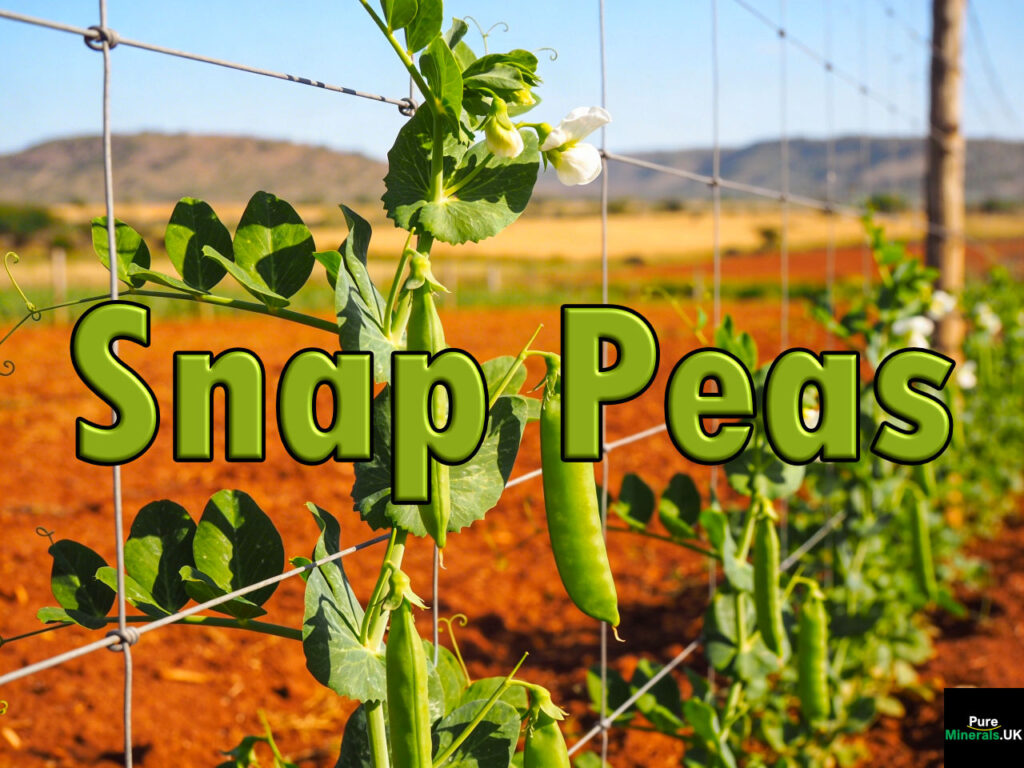
What Are Snap Peas?
Snap peas are the edible pods and developing seeds of Pisum sativum, harvested at an intermediate stage between snow peas and garden peas. They are valued for their crisp texture, mild sweetness, and nutritional content, including fiber, vitamins, and plant-derived compounds. They are grown commercially in China, Colombia, Guatemala, Kenya, Peru, and Zimbabwe.
Definition
Snap peas are the edible pods and immature seeds of Pisum sativum, a member of the Fabaceae family, consumed as a vegetable.
Extended Definition
Snap peas belong to the Fabaceae family, which includes legumes such as beans, lentils, chickpeas, and soybeans. The plant produces pods containing seeds that develop over time.
Unlike mangetout (snow peas), which are harvested when the pods are flat and the seeds are underdeveloped, snap peas are harvested slightly later when the pods have become thicker and the seeds have begun to swell but are still tender.
Both the pod and the seeds are edible, giving snap peas a combination of crisp texture and mild sweetness. This stage of development provides a balance between fiber content in the pod and nutrient density in the developing seeds.
Nutritionally, snap peas provide dietary fiber, vitamin C, vitamin K, folate, and potassium. Vitamin C contributes to antioxidant processes and immune function, while fiber supports digestive health.
Snap peas also contain flavonoids, carotenoids, and phenolic compounds that function as part of the plant’s natural defense systems.
Due to their high water content and low energy density, snap peas are commonly consumed raw or lightly cooked to preserve their texture and nutritional properties.
Key Facts
Botanical name: Pisum sativum
Plant family: Fabaceae
Common classification: Edible pod vegetable (legume)
Origin: Mediterranean region and Western Asia
Edible part: Pods and immature seeds
Typical color: Bright green
Primary nutrients: Fiber, vitamin C, vitamin K, folate, potassium
Key phytonutrients: Flavonoids, carotenoids, phenolic compounds
Energy density: Very low
Notable compounds: Plant antioxidants common to legume vegetables
Culinary uses: Raw snacks, salads, stir-fries, and steamed dishes
Key Takeaways
- One cup of raw sugar snap peas delivers 27 calories, 4.8g of carbohydrates, 1.8g of protein, and 1.6g of fiber — making them one of the most nutrient-dense low-calorie snacks available.
- Snap peas contain both soluble and insoluble fiber, supporting digestive regularity, cholesterol management, and blood sugar stability without causing spikes.
- Key vitamins and minerals include vitamin C, vitamin K, iron, potassium, and calcium — nutrients that support heart health, immunity, and bone function.
- Snap peas are classified as a non-starchy vegetable, which means they have a low glycemic impact — a significant advantage for people managing blood sugar or weight.
- There’s a surprising difference between snap peas, snow peas, and garden peas — and knowing it could change how you shop and cook with them.
Snap peas are one of the most underrated vegetables in the produce aisle — sweet, crunchy, and quietly loaded with nutrients that most people never stop to consider.
Whether you’re grabbing them as a quick snack or tossing them into a stir-fry, understanding the full nutritional picture of snap peas gives you a real reason to eat them more intentionally.
Snap Peas Pack More Nutrition Than Most People Realize
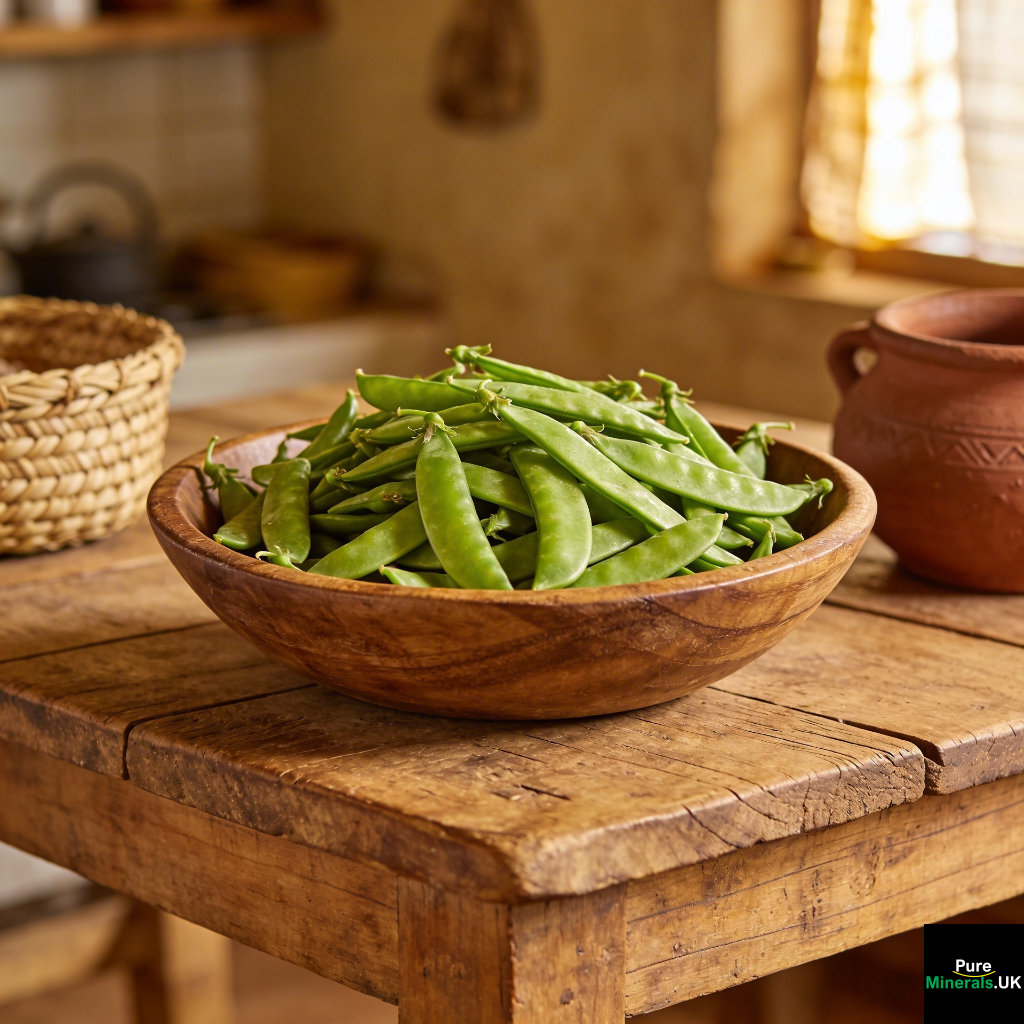
Most people reach for snap peas because they’re convenient and taste naturally sweet. What they don’t realize is that this humble pod vegetable delivers a concentrated package of vitamins, minerals, fiber, and plant compounds that rival many more “trendy” superfoods. They’re classified as a non-starchy vegetable, which already puts them in an elite category for everyday eating.
Also known as sugar snap peas or sugar peas, they belong to the legume family but behave nutritionally more like a low-carb vegetable than a starchy bean. The entire pod is edible — which means you’re getting the full fiber content and all the micronutrients packed inside, not just the seeds.
Snap Peas Nutrition Facts: What’s in One Cup?
According to data from the USDA, one cup (63g) of whole, raw sugar snap peas contains 27 calories, 1.8g of protein, 4.8g of carbohydrates, 1.6g of fiber, and just 0.1g of fat. For a food that costs almost nothing in calories, the return on micronutrients is significant.
Calories, Carbs, and Protein at a Glance
The carbohydrate content in snap peas is modest, with roughly half of those carbs coming from natural sugars, which explains the sweetness. Despite that sugar content, snap peas do not cause meaningful blood sugar spikes because the fiber slows glucose absorption. The 1.8g of protein per cup is also worth noting — it’s higher than most vegetables, making snap peas a useful addition to plant-forward diets where protein variety matters.
Vitamins and Minerals That Make Snap Peas Stand Out
Snap peas are particularly rich in vitamin C, vitamin K, iron, potassium, and calcium. They also contain meaningful amounts of vitamin A, thiamine (vitamin B1), and folic acid — the last of which is essential for new cell creation and especially important during pregnancy. This combination of fat-soluble and water-soluble vitamins makes snap peas a genuinely well-rounded micronutrient source. For more information on similar vegetables, you can explore garden peas.
Nutrient | Amount per 1 Cup (63g) Raw |
|---|---|
Calories | 27 kcal |
Protein | 1.8g |
Carbohydrates | 4.8g |
Dietary Fiber | 1.6g |
Total Fat | 0.1g |
High | |
Present | |
Present | |
Present | |
Present | |
Source: USDA FoodData Central |
Snap Peas vs. Snow Peas vs. Garden Peas: Nutritional Differences
Snap peas and snow peas are often confused, and while both have edible pods, they’re distinct in texture and flavor. Snow peas are flat with small, underdeveloped seeds inside and a more delicate crunch. Snap peas are plumper and noticeably sweeter. Garden peas (also called English peas) have tough, inedible pods — only the inner seeds are eaten. From a nutritional standpoint, snap peas and snow peas are very similar, but snap peas edge ahead slightly in sweetness and caloric density due to their more developed seeds.
Fiber in Snap Peas: Soluble vs. Insoluble
Snap peas contain both types of dietary fiber — soluble and insoluble — and each plays a different but complementary role in the body. Most nutrition guidelines recommend 25 to 35 grams of fiber per day, and snap peas are a practical, low-effort way to work toward that target.
How Soluble Fiber Supports Blood Sugar and Cholesterol
Soluble fiber dissolves in water and forms a gel-like substance in the digestive tract. This slows the absorption of glucose, which helps prevent blood sugar spikes after meals. The same mechanism also helps reduce LDL cholesterol by binding to cholesterol particles and carrying them out of the body. For anyone managing cardiovascular risk or blood sugar levels, the soluble fiber in snap peas is a meaningful dietary asset.
How Insoluble Fiber Keeps Your Digestive System Moving
Insoluble fiber doesn’t dissolve — instead, it adds bulk to stool and accelerates movement through the digestive tract. This is the fiber type most associated with preventing constipation and supporting regular bowel movements. Swapping processed snack foods for snap peas is one of the simplest and most effective ways to increase insoluble fiber intake without overhauling an entire diet.
Plant Compounds and Antioxidants in Snap Peas
Beyond the standard vitamins and minerals, snap peas contain a range of bioactive plant compounds that contribute to long-term health in ways that a basic nutrition label won’t capture. These phytonutrients work at the cellular level — reducing oxidative stress, supporting eye health, and helping regulate metabolic processes. For a closer look at the nutritional benefits of a similar legume, check out mangetout.
Lutein and Zeaxanthin: What They Do for Your Eyes
Snap peas contain lutein and zeaxanthin, two carotenoid compounds that concentrate in the macula of the eye. These pigments act as a natural filter against high-energy blue light and help neutralize free radicals that accumulate in eye tissue over time. Regular consumption of foods rich in these compounds is associated with a reduced risk of age-related macular degeneration and cataracts — two of the leading causes of vision loss in older adults.
Vitamin C as an Antioxidant: Beyond Immune Support
Most people think of vitamin C purely in terms of immune defense, but its role as an antioxidant extends much further. In snap peas, vitamin C helps neutralize free radicals throughout the body, reducing oxidative damage to cells and blood vessels. It also plays a critical role in collagen synthesis — the structural protein that keeps skin, joints, and connective tissue intact. This dual function makes vitamin C one of the most valuable nutrients snap peas bring to the table.
Phytonutrients That Help Regulate Blood Sugar
Snap peas contain phytonutrients — including flavonoids and carotenoids — that support insulin sensitivity and help moderate glucose metabolism at the cellular level. These compounds work alongside the fiber content to create a more stable post-meal blood sugar response. It’s one of the reasons snap peas are consistently recommended as a smart choice for people managing type 2 diabetes or metabolic syndrome.
The combination of fiber, protein, and phytonutrients in snap peas creates a synergistic effect that no single nutrient could achieve alone. This is why whole food sources of these compounds consistently outperform supplements in clinical nutrition research — the nutrients work together, not in isolation.
The Core Health Benefits of Eating Snap Peas
The nutrient density of snap peas translates directly into measurable health outcomes. From cardiovascular protection to digestive regularity and weight management, eating snap peas regularly contributes to several key areas of physical health. They’re not a miracle food, but they’re a highly practical one.
What makes snap peas particularly useful from a dietary standpoint is their versatility across health goals. Whether someone is focused on heart health, managing their weight, stabilizing blood sugar, or simply eating more vegetables, snap peas deliver across all of those categories without requiring any significant dietary overhaul.
Heart Health: Potassium, Fiber, and Inflammation Reduction
Snap peas contribute to cardiovascular health through multiple pathways simultaneously. Potassium helps regulate blood pressure by counteracting the effects of sodium and supporting healthy arterial function. Fiber reduces LDL cholesterol by binding to it in the digestive tract and preventing its reabsorption. Meanwhile, vitamin C directly targets inflammation in blood vessel walls — a key driver of atherosclerosis, the hardening and narrowing of arteries that underlie most heart disease.
Atherosclerosis develops when chronic low-grade inflammation damages the inner lining of blood vessels, allowing plaque to accumulate over time. The antioxidant activity of vitamin C and other phytonutrients in snap peas helps interrupt this process at an early stage. This isn’t a replacement for medical treatment, but it’s a compelling reason to make anti-inflammatory foods like snap peas a consistent part of the diet.
The combination of nutrients that support heart health in snap peas works as a coordinated system rather than isolated ingredients. For instance, radishes also contain nutrients that benefit heart health. Here’s a quick breakdown of how each key nutrient contributes:
- Potassium — Helps lower blood pressure by relaxing blood vessel walls and balancing sodium levels
- Soluble fiber — Binds to LDL cholesterol in the gut and helps remove it from the body
- Vitamin C — Reduces inflammation in arterial walls and supports collagen integrity in blood vessels
- Iron — Supports oxygen transport through the blood, reducing strain on the heart
- Folic acid — Helps regulate homocysteine levels, an amino acid linked to increased cardiovascular risk when elevated
Weight Management on a Non-Starchy Vegetable
At just 27 calories per cup, snap peas offer significant volume and crunch for a minimal caloric investment. The fiber and protein content — modest as they are individually — combine to slow digestion and extend the feeling of fullness after eating. This satiety effect makes snap peas a genuinely useful tool for managing calorie intake without relying on willpower alone.
Replacing calorie-dense processed snacks with snap peas is one of the most straightforward dietary substitutions a person can make. The trade is almost entirely in their favor — more nutrients, more fiber, more volume, and far fewer calories. For anyone working on body composition or long-term weight management, this kind of substitution adds up meaningfully over time.
Blood Sugar Stability and the Low-Glycemic-Index Advantage
Snap peas are classified as a non-starchy vegetable, which means they have a low glycemic impact even though they contain natural sugars. The fiber slows glucose absorption, the protein moderates the insulin response, and the phytonutrients support cellular insulin sensitivity — all of which contribute to a stable blood sugar curve after eating. For people with type 2 diabetes or insulin resistance, this profile makes snap peas one of the safer sweet-tasting foods available.
How to Use Snap Peas in the Kitchen
One of snap peas’ most practical qualities is how little preparation they require. Pull them from the bag, rinse them, and they’re ready to eat. No peeling, no cooking, no complicated prep. This simplicity makes them one of the easiest vegetables to actually eat consistently, which matters far more than the ideal nutritional profile of a food you never prepare.
That said, snap peas are also remarkably versatile in cooked applications. They hold their structure well under high heat, which makes them ideal for stir-fries, sautés, and quick roasting. Their natural sweetness balances well with savory sauces, salty proteins, and acidic dressings — which is why they appear across so many different culinary traditions from East Asian to Mediterranean cooking.
Raw vs. Cooked: Does Cooking Affect Nutritional Value?
Cooking does alter the nutritional content of snap peas, but the impact depends heavily on the method and duration. Vitamin C is the most heat-sensitive nutrient in snap peas — prolonged boiling will degrade it significantly. However, quick cooking methods like stir-frying, steaming, or blanching for two to three minutes preserve the majority of vitamins and maintain the fiber content completely. The key is avoiding overcooking, which also destroys the texture that makes snap peas enjoyable in the first place. For those interested in exploring other vegetables, radishes also offer a unique texture and nutritional benefits.
Cooking Method Comparison for Snap Peas:
Raw — Maximum vitamin C retention, full fiber content, ideal crunch. Best for snacking and salads.
Blanched (2–3 minutes) — Slight vitamin C loss, all fiber intact, vibrant green color preserved. Best for cold dishes and meal prep.
Stir-fried (high heat, 2–4 minutes) — Moderate vitamin C loss, fiber fully intact, caramelized sweetness develops. Best for savory meals.
Steamed (3–5 minutes) — Minimal nutrient loss overall, gentle on texture. Best for side dishes.
Boiled (extended) — Significant vitamin C degradation, some minerals leach into water. Least recommended method.
If you want to maximize the vitamin C content, eating snap peas raw is the most effective approach. But don’t let the fear of nutrient loss stop you from cooking them — even a stir-fried snap pea retains a strong nutritional profile, and a cooked vegetable you enjoy eating is infinitely more valuable than a raw one you avoid.
Thiamine and folic acid, two other key nutrients in snap peas, are also water-soluble and sensitive to heat, but they hold up reasonably well under short cooking times. Fat-soluble compounds like vitamin A and the carotenoids lutein and zeaxanthin are actually better absorbed when snap peas are eaten with a small amount of healthy fat — a drizzle of olive oil in a stir-fry or a tahini-based dressing on a raw salad both achieve this effectively.
Simple Ways to Add Snap Peas to Everyday Meals
Raw snap peas work exceptionally well as a standalone snack with hummus, tzatziki, or a simple peanut dipping sauce. Toss them into green salads for crunch, add them to grain bowls with quinoa and roasted chickpeas, or use them as a fresh topping on cold noodle dishes. Their natural sweetness pairs particularly well with acidic dressings — a lemon-tahini or rice vinegar vinaigrette brings out their flavor without overpowering it.
In cooked applications, snap peas shine in stir-fries alongside proteins like chicken, tofu, or shrimp. Add them in the final two minutes of cooking to preserve their crunch and color. They also work well in pasta dishes, spring rolls, and lightly sautéed as a side with garlic and shallots. The goal with any preparation is speed — snap peas reward quick cooking and punish patience.
How to Select, Store, and Prep Snap Peas for Maximum Freshness
When selecting snap peas at the store or farmers market, look for pods that are bright green, firm, and free of blemishes or soft spots. The pod should feel plump — you should be able to feel the individual peas inside pressing against the outer shell. Avoid pods that look shriveled, yellowing, or feel limp when you bend them. These are signs that the peas have passed their peak nutritional value and flavor.
Store unwashed snap peas in a perforated plastic bag or a loosely sealed container in the crisper drawer of your refrigerator. They stay fresh for up to four days this way. Washing them before storage introduces moisture that accelerates deterioration — always rinse immediately before eating or cooking, not before storing. If you need to extend shelf life further, blanch them for two minutes, shock them in ice water, pat dry, and freeze in a single layer before transferring to a sealed bag.
Prep is minimal by design. Most snap peas you find in stores today are stringless varieties, requiring no additional work. If you’re working with a variety that has a fibrous string running along the seam, simply pinch the stem end and pull downward along the flat side of the pod to remove it cleanly. Beyond that, snap peas need nothing more than a rinse before they’re ready to eat or cook.
Quick Reference: Snap Pea Selection and Storage Guide
What to look for: Bright green color, firm pod, visible pea outline through the shell, no soft spots or yellowing
What to avoid: Limp or shriveled pods, yellowing at the tips, blemishes, or signs of moisture damage
Refrigerator storage: Unwashed in a perforated bag in the crisper drawer — up to 4 days
Freezer storage: Blanch 2 minutes → ice bath → dry → freeze flat, then bag — up to 8 months
Prep needed: Rinse before use; remove string along seam if present (most store varieties are stringless)
Snap Peas Are One of the Easiest Nutritional Upgrades You Can Make
Few vegetables deliver this level of nutritional density — vitamins C and K, iron, potassium, fiber, protein, and protective plant compounds — in a package that requires zero cooking, costs almost nothing in calories, and genuinely tastes good straight from the bag. Snap peas don’t ask much of you, and in return, they quietly support your heart, your digestion, your blood sugar, and your long-term cellular health every time you eat them.
If you’re looking to make one simple change that improves what you eat without complicating how you eat, snap peas are the answer. Add them to your next grocery run, keep them in the front of your fridge, and let them replace the processed snacks you’d otherwise reach for. It’s a small swap with a genuinely outsized nutritional return.
Important note: Snap Peas
Snap peas are widely recognized as safe when consumed as a food. As with other raw vegetables, proper washing and handling are recommended to reduce the risk of microbial contamination. This article is provided for educational purposes only and does not constitute medical advice. Individuals with specific dietary concerns should consult a qualified healthcare professional before making significant dietary changes.
Frequently Asked Questions
Here are answers to some of the most common questions people have about the nutritional profile of snap peas, including how they compare to other vegetables and how best to incorporate them into a healthy diet.
Are snap peas a good source of protein?
Snap Pea Protein in Context
One cup (63g) raw snap peas = 1.8g of protein
One cup raw spinach = approximately 0.9g of protein
One cup raw broccoli = approximately 2.6g of protein
One cup raw carrots = approximately 1.2g of proteinSnap peas deliver more protein than most common salad and snack vegetables.
Snap peas are a relatively good source of protein for a vegetable, providing 1.8 grams per cup. While that won’t replace chicken or lentils as a primary protein source, it puts snap peas ahead of many other commonly eaten raw vegetables. This makes them a useful contributor in plant-based diets where protein variety across multiple food sources matters, such as salsify.
It’s also worth noting that snap peas don’t provide complete protein on their own — they lack sufficient amounts of some essential amino acids. However, paired with grains, legumes, or other plant proteins throughout the day, snap peas contribute meaningfully to an overall protein-sufficient diet without adding significant calories.
For anyone tracking macronutrients, the combination of 1.8g protein and 1.6g fiber in a 27-calorie package makes snap peas one of the most efficient protein-to-calorie ratios available in the vegetable category. That efficiency is what makes them particularly useful as a snack or meal component when calorie targets are tight.
Can people with diabetes eat snap peas?
Yes — snap peas are an excellent choice for people with diabetes. They are classified as a non-starchy vegetable with a low glycemic impact, meaning they don’t cause significant spikes in blood glucose even though they taste sweet. The combination of soluble fiber, protein, and phytonutrients works together to slow glucose absorption and support insulin sensitivity at the cellular level.
For people managing type 2 diabetes or insulin resistance, snap peas offer a rare advantage: natural sweetness without the metabolic consequences of high-sugar foods. They can be eaten freely as a snack, incorporated into meals, and used as a substitute for higher-glycemic vegetables without concern about blood sugar disruption. As always, individual responses to foods vary, so monitoring personal blood glucose after eating any new food is a sound approach.
Is it better to eat snap peas raw or cooked?
Raw snap peas retain the highest levels of heat-sensitive nutrients, particularly vitamin C and folic acid, making them the optimal choice for maximum nutritional value. However, lightly cooked snap peas — stir-fried, steamed, or blanched for two to three minutes — still retain the vast majority of their fiber, minerals, and fat-soluble compounds like vitamin A, lutein, and zeaxanthin. Cooking with a small amount of healthy fat actually improves absorption of those fat-soluble nutrients. Both raw and lightly cooked snap peas are nutritionally strong choices; the method that makes you eat them more consistently is the one that matters most.
Are snap peas and snow peas the same thing?
Snap peas and snow peas are related but distinct vegetables. Both have fully edible pods, but their physical characteristics and flavor profiles differ noticeably. Snow peas are flat, with very small, underdeveloped seeds inside and a more delicate, mild flavor. Snap peas are plump and round, with fully developed seeds inside the pod and a noticeably sweeter taste — hence the common name “sugar snap peas.”
Nutritionally, they are very similar, with snap peas being slightly higher in natural sugars due to their more mature seed development. Both are classified as non-starchy vegetables, and both offer comparable levels of fiber, vitamin C, and other key micronutrients. In cooking, snow peas are better suited to applications where a delicate texture is needed, while snap peas hold up better to higher heat and provide more satisfying crunch in both raw and cooked preparations.
Can snap peas cause an allergic reaction?
Yes, though it is uncommon. Snap peas belong to the legume family, and people with known legume allergies — particularly to peanuts or other peas — may experience cross-reactive allergic responses to snap peas. Symptoms can range from mild oral allergy syndrome (itching or tingling in the mouth and throat) to more significant systemic reactions in sensitive individuals.
Oral allergy syndrome is the most frequently reported reaction to raw snap peas. It occurs when proteins in the vegetable cross-react with pollen proteins in people who have pollen allergies, particularly grass pollen. Interestingly, cooking snap peas typically denatures the proteins responsible for this reaction, which means some people who react to raw snap peas can tolerate cooked snap peas without issue.
Anyone who experiences itching, swelling, hives, or difficulty breathing after eating snap peas should consult a healthcare provider or allergist. A formal allergy evaluation can identify the specific trigger and determine whether snap peas — raw, cooked, or both — can safely remain part of the diet.