

Published: 19 March 2026
This article is periodically reviewed and updated to reflect current scientific understanding by Vic George.
Fact-Checked: 1 other authoritative medical/scientific reference. See our Editorial Policy.
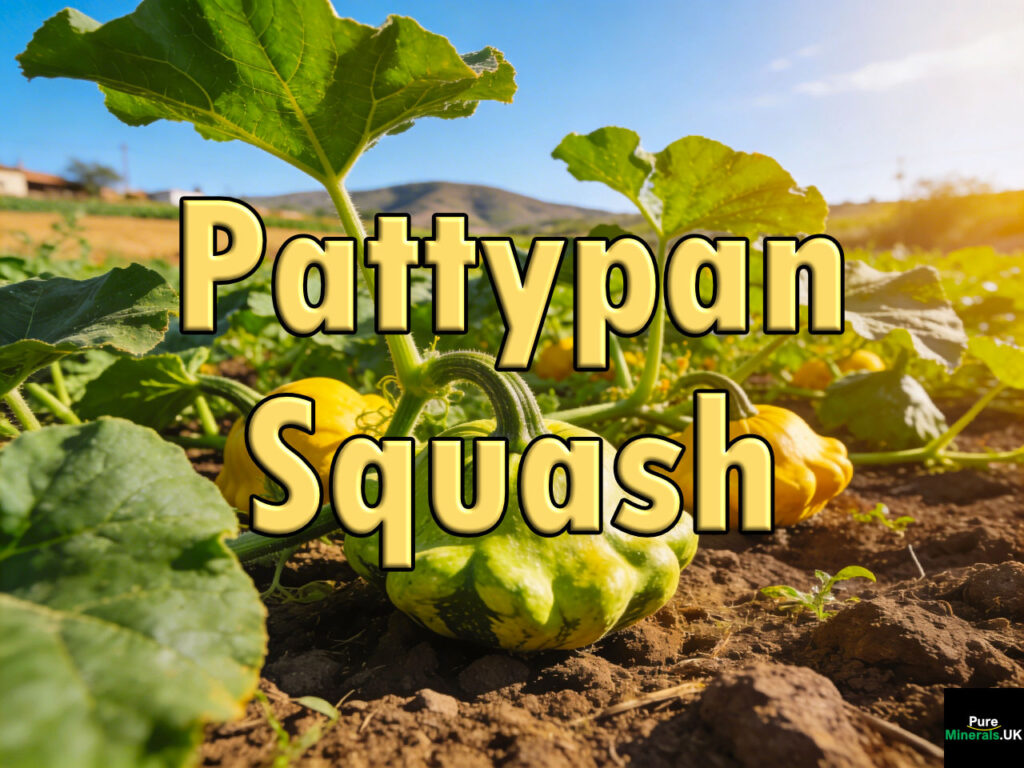
What Is Pattypan Squash?
Pattypan squash is a variety of summer squash belonging to the species Cucurbita pepo, characterized by its small, flattened, scalloped shape. It is valued for its tender texture, mild flavor, and nutritional content, including vitamins, minerals, and plant-derived compounds.
Definition
Pattypan squash is the immature fruit of Cucurbita pepo, harvested early and consumed as a summer squash vegetable.
Extended Definition
Pattypan squash belongs to the Cucurbitaceae family, which includes pumpkins, gourds, cucumbers, and other squash varieties. As a summer squash, it is harvested while still immature, when the skin is thin, and the seeds are soft and edible.
The fruit is distinct in appearance, typically resembling a small, flattened disk with scalloped edges. It is available in several colors, including pale green, yellow, and white.
Nutritionally, pattypan squash provides dietary fiber, vitamin C, potassium, and small amounts of vitamin A precursors. Vitamin C contributes to antioxidant processes and immune function, while potassium supports normal fluid balance and nerve signaling.
Like other squash varieties, pattypan squash contains carotenoids and polyphenols that contribute to plant defense and pigmentation. These compounds are part of the plant’s natural protective mechanisms against environmental stress.
Due to its high water content and low energy density, pattypan squash is commonly used in light, nutrient-balanced dishes. It can be eaten raw when very young or cooked using methods such as steaming, sautéing, roasting, or grilling.
The entire fruit is edible, including the skin and seeds, when harvested at an early stage.
Key Facts
Botanical name: Cucurbita pepo
Plant family: Cucurbitaceae
Common classification: Summer squash (fruit vegetable)
Origin: Americas
Edible part: Immature fruit
Typical color: Green, yellow, or white
Primary nutrients: Fiber, vitamin C, potassium, vitamin A precursors
Key phytonutrients: Carotenoids, polyphenols, flavonoids
Energy density: Very low
Notable compounds: Plant pigments and antioxidant compounds
Culinary uses: Roasting, grilling, sautéing, steaming, and salads
Article-At-A-Glance
- Pattypan squash is a low-calorie, nutrient-dense summer squash loaded with vitamins C and A, fiber, potassium, and powerful antioxidants called carotenoids.
- The skin of pattypan squash contains the highest concentration of beneficial compounds — peeling it means losing out on the best part.
- Carotenoids like beta-carotene, lutein, and zeaxanthin found in pattypan squash support eye health, immune function, and may have anti-proliferative properties worth knowing about.
- With fewer than 20 calories per cup and minimal carbs, pattypan squash fits naturally into low-carb, keto, and weight-loss-friendly eating plans.
- You can roast, sauté, stuff, or even eat pattypan squash raw — and its mild, buttery flavor makes it one of the most versatile vegetables in your kitchen.
This little flying-saucer-shaped squash is quietly one of the most nutritious vegetables you can add to your plate.
Pattypan squash belongs to the Cucurbita pepo species, the same botanical family that includes zucchini, yellow squash, cucumbers, and pumpkins. It goes by several names depending on where you shop — scallop squash, sunburst squash, or button squash — but the nutrition is the same regardless of the label.
What Exactly Is Pattypan Squash?
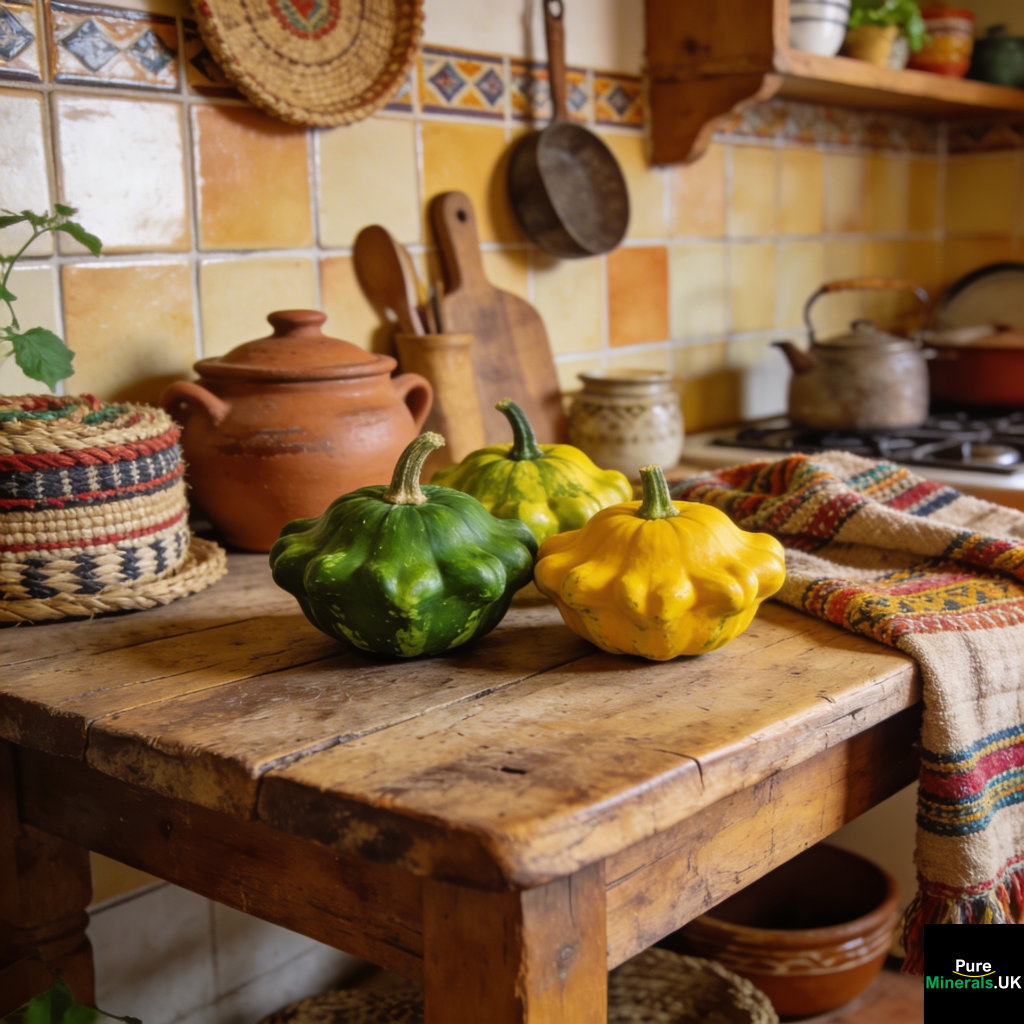
Pattypan squash is a summer squash, which means it is harvested before full maturity while its skin is still thin and edible. Unlike winter squashes such as butternut or acorn, summer squashes have a higher water content, lower calorie density, and a more delicate texture. Pattypan gets its name from the scalloped, pan-like shape with ruffled edges that make it visually distinct from any other squash variety.
How It Differs From Zucchini and Yellow Squash
All three — pattypan, zucchini, and yellow squash — belong to the same Cucurbita pepo species and share a very similar nutritional profile. However, pattypan squash tends to have a slightly firmer, denser flesh with a nuttier, more buttery flavor compared to the mild wateriness of zucchini. The structural difference matters in the kitchen too: pattypan’s round, bowl-like shape makes it naturally suited for stuffing, a cooking method less practical with its long, cylindrical cousins.
In terms of antioxidant content, the color of the squash skin plays a meaningful role. Yellow pattypan varieties are richer in carotenoids like beta-carotene, while green varieties share more with zucchini’s phytonutrient profile. This makes the yellow and golden pattypan varieties particularly valuable from a nutritional standpoint.
Squash Type
Flavor Profile
Best Cooking Method
Key Antioxidants
Pattypan (Yellow)
Buttery, slightly nutty
Roasting, stuffing
Beta-carotene, lutein, zeaxanthin
Zucchini (Green)
Mild, slightly grassy
Sautéing, grilling
Lutein, zeaxanthin, vitamin C
Yellow Squash
Mild, slightly sweet
Sautéing, roasting
Beta-carotene, vitamin C
Yellow, White, and Green Varieties Explained
Pattypan squash comes in three primary color varieties: yellow (also called sunburst), white (sometimes called white pattypan or white scallop), and pale green. The yellow variety is the most nutrient-dense in terms of carotenoid content, the white variety is the mildest in flavor, and the green variety most closely resembles zucchini in taste and phytonutrient composition. All three are interchangeable in most recipes, though yellow varieties offer the strongest nutritional punch.
Pattypan Squash Nutritional Profile
Summer squash, as a category, is often underestimated nutritionally because people associate it primarily with water content and little else. That perception sells pattypan short. While it is true that pattypan squash is approximately 94% water by weight, that remaining fraction contains a concentrated array of vitamins, minerals, and plant compounds that deliver real, measurable health benefits.
What makes pattypan stand out within the summer squash group is the combination of low caloric density with a surprisingly broad micronutrient range. You get meaningful amounts of vitamin C, vitamin A precursors, B vitamins including folate and vitamin B6, potassium, magnesium, and dietary fiber — all in a package that weighs in at roughly 20 calories per cup raw.
Calories, Carbs, and Macronutrients
One cup of raw pattypan squash (approximately 130 grams) contains around 20 calories, 4 grams of carbohydrates, 1.5 grams of fiber, 1.5 grams of protein, and less than 0.5 grams of fat. The net carb count sits at roughly 2.5 grams per cup, making it one of the most carb-friendly vegetables available and a natural fit for ketogenic or low-carb dietary approaches.
Key Vitamins and Minerals
Pattypan squash delivers a solid lineup of micronutrients per serving. One medium pattypan squash provides over 50% of your daily vitamin C needs — a level consistent with what has been reported for yellow squash of the same species. Alongside that, you get vitamin A (from carotenoid precursors), folate for cellular repair and DNA synthesis, vitamin B6 for neurotransmitter production, potassium for blood pressure regulation, and magnesium for muscle and nerve function.
Why Eating the Skin Matters
The skin of pattypan squash is where the highest concentration of antioxidants lives, particularly phenolic compounds and carotenoids like beta-carotene and lutein. Removing the skin before cooking means discarding the very layer that delivers the most protective nutritional value. Since pattypan squash is a summer variety with a naturally thin and tender skin, there is no culinary reason to peel it — and every nutritional reason not to.
Carotenoids in Pattypan Squash
Carotenoids are fat-soluble plant pigments responsible for the yellow, orange, and red hues found in many fruits and vegetables, and they are among the most researched phytonutrients in nutritional science. Pattypan squash — especially yellow varieties — contains meaningful levels of several carotenoids that have been studied for their roles in eye health, immune modulation, and cellular protection.
One important practical note: carotenoids become more bioavailable when pattypan squash is cooked. Heating breaks down cell walls and releases these fat-soluble compounds, making them easier for your body to absorb. Pairing cooked pattypan squash with a small amount of healthy fat — olive oil, avocado, or nuts — further enhances carotenoid absorption significantly.
Beta-Carotene and Its Role in Vitamin A Production
Beta-carotene is a provitamin A carotenoid, meaning your body converts it into active vitamin A (retinol) as needed. This conversion process is regulated by your body based on your current vitamin A status, which makes beta-carotene from food sources a safe and self-regulating way to support vitamin A levels without the risk of toxicity associated with preformed vitamin A supplements.
- Vision support: Vitamin A is essential for maintaining the photoreceptors in the retina, particularly those responsible for low-light vision.
- Immune defense: Vitamin A helps maintain the integrity of mucosal barriers in the respiratory and digestive tracts — your first line of defense against pathogens.
- Skin and cell renewal: Retinol drives cellular turnover, supporting healthy skin, tissue repair, and proper gene expression.
- Anti-inflammatory activity: Beta-carotene itself acts as a direct antioxidant, neutralizing free radicals before they cause oxidative damage to cells and tissues.
Yellow pattypan squash gets its characteristic color directly from beta-carotene content, which means the deeper and more vibrant the yellow hue of the squash, the richer its carotenoid concentration tends to be. When shopping, choosing the most vividly colored pattypan varieties is a simple and effective way to maximize this benefit. If you’re interested in exploring more vegetables with unique nutritional profiles, you might want to learn about kohlrabi.
Cooking methods matter here too. Roasting pattypan squash in a small amount of extra virgin olive oil is one of the most effective ways to boost beta-carotene bioavailability simultaneously through heat and fat — two factors that research consistently links to improved carotenoid absorption from plant foods.
Lutein and Zeaxanthin for Eye Health
Lutein and zeaxanthin are two carotenoids that concentrate specifically in the macula of the eye — the small, central region of the retina responsible for sharp, detailed vision. Unlike beta-carotene, these two compounds are not converted into vitamin A. Instead, they function as internal sunglasses, filtering high-energy blue light and neutralizing oxidative stress directly within eye tissue. Pattypan squash, particularly the yellow-skinned varieties, contains both of these carotenoids in the edible skin and flesh.
Regular dietary intake of lutein and zeaxanthin has been associated with supporting long-term macular health and reducing the impact of light-induced oxidative damage on retinal cells. Since the human body cannot synthesize these compounds on its own, they must come entirely from diet — making food sources like pattypan squash a meaningful and practical way to meet this need consistently.
Anti-Proliferative Properties: What the Research Shows
Beyond their antioxidant activity, carotenoids found in summer squash varieties have been studied for anti-proliferative properties — meaning their potential to slow or inhibit abnormal cell growth at the cellular level. The phenolic compounds concentrated in the squash skin, combined with the carotenoid content of the flesh, contribute to this activity. While research in this area continues to evolve, the existing science supports eating the whole vegetable, skin included, as the most effective way to capture the full spectrum of these protective plant compounds.
Health Benefits Backed by Nutrition Science
The nutritional profile of pattypan squash translates into a clear and practical set of health benefits. It is not a single-nutrient story — the value comes from the interaction between its vitamin C content, carotenoids, fiber, potassium, and anti-inflammatory phenolic compounds working together in the body.
Think of pattypan squash as a low-effort, high-return vegetable. You add minimal calories to a meal while simultaneously delivering antioxidant protection, supporting digestive regularity, contributing to cardiovascular health, and providing the raw materials your immune system needs to function properly. That is an impressive return for roughly 20 calories per cup.
Health Benefit
Key Nutrient Responsible
Mechanism
Eye health
Lutein, zeaxanthin
Filters blue light, reduces retinal oxidative stress
Immune support
Vitamin C, beta-carotene
Antioxidant defense, mucosal barrier integrity
Heart health
Potassium, fiber, antioxidants
Blood pressure regulation, reduced inflammation
Digestive health
Dietary fiber, water content
Supports gut motility and microbiome balance
Weight management
Low calories, high water, fiber
Increases satiety with minimal caloric load
Anti-inflammatory
Phenolic compounds, carotenoids
Neutralizes free radicals, reduces oxidative damage
The synergy between these nutrients is what makes whole-food sources like pattypan squash more effective than isolated supplements for long-term wellness. Eating the vegetable whole, with the skin on and prepared with a small amount of healthy fat, gives your body the complete package rather than a single extracted compound.
Immune and Antioxidant Support From Vitamin C
One medium pattypan squash provides more than 50% of your daily vitamin C requirement — a significant contribution from a single vegetable. Vitamin C functions as a potent water-soluble antioxidant that neutralizes free radicals in the bloodstream and cellular fluid, protecting proteins, lipids, and DNA from oxidative damage. It also plays a direct role in stimulating the production and activity of white blood cells, particularly neutrophils and lymphocytes, which are central to the immune response.
Unlike fat-soluble antioxidants such as beta-carotene, vitamin C is not stored in the body in large amounts, which means consistent daily intake from food sources genuinely matters. Adding pattypan squash to your meals several times per week is a simple, food-first strategy for maintaining steady vitamin C levels without reaching for a supplement bottle.
Heart Health, Digestion, and Anti-Inflammatory Effects
Pattypan squash supports cardiovascular health through several overlapping mechanisms. Its potassium content helps counteract the blood-pressure-raising effects of sodium by relaxing blood vessel walls and promoting healthy fluid balance. The fiber content supports healthy cholesterol levels by binding to bile acids in the digestive tract and promoting their excretion. Meanwhile, the phenolic compounds and carotenoids in the skin work systemically to reduce the chronic low-grade inflammation that underlies most cardiovascular disease. On the digestive side, the combination of soluble fiber and high water content promotes regular bowel movements and creates a favorable environment for beneficial gut bacteria to thrive.
Why It Works for Low-Carb and Weight Loss Goals
With only about 4 grams of total carbohydrates and roughly 2.5 grams of net carbs per cup, pattypan squash is genuinely compatible with ketogenic, low-carb, and calorie-controlled eating plans. Its high water and fiber content create meaningful satiety — the feeling of fullness — without the caloric load that makes portion control difficult. You can eat a generous, satisfying serving of pattypan squash and consume fewer calories than a single cracker.
How to Cook Pattypan Squash
Pattypan squash is one of the more forgiving vegetables to cook. Its firm texture holds up well to high heat without turning mushy, and its mild, buttery flavor absorbs herbs, spices, and marinades easily. The key rule: keep the skin on. As discussed earlier, the skin is where the most protective compounds live, and since pattypan skin is naturally thin and tender, there is no texture-based reason to remove it.
Size matters when choosing how to cook it. Baby pattypan squash — those under 2 inches in diameter — are best eaten whole or halved and are ideal for roasting and sautéing. Medium and larger pattypan squash (3 to 4 inches) have a deeper cavity that makes them naturally suited for stuffing. Avoid squash larger than 4 inches, as they tend to develop a tougher texture and larger, more fibrous seeds.
Remember that brief cooking or light heat exposure actually improves the bioavailability of carotenoids like beta-carotene compared to eating them completely raw. Pairing any cooked preparation with a small amount of olive oil, butter, or another healthy fat amplifies this absorption further. That said, raw pattypan is still a nutritious option — more on that below.
- Roasting — Best for caramelized flavor and maximum carotenoid bioavailability when done with olive oil
- Sautéing — Quick, weeknight-friendly, and ideal for baby pattypan varieties
- Stuffing — Makes full use of pattypan’s unique shape; works beautifully for a complete meal
- Raw — Preserves vitamin C content and works well in salads or as a crudité with dips
1. Roasting
Roasting is the most effective cooking method for pattypan squash if maximizing nutrient absorption is your goal. Cut pattypan squash into halves or quarters, toss with extra-virgin olive oil, minced garlic, sea salt, and cracked black pepper, then roast at 400°F (205°C) for 20 to 25 minutes until the edges are golden and slightly caramelized. The combination of heat and fat from the olive oil significantly enhances beta-carotene and lutein absorption compared to eating the squash uncooked or without fat.
2. Sautéing
Sautéing works best with smaller pattypan squash sliced into rounds or halved. Heat a tablespoon of olive oil or grass-fed butter in a skillet over medium-high heat, add the squash cut-side down, and cook for 3 to 4 minutes per side until lightly golden. Season with fresh thyme, lemon zest, and a pinch of red pepper flakes for a fast, flavorful side dish that comes together in under 10 minutes and pairs with virtually any protein.
3. Stuffing
Stuffing pattypan squash transforms it from a side dish into a complete meal. To prepare, slice off the top of a medium pattypan squash, scoop out the seeds and a small amount of flesh to create a cavity, brush the inside with olive oil, and pre-bake at 375°F (190°C) for 15 minutes before filling. This pre-baking step ensures the squash shell is fully cooked through once the stuffed version returns to the oven.
Popular filling combinations include ground turkey with sun-dried tomatoes and fresh basil, quinoa with roasted red peppers and goat cheese, or a Mediterranean mix of chickpeas, kalamata olives, diced cucumber, and crumbled feta. Fill the pre-baked shells generously, return to the oven for another 15 to 20 minutes, and finish with a scattering of fresh herbs before serving.
4. Eating It Raw
Raw pattypan squash is crisp, mildly sweet, and entirely edible without any preparation beyond washing. Thin slices or small wedges work well on a crudité platter alongside hummus, tzatziki, or a yogurt-based herb dip. Because vitamin C is a heat-sensitive nutrient that degrades with cooking, eating pattypan squash raw is actually the most effective way to preserve its full vitamin C content.
Shaved raw pattypan squash also works remarkably well in summer salads. Use a mandoline or sharp vegetable peeler to create thin ribbons, then toss with lemon juice, extra virgin olive oil, shaved parmesan, toasted pine nuts, and fresh mint. The result is a bright, textured salad that highlights the vegetable’s natural flavor without any heat required.
Simple Pattypan Squash Recipe Ideas
Once you understand how well pattypan squash holds up to heat and absorbs flavor, it becomes one of those vegetables you find yourself reaching for constantly. Its firm texture, natural butteriness, and bowl-like shape open up more recipe possibilities than most summer vegetables can offer.
The two recipes below represent opposite ends of the effort spectrum — one is a simple weeknight side dish ready in under 30 minutes, and the other is a more composed dish that works equally well for a casual dinner or an impressive gathering. Both keep the skin on intentionally, and both use olive oil to maximize carotenoid absorption from the squash.
When shopping for pattypan squash for either recipe, look for firm squash with bright, smooth skin and no soft spots or wrinkled areas. Smaller squash in the 2- to 3-inch range tend to have the most tender texture and the mildest, sweetest flavor — ideal for both preparations below.
- Choose vibrant yellow pattypan for the highest beta-carotene and lutein content
- Keep squash unwashed until just before use to extend refrigerator life up to five days
- Use extra virgin olive oil in both recipes to enhance fat-soluble carotenoid absorption
- Avoid overcooking — pattypan squash should be fork-tender, not mushy, to preserve texture and nutrients
- Season generously — pattypan’s mild flavor is a blank canvas that responds well to bold herbs and aromatics
Garlic Roasted Pattypan Squash
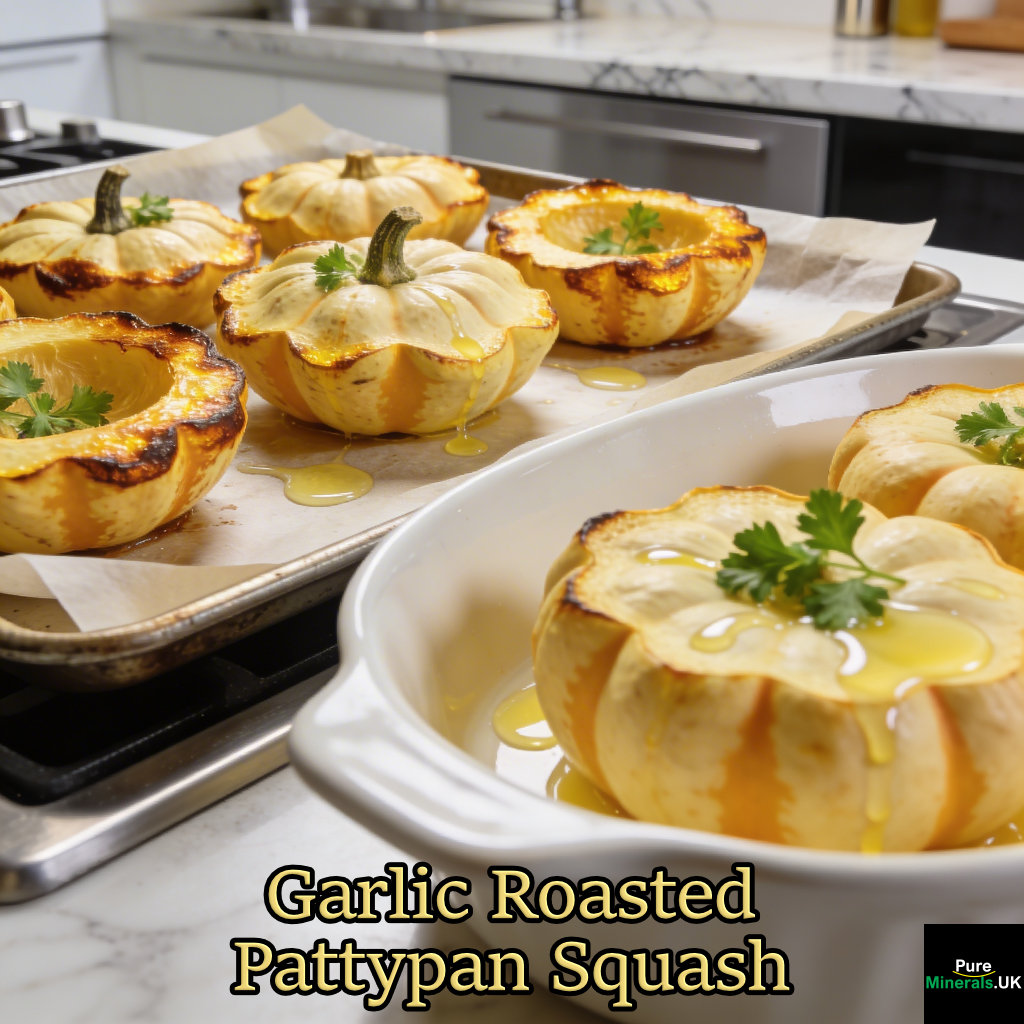
Preheat the oven to 400°F (205°C). Wash 6 to 8 small pattypan squash, leaving the skin fully intact, and cut each one in half horizontally. Toss the halves in a bowl with 2 tablespoons of extra virgin olive oil, 3 minced garlic cloves, 1 teaspoon of sea salt, ½ teaspoon of cracked black pepper, and 1 teaspoon of fresh thyme leaves.
Arrange cut-side down on a parchment-lined baking sheet and roast for 20 to 25 minutes until the cut edges are deeply golden and caramelized. Finish with a squeeze of fresh lemon juice and a scattering of chopped flat-leaf parsley before serving. The combination of olive oil and heat makes this one of the most effective preparations for maximizing beta-carotene bioavailability from the squash.
Stuffed Pattypan Squash With Herbs and Feta
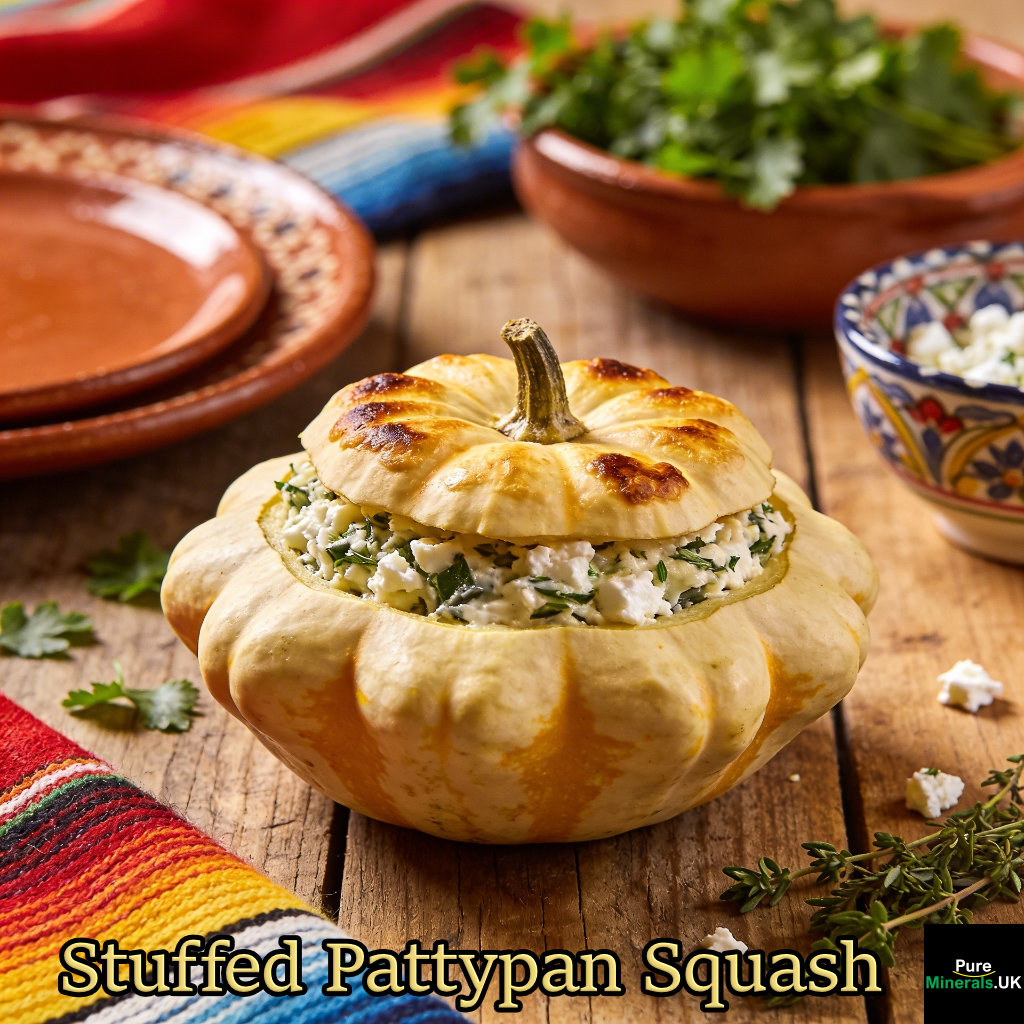
Preheat the oven to 375°F (190°C). Select 4 medium pattypan squash, approximately 3 to 4 inches in diameter. Slice off the top quarter of each squash and use a small spoon to scoop out the seeds and enough flesh to create a generous cavity, reserving the scooped flesh. Brush the inside and outside of each squash with olive oil, place on a baking sheet, and pre-bake for 15 minutes to begin softening the shell.
While the squash pre-bakes, sauté the reserved squash flesh in a skillet with 1 tablespoon of olive oil, 2 minced garlic cloves, ¼ cup of finely diced red onion, and a pinch of red pepper flakes until softened — about 4 minutes. Remove from heat and stir in ½ cup of crumbled feta cheese, 2 tablespoons of chopped fresh dill, 2 tablespoons of fresh mint, and the zest of one lemon.
Season with black pepper to taste. Fill each pre-baked squash shell generously with the feta mixture, return to the oven, and bake for an additional 18 to 20 minutes until the tops are lightly golden and the shells are fully tender when pierced with a fork. Serve warm with a simple green salad and crusty whole-grain bread.
Make Pattypan Squash a Weekly Staple
The case for making pattypan squash a regular part of your weekly meals is straightforward: high nutritional return, low caloric cost, genuine culinary versatility, and availability throughout the summer months at most farmers’ markets and grocery stores. It is a vegetable that rewards consistency — the more regularly you eat it, the more continuously you benefit from its cumulative antioxidant, anti-inflammatory, and immune-supporting effects. Rotating through roasting, sautéing, stuffing, and raw preparations keeps it from becoming repetitive while ensuring you capture the full spectrum of its nutrient profile across different cooking methods.
Start simply. Add halved baby pattypan squash to a sheet pan alongside whatever protein you are already roasting. Slice it raw into a weekday salad. Stuff four medium ones on a Sunday and have a ready-made lunch for two days. The entry point is low, the effort is minimal, and the nutritional payoff — vitamin C, beta-carotene, lutein, potassium, fiber, and anti-inflammatory phenolics — is genuinely significant for such an unassuming vegetable.
Important note: Pattypan Squash
Pattypan squash is widely recognized as safe when eaten. As with other cucurbit vegetables, rare cases of bitterness may indicate elevated levels of naturally occurring compounds, and such specimens should not be consumed. This article is provided for educational purposes only and does not constitute medical advice. Individuals with specific dietary concerns should consult a qualified healthcare professional before making significant dietary changes.
Frequently Asked Questions
Pattypan squash generates a lot of questions from people who are unfamiliar with it or who want to understand exactly how to get the most nutritional value from it. The answers below address the most common points of confusion directly and practically.
Whether you are adding it to a weight-loss plan, trying to support eye health through food, or simply curious about whether you can eat the skin, the following covers what you need to know to use pattypan squash with confidence.
Is Pattypan squash healthier than zucchini?
Pattypan squash and zucchini belong to the same species — Cucurbita pepo — and share a very similar nutritional foundation. Both are low in calories, rich in vitamin C, and contain meaningful amounts of potassium, magnesium, fiber, and B vitamins. In practical terms, neither is dramatically superior to the other, and both deliver real health benefits as part of a whole-food diet.
The meaningful difference comes down to carotenoid content and skin color. Yellow pattypan squash contains higher levels of beta-carotene and similar fat-soluble carotenoids compared to green zucchini, because beta-carotene is directly responsible for yellow and orange pigmentation in plant foods. Green zucchini contains lutein and zeaxanthin but lower beta-carotene levels than its yellow counterparts.
If carotenoid intake and vitamin A support are specific priorities for you, yellow pattypan squash has a slight nutritional edge over standard green zucchini. For general vegetable diversity and overall micronutrient coverage, rotating between both is the most effective strategy.
- Calorie content: Virtually identical — approximately 20 calories per cup raw for both
- Vitamin C: Both provide substantial amounts, with yellow summer squash varieties delivering over 50% of daily needs per medium squash
- Beta-carotene: Yellow pattypan squash is higher due to its yellow pigmentation
- Lutein and zeaxanthin: Present in both; higher in varieties with deeper-colored skin
- Fiber: Comparable between the two varieties at approximately 1.5 grams per cup
Can you eat pattypan squash skin?
Yes — and you absolutely should. The skin of pattypan squash is thin, tender, and entirely edible, and it contains the highest concentration of antioxidants in the whole vegetable, including phenolic compounds and carotenoids like beta-carotene and lutein. Peeling pattypan squash before eating or cooking it discards the most nutritionally valuable layer. Unlike winter squashes such as butternut or acorn, pattypan’s summer squash classification means it is harvested young with naturally soft, palatable skin that requires no removal for texture reasons.
Is Pattypan squash good for weight loss?
Pattypan squash is one of the most weight-loss-friendly vegetables available. At roughly 20 calories per cup with approximately 2.5 grams of net carbs, it delivers high volume and meaningful satiety — thanks to its fiber and water content — at a minimal caloric cost. Its compatibility with low-carb, ketogenic, and calorie-controlled eating plans makes it a practical and sustainable addition to any weight management approach. You can eat a generous, satisfying portion without meaningfully impacting your daily calorie or carbohydrate targets.
What do carotenoids in Pattypan squash actually do?
Carotenoids in pattypan squash serve several distinct functions in the body. Beta-carotene acts as a provitamin A compound that your body converts to retinol as needed, supporting vision, immune barrier function, skin health, and gene expression regulation. Lutein and zeaxanthin concentrate specifically in the macular region of the retina, where they filter high-energy blue light and neutralize oxidative stress to support long-term eye health.
All of these carotenoids also function as direct antioxidants, intercepting free radicals before they cause oxidative damage to cells, proteins, and DNA. Emerging research has also examined anti-proliferative properties associated with the phenolic and carotenoid compounds concentrated in the squash skin, though this area of research continues to develop.
Can you eat Pattypan squash raw?
Pattypan squash is completely safe and enjoyable to eat raw. Its texture is crisp and firm when uncooked, with a mild, slightly sweet flavor that works well as a crudité with dips like hummus or tzatziki, shaved thin for salads, or simply sliced and eaten as a snack. The skin is just as edible raw as it is cooked — no peeling required.
From a nutritional standpoint, eating pattypan squash raw preserves its full vitamin C content, which degrades with heat exposure. However, it is worth noting that cooking — particularly with a small amount of fat — actually improves the bioavailability of fat-soluble carotenoids like beta-carotene and lutein compared to consuming them raw. The practical takeaway is that both raw and cooked preparations offer real value, and rotating between the two gives you the broadest range of nutritional benefits across different nutrients.
Pattypan squash is a unique and versatile vegetable that offers numerous health benefits. It is rich in nutrients and contains a high level of carotenoids, which are essential for maintaining good vision and overall health. Similar to other vegetables like kohlrabi, pattypan squash can be incorporated into a variety of dishes, providing both flavor and nutritional value. Whether roasted, grilled, or sautéed, this squash is a delightful addition to any meal.