

Published: 16 April 2026
This article is periodically reviewed and updated to reflect current scientific understanding by Vic George.
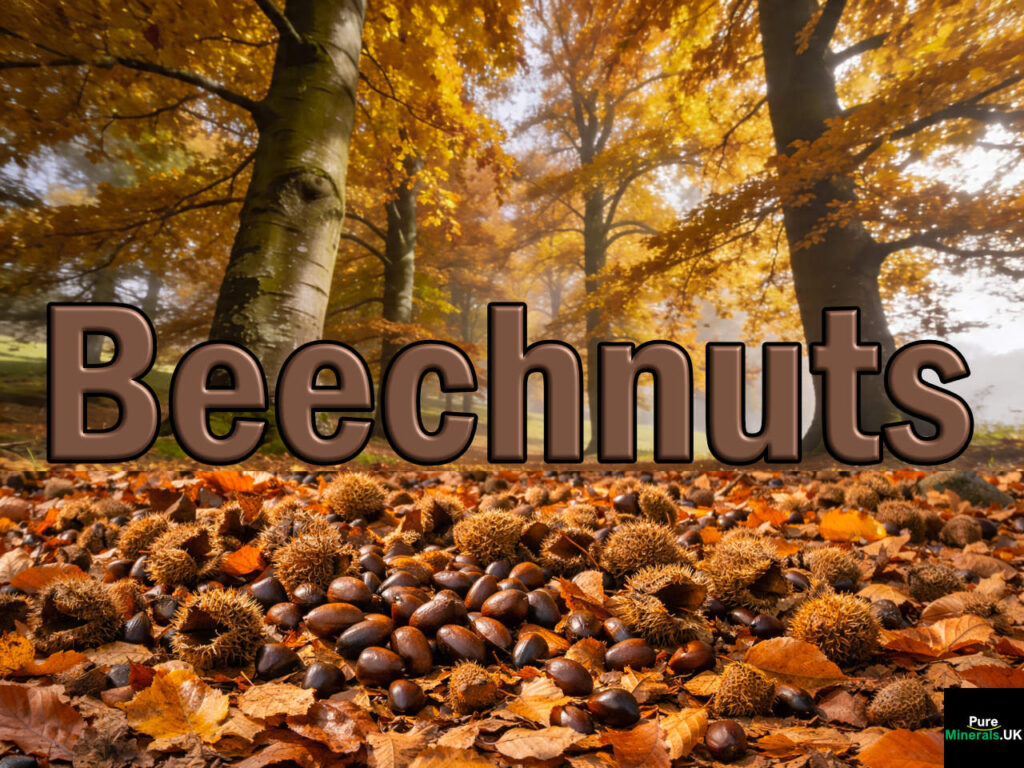
What Are Beechnuts and Why Have They Been Traditionally Consumed?
Beechnuts are the small, triangular seeds of beech trees (Fagus species), historically consumed in various regions as a seasonal food source. They contain fats, protein, and micronutrients, but are typically eaten in moderation due to naturally occurring compounds that require caution.
Definition
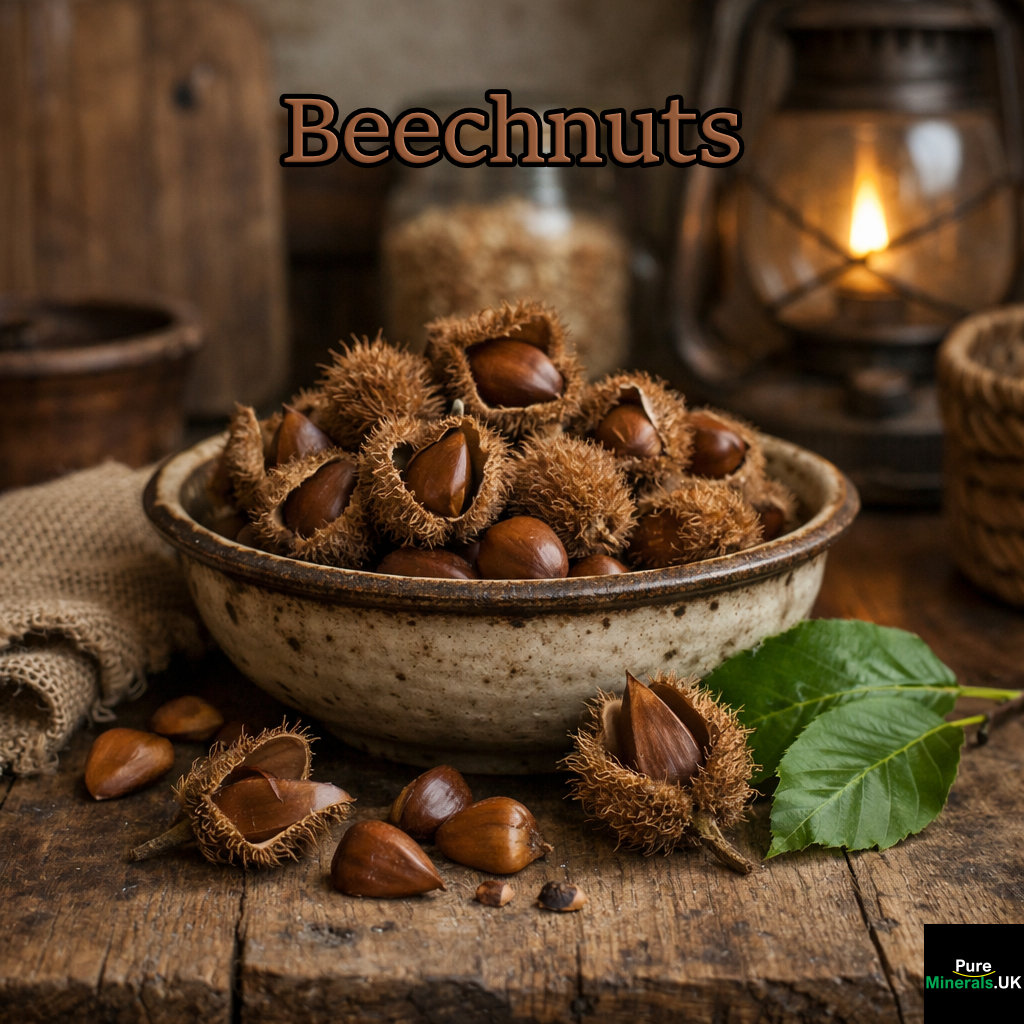
Beechnuts are the edible seeds of beech trees (Fagus spp.), enclosed within spiny husks and classified botanically as small nuts.
Extended Definition
Beechnuts are produced by trees in the genus Fagus, commonly found across Europe, North America, and parts of Asia. The nuts develop inside a prickly outer husk (cupule) that splits open upon maturity, revealing one to three small seeds.
From a nutritional standpoint, beechnuts contain a combination of fats—primarily unsaturated fatty acids—along with protein and dietary fibre. They also provide micronutrients such as potassium, magnesium, and trace amounts of B vitamins.
Despite their nutritional value, beechnuts contain naturally occurring compounds, including tannins and small amounts of alkaloids such as fagin, which can cause digestive discomfort if consumed in large quantities or when raw. Traditional preparation methods, such as roasting, help reduce these compounds and improve flavour and digestibility.
Historically, beechnuts have been eaten raw in small amounts, roasted as snacks, or pressed for oil in some regions. Their use today is relatively limited, though they remain of interest in foraging and traditional food practices.
Key Facts
- Botanical Name: Fagus spp.
- Plant Type: Deciduous tree (seed/nut)
- Edible Part: Seed (kernel inside the shell)
- Macronutrient Profile: Moderate fats, protein, and carbohydrates
- Notable Micronutrients: Potassium, magnesium, trace B vitamins
- Natural Compounds: Tannins, fagin (alkaloid), phenolic compounds
- Typical Preparation: Often roasted to improve flavour and reduce unwanted compounds
- Common Uses: Snack, traditional food, occasional oil extraction
- Taste Profile: Mildly nutty, slightly astringent if raw
- Culinary Status: Traditional and foraged food; limited modern consumption
Key Takeaways
- Beechnuts pack 576 calories per 100g, with roughly half their weight coming from fat — making them one of the most energy-dense wild nuts you can forage.
- Raw beechnuts contain a saponin-like toxic compound that can cause poisoning — roasting is essential before eating them.
- Their fat profile is dominated by unsaturated fatty acids, including Omega-3 and Omega-6, which support cardiovascular health.
- Beechnuts are rich in potassium, iron, copper, manganese, and zinc — minerals that most people don’t get enough of.
- Keep reading to discover how to safely harvest, prepare, and actually use beechnuts — including a traditional oil extraction method most foragers overlook.
Most people walk right past beech trees without knowing the nutritional goldmine sitting at their feet.
Beechnuts are the small, triangular seeds produced by the Fagus genus of trees, found across North America, Europe, and Asia. They fall from the tree encased in a spiky husk called a cupule, typically dropping in early autumn. Despite being overshadowed by more popular nuts like walnuts or almonds, beechnuts have a long history of human use — from flour-making to oil extraction — and their nutritional profile holds up impressively against more mainstream options.
What makes beechnuts particularly interesting is how few people actually know how to use them safely and effectively. There’s a real gap between what these nuts offer nutritionally and how often they appear on anyone’s plate. That gap is worth closing.
Beechnuts Are More Nutritious Than Most People Realize
At first glance, beechnuts look unassuming — small, angular, easy to miss. But the numbers tell a different story. With 576 kilocalories per 100 grams, they are calorically comparable to macadamia nuts and significantly more energy-dense than chestnuts or acorns. That density comes primarily from fat — about 50 grams per 100g — the majority of which is unsaturated.
Their protein content sits at around 6.2 grams per 100g, which is modest but meaningful for a wild-foraged food. Combined with a solid mineral lineup and a healthy fat composition, beechnuts qualify as a genuinely functional food — not just a novelty from the forest floor.
Beechnut Nutritional Profile
Breaking down what’s actually inside a beechnut explains why foragers and nutritionists alike take them seriously. The composition is dominated by fats and carbohydrates, but what matters most is the quality of those macronutrients, not just the quantity.
Beechnuts deliver a broad spectrum of nutrients in a compact package:
- High unsaturated fat content — primarily Omega-3 and Omega-6 fatty acids
- Meaningful mineral density — particularly potassium, iron, copper, and manganese
- Moderate protein — suitable as a supplemental protein source in a whole-food diet
- Vitamin E presence — acting as a natural antioxidant
- Low water content — only 6.6g per 100g, which contributes to their caloric density
They also contain a notable amount of dietary fiber and a carbohydrate fraction — roughly 33.5 grams per 100g — that provides sustained energy rather than a quick sugar spike.
Macronutrient Breakdown Per 100g
Nutrient | Amount per 100g |
|---|---|
Calories | 576 kcal |
Water | 6.6g |
Fat | 50g |
Protein | 6.2g |
Carbohydrates | 33.5g |
1,017mg | |
2.46mg | |
0.67mg | |
0.36mg | |
1.341mcg | |
38mg | |
1mg |
The potassium figure here is particularly striking — 1,017mg per 100g puts beechnuts ahead of bananas (around 358mg per 100g) as a potassium source, a fact that surprises most people when they see it for the first time.
Vitamins Found in Beechnuts
Beechnuts contain Vitamin E, which functions as a fat-soluble antioxidant that helps protect cells from oxidative stress. Given that beechnuts are already high in fat, the presence of Vitamin E is particularly relevant — it helps stabilize those fats and provides protective benefits when consumed as part of a balanced diet.
Minerals Found in Beechnuts
The mineral content of beechnuts is where they genuinely shine. The 1,017mg of potassium supports healthy blood pressure regulation and muscle function. Iron at 2.46mg contributes to red blood cell production. Copper (0.67mg) plays a role in energy metabolism and connective tissue formation, while manganese supports bone health and antioxidant enzyme activity. Zinc, though present in smaller amounts at 0.36mg, supports immune function and wound healing.
Health Benefits Linked to Beechnut Consumption
The nutritional data doesn’t exist in a vacuum — it translates into real, functional benefits when beechnuts are prepared correctly and consumed in sensible amounts. Three areas stand out most clearly based on their composition.
Heart Health and Blood Pressure Support
Beechnuts are rich in unsaturated fatty acids, specifically Omega-3 and Omega-6. These fats have well-documented associations with reduced cardiovascular risk, including support for healthy cholesterol levels and reduced arterial inflammation. The high potassium content adds another layer of cardiovascular benefit — potassium is one of the key dietary factors in maintaining healthy blood pressure, working against the blood-pressure-raising effects of sodium. You can learn more about the benefits of Omega-3 and Omega-6 by exploring other sources, such as sunflower seeds.
Beechnut oil, extracted cold-pressed from the seeds, delivers these unsaturated fats in a highly bioavailable form. Used raw — drizzled over food rather than cooked — it preserves the full benefit of its fatty acid profile.
Energy and Satiety From High Fat and Calorie Content
At 576 calories per 100g, beechnuts are not a light snack. That density, however, is exactly what makes them effective as a sustained energy source. The combination of slow-digesting fats and complex carbohydrates means the energy release is gradual, avoiding the sharp rise and crash associated with simple sugars. A small handful goes a long way — which naturally supports portion control and satiety without requiring deliberate restriction.
Nervous System Support
Beechnuts have traditionally been noted for their role in supporting the nervous system, and their mineral profile backs this up. Magnesium and potassium both play direct roles in nerve signal transmission, while the B-vitamin fraction present in beechnuts supports the production of neurotransmitters that regulate mood and cognitive function.
The Omega-3 fatty acids in beechnuts also contribute here. Omega-3s are structural components of brain cell membranes, and consistent dietary intake is associated with improved cognitive performance and reduced risk of neurological decline. For a wild-foraged food, that’s a meaningful nutritional contribution.
Traditional and Historical Uses of Beechnuts
Long before anyone was tracking macros, beechnuts were a practical survival food across Europe and North America. Indigenous communities and rural populations used them as a calorie-dense supplement during lean months, and their uses extended well beyond simply eating them whole. Flour ground from dried beechnuts was used in baking, and the oil pressed from them served both culinary and non-culinary purposes for centuries.
Beechnuts as Animal Feed
Historically, one of the most widespread uses of beechnuts was as feed for pigs — a practice known as pannage or mast feeding. Pigs released into beech forests in autumn would fatten quickly on the fallen nuts, producing meat with a distinctly rich flavor. This tradition was so economically significant in medieval Europe that forest grazing rights were written into land agreements and legal documents. Today, some heritage pork producers still use mast feeding to differentiate the flavor profile of their product.
Beechnut Oil and Its Traditional Applications
Cold-pressed beechnut oil was a prized commodity in 18th and 19th-century Europe, particularly in France and Germany. It was used as a cooking oil, a lamp fuel, and even as a lubricant for machinery — a testament to how versatile the fat profile of beechnuts actually is.
In culinary applications, beechnut oil was valued for its mild, slightly nutty flavor — comparable to a lighter version of walnut oil. It worked well in salad dressings, as a finishing oil over cooked vegetables, and in cold preparations where its delicate flavor wouldn’t be destroyed by heat. The key principle, still relevant today, is to use it raw to preserve the integrity of its unsaturated fatty acids.
The oil extraction process historically involved cold-pressing dried, roasted beechnut kernels. The resulting oil is pale yellow with a clean aroma. While commercial beechnut oil is not widely available today, small-batch artisan producers and home foragers with access to a cold-press still produce it seasonally. For anyone serious about exploring the full nutritional value of beechnuts, the oil is arguably the most efficient delivery format.
Raw Beechnuts Are Not Safe to Eat
This is the part of the beechnut conversation that most foraging guides gloss over, and it matters more than anything else on this page. Beechnuts are not safe to eat raw in significant quantities. This is not a fringe concern or an overstated caution — there are documented cases of toxic reactions in people who consumed raw beechnuts without proper preparation.
The Saponin-Like Compound in Raw Beechnuts
Raw beechnuts contain a toxic compound that behaves similarly to saponin, a class of natural chemicals found in various plants that can disrupt cell membranes and cause gastrointestinal distress when ingested. In beechnuts, this compound is present in high enough concentrations that consuming a meaningful quantity of raw kernels can trigger real physiological reactions. The compound is not neutralized by simply drying the nuts — it requires heat to break down effectively. For comparison, you might consider how acorns also need processing to remove their natural toxins.
Documented Cases of Poisoning From Raw Consumption
Cases of intoxication have been documented in people who ate raw beechnuts in considerable quantities. Symptoms reported include nausea, vomiting, headaches, and general gastrointestinal discomfort — a pattern consistent with saponin-type toxicity.
The severity of the reaction appears to be dose-dependent. Eating one or two raw beechnuts is unlikely to cause a serious problem for most adults. However, consuming a larger amount — which is easy to do if you’re snacking straight from a harvest — can push the intake of the toxic compound into a range where symptoms become difficult to ignore.
Children and individuals with compromised digestive systems are at higher risk for adverse reactions, and raw beechnuts should be kept away from them entirely. The same caution applies to pets, particularly dogs, for whom raw beechnuts can be more acutely problematic.
How Roasting Eliminates the Toxic Compound
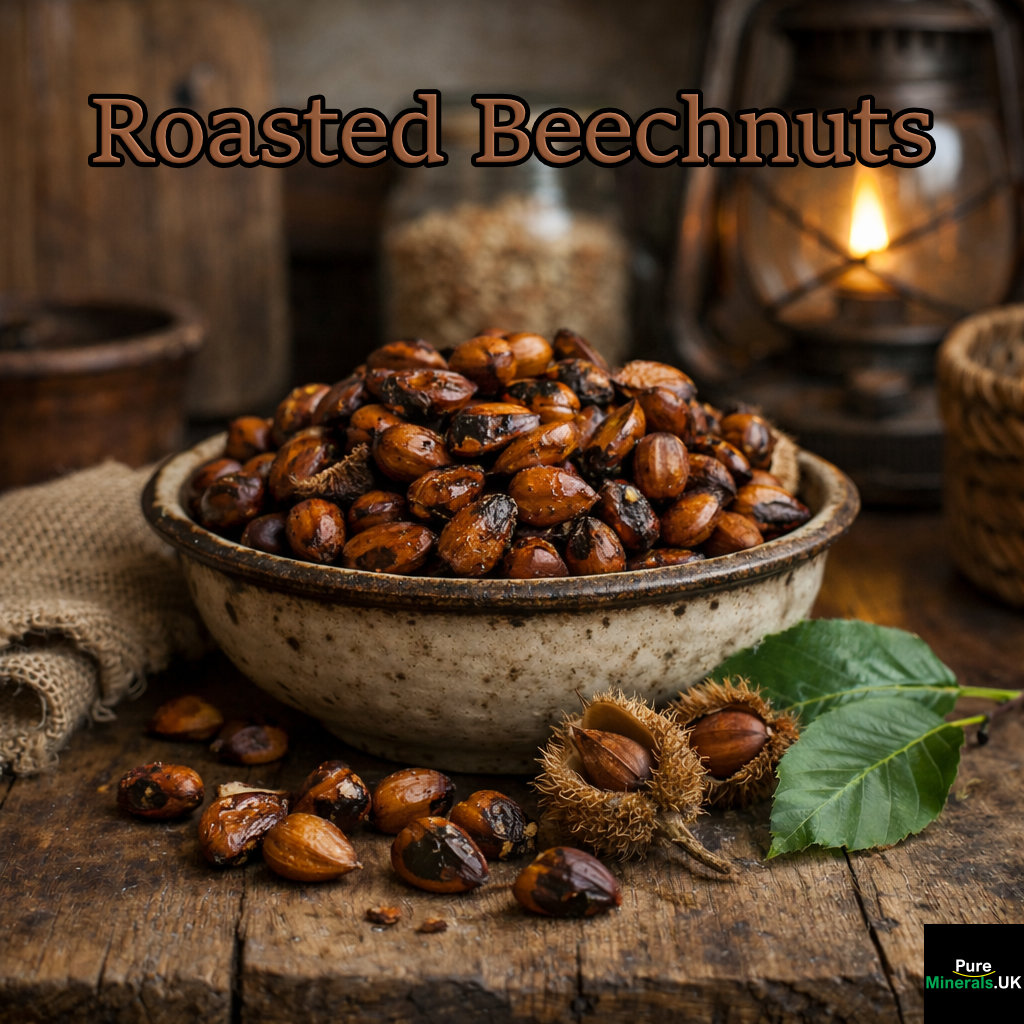
The good news is that the saponin-like compound in beechnuts is heat-sensitive. Roasting the kernels effectively neutralizes the toxic component, making the nuts safe to eat. This is not a complicated process — it simply requires applying consistent dry heat until the nuts are thoroughly cooked through, not just warmed on the surface.
A standard approach is to spread shelled beechnut kernels in a single layer on a baking tray and roast them at around 180°C (350°F) for 10 to 15 minutes, stirring once halfway through. The nuts should develop a golden-brown color and a toasted, hazelnut-like aroma when they’re done. Avoid under-roasting — pale or lightly warmed kernels may not have reached the internal temperature needed to fully neutralize the compound.
Once roasted, beechnuts can be eaten as a snack, ground into flour, pressed for oil, or seasoned and used as a topping. Their flavor after roasting is genuinely pleasant — rich, slightly sweet, and closely comparable to hazelnuts. Many people who try properly roasted beechnuts for the first time are surprised by how good they actually taste.
How to Harvest and Prepare Beechnuts Safely
Foraging for beechnuts successfully comes down to timing, identification, and proper post-harvest handling. The window for collection is narrow — typically a two to three week period in early to mid-autumn — and the nuts deteriorate quickly if not processed correctly after harvest.
When and Where to Forage Beechnuts
Beech trees are easy to identify once you know what to look for. They have smooth, silver-gray bark that remains relatively smooth even on mature trees — unlike oak or elm, which develop deeply furrowed bark with age. The leaves are oval with slightly wavy edges and a pointed tip. In autumn, the triangular nuts fall enclosed in a four-lobed spiky husk. Look for Fagus sylvatica in Europe or Fagus grandifolia in North America — both produce edible nuts with essentially the same nutritional profile.
Beech trees begin producing nuts around 25-40 years of age, with significant mast (nut) production occurring every 2 to 8 years. The small, triangular nuts are enclosed in spiny husks and fall to the ground. The harvest window typically runs from late September through mid-October in most temperate climates, though this shifts slightly depending on your location and the weather that year.
The best time to collect is immediately after the first significant drop, when the husks begin opening naturally, and the nuts fall to the ground. Collect from the ground rather than pulling from the tree — fallen nuts are ripe. Avoid any nuts that are discolored, shriveled, or have visible mold. A simple float test works well here: drop your collected nuts into a bowl of water and discard any that float, as they are likely hollow or compromised inside.
How to Store Beechnuts After Harvest
After collection, spread the nuts in a single layer in a dry, well-ventilated space and allow them to air dry for several days before shelling or roasting. Moisture is the main enemy — beechnuts stored with residual dampness will mold quickly. Once dried and shelled, raw kernels can be refrigerated in an airtight container for up to several weeks or frozen for longer storage. Roasted beechnuts have a shorter shelf life because their oils break down after heat exposure, so roast only what you plan to use within a week or two. For the oil, cold-press freshly dried kernels and store the oil in a dark glass bottle away from heat and light to prevent oxidation.
Beechnuts Are Worth Adding to Your Diet — With Caution
Beechnuts deliver a genuinely impressive nutritional profile — dense in heart-healthy unsaturated fats, rich in potassium and essential minerals, and offering sustained energy that few wild-foraged foods can match. The key word, as with any calorie-dense food, is moderation. A small handful of properly roasted beechnuts as part of a varied diet is a very different proposition from eating them by the cup. Respect the preparation requirement — always roast before eating — and they become one of the most rewarding seasonal foods available to anyone willing to forage them.
If foraging isn’t accessible to you, beechnut oil from artisan producers is worth seeking out to access the Omega-3 and Omega-6 benefits of this underutilized nut. Either way, beechnuts deserve a place in the conversation about functional, whole foods that support long-term health — they’ve just been overlooked for far too long.
Important note: Beechnuts
Beechnuts should be consumed in moderation, particularly when raw, due to naturally occurring compounds such as tannins and fagin, which may cause digestive upset if eaten in excess. Roasting is commonly used to improve safety and palatability. Proper identification is essential when foraging. This information is provided for educational purposes and is not intended as medical advice.
Frequently Asked Questions
Beechnuts generate a lot of questions — mostly because they sit in an unusual space between familiar pantry nuts and wild foraged foods that most people have never actually handled. The questions below address the most common points of confusion directly, especially when comparing them to other foraged foods like sorghum.
Are raw beechnuts poisonous to humans?
Yes, raw beechnuts contain a saponin-like toxic compound that can cause nausea, vomiting, and gastrointestinal distress when consumed in significant quantities. Documented cases of intoxication exist in people who ate raw beechnuts without preparation. The toxic compound is heat-sensitive and is effectively neutralized by roasting, making properly prepared beechnuts safe to eat.
What do beechnuts taste like?
Roasted beechnuts have a flavor that most people immediately compare to hazelnuts — rich, slightly sweet, and nutty with a pleasant depth that intensifies with heat. Raw beechnuts, on top of being unsafe in quantity, have a more bitter and astringent flavor that doesn’t do justice to what the nut can actually offer.
When roasted correctly, the flavor profile makes beechnuts highly versatile in the kitchen. They work well in the following applications:
- Eaten whole as a roasted snack, lightly salted
- Ground into flour for use in baked goods and bread
- Chopped and used as a topping for oatmeal, yogurt, or salads
- Cold-pressed into oil for use in dressings and finishing dishes
- Incorporated into trail mixes alongside dried fruit and seeds
The hazelnut comparison is the most useful benchmark if you’re trying to decide how to use them in a recipe — any application that works well with hazelnuts will generally translate well to roasted beechnuts.
How many beechnuts can you safely eat in a day?
There is no established upper daily limit for roasted beechnuts specifically, but their caloric density makes portion awareness important. At 576 calories per 100g, even a modest 30g serving delivers around 170 calories — comparable to other tree nuts. A small handful of properly roasted beechnuts as a daily snack or recipe ingredient is a reasonable and nutritionally beneficial amount for most healthy adults. If you have a nut allergy history or are introducing them, start with a small quantity and observe your body’s response before increasing intake.
Can you eat beechnut oil raw without roasting?
Yes — and in fact, consuming beechnut oil raw is the preferred method for preserving its full nutritional value. Cold-pressed beechnut oil retains its Omega-3 and Omega-6 fatty acid profile intact when used without heat. Cooking with it at high temperatures oxidizes the unsaturated fats and reduces their benefit. Use it as a finishing oil, in cold dressings, or drizzled over food just before serving for maximum nutritional return.
When is the best time of year to forage for beechnuts?
Early to mid-autumn is the optimal foraging window for beechnuts — typically late September through mid-October in most of the Northern Hemisphere, though this shifts based on local climate and altitude. The nuts are ready when the four-lobed husks begin to split open naturally and the triangular nuts start dropping to the ground without force. For those interested in foraging for other nuts, acorns can also be gathered during this time.
Not every year produces an abundant beechnut crop. Beech trees follow a cycle of mast years — periodic years of exceptionally heavy seed production — that occur roughly every three to five years. In non-mast years, the harvest may be sparse even under a mature, healthy tree. Experienced foragers pay attention to these cycles and plan their autumn foraging accordingly.
If you’re foraging in a new location, scout the area in late summer before the nuts have fully developed. Look for developing husks on the branches to gauge whether a productive harvest is likely before committing to a full collection trip in autumn. Early identification saves time and sets realistic expectations for yield.