

Published: 8 April 2026
This article is periodically reviewed and updated to reflect current scientific understanding by Vic George.
Fact-Checked: Includes 1 PubMed-indexed study and 1 other authoritative medical/scientific reference. See our Editorial Policy.
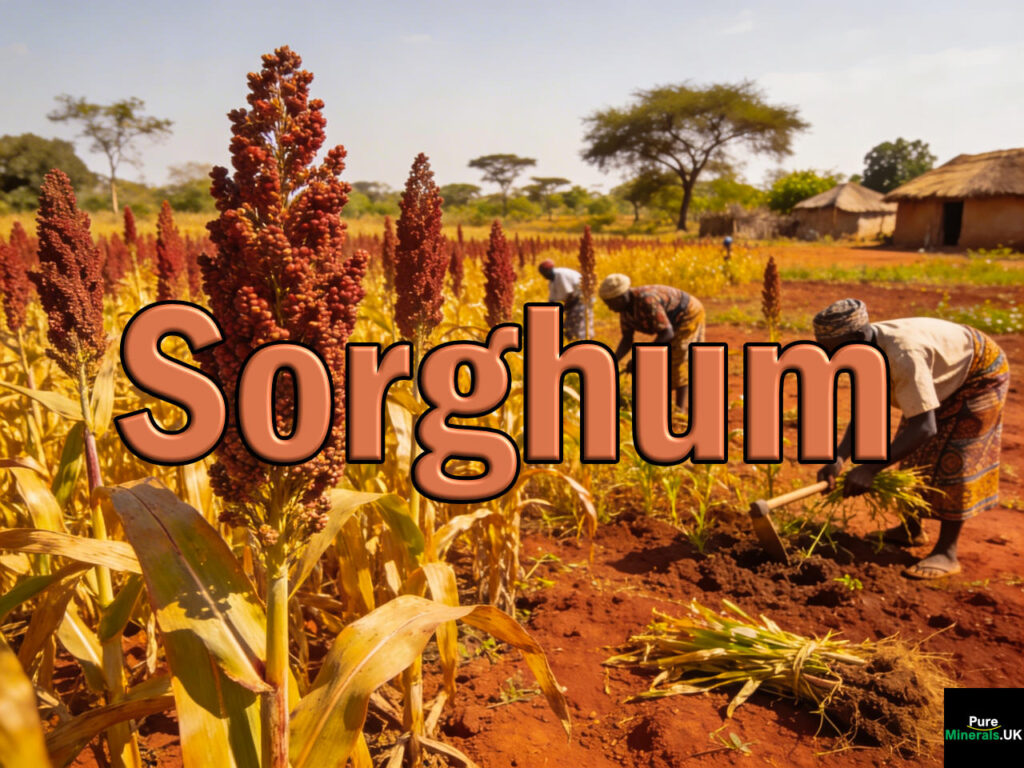
What Is Sorghum?
Sorghum is a cereal grain cultivated for its edible seeds, widely used as a staple food in many regions and valued for its resilience and nutritional profile.
Definition
Sorghum is an edible grain derived from Sorghum bicolor, a species of grass cultivated for food, feed, and industrial uses.
Extended Definition
Sorghum is one of the world’s most important cereal crops, particularly in Africa, Asia, and parts of the Americas. It is well adapted to hot, dry climates and can thrive in conditions where other grains may struggle, making it a key crop for food security in arid regions.
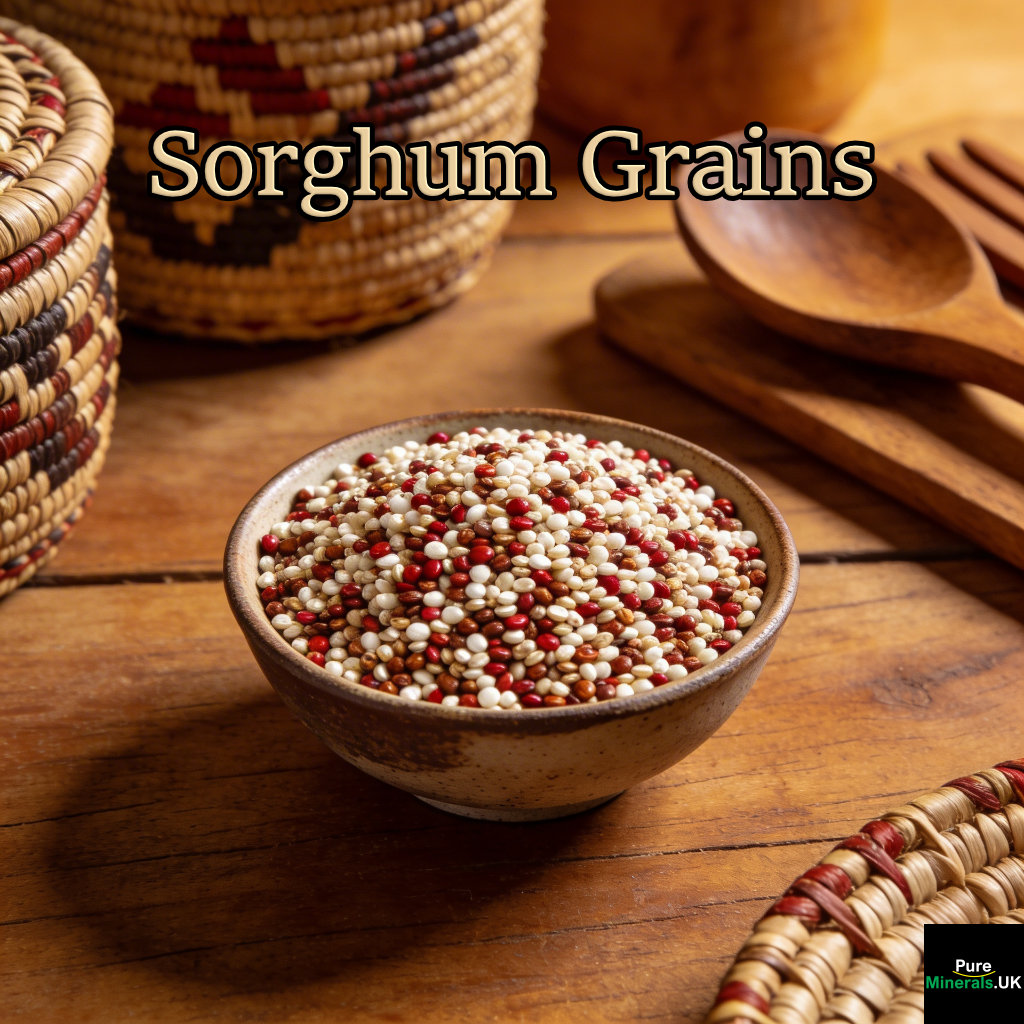
The grain is small and round, with colours ranging from white and yellow to red and brown, depending on the variety. Sorghum is naturally gluten-free and is commonly used as a staple food, ground into flour, cooked as whole grain, or processed into porridges and flatbreads.
Nutritionally, sorghum provides complex carbohydrates, dietary fiber, and moderate amounts of protein. It is also a source of minerals such as iron, magnesium, and phosphorus. Some varieties contain significant levels of polyphenols and tannins, which contribute to antioxidant activity observed in laboratory studies.
Sorghum is also used in modern food applications such as gluten-free baking and as a base for syrups and fermented products.
Key Facts
- Botanical Name: Sorghum bicolor
- Plant Family: Poaceae
- Common Forms: Whole grain, flour, flakes, syrup
- Typical Serving Methods: Boiled, ground into flour, or processed into porridges and baked goods
- Taste Profile: Mild, slightly sweet, sometimes earthy
Nutritional Highlights:
- Gluten-free carbohydrate source
- Contains dietary fiber
- Provides iron, magnesium, and phosphorus
Culinary Uses:
- Porridges and flatbreads
- Gluten-free baking
- Grain dishes and cereals
Notable Compounds:
- Polyphenols
- Tannins (in some varieties)
Dietary Suitability:
- Gluten-free, vegan, vegetarian diets
Key Takeaways
- Sorghum is a 100% gluten-free ancient grain that originated in Africa over 5,000 years ago and is safe for people with celiac disease and gluten sensitivity.
- It’s one of the most nutrient-dense gluten-free flours available — packed with plant-based protein, dietary fiber, B vitamins, and over 22% of your daily recommended intake of magnesium, copper, selenium, and phosphorus per 100 grams.
- Sorghum contains powerful antioxidants, including phenolic compounds, tannins, and anthocyanins that help fight inflammation — keep reading to find out how this sets it apart from nearly every other gluten-free grain.
- Unlike many gluten-free alternatives, sorghum is non-GMO and does not require an inedible hull to be removed before consumption, making it one of the most whole and minimally processed grain options available.
- Sorghum flour can replace wheat flour in everyday recipes like bread, muffins, pancakes, and even beer — making the gluten-free transition far more practical and delicious than most people expect.
Sorghum Is the Ancient Grain Gluten-Free Eaters Have Been Missing
Most gluten-free grains come with a compromise — gummy texture, bland taste, or a nutrient profile that barely competes with the wheat flour it replaced. Sorghum is different.
This ancient cereal grain has been feeding communities across Africa and Australia for more than 5,000 years, and for good reason. It’s naturally gluten-free, surprisingly rich in nutrients, and versatile enough to use in everything from sandwich bread to breakfast porridge. For anyone navigating a gluten-free diet — whether by medical necessity or personal choice — sorghum may be the ingredient that finally makes it feel effortless. Exploring trusted gluten-free resources can help you make more confident, informed choices about ingredients like sorghum and how to use them effectively.
Sorghum is grown commercially worldwide, with global production reaching nearly 61.3 million tons in 2024, primarily used as grain for food, animal feed, and ethanol production. The United States is the top producer (8.2 million tons in 2023/24), with major production in Texas and other southern states. Half of U.S. sorghum is exported.
Nigeria is the next largest sorghum producer with approximately 7 million tons in 2024, leading in African production. Sudan generates over 5 million tons annually. India produced 4.2–4.4 million tons in 2024, growing it for food and fodder. And Argentina and Brazil are the top South American exporters, with increasing production of 3 million and 5.2 million tons, respectively, in 2024.
What Is Sorghum?
Sorghum (Sorghum bicolor L. Moench) is an ancient cereal grain belonging to the grass family. It grows as a tall, hearty crop that thrives in hot, dry climates — which is part of why it has been a staple food in Africa, parts of Asia, and increasingly across the United States. Today, it ranks among the top five cereal grains produced globally.
The grain itself comes in a range of varieties, from white and yellow to red and black, each with slightly different flavor and antioxidant profiles. The whole grain kernel can be eaten as-is, popped like popcorn, or ground into a fine flour. The flour — typically beige or white in color — has a mildly sweet flavor and a soft texture that makes it genuinely pleasant to cook and bake with, similar to fonio.
Where Sorghum Comes From
Sorghum’s roots go back thousands of years across two continents. Here’s a quick look at how it evolved into the grain found in today’s health food stores:
- Origins: Domesticated in northeastern Africa (modern-day Ethiopia and Sudan) over 5,000 years ago
- Global spread: Moved through the Middle East, India, and eventually into Asia and the Americas via trade routes
- U.S. arrival: Brought to North America during the colonial era, primarily for animal feed and syrup production
- Modern shift: Growing awareness of gluten sensitivities and demand for whole-grain alternatives has positioned sorghum as a commercial food ingredient across the U.S.
- Current uses: Food, animal feed, biofuel, and alcoholic beverages — making it one of the most versatile crops in agriculture
Historically, sorghum was also used to produce sorghum syrup (sometimes called sorghum molasses), a natural sweetener common in traditional Southern American cooking. Its range of uses speaks to just how adaptable this grain truly is.
How Sorghum Differs From Other Cereal Grains
Feature
Sorghum
Wheat
Corn
Quinoa
Gluten-Free
✓ Yes
✗ No
✓ Yes
✓ Yes
Whole Grain (as flour)
✓ Yes
Varies
Varies
✓ Yes
Non-GMO
✓ Yes
Varies
✗ Often GMO
✓ Yes
Inedible Hull
✗ None
✓ Yes
✓ Yes
✗ None
High Antioxidant Content
✓ Yes
Moderate
Moderate
✓ Yes
What makes sorghum stand out in this comparison is the combination of factors working together. It’s not just gluten-free — it’s also a true whole grain in its flour form, which means none of the fiber, minerals, or antioxidants are stripped away during processing the way they are in refined wheat flour or many commercial corn-based products.
Why Sorghum Has No Inedible Hull
Most cereal grains — including wheat, barley, and corn — have an outer hull that must be removed before the grain is safe or palatable to eat. This milling process inevitably strips away some of the grain’s natural nutrients. Sorghum’s kernel, by contrast, has no inedible outer hull.
This is a meaningful nutritional advantage. Because the entire kernel is edible, sorghum flour retains the full spectrum of nutrients present in the whole grain — fiber, B vitamins, minerals, and antioxidant compounds — without requiring extra processing steps that reduce its nutritional value.
Sorghum Nutrition Facts
Few gluten-free flours come close to sorghum’s mineral density. A 100-gram serving of sorghum flour delivers over 22% of the daily recommended intake for magnesium, copper, selenium, and phosphorus — a combination rarely found in a single grain-based ingredient.
Macronutrients: Protein, Carbs, and Fiber
Sorghum is a solid source of plant-based protein and dietary fiber, which is part of what makes it more satisfying than refined flour alternatives. The fiber content plays a direct role in slowing digestion, stabilizing blood sugar response, and keeping you fuller for longer after a meal — without the energy crash that often follows refined carbohydrate consumption.
It also contains complex carbohydrates that provide sustained energy rather than a quick spike and drop. This makes sorghum particularly well-suited for people managing blood sugar levels or looking for long-lasting fuel from their meals.
Key Minerals Found in Sorghum
Sorghum is unusually mineral-rich for a flour. A 100-gram serving provides meaningful amounts of minerals, similar to other grains like millet.
- Magnesium — supports muscle function, nerve health, and energy metabolism
- Phosphorus — essential for bone health and cellular energy production
- Copper — involved in iron metabolism and immune defense
- Selenium — a powerful antioxidant mineral that supports thyroid function
- Iron — critical for oxygen transport and reducing fatigue
B Vitamins and Antioxidant Content
Sorghum contains several B vitamins, including niacin (B3), thiamine (B1), and vitamin B6, which collectively support energy production, brain function, and healthy metabolism. These are nutrients that many people on gluten-free diets miss out on when they switch to heavily refined alternative flours like millet.
Beyond vitamins and minerals, sorghum is surprisingly high in antioxidants — particularly phenolic compounds, tannins, and anthocyanins. Research published in PubMed highlights sorghum’s antioxidant activity, with these compounds linked to reduced inflammation and protection against oxidative stress. The darker varieties of sorghum (red and black) tend to carry higher concentrations of these beneficial plant compounds, similar to those found in millet.
Sorghum Is Naturally Gluten-Free and Non-GMO
For people with celiac disease or non-celiac gluten sensitivity, finding a flour that genuinely performs in the kitchen — without triggering symptoms — can feel like a constant challenge. Sorghum checks both boxes: it’s inherently gluten-free and, importantly, it is not a genetically modified crop, unlike many commercially grown corn varieties commonly used in gluten-free products.
Why Sorghum Is Safe for Celiac Disease and Gluten Sensitivity
Gluten — the protein found in wheat, barley, and rye — causes a well-documented immune response in people with celiac disease and can trigger symptoms including bloating, diarrhea, constipation, fatigue, and headaches in those with sensitivity. Sorghum contains no gluten proteins whatsoever, making it a structurally safe choice at the grain level.
That said, cross-contamination is always a consideration. If you have celiac disease, look for sorghum flour that is certified gluten-free, meaning it has been processed in a facility free from wheat, barley, or rye. The grain itself is safe — it’s the handling environment that matters most for those with the highest sensitivity.
How Sorghum Compares to Refined White Flour
Refined white flour has had most of its nutritional value processed out of it — the bran and germ are removed, taking fiber, minerals, and B vitamins along with them. What remains is largely starch. Sorghum flour, by contrast, is a whole grain flour by default, meaning none of that nutritional stripping takes place. The fiber stays intact, the minerals remain present, and the antioxidant compounds are preserved.
The practical difference shows up in how your body responds after eating. Refined white flour digests rapidly, spiking blood sugar and leaving you hungry again quickly. Sorghum’s fiber and complex carbohydrate structure slows that process down considerably, giving you more sustained energy and a longer feeling of fullness — a meaningful advantage whether you’re managing weight, blood sugar, or simply trying to stay fueled through the day.
Health Benefits of Sorghum
Sorghum earns its reputation not just as a gluten-free substitute, but as a genuinely functional food. Its nutritional profile supports multiple body systems simultaneously — digestive, cardiovascular, metabolic, and immune — which puts it in a different category than most alternative flours that simply mimic the texture of wheat without offering much in return.
Research published in Food Reviews International by S. K. Johnson and L. C. Tapsell identified sorghum as an underutilized cereal whole grain with real potential to assist in the prevention of chronic disease. That’s not marketing language — it’s a conclusion drawn from analysis of sorghum’s bioactive compounds, fiber content, and adaptability as a functional food ingredient across diverse dietary needs.
Health Benefit
Key Compound or Nutrient Responsible
Body System Supported
Reduced inflammation
Phenolic compounds, tannins, anthocyanins
Immune, cardiovascular
Improved digestion
Dietary fiber
Digestive, hormonal
Blood sugar stability
Complex carbohydrates, fiber
Metabolic, endocrine
Bone and muscle support
Magnesium, phosphorus
Skeletal, muscular
Energy production
B vitamins, iron
Neurological, metabolic
Antioxidant defense
Selenium, phenolic compounds
Cellular, immune
What makes this table significant is that these benefits aren’t isolated to one nutrient — they work together. The fiber supports digestion while the antioxidants reduce the inflammation that poor digestion can trigger. The B vitamins support energy, while magnesium supports the muscle function needed to use that energy. Sorghum’s nutrition works as a system, not just a checklist.
High Fiber Content Supports Digestive and Cardiovascular Health
Sorghum’s fiber content is one of its most practically valuable traits. Dietary fiber feeds beneficial gut bacteria, supports regular bowel movements, and helps maintain the integrity of the intestinal lining — all of which are particularly important for people who have experienced gut damage from long-term gluten exposure before a celiac diagnosis.
The cardiovascular benefits follow logically. A well-functioning digestive system supports healthier cholesterol metabolism, and the soluble fiber in sorghum helps bind to cholesterol in the digestive tract before it can be absorbed into the bloodstream. This is the same mechanism behind the heart-health claims associated with oat fiber, and sorghum delivers it in a completely gluten-free package.
Beyond cholesterol, sorghum’s fiber contributes to what nutritionists often describe as satiety — that genuine feeling of being full and satisfied after a meal. Unlike refined flours that digest within an hour and leave you reaching for a snack, sorghum-based meals tend to stick with you. This makes it a particularly smart choice for:
- People managing their weight on a gluten-free diet
- Anyone experiencing blood sugar fluctuations after meals
- Those transitioning away from wheat who miss the staying power of whole-grain bread
- Athletes or active individuals who need sustained fuel without gluten-based grains
Phenolic Compounds, Tannins, and Anthocyanins Reduce Inflammation
Sorghum’s antioxidant profile is genuinely impressive compared to most gluten-free grains. Research indexed on PubMed confirms that sorghum contains significant concentrations of phenolic compounds, tannins, and anthocyanins — plant-based antioxidants that neutralize free radicals and reduce the oxidative stress associated with chronic inflammation. Darker sorghum varieties — particularly red and black — carry the highest concentrations of these compounds, making variety selection worth considering if anti-inflammatory support is a priority for you.
Lower Glycemic Index Compared to Refined Grains
One of the less-discussed advantages of sorghum is its glycemic impact. Because the fiber and protein in whole grain sorghum slow the digestion and absorption of its carbohydrates, the blood sugar response is considerably more gradual than what you’d get from refined white flour, white rice flour, or many commercial gluten-free flour blends that rely heavily on tapioca or potato starch.
This slower glucose release is meaningful for people managing type 2 diabetes, insulin resistance, or simply trying to avoid the energy spikes and crashes that come with heavily processed gluten-free alternatives. Swapping refined gluten-free flours for sorghum in everyday baking is one of the simplest and most effective ways to improve the glycemic quality of a gluten-free diet without sacrificing taste or texture.
Protective Properties Against Chronic Disease
The combination of antioxidants, fiber, and anti-inflammatory compounds in sorghum creates a nutritional environment that researchers have linked to chronic disease prevention. The Food Reviews International analysis specifically cited sorghum’s potential role in addressing diet-driven diseases — a category that includes cardiovascular disease, type 2 diabetes, and certain inflammatory conditions.
As a gluten-free cereal with rich fiber content and bioactive compounds, sorghum represents something rare in the alternative grain space: a food that doesn’t just avoid causing harm for sensitive individuals, but actively contributes to long-term health outcomes. That distinction matters when you’re making daily food choices that compound over the years.
How to Use Sorghum in Gluten-Free Cooking and Baking
Sorghum flour has a mild, slightly sweet flavor and a soft texture that makes it one of the most user-friendly gluten-free flours available. It doesn’t carry the bitterness of buckwheat, the grittiness of chickpea flour, or the overly starchy quality of many rice-based blends. In short, it actually tastes good, which makes it far easier to incorporate into everyday cooking without anyone at the table noticing the swap.
Sorghum Flour vs. Whole Grain Sorghum: Which to Use
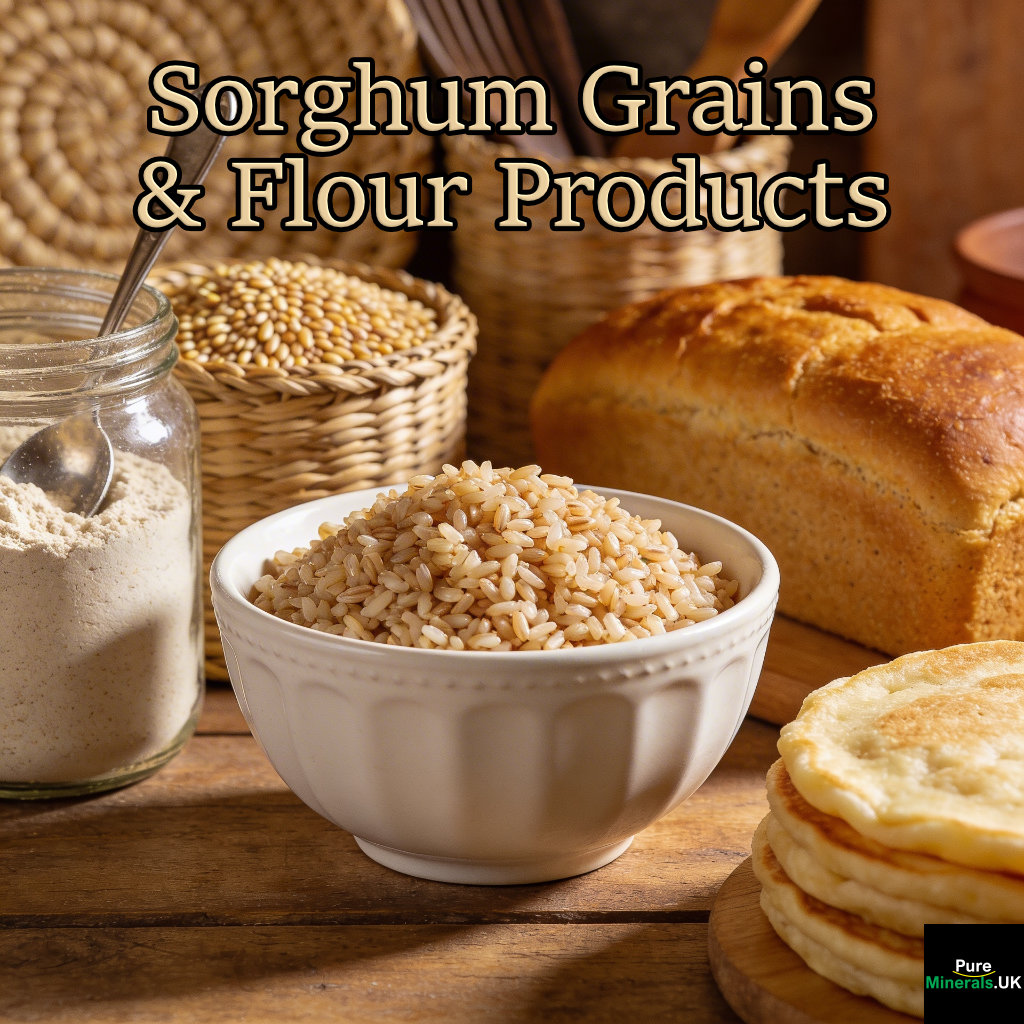
The choice between whole grain sorghum and sorghum flour really comes down to what you’re making. Whole grain sorghum kernels work beautifully as a rice or quinoa substitute — cooked in water or broth and served as a base for grain bowls, salads, or sides. The flour, on the other hand, is what you reach for when baking bread, making pancakes, or thickening sauces. Both forms retain the full nutritional benefits of the grain, so neither is a lesser option — they just serve different culinary purposes.
How to Substitute Sorghum Flour in Everyday Recipes
When replacing wheat flour in home baking, sorghum flour works best as a partial substitute rather than a one-to-one swap in every recipe. A common and effective approach is to replace 25 to 50 percent of the wheat flour in a recipe with sorghum flour, or use it as the primary flour in a gluten-free blend that includes a starch like tapioca or arrowroot for structure. Recipes like muffins, quick breads, pancakes, cookies, and brownies adapt particularly well to sorghum flour with minimal adjustment needed.
Best Sorghum Flour Blends for Baking
While whole grain sorghum flour alone produces good results in many recipes, blending it with complementary gluten-free flours tends to improve the final texture — especially in yeasted breads or delicate baked goods. Store-bought blends like Bob’s Red Mill Gluten Free 1-to-1 Baking Flour include sorghum flour as part of a carefully balanced mix. If you prefer to blend your own, a combination of sorghum flour, tapioca starch, and either brown rice flour or arrowroot starch produces a versatile all-purpose blend suitable for most baking applications.
Homemade vs. Store-Bought Sorghum Products
Store-bought gluten-free baked goods made with sorghum flour offer convenience, but they often come with added preservatives, excess sugar, and stabilizers that offset some of the nutritional advantages of the sorghum itself. Reading the ingredient label matters — a product that lists sorghum flour first, followed by a long list of additives, is a very different product from one made with a short, clean ingredient list.
Making your own sorghum-based foods at home gives you complete control over what goes into every recipe. You eliminate the preservatives, reduce the sugar, and keep the focus on the nutrient-dense ingredients that make sorghum worth using in the first place. It doesn’t have to be complicated — even simple swaps like homemade sorghum pancakes on a weekend morning or a batch of sorghum flour muffins prepared ahead for the week can make a meaningful difference in the overall quality of a gluten-free diet.
Sorghum Recipes to Try Today
The best way to understand sorghum’s versatility is to start cooking with it. Whether you’re brand new to gluten-free eating or simply looking to upgrade your current flour rotation, these three recipes are practical starting points that showcase what sorghum flour and whole grain sorghum can actually do in a real kitchen.
Each recipe below uses sorghum in a different form and for a different meal, so you get a genuine sense of its range — from a hearty loaf of sandwich bread to a warming breakfast porridge to a stack of weekend pancakes that happen to be completely wheat-free.
Gluten-Free Sorghum Bread
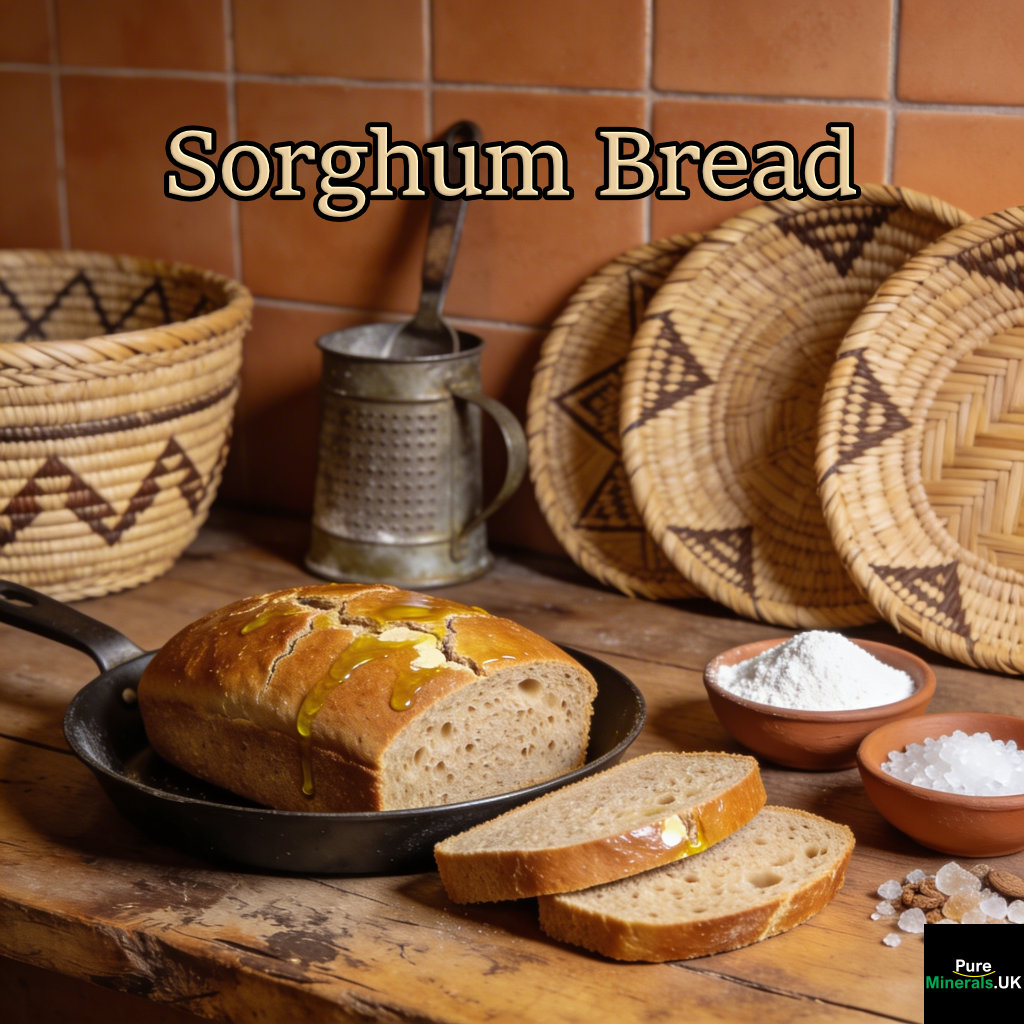
For a basic gluten-free sorghum sandwich loaf, combine 1.5 cups of sorghum flour, 0.5 cups of tapioca starch, 1 teaspoon xanthan gum, 1 packet active dry yeast, 1 teaspoon salt, 1 tablespoon olive oil, 1 tablespoon honey, and 1 cup warm water. Mix into a thick batter — it will be wetter than traditional bread dough, which is normal for gluten-free baking.
Pour into a greased loaf pan, let it rise for 45 minutes in a warm spot, then bake at 375°F for 35 to 40 minutes until the top is golden and a toothpick inserted in the center comes out clean. The result is a mildly sweet, soft-crumbed loaf that holds together well for sandwiches without the gummy texture that plagues many gluten-free breads.
Sorghum Porridge
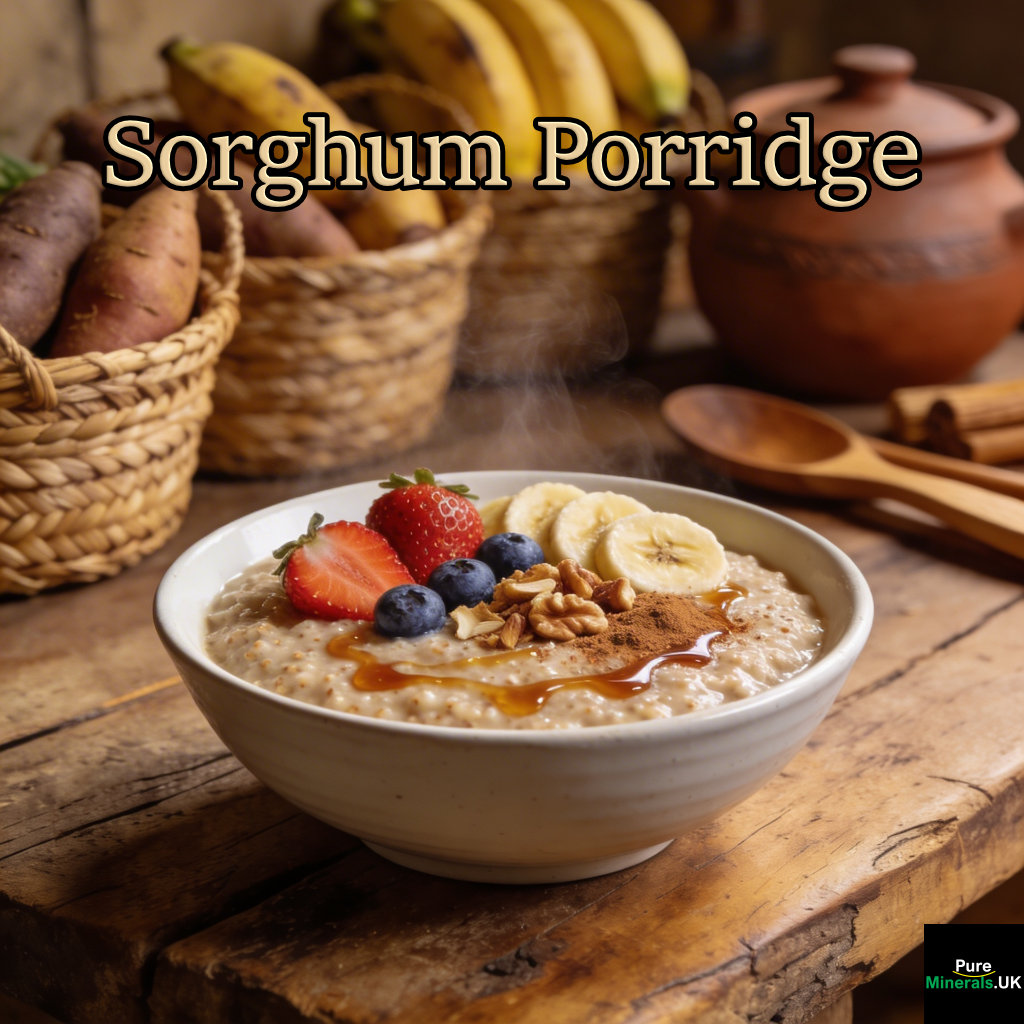
Whole grain sorghum makes an exceptionally satisfying hot breakfast porridge — think of it as a more nutritious, gluten-free alternative to oatmeal or cream of wheat. To prepare it, rinse 1 cup whole grain sorghum and combine it with 3 cups water or unsweetened almond milk in a medium saucepan. Bring to a boil, reduce the heat, and simmer covered for 50 to 60 minutes until the grains are tender and have absorbed most of the liquid.
Stir in a pinch of cinnamon, a drizzle of pure maple syrup, and your choice of toppings — fresh berries, sliced banana, and a handful of chopped walnuts work particularly well. The porridge has a naturally mild, slightly nutty flavor and a creamy texture that’s genuinely comforting. Because it’s made from the intact whole grain kernel, it delivers the full fiber and mineral content of sorghum in every bowl, keeping you full well into the morning.
This recipe also works as a meal prep staple. Cook a large batch at the start of the week, refrigerate it in individual portions, and reheat with a splash of plant milk each morning. It reheats beautifully and holds its texture without becoming mushy.
Sorghum Flour Pancakes
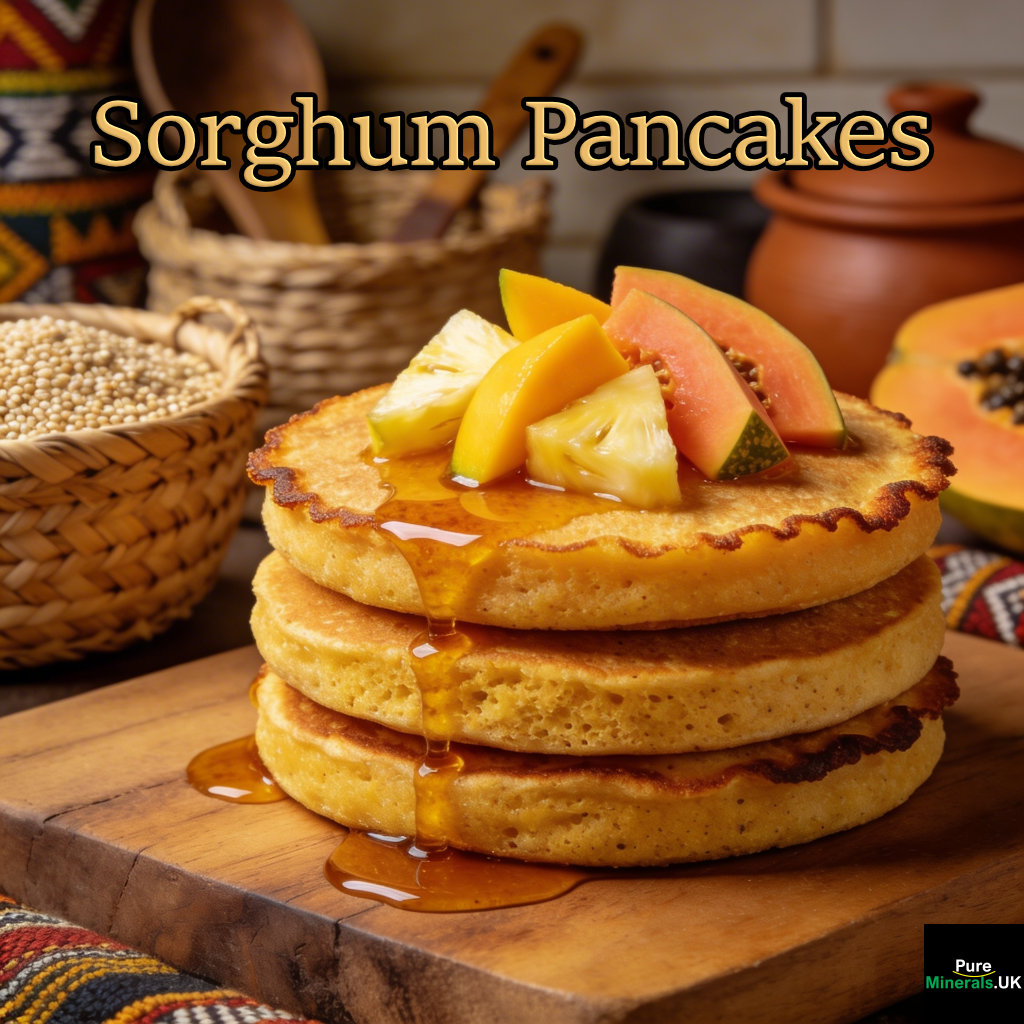
For a simple gluten-free pancake batter, whisk together 1 cup sorghum flour, 1 tablespoon baking powder, 1 tablespoon coconut sugar, 0.5 teaspoon salt, 1 egg, 1 cup milk of your choice, and 2 tablespoons melted coconut oil. Cook on a lightly greased griddle over medium heat until bubbles form on the surface, then flip and cook for another 1 to 2 minutes. Sorghum flour produces pancakes with a tender, slightly dense crumb and a subtle sweetness that pairs well with fresh fruit and pure maple syrup. Unlike rice flour pancakes, which can turn out thin and brittle, sorghum pancakes hold their shape well and have enough structure to stack properly.
Sorghum Is One of the Most Versatile Gluten-Free Grains Available
After looking at the full picture — the origin story, the nutrition data, the health research, and the practical cooking applications — it’s clear that sorghum earns a permanent place in any gluten-free kitchen. It’s not a trendy superfood that requires special techniques or expensive equipment. It’s a straightforward, ancient whole grain that happens to be naturally free of gluten, rich in fiber and minerals, loaded with antioxidants, and genuinely pleasant to eat.
The fact that it’s also non-GMO, minimally processed, and retains its full nutritional value in flour form makes it stand out in a gluten-free market that’s crowded with refined, additive-heavy alternatives. Whether you’re baking bread, cooking porridge, making pancakes, or simply looking for a whole grain base for your grain bowls and salads, sorghum adapts to the role with ease. Starting with even one or two recipes per week is enough to begin experiencing the difference a more nutrient-dense gluten-free grain can make in how you feel, how long you stay full, and how much you actually enjoy eating without wheat.
Important note: Sorghum
Sorghum is generally safe and well-tolerated when consumed as part of a balanced diet. Whole-grain sorghum contains naturally occurring compounds such as phytates and tannins, which may affect mineral absorption, though traditional preparation methods can reduce their impact. Individuals with specific dietary conditions or sensitivities should consult a qualified nutrition professional before regular consumption.
Frequently Asked Questions
Here are the most common questions people ask about sorghum before adding it to their gluten-free diet — answered directly so you can make an informed decision without sifting through conflicting information.
Is Sorghum Completely Gluten-Free?
Yes. Sorghum is completely and naturally gluten-free at the grain level. It contains no gluten proteins — none of the gliadin or glutenin found in wheat, barley, or rye that trigger reactions in people with celiac disease or gluten sensitivity. For those who require certified gluten-free labeling due to the severity of their condition, look for sorghum flour processed in a dedicated gluten-free facility to eliminate any cross-contamination risk from shared equipment.
Can People With Celiac Disease Eat Sorghum?
Yes, people with celiac disease can safely eat sorghum, provided it has been processed and handled in a gluten-free environment. The grain itself is inherently safe — the concern is always about manufacturing cross-contamination, not the grain’s composition. Certified gluten-free sorghum flour products carry third-party testing verification that the product contains fewer than 20 parts per million of gluten, which is the threshold established as safe for the vast majority of people with celiac disease.
Beyond being safe, sorghum is actually a particularly good choice for people recovering from gut damage caused by long-term undiagnosed celiac disease. Its fiber content supports gut microbiome restoration, and its rich mineral profile helps address the nutrient deficiencies — particularly iron, magnesium, and B vitamins — that commonly develop when celiac disease has impaired nutrient absorption over time.
What Does Sorghum Taste Like?
Sorghum has a mild, slightly sweet, and mildly nutty flavor that most people find genuinely neutral and easy to cook with. It doesn’t have the strong earthy taste of buckwheat or teff, the slight bitterness of some bean-based flours, or the overly bland quality of plain white rice flour. Here’s how it compares across different forms:
- Sorghum flour: Mildly sweet, soft, and neutral — works well in both sweet and savory recipes without overpowering other flavors
- Whole grain sorghum (cooked): Slightly chewy with a subtle nutty note, similar in texture to wheat berries or farro
- Sorghum porridge: Creamy and mild, closer to polenta or cream of wheat in overall flavor and mouthfeel
- Popped sorghum: Lightly crunchy with a natural sweetness, similar to small popcorn but without a hull to get stuck in your teeth
The mild flavor profile is one of sorghum’s most practical strengths in the kitchen. Because it doesn’t dominate a recipe, it blends seamlessly into baked goods without requiring major flavor adjustments. A banana muffin made with sorghum flour still tastes like a banana muffin — just one that happens to be more nutritious and completely wheat-free.
This also makes sorghum a solid choice for savory applications. In cultures across Africa and the Middle East, sorghum flour has long been used to make flatbreads, couscous-style dishes, and savory porridges. The same neutral quality that makes it work in sweet baked goods also makes it adaptable to spiced, herb-forward, or umami-rich savory recipes without clashing.
If you’re new to sorghum and want to ease into the flavor before committing to a full loaf of bread, start with sorghum flour pancakes. The mild sweetness shines in that context, and it’s a low-stakes way to get comfortable with how the flour behaves before using it in more complex baking projects.
Is Sorghum Healthier Than Quinoa?
Sorghum and quinoa are both excellent gluten-free whole grains, but they have different nutritional strengths. Quinoa is widely recognized for being a complete protein — meaning it contains all nine essential amino acids — which is unusual for a plant-based food. Sorghum, on the other hand, delivers a comparable protein content while significantly outperforming quinoa in its antioxidant concentration, particularly in phenolic compounds, tannins, and anthocyanins. Sorghum also provides a comparable or higher fiber content depending on the variety, and its mineral density — especially magnesium, copper, selenium, and phosphorus — is notable even in flour form.
Whether sorghum is “healthier” than quinoa depends on what your body needs most. If complete protein is your priority, quinoa has the edge. If anti-inflammatory antioxidants, fiber, and mineral density are what you’re optimizing for, sorghum competes strongly and often wins on those specific metrics. The most practical answer is to use both — they serve different culinary purposes and complement each other nutritionally in a well-rounded gluten-free diet.
Where Can You Buy Sorghum Flour?
Sorghum flour has become significantly more accessible over the past decade as gluten-free eating has moved from a niche dietary need into mainstream health consciousness. You no longer need to visit a specialty store or order exclusively online to find it, though both options remain excellent for sourcing high-quality whole grain varieties.
In terms of specific products and retailers, here are reliable places to start your search:
- Bob’s Red Mill Sorghum Flour — widely available at major grocery chains, including Whole Foods, Kroger, Walmart, and Target, as well as Amazon
- Anthony’s Goods Organic Sorghum Flour — available on Amazon and the brand’s direct website, certified gluten-free and USDA Organic
- Arrowhead Mills Organic Sorghum Flour — found at health food stores and many large supermarkets
- Whole grain sorghum kernels — available at bulk food stores, natural food co-ops, and online retailers like Amazon or Thrive Market
- Gluten-free flour blends containing sorghum — look for blends at most well-stocked major grocery stores in the natural foods or baking aisle
When buying sorghum flour, look for products labeled whole grain sorghum flour rather than just sorghum flour, as whole grain versions retain the complete nutritional profile of the grain. If you have celiac disease, prioritize products with a certified gluten-free seal from an independent third-party organization such as the Gluten-Free Certification Organization (GFCO).